


cropper
update

Troubled Teen Solutions

update
  • Home
  • Categories
    • Understanding Teens
    • Parenting Strategies
    • Mental & Emotional Health
    • Family Relationships
    • Education Challenges
    • Risky Behaviors
    • Online Habits
    • Healthy Outlets
    • Parent Support
    • Professional Resources
  • Raising Kids Well
UPDATE
July 21.2026
1 Minute Read

When Teen Defensiveness Is Really Self-Protection

Have you ever wondered if your teenager's defiance is more than just a bad attitude? What if those sharp words, folded arms, and closed doors are really shields—a way for a defensive teen to protect themselves from pain, fear, or misunderstanding? Many parents and educators mistake self-protective behaviors for rebellion. In this guide, we'll untangle the complex web of defensive and defiant teen behaviors, exploring the powerful underlying reasons and offering actionable ways to support your teen when they need it most.

Are Defensive Teens Misunderstood? Challenging Common Assumptions About Defiant Teen Behavior

Too often, society quickly labels a defensive teen as “difficult,” “rebellious,” or even “troublemaker. ” But what if these assumptions miss the real point? Defensive teens frequently use shut-downs, sarcasm, or angry outbursts to feel safe, especially when overwhelmed or criticized. Unlike a defiant teen, whose actions may challenge authority or test limits, a defensive teen often reacts from a place of vulnerability.

Research shows that labeling teens without understanding the root cause can erode trust between teens and parents, making effective communication nearly impossible. By challenging expectations around “defiant behaviors,” we create space for empathy and open communication. Teens are not always acting out from a place of anger—sometimes their behavior is a desperate act of self-protection. Recognizing the difference between defiant and defensive responses sets the tone for healthier relationships and stronger, safer home environments.

Group of defensive teens with neutral expressions seated together in a contemporary school common area, subtle distance, visible lockers and windows. Defensive teen body language captured in high realism.

What You'll Learn About Defiant Teen and Defensive Teen Behaviors

  • Key insights into defensive teen and defiant teen responses
  • Underlying causes of defiant teenage reactions
  • Differences between self-protection and mere defiance
  • Effective strategies to support a defensive teenager
  • Impacts of mental health on defiant behavior

Defining the Defensive Teen: What Does Defensiveness Really Mean?

A defensive teen might seem argumentative, withdrawn, or easily triggered by even mild critiques. But at its core, defensiveness is a self-protective strategy—it’s about shielding oneself from perceived threats. In the stressful teen years, this might show up as snapping back, stonewalling, or even isolating themselves from family. Defensiveness is not the same as open rebellion or “bad behavior. ” Instead, it’s a patterned response that emerges when a teen feels misunderstood, judged, or emotionally unsafe.

Often, the defensive response is a signal of past hurts, low self-esteem, or overwhelming emotions. While the teen’s actions may seem disruptive, it’s crucial for adults to interpret these cues compassionately. By seeing defensiveness as a sign of deeper needs—not just defiant behavior—we can build trust, lessen power struggles, and help our teens feel safe coming to us with their worries.

Defensive Teen vs. Defiant Teen: Key Differences Explored

While a defiant teen actively resists authority or boundaries (like ignoring curfews or refusing to do homework), a defensive teen might withdraw, justify their actions endlessly, or become hypersensitive to even slight criticism. The defiant teenager is testing limits for autonomy—seeking ways to assert independence, even if it means breaking rules. The defensive teen, on the other hand, is often trying to protect themselves from shame, fear, or emotional pain.

Crucially, understanding these differences can change the way adults respond. Approaching a defensive teenager with compassion and curiosity, rather than punishment, can reduce power struggles, open lines of communication, and help them feel safe. By focusing on emotional needs rather than bad behaviors, parents and educators can better support both defensive and defiant teens through their challenges.

Defensive teen with closed-off body language contrasted with a defiant teen displaying argument posture in a neutral home setting. Defensive and defiant teen behaviors, photorealistic, natural poses.

Common Signs of Defiant Teenagers and Defensive Adolescents

Spotting the signs of a defensive teen or a defiant teenager is key to providing the right support. Defensive adolescents often exhibit behaviors like crossing their arms, avoiding eye contact, over-explaining small mistakes, or shutting themselves in their rooms. Their reactions may seem outsized—anger at small requests or a refusal to discuss anything that feels like criticism. Defiant teens, by contrast, might act out more directly: challenging every rule, engaging in risky behavior, or deliberately testing boundaries.

Both groups may show mood swings, struggle with authority, and contribute to tension in the home, but their motivations are different. For a defensive teenager, the driving force is emotional self-preservation. For the defiant one, it is often a desire for power, independence, or attention. Recognizing these behaviors helps adults determine when to step in, when to set boundaries, and when to offer empathy.

From Defiant Behavior to Self-Protection: Where Is the Line?

The boundary between defiance and self-protection can be murky. What seems like outright rebellion may, in fact, be a teen’s effort to manage anxiety, fear, or unresolved trauma. For example, a defensive teen who refuses to talk after school may be overwhelmed by peer pressure or academic stress, not simply “acting out. ” A defiant teenager skipping curfew could be asserting independence, but they may also be escaping a situation that feels unsafe at home.

Recognizing when behaviors are rooted in self-defense rather than defiance requires paying attention to your teen’s emotional state, paying more attention to patterns than single episodes, and keeping lines of communication open. When in doubt, approach your teen with curiosity and a deep breath—sometimes, empathy uncovers the deeper reasons behind defensive reactions.

The Psychology Behind Defensive Teen and Defiant Teenage Behaviors

Why do some teens slam doors or retreat into silence, while others challenge authority outright? The psychology underpinning defensive teen behaviors and defiant teenage action is complex. Adolescent brains are still developing, particularly in areas tied to impulse control, empathy, and emotional regulation. This makes teens more likely to react intensely—whether by fighting back (defiance) or withdrawing (defensiveness).

For many, mental health challenges like anxiety or depression increase these behaviors. Family dynamics, social pressures, and past trauma push teens to adopt strategies—sometimes maladaptive ones—to feel safe and cope with overwhelming emotions. Understanding this psychology helps adults respond thoughtfully rather than with frustration or discipline alone.

Underlying Causes: How Mental Health Drives Defiant Behavior in Teens

Mental health struggles are a leading driver of both defiant and defensive behavior in teens. Anxiety, depression, and undiagnosed learning differences can create frustration, shame, and a need for control. A defiant teen might act out because they feel misunderstood or unsupported at school. A defensive teen might shut down or lash out when faced with criticism because it echoes deeper fears of inadequacy.

Often, bad behaviors or risky behavior are not mere “choices” but are tied to a struggle to manage strong emotions or deal with stress. Screen time, for example, may spike as a coping mechanism for a defensive teen who feels social anxiety. Recognizing these underlying causes allows for interventions—such as family therapy, counseling, or accommodations at school—that support the teen’s mental health rather than simply punishing bad behaviors.

Pensive teenager gazing out of a window, subtle sadness, in a softly lit bedroom, exploring how mental health can drive defensive and defiant teen behavior.

The Role of Childhood Trauma in Creating Defensive Teens

Childhood trauma is a powerful factor in the emergence of defensive teen behaviors. Experiences such as divorce, loss, abuse, or constant criticism set the stage for heightened sensitivity, mistrust, and self-protection. Teens who have endured trauma are more likely to view the world through a defensive lens, interpreting neutral or benign comments as potential threats or attacks.

These early experiences imprint on the developing brain, triggering fight, flight, or freeze responses—often mistaken for pure defiance. When a teen is quick to anger or closes off during conflict, it may be a sign that old wounds are resurfacing. Recognizing the impact of trauma is essential for adults aiming to help teens feel safe and grow beyond their defensive patterns.

Is Your Teenager’s Defensiveness Really a Call for Help?

A teen who responds defensively to everyday questions or boundaries may not be “spoiled” or “lazy”—they could be silently asking for help. Defensive teens are sometimes unable to verbalize what they need, especially if they worry about judgment, losing trust, or losing control.

Parents and educators can begin to answer this call for help by offering open communication and safe spaces to talk, and by seeking support from a mental health professional when necessary. Remember, behind most defensive responses is a teen searching for someone to listen and understand.

Short explainer video demonstrating behaviors and communication strategies for parents responding to a defensive teen, with natural home settings and non-scripted parent-teen interactions.

Understanding the 8 Behavioral Traits of Teenagers and Defensive Teen Responses

Teenage years are marked by remarkable transformation—physically, emotionally, and socially. Both defensive and defiant teenagers share core behavioral traits, though these can manifest differently depending on the underlying motivations, such as self-protection or independence.

  1. Mood swings
  2. Increased independence
  3. Peer influence
  4. Risk-taking behavior
  5. Defensive reactions to criticism
  6. Desire for privacy
  7. Exploration of identity
  8. Heightened sensitivity

While defiant behavior can be a bid for autonomy or attention, defensive reactions are often tied to a teen’s attempt to ward off embarrassment, rejection, or further emotional pain. Understanding these traits allows families to meet teenagers where they are and offer much-needed support, especially when bad behaviors or risky behaviors arise.

Photorealistic collage of various teen behavioral traits including mood swings, privacy, peer interactions, and defensive reactions, showing teens in different settings.

What Is the Hardest Age for a Defensive Teen and Defiant Teenager?

According to both parents and mental health professionals, there are specific ages when defiant behavior and defensive responses reach their peak. The early teen years—around 13 to 15—are particularly challenging as kids grapple with puberty, social changes, and a desire for greater independence. This period is filled with emotional highs and lows as teens test boundaries and respond with defensiveness to disappointment or criticism.

Developmental Stages: When Defiant Behavior Peaks

Defiant and defensive behaviors most commonly peak in early adolescence. Newfound independence, peer influence, and hormonal changes converge, creating the perfect storm for emotional reactions. Teens at this age crave privacy but also feel deeply about acceptance and belonging. As a result, parents may notice increased power struggles, risky behaviors, or dramatic mood swings—signs that teens are wrestling with their sense of self while seeking safety and support.

It's important for parents to remember that these responses are often normal development rather than signs of deep dysfunction. However, when those behaviors persist or are particularly intense, this may point to underlying mental health needs or trauma that require extra support.
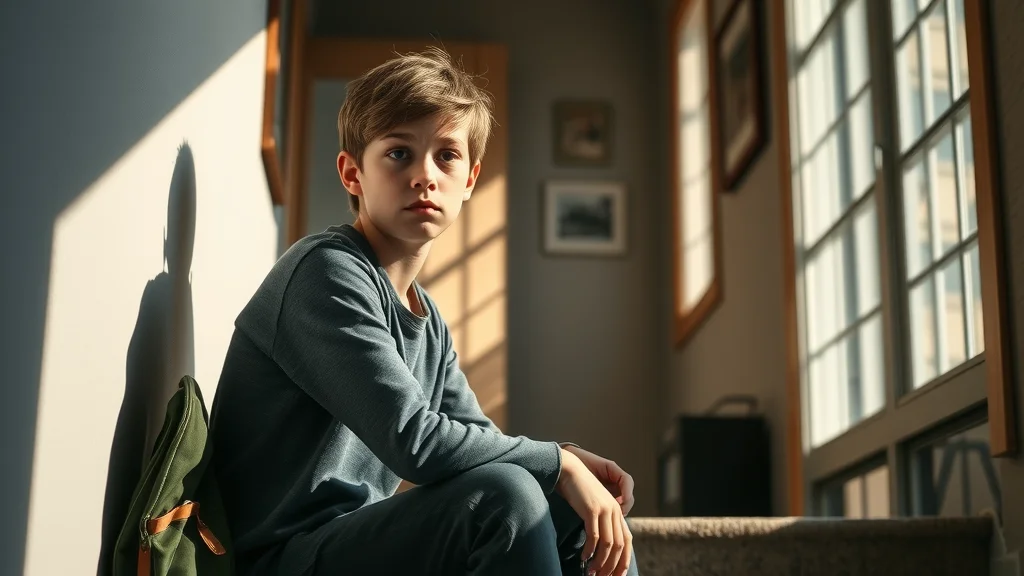
Moody adolescent sitting alone on a staircase, displaying signs of defensive and defiant teen behavior during early teen years.

Strategies for Supporting Teens Through Challenging Phases

To help teens navigate these stormy years, build trust by practicing active listening and validating their emotions. Avoid entering power struggles—these only deepen defensive patterns. Instead, set clear, consistent boundaries that promote mutual respect. Empower your teen to participate in decisions while providing reassurance that mistakes are part of growing up.

Consider establishing routines around screen time, privacy, and chores. Model calm, honest communication even when your teen is upset. When needed, involve a family therapist or school counselor to address deeper issues. Above all, remind your teen, “You can always feel safe coming to me. ”

The Link Between Mental Health and Defensive or Defiant Behavior in Teens

Mental health challenges are closely tied to defensive and defiant teen behaviors. Anxiety, depression, PTSD, and ADHD can all fuel power struggles, screen time battles, and risky behavior as teens attempt to cope in the only ways they know how. For some, acting out is a call for more freedom or support; for others, withdrawal and defensiveness are shields against pain.

Parents and educators should look for warning signs—such as persistent mood swings, dramatic shifts in appetite, overwhelming sense of hopelessness, or self-isolation—that suggest a teen needs help from a mental health professional. Early intervention can make a lasting difference in a teen’s life.

Common Mental Health Issues in Defiant Teens

Defiant teens are more likely to struggle with depression, anxiety, ADHD, conduct disorders, and trauma-related conditions. These challenges can disrupt impulse control and emotional regulation, fueling reactive, oppositional, or risky behaviors. For example, untreated anxiety may lead a teen to argue or refuse school attendance, while undiagnosed ADHD might make following rules—or staying home on time—overwhelming.

Supporting mental health, through access to counseling, accommodations for learning differences, or family therapy, is essential for changing the trajectory of both defiant and defensive teens.

Why Defensive Teens Might Need Mental Health Support

Teens who rely on defensiveness for self-protection may be struggling with anxiety, social phobia, depression, or trauma. Defensive responses often signal pain below the surface, making it vital for caring adults to avoid confrontation and offer safe, non-judgmental spaces instead. Chronic defensiveness can erode trust and push teens further into isolation. Regular check-ins, validation of their experiences, and referrals to a mental health professional when needed provide the scaffolding teens need to build resilience.

When defensive behavior is severe or leads to significant impairment in social, academic, or family life, seeking help from a professional can be life-changing for the teen and their family.

Childhood Trauma and the Defensive Teen: Unpacking the Connection

Whether obvious or subtle, childhood trauma leaves a deep imprint on behavior—especially during the transformative teen years. Even after the threat has passed, a defensive teen may continue to react as if danger is always near. Recognizing this connection helps families shift from punishing “bad behavior” to creating healing environments built on trust and security.

Family therapy and open discussions about feelings can make a world of difference, helping teens move past defensiveness toward healthier forms of self-expression.

Supportive parent having an empathetic conversation with a defensive teen on a cozy couch, symbolizing trust and healing after childhood trauma.

How Early Experiences Shape Defiant Teenage Behaviors

Negative early experiences, such as harsh discipline, loss, or unpredictable home environments, teach children to rely on defensive or defiant behaviors as survival strategies. Teens who felt criticized or dismissed as children may come to expect conflict, so they enter new situations “on guard,” ready to protect themselves from disappointment. Over time, these defensive behaviors become the default, even when the threat is no longer present.

Early interventions and a nurturing parenting style can help rewire these responses. Patience, consistency, and the presence of even one safe, supportive adult can give defensive teens the confidence to try new ways of relating to the world.

Signs That Childhood Trauma Is Fueling Defensive Teen Responses

Trauma-fueled defensiveness goes beyond typical mood swings. Watch for extreme startle responses, persistent mistrust, intense reactions to minor criticism, difficulties building or maintaining friendships, or constant need for reassurance. These signs indicate that the behavior is not about power or rebellion, but about coping with deep pain.

When you notice these patterns, consider reaching out to a mental health professional or trauma counselor. Supporting your teen through healing—rather than punishment—is the first step toward more connected, confident adulthood.

Table: Comparing Defensive Teen and Defiant Teenager Traits

Trait Defensive Teen Defiant Teen
Response to Authority Withdraws or justifies actions Argues or rebels
Motivation Self-protection, fear Testing limits, autonomy
Common Triggers Criticism, past trauma Rules, restrictions
Emotional Expression Defensive, anxious Angry, oppositional
Need Understanding, support Boundaries, structure

How to Handle a Defensive Teen: Best Practices and Communication Tips

Helping a defensive teen requires a gentle, consistent approach that puts safety and empathy at the forefront. Listen actively without judgment; resist the urge to offer immediate solutions or corrections. This validates their experience and encourages more open conversation.

Avoid confrontational or accusatory language, as this can escalate a defensive response. Instead, offer reassurance—let them know their feelings matter and that you’re on their side. Set clear but flexible boundaries, and make sure these are communicated calmly, outside the heat of a power struggle. Above all, be patient. When teens know that home is a secure place, they’ll be likelier to let down their guard over time.

  • Listen actively without judgment
  • Validate their experiences and emotions
  • Avoid confrontational language
  • Offer reassurance and support
  • Set clear, consistent boundaries

Supportive adult and hesitant yet engaged defensive teen communicating in a calm therapist’s office, a model of best practices for handling defensive teens.

Short instructional video showing practical communication tips for building trust and mutual respect with a defensive teen, featuring real-life family examples.

What Parents and Educators Should Know About Defiant Teenage Behavior

Addressing defiant teenage behavior is one of the trickiest challenges for adults in a teen's life. Mistakes are common: responding in anger, using harsh discipline, or ignoring the underlying causes. These approaches often backfire, increasing defiant behaviors, eroding trust, and making teens less likely to feel safe coming to you.

Instead, work collaboratively. Schools play a vital role—access to counseling, support groups, and tailored learning environments can make a dramatic difference in helping teens re-engage in healthier patterns. Every step toward understanding is a step away from endless cycles of bad behaviors, power struggles, and mistrust.

Common Pitfalls in Addressing Defiant Behavior

When adults react to defiant teens with anger or rigid punishment, it positions the relationship in an ongoing power struggle. This can lead to escalating behavior, more secrecy, and withdrawal. Focusing solely on discipline—without offering opportunities for open communication or involving the teen in problem-solving—misses the chance to build trust and foster mutual respect.

Another pitfall is underestimating the role of mental health: assuming all defiance is willful rebellion rather than a call for extra support. Framing interventions around curiosity (“What’s driving this?”) instead of automatic correction helps shift the dynamic for better outcomes for both parties.
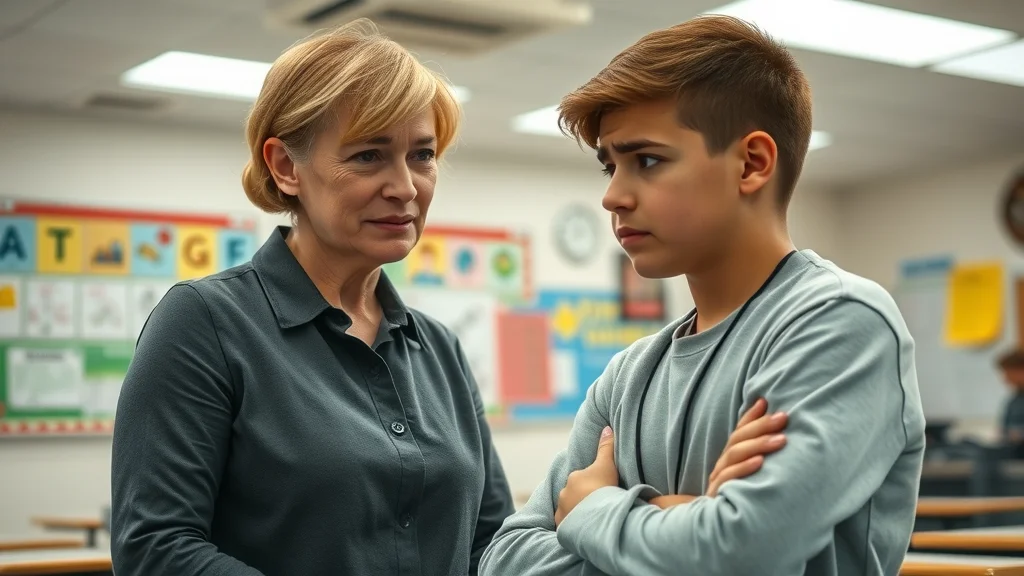
Teacher addressing a visibly frustrated defiant teen with patience in a bright classroom, exemplifying effective support for defiant teenagers.

Role of School Support Systems for Defiant Teens

Schools are not just places for academics—they’re vital support systems for defiant teenagers and defensive teens alike. Guidance counselors, peer groups, social workers, and individualized learning plans provide extra support and alternatives to punitive discipline. When educators collaborate with families, teens receive a consistent message: you’re not alone, and people care about your success.

When mental health or trauma is a factor, schools that work with outside providers, offer safe spaces, and respect teens’ privacy give students the best chance to move past defiant or defensive behaviors. These approaches prioritize inclusion and belonging, rather than exclusion and isolation.

Expert Insights: Quotes on Understanding and Helping Defensive Teens

“A defensive teen isn’t a problem to be solved—they’re a person who needs to be heard and understood.” – Adolescent Psychologist
“Recognizing the roots of a teen’s defensiveness often reveals trauma or unmet needs.” – Trauma Counselor

FAQs: Defensive Teen

How to handle a defensive teenager?

Handle a defensive teenager by listening without judgment, avoiding confrontational language, and validating their feelings. Offer reassurance, support, and clear boundaries. Consider asking open-ended questions and give them time to process before demanding answers. If defensive behavior persists and impacts daily life, seeking help from a mental health professional or family therapy can support positive change.

What are the 8 behavioral traits of teenagers?

The eight common behavioral traits in teenagers are: mood swings, increased independence, peer influence, risk-taking behavior, defensive reactions to criticism, desire for privacy, exploration of identity, and heightened sensitivity. These traits are typical as teens undergo rapid cognitive, emotional, and social development.

What is the hardest age for a teenager?

The hardest age for a teenager is usually between 13 and 15. During these years, adolescents experience intense emotional ups and downs, puberty-related changes, and new social pressures. This developmental stage is recognized for heightened mood swings, identity exploration, and frequent power struggles.

What childhood trauma causes someone to be defensive?

Childhood traumas such as emotional neglect, abuse, loss of a loved one, or exposure to chronic conflict can cause defensive behaviors in teens. When children encounter situations where their needs are not met—or where criticism is frequent—they may develop defensive strategies as a means of emotional self-protection into adolescence and beyond.

Key Takeaways: Understanding the Defensive Teen and Defiant Teen Behavior

  • Defensive teen behavior often stems from self-protection, not just rebellion
  • Addressing mental health and trauma is essential for defiant teens
  • Supportive communication and clear boundaries are crucial
  • Recognizing and differentiating between defensive and defiant behavior guides effective interventions

A hopeful, soft-smiling defensive teen looking into the distance on a bright, welcoming school campus, symbolizing growth and support.

Explore Our Resources for Parents of Defensive and Defiant Teens

For more insights and practical support, visit our library of resources designed for parents and educators seeking to help defensive and defiant teens. You're not alone—and every step toward understanding makes a difference.

Navigating the emotional ups and downs of adolescence can be overwhelming for parents as well. If you’re seeking practical ways to manage your own stress while supporting a defensive or defiant teen, you may find these stress management tips for parents of teenagers especially helpful for maintaining balance at home.

Understanding your teen’s defensiveness is just one piece of the puzzle—your own well-being matters, too. As you continue to support your child through challenging moments, consider exploring additional strategies that nurture your resilience and emotional health. Our expert-backed resources on stress management for parents offer actionable guidance to help you stay grounded and connected, even during the toughest phases of adolescence. By investing in your own self-care, you’ll be better equipped to foster a supportive, healing environment for your teen and your entire family.


Understanding Teens

Write A Comment

*
*
Please complete the captcha to submit your comment.
Related Posts All Posts

Understanding Shame-Based Behavior in Teenagers

Did you know that over 80% of adolescents report feeling ashamed about at least one part of their identity or behavior, yet most teens never speak openly about it? Shame among teenagers operates quietly, shaping self-worth, mental health, and even daily actions—often without adults noticing. This in-depth exploration of teen shame behavior reveals not only what drives these hidden emotions but also how parents, educators, and teens themselves can recognize, confront, and ultimately break the shame cycle before it spirals into long-term challenges. Whether you’re a caregiver or a concerned teen, this guide spotlights the unseen forces and offers hope for change. Opening Insights: The Unseen Power of Teen Shame Behavior "Research shows that over 80% of adolescents report feeling ashamed about at least one aspect of their identity or behavior. Yet, few discuss it openly." Teenagers today face mounting pressures from academic expectations, evolving friendships, rapidly changing bodies, and the omnipresent gaze of social media. Though shame is a powerful emotion, it often lurks beneath the surface, dictating how teens respond to challenges and interact in social situations. Recognizing shame can be difficult for adults, because its manifestations—withdrawal, anger, even unexpected overachievement—often appear as unrelated issues or typical adolescent moods instead of deeper emotional wounds. Yet, when left unchecked, teen shame behavior can lead to cycles of self-doubt, isolation, and declining mental health. Shame isn’t only about feeling bad after a mistake; it’s about an ongoing internalized belief of personal inadequacy. Unlike guilt, which motivates individuals to make amends, shame leads teens to withdraw and hide, believing they are fundamentally flawed. By bringing these hidden feelings to light and breaking the silence, we can disrupt the shame cycle and support teenagers as they build resilience and a sense of self-worth that lasts into adulthood. For parents navigating these complex emotions, learning effective ways to manage their own stress can make a significant difference in supporting teens through shame-based challenges. Discover practical approaches in these stress management tips for parents of teenagers, which can help foster a calmer, more empathetic environment at home. Recognizing Shame: Why Teen Shame Behavior Is Often Overlooked Unfortunately, recognizing shame in teenagers is rarely straightforward. Teens may mask their emotional pain with humor, sarcasm, or outright defiance. Well-intentioned adults can misinterpret these signs as simple rebellion or moodiness, rather than signals of deeper feelings of shame and unworthiness. Years ago, emotional struggles like shame weren’t discussed openly, which increases the generational disconnect in understanding what today’s teens experience. Triggers of teen shame behavior include academic failures, body image struggles, or peer rejection. Since our society often values perfection, the pressure to maintain a facade only deepens feelings of isolation. It’s not uncommon for teens to feel as if admitting shame means confirming that they truly don’t belong. In these moments, shame's grip tightens, and open communication becomes even more crucial for teens' mental health and long-term well-being. What You'll Learn About Teen Shame Behavior How to identify signs of shame-based behavior in teenagers The differences and links between guilt and shame How mental health and shame behaviors intertwine Real-life examples illustrating the shame cycle in teens Expert commentary on supporting teens through shame Actionable steps for parents, educators, and teens to break the shame cycle Defining Teen Shame Behavior and the Shame Cycle "Shame is the intensely painful feeling that we are unworthy of love and belonging." — Brené Brown What Is Shame? Shame is a complex, often overwhelming feeling that causes teens to believe their entire identity is flawed or unlovable. Unlike disappointment or guilt, shame is inward-facing—teens don’t just think they did something wrong, they think they are wrong. This belief can manifest as a silent, persistent ache that undermines confidence and social connections. In the developmentally turbulent teen years, shame is a feeling that becomes magnified by the quest for acceptance and belonging, frequently starting early and carrying forward if unaddressed. Shame’s power lies in its ability to make young people hide their true selves, fearing judgment or rejection. Teens may internalize negative messages—whether about appearance, achievements, or friendships—until they feel fundamentally “less than. ” This makes identifying and addressing teen shame behavior critical, as its impact extends far into adulthood if not interrupted, affecting healthy relationships and future self-esteem. The Differences Between Guilt and Shame in Teen Shame Behavior The confusion between guilt and shame often leads to missed intervention opportunities with teens. Guilt and shame, while related, drive vastly different reactions. Guilt arises when a teen realizes they’ve violated personal or societal values—they feel bad about a specific action and are motivated to make amends. Shame, however, is about feeling fundamentally inadequate; it’s less about what they’ve done, and more about who they believe they are. A teenager might feel guilt after lying to a friend, prompting them to apologize. In contrast, shame convinces the same teen they're “a bad person” regardless of making amends, potentially pushing them toward avoidance, secrecy, or lashing out. Understanding this distinction helps adults and teens disrupt harmful patterns, moving shame-based responses into more constructive, guilt-driven behaviors that promote accountability and emotional healing. Understanding the Shame Cycle in Adolescence The shame cycle starts with a triggering event—anything from a poor grade to a body image comment. When teens experience these triggers, they internalize negativity, which spirals into feelings of worthlessness or fear of being exposed. This often leads to coping mechanisms such as social withdrawal, overachievement to justify worth, or even risky behaviors as a distraction from emotional pain. As teens attempt to hide or “fix” these feelings, they often encounter further shame, reinforcing the cycle. It’s a pattern that can quietly damage mental health, fuel eating disorders, and sow seeds for depression or anxiety. Breaking this cycle requires recognizing the difference between guilt and shame, and intervening early with compassion and support—setting the stage for resilience and emotional well-being. Psychological Roots: Where Teen Shame Behavior Begins Family Influence on Teen Shame Behavior Families are often the earliest and most influential shapers of self-perception. Parents’ words, reactions, and expectations set the tone for how teens process both success and mistakes. Environments with excessive criticism, perfectionism, or emotional distance can plant seeds of shame early. Even in loving families, unintentional remarks or unrealistic standards may reinforce the idea that a teen’s worth is conditional upon performance or conformity. Family therapy and open communication can help reverse these patterns. By modeling vulnerability and self-acceptance, parents and caregivers send a powerful message: mistakes are a part of life and do not diminish love or belonging. Honest acknowledgment of their own struggles with shame by adults can normalize emotional growth. Creating an environment of empathy disrupts intergenerational cycles, encouraging teens to face challenges with resilience rather than silent shame. Peer Pressure and Social Situations Fueling Teen Shame The relentless emphasis on “fitting in” during adolescence means that peer influence is often just as potent as family dynamics. Peer pressure can make teens feel as though every misstep is spotlighted. Fears of embarrassment in a social situation—whether being left out of a basketball game or failing to meet group norms—can trigger acute feelings of shame. Social exclusion, teasing, or comparison can leave lasting scars, and today’s teens may feel shame more acutely thanks to the instant amplification through text and social media. The need for approval fuels cycles of risky behaviors or withdrawal, as teens seek to avoid feeling exposed or rejected among their peers. Positive friendships and supportive peer groups can help break this pattern by affirming teens' worth outside narrow standards of popularity or achievement. The Role of Social Media in Teen Shame Behavior Social media platforms intensify the visibility of teens’ lives, amplifying both achievements and perceived failures. Online spaces become arenas for social comparison, where body image, academic success, and popularity are measured instantaneously by likes and comments. For teens experiencing shame, a single negative interaction or exclusion from a post can spark a spiral of self-doubt. While social media can offer connection, it often highlights unrealistic standards and perfectionist ideals. Teens may attempt to curate their online presence in hopes of validation, but inevitably risk falling short—fueling further feelings of shame and inadequacy. Teaching digital literacy and promoting authentic self-expression online are crucial steps in reducing the impact of social media on the shame cycle. Manifestations of Teen Shame Behavior in Daily Life How Teens Feel Shame in Social Situations Teen shame behavior is perhaps most vividly observed in social situations. The lunchroom, gym class, or group projects present daily opportunities for self-doubt to surface. Teens may internalize small slights—being overlooked, laughed at, or misjudging a social cue—as evidence of their own failings. Unlike adults, adolescents are less equipped to rationalize or contextualize these experiences, which can lead them to withdraw, avoid new activities, or resign themselves to “not fitting in. ” Even positive feedback can sometimes trigger shame if teens feel unworthy of praise or fear heightened expectations. For those navigating identity questions or relationship changes, social pressures can feel inescapable, causing them to question their value and further isolating them from supportive connections. Recognizing these subtle cues is a key step toward meaningful intervention and support. Shame-Based Responses: Withdrawal, Anger, or Overachievement No two teens respond to shame in exactly the same way. Some withdraw, isolating themselves from family and friends; others react with anger or defiance, pushing away relationships to avoid vulnerability. Still others fall into patterns of overachievement, striving for external validation to outrun feelings of unworthiness. Each response is an adaptation to shield against emotional pain—yet these coping mechanisms, left unchecked, can compound stress and stunt emotional growth. Over time, chronic shame can even spark self-destructive patterns or risky behaviors, including substance abuse or academic sabotage. Identifying and addressing these patterns early is vital. By understanding the function behind these behaviors—not just the actions themselves—adults can respond with empathy, not punishment, which helps teens break free from the shame cycle. Body Image and Teen Shame Behavior Body image is a dominant trigger for teen shame behavior. Adolescents face endless cultural messages about how they “should” look, and every difference between the ideal and their own reality can become a source of deep insecurity. Whether it’s weight, skin, height, or other features, many teens internalize the message that their bodies are “wrong” or not good enough—feelings that can drive secrecy, self-criticism, or even self-loathing. In body image-focused environments, comments from peers or adults—even when intended as harmless—may fuel shame and social withdrawal. Support from family, friends, and positive role models who emphasize self-compassion and body acceptance can be a powerful buffer, helping teens reframe their relationship with their bodies and resist the societal messages that drive harmful shame cycles. Teen Shame Behavior and Eating Disorders A growing body of research connects teen shame behavior with the onset of eating disorders. Teens grappling with body dissatisfaction or perceived lack of control may develop disordered eating patterns as a way to cope with emotional pain and regain a sense of agency. However, these behaviors only mask underlying shame, failing to address root causes and frequently worsening mental and physical health over time. The shame cycle becomes particularly pronounced in this context: shame fuels unhealthy eating behaviors, which, in turn, perpetuate further shame and secrecy. Family and school awareness, early intervention, and compassionate therapy are all critical in breaking this dangerous cycle and supporting both physical recovery and emotional healing. Mental Health and Teen Shame Behavior Red Flags: Teenage Mental Health and Teen Shame Behavior When teens carry unspoken shame, their mental health is at risk. Some red flags include persistent sadness, emotional withdrawal, increased irritability, and declining interest in activities they once enjoyed. These behaviors can be easy to dismiss as “just teenage moodiness,” but they often signal a deeper struggle. Recognizing the connection between these symptoms and teen shame behavior is crucial for early intervention and prevention of more severe issues. Shame not only erodes self-esteem but can also disrupt academic performance and healthy relationships with both peers and family. Teens may develop patterns of self-criticism, perfectionism, or even start engaging in risky behaviors as an escape. Open, non-judgmental conversations around emotions are essential in addressing these warning signs and connecting teens to appropriate support. When Shame Leads to Anxiety and Depression Chronic, unaddressed shame is a key risk factor for a variety of mental health conditions, particularly anxiety and depression. Teens feeling isolated by shame often ruminate on their perceived flaws, leading to negative thought patterns that amplify anxiety and helplessness. Over time, these feelings can escalate into acute depressive symptoms—such as persistent sadness, hopelessness, or even suicidal ideation. Early and ongoing intervention is critical. Encouraging self-acceptance, creating safe environments for emotional expression, and fostering connections with trusted adults all serve as protective factors against the development of serious mental health challenges. Engaging with a mental health professional when needed can help teens build coping skills to process shame in a healthy, constructive way. Physical Symptoms of Shame in Adolescents Shame doesn’t only take a psychological toll—it often shows up physically as well. Adolescents experiencing shame may develop slumped posture, avoid eye contact, or blush easily. Other symptoms can include frequent stomach aches, headaches, and unexplained fatigue. These physical manifestations add another layer of complexity: not only does the teen feel ashamed, but the visible symptoms may intensify embarrassment, compounding the shame cycle. It’s important for parents, educators, and healthcare professionals to notice these cues and respond with sensitivity. Rather than focusing solely on physical complaints, gentle inquiry into emotional well-being can uncover hidden struggles and create an opening for meaningful support. Breaking the Shame Cycle: Supporting Teens with Shame-Based Behavior Promoting open conversations about emotions and experiences Modeling vulnerability and self-compassion Establishing non-judgmental listening spaces Providing access to mental health support and education "Breaking the cycle of shame begins with understanding and empathy, not judgment." Helping teens move beyond shame requires more than advice or encouragement—it demands a shift in how adults model vulnerability and handle mistakes. By sharing personal stories of overcoming shame, parents and educators demonstrate that imperfection is a universal human experience. Providing non-judgmental listening spaces and access to trusted mental health professionals encourages teens to seek help without fear of rejection. Schools, families, and communities must cultivate an environment where emotional struggles are met with compassion, and open dialogue is the norm. Disrupting the shame cycle starts not just with teens, but with everyone in their lives making empathy the foundation for all interactions and interventions. (Video content: A short, educational segment visually illustrating typical teen scenarios reflecting guilt versus shame, using animated character expressions and clear, relatable voiceover narration, aimed at teen viewers and parents. ) (Video content: Explores real-world and digital triggers of shame for teens, highlighting the impact of online comparison, exclusion, and public feedback on the shame cycle. ) Opinion: How Society Fuels Teen Shame Behavior and What Needs to Change Cultural Stigmas and Silence Around Teen Shame Behavior Our culture sends mixed messages about what’s acceptable, desirable, or “normal”—and teens receive these signals from entertainment, media, and even the adults around them. The result is a landscape where shame flourishes in silence. Topics like mental health, body image, or identity often remain taboo, leaving teens to navigate their feelings without the language or support networks they need. It’s time for open conversations, not whispered warnings or punitive responses. By breaking cultural silences and integrating honest discussion into school curricula, public awareness, and home conversations, we help dismantle the stigma around teen shame behavior. Communities that talk about shame empower teens to seek help and build resilience, rather than hiding their struggles in isolation. The Responsibility of Schools and Communities Schools, educators, and communities play a pivotal role in disrupting the shame cycle. Mental health education—focused not only on symptoms, but also on emotional literacy and self-compassion—should be a cornerstone of every curriculum. Educators are uniquely positioned to spot early signs of shame and provide intervention through supportive relationships or referrals to a mental health professional. Community organizations, after-school programs, and youth leaders can also offer crucial safe spaces for teens to express themselves. When all branches of a young person’s life prioritize empathy, understanding, and honest dialogue, the cycle of silence and isolation can be broken for good. "Empowering teens starts with dismantling the societal structures that perpetuate shame." Practical Strategies to Help Teens with Shame Teaching Self-Compassion and Resilience Fostering self-compassion is one of the most effective ways to counteract teen shame behavior. Guiding teens to treat themselves with the same understanding and kindness they would offer a friend—especially after mistakes—encourages growth and emotional agility. Supporting teens in reframing failures as opportunities rather than confirmations of inadequacy shifts the narrative from shame to resilience. Practical tools include mindfulness exercises, journaling about feelings, and daily affirmations. These practices help teens identify the inner voice of shame and consciously replace it with supportive, realistic self-talk. Resilience isn’t about avoiding shameful moments, but about learning to navigate them with courage and self-forgiveness. Building Healthy Coping Mechanisms to Address Teen Shame Behavior Helping teens develop constructive coping skills can interrupt the default responses of withdrawal or overachievement. Activities like sports, creative expression, or volunteering tap into strengths and offer positive avenues for self-discovery. Teaching stress management, problem-solving, and goal-setting skills enables teens to confront challenges directly and builds emotional endurance. Incorporating regular check-ins, building routines, and collaborating on solutions keeps the lines of communication open. Adults who share their own coping strategies—especially those learned from working through shame—make these tools accessible, relatable, and meaningful to teens who might otherwise feel alone in their struggles. Parental Guidance: Navigating Difficult Conversations Honest conversations are the cornerstone of trust and healing. Parents should strive to listen more than they speak, validating teens’ feelings without rushing to solve or minimize them. When parents model vulnerability, acknowledging their own mistakes and how they overcame shame, it gives teens permission to be imperfect and learn from their experiences. Guidance around shame-based behavior must be rooted in empathy, not performance. Questions like “How are you feeling about what happened?” or “Is there any way I can support you?” open doors to deeper dialogue and reinforce the teen’s intrinsic value—regardless of achievements or setbacks. Family or family therapy can be a supportive resource for navigating especially entrenched patterns. Seeking Professional Mental Health Support Sometimes, professional help is needed to break persistent shame cycles or address related conditions like anxiety, depression, or eating disorders. A mental health professional can offer evidence-based interventions, facilitate open communication, and support both teens and families through the healing process. Early intervention often leads to better outcomes, but it’s never too late for support. Teens who see counseling normalized—not as a sign of weakness, but as a tool for growth—are more likely to seek help willingly. Connecting teens to therapists, support groups, or helplines can be life-changing, restoring hope and equipping them with lifelong skills for well-being. Tables: Signs, Symptoms, and Interventions for Teen Shame Behavior Behavioral Indication Possible Underlying Shame Suggested Intervention Avoiding Social Situations Fear of judgment/rejection Encourage self-acceptance, therapy Academic Overachievement Proving self-worth Model healthy expectations, celebrate effort Body Image Issues Perceived inadequacy Body-positive messaging, counseling Emotional Withdrawal Chronic shame or guilt Open dialogue, empathy-based support People Also Ask: Answering Common Teen Shame Behavior Questions How to help a teen with shame? Answer: Encourage open dialogue, model vulnerability, and connect with mental health professionals when needed. Address sources of shame with empathy and practical support. What is the hardest age for a teenager? Answer: Many experts agree that ages 13–15 are particularly challenging due to developmental changes, heightened self-awareness, and increased social comparison, making teens more vulnerable to shame behavior. What are the red flags for teenage mental health? Answer: Persistent sadness, withdrawal from social situations, anger, self-criticism, and changes in eating/sleeping can be red flags. These are often linked with shame-based behavior. What are the physical symptoms of shame? Answer: Symptoms can include slumped posture, avoiding eye contact, blushing, stomach aches, headaches, and general fatigue, often co-occurring with teen shame behavior. FAQs on Teen Shame Behavior How can educators recognize shame-based behavior in students? Can teen shame behavior lead to long-term mental health issues? What role do peers play in perpetuating or relieving shame? Are there effective therapy approaches for addressing teen shame? Key Takeaways on Understanding and Addressing Teen Shame Behavior Teen shame behavior is widespread yet often hidden Understanding the difference between guilt and shame is vital for intervention The shame cycle can be disrupted with the right support and empathy Mental health correlates strongly with patterns of shame in teens Parents, teachers, and teens themselves can all play a role in breaking the silence Reflecting Forward: A New Perspective on Teen Shame Behavior "If we want to shape strong, confident young adults, we must first break the silence around teen shame behavior." Explore Further Resources on Teen Shame Behavior and Support Recommended reading and support groups Mental health helplines Links to professional counseling services Further articles on the shame cycle and adolescent mental health Ready to Support Teens? Download Our Guide to Breaking the Shame Cycle Conclusion: Recognizing, discussing, and disrupting teen shame behavior is possible—and essential. With empathy and the right support, teens can break free from the shame cycle and build brighter, emotionally healthy futures. If you’re interested in deepening your understanding of how to create a supportive environment for teens, consider exploring additional resources that address the broader challenges parents face. Building a foundation of emotional resilience and open communication is just one part of the journey—learning how to manage your own stress as a parent can further empower you to guide your teen through difficult emotions. For more strategies and holistic approaches, take a look at stress management tips for parents of teenagers and discover how self-care can enhance your ability to support your child’s mental health and well-being.

Why Teens Struggle to Explain Their Feelings

Did you know only one in five teens feel comfortable regularly discussing their emotions with parents or peers? That's the startling finding from the National Adolescent Health Survey. As teens navigate the turbulent years between childhood and adulthood, expressing emotions often becomes a complex, confusing process. Whether you’re a parent, educator, or a teen yourself, understanding why teen emotional expression can be so difficult is crucial for promoting healthy relationships and long-term mental well-being. This guide explores the psychological, social, and developmental reasons behind these challenges, alongside actionable strategies to support emotional growth. "Only one in five teens feel comfortable regularly discussing their emotions with parents or peers." – National Adolescent Health Survey Opening Insights: The Complexity of Teen Emotional Expression The journey of teen emotional expression is far from simple. Adolescence is marked by rapid brain development, hormonal shifts, and new social pressures that all contribute to emotional upheaval. Teens experience a wide range of intense emotions—from excitement and happiness to anxiety, anger, and sadness—often in quick succession. These emotional fluctuations can feel overwhelming, both to teens and those supporting them. Furthermore, teens may lack the vocabulary or emotional awareness needed to articulate what they’re feeling. They are still developing crucial skills such as emotional intelligence and regulation, making it challenging to recognize or label their own emotions accurately. Complicating matters, social expectations, family dynamics, and the powerful influence of digital life can push teens to suppress or even ignore their feelings entirely. Understanding these complexities is vital for promoting healthy emotional development and addressing mental health issues before they escalate. What You'll Learn About Teen Emotional Expression The psychological and developmental reasons behind teens' emotional struggles Key influences affecting teen emotional awareness and expression Warning signs of serious mental health issues Expert strategies for supporting your teen Coping mechanisms and practical steps for improved emotional expression Understanding Teen Emotional Expression and Its Development What Is Emotional Expression in Teens? Emotional expression in teens refers to how adolescents communicate their internal feelings through words, behaviors, and body language. While they may experience a wide range of emotions daily, expressing emotions can be difficult due to limited emotional vocabulary and self-awareness. For many, expressing emotions like fear, frustration, or vulnerability may feel unsafe or like a sign of weakness, making them more likely to mask or suppress these emotions. These patterns often begin in early adolescence as teens become more independent but are still learning to navigate their own emotional worlds. The challenge is intensified by individual differences—some teens are naturally more expressive, while others are reserved. Cultural background, family environment, and previous life events also impact how willing adolescents are to openly discuss their emotional experiences. Without support, teens may resort to unhealthy coping mechanisms or display negative emotional responses, highlighting the importance of fostering open communication and emotional awareness. The Role of Emotional Awareness in Adolescent Growth Developing emotional awareness—the ability to recognize, understand, and name one’s feelings—is a foundational skill in adolescent growth. It enables teens to understand why they feel a certain way, which is critical for regulating emotional responses. As teens gain more emotional awareness, they’re better equipped to process difficult experiences, relate to others empathetically, and communicate more effectively with both peers and adults. Studies show that greater emotional awareness is strongly linked to improved mental health outcomes and resilience against stress and emotional upheaval. Teens who develop this skill are less likely to internalize negative emotions or react impulsively. Encouraging teens to talk about feelings, notice emotional changes, and identify triggers helps bridge the gap between what they feel and how they express their emotions—key to healthy emotional and cognitive development. As you support your teen in building emotional awareness, it's also helpful to consider how your own stress levels and coping strategies can influence their emotional environment. For practical advice on maintaining your well-being while guiding your adolescent, explore these stress management tips for parents of teenagers to foster a more supportive home atmosphere. Emotional Intelligence: Building Blocks for Healthy Teen Mental Health Emotional intelligence (EI) is the capacity to identify, understand, and manage one’s emotions and those of others. For teens, high EI is associated with healthier relationships, better decision-making, and greater academic success. It helps them manage intense emotions and adapt to new situations with resilience. Adolescents with strong emotional intelligence are better equipped to express their emotions in healthy ways, seek social support when needed, and navigate peer conflicts constructively. Building emotional intelligence is an ongoing process fueled by open communication, parental modeling, and supportive environments. As teens become more emotionally intelligent, they are less likely to engage in maladaptive coping strategies—like isolation, aggression, or substance use—and more likely to use healthy ways to process their feelings. Promoting emotional intelligence at home and in schools lays the foundation for long-term mental health and emotional well-being. Key Influences on Teen Emotional Expression Family Dynamics and Expressing Emotions Family is often the first environment where teens learn about expressing emotions. Parental attitudes toward feelings—whether encouraging or dismissive—greatly influence a teen's willingness to open up. For example, caregivers who routinely discuss and model healthy emotional expression help teens develop the vocabulary and confidence to explore their own emotions. On the other hand, families that avoid discussing feelings or label certain emotions as undesirable can unintentionally teach teens to suppress or ignore them. Stressful life events like divorce, loss, or chronic conflict at home can make emotional expression even more challenging. In such environments, teens may become reluctant to share their feelings out of fear of burdening others or being misunderstood. Understanding a family's unique emotional dynamic is crucial for parents and caregivers aiming to create a safe, supportive space for teens to express themselves freely. Peer Pressure and Social Expectations: Impact on Emotional Expression The teen years are a time of heightened sensitivity to peer approval. Adolescents often adjust how they express their emotions based on perceived social norms at school or within their friend groups. Boys may feel compelled to hide sadness to avoid appearing weak, while girls might suppress anger to maintain harmony. These unspoken rules reinforce the idea that certain emotions are unacceptable, fueling internal conflict and emotional struggles. Peer pressure does not just affect behavior; it also shapes what teens feel safe expressing. Negative social experiences—such as exclusion, teasing, or bullying—can lead to emotional withdrawal or the use of unhealthy coping mechanisms. By understanding the role of peer influence, parents and educators can better support teens struggling to strike a balance between fitting in and being emotionally authentic. Digital Life and Social Media: Modern Challenges for Teen Emotional Awareness Today’s teens are navigating uncharted territory when it comes to digital communication. Social media platforms allow for near-constant connectivity but can also distort or inhibit authentic emotional expression. Teens may feel pressured to present a "perfect" image online, ignoring or concealing negative emotions like loneliness or anxiety. The fear of being misunderstood, judged, or excluded for sharing authentic feelings can prevent genuine emotional disclosure. Moreover, exposure to cyberbullying, online drama, and unrealistic role models can negatively impact emotional well-being and amplify feelings of inadequacy or isolation. Digital life introduces unique stressors that require careful monitoring and guidance from parents. By fostering open discussions about online experiences, caregivers can help teens distinguish between healthy and unhealthy ways to manage their emotional lives in the digital age. Emotional Struggles: Mental Health Issues Affecting Teen Emotional Expression Common Mental Health Issues and Their Impact on Emotional Expression Adolescence is a time when many mental health issues first emerge, directly affecting emotional awareness and expression. Conditions such as depression, anxiety, and eating disorders can make it not only harder for teens to identify what they feel, but also to trust that their emotions will be understood or accepted by others. Symptoms often include persistent sadness, irritability, or changes in appetite and sleep, all contributing to emotional dysregulation. Teens struggling with a mental health condition may find it nearly impossible to explain what’s happening internally. Instead, their emotional experiences often manifest as abrupt mood swings, withdrawal, aggression, or even risk-taking behaviors. Early identification and support are crucial, as untreated mental health conditions can evolve into more severe, long-term health issues—including substance misuse or self-harm. Recognizing Warning Signs of Emotional and Mental Health Issues Detecting the warning signs of emotional and mental health challenges in teens requires careful observation and open communication. Red flags might include drastic changes in mood, energy, or social engagement; declining academic performance; ongoing irritability or sadness; and avoidance of previously enjoyed activities. Some signs include expressions of hopelessness or excessive worry, which should prompt immediate attention. Parents, guardians, and educators need to remain alert to subtler indicators as well, such as sudden isolation, ongoing conflicts with peers or family, or an increase in physical complaints without a clear medical cause. Acting early, when these warning signs appear, can prevent the escalation of mental health issues and support teens in finding healthy ways to process and share their emotions. Bipolar Disorder and Emotional Dysregulation in Teens Among the more complex adolescent mental health issues is bipolar disorder, a condition marked by unpredictable shifts between periods of depression and mania. Teens experiencing bipolar disorder often struggle with emotional dysregulation, making it difficult to maintain control over sudden, intense feelings. This may result in impulsivity, extreme mood swings, or risky behaviors. Early intervention is essential. Understanding the signs and symptoms—including prolonged periods of high or low energy, rapid changes in thinking or talking, and heightened irritability—allows families to seek specialized care. With compassionate support and appropriate mental health resources, teens with bipolar disorder can learn adaptive strategies for emotional management and lead fulfilling lives. "Teens often mask underlying emotional struggles, making parental support and awareness critical." – Dr. Elaine Brooks, Adolescent Psychologist How Teens Express Their Emotions: Healthy and Unhealthy Patterns Common Emotional Responses and Behaviors Teenagers express their emotions through a diverse range of behaviors, many of which are shaped by developmental, social, and environmental factors. Some may openly express happiness, excitement, or affection—a healthy pattern that builds positive relationships. Others may struggle to communicate negative emotions like anger, embarrassment, or disappointment, resorting to avoidance, sarcasm, or even aggression instead. Understanding common emotional responses helps parents, caregivers, and peers distinguish between typical adolescent behavior and potential indicators of emotional struggles. For example, frequent outbursts, emotional shut-downs, or erratic mood swings may signal underlying distress or a developing mental health issue. Offering validation while modeling healthy emotional communication can encourage teens to move away from maladaptive patterns. Coping Mechanisms: Adaptive and Maladaptive Approaches Coping mechanisms are the behaviors or strategies teens use to manage stress and intense feelings. Healthy, adaptive coping mechanisms might include talking to trusted friends or family, journaling, physical activity, or creative expression. These outlets allow teens to process difficult emotions in constructive ways, promoting emotional resilience. Conversely, maladaptive coping behaviors—such as substance use, self-harm, or isolating from loved ones—can signal deeper challenges. These negative patterns often develop when teens feel unsupported or unable to express their emotions safely. The key is for caregivers and educators to recognize these behaviors early, intervene with compassion, and guide teens toward more effective emotional regulation and positive coping skills. Supporting Your Teen: Guidance for Parents and Caregivers Effective Communication: Opening Dialogues About Emotional Expression The foundation of supporting your teen lies in effective, nonjudgmental communication. Open dialogues about feelings foster trust and encourage emotional disclosure. Start conversations by expressing genuine concern and curiosity, using phrases like, "I’ve noticed you seem upset lately—want to talk about it?" Active listening—giving your full attention and resisting the urge to immediately offer advice—shows teens that their feelings matter. Consistent, empathetic communication not only strengthens parent-teen relationships but also equips young people with the language and confidence to express their emotions. When teens feel heard and understood, they are more likely to approach parents or caregivers when facing emotional challenges, whether small or severe. Practical Strategies to Support Your Teen's Emotional Intelligence Helping teens build emotional intelligence means offering both guidance and modeling healthy emotional behaviors. Encourage your teen to name and talk about their feelings, and avoid dismissing negative emotions. Instead, teach them that all emotions are valid, but not all behaviors are. Suggest practical activities—such as mindfulness, meditation, or journaling—that foster greater self-awareness and emotional regulation. You can also support your teen by providing resources, such as reputable mental health websites and hotlines, and by engaging them in family discussions about emotional well-being. Praise their efforts to express feelings, set healthy boundaries, and solve conflicts constructively. Over time, these strategies help build the foundation for lifelong emotional health. When to Seek Professional Help for Emotional or Mental Health Issues Despite your best efforts, some emotional struggles may exceed what can be managed at home. If your teen shows persistent signs of distress—such as dramatic behavioral changes, withdrawal, prolonged sadness, self-harm, or suicidal thoughts—it’s crucial to seek professional help. Early intervention from therapists, counselors, or doctors can make a significant difference in a teen’s recovery and future well-being. Be proactive: Research gov website directories, school counseling services, and local mental health resources. Support your teen in attending appointments and help them understand that seeking help is a sign of strength, not weakness. Empowering teens through professional support is an essential component of promoting healthy emotional expression. Case Study Table: Emotional Struggles and Responses in Teenagers Emotional Challenge Emotional Expression Coping Mechanism Recommended Support Sudden irritability and anger after parental divorce Yelling, refusing to talk, throwing objects Withdrawal, isolated computer use Family counseling, open dialogue, peer support groups Social anxiety and fear of judgment Silence in groups, fidgeting, avoiding eye contact Avoidance of social events Therapeutic social skills training, gentle exposure Depressive symptoms after losing a friend Crying, changed eating/sleep habits Oversleeping, lack of motivation Individual therapy, encouragement in hobbies Pressure to present perfection on Instagram Polished online persona, concealing sadness Over-editing photos, comparing self Media literacy education, validation of authenticity People Also Ask: Addressing Common Questions About Teen Emotional Expression What are three common emotions expressed by teens? Answer: The most common emotions expressed by teens are happiness (such as excitement or laughter), anxiety (worry or nervousness about school or relationships), and anger (frustration with family, friends, or life changes). These emotions form a wide range that reflects daily ups and downs. Recognizing these common feelings helps parents and educators better relate to the emotional experiences of adolescents and respond in ways that encourage healthy emotional development. How do teenagers express their emotions? Answer: Teenagers express their emotions through various channels—words, behaviors, body language, and digital communication. While some teens are verbal, sharing feelings openly with trusted people, others may show emotions through art, music, or physical activity. Nonverbal signs include changes in facial expressions, tone of voice, or posture. However, many teens prefer texting or social media posts over face-to-face conversations. Understanding these multiple forms of expression is key to spotting emotional struggles and promoting healthy emotional communication. How to help a teenager regulate their emotions? Answer: To help a teenager regulate emotions, parents and caregivers can model calm responses and teach practical coping skills. Encourage naming emotions, practicing mindfulness, or using structured routines to manage stress and emotional ups and downs. It’s important to foster open discussions about emotions, avoiding criticism or judgment. If emotional struggles persist or escalate into risky behaviors, seeking help from a qualified mental health professional is crucial for healthy emotional development. What does emotional dysregulation look like? Answer: Emotional dysregulation in teens often appears as abrupt mood swings, intense reactions disproportionate to the situation, or difficulty calming down after distress. Teens may switch rapidly between sadness, anger, and irritability, or act impulsively in response to frustration. These signs can point to underlying mental health challenges like anxiety, depression, or even bipolar disorder. Persistent emotional dysregulation should always prompt further evaluation and support from mental health specialists. FAQs on Teen Emotional Expression and Mental Health What causes emotional struggles in adolescence? Emotional struggles arise from hormonal changes, brain development, social pressures, and life events unique to the teen years. They are influenced by family dynamics, peer relationships, trauma, and exposure to stressful or negative situations. Can mental health issues be prevented? While some risk factors are uncontrollable, early intervention, supportive environments, and promoting healthy emotional intelligence can reduce the likelihood or severity of mental health issues in teens. How does emotional intelligence impact relationships for teens? Teens with high emotional intelligence communicate better, empathize with peers, resolve conflicts more easily, and build stronger, more positive relationships. What are the first steps to supporting your teen? Start with active listening, open conversation, and validation of their feelings. Offer guidance, seek resources if needed, and encourage healthy forms of emotional expression. Key Takeaways for Supporting Teen Emotional Expression Early emotional awareness supports long-term mental health Open, judgment-free conversations can reduce emotional struggles Recognizing warning signs is crucial for timely intervention Summary: Encouraging Healthy Teen Emotional Expression and Well-Being Understanding teen emotional expression is the first step to building resilience, fostering healthy relationships, and ensuring lifelong emotional well-being. By recognizing influencing factors and embracing supportive strategies, families and educators can help teens thrive emotionally and mentally. Supporting your teen’s emotional journey is an ongoing process that benefits from a holistic approach. If you’re looking to deepen your understanding and discover more ways to nurture both your own well-being and your teen’s, consider exploring additional resources that address the broader challenges parents face. For a comprehensive look at managing stress and maintaining balance while raising adolescents, visit our guide on stress management strategies for parents of teenagers. By equipping yourself with effective tools and insights, you can create a more resilient, supportive environment for your family—empowering everyone to thrive emotionally and mentally. Take the next step—Explore professional guidance to support your teen’s emotional expression today.

What Teen Disrespect Often Signals Beneath the Surface

Hook: Ever wondered if teen disrespect is more than just “attitude”—could it actually be a sign of hidden challenges simmering below the surface? The Hidden Roots of Teen Disrespect Causes: An Introduction When a teen is disrespectful, many parents and educators instinctively chalk it up to moodiness or rebelliousness. Yet, what if disrespectful teenage behavior actually points to unseen struggles or unmet needs? Understanding teen disrespect causes means looking deeper than surface-level exchanges and recognizing the powerful forces shaping adolescents’ reactions. Beneath eye rolls, sarcasm, or outright defiance, there might be emotional turbulence, developmental changes, or pressure from peers and technology. As we navigate the complexities of adolescence, let’s move beyond frustration and toward compassionate inquiry—equipping ourselves with the knowledge to address the true roots of disrespectful teen behavior and nurture respectful behavior, both at home and in our communities. Unveiling the Real Questions: Why Are Teens Disrespectful? Why do so many teens suddenly shift from being cooperative children to becoming what looks like a disrespectful teen overnight? The answer is rarely simple. Ask any adolescent or developmental psychologist: teenage disrespect is rarely about parents or teachers and more about what’s stirring inside. Teenage brain development, the search for autonomy, overwhelming social pressures, and a longing for validation all play pivotal roles. For some, a lack of respect from adults or negative messages about teens can make them feel misunderstood, escalating disrespectful actions. Others may be reflecting negative interactions modeled at home. By exploring these core questions, we can stop labeling teens as “difficult” and start understanding what drives their actions—opening doors to communication and lasting respectful behavior. What You’ll Learn About Teen Disrespect Causes Common teen disrespect causes and underlying factors How disrespectful teenage behavior manifests The teen brain’s role in disrespectful teenager actions The impact of parenting style on respectful behavior Strategies to foster respectful behavior in teens Understanding Teen Disrespect Causes: Beyond the Surface Defining Disrespectful Teenage Behavior Disrespectful teenage behavior comes in many forms—sarcasm, ignoring rules, talking back, and blatant refusal to cooperate. Yet, what truly defines disrespect in teens? It’s not just about disagreeing or expressing an opinion. Rather, disrespect emerges when a teen repeatedly disregards others’ feelings, boundaries, or societal expectations. During the high school years, these behaviors may increase as teens grapple with autonomy threats and test limits. Educators frequently notice teens who seem to “shut down” or refuse to engage when they feel their voices are ignored—a vital sign their reactions might stem from deeper struggles. Disrespectful teenage conduct often masks a remarkable willingness to collaborate or engage—if only they’re given respect and empathy in return. The Complexity of Disrespectful Teen Reactions – Not Just 'Attitude' It’s critical to recognize the complexity of disrespectful teen reactions. What appears as simple attitude may, in reality, be a reaction to negative messages or feelings of powerlessness. When adults use threats or inflexible rules, it can send negative messages about teens’ capabilities and willingness to collaborate. These autonomy threats also send signals that a young adult’s opinions aren’t valued, which can inflame disrespectful behavior. Disrespectful teenagers might be struggling to express their opinion in an environment that doesn’t welcome it, leading to even more rebellious acts. Only by showing empathy and understanding can adults encourage teens to show respect—creating a two-way street that transforms friction into mutual understanding. As you consider the many factors that contribute to disrespectful behavior in teens, it's also helpful to explore practical approaches for managing your own stress as a parent. For actionable advice on maintaining your well-being while navigating these challenges, take a look at these stress management tips for parents of teenagers. Teenage Brain Development and Teen Disrespect Causes How the Teenage Brain Contributes to Disrespectful Teenager Behavior Adolescence is marked by rapid and profound changes in the teenage brain, especially in regions responsible for emotional regulation, impulse control, and decision-making. These developmental shifts help explain why a normally calm child might transform into a disrespectful teen nearly overnight. The prefrontal cortex, which governs logic and self-control, is still maturing during the teen years. Meanwhile, the amygdala—the emotional center—is in overdrive, shaping reactions that may seem impulsive or antagonistic. As a result, teens often misinterpret social cues or react strongly to perceived autonomy threats. This doesn't mean teens are inherently dismissive, but the brain's rewiring during adolescence simply makes it harder for them to manage frustration or show respect in every interaction. Neurological Reasons Behind Teen Is Disrespectful Moments Scientific evidence suggests that neurological processes play a foundational role in moments when a teen is disrespectful. During the teenage years, connections between the rational and emotional centers of the brain are still being forged. This explains why disrespectful teenage behavior can flare up in situations that provoke stress, embarrassment, or fear. Developmental psychologists highlight that threats also send negative signals, effectively shutting down teens' willingness to collaborate or engage constructively. In these moments, even small autonomy threats can make teens feel disrespected themselves, triggering sharper reactions and a noticeable lack of respect toward authority figures. Understanding the brain's ongoing development provides a compassionate perspective for adults navigating these challenging years with their children. External Triggers Behind Teen Disrespect Causes Social Pressures and Peer Influence on Disrespectful Teenager Behavior Peer pressure is a notorious force in the teenage years, often fueling disrespectful teenager behavior in settings like high school. The urge to fit in can make teens more likely to adopt group behaviors, including attitudes that defy adult authority or social norms. When friends encourage rebelliousness or downplay the importance of respectful behavior, it becomes challenging for a teen to stand out or say no. Many teens feel caught between their personal values and the need for acceptance, triggering moments when they lash out or disregard family rules. As they begin to value peer approval over parental expectations, the struggle between asserting autonomy and following the crowd becomes a recurring theme. Media, Technology, and the Rise of Disrespectful Teenage Attitudes In the digital age, the constant presence of media and technology adds another layer to the causes of disrespectful teenage attitudes. Cell phones, social media, and online forums bombard teens with images, messages, and cultural attitudes that don’t always align with family expectations of respectful behavior. Negative messages about authority, online bullying, and exposure to influencers who flaunt disrespect as a form of self-expression can all impact how a teen feels and acts at home. The speed and anonymity of digital communication can make it easier for teens to react impulsively—sometimes without fully grasping the impact of their words or actions. When parents and caregivers set clear boundaries for technology use, while modeling empathy and respect, it offers a corrective to these pervasive digital influences. Comparison of External Teen Disrespect Causes Factor Possible Influence on Disrespectful Teen Behavior Example Scenario Family Modeling and reinforcement of respectful or disrespectful behaviors Witnessing parents argue disrespectfully inspires similar reactions at home School Experiences with teachers, authority, peer conflicts Perceived unfairness by a teacher causes student to act out in class Media Exposure to negative messaging or glorification of disrespect Social media challenge encouraging anti-authority behavior goes viral Peers Desire for acceptance, peer pressure to rebel or conform Joining a peer group that dismisses adult rules to gain approval Emotional Underpinnings of Disrespectful Teen Behavior Mental Health Issues and Disrespectful Teenager Responses Untreated or misunderstood mental health concerns can transform even the most respectful child into a disrespectful teenager seemingly overnight. Anxiety, depression, and attention disorders all affect how teens process social cues and control impulses. When mental health struggles go unnoticed, teens might respond to ordinary demands with irritability, withdrawal, or outright opposition. Rather than deliberate defiance, these reactions may signal emotional pain or an inability to self-regulate—especially under stress or when emotional needs are unmet. Recognizing signs of distress and addressing mental health as a core factor in disrespectful teenage reactions is critical for families, educators, and health professionals alike. How Family Changes Impact Teen Disrespect Causes Family dynamics significantly influence whether a teen is disrespectful or shows respect. Divorce, parental job loss, a new sibling, or relocation can rock a young adult’s sense of stability, leading to anger, confusion, or defiance. During such transitions, teens may interpret changes as a lack of respect for their feelings or autonomy threats, causing them to act out. When parents or caregivers maintain open communication and acknowledge their teen’s feelings, it can mitigate these negative impacts. But if changes are met with dismissiveness or inconsistent boundaries, the risk of disrespectful behaviors increases, often masking deeper emotional distress. "Disrespect in teenagers often reflects inner turmoil rather than intentional defiance." – Adolescent Psychologist The Impact of Parenting Style on Teen Disrespect Causes Authoritative vs. Permissive Styles and Their Role in Disrespectful Teenager Reactions Parenting style has a profound impact on a teen’s capacity for respectful behavior and how they handle autonomy threats. An authoritative parenting approach—balancing warmth, boundaries, and open communication—encourages healthy autonomy while modeling respect. In contrast, permissive parenting often lacks consistent guidelines, making it difficult for teens to learn self-regulation or the importance of showing respect. At the other extreme, authoritarian approaches can make teens feel powerless, leading to rebellion and disrespectful teenager reactions. Studies from developmental psychologists emphasize that consistent, empathetic boundaries foster environments where teens are more likely to respect others and less likely to react with hostility. Effective Parenting Strategies to Foster Respectful Behavior Effective parents model respectful interactions, set reasonable expectations, and listen without judgment, even during conflict. Active listening signals to teens that their feelings and opinions matter, reducing defensiveness and resentment. Setting clear, age-appropriate consequences for disrespectful behavior helps reinforce boundaries without shaming. Positive reinforcement for respectful behavior, family routines that encourage communication, and collaborative problem-solving all have proven benefits. Crucially, parents must model emotional regulation; when teens observe adults handling stress with grace, they are more likely to emulate such responses themselves. Addressing disrespectful teenage behavior becomes an opportunity to build emotional intelligence, not just discipline for the sake of control. How to Address Teen Disrespect Causes: Prudent Interventions Active listening and open communication Setting clear boundaries and consequences for disrespectful teen actions Modeling respectful behavior consistently Seeking professional guidance if needed Intervening effectively when faced with teen disrespect requires a blend of empathy and structure. Start by expressing genuine curiosity about what’s driving your teen’s reactions instead of assuming motives. Establish a family culture that values transparency, where teens feel safe expressing their struggles without judgment. Set firm boundaries for behavior, and remember to apply consequences consistently—avoiding idle threats, which can send negative messages about your willingness to follow through. When needed, don’t hesitate to seek support from mental health professionals specializing in adolescent behavior, underscoring the importance of overall family wellbeing. People Also Ask: Common Questions on Teen Disrespect Causes What is the root cause of disrespect? Teen disrespect causes often originate from emotional distress, perception of unfair treatment, seeking autonomy, or external influences like peer pressure. What is the hardest age for a teenager? Research indicates that ages 13 to 15 can be the most challenging, marked by intense developmental and social changes contributing to disrespectful teenage behaviors. What to do with a teenager that is out of control? Remain calm, set clear expectations for respectful behavior, seek family counseling, and continuously reinforce positive interactions. What causes a child to be disrespectful? Child and teen disrespect can result from unmet emotional needs, modeling of disrespect at home, stress, or inconsistent boundaries. Lists of Effective Techniques for Encouraging Respectful Behavior Consistent consequences for disrespectful teen actions Positive reinforcement for respectful behavior Family routines that encourage communication Modeling emotional regulation Frequently Asked Questions About Teen Disrespect Causes How does teen disrespect affect family relationships? Teen disrespect can strain family connections, causing breakdowns in communication, trust, and mutual understanding. Persistent disrespect may lead to resentment on both sides, making it harder for parents and teens to collaborate or engage openly. Addressing the root causes, establishing healthy boundaries, and practicing empathy are key steps to healing family dynamics and rebuilding trust over time. Can teen disrespect be a sign of deeper issues? Absolutely—disrespectful teenage behavior can indicate underlying mental health difficulties, unresolved trauma, learning disorders, or unmet emotional needs. It’s important not to dismiss persistent disrespect as “normal teenage attitude. ” Engaging with professionals and keeping open lines of communication allows families to uncover deeper challenges and seek appropriate support, resulting in healthier outcomes for teens and their loved ones. Is disrespectful teenage behavior a phase? While some level of disrespect is common during the teenage years due to developmental, social, and emotional changes, ongoing or severe disrespect may require targeted intervention. Most teens outgrow pronounced disrespectful behaviors as their brains mature and they develop more effective coping mechanisms—especially when supportive parenting, boundaries, and emotional skill-building are present. Key Takeaways on Teen Disrespect Causes and Interventions Teen disrespect is often symptomatic, not merely behavioral. Understanding teen disrespect causes requires openness and empathy. Intervention strategies must blend communication and consistent boundaries. Empowering Families: Encourage Open Dialogue About Teen Disrespect Causes Fostering open conversations and mutual respect builds resilience in teens and families alike, paving the way for positive growth and deeper connection in the face of life’s challenges. If you’re ready to deepen your understanding of the broader challenges that come with parenting teens, consider exploring additional resources that address the emotional and practical aspects of this journey. By equipping yourself with effective stress management techniques, you can create a more supportive environment for both you and your teenager. Discover more strategies and insights to help you navigate the ups and downs of adolescence by visiting our comprehensive guide on stress management for parents of teenagers. Taking proactive steps today can empower your family to thrive through every stage of the teen years.

© 2025 Troubled Teen Solutions of PIP Consulting, LLC All Rights Reserved. 3773 Howard Hughes Parkway South Tower, Suite 500, Las Vegas, NV 89169-6014 . Contact Us . Terms of Service . Privacy Policy

eyJjb21wYW55IjoiVHJvdWJsZWQgVGVlbiBTb2x1dGlvbnMgb2YgUElQIENvbnN1bHRpbmcsIExMQyIsImFkZHJlc3MiOiIzNzczIEhvd2FyZCBIdWdoZXMgUGFya3dheSBTb3V0aCBUb3dlciwgU3VpdGUgNTAwIiwiY2l0eSI6IkxhcyBWZWdhcyIsInN0YXRlIjoiTlYiLCJ6aXAiOiI4OTE2OS02MDE0IiwiZW1haWwiOiJpbmZvQHRyb3VibGVkdGVlbnNvbHV0aW9ucy5jb20iLCJ0b3MiOiJQSEErUEhOMGNtOXVaejQ4WlcwK1YyaGxiaUI1YjNVZ2MybG5iaTFwYmlCM2FYUm9JSFZ6TENCNWIzVWdZWEpsSUdkcGRtbHVaeVp1WW5Od095QjViM1Z5SUhCbGNtMXBjM05wYjI0Z1lXNWtJR052Ym5ObGJuUWdkRzhnYzJWdVpDQjViM1VnWlcxaGFXd2dZVzVrTDI5eUlGTk5VeUIwWlhoMElHMWxjM05oWjJWekxpQkNlU0JqYUdWamEybHVaeUIwYUdVZ1ZHVnliWE1nWVc1a0lFTnZibVJwZEdsdmJuTWdZbTk0SUdGdVpDQmllU0J6YVdkdWFXNW5JR2x1SUhsdmRTQmhkWFJ2YldGMGFXTmhiR3g1SUdOdmJtWnBjbTBnZEdoaGRDQjViM1VnWVdOalpYQjBJR0ZzYkNCMFpYSnRjeUJwYmlCMGFHbHpJR0ZuY21WbGJXVnVkQzQ4TDJWdFBqd3ZjM1J5YjI1blBqd3ZjRDRLQ2p4d1BqeGhJR2h5WldZOUltaDBkSEE2THk5M2QzY3VaMjl2WjJ4bExtTnZiU0krYUhSMGNEb3ZMM2QzZHk1bmIyOW5iR1V1WTI5dFBDOWhQand2Y0Q0S0NqeHdQaVp1WW5Od096d3ZjRDRLQ2p4d1BqeHpkSEp2Ym1jK1UwVlNWa2xEUlR3dmMzUnliMjVuUGp3dmNENEtDanh3UGxkbElIQnliM1pwWkdVZ1lTQnpaWEoyYVdObElIUm9ZWFFnWTNWeWNtVnVkR3g1SUdGc2JHOTNjeUI1YjNVZ2RHOGdjbVZqWldsMlpTQnlaWEYxWlhOMGN5Qm1iM0lnWm1WbFpHSmhZMnNzSUdOdmJYQmhibmtnYVc1bWIzSnRZWFJwYjI0c0lIQnliMjF2ZEdsdmJtRnNJR2x1Wm05eWJXRjBhVzl1TENCamIyMXdZVzU1SUdGc1pYSjBjeXdnWTI5MWNHOXVjeXdnWkdselkyOTFiblJ6SUdGdVpDQnZkR2hsY2lCdWIzUnBabWxqWVhScGIyNXpJSFJ2SUhsdmRYSWdaVzFoYVd3Z1lXUmtjbVZ6Y3lCaGJtUXZiM0lnWTJWc2JIVnNZWElnY0dodmJtVWdiM0lnWkdWMmFXTmxMaUJaYjNVZ2RXNWtaWEp6ZEdGdVpDQmhibVFnWVdkeVpXVWdkR2hoZENCMGFHVWdVMlZ5ZG1salpTQnBjeUJ3Y205MmFXUmxaQ0FtY1hWdmREdEJVeTFKVXlaeGRXOTBPeUJoYm1RZ2RHaGhkQ0IzWlNCaGMzTjFiV1VnYm04Z2NtVnpjRzl1YzJsaWFXeHBkSGtnWm05eUlIUm9aU0IwYVcxbGJHbHVaWE56TENCa1pXeGxkR2x2Yml3Z2JXbHpMV1JsYkdsMlpYSjVJRzl5SUdaaGFXeDFjbVVnZEc4Z2MzUnZjbVVnWVc1NUlIVnpaWElnWTI5dGJYVnVhV05oZEdsdmJuTWdiM0lnY0dWeWMyOXVZV3hwZW1GMGFXOXVJSE5sZEhScGJtZHpMand2Y0Q0S0NqeHdQbGx2ZFNCaGNtVWdjbVZ6Y0c5dWMybGliR1VnWm05eUlHOWlkR0ZwYm1sdVp5QmhZMk5sYzNNZ2RHOGdkR2hsSUZObGNuWnBZMlVnWVc1a0lIUm9ZWFFnWVdOalpYTnpJRzFoZVNCcGJuWnZiSFpsSUhSb2FYSmtJSEJoY25SNUlHWmxaWE1nS0hOMVkyZ2dZWE1nVTAxVElIUmxlSFFnYldWemMyRm5aWE1zSUVsdWRHVnlibVYwSUhObGNuWnBZMlVnY0hKdmRtbGtaWElnYjNJZ1kyVnNiSFZzWVhJZ1lXbHlkR2x0WlNCamFHRnlaMlZ6S1M0Z1dXOTFJR0Z5WlNCeVpYTndiMjV6YVdKc1pTQm1iM0lnZEdodmMyVWdabVZsY3l3Z2FXNWpiSFZrYVc1bklIUm9iM05sSUdabFpYTWdZWE56YjJOcFlYUmxaQ0IzYVhSb0lIUm9aU0JrYVhOd2JHRjVJRzl5SUdSbGJHbDJaWEo1SUc5bUlHVmhZMmdnVTAxVElIUmxlSFFnYldWemMyRm5aU0J6Wlc1MElIUnZJSGx2ZFNCaWVTQjFjeTRnU1c0Z1lXUmthWFJwYjI0c0lIbHZkU0J0ZFhOMElIQnliM1pwWkdVZ1lXNWtJR0Z5WlNCeVpYTndiMjV6YVdKc1pTQm1iM0lnWVd4c0lHVnhkV2x3YldWdWRDQnVaV05sYzNOaGNua2dkRzhnWVdOalpYTnpJSFJvWlNCVFpYSjJhV05sSUdGdVpDQnlaV05sYVhabElIUm9aU0JUVFZNZ2RHVjRkQ0J0WlhOellXZGxjeTRnVjJVZ1pHOGdibTkwSUdOb1lYSm5aU0JoYm5rZ1ptVmxjeUJtYjNJZ1pHVnNhWFpsY25rZ2IyWWdaVzFoYVd3Z2IzSWdVMDFUTGlCVWFHbHpJR2x6SUdFZ1puSmxaU0J6WlhKMmFXTmxJSEJ5YjNacFpHVmtJR0o1SUhWekxpQkliM2RsZG1WeUxDQndiR1ZoYzJVZ1kyaGxZMnNnZDJsMGFDQjViM1Z5SUdsdWRHVnlibVYwSUhObGNuWnBZMlVnY0hKdmRtbGtaWElnWVc1a0lHTmxiR3gxYkdGeUlHTmhjbkpwWlhJZ1ptOXlJR0Z1ZVNCamFHRnlaMlZ6SUhSb1lYUWdiV0Y1SUdsdVkzVnlJR0Z6SUdFZ2NtVnpkV3gwSUdaeWIyMGdjbVZqWldsMmFXNW5JR1Z0WVdsc0lHRnVaQ0JUVFZNZ2RHVjRkQ0J0WlhOellXZGxjeUIwYUdGMElIZGxJR1JsYkdsMlpYSWdkWEJ2YmlCNWIzVnlJRzl3ZEMxcGJpQmhibVFnY21WbmFYTjBjbUYwYVc5dUlIZHBkR2dnYjNWeUlHVnRZV2xzSUdGdVpDQlRUVk1nYzJWeWRtbGpaWE11SUZsdmRTQmpZVzRnWTJGdVkyVnNJR0YwSUdGdWVTQjBhVzFsTGlCS2RYTjBJSFJsZUhRZ0puRjFiM1E3VTFSUFVDWnhkVzkwT3lCMGJ5QThhR2xuYUd4cFoyaDBJR05zWVhOelBTSmpiMjF3WVc1NVVHaHZibVZWY0dSaGRHVWlQaXN4T0RRM09UazVORE0wTkR3dmFHbG5hR3hwWjJoMFBpNGdRV1owWlhJZ2VXOTFJSE5sYm1RZ2RHaGxJRk5OVXlCdFpYTnpZV2RsSUNaeGRXOTBPMU5VVDFBbWNYVnZkRHNnZEc4Z2RYTXNJSGRsSUhkcGJHd2djMlZ1WkNCNWIzVWdZVzRnVTAxVElHMWxjM05oWjJVZ2RHOGdZMjl1Wm1seWJTQjBhR0YwSUhsdmRTQm9ZWFpsSUdKbFpXNGdkVzV6ZFdKelkzSnBZbVZrTGlCQlpuUmxjaUIwYUdsekxDQjViM1VnZDJsc2JDQnVieUJzYjI1blpYSWdjbVZqWldsMlpTQlRUVk1nYldWemMyRm5aWE1nWm5KdmJTQjFjeTQ4TDNBK0NnbzhjRDQ4YzNSeWIyNW5QbGxQVlZJZ1VrVkhTVk5VVWtGVVNVOU9JRTlDVEVsSFFWUkpUMDVUUEM5emRISnZibWMrUEM5d1Bnb0tQSEErU1c0Z1kyOXVjMmxrWlhKaGRHbHZiaUJ2WmlCNWIzVnlJSFZ6WlNCdlppQjBhR1VnVTJWeWRtbGpaU3dnZVc5MUlHRm5jbVZsSUhSdk9qd3ZjRDRLQ2p4dmJENEtDVHhzYVQ1d2NtOTJhV1JsSUhSeWRXVXNJR0ZqWTNWeVlYUmxMQ0JqZFhKeVpXNTBJR0Z1WkNCamIyMXdiR1YwWlNCcGJtWnZjbTFoZEdsdmJpQmhZbTkxZENCNWIzVnljMlZzWmlCaGN5QndjbTl0Y0hSbFpDQmllU0IwYUdVZ1UyVnlkbWxqWlNZak16azdjeUJ5WldkcGMzUnlZWFJwYjI0Z1ptOXliU0FvYzNWamFDQnBibVp2Y20xaGRHbHZiaUJpWldsdVp5QjBhR1VnSm5GMWIzUTdVbVZuYVhOMGNtRjBhVzl1SUVSaGRHRW1jWFZ2ZERzcElHRnVaRHd2YkdrK0NnazhiR2srYldGcGJuUmhhVzRnWVc1a0lIQnliMjF3ZEd4NUlIVndaR0YwWlNCMGFHVWdVbVZuYVhOMGNtRjBhVzl1SUVSaGRHRWdkRzhnYTJWbGNDQnBkQ0IwY25WbExDQmhZMk4xY21GMFpTd2dZM1Z5Y21WdWRDQmhibVFnWTI5dGNHeGxkR1V1SUVsbUlIbHZkU0J3Y205MmFXUmxJR0Z1ZVNCcGJtWnZjbTFoZEdsdmJpQjBhR0YwSUdseklIVnVkSEoxWlN3Z2FXNWhZMk4xY21GMFpTd2dibTkwSUdOMWNuSmxiblFnYjNJZ2FXNWpiMjF3YkdWMFpTd2diM0lnZDJVZ2FHRjJaU0J5WldGemIyNWhZbXhsSUdkeWIzVnVaSE1nZEc4Z2MzVnpjR1ZqZENCMGFHRjBJSE4xWTJnZ2FXNW1iM0p0WVhScGIyNGdhWE1nZFc1MGNuVmxMQ0JwYm1GalkzVnlZWFJsTENCdWIzUWdZM1Z5Y21WdWRDQnZjaUJwYm1OdmJYQnNaWFJsTENCM1pTQm9ZWFpsSUhSb1pTQnlhV2RvZENCMGJ5QnpkWE53Wlc1a0lHOXlJRHh6ZEhKdmJtYytQSE53WVc0Z2MzUjViR1U5SW1OdmJHOXlPaU5HUmpBd01EQTdJajUwWlhKdGFXNWhkR1VnZVc5MWNpQmhZMk52ZFc1MEwzQnliMlpwYkdVZ1lXNWtJSEpsWm5WelpTQmhibmtnWVc1a0lHRnNiQ0JqZFhKeVpXNTBJRzl5SUdaMWRIVnlaU0IxYzJVZ2IyWWdkR2hsSUZObGNuWnBZMlVnS0c5eUlHRnVlU0J3YjNKMGFXOXVJSFJvWlhKbGIyWXBMand2YzNCaGJqNDhMM04wY205dVp6NDhMMnhwUGdvOEwyOXNQZ29LUEhBK0ptNWljM0E3UEM5d1BnbzhhR2xuYUd4cFoyaDBJR05zWVhOelBTSmpiMjF3WVc1NVRtRnRaVlZ3WkdGMFpTSStWSEp2ZFdKc1pXUWdWR1ZsYmlCVGIyeDFkR2x2Ym5NZ2IyWWdVRWxRSUVOdmJuTjFiSFJwYm1jc0lFeE1Rend2YUdsbmFHeHBaMmgwUGp4aWNpQXZQZ284YUdsbmFHeHBaMmgwSUdOc1lYTnpQU0pqYjIxd1lXNTVRV1JrY21WemMxVndaR0YwWlNJK016YzNNeUJJYjNkaGNtUWdTSFZuYUdWeklGQmhjbXQzWVhrZ1UyOTFkR2dnVkc5M1pYSXNJRk4xYVhSbElEVXdNQ3dnVEdGeklGWmxaMkZ6TENCT1ZpQTRPVEUyT1MwMk1ERTBQQzlvYVdkb2JHbG5hSFErUEdKeUlDOCtDanhvYVdkb2JHbG5hSFFnWTJ4aGMzTTlJbU52YlhCaGJubFFhRzl1WlZWd1pHRjBaU0krS3pFNE5EYzVPVGswTXpRMFBDOW9hV2RvYkdsbmFIUStQR0p5SUM4K0NqeG9hV2RvYkdsbmFIUWdZMnhoYzNNOUltTnZiWEJoYm5sRmJXRnBiRlZ3WkdGMFpTSSthVzVtYjBCMGNtOTFZbXhsWkhSbFpXNXpiMngxZEdsdmJuTXVZMjl0UEM5b2FXZG9iR2xuYUhRKyIsInByaXZhY3kiOiJQSEErUEhOMGNtOXVaejVRVWtsV1FVTlpQQzl6ZEhKdmJtYytQQzl3UGdvS1BIQStQSE4wY205dVp6NVVhR1VnYVc1bWIzSnRZWFJwYjI0Z2NISnZkbWxrWldRZ1pIVnlhVzVuSUhSb2FYTWdjbVZuYVhOMGNtRjBhVzl1SUdseklHdGxjSFFnY0hKcGRtRjBaU0JoYm1RZ1kyOXVabWxrWlc1MGFXRnNMQ0JoYm1RZ2QybHNiQ0J1WlhabGNpQmlaU0JrYVhOMGNtbGlkWFJsWkN3Z1kyOXdhV1ZrTENCemIyeGtMQ0IwY21Ga1pXUWdiM0lnY0c5emRHVmtJR2x1SUdGdWVTQjNZWGtzSUhOb1lYQmxJRzl5SUdadmNtMHVJRlJvYVhNZ2FYTWdiM1Z5SUdkMVlYSmhiblJsWlM0OEwzTjBjbTl1Wno0OEwzQStDZ284Y0Q0OGMzUnliMjVuUGtsT1JFVk5Ua2xVV1R3dmMzUnliMjVuUGp3dmNENEtDanh3UGp4bGJUNVpiM1VnWVdkeVpXVWdkRzhnYVc1a1pXMXVhV1o1SUdGdVpDQm9iMnhrSUhWekxDNGdZVzVrSUdsMGN5QnpkV0p6YVdScFlYSnBaWE1zSUdGbVptbHNhV0YwWlhNc0lHOW1abWxqWlhKekxDQmhaMlZ1ZEhNc0lHTnZMV0p5WVc1a1pYSnpJRzl5SUc5MGFHVnlJSEJoY25SdVpYSnpMQ0JoYm1RZ1pXMXdiRzk1WldWekxDQm9ZWEp0YkdWemN5Qm1jbTl0SUdGdWVTQmpiR0ZwYlNCdmNpQmtaVzFoYm1Rc0lHbHVZMngxWkdsdVp5QnlaV0Z6YjI1aFlteGxJR0YwZEc5eWJtVjVjeVlqTXprN0lHWmxaWE1zSUcxaFpHVWdZbmtnWVc1NUlIUm9hWEprSUhCaGNuUjVJR1IxWlNCMGJ5QnZjaUJoY21semFXNW5JRzkxZENCdlppQkRiMjUwWlc1MElIbHZkU0J5WldObGFYWmxMQ0J6ZFdKdGFYUXNJSEpsY0d4NUxDQndiM04wTENCMGNtRnVjMjFwZENCdmNpQnRZV3RsSUdGMllXbHNZV0pzWlNCMGFISnZkV2RvSUhSb1pTQlRaWEoyYVdObExDQjViM1Z5SUhWelpTQnZaaUIwYUdVZ1UyVnlkbWxqWlN3Z2VXOTFjaUJqYjI1dVpXTjBhVzl1SUhSdklIUm9aU0JUWlhKMmFXTmxMQ0I1YjNWeUlIWnBiMnhoZEdsdmJpQnZaaUIwYUdVZ1ZFOVRMQ0J2Y2lCNWIzVnlJSFpwYjJ4aGRHbHZiaUJ2WmlCaGJua2djbWxuYUhSeklHOW1JR0Z1YjNSb1pYSXVQQzlsYlQ0OEwzQStDZ284Y0Q0OGMzUnliMjVuUGtSSlUwTk1RVWxOUlZJZ1QwWWdWMEZTVWtGT1ZFbEZVend2YzNSeWIyNW5Qand2Y0Q0S0NqeHdQanh6ZEhKdmJtYytXVTlWSUVWWVVGSkZVMU5NV1NCVlRrUkZVbE5VUVU1RUlFRk9SQ0JCUjFKRlJTQlVTRUZVT2p3dmMzUnliMjVuUGp3dmNENEtDanh2YkQ0S0NUeHNhVDVaVDFWU0lGVlRSU0JQUmlCVVNFVWdVMFZTVmtsRFJTQkpVeUJCVkNCWlQxVlNJRk5QVEVVZ1VrbFRTeTRnVkVoRklGTkZVbFpKUTBVZ1NWTWdVRkpQVmtsRVJVUWdUMDRnUVU0Z0puRjFiM1E3UVZNZ1NWTW1jWFZ2ZERzZ1FVNUVJQ1p4ZFc5ME8wRlRJRUZXUVVsTVFVSk1SU1p4ZFc5ME95QkNRVk5KVXk0Z0xDNGdRVTVFSUZWVExDQkpWQ1lqTXprN1V5QkRWVk5VVDAxRlVsTXNJRVZZVUZKRlUxTk1XU0JFU1ZORFRFRkpUVk1nUVV4TUlGZEJVbEpCVGxSSlJWTWdUMFlnUVU1WklFdEpUa1FzSUZkSVJWUklSVklnUlZoUVVrVlRVeUJQVWlCSlRWQk1TVVZFTENCSlRrTk1WVVJKVGtjc0lFSlZWQ0JPVDFRZ1RFbE5TVlJGUkNCVVR5QlVTRVVnU1UxUVRFbEZSQ0JYUVZKU1FVNVVTVVZUSUU5R0lFMUZVa05JUVU1VVFVSkpURWxVV1N3Z1JrbFVUa1ZUVXlCR1QxSWdRU0JRUVZKVVNVTlZURUZTSUZCVlVsQlBVMFVnUVU1RUlFNVBUaTFKVGtaU1NVNUhSVTFGVGxRdVBDOXNhVDRLQ1R4c2FUNU5RVXRGVXlCT1R5QlhRVkpTUVU1VVdTQlVTRUZVSUNocEtTQlVTRVVnVTBWU1ZrbERSU0JYU1V4TUlFMUZSVlFnV1U5VlVpQlNSVkZWU1ZKRlRVVk9WRk1zSUNocGFTa2dWRWhGSUZORlVsWkpRMFVnVjBsTVRDQkNSU0JWVGtsT1ZFVlNVbFZRVkVWRUxDQlVTVTFGVEZrc0lGTkZRMVZTUlN3Z1QxSWdSVkpTVDFJdFJsSkZSU3dnS0dscGFTa2dWRWhGSUZKRlUxVk1WRk1nVkVoQlZDQk5RVmtnUWtVZ1QwSlVRVWxPUlVRZ1JsSlBUU0JVU0VVZ1ZWTkZJRTlHSUZSSVJTQlRSVkpXU1VORklGZEpURXdnUWtVZ1FVTkRWVkpCVkVVZ1QxSWdVa1ZNU1VGQ1RFVXNJRUZPUkNBb2FYWXBJRUZPV1NCRlVsSlBVbE1nU1U0Z1ZFaEZJRk5QUmxSWFFWSkZJRmRKVEV3Z1FrVWdRMDlTVWtWRFZFVkVMand2YkdrK0NnazhiR2srUVU1WklFMUJWRVZTU1VGTUlFUlBWMDVNVDBGRVJVUWdUMUlnVDFSSVJWSlhTVk5GSUU5Q1ZFRkpUa1ZFSUZSSVVrOVZSMGdnVkVoRklGVlRSU0JQUmlCVVNFVWdVMFZTVmtsRFJTQkpVeUJFVDA1RklFRlVJRmxQVlZJZ1QxZE9JRVJKVTBOU1JWUkpUMDRnUVU1RUlGSkpVMHNnUVU1RUlGUklRVlFnV1U5VklGZEpURXdnUWtVZ1UwOU1SVXhaSUZKRlUxQlBUbE5KUWt4RklFWlBVaUJCVGxrZ1JFRk5RVWRGSUZSUElGbFBWVklnUTA5TlVGVlVSVklnVTFsVFZFVk5JRTlTSUV4UFUxTWdUMFlnUkVGVVFTQlVTRUZVSUZKRlUxVk1WRk1nUmxKUFRTQlVTRVVnUkU5WFRreFBRVVFnVDBZZ1FVNVpJRk5WUTBnZ1RVRlVSVkpKUVV3dVBDOXNhVDRLQ1R4c2FUNU9UeUJCUkZaSlEwVWdUMUlnU1U1R1QxSk5RVlJKVDA0c0lGZElSVlJJUlZJZ1QxSkJUQ0JQVWlCWFVrbFVWRVZPTENCUFFsUkJTVTVGUkNCQ1dTQlpUMVVnUmxKUFRTQlBVaUJVU0ZKUFZVZElJRTlTSUVaU1QwMGdWRWhGSUZORlVsWkpRMFVnVTBoQlRFd2dRMUpGUVZSRklFRk9XU0JYUVZKU1FVNVVXU0JPVDFRZ1JWaFFVa1ZUVTB4WklGTlVRVlJGUkNCSlRpQlVTRVVnVkU5VExqd3ZiR2srQ2p3dmIydytDZ284Y0Q0OGMzUnliMjVuUGt4SlRVbFVRVlJKVDA0Z1QwWWdURWxCUWtsTVNWUlpQQzl6ZEhKdmJtYytQQzl3UGdvS1BIQStXVTlWSUVWWVVGSkZVMU5NV1NCVlRrUkZVbE5VUVU1RUlFRk9SQ0JCUjFKRlJTQlVTRUZVSUVGT1JDQlRTRUZNVENCT1QxUWdRa1VnVEVsQlFreEZJRVpQVWlCQlRsa2dSRWxTUlVOVUxDQkpUa1JKVWtWRFZDd2dTVTVEU1VSRlRsUkJUQ3dnVTFCRlEwbEJUQ3dnUTA5T1UwVlJWVVZPVkVsQlRDQlBVaUJGV0VWTlVFeEJVbGtnUkVGTlFVZEZVeXdnU1U1RFRGVkVTVTVISUVKVlZDQk9UMVFnVEVsTlNWUkZSQ0JVVHl3Z1JFRk5RVWRGVXlCR1QxSWdURTlUVXlCUFJpQlFVazlHU1ZSVExDQkhUMDlFVjBsTVRDd2dWVk5GTENCRVFWUkJJRTlTSUU5VVNFVlNJRWxPVkVGT1IwbENURVVnVEU5VFUwVlRJQ2hGVmtWT0lFbEdJRWhCVXlCQ1JVVk9JRUZFVmtsVFJVUWdUMFlnVkVoRklGQlBVMU5KUWtsTVNWUlpJRTlHSUZOVlEwZ2dSRUZOUVVkRlV5a3NJRkpGVTFWTVZFbE9SeUJHVWs5Tk9qd3ZjRDRLQ2p4dmJENEtDVHhzYVQ1VVNFVWdWVk5GSUU5U0lGUklSU0JKVGtGQ1NVeEpWRmtnVkU4Z1ZWTkZJRlJJUlNCVFJWSldTVU5GT3p3dmJHaytDZ2s4YkdrK1ZFaEZJRU5QVTFRZ1QwWWdVRkpQUTFWU1JVMUZUbFFnVDBZZ1UxVkNVMVJKVkZWVVJTQkhUMDlFVXlCQlRrUWdVMFZTVmtsRFJWTWdVa1ZUVlV4VVNVNUhJRVpTVDAwZ1FVNVpJRWRQVDBSVExDQkVRVlJCTENCSlRrWlBVazFCVkVsUFRpQlBVaUJUUlZKV1NVTkZVeUJRVlZKRFNFRlRSVVFnVDFJZ1QwSlVRVWxPUlVRZ1QxSWdUVVZUVTBGSFJWTWdVa1ZEUlVsV1JVUWdUMUlnVkZKQlRsTkJRMVJKVDA1VElFVk9WRVZTUlVRZ1NVNVVUeUJVU0ZKUFZVZElJRTlTSUVaU1QwMGdWRWhGSUZORlVsWkpRMFU3UEM5c2FUNEtDVHhzYVQ1VlRrRlZWRWhQVWtsYVJVUWdRVU5EUlZOVElGUlBJRTlTSUVGTVZFVlNRVlJKVDA0Z1QwWWdXVTlWVWlCVVVrRk9VMDFKVTFOSlQwNVRJRTlTSUVSQlZFRTdQQzlzYVQ0S0NUeHNhVDVUVkVGVVJVMUZUbFJUSUU5U0lFTlBUa1JWUTFRZ1QwWWdRVTVaSUZSSVNWSkVJRkJCVWxSWklFOU9JRlJJUlNCVFJWSldTVU5GT3lCUFVqd3ZiR2srQ2drOGJHaytRVTVaSUU5VVNFVlNJRTFCVkZSRlVpQlNSVXhCVkVsT1J5QlVUeUJVU0VVZ1UwVlNWa2xEUlM0OEwyeHBQZ284TDI5c1Bnb0tQSEErUEhVK1Fua2djbVZuYVhOMFpYSnBibWNnWVc1a0lITjFZbk5qY21saWFXNW5JSFJ2SUc5MWNpQmxiV0ZwYkNCaGJtUWdVMDFUSUhObGNuWnBZMlVzSUdKNUlHOXdkQzFwYml3Z2IyNXNhVzVsSUhKbFoybHpkSEpoZEdsdmJpQnZjaUJpZVNCbWFXeHNhVzVuSUc5MWRDQmhJR05oY21Rc0lDWnhkVzkwTzNsdmRTQmhaM0psWlNCMGJ5QjBhR1Z6WlNCVVJWSk5VeUJQUmlCVFJWSldTVU5GSm5GMWIzUTdJR0Z1WkNCNWIzVWdZV05yYm05M2JHVmtaMlVnWVc1a0lIVnVaR1Z5YzNSaGJtUWdkR2hsSUdGaWIzWmxJSFJsY20xeklHOW1JSE5sY25acFkyVWdiM1YwYkdsdVpXUWdZVzVrSUdSbGRHRnBiR1ZrSUdadmNpQjViM1VnZEc5a1lYa3VQQzkxUGp3dmNENEtDanh3UGladVluTndPend2Y0Q0S1BHaHBaMmhzYVdkb2RDQmpiR0Z6Y3owaVkyOXRjR0Z1ZVU1aGJXVlZjR1JoZEdVaVBsUnliM1ZpYkdWa0lGUmxaVzRnVTI5c2RYUnBiMjV6SUc5bUlGQkpVQ0JEYjI1emRXeDBhVzVuTENCTVRFTThMMmhwWjJoc2FXZG9kRDQ4WW5JZ0x6NEtQR2hwWjJoc2FXZG9kQ0JqYkdGemN6MGlZMjl0Y0dGdWVVRmtaSEpsYzNOVmNHUmhkR1VpUGpNM056TWdTRzkzWVhKa0lFaDFaMmhsY3lCUVlYSnJkMkY1SUZOdmRYUm9JRlJ2ZDJWeUxDQlRkV2wwWlNBMU1EQXNJRXhoY3lCV1pXZGhjeXdnVGxZZ09Ea3hOamt0TmpBeE5Ed3ZhR2xuYUd4cFoyaDBQanhpY2lBdlBnbzhhR2xuYUd4cFoyaDBJR05zWVhOelBTSmpiMjF3WVc1NVVHaHZibVZWY0dSaGRHVWlQaXN4T0RRM09UazVORE0wTkR3dmFHbG5hR3hwWjJoMFBqeGljaUF2UGdvOGFHbG5hR3hwWjJoMElHTnNZWE56UFNKamIyMXdZVzU1UlcxaGFXeFZjR1JoZEdVaVBtbHVabTlBZEhKdmRXSnNaV1IwWldWdWMyOXNkWFJwYjI1ekxtTnZiVHd2YUdsbmFHeHBaMmgwUGc9PSJ9

Terms of Service

Privacy Policy

Core Modal Title

Sorry, no results found

You Might Find These Articles Interesting

T
Please Check Your Email
We Will Be Following Up Shortly
*
*
*