



Have you ever wondered why so many teens feel like no one truly “gets” them—even in the most supportive homes or schools? The teen feeling misunderstood isn’t just a fleeting phase; it’s a complex reality woven into the fabric of growing up. Understanding this emotional state can be the key to unlocking deeper empathy and building bridges between generations. In this article, we dive deep into the reasons why teenagers feel constantly out of sync with the world around them, offering both expert insight and genuine, personal perspectives.
Why Do Teens Feel So Misunderstood? Challenging Our Assumptions
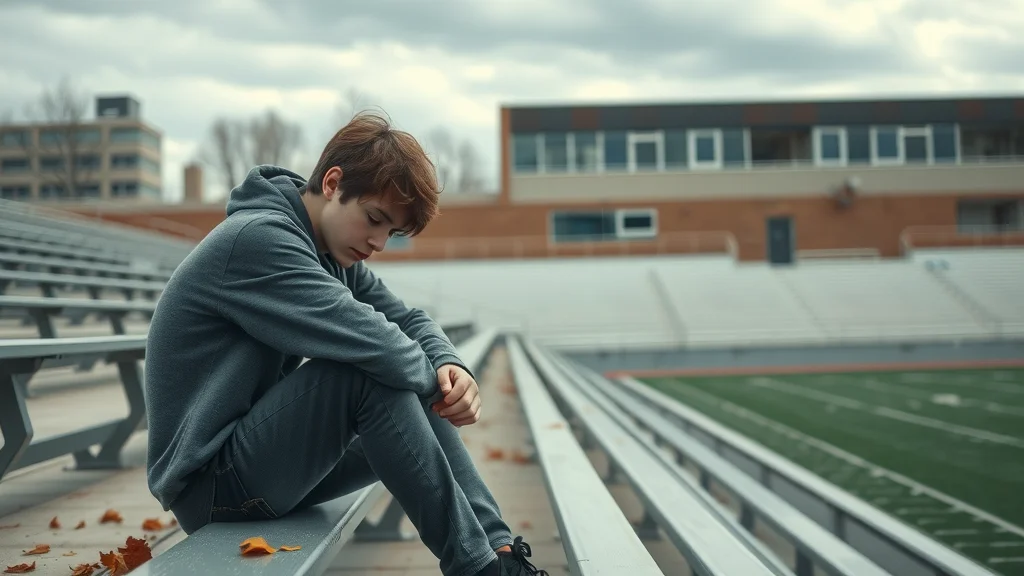
For many adults, adolescence is remembered as a stormy period—full of ups and downs, confusion, and sometimes overwhelming emotions. But for today’s young people, the journey can feel even more intense. The challenge isn’t just “hormones” or “rebellion. ” It involves brain development, rapid changes in society, and new pressures that past generations never faced. The core of the teen feeling misunderstood often lies in the unique way teenagers process and react to life’s challenges. Parents, teachers, and even peers may find it difficult to fully understand the scope of emotions that shape a teenager’s world, leaving teens to navigate the highs and lows with limited support.
It’s important to question the assumptions we hold: Are teens just being dramatic, or are we missing a bigger picture? Research into the adolescent brain shows that teenagers are wired differently from adults, making them more sensitive to emotional slights and social cues. On top of these biological factors, the influence of social media and modern culture has created new arenas of comparison and judgment. When things feel overwhelming, or when communication breaks down, teens feel unseen or misunderstood, deepening their sense of alienation.
- What You'll Learn
- The psychological roots of the teen feeling misunderstood
- How the adolescent brain shapes perception and emotions
- The role of mental health in why teenagers feel misunderstood
- The impact of young people’s interactions with social media
- Personal stories and quotes reflecting real-life teen experiences
- Effective ways for families and schools to support misunderstood teens

Unpacking the Teen Feeling Misunderstood: An Opinion Perspective
My Journey Navigating the World Where Teens Feel Misunderstood
As someone who once struggled to articulate my place in the world as a teen, I see today’s young people facing a whirlwind of expectations, technology, and frenetic social change. When I talk to teens and their parents now, I observe a chasm between what adults remember of their own adolescence and what teens experience today. The rapid pace of social media, the constant stream of information, and the pressure to present “good news” online add difficulties that many adults never encountered. In conversations around the kitchen table or during school counseling sessions, eye contact is often fleeting, signaling a deeper disconnect—both sides want to feel heard, but often past experiences and generational perspectives interfere.
The truth is, teenagers feel like outsiders not just because of what’s happening in their families or at school, but also as a result of modern society’s relentless drive. The emotional state of being a teenager means every slight or misunderstanding can feel amplified. Family members, friends, and teachers may offer advice, but it’s often met with frustration from teens who believe no one truly “gets” their situation. For adults looking to create a positive influence, recognizing these shifting realities and keeping an open mind is essential.
While understanding teens is a complex process, parents can also benefit from learning effective ways to manage their own stress during these challenging years. For practical guidance on maintaining balance and supporting your teen, you might find these stress management tips for parents of teenagers especially helpful.
“Teens today grow up in a society that moves faster than many adults can relate to—including their own parents.”

The Adolescent Brain: Why Teenagers Feel Misunderstood
How the Developing Adolescent Brain Shapes Emotions and Judgments
- Brain development and impulsivity
- Emotional highs and lows
- Increased sensitivity to peer acceptance
Scientific studies confirm that the adolescent brain is a work in progress. The prefrontal cortex, responsible for judgment and impulse control, is still developing throughout the teenage years—often until the mid-20s. This ongoing brain development explains why teens feel things more intensely and occasionally make choices that baffle adults. Emotional highs and lows can seem sharper, and peer acceptance becomes a driving force behind much of their behavior.
As young people navigate this developmental phase, their brains are wired to seek rewards from social interaction but not fully equipped to handle rejection or judgment with adult-level resilience. The ups and downs of friendships, the pressure to fit in at high school, and the feeling that others don’t understand their emotional state are all intensified by these neurological changes. For parents and teachers, learning about the adolescent brain can be a practical tool for fostering patience, empathy, and more meaningful connections.
“The adolescent brain is built for growth, learning, and sometimes chaos.”

The Mental Health Factor: Exploring Teenagers Who Feel Alienated
Mental Health's Complex Role in the Teen Feeling Misunderstood
The link between the teen feeling misunderstood and mental health struggles cannot be dismissed. Many teens who battle anxiety, depression, or other challenges feel doubly alienated—not only do they struggle with their symptoms, but they also fear being judged or misunderstood by peers and adults. The line between signs of serious struggles and normal adolescent mood swings can be thin, making it critical for families and professionals to remain vigilant and supportive.
For some young people, the desire to feel good or to hide their pain leads them to avoid important conversations. This can create a vicious cycle: feeling misunderstood leads to isolation, which can fuel further mental health concerns. However, knowing the difference between what is “normal” and what might signal a need for help can empower families and schools to intervene early, creating safer spaces for teens to open up about their emotional state.
| Signs of Mental Health Struggles | Signs of Normal Adolescent Development |
|---|---|
| Withdrawal from friends and activities | Occasional need for solitude or privacy |
| Persistent sadness or irritability | Regular mood swings or ups and downs |
| Changes in sleeping or eating habits | Preference for sleeping in or trying new foods |
| Expressions of hopelessness | Normal complaints about life’s challenges |
| Difficulty concentrating over weeks | Temporary lapses in attention |
The Role of Social Media in Why Teens Feel Misunderstood
Young People Online: Between Connection and Isolation
- Impact of constant comparison
- Cyberbullying and digital misunderstandings
- Social validation and its pitfalls
Social media platforms have redefined how young people communicate, compare themselves, and seek approval. For many teenagers, curated images and “highlight reels” posted online can make their own struggles feel insignificant or invisible. Constant comparison and the pressure to present a “perfect” life can amplify the feeling misunderstood—even success feels hollow if you believe others won’t truly understand your reality.
Cyberbullying, misunderstanding via text, and the pursuit of social validation have created new pitfalls. A single misinterpreted post or message can spark drama or add to feelings of alienation. While social media helps some teens stay connected and feel good about their friendships, for others, it deepens the sense of not fitting in or being left behind. Navigating this double-edged sword requires both digital literacy and emotional support from adults who strive to understand the world teens now inhabit.

Society, Family, and the Perpetual Teen Feeling Misunderstood
Do Adults Enable Teenagers to Feel Misunderstood More Than They Realize?
- Expectations vs. reality
- Communication barriers
- Cultural and generational gaps
Adult expectations—often rooted in their own past experiences—can clash with the realities young people face today. Well-meaning advice can quickly sound patronizing or dismissive if a teen’s emotional state isn’t acknowledged. When conversations about boundaries, school, hobbies or activities, and future plans turn into lectures, it widens the gap between parents and teens rather than closing it.
Effective communication is often the missing link. If adults fail to validate what teens feel, misunderstandings accumulate. Cultural shifts, wider generational divides, and differing views on privacy, identity, and goals can make it difficult for teens to feel good about opening up to family members or teachers. Addressing these barriers is essential for creating practical tools that allow for honest dialogue and mutual respect.
Personal Stories: When Teens Feel Unheard and Alone
“Sometimes I think no one—even my best friends—really get what I’m going through.” — Anonymous Teen
- Accounts from young people on family friction
- School experiences of feeling unseen
- Peer pressures and misunderstood intentions
Many young people share stories about feeling invisible during family discussions, where every attempt to explain their feelings is met with misunderstanding or dismissal. At school, it’s common for teens to experience being overlooked in the classroom or misjudged by peers and teachers. Even the well-intentioned efforts of a family member to “fix” things can make you feel more misunderstood, especially if they overlook what’s really happening beneath the surface.
Peer pressure often complicates things further. Some teens describe the challenge of being misunderstood not just by adults, but also by their friends—leading to withdrawal, loneliness, or risky behaviors meant to gain acceptance. These real-life accounts underscore why empathy from those in positions of authority—and from peers—is so crucial for psychological well-being.
Constructive Solutions: Supporting the Teen Feeling Misunderstood
Communication Strategies for Families and Schools
- Active listening exercises
- Validating feelings without judgement
- Creating safe conversations about mental health
There are practical tools that families and educators can use to bridge the gap. Active listening—giving a teen your full attention, maintaining eye contact, and truly absorbing what they say—instantly helps teens feel heard. It’s also vital to validate their feelings without rushing to correct, minimize, or “fix” their emotional state. Safe conversations about mental health, initiated in a non-judgmental environment, can make a positive change for everyone involved.
Schools can foster these skills by training educators on adolescent brain development and emotional intelligence. Family relationships improve when adults learn to set aside their own assumptions and truly engage with what teens are expressing. This shift requires patience, willingness to learn, and acknowledgment that today’s environment is different from what adults once knew. When teens feel validated, their sense of overwhelm and alienation often lessens, paving the way for deeper trust and resilience.

Community and Peer Support for Young People
- Mentorship programs
- Youth-led dialogue sessions
- Mental health advocacy in schools
Beyond the family and classroom, community-based programs can provide a lifeline. Mentorship programs connect teens with trusted adults or older students who can share their experiences and offer practical guidance. Youth-led dialogue sessions create safe spaces for young people to express themselves and be heard by their peers, which fosters genuine understanding and challenges the stigma around mental health.
When schools offer mental health advocacy, teens see that their struggles are recognized and that support is accessible. Such efforts nurture resilience, encourage positive relationships, and empower young people to be advocates for themselves and their friends. Peer influence, when harnessed for good, can be as strong a force for healing as it can be for alienation.

People Also Ask
How to cope with feeling misunderstood?
Coping strategies for teens feeling misunderstood by parents, peers, or teachers.
Coping with the teen feeling misunderstood can feel overwhelming, but there are ways to navigate it. It helps to find an outlet—like journaling, art, or talking regularly with a supportive adult or mentor. Setting boundaries with friends and family about what conversations feel good or helpful can also protect your emotional state. Finally, remember that it’s normal to feel misunderstood sometimes, but opening up to someone who makes you feel heard can make a big difference.
What is the hardest age for a teenager?
Discussing challenging phases of adolescent development and why certain ages are tougher psychologically for teenagers.
Many experts and teens themselves notice that ages 14–16, the early to mid-high school years, can be especially tough. During this developmental phase, young people are pulled between childhood and adolescence, facing new pressures at school and from peers. The adolescent brain is still developing, making emotional ups and downs more intense, and social media amplifies self-doubt through constant comparison. Though every teen’s journey is unique, these years are often described as a pressure-cooker, making them feel misunderstood and alone.
What does BPD look like in a 15 year old?
Highlighting the symptoms, signs, and misunderstandings surrounding borderline personality disorder in young people.
Borderline Personality Disorder (BPD) in a teen may look like intense emotional swings, difficulty controlling anger, deep fears of being abandoned, and unstable relationships with friends and family. Many symptoms—such as feeling misunderstood, acting impulsively, or struggling with self-image—can be mistaken for typical teen behavior. If these signs are persistent and cause significant distress, it’s important to seek help from a clinical psychologist or mental health professional for a full evaluation and support.
Is it normal to feel confused as a teenager?
Examining how confusion and uncertainty are part of adolescent brain development.
Yes, it’s perfectly normal for teenagers to feel confused, uncertain, or conflicted during adolescence. The adolescent brain is rewiring and developing new pathways to handle more complex thoughts and emotions. This natural process causes confusion as teens figure out their values, friendships, and identity. Most importantly, confusion is a sign of growth—young people are learning to process the world differently, and these growing pains are a vital part of becoming independent adults.

FAQs on Teen Feeling Misunderstood
-
Why do teenagers feel misunderstood even in loving homes?
Even in supportive families, teens and their parents may experience communication barriers. Teens want to feel heard in their emotional state, and sometimes parents' efforts to help can come across as dismissive if they don't address underlying feelings. -
What role does communication play in helping teens feel heard?
Positive communication, including active listening and validating emotions, is crucial. Teens feel more secure and less alienated when parents and educators listen without judgment. -
How can teachers support young people dealing with the teen feeling misunderstood?
Teachers can create safe spaces, practice empathy, and be alert to signs that a student may feel overwhelmed, isolated, or misunderstood—offering support and connecting them to mental health resources when needed. -
Are certain teens more at risk of feeling misunderstood?
Teens navigating mental health challenges, those experiencing family friction, or young people from marginalized backgrounds can be at greater risk. Early intervention and multiple support options can help. -
How do adolescent brain changes impact perception of being misunderstood?
Changes in the prefrontal cortex make emotional reactions stronger and judgments less restrained, amplifying the sense of being misunderstood by peers, family, or teachers.
Key Takeaways for Parents, Educators, and Peers
- Teen feeling misunderstood is a multifaceted challenge involving brain science, social factors, and emotional development.
- Open communication and empathy are vital.
- Mental health support for young people can make a significant difference.
- Schools and families need dynamic tools for reaching adolescents.
In Their Own Words: Quotes from Teens Feeling Misunderstood
- "I just want someone to listen, not lecture."
- "They think they know what it's like, but they've forgotten."

Table: Comparing Misunderstanding Triggers in Different Teen Settings
| Home | School | Online | Social Environments |
|---|---|---|---|
| Miscommunication with family members | Strict rules, misunderstood intentions by teachers | Cyberbullying, social comparison | Peer pressure, identity struggles |
| Generational/cultural gaps | Bullying, academic stress | Difficulty expressing true self | Fear of exclusion |
| High expectations, privacy issues | Feeling unseen or unheard | Digital misunderstandings | Changing friendships |
Video Breakdown: Insights from Experts on the Teen Feeling Misunderstood
Video 1: Adolescent Brain Science and Emotional Growth
Video 2: How Mental Health Influences the Ways Teens Feel Misunderstood
Video 3: Social Media’s Double-Edged Sword for the Teen Feeling Misunderstood
Conclusion: Reframing the Teen Feeling Misunderstood—Where Do We Go Next?
- Reflect on the importance of empathy, understanding, and open dialogue to address when young people feel alienated.
By asking questions, listening deeply, and supporting mental health, we can make life’s toughest years easier—and help every teen feel truly understood.
Ready to Learn More or Need Support? Explore Our Mental Health Resources and Join the Conversation with Other Young People and Adults.
If you’re interested in expanding your understanding of the broader challenges families face during adolescence, consider exploring additional resources that address both the emotional and practical aspects of parenting teens. Delving into topics like stress management, communication strategies, and holistic family well-being can provide a more comprehensive toolkit for supporting your teen. By taking a proactive approach and seeking out advanced insights, you’ll be better equipped to foster resilience and connection throughout the teenage years.




Write A Comment