


Add Row
Add Element
cropper
update

Troubled Teen Solutions

update
Add Element
  • Home
  • Categories
    • Understanding Teens
    • Parenting Strategies
    • Mental & Emotional Health
    • Family Relationships
    • Education Challenges
    • Risky Behaviors
    • Online Habits
    • Healthy Outlets
    • Parent Support
    • Professional Resources
  • Raising Kids Well
Add Element
UPDATE
February 10.2026
1 Minute Read

The Link Between Teen Substance Use and Mental Health Challenges

Did you know that adolescents with mental health disorders are over twice as likely to experience substance use problems compared to their peers? The collision of teen substance use and mental health challenges is reshaping the landscape of youth health in the United States, calling for urgent attention from families, educators, and health care providers.

A Startling Reality: The Overlapping Crisis of Teen Substance Use and Mental Health

The intersection of teen substance use and mental health is a growing crisis with profound impacts on young people nationwide. Recent national surveys reveal a rise in both adolescent substance abuse and mental health disorders, highlighting a dual epidemic that cannot be ignored. Young people who struggle with a mental health condition are at a much higher risk of experimenting with or regularly using substances, such as illicit drugs and alcohol. This overlap creates complex health disorders that significantly increase the dangers facing today’s teens.

Experts from the National Institute on Drug Abuse and the Centers for Disease Control have sounded the alarm about the increased risk for youth substance use disorders among those with mental health issues. Teens facing anxiety, depression, or trauma often turn to drugs or alcohol as a way to cope, only to find themselves in a potential cycle of substance use disorder and worsening mental illness. When adolescent substance use and mental health conditions are left untreated, they pave the way for lifelong health disorder struggles, including increased risk of chronic physical and behavioral health problems into adulthood. Families, teachers, and health care professionals must recognize the urgency of this trend to foster a healthier, more resilient generation.

somber group of diverse teenagers, reflective expressions, sitting together quietly in a high school hallway, teen substance use and mental health, subdued lighting, lifelike detail

Unpacking the Numbers: Teens, Substance Use, and Mental Health Disorders

Statistical evidence clearly shows the scope of this interconnected crisis. According to the latest national survey, nearly 1 in 5 adolescents in the United States report struggling with a mental health disorder, and over half of those teens have engaged in some form of substance use. This staggering number brings the reality of adolescent substance use and mental health into sharp focus. Both health care providers and public health officials agree that the numbers reflect only part of the problem, as stigma, isolation, and lack of access to health services lead many teens to struggle in silence.

Comparing rates of substance use among young people with diagnosed mental health conditions to their peers underscores the increased risk associated with this population. For example, teens battling depression or attention-deficit hyperactivity disorder (ADHD) are more likely to experiment with drug abuse or misuse prescription medications. Consequently, schools and health services are grappling with dual diagnoses that demand innovative, integrated approaches. As mental health disorders become more visible, so too does the urgent need for tailored intervention strategies to address the intertwined nature of these problems.

“Nearly 1 in 5 adolescents report struggling with a mental health disorder, and over half of them have engaged in substance use—a dual challenge that demands urgent public attention.”

What You'll Learn

  • The proven connection between teen substance use and mental health

  • How mental health disorders can increase the risk of substance use disorders

  • Key risk factors and warning signs for young people

  • The consequences of ignoring adolescent substance use and mental health conditions

  • Effective strategies, interventions, and services for prevention and support

Defining Teen Substance Use and Mental Health: Key Terms

What Constitutes Teen Substance Use?

Teen substance use refers to the consumption of substances like alcohol, tobacco, prescription medications, or illicit drugs by individuals typically aged 12 to 18. Substance use in this age group is concerning because the brain is still developing, making adolescents more susceptible to addiction and long-term health disorders. Experimenting with drugs or alcohol might seem like a “rite of passage” to some, but it often masks deeper mental health challenges or risky behavior patterns.

Youth substance use often begins as curiosity or through peer influence, but it quickly escalates for some teens, particularly those already facing mental health conditions. Using substances as a coping mechanism can spiral from occasional misuse to the onset of a substance use disorder, especially in the absence of robust protective factors such as strong family support and access to health services. Early education and open conversation regarding the risks of drug abuse and risky behavior can empower young people to make healthier choices about their well-being.

realistic teenager refusing offered cigarette from peer, youth substance prevention, school courtyard, teen substance use and mental health

What Are Common Adolescent Mental Health Disorders?

Among the wide variety of mental health conditions that affect young people, the most prevalent include anxiety disorders, depression, attention-deficit hyperactivity disorder (ADHD), and conduct disorders. These mental health disorders often surface during adolescence—a period marked by rapid emotional, social, and physical changes. The pressures of academic performance, social acceptance, and evolving family dynamics can exacerbate underlying health disorders and make youth particularly vulnerable to both mental health struggles and substance use.

It’s important to note that adolescents with untreated mental health conditions are at greater risk for developing substance use disorders. This is especially true when other risk factors—such as family history, trauma, or exposure to domestic violence—are present. Early and accurate diagnosis of mental health disorder symptoms can be a powerful protective factor. Access to mental health care, supportive school environments, and open dialogue with trusted adults are all critical for mitigating the impact of health disorders on adolescent substance use.

Understanding Mental Health Conditions and Health Disorders

Mental health conditions refer to diagnosable disorders that impact a person’s thoughts, emotions, and behaviors. In teens, these conditions may manifest as frequent mood swings, persistent sadness, anger, anxiety, or extreme withdrawal from friends and activities. Health disorders can also include behavioral health concerns, such as substance use disorders that develop as a result of persistent drug or alcohol misuse.

The overlap between adolescent substance use and mental health disorders is particularly concerning. Some young people begin using drugs or alcohol to manage symptoms of depression or anxiety, unaware that such actions can quickly lead to more serious health conditions and increased risk of addiction. Early intervention, compassionate care, and evidence-based mental health services are key for breaking the cycle of untreated health disorder symptoms that can fuel adolescent substance and mental health struggles.

thoughtful teenage girl, pensive expression, park bench, mental health reflection, health disorders in teens, autumn

How Teen Substance Use Fuels Mental Health Disorders

Substance Use Disorders: More Than Just a Behavioral Problem

It’s a common misconception that adolescent substance use is simply a result of poor decision-making or risky behavior. In reality, substance use disorders in teens are complex health disorders influenced by a multitude of factors, including mental health conditions, family background, genetics, and neurodevelopmental changes. When young people use drugs or alcohol to manage their emotions or stress, they may initially feel relief, but repeated use can quickly turn into dependency and worsen existing mental health challenges.

Substance use disorder is recognized as a chronic health condition characterized by the compulsive use of drugs, alcohol, or other substances despite negative consequences. The interconnectedness of substance use disorders and mental illness means that many teens experience overlapping symptoms, resulting in a cycle of temporary relief followed by deeper and more persistent psychological distress. This cycle can impair not only emotional development but academic, social, and physical health as well.

concerned male teen, therapist office, discussing mental health and substance use disorder, supportive environment

The Role of Early-Onset Mental Health Conditions in Youth Substance Use Patterns

Teens diagnosed with a mental health disorder early in life face an increased risk of developing substance use issues compared to their peers. Mental health conditions such as anxiety, depression, or trauma-related disorders often lead young people to experiment with alcohol, illicit drugs, or available prescription medications. Unfortunately, this early-onset pattern means that some adolescents transition from experimentation to regular use—and even addiction—before reaching adulthood.

Youth who lack timely access to mental health services can feel isolated and use drugs as self-medication, seeing them as a way to manage their symptoms when support isn’t available. These behaviors are reinforced by factors such as peer pressure, academic stress, and limited mental health care resources in schools. Recognizing the signs of dual health disorder and intervening early can lessen the likelihood of a young person developing long-term substance use disorder.

“Mental health experts are seeing a troubling correlation between adolescent substance use and the rise of health disorders including anxiety, depression, and more serious psychiatric illnesses.”

Mental Health Disorders as a Risk Factor for Teen Substance Use

Why Are Young People with Mental Health Disorders Vulnerable to Substance Use disorder?

  • Self-medication and coping mechanisms

  • Peer pressure and social dynamics

  • Stigma and lack of health services

Young people with existing mental health disorders are at heightened risk of using substances to cope with negative feelings—this is known as self-medication. When teens feel overwhelmed by anxiety, depression, or trauma, and lack access to supportive health services, they might turn to alcohol or drugs in an attempt to numb their pain. Unfortunately, substances offer only temporary relief and can rapidly lead to the formation of a more severe substance use disorder.

In addition to internal struggles, social risk factors like peer pressure or attempts to fit in with friends can also encourage substance use in young people. Fear of being stigmatized for seeking professional help may keep youths from utilizing available resources. The combination of mental health struggles, absence of health care, and negative social influences serves as a powerful risk factor for both adolescent substance abuse and worsening behavioral health outcomes.

Common Overlapping Health Conditions: ADHD, Depression, Anxiety

Mental health conditions such as ADHD, depression, and anxiety are frequently present in teens with substance use problems. For example, the impulsive behavior and difficulty with self-regulation seen in ADHD can increase the likelihood of trying drugs or alcohol. Similarly, depression and anxiety often leave young people feeling isolated and desperate for emotional relief—sometimes sought through substance misuse.

A key risk factor in this overlap is the misunderstanding and underdiagnosis of these health disorders, especially in environments with limited health care access. Both parents and educators should remain vigilant for changes in behavior that may indicate a co-occurring mental health disorder and substance use issue. Early intervention programs tailored to address both health conditions together have shown the most promise for at-risk adolescents.
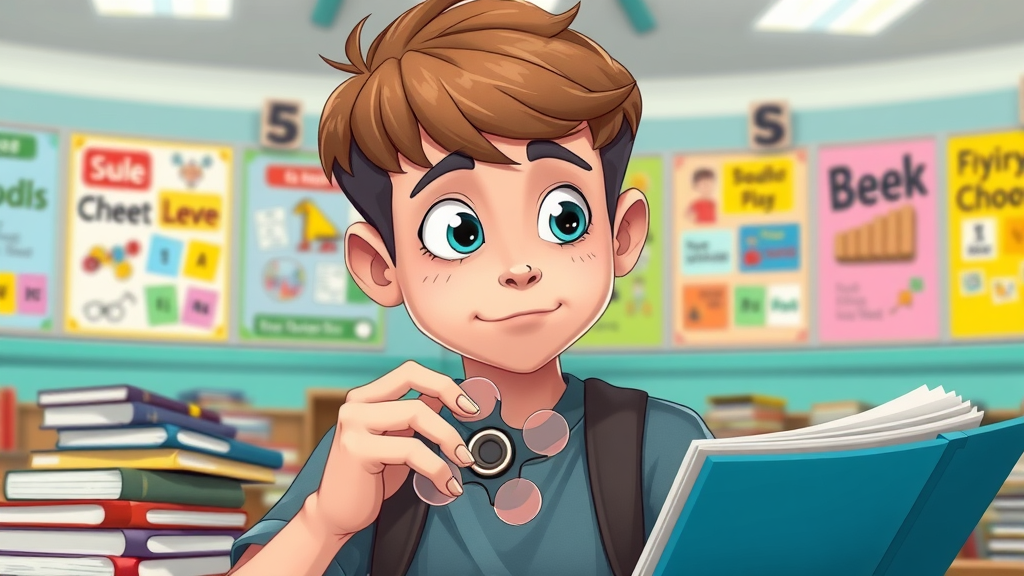
teenage boy with fidget spinner, ADHD distraction, surrounded by school books, classroom setting, health disorders and youth substance use

Mental Health Condition

Prevalence in Teens Without Substance Use Disorders

Prevalence in Teens With Substance Use Disorders

Depression

10%

35%

Anxiety Disorders

12%

28%

ADHD

8%

23%

Bipolar Disorder

2%

9%

Conduct Disorders

5%

15%

Risk Factors: Triggers for Teen Substance Use and Mental Health Challenges

Family Environment, Genetics, and Socioeconomic Status

The risk for both teen substance use and mental health disorders is greatly influenced by family background, genetics, and socio-economic conditions. Teens growing up in homes where substance abuse is present or where mental health is not prioritized face significant risk factors for developing similar issues themselves. The genetic predisposition to addiction or mental health conditions increases when there is a strong family history of these disorders, compounding environmental risk factors that make youth more vulnerable to both substance use and behavioral health challenges.

Socio-economic status also plays a pivotal role; families with fewer resources may struggle to access quality health care or mental health services, leading to gaps in early intervention and ongoing support. Ongoing stress about finances, neighborhood safety, or unstable housing can further increase a teen’s risk behavior and likelihood of developing substance use disorder or mental illness. Understanding these risk factors allows families and communities to implement targeted interventions for young people most in need.

diverse family discussing challenges at kitchen table, family environment and mental health, risk factors for youth substance use

Social Media, Peer Influence, and Academic Pressure

  • Strong family history of mental health disorders

  • Ongoing stress and trauma

  • Inequitable access to health services

Alongside domestic factors, social influences like peer pressure, exposure to risky behavior online, and academic expectations can serve as powerful risk factors for both substance use and mental health struggles. Social media can create unrealistic expectations for success or social acceptance, amplifying feelings of inadequacy or exclusion. In turn, teens may seek acceptance or escape through experimentation with drugs or alcohol.

Academic pressure, especially in highly competitive school environments, is another driver of stress that can precipitate both behavioral health issues and risky substance use. When teens feel unable to meet expectations or cope with ongoing trauma, the absence of accessible mental health care and support networks makes them especially susceptible to developing substance or mental health disorders. Prevention starts with building strong protective factors—such as supportive friendships, open communication with adults, and resilience-building school programs.

Warning Signs: How to Recognize Teen Substance Use and Mental Health Struggles

concerned teacher noticing withdrawn teenager in classroom, warning signs of teen substance use and mental health, academic setting
  • Behavioral changes and academic decline

  • Withdrawal from activities and friends

  • Signs of depression or anxiety

  • Unexplained health conditions

Identifying warning signs early can make all the difference in preventing the progression of teen substance use and mental health disorders. Significant changes in behavior—such as sudden drops in academic performance, withdrawal from once-loved activities, or dramatic personality shifts—are often among the first indicators of trouble. Teens exhibiting persistent sadness, unexplained anger, irritability, or hopelessness may be struggling with a mental health condition compounded by substance use.

Physical symptoms such as unexplained health problems, frequent headaches, or changes in sleep habits can signal underlying health disorders. It’s also not uncommon for teens to begin deceiving parents or teachers, skipping class, or breaking rules at home or school. Open communication and a non-judgmental approach are vital so young people feel empowered to share their feelings before symptoms worsen. If any warning signs persist, reaching out to mental health professionals or school counselors is a critical first step.

Long-Term Consequences: The Fallout from Neglecting Teen Substance Use and Mental Health Problems

Impact on Academic, Physical, and Emotional Health

The consequences of ignoring adolescent substance use and mental health disorders extend far beyond the teenage years. Untreated health disorders can cause academic challenges, leading to higher dropout rates and lower chances of graduating or pursuing higher education. Physical health can also be compromised, as the effects of substance abuse often include impaired brain development, increased risk for injuries, and persistent health conditions in adulthood.

The emotional toll is equally severe. Young people grappling with untreated substance use disorder and mental illness are more likely to experience ongoing depression, anxiety, and relationship difficulties. Social isolation, poor self-esteem, and suicide risk are all elevated within this vulnerable population. Ignoring these warning signs erodes the future prospects and well-being of entire communities.

Increased Risk of Chronic Health Conditions and Adult Substance Use Disorder

Failing to address the intertwined nature of teen substance use and mental health sets the stage for chronic health problems and lifelong struggles with addiction. Adolescents with untreated health conditions are at a dramatically higher risk of continuing the cycle of substance abuse as young adults and even into middle age. This increases the likelihood of comorbid conditions, such as heart disease, liver disease, and severe mental illnesses, which are costly for families, health care systems, and society at large.

The juvenile justice system and health care providers increasingly recognize the value of early, integrated interventions for preventing the escalation of these dual health disorders. Strong preventive policies, evidence-based practices, and removing barriers to mental health services are critical to breaking the generational cycle of addiction and illness.

"Ignoring the intersection of substance use and mental health among young people leads to a cycle of health disorders that can last a lifetime."

Towards Solutions: Supporting Teens Facing Substance Use and Mental Health Disorders

The Importance of Early Intervention and Integrated Health Services

Early detection and treatment of both substance use and mental health conditions are essential for reducing long-term harm. Integrated health services—where medical and behavioral health care are provided side by side—offer the highest likelihood of success for teens struggling with dual diagnoses. Screening in pediatricians’ offices, mental health counseling in schools, and access to peer support groups can make a meaningful impact on an adolescent’s willingness and ability to seek help.

Prevention programs that teach coping mechanisms, stress management, and healthy decision-making are also proven risk reducer strategies. Health care systems must ensure equity of access so that all young people, regardless of socioeconomic status or family background, can utilize the resources they need. The earlier these interventions are put in place, the better the outcome for both the individual and the broader community.

enthusiastic counselor starting teen group therapy, early intervention for substance use and mental health disorders

Resource Directory: Where Teens and Families Can Find Help

Finding support is often the most challenging step for families facing teen substance use and mental health challenges. Community health centers, school counselors, national hotlines, and online resource directories connect young people and their caregivers with vital services—such as mental health counseling, substance abuse treatment, and educational workshops. Partnerships between schools, health care providers, and nonprofits allow for the creation of safe spaces where teens can seek help without fear of stigma or judgment.

Expanding mental health services within schools and community organizations creates protective barriers that diminish the appeal of risky behavior and substance use. Families should be encouraged to reach out proactively and explore both local and online resources specializing in adolescent behavioral health and substance use disorder recovery.

welcoming youth resource center, teens entering for mental health and substance use support

Role of Schools, Communities, and Policy in Prevention

Prevention cannot succeed without strong partnerships among schools, families, health care providers, and policymakers. Schools act as front lines in recognizing and intervening in youth substance use and mental health issues by offering education, early screening, and on-site counseling. Community initiatives, such as after-school programs and peer support networks, build resilience and provide alternatives to risky behavior.

On a policy level, increasing funding for mental health services, removing barriers to care, and promoting laws that encourage early intervention are all essential steps. Public health campaigns must work to eliminate stigma while fostering a culture of understanding and compassion. Only through comprehensive, multi-faceted efforts can we truly address the intertwined nature of teen substance use and mental health challenges and pave the way for healthier, brighter futures.

My Perspective: Reframing the Conversation on Teen Substance Use and Mental Health

"Empathy, not stigma, is the first step to real solutions for youth substance and mental health challenges."

As a community, we must resist the urge to view teens facing substance use and mental health disorders through the lens of blame or punishment. These challenges are rooted not in character flaws but in the complex interplay of genetics, environment, and social pressures. By replacing stigma with empathy, we can create a foundation for healing and genuine connection. Listening to young people, protecting their privacy, and validating their experiences are vital first steps in changing the narrative on adolescent substance and mental health issues.

People Also Ask

[[paa]]

Answer

The link between teen substance use and mental health is complex and multifaceted, involving hereditary risks, environmental stressors, and social dynamics. Families, schools, and health care professionals must stay alert to risk factors, warning signs, and the value of early, integrated interventions. Open communication and access to health services are essential for supporting young people facing these critical challenges.

FAQs on Teen Substance Use and Mental Health

  • What are the most common substances misused by teens with mental health disorders?
    Teens with mental health conditions often misuse alcohol, prescription stimulants, marijuana, and increasingly, vaping products or illicit drugs. Regular misuse of these substances can quickly evolve into substance use disorders, especially for those lacking supportive environments.

  • Can early treatment of mental health conditions reduce substance use risk?
    Yes, early intervention with appropriate therapy, medication, and support can greatly reduce the risk of developing substance use disorders in vulnerable teens. Proactive care builds protective factors that promote resilience and healthy choices.

  • What should parents watch for as warning signs?
    Parents should monitor for sudden changes in mood, school performance, social withdrawal, changes in friend groups, secretive behavior, and physical signs of drug or alcohol use. Early conversations with trusted adults or health professionals can help address symptoms before they escalate.

  • Are dual diagnosis programs available for teens?
    Many health care providers and community organizations now offer specialized “dual diagnosis” or co-occurring disorder programs that address both substance use and mental health conditions in an integrated approach for adolescents.

Key Takeaways: Addressing Teen Substance Use and Mental Health Head-On

  • The intertwined nature of mental health and substance use in teens requires holistic, evidence-based interventions.

  • Early recognition and action can prevent lifelong health challenges.

  • Families, schools, and health services all play critical roles.

Conclusion: Breaking the Silence to Foster Resilience

By openly addressing teen substance use and mental health, we empower young people to seek help, build resilience, and create healthier futures—together.

Take Action Now—Support Initiatives for Teen Substance Use and Mental Health

Join the movement to dismantle stigma, increase access to mental health services, and champion prevention programs that put teens’ well-being at the forefront. Advocate for holistic solutions in your community today.


Risky Behaviors

Write A Comment

*
*
Related Posts All Posts

Supporting Teens in Addiction Recovery: Steps for Parents and Families

Did you know that more than 80% of teens in recovery identify family support as a critical factor in their success? For parents and families, understanding your role in teen addiction recovery support can make all the difference. If you’re feeling uncertain or overwhelmed, you’re not alone—this guide will walk you through what your teen is facing, best support strategies, and the resources available to help your family navigate the recovery journey together.Teen Addiction Recovery Support: Why Family Involvement Matters"More than 80% of teens in recovery identify family support as a critical factor in their success."Family involvement is a key component of successful teen addiction recovery support. When parents and family members are active participants in the recovery journey, teens feel less isolated and more motivated to engage in treatment. Your encouragement and understanding can help rebuild trust, improve communication, and foster a sense of safety—essentials for long-term recovery.Beyond emotional support, your involvement helps identify triggers and spot setbacks early. Families who participate in support groups, therapy sessions, and educational programming are better equipped to manage challenges as they arise. This close partnership with your teen and their treatment team can help bridge gaps in care and ensure consistency, whether your child is in high school, attending recovery support services, or transitioning to young adult life. Family therapy, peer recovery, and structured support groups are proven strategies that significantly raise the odds of a successful outcome.The Role of Parents in Young Adult and Teen Addiction Recovery SupportParents hold a unique position in helping teens navigate the complexities of substance use disorder. By maintaining open lines of communication and modeling healthy coping strategies, parents become trustworthy allies for teens craving stability and acceptance. Attending support groups—such as those led by SMART Recovery—joins experience from other families and professionals while giving teens a tangible sense of hope and solidarity.As teens grow into young adults, parental support remains crucial. This transition period presents new stressors like peer pressure, academics, and independence. Ongoing parental involvement, coupled with the right support services and treatment programs, shapes a highly personalized roadmap to success. It is not just about preventing relapse, but also empowering teens to seek help confidently and embrace the growth of recovery at every stage.How Recovery Support Services Enhance Teen Addiction TreatmentRecovery support services are designed to meet various needs during each step of the addiction treatment process. These services can include individual counseling, group therapy, academic and vocational assistance, mental health care, and recreational programs. Importantly, integrating such services into a teen's recovery plan provides structure, encouragement, and accountability—all vital aspects for effective addiction recovery.Participating in different recovery support services not only helps with substance abuse but also addresses related mental health challenges. Young adults in particular benefit from learning new coping strategies, rebuilding relationships with family members, and becoming part of a vibrant peer recovery community. The result is a well-rounded approach where treatment is not only focused on stopping drug abuse but also supporting overall well-being and future aspirations.What You’ll Learn About Teen Addiction Recovery SupportUnderstand the importance of parental involvementDiscover effective recovery support strategiesExplore support services for teens and young adultsLearn how support groups and family therapy can aid recoveryRecognize the steps to foster long-term recoveryUnderstanding Teen Addiction: Substance Use Disorder in Young AdultsTeen addiction often begins with experimentation, but when use becomes frequent or compulsive, it can quickly develop into substance use disorder. Recognizing when experimentation has crossed the line is vital for parents. Today, substance use disorder affects a growing number of young adults, crossing all social boundaries and backgrounds. Early intervention and open family dialogue play a significant role in recovery outcomes, especially when combined with robust teen addiction recovery support networks. It's critical to understand the science and challenges behind addiction to foster a more supportive environment at home and in the community.Defining Substance Use Disorder in AdolescentsSubstance use disorder (SUD) in adolescents is a complex, chronic condition involving the compulsive use of alcohol, drugs, or other substances, despite adverse consequences. Teens with SUD commonly struggle with impulse control and decision-making, as brain development in these areas continues through young adulthood. Factors like mental health issues, peer pressure, family history of addiction, and high-stress environments—particularly in high school—contribute to vulnerability.Stigma and misunderstanding about substance abuse and addiction can prevent families from seeking help early. Awareness and education are the first steps toward breaking these barriers. By understanding what substance use disorder looks like in teens, families can take action, access support services, and create a targeted recovery plan.Common Triggers and Warning SignsTeens face unique triggers—ranging from academic stress to social dynamics—that can spark or worsen substance abuse. Common warning signs include sudden mood changes, withdrawal from family activities, slipping grades, changes in sleep or eating patterns, and secrecy about personal matters. Recognizing these signals promptly and responding with empathy is crucial for early intervention.Parental monitoring and engagement help in recognizing these warning signs and serve as the foundation for effective support. Building a bridge to teen addiction recovery support early can make the difference between ongoing struggle and successful recovery. Support services, mental health care, and group counseling complement family observation and help teens develop resilience against triggers.Risk Factors, Warning Signs, and Common Addictive Substances for TeensRisk Factors for Teen AddictionSigns of Substance UseCommon Addictive SubstancesFamily history of addictionPeer pressureMental health challengesTrauma or high stressMood swingsWithdrawal from familyDeclining gradesSecretive behaviorAlcoholMarijuanaPrescription drugsNicotineVaping productsInitiating Teen Addiction Recovery Support: First Steps for ParentsTaking the earliest steps toward teen addiction recovery support can feel overwhelming, but starting the conversation and seeking guidance are vital. Recognizing the need for help, approaching your teen with empathy, and reaching out to professional addiction treatment programs set the stage for successful recovery. Research shows that families who intervene early and remain emotionally involved significantly increase treatment success rates and prevent escalation into more severe patterns.How to Approach Conversations About Addiction and RecoveryDiscussing addiction is challenging, but honest and nonjudgmental dialogue opens doors. The key is to create a safe, supportive environment so your teen feels heard. Use “I” statements (“I’m concerned because…”) to foster connection. Avoid language that shames or blames—keep the focus on health, safety, and hope. Ask open-ended questions to promote reflection and engagement. Remember, your goal is not to win an argument but to reassure your teen that you’re on their side and ready to support their recovery journey, including participation in therapy and support groups.Many parents find it helpful to consult with a counselor or addiction professional first. They can coach you on the best language and strategies for your particular situation. When you approach your teen with genuine concern rather than judgment, you lay the groundwork for trust and ongoing collaboration in the recovery process.Assessing the Need for Professional Addiction TreatmentIdentifying when professional help is required is crucial. Warning signs include escalating secrecy, emotional volatility, declining school performance, and changes in friend groups or appearance. If your teen has already attempted to stop substance use without success or is experiencing worsening mental health, a structured treatment program is needed. Professional assessment often includes a combination of medical evaluation, mental health screening, and input from family members.Signs your teen needs professional help: Ongoing substance use despite consequences, withdrawal from activities/friends, marked behavioral changes.How to talk to your teen without judgment: Use open, supportive language; avoid blame; focus on health and support recovery for the long term.Exploring Effective Recovery Support Services for Teens and Young AdultsRecovery support services are available in most communities, schools, and online platforms. Understanding what’s out there ensures you can connect your teen to resources tailored to their unique needs. These support services typically include counseling, educational workshops, group sessions, peer mentoring, and family therapy—all essential for sustaining addiction recovery for both teens and young adults.Recovery Support Services: What’s Available for Teens?Teens in recovery benefit from a broad range of support services designed to address their individual needs. Many programs offer outpatient treatment, school-based recovery support services, peer recovery groups, and family-based therapy sessions. Some regions offer specific recovery programs for high-school students that blend education, therapy, and social activities in a supportive environment.These recovery support services help teens build life skills, address mental health conditions, and strengthen their motivation to stay drug-free. Peer recovery mentors provide first-hand guidance, while clinicians offer medical and psychological expertise. With options that include both in-person and virtual support, families can identify the best-fit services for their teen’s stage of recovery and schedule.Integrating Smart Recovery and Recovery Support Into Your Family’s PlanSMART Recovery is an evidence-based, self-empowering recovery support program offering practical tools for teens and their families. Unlike traditional 12-step approaches, SMART Recovery emphasizes self-management, resilience, and ongoing peer support. Incorporating this model into your family’s recovery plan adds flexibility and accessibility, especially for teens who may not connect with conventional programs.Families can participate in educational sessions together, learning strategies for managing cravings, identifying triggers, and promoting positive change. SMART Recovery also offers online meetings, which are especially helpful for teens and young adults with busy schedules or those uncomfortable with group settings. Integrating SMART Recovery principles at home—such as goal setting, open communication, and relapse prevention—enhances the overall recovery journey and provides lasting support for all family members.Support Groups: Options for Adolescents and FamiliesSupport groups, whether peer-led or facilitated by professionals, provide essential connection and accountability. Adolescents thrive in environments where they’re understood by peers facing similar struggles, while parents and family members gain strength and strategies from others on the same path. Popular options include Alateen, SMART Recovery, and family group counseling.Many support groups are tailored for families, ensuring shared recovery experiences. Adolescents often report feeling less isolated, better understood, and more able to self-advocate thanks to consistent peer and family support. Whether in-person, at school, or online, these support group resources are vital links in the chain of long-term recovery for teens and young adults.Support Services for Teen Addiction Recovery: A GuideSupport ServiceAge RangeBenefitsHow to AccessSMART Recovery for Teens13-18Self-management skills, relapse prevention, peer supportOnline & local meetingsAlateen12-19Peer group support, focus on family dynamicsLocal support groups, school counselorsFamily TherapyAll agesImproves communication, supports the entire family systemCounseling centers, mental health clinicsRecovery High Schools14-18Academic and addiction recovery support in one settingSpecialized schoolsFamily Therapy and Peer Recovery Support: Strengthening the Recovery JourneyFamily therapy and peer recovery support are essential pillars in a teen’s addiction recovery journey. When everyone in the family learns healthy communication and coping skills together, trust and understanding grow, enabling the teen to rebuild relationships and confidence over time. These evidence-based strategies provide a holistic approach that addresses not just substance use, but also overall family well-being and mental health.The Impact of Family Therapy on Teen Addiction Recovery SupportFamily therapy sessions create a dedicated space for open communication. Through guided discussions, families identify harmful patterns, process emotions, and practice healthier ways to resolve conflict. As a core element of addiction recovery, family therapy reduces relapse risk, boosts resilience, and encourages each family member to support the recovery process more effectively.Family therapy isn’t just for teens in crisis. It's an ongoing method for all family members to learn about addiction, understand the recovery support process, and develop strategies for navigating stressors. When paired with group therapy and educational programming, these sessions can dramatically improve long-term outcomes for teens and young adults alike.Peer Recovery and Support Groups: Building a Lifeline"Peer support can increase recovery success rates by up to 50% for teens."Peer recovery support provides encouragement, camaraderie, and practical advice from those who understand the struggles firsthand. Engaging in support groups and peer recovery support programs empowers teens to exchange experiences, setbacks, and triumphs in a judgment-free setting. This solidarity is especially valuable during moments of doubt.Research consistently shows that teens who participate in structured peer support programs—such as those offered at recovery high schools or through SMART Recovery—are more likely to achieve and sustain recovery. These lifelines complement family efforts, providing balanced social support and accountability for lasting change.Long-Term Teen Addiction Recovery Support: Sustaining Progress After TreatmentThe end of formal treatment doesn’t mark the end of the recovery journey. Ongoing support is essential for teens as they transition back into school, work, and social settings. Establishing routine family check-ins, participating in ongoing support groups, and connecting with alumni programs help reinforce sobriety and positive growth in both teens and young adults.Social Support and Recovery High Schools: A Safe Space for Continued GrowthRecovery high schools are specialized education environments blending academics with addiction recovery support. These schools create a safe and inclusive social environment, allowing teens to prioritize healing alongside educational achievements. Academic success, mental health, and long-term social connections flourish when students participate in social support initiatives tailored to their recovery needs.For many families, recovery high schools become foundational to their teen’s journey—offering not only academic structure, but access to regular peer support, therapy sessions, and fun sober activities. These institutions model how a supportive environment can foster independence, accountability, and hope for the future among young adults.Ongoing Support Groups and Recovery Programs for Young AdultsAs teens progress to young adulthood, recovery support doesn’t stop. Access to ongoing support groups, alumni programs, and online communities is critical for guarding against lapses and relapses. Online forums and group meetings make it easier for young adults managing jobs, college, or new social circles to remain connected to their recovery network day or night.Participation in recovery programs that emphasize community engagement, vocational training, and continuous mentorship ensures a well-rounded approach to long-term recovery. The right mix of services can reduce isolation, boost confidence, and prepare young adults to thrive in all areas of life, long after their initial treatment program ends.How to choose the right ongoing support option: Assess your teen’s social needs, academic goals, and preferred group settings. Try different types of meetings to see where your teen feels most at home.Importance of community engagement for sustained recovery: Activities like volunteering, sports, and creative clubs help maintain a sense of purpose and build sober connections, which are essential for lifelong sobriety.Watch: Overview of Successful Teen Recovery Support ProgramsPeople Also Ask: Key Questions About Teen Addiction Recovery SupportWhat are the 3 C's of addiction recovery?The 3 C’s of addiction recovery are: You didn’t Cause the addiction, you can’t Control it, and you can’t Cure it. Understanding these principles helps parents and families focus on supporting their loved one’s recovery journey rather than feeling guilty or responsible for the teen’s struggle. The emphasis is on providing support without assuming blame, helping maintain emotional boundaries and reducing family stress throughout the recovery process.What are the 5 rules of addiction recovery?The 5 rules commonly referenced in addiction recovery include: 1) Change your life, 2) Be honest, 3) Ask for help, 4) Practice self-care, and 5) Don’t bend the rules. These guidelines help teens and young adults keep their recovery the top priority, encouraging participation in support groups and therapy, developing healthy routines, and building accountability. Each rule supports the structure needed for long-term sobriety and emotional stability.How to help teens with substance abuse?Begin by maintaining open, honest, and nonjudgmental communication. Offer your teen unconditional support, and look for early warning signs of substance abuse. Encourage participation in professional treatment programs, therapy sessions, and support group activities. Staying involved, networking with other families, and accessing the right support services all strengthen the teen’s chances of a successful recovery.What are the four R's of addiction recovery?The four R’s typically refer to: Recognize, Remove, Replace, and Reinforce. Families and teens need to recognize the problem; remove triggers and unhealthy influences; replace negative behaviors with positive routines; and reinforce progress through encouragement and structured support. These steps are vital for sustaining the recovery journey for both teens and young adults in high-risk environments like high school or transitional periods.Key Takeaways: Empowering Teen Addiction Recovery Support for FamiliesParental involvement is crucial in teen addiction recovery supportMultiple recovery support services exist for every stage of the journeySupport groups and family therapy strengthen long-term recoveryUnderstanding the basics—like the 3 C's and 4 R's—empowers your familyFrequently Asked Questions on Teen Addiction Recovery SupportWhat insurance covers teen addiction recovery support? — Many private insurance plans and Medicaid cover addiction treatment, therapy, and recovery support services for adolescents. Check with your provider about specific coverage options for mental health and substance abuse programs.Are online support groups effective for adolescents? — Yes, online support groups such as SMART Recovery and Alateen offer accessible, peer-driven connections that help teens feel supported, reduce isolation, and maintain motivation throughout the recovery process.How can schools support ongoing teen addiction recovery? — Schools can facilitate recovery high school programs, provide access to school-based counselors, and promote education on mental health and substance use. Ongoing collaboration between families, schools, and the broader community is vital for student success.Conclusion: Taking the Next Steps in Teen Addiction Recovery SupportWith support, knowledge, and action, families play a powerful role in helping teens achieve and sustain recovery. Reach out, stay involved, and make use of the wide range of recovery support services available—your engagement makes all the difference.Expert Q&A: How Family Support Influences Teen Addiction Recovery Outcomes

How to Prevent Risky Behaviors in Teens: A Parent’s Guide

Did you know that nearly 50% of high school students in the United States report engaging in at least one risky behavior? From drinking alcohol to unsafe online activities, today’s teens navigate an evolving landscape filled with real dangers and temptations. As a parent, understanding how to prevent risky behaviors in teens is more crucial than ever. This guide will arm you with proven strategies, insights, and actionable techniques designed to keep your teen safe, healthy, and on the path to positive youth development.Unveiling the Reality: Startling Statistics on How to Prevent Risky Behaviors in TeensStatistics paint a sobering picture: According to the National Institute on Drug Abuse, about 60% of teens have experimented with alcohol by the end of high school, and nearly 40% have tried cigarettes or vaping products. The risk factors for harm aren’t limited to substances—risky behaviors also include unprotected sex, unsafe driving, and negative peer influence, all of which can have lasting effects on teen mental health and brain development. Even more disturbing, one in five high school students report being bullied online—a risk behavior that can impact both emotional and psychological well-being. Recognizing the prevalence and diversity of these challenges is the first step for any parent who wants to effectively prevent risky behaviors in teens. By focusing on statistics and the underlying causes, families and communities can begin mobilizing proactive solutions today.What You’ll Learn in This Guide to How to Prevent Risky Behaviors in TeensKey strategies for preventing risky behaviors in teensHow peer influence, family, and community shape risky behaviourActionable steps for parents to tackle mental health and risk factorsResources for ongoing supportUnderstanding Risk Behavior: Key Definitions and ContextWhat Constitutes Risky Behavior and Risk Behaviors in Teens?Risky behavior in teens refers to actions that endanger a young person's safety, development, or long-term health. Risk behaviors can include substance use (like drinking alcohol, smoking, or vaping), unprotected sex, reckless driving, aggression, or even chronic truancy. Such behaviors not only expose teens to immediate harm but may also cause lasting effects, impacting mental health, academic success, and future opportunities. Understanding this broad definition is critical for parents and caregivers striving to address risky behaviour in all its forms. Teen development is a time of exploration, but it’s vital to differentiate between age-appropriate experimentation and harm-prone risks.The Scope of Risky Behaviour in AdolescenceAdolescence brings major changes—physically, emotionally, and socially—which can lead to increased exposure to risk factors and impulsive decisions. Studies show that the developing teen brain, especially areas involved in judgment and impulse control, is particularly prone to risk behavior. The rise in peer influence, easy access to substances, and exposure to digital risks further expands the scope of risky behavior during these formative years. The context in which young people grow up—at home, school, or in their communities—shapes what risks they encounter and how they respond. For parents, understanding these broad trends helps frame proactive conversations and informed guidance about risk behaviors in teens."Today’s teens face more temptations and risk factors than ever before—understanding these is the first step to prevention." — Dr. Jane ChildsIdentifying Risk Factors Contributing to Risk Behavior in TeensCommon Risk Factors: Environment, Genetics, and Social CuesThere’s no single cause for risky behaviors in teens—usually, it’s a mix of environment, genetics, and social cues. Teens exposed to family stress, poor parental supervision, or community disconnection may be more likely to engage in risky acts. Genetics can also play a role, making some adolescents more susceptible to impulsive or harmful behaviors. Social cues from peers, media, or popular culture often act as triggers for experimentation or rebellion. Research from the National Institute on Drug Abuse shows that both protective factors (like strong family bonds) and risk factors (like lack of support or supervision) greatly influence the trajectory of adolescent behavior and mental health. Recognizing these patterns is vital for early intervention and prevention.How Mental Health Impacts Risky BehaviorsMental health and risky behavior are closely intertwined. Teens experiencing anxiety, depression, or trauma are at greater risk of engaging in substance abuse, self-harm, and other dangerous actions. Lack of healthy coping strategies or untreated mental health conditions can fuel negative decisions and exacerbate risk behaviors in an effort to manage stress or escape emotional pain. Early intervention, mental health support, and promoting healthy coping can lower the likelihood of risk behavior and create resilience in teens facing adversity.Peer Influence: The Role of Friends in Teen Risky BehaviourPeer influence is an especially powerful driver of risky behaviour among young people. Friends and social groups not only introduce new behaviors but can shape attitudes about what is acceptable. Teens may feel pressure to conform or engage in risky behavior to gain social acceptance or status. On the flip side, positive peer groups that set good role models and promote healthy habits serve as protective factors, helping teens stay safe and avoid risky decisions. Open family communication and involvement can reduce the sway of negative peer influence and guide teens toward safer choices.Major contributors to risky behavior in teens:Peer pressure and conforming to social normsFamily environment and lack of boundariesMental health and emotional difficultiesExposure to substance use and online risksLimited resources or positive outlets in the communityThe Role of Families and Communities in Preventing Risky BehaviorsFamily Dynamics: Setting Boundaries and Open CommunicationStrong family dynamics—like setting clear expectations, modeling healthy behavior, and maintaining open dialogue—are cornerstones of prevention. When parents act as supportive role models and set appropriate boundaries, teens are less likely to need acceptance through negative behaviors. Consistent discipline, encouragement, and honest conversations reinforce a young person’s ability to make decisions, establish healthy coping skills, and resist harmful influences. When families value open discussions about risk factors and consequences, teens feel safe to express concerns and seek guidance, which can directly reduce engagement in risk behavior.Community Engagement and Positive Social NetworksCommunities shape adolescent behavior through access to resources, supportive programs, and social networks. Involvement in after-school activities, clubs, mentoring, and recreational programs provide positive outlets and reduce idle time that can lead to risky choices. Communities fostering positive youth development help buffer young people against risk factors and amplify protective factors critical for healthy development. Engaged adults—teachers, mentors, neighbors—play a vital role in reinforcing healthy boundaries and supporting families in prevention efforts.Table: Families and Communities’ Impact on Risk Behavior PreventionPrevention ElementFamily RoleCommunity RoleImpact on Risky BehavioursOpen CommunicationHonest discussions, active listeningMentoring, support groupsReduces secrecy, increases trust and early interventionPositive Role ModelsConsistent good role model behaviorAfter-school programs, local leadersPromotes healthy habits, discourages risk behaviorClear BoundariesConsistent discipline, clear rulesCommunity guidelines, supervisionReduces ambiguity, supports healthy decisionsAccess to ActivitiesEncourages hobbies/sportsClubs, recreation centersProvides positive outlets, reduces likelihood to engage in riskyRecognizing Warning Signs: Early Indicators of Risky BehaviorBehavioral red flags in teens:Sudden changes in mood, friends, or interestsGrades dropping without explanationSecretive behavior or withdrawing from familyPhysical evidence: smells (alcohol, smoke), injuries, missing belongingsInterest in drugs, alcohol, or unsafe activitiesDefiance of rules or major attitude shiftsPractical tips for early intervention and support:Start calm, nonjudgmental conversations earlyAsk open-ended questions and listen activelyDocument concerning changes to discuss with counselorsSet up regular family meetings to increase transparencyEncourage participation in positive youth or community activitiesEvidence-Based Strategies: How to Prevent Risky Behaviors in Teens EffectivelyCommunication Skills: Encouraging Teens to Talk About Risky BehaviourOpen, empathetic communication helps teens feel comfortable discussing their challenges and choices. Start by listening without judgment and validating your teen’s feelings. Use reflective questions that enable your teen to explore their own decision-making process—this builds confidence and critical thinking. Being available and present is as vital as any advice you give. Good communication not only uncovers potential risk factors but also provides a safe space to talk about pressures from peer influence or mental health struggles. Research consistently links active parent-teen conversation to lower rates of risky behaviors and better overall outcomes.Establishing Trust and Consistent BoundariesTeens thrive when they know what the expectations are at home. Consistent boundaries and follow-through show you care and can be relied upon. Establish consequences for risky behavior that are clear and fair. At the same time, work to foster trust—teens must feel confident they can share their mistakes without fear of rejection. Set boundaries not as punishment, but as safety nets that help your teen make healthy, resilient decisions. Together, these methods form a powerful protective factor against negative choices and reinforce positive youth and adolescent behavior.Step-by-step prevention techniques:Start open conversations by asking nonjudgmental, genuine questionsDiscuss consequences of risk behavior using real-life scenariosSet clear, consistent rules while fostering mutual respectModel healthy coping strategies in daily lifeSupport your teen’s friendships and encourage positive peer groups"Establishing honest communication is the foundation of risk behavior prevention." — Family Therapist Maria OrtizMental Health Support as a Prevention Tool Against Risky BehaviorsDestigmatizing Mental Health Among TeensStigma and misunderstanding keep too many teens from seeking the mental health support they need. Parents can help by normalizing conversations about emotions, stress, and struggles. Encourage your child to identify and express their feelings, reinforcing that asking for help is a strength—not a weakness. School programs, counseling, and online resources can further support youth development and prevent risk factors from escalating into risk behaviors. When mental health is prioritized, teens are less likely to engage in self-destructive or harmful behaviors.Accessing Support: Resources and Professional HelpThe right help can make all the difference. Familiarize yourself with key mental health organizations, such as local counseling centers, national hotlines, or school psychologists. Seek professional guidance if signs of depression, anxiety, trauma, or increasingly risky behaviour arise. Many gov websites provide lists of resources, clinics, and helplines for families and communities supporting teens. Don’t hesitate to reach out—early intervention is proven to protect against the consequences of risk.Key mental health organizations for teens and parents:National Alliance on Mental Illness (NAMI)The Trevor Project (for LGBTQ+ youth)Substance Abuse and Mental Health Services AdministrationSchool counselors, community health centers, local non-profitsHow Peer Influence Amplifies Risky BehaviourNavigating Social Pressures and Online InfluenceModern peer influence goes beyond face-to-face interactions. Social media, group chats, and digital communities present new challenges—and, at times, more subtle forms of pressure. Teens may feel compelled to try risky behavior to gain likes, fit in with trends, or emulate influencers. Help your teen understand the difference between positive and negative online interactions. Discuss online safety, digital footprints, and emotional regulation. Empower your child to resist unhealthy trends and recognize manipulation or bullying. The more informed they are about online risks, the safer their choices will be in and out of the digital world.Empowering Teens to Build Resilience Against Risk BehaviorsBuilding resilience is key to helping your teen stand strong against negative peer influence and manage risk factors. Encourage your teen to recognize their own values, build confidence in making decisions, and practice healthy coping strategies for stress. Activities like volunteering, sports, or creative hobbies provide positive identity and skills for dealing with challenges. Families and communities acting together to foster a sense of belonging and worth can shield young people from succumbing to harmful behaviors.5 actionable ways to help teens resist negative peer pressure:Practice assertive communication skillsRole-play refusal scenarios at homeBuild self-esteem through strengths-based activitiesSurround teens with positive role models and supportive friendsEncourage healthy coping strategies for stress and disappointmentPractical Activities and Family Strategies to Prevent Risky Behaviors in TeensRegular family meals and open discussions about daily lifeMonitor social media and digital device useEncourage participation in supervised community and school activitiesSet up regular family check-ins and celebrate positive youth achievementsPromote goal-setting and celebrate milestones, large and smallFamilies and Communities: Building a Support System for TeensCommunity resources: youth centers, sports leagues, local clubsInvolvement in parenting workshops and support groupsPartnering with schools for information and intervention programsEncourage your child to seek adult mentors in the communityStay informed about local programs that support adolescent behavior and healthy developmentWatch an expert interview featuring parenting specialists and educators sharing actionable tips, real-life examples, and proven strategies for preventing risky behaviors in teens.People Also Ask: Answers to Common Questions About Preventing Risky Behaviors in TeensHow teenagers risky behaviour can be reduced?Comprehensive answer: Effective prevention and reduction strategies include open communication, education on risk factors, strengthening families and communities, and fostering positive peer influence. Structured routines, supportive mental health environments, and involvement in community activities further reduce risky behavior in teens.What is the best way to avoid high risk behaviors?Comprehensive answer: The best way to avoid high risk behaviors is to establish supportive parent-child relationships, model healthy habits, create an open dialogue around risky behaviours, and proactively address mental health concerns. Regular family check-ins and clear expectations reinforce positive choices.How can a teenager best avoid risky behaviors?Comprehensive answer: Teenagers can best avoid risky behaviors by cultivating decision-making skills, choosing positive peer groups, engaging in supervised activities, and accessing resources for mental health support. Encouragement from families and communities also plays a crucial role.How to manage an out of control teenager?Comprehensive answer: To manage an out-of-control teenager, parents should remain calm, set clear boundaries, seek professional guidance if needed, involve supportive family and community networks, and address underlying mental health or risk factors contributing to risky behaviors.Watch this role-play demonstration to learn effective family communication strategies for talking about risk behavior and supporting teens in making safer choices.Frequently Asked Questions Regarding How to Prevent Risky Behaviors in TeensWhat are the signs of risky behavior in teenagers?Are there specific risk factors parents should watch for?What can families and communities do to support at-risk teens?When should parents seek professional help for risk behaviors?Key Takeaways: How to Prevent Risky Behaviors in TeensRecognize and address risk factors early.Build strong family and community support systems.Foster open communication and resilience against peer influences.Conclusion: Securing Brighter Futures by Preventing Risky Behaviors in TeensBy staying connected, informed, and proactive, parents and communities can empower teens to make safer choices, ensuring healthy development and brighter futures.To further enhance your understanding of preventing risky behaviors in teens, consider exploring the following resources:“Teens and Risk Taking” by the University of Minnesota Extension offers insights into adolescent risk behaviors and provides practical strategies for parents to support their teens in making safer choices. (extension.umn.edu)“Teen Bad Behavior & Discipline Plans - Promoting Healthy Growth Ages 15 - 18” from WebMD discusses effective discipline strategies and the importance of setting clear boundaries to guide teens toward positive behaviors. (webmd.com)These resources offer valuable perspectives and actionable advice to help you navigate the challenges of adolescent development and promote healthy decision-making in your teen.

Warning Signs of Risky Behavior in Teens Parents Should Watch For

Did you know? Nearly 70% of teens will engage in at least one risky behavior before graduating high school, according to the CDC. This isn’t just a statistic—it’s a wake-up call for every parent. Teens are naturally wired to test limits, but knowing the warning signs of risky behavior in teens can mean the difference between prevention and crisis. In today’s fast-paced, constantly connected world, parents face new challenges in spotting red flags in teen behavior. This article provides a comprehensive, easy-to-understand guide to help you recognize, address, and respond to the most pressing warning signs, ensuring a safer pathway for your teen into adulthood. A Startling Look at Warning Signs of Risky Behavior in Teens Spotting the subtle—and sometimes not-so-subtle—warning signs of risky behavior in teens is crucial for early intervention. Parents often struggle to differentiate between typical teenage behavior and the first indicators of trouble. Is your teen simply pushing boundaries, or are you witnessing red flags in teenage behavior that signal deeper risk? Recent studies and health professionals stress that catching these signs early prevents escalation and protects your child’s wellbeing. This guide aims to arm you with knowledge: what to look for, which behaviors demand urgent attention, and how to navigate tough conversations. By understanding these warning signs—whether it’s sudden mood swings, secretive social media use, or shifts in academic performance—parents can take confident, informed action that keeps teens safe and healthy. "Nearly 70% of teens will engage in at least one risky behavior before graduating high school, according to the CDC." What You'll Learn About Warning Signs of Risky Behavior in Teens The most common warning signs of risky behavior in teens Major red flags in teen behavior to monitor closely Early intervention strategies for parents How teen mental health relates to risk behaviors Resources for addressing risky teenage behavior Understanding Risky Behavior: Definition and Patterns in Teenagers What is Risky Behavior in Teenage Behavior? Risky behavior in teenagers refers to actions that expose them to harm or negative outcomes. These behaviors may seem impulsive but often stem from a combination of curiosity, peer pressure, and the desire for independence. Parents need to recognize that experimenting with boundaries is a typical teen trait. However, when actions escalate beyond normal adolescent exploration—such as substance abuse, engaging in unprotected sex, chronic absenteeism, or dangerous social media activity—these become serious red flags. It’s vital for parents to maintain an ongoing dialogue and observe consistent behavioral changes rather than isolated incidents. Identifying patterns over time is key to distinguishing a one-off rebellious act from ongoing risk behaviors that can have long-term consequences for health, academic performance, or relationships. Key Factors Contributing to Risk Behavior in Teens Several overlapping factors contribute to risky behavior in teens. Hormonal changes, evolving brain development (particularly of impulse control and judgment areas), and emotional challenges all play a role. Compounding these are mental health issues like anxiety or depression, as well as environmental influences such as unstable home environments or negative peer pressure. The rise of social media exposes teens to risky trends and challenges that can amplify the urge to take chances. Parents should be especially alert if their teen is struggling with a recent significant change—like a parental divorce, moving homes, or changing schools. These life stressors often serve as triggers, increasing vulnerability to negative peer influences or unhealthy coping mechanisms. Understanding these factors enables parents to approach their teen with empathy and offer appropriate support before behaviors spiral out of control. Top Warning Signs of Risky Behavior in Teens Parents Should Watch For It’s not always easy to pinpoint the exact moment a teen’s behavioral patterns shift from average rebellion into the territory of concern. However, a collection of observable warning signs often emerges simultaneously. The most common red flags in teen behavior can include drastic shifts in sleep patterns (like staying up all night or excessive daytime sleep), or sudden ups and downs in mood and mental health that don’t match normal adolescent swings. Parents should also pay close attention to their teen’s activity on social media—increased secrecy, deleting messages, or creating accounts you aren’t aware of can all be indicators. Declines in academic performance, withdrawal from family and friends, or losing interest in once-loved hobbies are equally important flags. These signals become especially worrying when paired, and they may point to underlying substance abuse, emotional difficulties, or dangerous influences. By staying engaged and observant, families can catch these warning signs of risky behavior in teens early and take action. Sudden changes in sleep patterns and routines Noticeable shifts in mood or mental health New or secretive social media activity Declining academic performance Withdrawal from family and friends Uncharacteristic red flags in teenage behavior Red Flags in Teen Behavior: When to Be Concerned Differentiating Typical Teenage Behavior from High-Risk Patterns Understanding the difference between typical teenage rebellion and warning signs of risky behavior in teens is challenging. All teens go through periods of mood swings, changing interests, or seeking independence—this is normal. The line is crossed when behaviors become persistent, escalate in severity, or begin to disrupt daily life and responsibilities. For example, it’s typical for a teen to want more privacy, but excessive secrecy, lying, and overt avoidance are red flags in teenage behavior. A drop in grades after a challenging course might not be alarming, but a consistent decline combined with frequent absenteeism should raise concern. Trust your instincts when you feel that something “just isn’t right”—persistent gut feelings often point to underlying red flags in teen behavior. When in doubt, consult a mental health professional or school counselor to assess whether your child’s behaviors are part of normal development or indicate real risk. Flags in Teenage Behavior That Require Immediate Action Some flags in teenage behavior warrant swift action, even urgent intervention. If your teen exhibits signs like open hostility, significant and unexplained bruises or injuries, talk of self-harm or suicide, frequent substance use, or aggressive/violent outbursts, these are not just warning signs—they’re red flags demanding immediate attention. New associations with older peer groups or unexplained absences from home also signal elevated risk. Exposing others to harm (bullying, reckless driving, or violence) represents another tier of dangerous risk behaviors. If you observe these behaviors, don’t wait. Call a behavioral health professional or your teen’s primary care provider for expert guidance. Fast, compassionate intervention can save lives and change the course of your teen’s future. Warning Signs of Risky Behavior Normal Teen Behavior Major shift in sleep patterns; insomnia or excessive sleep Occasional late nights, sleeping in on weekends Sudden drop in academic performance over several terms Temporary grade changes after challenging exams Secretive social media usage and deleted message history Desire for privacy but transparent communication Withdrawal from the family and all friends Spending more time with peers rather than family Substance use or visible intoxication Refusing medicine for minor ailments Sudden association with older, unfamiliar peers Making new friends of the same age group Mental Health and Risk Behavior: How They Intersect Recognizing the Link Between Mental Health and Risky Behavior Mental health and risky behavior are tightly interconnected in adolescents. Struggles with anxiety, depression, trauma, or undiagnosed mental health conditions often lead to risk behaviors as teens attempt to cope. For example, a young adult may start skipping school or experimenting with substances as a way to manage emotional pain. Sometimes, signs of deteriorating mental health—like sudden mood swings or social withdrawal—are dismissed as merely typical teen issues, when they are in fact early warning signs. Recognizing these connections allows for earlier and more effective intervention. Parents should consider a holistic approach: don’t just address the behavior, but look for underlying health issues that may be driving it. Consulting with a mental health professional ensures that your teen receives the support they need, not only to address the immediate risks but also to improve their long-term well-being. Behavioral health professionals emphasize a holistic approach: "Addressing behavioral health early can prevent escalation of risk behaviors in teens." Common Risk Behaviors: Substance Abuse, Unprotected Sex, and More While every teenager is different, most risky behaviors fit into predictable categories, each with distinct warning signs. Substance abuse is often marked by finding drugs or alcohol, changes in friend groups, or secrecy. Unprotected sex or relationships with much older partners represent serious risk for unwanted pregnancy or sexually transmitted infections. Truancy or chronic absenteeism from school indicates avoidance of responsibility and possible exposure to further risk. Dangerous driving habits, such as speeding or texting behind the wheel, can have life-altering consequences. Lastly, frequent fights or involvement in bullying shows an unhealthy way of coping with stress or seeking validation. It’s crucial for parents to recognize these patterns early and have candid conversations about both the immediate and long-term outcomes. The earlier these risk behaviors are addressed, the less likely they are to become entrenched habits or pathways to more serious problems. Substance abuse: recognizing the warning signs Engagement in unprotected sex or risky relationships Truancy or chronic absenteeism from school Dangerous driving habits Frequent involvement in fights or bullying Early Intervention: Steps for Parents Who Notice Red Flags in Teenage Behavior How to Approach Teens About Warning Signs of Risky Behavior The key to addressing warning signs of risky behavior in teens is early, non-judgmental communication. Begin by calmly expressing what you’ve observed, avoiding accusations or blame. Statements like, “I’ve noticed you seem more withdrawn than usual, and I’m concerned,” signal love and support. Listen to your teen’s perspective without immediate correction; validation builds trust. Avoid invading their privacy or using disciplinary action as your first response—this often drives teens to hide behaviors further. Instead, set clear boundaries and expectations, and express willingness to help. If your teen opens up about mental health struggles, treat these seriously and consider connecting them with a behavioral health professional or counselor. When conversations lead nowhere or safety is at risk, don’t hesitate to seek outside help. Your support, patience, and consistency are your best tools for guiding teens through difficult times. Building a Safer Environment for Teens at Home Beyond conversation, creating a physically and emotionally safe home environment is crucial. Establish routine family check-ins where every member can express feelings openly—even parents. Set reasonable boundaries around internet and social media use, encourage participation in positive activities, and keep open channels of communication about stress, friendships, and mental health. Monitor your teen’s environment for flags in teen behavior but respect their growing need for privacy. If you suspect substance use, unprotected sex, or another form of risk behavior, address it directly but compassionately. Promote healthy coping mechanisms—exercise, art, or volunteering—and demonstrate these yourself. Remember: teenagers pay close attention to adult behavior. Engaged, supportive, and consistent role modeling is one of the most effective deterrents of risky behaviors and lays the groundwork for resilience. People Also Ask: Frequently Asked Questions About Warning Signs of Risky Behavior in Teens What are the risky behaviors of teenagers? Risky behaviors in teenagers include substance abuse, unprotected sex, reckless driving, truancy, and dangerous social media activity. These actions increase the possibility of harm and long-term consequences. What are the red flags for a 14-year-old? Red flags for a 14-year-old include sudden changes in mood, isolation, grades dropping, secrecy, substance use, loss of interest in previously enjoyed activities, and dramatic changes in friendships. What are 5 common high-risk behaviors? Five common high-risk behaviors among teens are substance abuse, unsafe sexual practices, reckless driving, violence or aggression, and truancy or chronic absenteeism. What are the five teenage risk behaviors outlined by the CDC? According to the CDC, the five main risk behaviors in teenagers are tobacco use, unhealthy dietary behaviors, inadequate physical activity, alcohol and drug use, and behaviors that contribute to unintentional injuries and violence. Key Takeaways About Warning Signs of Risky Behavior in Teens Early recognition of warning signs of risky behavior in teens can prevent escalation. Red flags in teenage behavior are often subtle but critical to catch. Open family communication and prompt intervention make a difference. Resources and Next Steps for Parents Concerned About Teen Risk Behavior If you notice one or more warning signs of risky behavior in teens, take proactive steps. Reach out to your child's school counselor, family doctor, or a behavioral health professional for advice and support. Many communities offer support groups for parents and teens dealing with substance abuse or mental health issues. Revisit boundaries and routines at home and invest in professional help if red flags persist. Access reputable resources online from organizations like the CDC, National Institute on Drug Abuse, or local mental health agencies for more strategies, helplines, and support options tailored to your needs. Take Action: Start a Conversation with Your Teen Today Recognizing and addressing the warning signs of risky behavior in teens doesn’t have to be overwhelming. By staying vigilant, nurturing open communication, and seeking help when needed, you can support your teen through challenging years—helping them choose safety, resilience, and growth.

Terms of Service

Privacy Policy

Core Modal Title

Sorry, no results found

You Might Find These Articles Interesting

T
Please Check Your Email
We Will Be Following Up Shortly
*
*
*