



Did you know that nearly 30% of teenagers admit to engaging in at least one risky behavior related to aggression during high school? The relationship between teen aggression and risky behavior is both alarming and complex—touching nearly every family, classroom, and community. As rates of violence and reckless acts among school students rise, it's crucial for parents, teachers, and anyone working with youth to understand how these behaviors develop and how to support young people in making safer choices. This article explores the root causes, signals, and evidence-based strategies for addressing teen aggression risky behavior, equipping you with the tools to make a meaningful difference.
A Startling Reality: The Prevalence of Teen Aggression and Risky Behavior
Teen aggression and risky behavior are more common than many realize. According to recent studies, a significant portion of secondary school students admit to participating in aggressive acts, ranging from verbal altercations to physical confrontations. The prevalence of these behaviors is deeply tied to a host of factors, including mental health issues, peer influence, and family environment. When unchecked, aggressive behavior can escalate into violent behavior, substance abuse, and engagement in other forms of high-risk conduct—setting school students on a trajectory that can negatively impact their future.
This trend isn’t limited to one demographic; it spans multiple socioeconomic backgrounds, affecting school students in urban, suburban, and rural settings alike. Understanding this reality is a first step in acknowledging the urgent need for comprehensive preventive measures. By recognizing the early signs of teen aggression risky behavior, parents, educators, and communities can intervene before these actions evolve into serious health issues or legal consequences. Addressing aggression in teens requires a community-wide effort, as isolation or lack of support only worsens risky behavior patterns over time.

"Nearly 30% of teenagers admit to engaging in at least one risky behavior related to aggression during high school." — Center for Disease Control and Prevention
What You'll Learn About Teen Aggression Risky Behavior
Key definitions of teen aggression and risky behavior
The types and causes of aggressive behavior in teens
The connection between mental health and teen aggression risky behavior
Practical strategies for schools, parents, and communities
Expert perspectives and evidence-based prevention tips
Defining Teen Aggression Risky Behavior
What Is Aggression in Teens?
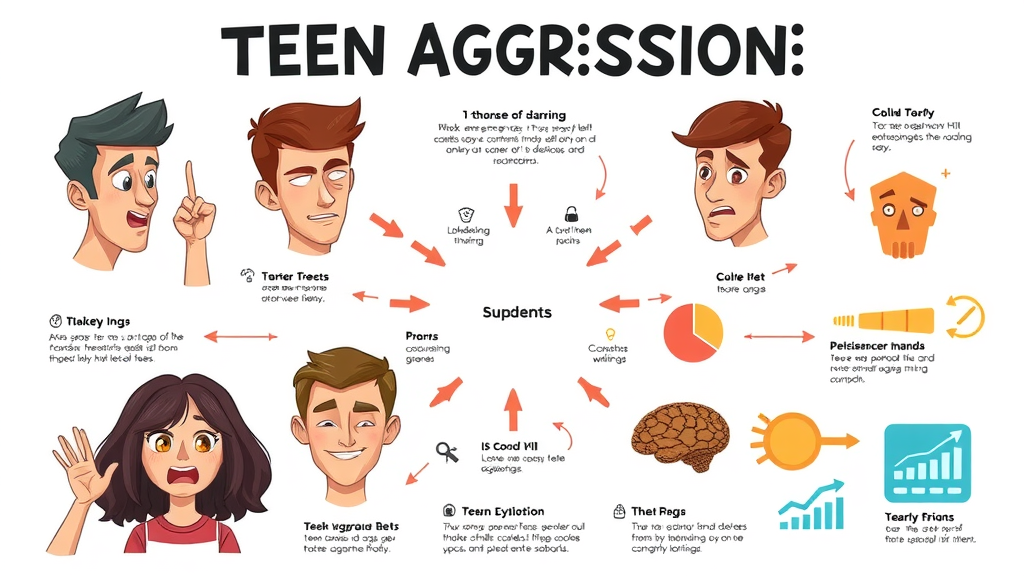
Aggression in teens refers to a pattern of hostile, destructive, or violent behavior directed toward others or oneself. This can manifest as yelling, threats, physical altercations, or refusal to follow rules. Adolescent aggression often stems from developmental changes, emotional regulation challenges, or environmental stressors. Because the prefrontal cortex—the area of the brain responsible for impulse control and judgment—is still developing in teenagers, controlling strong emotions can be especially difficult. This challenge is exacerbated when teens face additional pressures, such as academic stress, peer conflict, or family instability. The negative impact of sustained aggression in teens shouldn’t be underestimated, as it’s often a precursor to risky behaviors like substance abuse or engagement in violence.
It’s important to distinguish between isolated acts of frustration and ongoing aggressive behaviors. Situational outbursts can be normal, but persistent patterns—especially those that escalate into physical aggression or significantly disrupt school life—require attention. When school students exhibit regular signs of aggression, it can impact their relationships with peers, family members, and educators. Intervention from a health professional or mental health professional may be necessary to prevent more serious health issues and long-term consequences. Recognizing the signs early can help interrupt the progression from aggression to risky behaviors.
Understanding Risky Behavior in Teenagers
Risky behavior in teenagers is defined by actions that pose harm or danger to their safety, well-being, or future prospects. This includes substance abuse, reckless driving, unprotected sex, skipping school, or participating in violent behavior. These decisions are often influenced by a need for acceptance, impulsivity, curiosity, or thrill-seeking. The unique combination of hormonal shifts and ongoing brain development in adolescence makes impulse control more challenging, increasing the likelihood of teens engaging in these risky behaviors.
Moreover, risky behaviors frequently go hand-in-hand with aggression in teens. For instance, an aggressive teen may be more likely to experiment with drugs or get involved in fights as a way to assert dominance or cope with negative emotions. Left unchecked, these tendencies can lead to severe health issues, legal problems, or setbacks in academic performance for secondary school students. Parents, teachers, and support networks play an instrumental role in recognizing these behaviors early and guiding teens toward healthier choices.

Types of Aggression Seen in Teen Aggression Risky Behavior
Verbal Aggression: What Parents and Teachers Need to Know
Verbal aggression is one of the most commonly observed types of aggression in teens. It includes insults, threats, sarcasm, and yelling—actions that can significantly disrupt the learning environment or family harmony. For educators and parents, identifying verbal aggression early is vital, as it often foreshadows physical or indirect aggressive behaviors. For example, a student who frequently taunts peers or disregards teachers’ authority may be experiencing underlying frustration, anxiety, or other mental health issues. Left unchecked, this behavior can escalate, leading to exclusion from social circles or disciplinary action at school.
It’s crucial to address verbal aggression with consistent consequences and positive role modeling. Encouraging empathy, teaching emotional regulation, and fostering open communication helps teens learn more adaptive ways to express themselves. Both teachers and parents can guide students through taking a deep breath before reacting, leveraging support groups, and seeking help from a mental health professional when necessary. With the right supports in place, school students can replace harmful speech with respectful dialogue and healthier coping strategies.
Physical Aggression and Its Consequences
Physical aggression includes hitting, pushing, tripping, or other forms of bodily harm aimed at peers or adults. While less common than verbal aggression, physical aggression tends to draw intense consequences—suspension from school, involvement of law enforcement, or intervention by a health professional. The negative impact of physical aggression extends beyond immediate physical harm; it damages trust, increases isolation, and promotes fear among classmates and family members. In secondary school environments, repeated physical aggression can set off a cycle of retaliation, perpetuating violence and risky behaviors among students.
Understanding the roots of this behavior is crucial. Some teens resort to violent or physical aggression in response to bullying, unresolved trauma, or significant emotional distress. Addressing these root causes through family therapy, individual counseling, and positive discipline techniques is fundamental for breaking the cycle of aggression. Early intervention limits escalation and teaches students impulse control and conflict resolution skills, benefiting their academic and social outcomes long-term.

Indirect and Relational Aggression in School Students
Indirect or relational aggression refers to behaviors intended to harm others through manipulation, exclusion, gossip, or damaging social relationships. Unlike more visible forms of aggression, relational tactics can be subtle, making them harder for adults to detect. For secondary school students, exclusion from friend groups, rumor-spreading, or cyberbullying are common examples that can have devastating emotional effects. This type of aggression can be as harmful as physical aggression, inflicting long-lasting wounds on self-esteem and mental health.
Relational aggression often emerges in competitive social environments or when a school student feels threatened by peers. Recognizing these patterns requires vigilance from staff and parents, who should foster open discussions about friendship, digital safety, and respectful communication. Proactive strategies include anti-bullying programs, fostering peer support groups, and empowering bystanders to speak up. By highlighting the invisible harms of relational aggression, communities can reduce its prevalence and promote more inclusive school cultures.
Aggression and Violence: The Overlap with Risky Behavior
The overlap between aggression and violence in secondary school settings is profound. Aggressive behavior, if ignored, can spiral into violent acts—endangering not only the aggressive teen but their peers as well. Violence in and around schools increases the likelihood of involvement in other risky behaviors, from substance abuse to criminal activity. Understanding this overlap is crucial, as early aggressive tendencies often predict later engagement in high-risk behaviors, which have a severe negative impact on health and academic success.
Both aggressive and risky behaviors stem from similar root causes, such as mental health challenges, peer influence, family dysfunction, and exposure to violence at home or in the community. Schools play a pivotal role in monitoring and supporting at-risk students to reduce escalation. Timely intervention, restorative practices, social-emotional learning, and clear codes of conduct are vital tools for educators. Addressing violence and risky behaviors as interconnected problems allows for more holistic support for struggling youth, better protecting students across all levels of secondary school.
Comparison of Aggressive and Risky Behaviors in Secondary School Students |
||
Behavior Type |
Examples |
Potential Consequences |
|---|---|---|
Verbal Aggression |
Insults, threats, yelling |
Peer isolation, strikes, loss of trust |
Physical Aggression |
Fighting, hitting, pushing |
Injury, suspension, police involvement |
Relational Aggression |
Exclusion, gossip, cyberbullying |
Emotional distress, anxiety, depression |
Substance Abuse |
Alcohol, drugs, vaping |
Health issues, addiction, legal trouble |
Other Risky Behaviors |
Unprotected sex, reckless driving |
Accidents, STDs, long-term consequences |

Root Causes of Teen Aggression Risky Behavior
Mental Health Issues and Aggressive Behavior
Mental health issues are a primary driver of aggression in teens. Depression, anxiety, bipolar disorder, and impulse control disorders can affect a school student’s ability to manage stress and frustration. As a result, aggressive behaviors may surface when teens struggle to articulate emotional pain or feel misunderstood. Poor emotional regulation further amplifies aggressive tendencies, with some turning to risky behaviors such as substance abuse as maladaptive coping mechanisms. The negative impact of untreated mental health issues is far-reaching, often leading to ongoing academic difficulties and strained family relationships.
Recognizing and treating mental health problems early is critical to reducing aggressive teen actions. School counselors, health professionals, and mental health professionals play a vital role in identifying at-risk students and connecting them to support services. Comprehensive programs that teach emotional regulation, problem-solving, and healthy outlets for stress—such as sports, art, or group counseling—can make significant headway in preventing aggressive and risky behaviors. Addressing mental health issues holistically reduces stigma and empowers school students to seek help before situations escalate.
The Role of Peer Influence in Aggression in Teens
Peer influence is a significant factor in developing aggressive behavior during adolescence. School students are especially susceptible to the attitudes and actions of their social circles, often adopting the behaviors they see rewarded among friends. When cliques endorse or normalize aggression—whether through fighting, bullying, or exclusion—individual teens may participate in acts they would otherwise avoid. Peer pressure can extend beyond physical aggression to include substance abuse, vandalism, and participation in risky online challenges.
Encouraging healthy friendships and providing positive role models is essential to counteract negative peer influence. Educators and parents should monitor changes in friend groups and foster discussions about ethical decision-making and respect. Creating opportunities for teens to engage with supportive peer groups, clubs, or extracurricular activities can redirect energy into constructive paths. Ultimately, a single supportive friend, teacher, or mentor can make a difference in steering teens away from aggressive and risky behaviors.

Influence of Family Environment and Parenting Styles
The family environment and parenting styles are foundational in shaping behavioral patterns. Inconsistent discipline, high conflict, neglect, or modeling of aggressive behavior by family members can increase the likelihood of a school student demonstrating aggression. Conversely, supportive, nurturing home environments with clear expectations and healthy emotional outlets reduce risky behaviors. Exposure to trauma, parental substance abuse, or mental health issues at home further raises the risk for aggressive teen actions.
Open communication, family therapy, and consistency in parenting are evidence-based strategies for addressing aggression in teens. Parents should model positive coping methods and provide firm but fair boundaries while showing empathy for their adolescent’s struggles. By fostering a trusting relationship and seeking support from professionals when needed, families can build resilience and help teens develop healthier ways of handling emotional challenges and peer conflicts.
"Teen aggression is rarely one-dimensional; family dynamics, social predictors, and school environments play a critical role." — Dr. Karen Lee, Adolescent Psychologist
Social Predictors and their Impact on Teen Aggression Risky Behavior
School Student Social Circles and the Rise of Aggressive Behavior
Social predictors, particularly the influence of peer groups, play a pivotal role in teen aggression risky behavior. School students naturally seek acceptance, and when aggressive conduct is valued or rewarded within a social circle, it can encourage members to adopt similar attitudes. Moreover, social hierarchies and pressures in secondary schools can create competitive dynamics that foster relational aggression, bullying, or exclusion. These behaviors can rapidly become embedded in group norms if not addressed proactively by educators and staff.
Building awareness of the impact of social circles on risky behavior is essential for schools and parents. Programs in peer mediation, bystander intervention, and social skills training equip students to handle conflicts constructively and resist negative group pressures. Encouraging teens to diversify friendships and participate in positive group activities—such as volunteering or team sports—can counterbalance the impact of harmful social predictors and reduce the likelihood of aggressive or risky behaviors spreading among secondary school students.
Secondary School: A Hotspot for Risky Behaviors
Secondary schools are often ground zero for the emergence of both teen aggression and risky behavior. The transition from elementary to middle and high school introduces new academic pressures, larger peer groups, and a broader array of social challenges. These changes create an environment where risk-taking and aggressive behavior can thrive, especially when oversight is inconsistent or support structures are lacking. Unfortunately, this can lead to an increase in fights, bullying, vaping, substance abuse, and other high-risk activities during these formative years.
To combat these trends, secondary schools must prioritize social-emotional learning, consistent behavioral policies, and strong relationships between staff and students. Visible presence of supportive adults, opportunities for youth engagement, and clear reporting systems all help reduce the prevalence of aggression and risky behaviors. By making schools safe and inclusive communities, we can mitigate the factors that fuel aggression in teens and promote healthier developmental trajectories for all students.
Connection Between Mental Health and Teen Aggression Risky Behavior
Common Mental Health Issues Associated with Aggression
Several mental health issues are closely linked to aggressive and risky behavior in teens. Conditions like depression, anxiety, conduct disorder, oppositional defiant disorder, and ADHD frequently manifest as irritability, poor impulse control, and difficulty managing frustration. These symptoms are often misunderstood as deliberate misbehavior rather than signs of underlying emotional distress. For many school students, aggressive actions are a way to externalize feelings they are unable to articulate or process internally.
Greater awareness of the mental health-aggression connection can help destigmatize these behaviors and enable more effective interventions. Schools and families must prioritize mental health literacy, ensuring teens have the resources and encouragement to seek help. Early screening and collaboration with mental health professionals are integral to changing the narrative from punishment to support, increasing the likelihood that aggressive teens receive the care and structure they need to thrive.
How Learning Disabilities Influence Aggressive Teen Actions
Learning disabilities can contribute significantly to teenage aggression and risky behavior. When students struggle with reading, writing, or processing information, frustration can quickly build—especially if their challenges go unrecognized. Feelings of inadequacy or misunderstanding by peers and teachers may foster resentment, leading some to act out aggressively to mask their academic struggles. Furthermore, repeated negative feedback or disciplinary action can reinforce a teen’s sense of alienation, making it more difficult for them to connect with support groups or trust adults in the school environment.
Providing specialized support for learning disabilities and tailoring interventions to the needs of individual students helps reduce frustration-driven aggression. Academic accommodations, counseling services, and collaboration with special education teachers allow affected teens to develop self-esteem and resilience. Recognizing and addressing the emotional side of learning challenges is just as important as academic remediation, as it helps prevent the escalation of negative behaviors into more serious risky actions or health issues.
Substance Abuse and Teen Aggression Risky Behavior
Alcohol and drug use: Many teens experiment with alcohol or drugs, often as a way of coping with stress or fitting in with peers. Substance abuse increases the likelihood of impulsive and aggressive acts, damages brain development, and impairs judgment.
Nicotine and vaping: The rise of vaping among school students has made nicotine addiction an increasing concern. Nicotine can worsen anxiety and impulsivity, factors closely linked to aggression in teens and participation in risky behaviors.
Prescription medication misuse: Teens may misuse medications for perceived performance enhancement, to get high, or self-medicate mental health issues—all of which raise the risk of addiction and further health problems.

Health Issues Arising from Teen Aggression and Risky Behavior
Short-Term versus Long-Term Health Risks in School Students
The health issues associated with aggression and risky behaviors can be immediate or develop over time. Short-term risks include injuries from fights, substance intoxication, panic attacks, or sexually transmitted diseases related to impulsive decisions. Repeated participation in violent behavior can also lead to acute hospitalizations or involvement with the legal system, disrupting schooling and family life.
Long-term health consequences are often even more severe. Chronic exposure to stress and anxiety from aggression can spark ongoing mental health issues, while continued substance abuse may result in addiction, organ damage, or cognitive impairment. Teens engaged in repeated risky behaviors may also experience diminished academic performance and social withdrawal, reducing their prospects for success in adulthood. Early identification and intervention are critical to prevent these outcomes and to create pathways toward lasting well-being for secondary school students.
Effect on Mental Health and Academic Performance
There is a clear connection between aggressive behavior, mental health, and academic achievement. Teens facing ongoing emotional distress or aggressive tendencies often struggle to concentrate in class, complete assignments, or maintain positive relationships with peers and teachers. This can create a cycle where academic difficulties feed frustration and lead to more aggression or engagement in risky behaviors. Over time, these challenges can erode self-confidence, further increase isolation, and foster more negative behaviors.
Supporting mental health through school counseling, individualized learning plans, and access to support groups not only improves student wellness but also academic outcomes. Schools and families should work collaboratively to ensure that every student has the resources required to reach their full potential, fostering an environment where healthy risk-taking and resilience replace aggression and self-destructive choices.
Expert Panel: The Psychological Roots of Teenage Aggression
Prevention and Intervention: Reducing Teen Aggression Risky Behavior
Strategies for Parents: Handling Aggressive Behavior
Parents have a pivotal role in addressing aggression in teens. Setting clear expectations and consistent consequences for aggressive behavior helps youth learn healthy boundaries. Active listening, encouraging teens to take a deep breath before reacting, and modeling positive communication empower adolescents to use words instead of violence. It’s important for parents to maintain open, non-judgmental communication, allowing teens to express frustration in a safe space.
When aggression persists, consider seeking help from a mental health professional or engaging in family therapy. Parents shouldn’t be afraid to tap into community resources or support groups for guidance. Empowering teens with emotional regulation tools, self-care strategies, and resilience training all play a role in preventing escalation into risky or violent behaviors. Remember, even small changes in family routines or daily check-ins can have a substantial, positive impact on teen well-being.
School Interventions for Secondary School Students
Secondary schools are uniquely positioned to prevent aggressive and risky behavior before it escalates. Implementing evidence-based programs like social-emotional learning curricula, anti-bullying campaigns, and restorative justice practices cultivates positive school culture and builds conflict resolution skills. Providing safe zones for students to discuss problems, developing clear reporting systems for aggression and violence, and proactively screening for mental health issues all contribute to early intervention.
Teachers and counselors should receive ongoing training to recognize and address early warning signs of aggression in teens. Collaboration with families and outside agencies builds a safety net for at-risk students, increasing the likelihood of successful outcomes. Ultimately, consistent, community-wide approaches reinforce safe behaviors and reduce the prevalence of negative impacts stemming from teen aggression risky behavior.

Community Programs for At-Risk School Students
Robust community programs bridge the gap between home and school, offering additional support and supervision. Examples include after-school clubs, sports teams, mentorship initiatives, and drop-in centers that provide a safe, engaging environment. These resources foster connection, skill-building, and resilience, all of which diminish the allure of aggression and high-risk behaviors. Moreover, collaborative partnerships between law enforcement, healthcare, and education sectors create networks that can respond rapidly to students in crisis.
Involvement in community-based activities gives at-risk teens opportunities to experience success, forge positive relationships, and build a sense of belonging outside negative peer influences. When prevention and intervention efforts are layered—from individual counseling to systemic community strategies—students are much better equipped to make positive decisions, access help, and overcome the challenges of adolescence without resorting to aggression or risktaking.
Addressing Teen Aggression Risky Behavior: Real-Life Case Studies
"Open communication and early intervention can dramatically reduce incidents of aggressive and risky behaviors in teens." — Principal Maria Gutierrez, Secondary School
Numerous schools and communities have successfully implemented strategies to reduce teen aggression and risky behavior. For example, one secondary school introduced a peer mediation program and conducted regular mental health workshops, resulting in a measurable drop in physical aggression and substance abuse incidents. Another community developed mentorship initiatives connecting at-risk school students with positive adult role models, which improved academic performance and reduced truancy rates. These case studies highlight the power of early intervention, open communication, and holistic support networks in changing teen behavior trajectories.
Animated Case Study: How One School Reduced Aggression in Teens
Key Takeaways: Teen Aggression Risky Behavior
Teen aggression and risky behavior are complex and multifaceted
Early identification and intervention are crucial
Support networks matter — parents, teachers, and community all play roles
People Also Ask About Teen Aggression Risky Behavior
How to handle an aggressive teenager?
Dealing with an aggressive teen requires patience, consistency, and a calm approach. Set clear rules and consequences, practice active listening, and encourage emotional regulation techniques such as taking a deep breath before reacting. Communication is key—find neutral times to discuss problems and avoid raising your voice. Seeking help from a mental health professional is also important if aggression persists or escalates, as it may signal underlying mental health issues or family stressors.
What is a common risky behavior for teens?
Substance abuse—including alcohol, drugs, and vaping—is a prevalent risky behavior among teens. Other high-risk behaviors include reckless driving, unprotected sex, skipping school, and participation in physical fights or bullying. These behaviors often arise due to peer influence, emotional regulation difficulties, or the desire for acceptance, and can have long-term health and legal consequences.
How to deal with a violent, aggressive child?
Managing violent or aggressive behavior in children and teens involves providing a stable, consistent environment, teaching healthy coping mechanisms, and clearly outlining acceptable behavior. Encouraging positive outlets like sports or creative activities helps redirect energy. When aggressive behavior is severe, working with a mental health professional for assessment and family therapy can be crucial in identifying root causes and developing tailored intervention plans.
What are 5 common high-risk behaviors?
Five common high-risk behaviors for teens are:
Substance abuse
Reckless driving
Unprotected sex
Engaging in physical aggression or violence
Skipping school or truancy
Recognizing and intervening early in these behaviors can help prevent more serious health, academic, and legal issues for school students.
Frequently Asked Questions
What signs indicate a teen is at risk for aggressive behavior?
Warning signs include sudden mood changes, withdrawal from family or friends, poor academic performance, frequent defiance, and increased involvement in peer groups known for risky or aggressive behavior. These may signal underlying anxiety, depression, or other mental health issues that require support.
Can aggressive behavior in teens be treated without medication?
Yes. Many interventions such as counseling, behavior management training, and parental support can help aggressive teens improve without the need for medication. However, some cases benefit from a combined approach involving professional assessment and, if needed, medical treatment.
Does social media influence teen aggression and risky behavior?
Research suggests that unhealthy online environments, cyberbullying, and negative peer influence through social media platforms can contribute to increased aggression and risky practices among teens. Encouraging healthy digital habits is key in prevention.
How to Talk to Teens: De-Escalation and Communication Skills
Conclusion: Building a Safer Future by Understanding Teen Aggression Risky Behavior
By recognizing the signs, understanding the root causes, and actively supporting teens, we can reduce the prevalence of aggression and risky behaviors—empowering youth to thrive in secondary school and beyond.
Understanding the intricate relationship between teen aggression and risky behavior is crucial for developing effective intervention strategies. The article “Aggression in Teens: What It Means and How to Support Them” provides valuable insights into the various forms of aggression in adolescents, their underlying causes, and practical approaches for parents and educators to support affected teens. (newportacademy.com) Additionally, the study “Childhood Maltreatment and Adolescent Risky Behavior: Mediating the Effect of Parent–Adolescent Conflict and Violent Tendencies” explores how early adverse experiences can lead to increased aggression and risk-taking behaviors in teens, emphasizing the importance of addressing family dynamics and early trauma. (mdpi.com) For those seeking to deepen their understanding and implement effective strategies, these resources offer comprehensive information and guidance.




Write A Comment