



Did you know that over 70% of teens admit to engaging in risky behavior due to peer influence? This striking statistic highlights a reality facing today’s adolescents: the significant role of peer pressure in shaping their decisions. From trying alcohol at a party to dangerous driving stunts or skipping classes, peer influence can push teenagers toward behaviors they might otherwise avoid. But what makes teens so susceptible, and how can parents and teens work together to navigate this challenging aspect of growing up? This comprehensive guide reveals the mechanisms behind how peer pressure drives teen risk-taking, its outcomes, and practical tips for safer choices.
Opening Insights: The Real Impact of Peer Pressure on Teen Risk-Taking
Startling statistic: Over 70% of teens admit to engaging in risky behavior due to peer influence.

Peer pressure is more than just a buzzword—it’s a force that shapes everything from fashion choices to which rules teens will break. Adolescence is a period marked by exploration and independence, but also an increased sensitivity to the opinions and actions of friends and classmates. Studies have shown that teens are more influenced by their peers during these formative years than at any other time in life. The drive to fit in with a peer group can lead to risk taking that feels thrilling in the moment, but often comes with significant negative outcomes, such as drug abuse, reckless driving, or academic challenges.
Peer influence is not always negative. While much attention is paid to risky behavior and negative consequences, positive peer groups can also encourage healthier habits and even serve as a protective factor. Yet, the social context—who a teen spends time with—plays an important role in shaping adolescent risk taking behaviors. Just as quickly as a friend can influence a poor decision, they can also inspire safe risk taking, such as joining sports or academic clubs. Understanding this duality is critical for parents, educators, and teens themselves as they seek to navigate adolescence safely.
Unpacking the Roots of Adolescent Risk-Taking
The roots of adolescent risk taking run deep in both brain chemistry and the pressures of social context. During adolescence, ongoing brain development—especially in regions governing impulse control and decision making—makes teens more prone to risky decision and sensation seeking behaviors. The peer effect is amplified because the rewards for social acceptance are high: fitting in may feel so important that the potential costs of risky behaviors like drug abuse or reckless driving seem minimal by comparison.
Meanwhile, the formation of identity often happens within the setting of peer groups, making the feedback from friends influential in steering behaviors. Whether it’s the direct pressure to join in or the indirect understanding that “everyone is doing it,” the urge to participate in risk taking can be difficult for teens to resist. This makes it essential to educate young adults about healthy boundaries, and to foster open communication that can counteract the often-overwhelming drive to conform.
What You’ll Learn: How Peer Pressure Drives Teen Risk-Taking
The psychological mechanisms behind peer influence
How sensation seeking and risk taking behaviors are shaped during adolescence
Positive and negative outcomes of peer pressure
Effective coping strategies for teens and parents

By the end of this article, you’ll understand the complexities of adolescent risk taking, the role of peer pressure, and practical steps that can create positive change. Whether you’re a parent, teacher, or teen, these insights can help transform knowledge into safer, more empowered choices.
Understanding How Peer Pressure Drives Teen Risk-Taking
Defining Peer Pressure and Its Nuances
Direct vs. indirect peer pressure
Short-term vs. long-term peer influence in adolescent risk taking
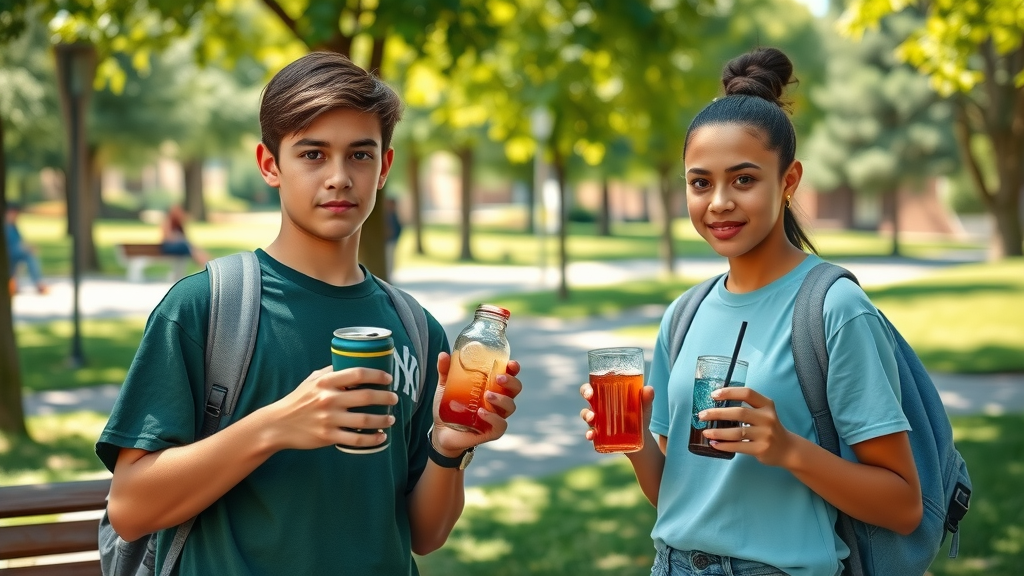
Peer pressure isn’t always a clear, direct command. Sometimes it’s overt—like a friend saying, “Just try it!”—but often it’s subtler, manifesting as a sense of what’s “normal” or expected in a peer group. Direct peer pressure includes overt invitations or dares, whereas indirect peer influence can stem from simply observing friends’ behaviors and feeling compelled to match them. Both are powerful in adolescence, with their effects intensifying during social gatherings or unsupervised times with peers.
The impact of peer pressure can be immediate or extend well into adulthood. Short-term influences might push a teen to make a risky choice one night, while long-term peer influences can shape ongoing behaviors, personal values, and self-identity. This dual influence underscores why the adolescent years are so critical: habits and decisions formed during this time, often shaped by the peer group, can play a defining role in adulthood.
The Science of Sensation Seeking in Adolescents
Why teenagers are wired for risk taking and sensation seeking
The role of brain development in risk behavior
Adolescence is a period marked by increased sensation seeking—a natural, biological drive that pushes young adults to try new experiences and test boundaries. The developing teenage brain, particularly the prefrontal cortex, is not yet fully mature. This area governs impulse control and risk evaluation, which means teens often weigh the potential rewards of a daring act (especially social approval) more heavily than the possible negative consequences.
This sensation seeking, combined with the peer effect, means that the social context—being with friends—energizes risk taking even more. Neuroscience studies reveal that the presence of peers lights up reward pathways in adolescent brains, making risky behavior both more tempting and more likely to occur. While this developmental window is important for learning and growth, it also explains why teenagers are uniquely susceptible to peer pressure and why early positive interventions can make a lasting difference.
Peer Influence: The Driving Force of Adolescent Risk Taking
"Adolescents are more likely to take risks in the presence of peers than when alone." – Dr. Smith, Adolescent Psychologist
Peer Influence and Its Impact on Risk Taking Behavior

How peer influence shapes social norms and risky behavior
Peer pressure and risky decision-making
Peer influence is one of the most powerful drivers of adolescent risk taking. Teens are acutely sensitive to social norms within their peer group, often adjusting their behaviors to match those around them. This social context can normalize risky behaviors—such as substance use, dangerous stunts, or academic dishonesty—making them seem acceptable or even essential for group acceptance.
Decision making in the presence of peers becomes compromised as the urge to gain approval outweighs personal caution. The peer effect can intensify risky choices such as speeding, experimenting with drugs, or skipping school, as teens prioritize social rewards over long-term negative outcomes. This is why education on impulse control and the true consequences of risky behavior is essential during these critical years.
The Spectrum of Teen Risky Behavior Influenced by Peer Pressure
Most Common Types of Adolescent Risk Taking
Substance use, experimenting with alcohol and drugs
Risky driving and dangerous behaviors
Academic dishonesty and skipping school
Unsafe sexual practices

"Teens are more likely to speed or take risks behind the wheel when friends are present." – National Highway Traffic Safety Administration
The peer group can encourage a range of risky behaviors, from substance use at parties where “everyone is doing it,” to reckless driving stunts egged on by friends in the car. Academic dishonesty, like cheating on exams or skipping classes, may become normalized through group behavior, while sexual risk taking is often tied to conversations and expectations within the teen’s social circle.
Substance use—such as experimenting with drugs or alcohol—is especially susceptible to peer influence. Teens often engage in risky behavior to gain acceptance or as a demonstration of loyalty. Similarly, risky driving, such as speeding or texting behind the wheel, increases when teens are with friends—highlighting the direct link between social context and dangerous choices. As a result, addressing risky behaviors in adolescence requires not only focusing on individuals, but on the peer group dynamics that facilitate them.
Sensation Seeking vs. Peer Pressure: Which Drives More Risk?
Exploring the interplay between individual traits and environmental factors
While sensation seeking is an internal, biologically-driven urge, peer pressure acts as an external force, shaping which behaviors are pursued. The interplay between these factors is key: a naturally sensation-seeking teen may still make safer choices if surrounded by a responsible peer group, while a cautious individual might take uncharacteristic risks due to direct or indirect peer influence. The current study in adolescent risk taking suggests that while some teens are biologically more prone to risk, the peer condition they find themselves in heavily determines whether or not they will engage in risky behaviors.
Ultimately, individual differences matter, but so does the social context. By understanding this, parents and educators can better tailor interventions and messages to help each teen choose the safest—and most personally rewarding—paths.
Negative Outcomes: The Costs of Adolescent Risk Taking
Consequences of Peer Pressure and Risky Behavior

Health risks: injuries, substance abuse, STDs
Emotional and social fallout
Academic and legal problems
The negative outcomes of risk taking can be life-altering. Physical injuries from reckless driving or dangerous stunts may result in temporary or permanent disability. Substance abuse carries with it the risk of addiction, illness, or overdose, while unsafe sexual practices can lead to STDs and unplanned pregnancies. Academic dishonesty or skipping school can jeopardize future educational opportunities and lead to legal trouble.
Beyond tangible consequences, emotional and social fallout can be profound. Teens may feel isolated, experience depression, or damage their reputation and relationships within their peer group and family. The emotional burden of regret or shame can have a long-term impact on wellbeing, making the costs of adolescent risk taking far more than skin deep.
Risk Behavior |
Potential Negative Outcomes |
|---|---|
Substance use (alcohol, drugs) |
Addiction, health problems, legal issues |
Risky driving |
Accidents, injury, death, legal consequences |
Academic dishonesty |
Expulsion, loss of trust, hindered opportunities |
Unsafe sexual practices |
STDs, unplanned pregnancy, emotional harm |
Skipping school |
Poor grades, disciplinary action, restricted future choices |
How does peer pressure influence risk-taking?
Peer Influence in Risk Taking Decisions

Teens may mimic peers to gain social acceptance, often increasing their likelihood for risky behavior.
Peer pressure can dramatically sway a teen’s risk taking decisions. The desire to fit in often trumps personal judgment, leading adolescents to engage in risky choices they wouldn’t otherwise consider alone. When surrounded by peers making unhealthy decisions, a teen’s natural inclination to avoid negative outcomes may become muted.
This tendency isn’t just anecdotal—numerous studies have confirmed that adolescents are especially likely to take risks in the presence of friends. Peer support (or lack thereof) impacts everything from trying new activities to pushing boundaries on driving safety or substance use. By understanding how peer pressure influences risk taking, families and educators are better positioned to intervene and promote healthier decision making.
How does peer pressure influence teenagers?
Short- and Long-Term Impacts of Peer Pressure
Peer pressure can affect choices ranging from academics to risky driving, shaping identity and future behaviors.
The effects of peer pressure resonate far beyond a single event. During adolescence, teens look to their peer group for cues about what is acceptable. Choices about studying, extracurricular activities, or even skipping school can all be traced back to peer influence. Decisions made under pressure may set patterns—either positive or negative—that last well into adulthood.
Long-term impacts may include entrenched habits or an identity shaped around peer-approved behaviors. For example, a teen who repeatedly gives in to negative peer influence around substance use or reckless driving may find it more difficult to develop healthy routines later. Conversely, those who form bonds with positive peer groups are more likely to exhibit resilience and make pro-social choices. The message for families is clear: early awareness and guidance can help direct peer influence toward supportive, safe, and positive directions.
Can peer pressure help teens make safer decisions?
Positive Peer Influence in Risk Taking Scenarios

Peers can also encourage healthy behaviors and safe risk taking, such as joining sports or extracurricular activities as alternatives.
Peer pressure isn't always a bad thing. Positive peer influence can guide teenagers toward safe, healthy, and productive behaviors. Friend groups that value achieving in school, staying substance-free, or embracing extracurricular activities provide social motivation for other teens to do the same. The peer effect ensures that pro-social behaviors can be just as “contagious” as risky ones.
Encouraging teens to surround themselves with friends who model and support constructive choices is among the most effective strategies for preventing negative outcomes. When healthy risk taking, such as joining a new club or team, is celebrated, teens gain belonging and self-esteem in ways that pave the way for lifelong well-being.
How does peer pressure affect driving?
Peer-Related Risks: The Case of Risky Driving Among Teens
Presence of peers in the car increases the chance of risky driving, leading to a higher incident rate among adolescents.
Studies have shown that risky driving behaviors—such as speeding, erratic lane changes, or ignoring traffic rules—increase when adolescents drive with friends. The presence of peers can create a performance pressure, where impressing the group takes precedence over safety. In fact, crash rates among new drivers spike sharply when other teens are in the vehicle.
This dynamic happens because the adolescent brain’s urge for sensation seeking is magnified by social approval. Peers may explicitly encourage risky driving, or their mere presence can alter a driver's choices through unspoken expectations. That’s why enforcing graduated driver licensing laws and discussing the risks of peer influence on driving can meaningfully reduce accidents and save lives.
Strategies for Managing Peer Pressure and Risk Taking in Teens
Open communication between teens and parents
Development of refusal skills
Promoting positive peer groups
Educational programs on adolescent risk

Empowering teens with the skills to resist negative peer pressure begins with open and honest communication at home. Parents who listen actively, provide consistent guidance, and stay engaged in their teen’s peer group choices create a foundation for healthy decision making. Teaching refusal skills—role playing how to say “no,” for instance—gives adolescents tools to maintain self-control even in the face of social pressure.
Encouragement to join positive peer groups and participate in educational programs about adolescent risk taking rounds out a strong prevention strategy. Schools and communities can support teens by offering information sessions, promoting mentorship relationships, and celebrating positive choices. Together, these strategies buffer the impact of the peer effect and help steer teens toward a safer, healthier future.
Expert Insights: Quotes on How Peer Pressure Drives Teen Risk-Taking
"Peer influence is one of the most powerful factors in adolescent risk taking, both positively and negatively." – Dr. Jones, Youth Behavior Expert
Watch a leading psychologist explain the neuroscience behind adolescent risk taking and peer influence.
FAQs: How Peer Pressure Drives Teen Risk-Taking
What is the primary cause of risk taking in adolescents?
The primary causes of risk taking in adolescence involve a combination of developing brain structures, increased sensation seeking, and the significant influence of peers. The drive to fit in and gain social acceptance, paired with underdeveloped impulse control, makes teens more likely to engage in risky behavior, especially when in a peer group.Are all peer pressure experiences negative for teens?
No, not all peer pressure is negative. While peer influence can increase risky behaviors, positive peer groups can encourage healthy habits such as studying, joining sports, or volunteering. The key is to help teens find peer groups that support their goals and reinforce safe and responsible behaviors.How can parents help teens resist negative peer pressure?
Parents can help by maintaining open communication, discussing real-life scenarios, teaching refusal skills, and encouraging teens to select friends who share positive values. Active involvement in teens’ lives and modeling healthy coping strategies also reduce the power of negative peer influence.Can positive peer influence outweigh the negative?
Yes, positive peer influence can be a strong protective factor. When peers promote and model constructive behaviors, other teens are more likely to follow their example. Encouraging teens to join clubs or teams with healthy social norms amplifies the benefits of positive peer groups.
Personal accounts highlighting the link between peer pressure and risk taking behavior.
Key Takeaways: How Peer Pressure Drives Teen Risk-Taking
Peer pressure is a complex, powerful driver of adolescent risk taking.
Both sensation seeking and peer influence merge to shape risky behavior patterns in teens.
Prevention strategies are most effective with proactive parental involvement, positive peer groups, and open communication.

Take the Next Step: Learn How to Empower Your Teen Against Negative Peer Influence
Peer pressure will always be part of adolescence—but with knowledge, open conversations, and positive community, the risks can be managed, and teens can thrive.




Write A Comment