



Did you know? “Over 60% of teens report significant stress related to academic performance, with consequences for well-being and future prospects.” — National Education Survey. This eye-opening statistic highlights just how many young people face major challenges in school every day. If you’ve wondered why teens struggle in school, the answers are more complex than failing a test or missing homework. Root causes often hide deeper—ranging from mental health and social skills to the impact of digital distractions and learning disabilities. In this guide, we’ll dig into these underlying issues and offer practical solutions, empowering students, families, and educators to make a positive difference.

A Startling Look at Why Teens Struggle in School
Understanding why teens struggle in school is crucial for parents, teachers, and the teens themselves. Academic pressure today comes from all directions—society, peers, families, and a rapidly changing digital world. This combination can overwhelm young people, increasing stress, anxiety, and disengagement. While academic challenges are visible, invisible factors like mental health issues, social skills deficits, and screen time distractions are just as significant. Students may feel isolated or misunderstood, and school staff often face the daunting task of uncovering hidden struggles. The reality: there is rarely one single cause. Instead, a complex mix of influences—like mental health, learning disabilities, social media, and school avoidance—makes each student’s situation unique. To address school difficulties, it’s vital to recognize these nuances and seek comprehensive, caring strategies. This guide shines a light on both the problems and the solutions.
“Over 60% of teens report significant stress related to academic performance, with consequences for well-being and future prospects.” — National Education Survey
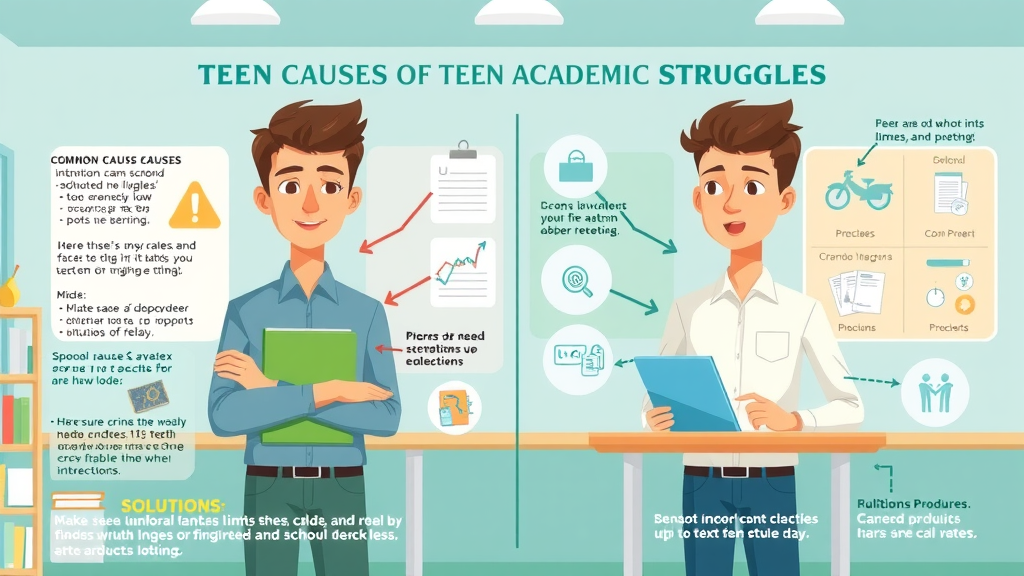
What You'll Learn About Why Teens Struggle in School
Key reasons why teens struggle in school
The impact of social skills and mental health
How social media and screen time influence learning
Practical solutions and supports for struggling students
Understanding the Scope: Why Teens Struggle in School
To truly grasp why teens struggle in school, we must look at the wide variety of challenges today’s students face. Academic stress, social pressures, mental health issues, underlying disabilities, and digital distractions all intertwine, creating a complicated web of obstacles. For the high school age group, these issues can intensify: hormonal changes, evolving social expectations, and higher academic demands converge during a critical time for self-discovery and growth. Families may not always see the struggles, but students feel them deeply. Importantly, the signs aren’t always obvious. Declining grades, more frequent school avoidance, changes in mood, and increased screen time might be indicators, but they don’t tell the entire story. Each teen’s experience is unique—what creates coping strategies for one student could worsen anxiety in another. Recognizing the scope of these struggles helps parents, teachers, and school staff respond appropriately, moving from punishment or frustration to empathy, support, and effective intervention.
Breaking Down the Major Causes of Why Teens Struggle in School
Major reasons behind academic struggles range from overwhelming workloads and tough curricula to difficulties with social skills and undetected learning disabilities. Mental health plays a pivotal role; persistent anxiety and depression can sap motivation, make concentration difficult, and lead to missed school days. Social skills are equally impactful—students who have trouble forming positive relationships or experience social anxiety may feel isolated, leading to school avoidance and disengagement.
Mental health: Anxiety, depression, and other mental health disorders can quietly undermine academic performance, and not all students are comfortable seeking support.
Learning disabilities: Undiagnosed issues can make even the most basic school day a struggle, causing frustration and a sense of defeat.
Screen time & social media: Excessive time spent on digital devices can disrupt sleep, impact mood, and shorten attention spans—further affecting a teen’s ability to learn.
School avoidance: Avoidance behaviors often mask deeper struggles with anxiety, social pressure, or academic challenges.
Understanding these interconnected causes is the first step toward creating practical solutions.
Table: Common Causes vs. Potential Solutions for Why Teens Struggle in School |
|
Common Cause |
Potential Solution |
|---|---|
Poor social skills |
Social-emotional learning programs; group activities |
Mental health issues (e.g., anxiety, depression) |
School counselors, therapy, mental health awareness, peer support groups |
Excessive screen time/video games |
Setting digital boundaries, promoting tech-free activities, digital literacy education |
Learning disabilities |
Early screening, individualized education plans, academic accommodations |
School avoidance |
Graduated reintegration plans, consistent attendance support, family involvement |
Lack of motivation/engagement |
Student-centered learning, mentoring programs, real-world learning connections |

Social Skills and Their Role in Why Teens Struggle in School
Good social skills are the foundation for positive relationships, belonging, and engagement in school. When teens lack these skills, they can face challenges that go beyond academics: isolation, loneliness, misunderstandings, and even conflict. For many, school is as much a social arena as it is an academic one—friendships, teamwork, and communication form a critical part of the learning experience. Sadly, not all students develop social skills at the same pace. Some young people feel left out or anxious in group settings, leading to lower self-esteem and participation. This can become a cycle: poor social skills make school more challenging, which in turn decreases social opportunities and confidence. The resulting frustration can impact academic performance and contribute to an overall sense of dissatisfaction with school life.
How Poor Social Skills Affect Classroom Performance
When teens struggle with social skills, the effects show up in subtle yet pervasive ways throughout the school day. An adolescent who feels awkward during group work may withdraw, missing out on key collaborative learning experiences. Others might misinterpret social cues, unintentionally disrupting class or having trouble with teachers’ feedback, which can heighten feelings of frustration or even lead to disciplinary action. Social isolation can also make students more vulnerable to bullying or ostracism, further eroding their confidence and willingness to participate. Over time, the cumulative effect may lead to poor academic performance and emotional distress. For school staff, noticing these students and providing support—such as lunch groups, mentorship, or communication workshops—is crucial in breaking the cycle. Strong peer networks and supportive adults can help shy or anxious students practice social interactions in a safe, supportive environment, helping turn avoidant behaviors into positive engagement.

Building Social Skills: Strategies for School Staff and Families
Developing social skills requires consistent support from both school staff and families. For teachers and counselors, that often means creating structured opportunities for students to work in pairs or small groups, practicing real-world communication and collaboration skills. School staff benefit from social-emotional learning curricula, peer mentoring programs, and workshops that focus on empathy, conflict resolution, and self-awareness. Families can help at home by encouraging positive communication, modeling healthy relationships, and providing opportunities for their teens to interact with peers in supportive settings. Activities like volunteering, team sports, or even game nights can reinforce these skills. Open dialogue about challenges—such as social anxiety—lets young people know they’re not alone and empowers them to seek help before feelings escalate.
Mental Health: The Invisible Reason Why Teens Struggle in School
Far too often, the true reason why teens struggle in school remains invisible—rooted in mental health struggles like anxiety, depression, or social anxiety. These issues can significantly impair a student’s ability to learn, concentrate, and cope with everyday academic and social pressures. Left unaddressed, mental health concerns reduce attendance, motivation, and interpersonal skills, often spiraling into more severe academic and behavioral problems. For teens, discussing mental health can feel daunting or stigmatizing, so their struggles may go unnoticed by teachers and parents. That’s why it’s so important for school staff and families to look for changes in mood, energy, or participation, and to approach these sensitive topics with empathy and care.
Identifying Mental Health Challenges Behind Why Teens Struggle in School
Spotting mental health concerns in teens is critical for early intervention and academic success. Warning signs might include frequent headaches or stomachaches (which can be stress-related), withdrawal from friends and family, irritability, or a sudden drop in grades. Mental health issues such as anxiety and depression often emerge during high school years, impacting motivation, sleep, and the ability to focus. External stressors—like family situations, peer conflicts, or social media pressures—can worsen symptoms. When left unsupported, teens may develop avoidance behaviors, miss school days, and even risk long-term academic setbacks. For both teachers and parents, being proactive—offering access to counseling, normalizing discussions around mental health, and prioritizing student well-being—can break down barriers to seeking support.
“Addressing mental health early can transform a student’s academic trajectory.” — Dr. Michelle Anders, Child Psychologist
Managing Social Anxiety and Emotional Barriers in Teens
Social anxiety is a major, and often misunderstood, contributor to why teens struggle in school. Anxious students may dread classroom participation, group projects, or even entering the school building. Emotional barriers linked to social anxiety, depression, or trauma disrupt the learning process, making school feel overwhelming rather than supportive. Effective coping strategies for social anxiety include role-playing, counseling, mindfulness exercises, and gradual exposure to stressful situations with encouragement from supportive adults. School counselors and mental health professionals can develop personalized plans for students, offering tools to build resilience and confidence. Families also play a key role by validating their teen’s feelings, setting realistic expectations, and working collaboratively with school staff. Early intervention and a team approach—combining the insights of health professionals, teachers, and parents—can make a life-changing difference.

Learning Disabilities and Underlying Issues Contributing to Why Teens Struggle in School
Learning disabilities represent a significant, but often under-identified, reason why teens struggle in school. Conditions like dyslexia, ADHD, or processing disorders make it much harder for students to keep up with the demands of a standard school day. Unfortunately, not every student receives early screening, and undiagnosed disabilities can lead to feelings of frustration, lack of motivation, and eventual disengagement. These underlying issues often coexist with mental health concerns, compounding the challenges faced. When students with learning disabilities don’t receive appropriate support, they may internalize a sense of failure or develop avoidance behaviors. Understanding and addressing these barriers is essential to helping every student achieve their best.
Recognizing Learning Disabilities in Teens
Early identification of learning disabilities can transform a teen’s educational experience. Warning signs include persistent trouble with reading, writing, math, or following instructions—even after extra help. Teens might develop coping strategies like acting out, avoiding assignments, or withdrawing altogether. School staff play a critical role in recognizing these patterns and advocating for assessments. Families should also be alert to these signs, collaborating with teachers to request evaluations when necessary. Individualized Education Plans (IEPs) or 504 accommodations are powerful tools that provide tailored instruction and supports. These interventions—paired with open communication—break down barriers and encourage teens to develop a growth mindset about learning.

Addressing Underlying Issues: Practical Approaches
Once underlying issues—like learning disabilities or mental health disorders—are identified, practical solutions are essential for lasting change. School staff can implement modifications such as extra time on tests, alternative assignments, or quiet workspaces for anxious students. Regular collaboration among teachers, counselors, health professionals, and parents ensures the supports remain effective as the student’s needs evolve. At home, families should focus on organized routines, positive reinforcement, and creating a distraction-free study environment. Encouraging teens to advocate for their needs builds confidence and self-acceptance. Professional support—from educational specialists, therapists, or support groups—can bridge the gap between academic demands and personal strengths, leading to improved outcomes and a more positive school experience.
School Avoidance: Why Some Teens Struggle to Attend or Engage
School avoidance is a growing concern and a complex reason why teens struggle in school. Avoidance can stem from anxiety, bullying, mental health issues, or academic overwhelm, and its effects are far-reaching—student learning, social skills, and future opportunities may be all impacted. While some skip classes occasionally, chronic avoidance should send a warning signal to families and school staff. Understanding what’s driving this behavior is key: Is the teen afraid of social failure, overwhelmed by academic demands, or reacting to unresolved bullying? Early intervention and open discussions help reduce shame and open doors to meaningful support.
What Drives School Avoidance and How It Connects to Why Teens Struggle in School
Multiple factors drive school avoidance. Anxiety and depression often start the cycle, with students feeling increasingly unsafe or unsupported at school. Other issues like social skill deficits, friendship problems, or negative experiences with teachers can aggravate these feelings. Unaddressed learning disabilities or chronic health issues also cause students to avoid the classroom. The cycle can be hard to break: the more a student avoids, the more difficult it becomes to catch up, which increases stress and avoidance behaviors. Both families and school staff must look with compassion, not punishment, at what underlies avoidance. Understanding each situation’s unique roots allows for effective, compassionate solutions that encourage engagement and resilience.
Supporting School Engagement Through School Staff Interventions
School staff interventions are vital to re-engaging avoidant students. A coordinated plan might include frequent check-ins with a trusted adult, modified assignments, or gradual exposure to school routines. Collaboration between teachers, counselors, and parents helps create consistent, safe environments for students to return to. Building trusting relationships and establishing predictable routines lets students feel seen and valued, reducing the shame and anxiety associated with past absences. Professional support, whether from mental health professionals, school psychologists, or outside therapists, should be part of the solution when avoidance endures. Success relies on a patient, flexible approach—one that prioritizes the student’s well-being over rote attendance.

The Impact of Social Media and Screen Time on Why Teens Struggle in School
Social media and excessive screen time are rapidly growing contributors to why teens struggle in school. While digital platforms offer connection and information, their addictive nature can disrupt sleep, concentration, and self-esteem. Many students juggle online identities and real-life relationships, increasing stress and social comparison. Additionally, video games and streaming media often compete with academic responsibilities. Overuse leads some teens to trade homework and reading for long hours in front of screens, lowering grades and contributing to struggles with time management and self-control. The digital landscape isn’t going away—so balanced, healthy habits and clear boundaries are essential at home and in school.
Social Media Pressures and Academic Performance
The pressure to present a polished life on social media can be overwhelming for teens. Comparisons to curated images and lifestyles increase feelings of inadequacy and stress. For anxious students or those already struggling academically, social media can quickly become a source of distraction, social anxiety, and even bullying. Research shows a strong link between heavy social media use and lower academic performance. Students may struggle to focus in class, lose sleep checking notifications, or feel peer pressure to engage in risky online behavior. School staff can help by teaching digital literacy and self-care, while families should encourage open conversations about social media’s effects, setting limits to protect mental well-being and academic success.
Screen Time, Video Games, and Learning Disruption
Hours spent on video games or digital devices can disrupt healthy study habits and daily routines. Excessive screen time often leads to procrastination, late-night gaming, and sleep deprivation, all of which impair learning. Video games, while sometimes beneficial for hand-eye coordination and strategic thinking, can become problematic when they interfere with homework, social skills development, or extracurricular activities. Balanced guidelines help teens enjoy technology while maintaining focus on important responsibilities. Setting time limits, designating tech-free zones, and engaging in regular family discussions about digital habits can prevent these academic setbacks. School staff can support these efforts by integrating responsible tech use lessons into the curriculum and modeling effective screen habits during the school day.

[Expert video discussion: How Social Media and Screen Time Shape Academic Performance in Teens]
Why Teens Struggle in School: Effective Solutions and Support Strategies
Solutions to these complex struggles must involve a team effort from school staff, families, and the wider community. Identifying issues—whether academic, emotional, or environmental—is the first step. Building structured systems of support and maintaining open communication are key to helping students thrive. Proactive programs foster skills for learning, social interaction, and emotional regulation. Early support from health professionals for mental health concerns, combined with flexible academic accommodations, can completely change a student’s school year trajectory. At home, consistent routines, positive reinforcement, and healthy boundaries around screen time and social media are essential. Success comes from responding to students’ real needs, not punishing perceived failures.
Role of School Staff, Family, and Community
School staff—teachers, counselors, specialists—are the front line for identifying and supporting struggling students. They offer mentorship, encourage healthy peer connections, and advocate for resources like mental health professionals and special education services. Parental involvement—attending school meetings, checking in daily, validating struggles—strengthens these efforts. After-school clubs, tutoring, and community resources can bridge the gap and provide safe spaces for students to learn and grow. A united front, involving all adults in a teen’s life, shows support and cultivates the resilience and motivation needed to face challenges head-on. The involvement of mental health professionals or learning specialists is often vital—reminding everyone that there’s no shame in seeking help.
Practical Steps for Teens to Improve Academic Outcomes
Encourage open communication about school challenges
Promote healthy routines and balanced screen time
Foster positive peer and teacher relationships
Seek professional help when mental health issues arise
Teens can take an active role in their own improvement by asking for help, exploring new learning strategies, and discussing their concerns with trusted adults. Combining these personal strategies with community and school support will help transform struggle into success.

People Also Ask: Answers to Common Questions About Why Teens Struggle in School
Why is my teen struggling in school?
There are many reasons a teen might be struggling in school, ranging from academic difficulties and learning disabilities to social skills challenges, mental health concerns such as anxiety or depression, and environmental changes. Excessive screen time, video game use, and pressure from social media also contribute. Consulting with teachers, school staff, and mental health professionals can help identify the root cause and create a plan for improvement.
What is the biggest problem facing teens?
Currently, the biggest problems facing teens include mental health issues, digital distractions, and social pressures. Anxiety, depression, and social anxiety are all on the rise and can significantly impact school performance. Navigating academic expectations and maintaining a healthy relationship with technology and peers are top challenges for this age group.
Why do teenagers struggle so much?
Teenagers struggle due to the complex intersection of developmental, social, academic, and environmental factors. Hormonal changes, increased academic workload, developing identities, and the pressures of fitting in with peers or online personas create stress. Lack of coping strategies, learning disabilities, and limited support can intensify these common struggles.
How to get a teenager to do better in school?
Open communication is essential. Encourage your child to discuss their challenges, collaborate with school staff for support, and establish healthy routines at home. Limit screen time, promote sleep hygiene, reinforce positive study habits, and seek professional guidance if mental health is a concern. Developing self-advocacy, learning strategies, and celebrating small victories can all boost motivation and achievement.
FAQs: Quick Answers on Why Teens Struggle in School
How can schools identify underlying issues in students?
By monitoring behavioral and academic trends, using screening tools, encouraging open dialogue, and collaborating with families and mental health professionals.Does screen time always negatively affect teens’ grades?
Not always, but excessive, unregulated screen time often disrupts sleep, focus, and learning. Balance and boundaries are key.When should parents seek professional help?
If your teen shows signs of persistent sadness, anxiety, withdrawal, declining grades, or school avoidance, seek help from a mental health professional or school counselor.What role can positive peer relationships play?
Positive peer relationships increase self-esteem, motivation, and engagement, making school feel like a supportive place to grow.
Key Takeaways: Understanding Why Teens Struggle in School
There is no single cause for why teens struggle in school—multiple factors interact.
Mental health and digital habits are major contributors.
Early identification and support are vital for positive change.
Conclusion: Moving From Struggle to Success in School
Addressing why teens struggle in school requires teamwork, compassion, and early intervention. With understanding and the right strategies, every teen can thrive.



Write A Comment