


Add Row
Add Element
cropper
update

Troubled Teen Solutions

update
Add Element
  • Home
  • Categories
    • Understanding Teens
    • Parenting Strategies
    • Mental & Emotional Health
    • Family Relationships
    • Education Challenges
    • Risky Behaviors
    • Online Habits
    • Healthy Outlets
    • Parent Support
    • Professional Resources
  • Raising Kids Well
Add Element
UPDATE
March 13.2026
1 Minute Read

School Refusal in Adolescents: What Parents Should Know

Did you know? School refusal in adolescents affects up to 5% of students at some point, making it a surprisingly common yet deeply misunderstood challenge for families and schools

Understanding School Refusal in Adolescents: The Scope and Impact

Opening Hook: A Startling Fact About School Refusal in Adolescents

Studies reveal that school refusal in adolescents is rising. Recent estimates suggest that 2–5% of school-age children and teens deliberately miss school, often due to overwhelming emotional distress. Unlike simple truancy or a sick day, school refusal is rooted in psychological factors that can disrupt daily routines, threaten academic achievement, and even stunt social-emotional development. Parents might initially see this as stubbornness, but persistent refusal to attend school can have lasting effects not only on academic success but also on future employment and well-being. Early recognition and intervention are critical to changing the trajectory.

Thoughtful adolescent sitting at a school desk, reflecting on school refusal in adolescents in a sunlit, modern classroom.

School Refusal Statistics and Trends in Young People

Numbers show a steady uptick in school refusal cases worldwide—especially since the COVID-19 pandemic, with additional stressors such as remote learning and re-entry anxiety playing a role. Adolescents report higher levels of school day anxiety, and more students ask to stay home or present with chronic absenteeism. According to recent research, the problem peaks in major transition years, such as moving from middle to high school. Notably, the vast majority of teens with school refusal behavior experience serious emotional distress, highlighting the need for compassionate, evidence-based support from parents, mental health professionals, and school staff alike.

While understanding the causes and signs of school refusal is essential, it's equally important for parents to manage their own stress during this challenging time. For practical guidance on maintaining your well-being and supporting your teen, explore these stress management tips for parents of teenagers that can help you stay resilient and resourceful.

What You'll Learn About School Refusal in Adolescents

  • Gain a comprehensive understanding of school refusal behavior
  • Identify signs and symptoms of refusal behaviors in adolescents
  • Explore causes and risk factors, including social anxiety and mental health influences
  • Discover effective treatment and intervention strategies for school refusal
  • Learn what parents can do to support struggling adolescents
  • Review expert-backed tips and practical solutions for overcoming school avoidance

Defining School Refusal in Adolescents

What Constitutes School Refusal Behavior?

School refusal refers to a child’s persistent difficulty in attending school or staying the entire school day due to emotional distress, such as anxiety or depression—not a desire to just skip classes. Unlike traditional absenteeism, adolescents with refusal behaviors genuinely want to attend school but feel unable, often voicing somatic complaints like headaches or stomachaches in the morning. This complex pattern is different from simple truancy or disinterest; it’s a symptom of underlying psychological struggles, including anxiety disorders or acute stress.

Such refusal behavior can be either gradual, with occasional absences growing over time, or sudden, sparked by specific stressful incidents at school. Adolescents dealing with this challenge don’t just miss class—they may experience full-blown panic attacks, emotional meltdowns, or other severe distress tied to school attendance. Understanding this behavior as a serious mental health concern, rather than a simple discipline issue, is the first step toward effective support and intervention.

School Avoidance vs. School Refusal: Key Differences

The terms school refusal and school avoidance are often used interchangeably, but professionals recognize key distinctions. School avoidance usually describes milder cases—occasional reluctance, perhaps tied to a specific subject or social event. School refusal, on the other hand, is marked by persistent, emotionally-driven absence from school despite parental efforts and support from school personnel. Notably, adolescents displaying school refusal typically stay home openly, with their parents’ knowledge, unlike truant students who may hide their absence (school phobia can also fall under this umbrella).

“School refusal in adolescents is often misunderstood; early recognition and support can make a critical difference.”

Common Signs and Symptoms of School Refusal in Adolescents

Emotional Signs: How Young People Feel Anxious

For many adolescents, school refusal stems from emotional distress that manifests in a variety of ways. Young people might feel anxious at the thought of attending school, complaining of nervousness or dread the night before or in the mornings before a school day. They may experience heightened fear of classrooms, teachers, or social interactions, with social anxiety or separation anxiety driving these feelings. Emotional symptoms often include irritability, crying, anger, or even depression when discussing school—all signs that warrant close attention from caregivers.

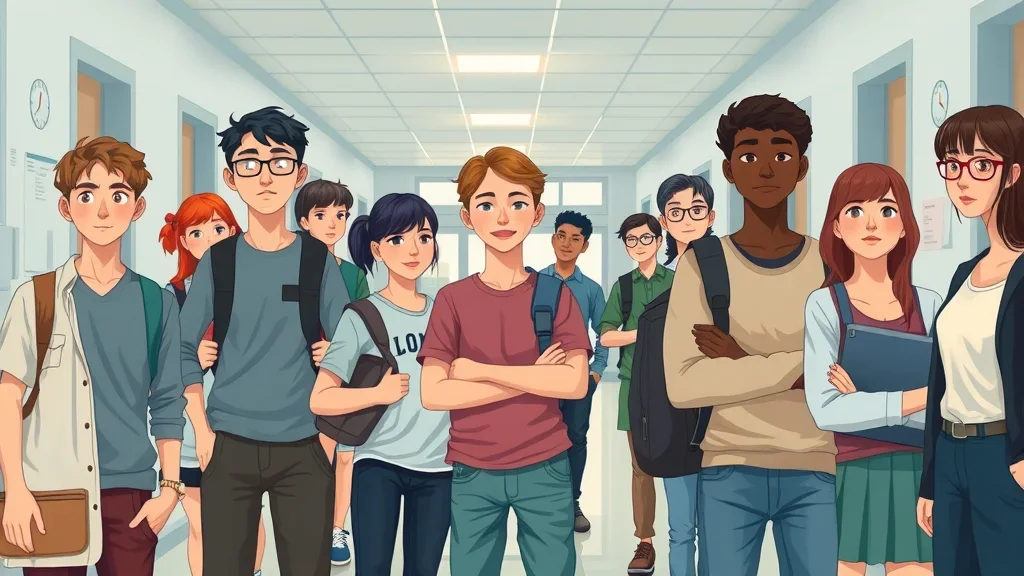
Nervous teenager gripping backpack straps, feeling anxious about school refusal behavior in a school hallway.

This anxiety can lead to avoidance of specific activities, reluctance to leave the house, and withdrawal from friends or previously enjoyed extracurriculars. The severity varies, but if your adolescent appears consistently worried or expresses hopelessness about school life, these are red flags that should not be dismissed as typical teenage angst. Often, these emotional signs are early indicators of more entrenched school refusal behavior.

Behavioral Changes: Identifying Refusal Behavior at Home and School

Behavioral symptoms of school refusal in adolescents are usually noticeable both at home and at school. Teens might refuse to get dressed in the morning, move slowly through routines, or make repeated excuses for why they cannot attend. At home, parents often notice a clash during school-day mornings, with constant pleas to stay home or claims of physical illness (without a medical explanation). Some teens even use avoidance tactics such as intentionally missing the bus or locking themselves in their rooms.

At school, those who do arrive may frequently visit the nurse, request to call parents, or abruptly leave class due to overwhelming anxiety. Over time, these behavioral changes can erode academic performance, limit social connections, and amplify the feeling of disconnection from the school environment. Tracking these shifts can help parents and educators rapidly spot refusal behaviors—acting early can significantly affect both short-term attendance and long-term outcomes.

Physical Symptoms Associated With School Refusal

Physical symptoms often accompany emotional and behavioral signs, making school refusal challenging to distinguish from legitimate illness. Common complaints include stomachaches, headaches, dizziness, fatigue, and nausea—especially on school days. These somatic symptoms usually subside on weekends or holidays, supporting the idea that anxiety, not physical disease, is at play.

Parent comforting adolescent on a couch, discussing physical symptoms connected to school refusal behavior in adolescents.

Adolescents might visit doctors multiple times or take frequent sick days, yet medical examinations reveal no specific diagnosis. This connection between physical and emotional distress underscores the importance of a holistic approach: addressing both the body and mind when supporting a struggling teen.

Comparison of Symptoms: School Refusal vs. Truancy
Symptom/Behavior School Refusal Truancy
Absence Reason Anxiety, distress, often with parental knowledge Lack of interest or defiance, usually hidden from parents
Emotional Symptoms High (anxiety, depression, fear) Low or absent
Physical Symptoms Headaches, stomachaches, fatigue Rarely present
Parental Involvement High; parents often aware and involved Low; often concealed from family
Attendance Pattern Often sporadic or tied to specific triggers Patternless or frequent unexcused absences

Understanding the Causes of School Refusal in Adolescents

Mental Health Factors: Anxiety, Social Anxiety, and Separation Anxiety

Anxiety disorders are leading causes of school refusal in adolescents. This includes generalized anxiety, social anxiety—where interactions or peer judgment provoke distress—and separation anxiety, especially in younger teens afraid of being away from caregivers. Mood disorders like depression or trauma-related stress may also play a role. These emotional challenges disrupt self-confidence and exacerbate negative associations with the school environment, making daily attendance feel insurmountable for affected young people.

In some cases, school refusal occurs alongside other mental health issues such as ADHD or autism spectrum disorder, adding to the complexity. Prioritizing mental health evaluation helps ensure the right supports and treatment are in place, maximizing the chance for recovery.

Family Dynamics and Environmental Triggers for Refusal Behaviors

Family stress, conflict, or overprotective parenting styles can inadvertently reinforce school refusal. When teens see parents anxious or reactive toward school challenges, it may fuel their own worries and reluctance to attend. Environmental factors, like moving, divorce, or the loss of a loved one, can serve as triggers for refusal behaviors—especially if the adolescent lacks healthy coping strategies or support networks.

Teenager with closed posture at kitchen table, highlighting tense family dynamics that contribute to school refusal in adolescents.

The home environment and daily routines matter: inconsistency, lack of structure, or chaotic mornings may amplify stress, while stable, positive family communication often helps buffer against refusal behaviors.

Peer Challenges and Academic Pressures

Bullying, peer conflict, or feeling left out can drive adolescents to avoid school altogether out of fear or shame. For others, academic stress—high expectations, fear of failure, or learning difficulties—fuels intense anxiety, undermining self-esteem and school attendance. Cultural changes, such as the uptick in standardized testing and social media pressures, also contribute.

  • Mental Health Disorders: Anxiety, depression, or related issues
  • Family Stress: Divorce, conflict, or loss in the family
  • Bullying: Social exclusion or peer victimization
“Students experiencing school refusal often have more than one underlying trigger, including mental health and academic stress.”

School Refusal Behavior: Early Warning Signs for Parents

Worried parent checking a school notification, identifying early warning signs for school refusal in adolescents.

How Refusal Behaviors Typically Begin and Progress

School refusal rarely starts overnight—it usually unfolds in a pattern of increasing absences or escalating distress. A teen may begin by expressing mild reluctance, asking to miss a day due to a headache or nervous stomach. Over weeks, these excuses multiply, and arguments over school attendance become routine at home. Red flags include frequent complaints about physical symptoms, noticeably lower mood on school mornings, and more time spent alone or withdrawn from family and friends.

If these early warning signs are ignored, refusal behaviors can quickly become entrenched, putting academic progress, social relationships, and self-confidence at risk. Recognizing and addressing these patterns promptly is crucial for preventing long-term disruption.

When to Seek Professional Help for School Refusal

Parents should seek the expertise of a mental health professional when:

  • Absences are persistent (more than a few days or weeks)
  • The adolescent is experiencing significant emotional distress
  • Physical complaints are frequent but lack a clear medical cause
  • Efforts to encourage attendance have little effect
school counselor school refusal behavior

Diagnosing School Refusal in Adolescents: Processes and Professionals

Assessment Tools for School Refusal Behavior

Diagnosis begins with a comprehensive interview, often using tools like the School Refusal Assessment Scale (SRAS) or standardized behavioral questionnaires to evaluate the severity and underlying causes of refusal. These assessments focus on patterns of absence, emotional triggers, family context, and specific refusal behaviors. They also rule out medical conditions that might explain physical symptoms.

Effective assessment is collaborative—parents, teachers, and sometimes the adolescent are invited to contribute observations, ensuring a complete and accurate understanding of the issue.

The Role of Mental Health Specialists in School Refusal

Mental health professionals, such as child psychologists, social workers, or psychiatrists, play a central role in diagnosing and treating school refusal in adolescents. They coordinate with school counselors and teachers to create an individualized intervention plan, which may include counseling, cognitive behavioral therapy (CBT), or support groups. In more complex cases, specialists assess for co-occurring diagnoses like anxiety disorder or depression and may recommend family therapy.

Calm mental health professional consulting with adolescent and parent about school refusal behavior in a modern counseling office.

This team approach ensures the support plan addresses both the adolescent’s mental health needs and educational goals, increasing the chances of a successful return to school.

Effective Treatment Approaches for School Refusal in Adolescents

What is the Best Treatment for School Refusal?

The most successful approach to addressing school refusal involves a combination of cognitive behavior therapy (CBT), family engagement, and close collaboration with the school itself. These interventions tackle the emotional roots of refusal—reducing anxiety, building coping skills, and encouraging gradual exposure to the school environment. In some cases, treatment may include medication or other mental health support, particularly if there are co-occurring conditions such as depression or severe anxiety disorder.

A one-size-fits-all approach does not work; instead, treatment should be tailored to the individual adolescent’s needs, triggers, and strengths.

Behavioral and Cognitive-Behavioral Therapies for School Refusal

Behavior therapy and cognitive behavior therapy (CBT) are well-supported by research as the gold standard for treating school refusal behavior. CBT helps adolescents identify anxious thoughts, challenge unhelpful beliefs, and develop practical coping strategies. Therapists often use gradual exposure, starting with short school visits, then slowly increasing the length—a process called “systematic desensitization.”

Therapist engaging with adolescent in calming exercise, applying behavioral therapy to help with school refusal in adolescents.

These therapies not only reduce refusal behavior but also empower young people to manage anxiety, handle peer stress, and re-engage academically—a crucial turning point for many families.

Family Therapy and School-Based Interventions

Family counseling strengthens communication and supports parents in responding constructively to refusal behaviors, minimizing unintentional reinforcement of avoidance. Simultaneously, school-based interventions might include adjusted schedules, check-ins with trusted staff, or individualized support plans (IEPs/504s). Effective collaboration ensures consistency, reduces misunderstandings, and establishes clear, achievable attendance goals.

This joint effort between home and school nurtures trust, accountability, and practical solutions that are sustainable beyond the immediate crisis.

Overview of Treatment Modalities for School Refusal Behavior
Treatment Description Best For
Cognitive-Behavioral Therapy (CBT) Identifies and reframes anxious thoughts, gradual school exposure Most adolescents, especially with anxiety and depression
Family Therapy Improves communication, addresses parental reactions Families experiencing stress or conflict
School-Based Interventions Modified schedules, staff check-ins, support plans Youth needing concrete accommodations
Medication Antidepressants or anxiolytics if indicated Severe anxiety, co-occurring mental health disorders
  • Top Evidence-Based Interventions for Refusal Behaviors
  • Medication and Its Role in School Refusal (if applicable)
“Early intervention is crucial: parents, schools, and clinicians must collaborate to support adolescents with school refusal.”

Parent Strategies: What to Do With a Teenager Who Refuses to Go to School

Practical Tips for Supporting Kids Facing School Refusal

Parents are key allies in helping teens overcome school refusal. First, maintain empathy—acknowledge your child’s distress without judgment. Open, non-confrontational communication builds safety and trust. Work collaboratively to problem-solve triggers, whether social, emotional, or academic. Establish and maintain consistent daily routines to make mornings predictable and less stressful.

Avoid “rescue” behaviors like excessive sick days or lenience; instead, model calm and persistence, praising small steps toward school attendance. Partner with mental health professionals and school counselors early on for guidance, and ask for classroom accommodations if needed to support gradual reintegration.

Collaborating With Schools to Address Refusal Behaviors

Effective intervention often requires teamwork. Reach out to teachers, counselors, and school staff to discuss your concerns and develop a shared plan. Schools can provide supervised arrivals, check-ins, adjusted expectations, or safe spaces for breaks. Consistent communication between home and school helps track progress and make adjustments as needed, reinforcing a united front for your adolescent’s well-being.

Parent, teen, and school counselor discussing school refusal behavior at a collaborative school meeting.
  • List of Parent Resources and Support Networks

Prevalence and Demographics: What Is the Most Common Age for School Refusal?

Age Groups Most Affected by School Refusal Behavior

School refusal can affect children at any age but is most common during key transition years. Research indicates a spike between ages 11 and 16, aligning with transitions to middle school, junior high, and the start of high school. These stages often come with increased academic responsibilities, new peer dynamics, and changing expectations—making some young people more vulnerable. Early intervention in these years is especially critical to prevent chronic absenteeism and long-term emotional or social impairment.

School Refusal Frequency by Age and Grade
Age/Grade Estimated Frequency Notes
6–7 (Primary School) Low Often linked to separation anxiety
11–13 (Middle School) High Transition period, social anxiety rises
14–16 (High School) High Peer pressures, academic stress
17+ Declines Non-attendance issues often shift to truancy

Anxiety Management Tools: Understanding the 3-3-3 Rule for Anxiety in Children

Teen practicing the 3-3-3 anxiety management rule, which helps manage anxiety linked to school refusal in adolescents.

How the 3-3-3 Rule Helps Manage Anxiety in School Refusal

The 3-3-3 rule is a simple and effective grounding technique that anchors adolescents in the present moment. It asks them to pause, name three things they see, three sounds they hear, and then move three body parts. This technique is especially helpful during school mornings or before stressful events, helping to disrupt spiraling anxiety and refocus their attention on the environment—reducing emotional overload associated with school refusal.

  • Step-by-Step: Implementing the 3-3-3 Rule
  • Pause and take a slow breath
  • Notice and name three things you see
  • Listen for and name three sounds
  • Move three different parts of your body (like rolling shoulders or tapping feet)

School Avoidance vs. School Refusal: Navigating the Gray Areas

Differentiating Between Absenteeism, School Refusal, and Truancy

Understanding these distinctions helps families and educators respond appropriately. Absenteeism is a broad term for missing school, whether justified or not. School refusal is characterized by emotional distress and parental awareness; truancy involves skipping school without permission or parental knowledge, often linked to behavioral issues rather than anxiety. School avoidance overlaps but may include more intermittent or situation-specific absenteeism.

Quick Reference: Absenteeism, Refusal Behaviors, and Truancy Comparison
Type Main Feature Warning Signs
Absenteeism Any school absence Inconsistent excuses, declining grades
School Refusal Anxiety-based, with parental knowledge Pleas to stay home, panic, morning distress
Truancy Unauthorized absence, hidden from parents Frequent unexplained absences, secrecy
  • Warning Signs of Each Type of School Absence

Long-Term Outcomes of School Refusal in Adolescents

Academic, Emotional, and Social Impacts

Left unaddressed, school refusal has significant long-term effects: chronic absenteeism often leads to poor academic achievement, delayed graduation, or dropping out. Socially, a lack of school attendance can isolate adolescents from peers, hindering the development of crucial interpersonal skills. Emotionally, ongoing absence may trigger or worsen depression, anxiety and depression, or low self-esteem—potentially persisting into adulthood. Early identification and intervention are critical to break this cycle and ensure healthy development.

Split scene: disengaged adolescent at home and socially engaged teen at school, showing long-term impacts of school refusal in adolescents.
“Without address, school refusal can derail not just academic, but social and emotional development.”

Success Stories: Overcoming School Refusal in Adolescents

Confident adolescent returning to school with supportive parent, highlighting success in overcoming school refusal in adolescents.
  • Case Example 1: Alex, 14, overcame severe school refusal linked to social anxiety with CBT, family partnership, and supportive teachers—now attends full-time and participates in music club.
  • Case Example 2: Maya, 16, struggled to attend school after losing a grandparent. Family counseling and gradual school re-entry rebuilt her confidence—she now has perfect attendance and tutors younger students.

People Also Ask: Addressing Common Questions About School Refusal in Adolescents

What is the best treatment for school refusal?

Answer: A comprehensive approach that combines cognitive-behavioral therapy, parental support, and collaboration with schools is often most effective for addressing school refusal behavior.

What to do with a teenager who refuses to go to school?

Answer: Parents should remain empathetic, communicate openly, involve mental health professionals if needed, and work closely with the school to create a supportive plan for the adolescent.

What is the most common age for school refusal?

Answer: School refusal typically peaks between ages 11 and 16, particularly during transition periods such as entering middle or high school.

What is the 3-3-3 rule for anxiety children?

Answer: The 3-3-3 rule involves naming three things you see, three sounds you hear, and moving three parts of your body, which can help ground young people experiencing anxiety linked to school refusal.

Frequently Asked Questions About School Refusal in Adolescents

  • Is school refusal a diagnosable mental health condition?
  • How can teachers assist students with school refusal behavior?
  • Are there long-term consequences if school refusal goes unaddressed?
  • What resources are available for families struggling with adolescent school refusal?

Key Takeaways on School Refusal in Adolescents

  • Early identification of school refusal behavior is vital
  • Mental health support can reduce refusal behaviors
  • Collaboration among parents, schools, and professionals drives recovery
  • Practical strategies empower families to overcome school avoidance

Next Steps for Parents Facing School Refusal in Adolescents

If your adolescent struggles with school refusal, reach out to mental health professionals and your child’s school right away. Compassionate, coordinated support can set your family and your teen on the path to recovery and renewed confidence.

Supporting a teen through school refusal is a journey that requires patience, empathy, and the right resources. As you continue to advocate for your adolescent’s well-being, consider deepening your toolkit with additional strategies for managing family stress and fostering resilience. For a broader perspective on nurturing a positive home environment and handling the pressures that come with parenting teens, you may find valuable insights in this comprehensive guide on stress management for parents of teenagers. Taking care of yourself is a crucial step in empowering your child to overcome challenges and thrive both in and out of the classroom.

Education Challenges

Write A Comment

*
*
Please complete the captcha to submit your comment.
Related Posts All Posts

Substance Abuse in Schools: How Teen Use Impacts Learning and Behavior

Startling fact: Nearly 1 in 5 high school students report using illicit drugs. Teen substance abuse in school isn’t just a problem for the classroom—it ripples throughout students’ lives, affecting academic performance, relationships, and future opportunities. "Did you know that nearly 1 in 5 high school students report using illicit drugs? The direct impact of teen substance abuse in school extends far beyond the classroom walls." A Startling Look at Teen Substance Abuse in School: Setting the Stage Teen substance abuse in school is a pressing public health concern that touches every community in the United States. With rising reports of young adults experimenting with illicit drugs and substances as early as middle school, schools face challenges that extend well beyond academics. The presence of substance abuse among students deeply affects classroom culture, learning environments, and behavioral norms. According to recent findings from official websites like the National Institute on Drug Abuse, adolescent substance abuse is not only linked to declining grades but also disrupts the entire educational process for all involved. For educators, parents, and communities, understanding the scope and impact of drug abuse is vital. Teachers witness increased absenteeism and disruptive behaviors, while counselors often note that substance use is connected to mental health struggles or social pressures young people routinely face. As overdose deaths among young adults have climbed in the past decade, discussing and addressing teen substance abuse in school is more urgent than ever. This article provides a comprehensive, easy-to-understand guide to what’s happening, why it matters, and how school communities can intervene. What You'll Learn About Teen Substance Abuse in School The definition and current statistics of teen substance abuse in school How drug abuse affects learning outcomes and classroom behavior Key risk factors for young adults Strategic interventions for school communities What is Teen Substance Abuse in School? Defining Substance Abuse Among Young Adults Teen substance abuse in school refers to the misuse of legal and illegal substances by students, primarily those in middle and high school, resulting in negative consequences that extend to learning, behavior, and overall well-being. This may include the frequent or improper use of alcohol, prescription drugs, tobacco, vaping devices, or illicit substances like marijuana and opioids. According to official government organizations, substance abuse is not limited to addiction or dependence; it also involves patterns of risky experimentation, peer influence, and attempts to self-medicate for mental health concerns. Schools across the United States report that young people face widespread access to substances both on and off-campus, with some students falling into substance use disorder as a result of ongoing risk factors. Data from gov websites emphasize that even casual or occasional use impacts cognitive development, impulse control, and classroom engagement. Teen substance abuse in school also relates closely to negative social environments, academic challenges, and the broader public health system, as institutions strive to keep students safely connected to educational opportunities and health services. Most Commonly Abused Substances in Teen Populations The substances most commonly abused by adolescents reflect trends seen across larger public health data sets. While alcohol remains prevalent, vaping nicotine and cannabis has seen a dramatic rise due to increased accessibility and perceptions that these products are less harmful. Prescription drugs—often intended to treat attention disorders or physical pain—are sometimes misused by students seeking academic boosts or relief from stress. Illicit substances, including ecstasy and opioids, though less common, contribute to significant health risks and warrant attention. Understanding which substances are most abused helps counselors, teachers, and parents target preventative efforts, especially as overdose deaths continue to rise among young adults nationally. The following table presents the latest available statistics regarding these substances from national education and health surveys. Prevalence of Specific Substances Used by Teens in Schools Substance Percentage of High School Students Reporting Use (Past Year) Notes Alcohol 28% Most common, often underage Vaping (Nicotine) 20% On the rise, easy to conceal Marijuana 16% Often perceived as ‘safe’ Prescription Drugs 9% Mostly stimulants and opioids Illicit Drugs (ecstasy, cocaine, etc.) 4% Smaller segment, higher risk for overdose death Current Trends: The Rise of Drug Abuse in Young Adults "Education is one of the frontlines in the fight against substance abuse among young people." – National Institute on Drug Abuse Recent data paints a concerning picture—rates of drug abuse among young adults are increasing, propelled by shifting social norms and greater accessibility through technology and peer networks. According to official government sources, the lines between experimentation and habitual abuse are blurring, especially as vaping and cannabis become fixtures in school-related discussions. Illicit drug use, while less widespread, has spiked in certain regions, leading to tragic stories of overdose deaths that could have been prevented with timely intervention. Young people in the United States are influenced by a variety of factors, including stress, social acceptance, and misinformation about the effects and risks associated with substance abuse. As health services and educational systems struggle to adapt, early recognition of behavioral warning signs and risk factors remains crucial. Schools now partner with public health organizations and official government agencies to distribute accurate information and secure resources. Education—through health classes, assemblies, and parental involvement—is vital in counteracting rising teen substance abuse in school and helping students make healthy, informed choices. While understanding the broader trends is essential, it's equally important for parents to recognize how their own stress levels can influence their teens' choices and behaviors. For practical advice on maintaining a supportive home environment, explore these stress management tips for parents of teenagers that can help foster resilience and open communication during challenging times. Major Risk Factors Leading to Teen Substance Abuse in School Family and Social Influences as a Risk Factor The environment a young adult grows up in can dramatically increase or decrease the likelihood of substance abuse. Family dynamics play a key role—when a parent or sibling struggles with substance use disorder, the chances a teen will experiment or misuse drugs rise significantly. Household stress, lack of parental supervision, inconsistent rules, or family history of mental health concerns also contribute to vulnerability. Even protective families may find it difficult to compete with the influences of broader social circles or media portrayals of substance abuse. Social factors, such as peer pressure, the desire for acceptance, or normalization of drug use in friend groups, compound these risks. Teens are also more likely to use substances if they’re exposed to environments where such behaviors are accepted or seen as coping mechanisms for stress and anxiety. The National Institute on Drug Abuse highlights that open communication and strong, supportive bonds can offset many of these risks, suggesting that early, honest discussions about drug abuse are essential for prevention. Academic Pressures and the Link to Drug Abuse Alongside family and social influences, academic pressure ranks high among risk factors for teen substance abuse in school. Students often face intense competition, rigorous schedules, and the expectation to excel in multiple arenas—academics, athletics, and social life. Unfortunately, these pressures can lead young people to misuse prescription stimulants intended for ADHD, hoping to enhance concentration or stave off fatigue. The result is not only a risk of addiction or adverse health effects, but also a distorted view of what achievement should look like. Educators and counselors observe that students experiencing chronic stress, anxiety, or feelings of inadequacy are particularly susceptible to the promises of quick relief substances seem to offer. Addressing academic-related risk factors means fostering a healthy school culture where support services, coping skills, and realistic expectations are emphasized over relentless competition. Schools, in collaboration with families, should prioritize mental health programs and create safe spaces for students struggling under the weight of expectations. How Teen Substance Abuse in School Impacts Learning Outcomes Declining academic performance Increased truancy and absenteeism Higher dropout rates Impaired cognitive functions Substance abuse among students directly undermines educational achievement. Teens struggling with substance use often see a dramatic drop in their grades and engagement. Research from government organizations indicates that regular use of alcohol, marijuana, or prescription medications can impair memory, attention span, and executive function—making it much harder for students to participate in class or complete assignments. Chronic absenteeism and truancy are closely linked to teen substance abuse in school. Youth who skip school are more likely to fall behind academically, become discouraged, or eventually drop out. These trends are particularly alarming in communities already contending with limited resources or higher rates of poverty. In the classroom, substance-affected students frequently exhibit impaired critical thinking, slower reaction times, and difficulty following instructions. These cognitive and behavioral shifts ripple throughout the entire school, impacting not only the user but classmates and educators as well. Behavioral Consequences of Teen Substance Abuse in School From Disruptions to Dangerous Conduct: Classroom Observations Teachers often report that students engaging in substance abuse become disruptive or even combative in class. These disruptions may range from speaking out of turn and refusing to follow rules, to more serious issues like physical altercations, theft, or vandalism. Chronic misbehavior tied to substance use diverts precious class time and risks alienating peers. More troubling is the escalation that can follow—what may start as mild disruptions can lead to conduct that endangers not only the user but others. Cases of in-school overdose, bullying, and even accidental injuries have been documented, underscoring just how far-reaching the impact of drug abuse can be. School staff and administrators must learn to recognize these patterns early, utilizing intervention strategies and involving mental health and public safety agencies when needed. Emotional and Social Repercussions for Young Adults The effects of teen substance abuse in school extend into the emotional and social realms. Young adults who misuse substances often struggle with increased anxiety, depression, or mood swings. Substance use disorder can isolate students, making them targets for bullying or exclusion while also straining relationships with friends and family. Unmanaged emotional distress frequently fuels a vicious cycle—teens may turn to drugs or alcohol to cope with loneliness or overwhelming feelings, further entrenching themselves in risky social circles. Peer support is vital, as positive friendships and mentorship help buffer against these outcomes. Encouraging compassion and empathy in school communities is instrumental, fostering an environment where students feel safe to seek help and where early intervention is the norm, not the exception. Preventive Strategies: Reducing Risk Factors and Supporting Young Adults School-based interventions Parental involvement programs Peer support groups Mental health resources Prevention is far more effective than remediation when it comes to teen substance abuse in school. Schools that prioritize comprehensive interventions—like regular health education, on-site counseling, and clear disciplinary policies—give students the tools they need to make healthier choices. Parental involvement is another cornerstone; when parents are engaged and informed, they’re better positioned to spot warning signs and maintain open lines of communication with their child. Peer support groups, such as clubs or after-school programs, enable students to discuss pressures and experiences in a nonjudgmental setting. These groups can reinforce positive behaviors and provide a safe space to resist negative influences. Equally important are accessible mental health resources: when schools offer screenings, therapy, and referrals to public health and treatment programs, they directly combat the stigma that often surrounds both substance abuse and mental health challenges. Students need to know that support is available, confidential, and non-punitive. How to Help Teens with Substance Abuse? (People Also Ask) Effective Steps to Intervene and Support Students If you suspect a teen is struggling with substance abuse, taking swift, compassionate action is vital. Begin with a nonjudgmental conversation—listen more than you speak, and ensure the young adult feels heard, not accused. Express your concerns clearly, outlining specific behaviors you’ve noticed (such as changes in mood, grades, or social groups). Involve other trusted adults—teachers, school counselors, or healthcare providers—who can assess the situation and suggest the next steps. Connecting the teen to mental health services, community programs, or specialized treatment is often necessary, especially if signs of substance use disorder are present. Above all, maintaining a supportive, consistent presence helps ensure the young person stays engaged with both school and the healing process. Early intervention can make the difference between a temporary setback and a lifelong struggle. What are the 4 C’s of Substance Abuse? (People Also Ask) Understanding the Framework: The 4 C’s Explained The “4 C’s” provide a simple framework for understanding substance abuse, specifically among young adults: Craving: A strong desire or urge to use a substance, often disrupting daily focus. Control: Difficulty limiting or stopping substance use despite intentions to do so. Compulsion: Continued use despite negative consequences on health, learning, or behavior. Consequences: Experiencing major problems—academic, social, or legal—as a direct result of continued drug abuse. What is the Most Commonly Abused Substance Among Teenagers? (People Also Ask) Survey Insights: Which Substance is Most Prevalent? Vaping, particularly with nicotine-based products, now surpasses even alcohol as the most commonly abused substance among teenagers in the United States. Surveys from national organizations show that the ease of access, discreet use, and marketing targeted at young people all contribute to its popularity. Alarmingly, many teens believe vaping is safe or less harmful, especially as flavored vape products mask the harshness associated with traditional cigarettes. Alcohol remains a close second, with consistent rates of underage consumption reported by gov websites over the last decade. Marijuana use has also seen a rise, particularly as more states relax regulations and social attitudes shift. Misuse of prescription drugs, while less common, carries significant risks, including dependence or overdose death. Recognizing the trends in substance use is the first step for parents, educators, and policymakers aiming to reverse them. What to Do if You Think Your Teenager is Taking Drugs? (People Also Ask) Critical Action Steps for Parents and Educators Acting quickly and thoughtfully is paramount if you suspect drug abuse. First, gather information—observe changes in your teen’s mood, hygiene, peer group, and academic performance. Document specific concerns without jumping to conclusions. Once you feel confident something isn’t right, initiate an honest, supportive conversation. Avoid accusation; instead, focus on care and concern. Reach out to school counselors, health services, or local organizations for guidance on next steps, including appropriate screenings or referrals. In cases where substance use disorder is identified, professional treatment programs or peer recovery groups may be necessary. Maintain consistent communication with both the teen and any professionals involved, emphasizing that your goal is their well-being and future success. Early and sustained intervention limits long-term risks and demonstrates that help is always available. Frequently Asked Questions About Teen Substance Abuse in School What are early warning signs? Early indicators include sudden drops in academic performance, unexplained mood swings, withdrawal from social activities, changes in sleep patterns, or unexplained absences from school. Teachers and parents should be alert to shifts in peer groups and unusual secrecy. How can schools develop preventative programs? Schools can partner with public health and government organizations to bring evidence-based prevention and treatment programs into the curriculum, train staff, and involve parents in ongoing education. Peer-led initiatives and accessible counseling also aid prevention. Is substance abuse more common in certain grades? Substance abuse tends to increase starting in late middle school and peaks during high school years (ages 15-18). However, programs should address younger grades as early intervention has the greatest impact. Key Takeaways: Teen Substance Abuse in School Teen substance abuse in school is a complex issue with wide-reaching impacts on learning and behavior Identifying risk factors and early intervention are crucial Schools, families, and communities must collaborate Explore More Resources and Take the Next Step Download our comprehensive guide for further support Contact a school counselor or local service for immediate help Addressing teen substance abuse in schools is a journey that requires ongoing learning, empathy, and proactive support from everyone involved. If you’re seeking to deepen your understanding of how to create a healthier, more resilient environment for your family, consider exploring additional strategies for managing stress and fostering positive communication at home. Our resource on stress management tips for parents of teenagers offers actionable insights that can empower you to support your teen through life’s challenges. By equipping yourself with effective tools and knowledge, you can play a pivotal role in guiding your teen toward safer choices and a brighter future.

Why Teens Struggle in School: Common Causes and Solutions

Did you know? “Over 60% of teens report significant stress related to academic performance, with consequences for well-being and future prospects.” — National Education Survey. This eye-opening statistic highlights just how many young people face major challenges in school every day. If you’ve wondered why teens struggle in school, the answers are more complex than failing a test or missing homework. Root causes often hide deeper—ranging from mental health and social skills to the impact of digital distractions and learning disabilities. In this guide, we’ll dig into these underlying issues and offer practical solutions, empowering students, families, and educators to make a positive difference.A Startling Look at Why Teens Struggle in SchoolUnderstanding why teens struggle in school is crucial for parents, teachers, and the teens themselves. Academic pressure today comes from all directions—society, peers, families, and a rapidly changing digital world. This combination can overwhelm young people, increasing stress, anxiety, and disengagement. While academic challenges are visible, invisible factors like mental health issues, social skills deficits, and screen time distractions are just as significant. Students may feel isolated or misunderstood, and school staff often face the daunting task of uncovering hidden struggles. The reality: there is rarely one single cause. Instead, a complex mix of influences—like mental health, learning disabilities, social media, and school avoidance—makes each student’s situation unique. To address school difficulties, it’s vital to recognize these nuances and seek comprehensive, caring strategies. This guide shines a light on both the problems and the solutions.“Over 60% of teens report significant stress related to academic performance, with consequences for well-being and future prospects.” — National Education SurveyWhat You'll Learn About Why Teens Struggle in SchoolKey reasons why teens struggle in schoolThe impact of social skills and mental healthHow social media and screen time influence learningPractical solutions and supports for struggling studentsUnderstanding the Scope: Why Teens Struggle in SchoolTo truly grasp why teens struggle in school, we must look at the wide variety of challenges today’s students face. Academic stress, social pressures, mental health issues, underlying disabilities, and digital distractions all intertwine, creating a complicated web of obstacles. For the high school age group, these issues can intensify: hormonal changes, evolving social expectations, and higher academic demands converge during a critical time for self-discovery and growth. Families may not always see the struggles, but students feel them deeply. Importantly, the signs aren’t always obvious. Declining grades, more frequent school avoidance, changes in mood, and increased screen time might be indicators, but they don’t tell the entire story. Each teen’s experience is unique—what creates coping strategies for one student could worsen anxiety in another. Recognizing the scope of these struggles helps parents, teachers, and school staff respond appropriately, moving from punishment or frustration to empathy, support, and effective intervention.Breaking Down the Major Causes of Why Teens Struggle in SchoolMajor reasons behind academic struggles range from overwhelming workloads and tough curricula to difficulties with social skills and undetected learning disabilities. Mental health plays a pivotal role; persistent anxiety and depression can sap motivation, make concentration difficult, and lead to missed school days. Social skills are equally impactful—students who have trouble forming positive relationships or experience social anxiety may feel isolated, leading to school avoidance and disengagement.Mental health: Anxiety, depression, and other mental health disorders can quietly undermine academic performance, and not all students are comfortable seeking support.Learning disabilities: Undiagnosed issues can make even the most basic school day a struggle, causing frustration and a sense of defeat.Screen time & social media: Excessive time spent on digital devices can disrupt sleep, impact mood, and shorten attention spans—further affecting a teen’s ability to learn.School avoidance: Avoidance behaviors often mask deeper struggles with anxiety, social pressure, or academic challenges.Understanding these interconnected causes is the first step toward creating practical solutions.Table: Common Causes vs. Potential Solutions for Why Teens Struggle in SchoolCommon CausePotential SolutionPoor social skillsSocial-emotional learning programs; group activitiesMental health issues (e.g., anxiety, depression)School counselors, therapy, mental health awareness, peer support groupsExcessive screen time/video gamesSetting digital boundaries, promoting tech-free activities, digital literacy educationLearning disabilitiesEarly screening, individualized education plans, academic accommodationsSchool avoidanceGraduated reintegration plans, consistent attendance support, family involvementLack of motivation/engagementStudent-centered learning, mentoring programs, real-world learning connectionsSocial Skills and Their Role in Why Teens Struggle in SchoolGood social skills are the foundation for positive relationships, belonging, and engagement in school. When teens lack these skills, they can face challenges that go beyond academics: isolation, loneliness, misunderstandings, and even conflict. For many, school is as much a social arena as it is an academic one—friendships, teamwork, and communication form a critical part of the learning experience. Sadly, not all students develop social skills at the same pace. Some young people feel left out or anxious in group settings, leading to lower self-esteem and participation. This can become a cycle: poor social skills make school more challenging, which in turn decreases social opportunities and confidence. The resulting frustration can impact academic performance and contribute to an overall sense of dissatisfaction with school life.How Poor Social Skills Affect Classroom PerformanceWhen teens struggle with social skills, the effects show up in subtle yet pervasive ways throughout the school day. An adolescent who feels awkward during group work may withdraw, missing out on key collaborative learning experiences. Others might misinterpret social cues, unintentionally disrupting class or having trouble with teachers’ feedback, which can heighten feelings of frustration or even lead to disciplinary action. Social isolation can also make students more vulnerable to bullying or ostracism, further eroding their confidence and willingness to participate. Over time, the cumulative effect may lead to poor academic performance and emotional distress. For school staff, noticing these students and providing support—such as lunch groups, mentorship, or communication workshops—is crucial in breaking the cycle. Strong peer networks and supportive adults can help shy or anxious students practice social interactions in a safe, supportive environment, helping turn avoidant behaviors into positive engagement.Building Social Skills: Strategies for School Staff and FamiliesDeveloping social skills requires consistent support from both school staff and families. For teachers and counselors, that often means creating structured opportunities for students to work in pairs or small groups, practicing real-world communication and collaboration skills. School staff benefit from social-emotional learning curricula, peer mentoring programs, and workshops that focus on empathy, conflict resolution, and self-awareness. Families can help at home by encouraging positive communication, modeling healthy relationships, and providing opportunities for their teens to interact with peers in supportive settings. Activities like volunteering, team sports, or even game nights can reinforce these skills. Open dialogue about challenges—such as social anxiety—lets young people know they’re not alone and empowers them to seek help before feelings escalate.Mental Health: The Invisible Reason Why Teens Struggle in SchoolFar too often, the true reason why teens struggle in school remains invisible—rooted in mental health struggles like anxiety, depression, or social anxiety. These issues can significantly impair a student’s ability to learn, concentrate, and cope with everyday academic and social pressures. Left unaddressed, mental health concerns reduce attendance, motivation, and interpersonal skills, often spiraling into more severe academic and behavioral problems. For teens, discussing mental health can feel daunting or stigmatizing, so their struggles may go unnoticed by teachers and parents. That’s why it’s so important for school staff and families to look for changes in mood, energy, or participation, and to approach these sensitive topics with empathy and care.Identifying Mental Health Challenges Behind Why Teens Struggle in SchoolSpotting mental health concerns in teens is critical for early intervention and academic success. Warning signs might include frequent headaches or stomachaches (which can be stress-related), withdrawal from friends and family, irritability, or a sudden drop in grades. Mental health issues such as anxiety and depression often emerge during high school years, impacting motivation, sleep, and the ability to focus. External stressors—like family situations, peer conflicts, or social media pressures—can worsen symptoms. When left unsupported, teens may develop avoidance behaviors, miss school days, and even risk long-term academic setbacks. For both teachers and parents, being proactive—offering access to counseling, normalizing discussions around mental health, and prioritizing student well-being—can break down barriers to seeking support.“Addressing mental health early can transform a student’s academic trajectory.” — Dr. Michelle Anders, Child PsychologistManaging Social Anxiety and Emotional Barriers in TeensSocial anxiety is a major, and often misunderstood, contributor to why teens struggle in school. Anxious students may dread classroom participation, group projects, or even entering the school building. Emotional barriers linked to social anxiety, depression, or trauma disrupt the learning process, making school feel overwhelming rather than supportive. Effective coping strategies for social anxiety include role-playing, counseling, mindfulness exercises, and gradual exposure to stressful situations with encouragement from supportive adults. School counselors and mental health professionals can develop personalized plans for students, offering tools to build resilience and confidence. Families also play a key role by validating their teen’s feelings, setting realistic expectations, and working collaboratively with school staff. Early intervention and a team approach—combining the insights of health professionals, teachers, and parents—can make a life-changing difference.Learning Disabilities and Underlying Issues Contributing to Why Teens Struggle in SchoolLearning disabilities represent a significant, but often under-identified, reason why teens struggle in school. Conditions like dyslexia, ADHD, or processing disorders make it much harder for students to keep up with the demands of a standard school day. Unfortunately, not every student receives early screening, and undiagnosed disabilities can lead to feelings of frustration, lack of motivation, and eventual disengagement. These underlying issues often coexist with mental health concerns, compounding the challenges faced. When students with learning disabilities don’t receive appropriate support, they may internalize a sense of failure or develop avoidance behaviors. Understanding and addressing these barriers is essential to helping every student achieve their best.Recognizing Learning Disabilities in TeensEarly identification of learning disabilities can transform a teen’s educational experience. Warning signs include persistent trouble with reading, writing, math, or following instructions—even after extra help. Teens might develop coping strategies like acting out, avoiding assignments, or withdrawing altogether. School staff play a critical role in recognizing these patterns and advocating for assessments. Families should also be alert to these signs, collaborating with teachers to request evaluations when necessary. Individualized Education Plans (IEPs) or 504 accommodations are powerful tools that provide tailored instruction and supports. These interventions—paired with open communication—break down barriers and encourage teens to develop a growth mindset about learning.Addressing Underlying Issues: Practical ApproachesOnce underlying issues—like learning disabilities or mental health disorders—are identified, practical solutions are essential for lasting change. School staff can implement modifications such as extra time on tests, alternative assignments, or quiet workspaces for anxious students. Regular collaboration among teachers, counselors, health professionals, and parents ensures the supports remain effective as the student’s needs evolve. At home, families should focus on organized routines, positive reinforcement, and creating a distraction-free study environment. Encouraging teens to advocate for their needs builds confidence and self-acceptance. Professional support—from educational specialists, therapists, or support groups—can bridge the gap between academic demands and personal strengths, leading to improved outcomes and a more positive school experience.School Avoidance: Why Some Teens Struggle to Attend or EngageSchool avoidance is a growing concern and a complex reason why teens struggle in school. Avoidance can stem from anxiety, bullying, mental health issues, or academic overwhelm, and its effects are far-reaching—student learning, social skills, and future opportunities may be all impacted. While some skip classes occasionally, chronic avoidance should send a warning signal to families and school staff. Understanding what’s driving this behavior is key: Is the teen afraid of social failure, overwhelmed by academic demands, or reacting to unresolved bullying? Early intervention and open discussions help reduce shame and open doors to meaningful support.What Drives School Avoidance and How It Connects to Why Teens Struggle in SchoolMultiple factors drive school avoidance. Anxiety and depression often start the cycle, with students feeling increasingly unsafe or unsupported at school. Other issues like social skill deficits, friendship problems, or negative experiences with teachers can aggravate these feelings. Unaddressed learning disabilities or chronic health issues also cause students to avoid the classroom. The cycle can be hard to break: the more a student avoids, the more difficult it becomes to catch up, which increases stress and avoidance behaviors. Both families and school staff must look with compassion, not punishment, at what underlies avoidance. Understanding each situation’s unique roots allows for effective, compassionate solutions that encourage engagement and resilience.Supporting School Engagement Through School Staff InterventionsSchool staff interventions are vital to re-engaging avoidant students. A coordinated plan might include frequent check-ins with a trusted adult, modified assignments, or gradual exposure to school routines. Collaboration between teachers, counselors, and parents helps create consistent, safe environments for students to return to. Building trusting relationships and establishing predictable routines lets students feel seen and valued, reducing the shame and anxiety associated with past absences. Professional support, whether from mental health professionals, school psychologists, or outside therapists, should be part of the solution when avoidance endures. Success relies on a patient, flexible approach—one that prioritizes the student’s well-being over rote attendance.The Impact of Social Media and Screen Time on Why Teens Struggle in SchoolSocial media and excessive screen time are rapidly growing contributors to why teens struggle in school. While digital platforms offer connection and information, their addictive nature can disrupt sleep, concentration, and self-esteem. Many students juggle online identities and real-life relationships, increasing stress and social comparison. Additionally, video games and streaming media often compete with academic responsibilities. Overuse leads some teens to trade homework and reading for long hours in front of screens, lowering grades and contributing to struggles with time management and self-control. The digital landscape isn’t going away—so balanced, healthy habits and clear boundaries are essential at home and in school.Social Media Pressures and Academic PerformanceThe pressure to present a polished life on social media can be overwhelming for teens. Comparisons to curated images and lifestyles increase feelings of inadequacy and stress. For anxious students or those already struggling academically, social media can quickly become a source of distraction, social anxiety, and even bullying. Research shows a strong link between heavy social media use and lower academic performance. Students may struggle to focus in class, lose sleep checking notifications, or feel peer pressure to engage in risky online behavior. School staff can help by teaching digital literacy and self-care, while families should encourage open conversations about social media’s effects, setting limits to protect mental well-being and academic success.Screen Time, Video Games, and Learning DisruptionHours spent on video games or digital devices can disrupt healthy study habits and daily routines. Excessive screen time often leads to procrastination, late-night gaming, and sleep deprivation, all of which impair learning. Video games, while sometimes beneficial for hand-eye coordination and strategic thinking, can become problematic when they interfere with homework, social skills development, or extracurricular activities. Balanced guidelines help teens enjoy technology while maintaining focus on important responsibilities. Setting time limits, designating tech-free zones, and engaging in regular family discussions about digital habits can prevent these academic setbacks. School staff can support these efforts by integrating responsible tech use lessons into the curriculum and modeling effective screen habits during the school day.[Expert video discussion: How Social Media and Screen Time Shape Academic Performance in Teens]Why Teens Struggle in School: Effective Solutions and Support StrategiesSolutions to these complex struggles must involve a team effort from school staff, families, and the wider community. Identifying issues—whether academic, emotional, or environmental—is the first step. Building structured systems of support and maintaining open communication are key to helping students thrive. Proactive programs foster skills for learning, social interaction, and emotional regulation. Early support from health professionals for mental health concerns, combined with flexible academic accommodations, can completely change a student’s school year trajectory. At home, consistent routines, positive reinforcement, and healthy boundaries around screen time and social media are essential. Success comes from responding to students’ real needs, not punishing perceived failures.Role of School Staff, Family, and CommunitySchool staff—teachers, counselors, specialists—are the front line for identifying and supporting struggling students. They offer mentorship, encourage healthy peer connections, and advocate for resources like mental health professionals and special education services. Parental involvement—attending school meetings, checking in daily, validating struggles—strengthens these efforts. After-school clubs, tutoring, and community resources can bridge the gap and provide safe spaces for students to learn and grow. A united front, involving all adults in a teen’s life, shows support and cultivates the resilience and motivation needed to face challenges head-on. The involvement of mental health professionals or learning specialists is often vital—reminding everyone that there’s no shame in seeking help.Practical Steps for Teens to Improve Academic OutcomesEncourage open communication about school challengesPromote healthy routines and balanced screen timeFoster positive peer and teacher relationshipsSeek professional help when mental health issues ariseTeens can take an active role in their own improvement by asking for help, exploring new learning strategies, and discussing their concerns with trusted adults. Combining these personal strategies with community and school support will help transform struggle into success.People Also Ask: Answers to Common Questions About Why Teens Struggle in SchoolWhy is my teen struggling in school?There are many reasons a teen might be struggling in school, ranging from academic difficulties and learning disabilities to social skills challenges, mental health concerns such as anxiety or depression, and environmental changes. Excessive screen time, video game use, and pressure from social media also contribute. Consulting with teachers, school staff, and mental health professionals can help identify the root cause and create a plan for improvement.What is the biggest problem facing teens?Currently, the biggest problems facing teens include mental health issues, digital distractions, and social pressures. Anxiety, depression, and social anxiety are all on the rise and can significantly impact school performance. Navigating academic expectations and maintaining a healthy relationship with technology and peers are top challenges for this age group.Why do teenagers struggle so much?Teenagers struggle due to the complex intersection of developmental, social, academic, and environmental factors. Hormonal changes, increased academic workload, developing identities, and the pressures of fitting in with peers or online personas create stress. Lack of coping strategies, learning disabilities, and limited support can intensify these common struggles.How to get a teenager to do better in school?Open communication is essential. Encourage your child to discuss their challenges, collaborate with school staff for support, and establish healthy routines at home. Limit screen time, promote sleep hygiene, reinforce positive study habits, and seek professional guidance if mental health is a concern. Developing self-advocacy, learning strategies, and celebrating small victories can all boost motivation and achievement.FAQs: Quick Answers on Why Teens Struggle in SchoolHow can schools identify underlying issues in students?By monitoring behavioral and academic trends, using screening tools, encouraging open dialogue, and collaborating with families and mental health professionals.Does screen time always negatively affect teens’ grades?Not always, but excessive, unregulated screen time often disrupts sleep, focus, and learning. Balance and boundaries are key.When should parents seek professional help?If your teen shows signs of persistent sadness, anxiety, withdrawal, declining grades, or school avoidance, seek help from a mental health professional or school counselor.What role can positive peer relationships play?Positive peer relationships increase self-esteem, motivation, and engagement, making school feel like a supportive place to grow.Key Takeaways: Understanding Why Teens Struggle in SchoolThere is no single cause for why teens struggle in school—multiple factors interact.Mental health and digital habits are major contributors.Early identification and support are vital for positive change.Conclusion: Moving From Struggle to Success in SchoolAddressing why teens struggle in school requires teamwork, compassion, and early intervention. With understanding and the right strategies, every teen can thrive.

How to Boost Teen Motivation in School Without Nagging

Ever feel like motivating your teen is a never-ending power struggle? If you’re tired of constant reminders, arguments, and feeling like you’re stuck on repeat, you’re not alone. Unlock proven ways to inspire real teen motivation in school—without turning every study session into a battleground. This guide unpacks effective strategies, expert insights, and tools that empower teens to take charge of their academic journey.Are You Struggling to Improve Teen Motivation in School Without a Daily Battle?For many families, each new school week brings a fresh challenge: getting teens to feel motivated, focus on school work, and balance school life with the ever-present lure of social media or video games. Parents, guardians, and teachers often find themselves at their wit’s end, repeating the same nagging reminders with little to show for the hard work. The dilemma is real—motivating teens in high school or middle school can feel like walking a tightrope between encouragement and control. Igniting self-driven motivation to learn is about more than academics; it’s about building resilience, autonomy, and a genuine sense of purpose for a future career. In this comprehensive guide for parents and educators, we’ll reveal strategies proven to help students find and sustain their own drive—while keeping the peace at home.Why Traditional Nagging Backfires on Teen Motivation in SchoolIt’s a common belief that frequent reminders and persistent pressure will push teens to “work harder” and stay motivated. However, research shows that when teens feel constantly nagged, they’re more likely to disengage rather than become motivated to learn. This “push-pull” dynamic often reduces intrinsic motivation and can hurt the parent-teen or teacher-student relationship. Students may begin to view school work as just another chore or, worse, associate academic efforts with negative feelings. Repeated nagging can also amplify stress, making teens more resistant and less likely to embrace responsibility for their academic performance. Staying motivated in high school requires autonomy, a sense of ownership, and feeling understood by adults. Over time, nagging undermines these needs, leading to more frequent motivational slumps. Instead, fostering independence and acknowledgment of their real-world strengths can help teens feel empowered, not controlled.What You'll Learn: Strategies That Actually Increase Teen Motivation in SchoolKey psychology drivers behind teen motivation in schoolHow to set realistic expectations and encourage academic performanceTechniques for staying motivated in high school environmentsAddressing mental health to support overall motivationPractical examples for fostering self-driven teensUnderstanding Teen Motivation in School: The FoundationsThe Psychology of Teen Motivation in SchoolTeen motivation in school is shaped by a complex blend of cognitive growth, emotional needs, and biological changes. Adolescents are developing new capacities for critical thinking, emotional regulation, and goal-setting, but these skills are still maturing. The need for autonomy, a sense of competence, and genuine connections with peers and adults are key psychological drivers during this stage. Research suggests that when teens feel heard, respected, and involved in decision-making, their motivation to learn increases dramatically. They thrive in environments where their individual strengths are recognized and where learning is connected to their future career or real-world interests. By contrast, environments that over-emphasize control or constant comparison often result in lower academic performance and diminished self-esteem. Understanding these dynamics helps parents, educators, and teens themselves unlock new levels of self-motivation and satisfaction from their hard work at school and high school.Common Causes of Low Motivation in TeensLow motivation in teens can stem from a mix of internal and external factors. Academic pressure, especially when paired with unrealistic expectations, can overwhelm even high-achieving students. Additionally, mental health plays a critical role; anxiety, depression, and chronic stress can sap the energy required to stay motivated. The transition from middle school to high school often brings a new social landscape, peer influence, and more challenging coursework—making it tougher for students to make a plan and find their sense of purpose. When school work seems disconnected from real-world goals, or when extracurricular activities and passions are sidelined, motivation wanes. It’s important for parents and teachers to recognize that lack of motivation is not just about laziness—it’s a sign that something deeper needs attention, whether it’s skill-building, support for mental health, or a reset of academic expectations.“Motivation flourishes when teens feel understood and empowered, not controlled.” – Dr. Angela DuckworthSetting Realistic Expectations to Boost Teen Motivation in SchoolBalancing Academic Performance and Well-BeingSupporting teen motivation in school begins with balancing academic performance and mental health. It’s tempting for parents and educators to set the bar high and focus solely on grades, but research shows sustainable success happens when realistic expectations are in place. This means recognizing that not every student is destined for straight-A’s or a packed resume of extracurricular activities—nor should that be the measure of worth. Instead, encourage teens to find joy in the learning process, celebrate effort and progress, and take breaks that promote well-being. When teens feel their strengths are valued, and support is available when they struggle, they’re more likely to put in hard work without feeling burned out. For a high school student, learning to balance school responsibility with rest is an essential life skill. Open conversations about what constitutes success—and room to occasionally fail—will motivate your child and contribute positively to their academic performance and mental health.Comparison of Effective vs. Ineffective Motivation Strategies for TeensEffective StrategiesIneffective StrategiesSetting realistic expectations and celebrating progressFocusing solely on grades and outcomesInvolving teens in goal-setting and planningNagging and repeated remindersAligning school work to real-world interests and future career goalsComparing the teen to others or siblingsPromoting a healthy balance with rest and extracurricular activitiesOver-scheduling and punishing for mistakesSupporting mental health and emotional well-beingIgnoring or minimizing mental health concernsActionable Tips for Staying Motivated in High SchoolEncourage goal-setting and tracking progress: Help your teen make a plan, set achievable goals, and monitor their achievements for a sense of progress and accountability.Facilitate extracurricular involvement: Participation in sports, clubs, arts, or volunteering can give school a sense of purpose beyond academics—and make staying motivated easier.Foster positive communication about school: Replace punitive threats with interest-driven conversations and support autonomy, so teens feel comfortable sharing both wins and setbacks.Integrate rewards and intrinsic motivators: Link effort to intrinsic rewards like pride, skill-building, or real-world applications, rather than just external rewards.Connect education to real-world interests: Show how subjects relate to future career opportunities, personal hobbies, or problem-solving outside the classroom to motivate your child to engage more deeply.Real-Life Examples of Boosting Teen Motivation in SchoolMany parents, teachers, and students have discovered that motivation doesn’t come from reminders alone—it grows from small, meaningful changes in daily routines and attitudes. For example, a high school student who was struggling found renewed drive after her science teacher helped her connect class projects to a future career in environmental science. Another parent learned to step back and let his teen set his own academic performance goals, which improved their relationship and the student’s ability to stay motivated. Across middle school and high school environments, students find inspiration when adults model resilience, acknowledge setbacks as learning moments, and give them ownership of their educational journey. These stories show how motivation to learn emerges not from pressure but from partnership and understanding.The Role of Mental Health in Teen Motivation in SchoolRecognizing Signs of Mental Health Challenges Affecting School MotivationTeen mental health directly impacts academic motivation and performance. Signs that anxiety, depression, or other challenges are affecting a student to make progress can include a persistent lack of motivation, withdrawal from extracurricular activities, drastic changes in sleep or eating habits, or complaints of physical symptoms linked to stress. When students find it hard to stay motivated, especially in middle school and high school transitions, parents and educators should look beyond “laziness” and consider whether mental health support is needed. Research suggests early recognition and support can prevent motivational issues from worsening—restoring balance for both school and life. Open dialogue and access to counseling create pathways for teens to feel seen and supported, reducing barriers to academic performance.Building a Supportive Environment for Mental Health and MotivationPromote open dialogue about feelingsEnsure access to counseling and support servicesModel healthy coping strategiesEncourage balanced routines with rest and recreationEmpowering Teens to Take Ownership of Their Academic PerformanceInvolving Teens in the Decision-Making ProcessEmpowering teens requires a partnership mindset. Rather than dictating every step, encourage teens to take part in decisions about their academic performance, school work, and extracurricular commitments. Collaborative goal-setting works best when adults listen and value teen input—even when those goals differ from their own. When teens “make a plan” for their own study schedules, choose their own rewards, or design their ideal work environment, they develop essential study skills and a sense of ownership. This approach prepares students for future career decisions and teaches time management, staying motivated, and balancing academic goals with mental health needs. The added trust often increases motivation and responsibility—helping teens build lifelong habits for school, work, and beyond.Tools and Apps That Help with Teen Motivation in SchoolStudy and organization apps for high school: Use digital planners like MyStudyLife or Google Calendar to track assignments and deadlines.Mental health apps for teenagers: Tools like Calm or Headspace help with stress management and emotional regulation.Time management and focus tools: Apps such as Forest or Focus@Will provide structure for study sessions while reducing distractions from video games or social media.People Also Ask: Answers to Common Questions About Teen Motivation in SchoolHow to motivate an unmotivated teen?Start by connecting with your teen through conversations about their interests and values, not just their grades. Remove punitive threats and instead provide opportunities for autonomy—giving them room to set their own goals and try new things. By fostering a partnership approach, teens feel more empowered to stay motivated and value hard work in a way that resonates with them.How to motivate a teenager to do better in school?Positive reinforcement, encouragement, and relatable role models are key. Work with your teen to identify goals that matter to them—whether in academics, extracurricular activities, or skills for a future career. Celebrate their effort, not just their outcomes, and show how school work connects to real-world opportunities.What causes low motivation in teens?Low motivation is often rooted in underlying stressors such as academic pressure, family dynamics, friendship challenges, or mental health issues. Identifying and addressing these barriers, instead of focusing only on outcomes, is essential for helping your student to make long-term improvements in motivation and performance.What motivates a 14-year-old?Teens are motivated by experiences that feel relevant, fun, and achievable. Give them hands-on involvement in projects, peer feedback, and milestones that match their interests—whether it’s sports, arts, or helping with family tasks. Autonomy, recognition, and actionable short-term goals keep the motivation to learn alive.In this short educational video, a school psychologist explains practical, evidence-based methods for boosting teen motivation in school without resorting to nagging or punishment. Watch to learn how psychological research and real-life examples come together to help students find their drive and balance school life effectively.This video highlights real dialogue between families who’ve faced the challenge of sustaining teen motivation in school. Hear firsthand how parents and teens navigated setbacks, celebrated progress, and built trust to work as a team in school and high school environments.Frequently Asked Questions on Teen Motivation in SchoolHow do I know if my teen’s lack of motivation is normal? Occasional dips in motivation are normal, but persistent patterns may signal deeper issues requiring support.How much academic pressure is too much? When academic demands cause severe stress, anxiety, or sleep loss, it’s time to reassess and balance expectations for well-being and achievement.Are there risks to pushing teens too hard for better academic performance? Yes. Excessive pressure can harm mental health and lead to disengagement or burnout.How can teachers help improve teen motivation in school? Teachers can foster motivation by promoting student choice, connecting lessons to real-world relevance, and offering supportive feedback and recognition.Key Takeaways: Raising Teen Motivation in School Without NaggingNagging is counterproductive to teen motivation in school.Support autonomy and emotional well-being to drive motivation.Use realistic expectations and collaborative goal-setting.Conclusion: Fostering Lasting Teen Motivation in SchoolBuilding enduring teen motivation in school takes understanding, attention to mental health, setting realistic expectations, and fostering genuine partnerships—empowering teens for academic and personal success.

Terms of Service

Privacy Policy

Core Modal Title

Sorry, no results found

You Might Find These Articles Interesting

T
Please Check Your Email
We Will Be Following Up Shortly
*
*
*