



Startling fact: Nearly 1 in 5 high school students report using illicit drugs. Teen substance abuse in school isn’t just a problem for the classroom—it ripples throughout students’ lives, affecting academic performance, relationships, and future opportunities.
"Did you know that nearly 1 in 5 high school students report using illicit drugs? The direct impact of teen substance abuse in school extends far beyond the classroom walls."

A Startling Look at Teen Substance Abuse in School: Setting the Stage
Teen substance abuse in school is a pressing public health concern that touches every community in the United States. With rising reports of young adults experimenting with illicit drugs and substances as early as middle school, schools face challenges that extend well beyond academics. The presence of substance abuse among students deeply affects classroom culture, learning environments, and behavioral norms. According to recent findings from official websites like the National Institute on Drug Abuse, adolescent substance abuse is not only linked to declining grades but also disrupts the entire educational process for all involved.
For educators, parents, and communities, understanding the scope and impact of drug abuse is vital. Teachers witness increased absenteeism and disruptive behaviors, while counselors often note that substance use is connected to mental health struggles or social pressures young people routinely face. As overdose deaths among young adults have climbed in the past decade, discussing and addressing teen substance abuse in school is more urgent than ever. This article provides a comprehensive, easy-to-understand guide to what’s happening, why it matters, and how school communities can intervene.
What You'll Learn About Teen Substance Abuse in School
- The definition and current statistics of teen substance abuse in school
- How drug abuse affects learning outcomes and classroom behavior
- Key risk factors for young adults
- Strategic interventions for school communities
What is Teen Substance Abuse in School?
Defining Substance Abuse Among Young Adults
Teen substance abuse in school refers to the misuse of legal and illegal substances by students, primarily those in middle and high school, resulting in negative consequences that extend to learning, behavior, and overall well-being. This may include the frequent or improper use of alcohol, prescription drugs, tobacco, vaping devices, or illicit substances like marijuana and opioids. According to official government organizations, substance abuse is not limited to addiction or dependence; it also involves patterns of risky experimentation, peer influence, and attempts to self-medicate for mental health concerns.
Schools across the United States report that young people face widespread access to substances both on and off-campus, with some students falling into substance use disorder as a result of ongoing risk factors. Data from gov websites emphasize that even casual or occasional use impacts cognitive development, impulse control, and classroom engagement. Teen substance abuse in school also relates closely to negative social environments, academic challenges, and the broader public health system, as institutions strive to keep students safely connected to educational opportunities and health services.
Most Commonly Abused Substances in Teen Populations
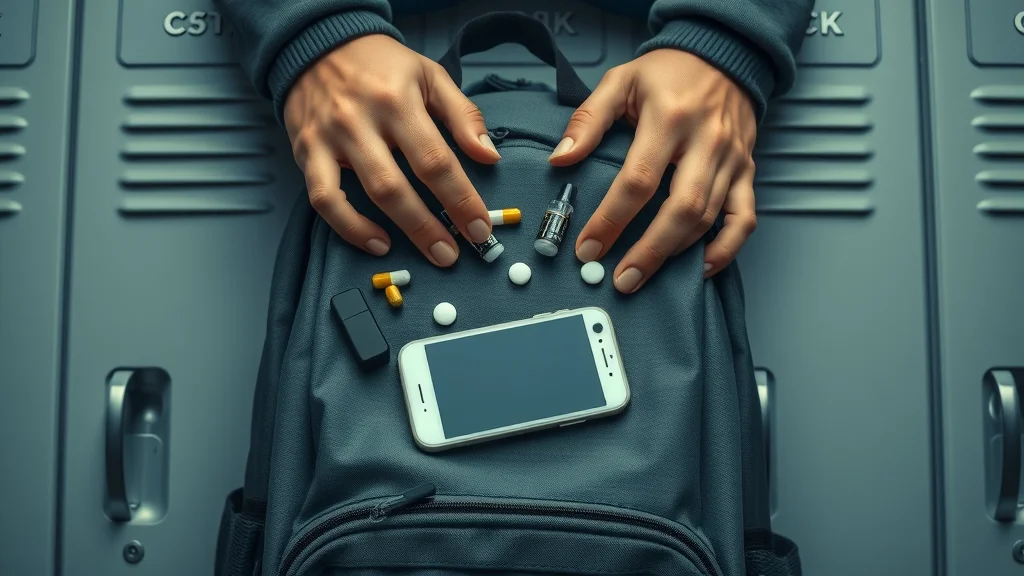
The substances most commonly abused by adolescents reflect trends seen across larger public health data sets. While alcohol remains prevalent, vaping nicotine and cannabis has seen a dramatic rise due to increased accessibility and perceptions that these products are less harmful. Prescription drugs—often intended to treat attention disorders or physical pain—are sometimes misused by students seeking academic boosts or relief from stress. Illicit substances, including ecstasy and opioids, though less common, contribute to significant health risks and warrant attention.
Understanding which substances are most abused helps counselors, teachers, and parents target preventative efforts, especially as overdose deaths continue to rise among young adults nationally. The following table presents the latest available statistics regarding these substances from national education and health surveys.
| Substance | Percentage of High School Students Reporting Use (Past Year) | Notes |
|---|---|---|
| Alcohol | 28% | Most common, often underage |
| Vaping (Nicotine) | 20% | On the rise, easy to conceal |
| Marijuana | 16% | Often perceived as ‘safe’ |
| Prescription Drugs | 9% | Mostly stimulants and opioids |
| Illicit Drugs (ecstasy, cocaine, etc.) | 4% | Smaller segment, higher risk for overdose death |
Current Trends: The Rise of Drug Abuse in Young Adults
"Education is one of the frontlines in the fight against substance abuse among young people." – National Institute on Drug Abuse

Recent data paints a concerning picture—rates of drug abuse among young adults are increasing, propelled by shifting social norms and greater accessibility through technology and peer networks. According to official government sources, the lines between experimentation and habitual abuse are blurring, especially as vaping and cannabis become fixtures in school-related discussions. Illicit drug use, while less widespread, has spiked in certain regions, leading to tragic stories of overdose deaths that could have been prevented with timely intervention.
Young people in the United States are influenced by a variety of factors, including stress, social acceptance, and misinformation about the effects and risks associated with substance abuse. As health services and educational systems struggle to adapt, early recognition of behavioral warning signs and risk factors remains crucial. Schools now partner with public health organizations and official government agencies to distribute accurate information and secure resources. Education—through health classes, assemblies, and parental involvement—is vital in counteracting rising teen substance abuse in school and helping students make healthy, informed choices.
While understanding the broader trends is essential, it's equally important for parents to recognize how their own stress levels can influence their teens' choices and behaviors. For practical advice on maintaining a supportive home environment, explore these stress management tips for parents of teenagers that can help foster resilience and open communication during challenging times.
Major Risk Factors Leading to Teen Substance Abuse in School
Family and Social Influences as a Risk Factor

The environment a young adult grows up in can dramatically increase or decrease the likelihood of substance abuse. Family dynamics play a key role—when a parent or sibling struggles with substance use disorder, the chances a teen will experiment or misuse drugs rise significantly. Household stress, lack of parental supervision, inconsistent rules, or family history of mental health concerns also contribute to vulnerability. Even protective families may find it difficult to compete with the influences of broader social circles or media portrayals of substance abuse.
Social factors, such as peer pressure, the desire for acceptance, or normalization of drug use in friend groups, compound these risks. Teens are also more likely to use substances if they’re exposed to environments where such behaviors are accepted or seen as coping mechanisms for stress and anxiety. The National Institute on Drug Abuse highlights that open communication and strong, supportive bonds can offset many of these risks, suggesting that early, honest discussions about drug abuse are essential for prevention.
Academic Pressures and the Link to Drug Abuse
Alongside family and social influences, academic pressure ranks high among risk factors for teen substance abuse in school. Students often face intense competition, rigorous schedules, and the expectation to excel in multiple arenas—academics, athletics, and social life. Unfortunately, these pressures can lead young people to misuse prescription stimulants intended for ADHD, hoping to enhance concentration or stave off fatigue. The result is not only a risk of addiction or adverse health effects, but also a distorted view of what achievement should look like.
Educators and counselors observe that students experiencing chronic stress, anxiety, or feelings of inadequacy are particularly susceptible to the promises of quick relief substances seem to offer. Addressing academic-related risk factors means fostering a healthy school culture where support services, coping skills, and realistic expectations are emphasized over relentless competition. Schools, in collaboration with families, should prioritize mental health programs and create safe spaces for students struggling under the weight of expectations.
How Teen Substance Abuse in School Impacts Learning Outcomes
- Declining academic performance
- Increased truancy and absenteeism
- Higher dropout rates
- Impaired cognitive functions
Substance abuse among students directly undermines educational achievement. Teens struggling with substance use often see a dramatic drop in their grades and engagement. Research from government organizations indicates that regular use of alcohol, marijuana, or prescription medications can impair memory, attention span, and executive function—making it much harder for students to participate in class or complete assignments.
Chronic absenteeism and truancy are closely linked to teen substance abuse in school. Youth who skip school are more likely to fall behind academically, become discouraged, or eventually drop out. These trends are particularly alarming in communities already contending with limited resources or higher rates of poverty. In the classroom, substance-affected students frequently exhibit impaired critical thinking, slower reaction times, and difficulty following instructions. These cognitive and behavioral shifts ripple throughout the entire school, impacting not only the user but classmates and educators as well.
Behavioral Consequences of Teen Substance Abuse in School

From Disruptions to Dangerous Conduct: Classroom Observations
Teachers often report that students engaging in substance abuse become disruptive or even combative in class. These disruptions may range from speaking out of turn and refusing to follow rules, to more serious issues like physical altercations, theft, or vandalism. Chronic misbehavior tied to substance use diverts precious class time and risks alienating peers.
More troubling is the escalation that can follow—what may start as mild disruptions can lead to conduct that endangers not only the user but others. Cases of in-school overdose, bullying, and even accidental injuries have been documented, underscoring just how far-reaching the impact of drug abuse can be. School staff and administrators must learn to recognize these patterns early, utilizing intervention strategies and involving mental health and public safety agencies when needed.

Emotional and Social Repercussions for Young Adults
The effects of teen substance abuse in school extend into the emotional and social realms. Young adults who misuse substances often struggle with increased anxiety, depression, or mood swings. Substance use disorder can isolate students, making them targets for bullying or exclusion while also straining relationships with friends and family.
Unmanaged emotional distress frequently fuels a vicious cycle—teens may turn to drugs or alcohol to cope with loneliness or overwhelming feelings, further entrenching themselves in risky social circles. Peer support is vital, as positive friendships and mentorship help buffer against these outcomes. Encouraging compassion and empathy in school communities is instrumental, fostering an environment where students feel safe to seek help and where early intervention is the norm, not the exception.
Preventive Strategies: Reducing Risk Factors and Supporting Young Adults
- School-based interventions
- Parental involvement programs
- Peer support groups
- Mental health resources

Prevention is far more effective than remediation when it comes to teen substance abuse in school. Schools that prioritize comprehensive interventions—like regular health education, on-site counseling, and clear disciplinary policies—give students the tools they need to make healthier choices. Parental involvement is another cornerstone; when parents are engaged and informed, they’re better positioned to spot warning signs and maintain open lines of communication with their child.
Peer support groups, such as clubs or after-school programs, enable students to discuss pressures and experiences in a nonjudgmental setting. These groups can reinforce positive behaviors and provide a safe space to resist negative influences. Equally important are accessible mental health resources: when schools offer screenings, therapy, and referrals to public health and treatment programs, they directly combat the stigma that often surrounds both substance abuse and mental health challenges. Students need to know that support is available, confidential, and non-punitive.
How to Help Teens with Substance Abuse? (People Also Ask)
Effective Steps to Intervene and Support Students

If you suspect a teen is struggling with substance abuse, taking swift, compassionate action is vital. Begin with a nonjudgmental conversation—listen more than you speak, and ensure the young adult feels heard, not accused. Express your concerns clearly, outlining specific behaviors you’ve noticed (such as changes in mood, grades, or social groups).
Involve other trusted adults—teachers, school counselors, or healthcare providers—who can assess the situation and suggest the next steps. Connecting the teen to mental health services, community programs, or specialized treatment is often necessary, especially if signs of substance use disorder are present. Above all, maintaining a supportive, consistent presence helps ensure the young person stays engaged with both school and the healing process. Early intervention can make the difference between a temporary setback and a lifelong struggle.
What are the 4 C’s of Substance Abuse? (People Also Ask)
Understanding the Framework: The 4 C’s Explained

The “4 C’s” provide a simple framework for understanding substance abuse, specifically among young adults:
- Craving: A strong desire or urge to use a substance, often disrupting daily focus.
- Control: Difficulty limiting or stopping substance use despite intentions to do so.
- Compulsion: Continued use despite negative consequences on health, learning, or behavior.
- Consequences: Experiencing major problems—academic, social, or legal—as a direct result of continued drug abuse.
What is the Most Commonly Abused Substance Among Teenagers? (People Also Ask)
Survey Insights: Which Substance is Most Prevalent?

Vaping, particularly with nicotine-based products, now surpasses even alcohol as the most commonly abused substance among teenagers in the United States. Surveys from national organizations show that the ease of access, discreet use, and marketing targeted at young people all contribute to its popularity. Alarmingly, many teens believe vaping is safe or less harmful, especially as flavored vape products mask the harshness associated with traditional cigarettes.
Alcohol remains a close second, with consistent rates of underage consumption reported by gov websites over the last decade. Marijuana use has also seen a rise, particularly as more states relax regulations and social attitudes shift. Misuse of prescription drugs, while less common, carries significant risks, including dependence or overdose death. Recognizing the trends in substance use is the first step for parents, educators, and policymakers aiming to reverse them.
What to Do if You Think Your Teenager is Taking Drugs? (People Also Ask)
Critical Action Steps for Parents and Educators
Acting quickly and thoughtfully is paramount if you suspect drug abuse. First, gather information—observe changes in your teen’s mood, hygiene, peer group, and academic performance. Document specific concerns without jumping to conclusions. Once you feel confident something isn’t right, initiate an honest, supportive conversation. Avoid accusation; instead, focus on care and concern.
Reach out to school counselors, health services, or local organizations for guidance on next steps, including appropriate screenings or referrals. In cases where substance use disorder is identified, professional treatment programs or peer recovery groups may be necessary. Maintain consistent communication with both the teen and any professionals involved, emphasizing that your goal is their well-being and future success. Early and sustained intervention limits long-term risks and demonstrates that help is always available.
Frequently Asked Questions About Teen Substance Abuse in School
-
What are early warning signs?
Early indicators include sudden drops in academic performance, unexplained mood swings, withdrawal from social activities, changes in sleep patterns, or unexplained absences from school. Teachers and parents should be alert to shifts in peer groups and unusual secrecy. -
How can schools develop preventative programs?
Schools can partner with public health and government organizations to bring evidence-based prevention and treatment programs into the curriculum, train staff, and involve parents in ongoing education. Peer-led initiatives and accessible counseling also aid prevention. -
Is substance abuse more common in certain grades?
Substance abuse tends to increase starting in late middle school and peaks during high school years (ages 15-18). However, programs should address younger grades as early intervention has the greatest impact.
Key Takeaways: Teen Substance Abuse in School
- Teen substance abuse in school is a complex issue with wide-reaching impacts on learning and behavior
- Identifying risk factors and early intervention are crucial
- Schools, families, and communities must collaborate
Explore More Resources and Take the Next Step
- Download our comprehensive guide for further support
- Contact a school counselor or local service for immediate help
Addressing teen substance abuse in schools is a journey that requires ongoing learning, empathy, and proactive support from everyone involved. If you’re seeking to deepen your understanding of how to create a healthier, more resilient environment for your family, consider exploring additional strategies for managing stress and fostering positive communication at home. Our resource on stress management tips for parents of teenagers offers actionable insights that can empower you to support your teen through life’s challenges. By equipping yourself with effective tools and knowledge, you can play a pivotal role in guiding your teen toward safer choices and a brighter future.




Write A Comment