

Add Row
Add Element
cropper
update

Troubled Teen Solutions

update
Add Element
  • Home
  • Categories
    • Understanding Teens
    • Parenting Strategies
    • Mental & Emotional Health
    • Family Relationships
    • Education Challenges
    • Risky Behaviors
    • Online Habits
    • Healthy Outlets
    • Parent Support
    • Professional Resources
  • Raising Kids Well
Add Element
UPDATE
March 18.2026
1 Minute Read

What Is Permissive Parenting? Traits and Real-Life Examples

Did you know that children raised by permissive parents are statistically more likely to face challenges with self-discipline and academic performance than those raised by other parenting styles? In today’s world of evolving parenting philosophies, permissive parenting has become both a topic of debate and curiosity

A Surprising Look at Permissive Parenting: What the Data Reveals

“According to recent studies, children raised by permissive parents are more likely to struggle with self-discipline and academic performance compared to their peers.”
  • Key Fact 1: Only about 17% of parents in the U.S. identify primarily with a permissive parenting style, a lower prevalence than authoritative or authoritarian styles.
  • Key Fact 2: Compared to authoritative parenting, permissive parents tend to provide warmth but rarely set limits, which can impact child discipline.
  • Statistic: Children of permissive parents score, on average, 7-10% lower in academic achievement tests than children raised in more structured households, according to studies by Michigan State University Extension.

permissive parenting family scene, parents with child showing warmth and gentle engagement in a cozy living room, toys scattered, natural parent-child connection, high realism, soft lighting

What You’ll Learn About Permissive Parenting

  • Clear definition and history of permissive parenting
  • The most common traits of permissive parents
  • Real-life scenarios that illustrate this parenting style
  • The impact on children’s academic performance and social-emotional development
  • How to recognize if you or someone you know is a permissive parent
  • Comparison of permissive parenting with other popular parenting styles

Understanding Permissive Parenting: A Comprehensive Overview

Defining Permissive Parenting Style

  • Origins and History: Developmental psychologist Diana Baumrind introduced the concept of permissive parenting in the 1960s, describing it as a style defined by few rules and high parental warmth. Unlike the structured approaches of authoritative parenting, permissive parents rarely enforce limits or require mature behavior. Early childhood specialists and research from the American Psychological Association have confirmed the negative link between little structure and self-discipline acquisition in kids raised under this model.
  • Comparisons: Where authoritative parenting balances warmth with reasonable discipline, and authoritarian parenting relies on strict control with low emotional warmth, permissive parenting style stands out for its indulgence and lack of structure. Parents provide affection but struggle to set limits on their child’s behavior, leading to less frequent disciplinary action.

Key Traits of a Permissive Parent

  • High Responsiveness, Low Demands: Permissive parents are attentive to their children’s emotional needs but make few, if any, demands for obedience or household rules.
  • Indulgence: Children learn that their desires are prioritized, even when these wishes contradict family routines or parental convenience.
  • Lack of Enforcing Rules: Instead of setting clear limits, these parents often negotiate terms, skip consequences, or overlook rule-breaking. Academic performance and emotional boundaries can suffer as a result.
  • Emotional Warmth: These parents tend to be nurturing and supportive, but not demanding, resulting in children lacking motivation to meet expectations.
  • Lenient Discipline Practices: Disciplinary action is rare; instead, permissive parents may use bribing or simply give in to avoid conflict, which diminishes the child’s ability to self-regulate.
Comparison of Parenting Styles
Parenting Style Emotional Warmth Discipline Control Likely Outcomes
Permissive High Low Low Poor self-discipline, lower academic achievement
Authoritative High High Moderate High motivation, strong academic achievement, balanced social skills
Authoritarian Low High High Obedient but possibly resentful, moderate academic performance
Uninvolved Low Low Low Poor emotional and academic outcomes, attachment issues

Comparison chart of parenting styles: permissive, authoritative, authoritarian, uninvolved. Visual illustration of differences in parental warmth and discipline, photorealistic infographic format

Permissive Parenting Style in Action: Real-Life Examples

  • Scenario: Instead of requiring their child to do homework before screen time, a permissive parent might negotiate by saying, “You can use your tablet now if you promise to finish your homework later.” While this fosters a relaxed environment, it often teaches the child to expect rewards without first fulfilling responsibilities.
  • No Consistent Bedtime: In households led by permissive parents, bedtime routines are often flexible or non-existent. Children may stay up late playing video games or watching TV, as parents are reluctant to enforce bedtime rules, hoping the child will eventually self-regulate.
  • Parent-Child Experiences: Parents and children in permissive households often report close, friendly relationships but admit to frequent arguments over boundaries, routines, and respect for rules. Some kids raised in this way eventually notice they have difficulty coping in structured environments like school, where expectations and consequences are clear.

Permissive parent sitting beside a child on a bed late at night, parent allowing continued tablet use instead of enforcing bedtime, modern photorealistic child’s bedroom, cozy lighting

The Impact of Permissive Parenting on Children

Academic Performance and Achievement

  • Research and Insights: Growing evidence, including findings from Michigan State University Extension, links permissive parenting to lower academic performance and inconsistent classroom behavior. Without clear routines or accountability, children of permissive parents may turn in assignments late, struggle with following directions, or lack the perseverance to complete challenging tasks.
  • Influence on Classroom Behavior: According to the American Psychological Association, teachers often observe that children with permissive parents are easily distracted and find it hard to set limits for themselves or respect the authority of educators. While these children tend to be creative and sociable, the lack of structure at home often spills into their academic life, affecting their overall achievement and long-term learning habits.

For those interested in how permissive parenting specifically affects teenagers, including unique challenges and real-life scenarios, you may find it helpful to explore this in-depth look at permissive parenting with teenagers. It offers additional context and practical examples tailored to adolescent development.

Child with distracted expression at school, sitting at desk with scattered supplies, teacher instructing in background, photorealistic elementary classroom, signs of disengagement

Social and Emotional Development

  • Emotional Regulation: Children of permissive parents receive abundant warmth, which is essential for healthy child development. However, they are also more prone to difficulty with emotional regulation because they aren’t routinely expected to cope with disappointment, frustration, or rules.
  • Peer and Authority Relationships: While many are socially outgoing and can form connections easily, these children may experience trouble respecting boundaries or authority outside the home. They might be perceived as demanding or struggle to accept “no” from teachers or peers, which can lead to conflict and a sense of frustration in structured group settings.

Permissive Parenting vs. Other Parenting Styles

The Four Main Parenting Styles Compared
Type Control Warmth Discipline Common Outcomes
Permissive Low High Rare/Lenient Poor self-discipline, potential academic underachievement
Authoritative Moderate High Consistent/Firm Best academic achievement and social skills
Authoritarian High Low Stern/Strict Obedience, but higher anxiety and less autonomy
Uninvolved Low Low Absent Poor outcomes in all areas
  • Authoritative vs. Permissive Parent: An authoritative parent expertly balances affection and discipline, ensuring children are both supported and accountable. By contrast, permissive parents excel at emotional support but often neglect the consistency and boundaries necessary for lasting child development.
  • Parenting Philosophy: Permissive parenting philosophy emphasizes child autonomy and emotional support over behavioral control. Authoritative, authoritarian, and uninvolved styles represent different combinations of warmth and discipline, each shaping distinct academic and social results.

Is Permissive Parenting Right for Your Family?

  • Pros: Permissive parenting fosters a warm parent-child relationship. Children often feel unconditionally accepted, which can help them thrive emotionally and build strong connections with their parents.
  • Cons: A significant drawback is the lack of structure—children may struggle with setting their own limits, face more behavioral issues in school, and exhibit lower academic achievement compared to peers raised by authoritative parents.
  • When It’s Advantageous: This style may be beneficial for children who already exhibit high levels of self-discipline or for families recovering from trauma and seeking to reestablish warmth and trust. However, most research suggests it is not ideal as a long-term approach.
  • Risks: Without consistent boundaries, both parents and children may experience frustration from unresolved conflicts and missed expectations. Over time, children may miss out on learning essential life skills such as self-control and effective problem-solving.

Thoughtful modern family discussing parenting approach around a kitchen table, mixed expressions of uncertainty and warmth, natural home setting with sunlight, diverse family, high realism

How to Tell if You’re a Permissive Parent

  • Signs: You rarely say “no” and often change the rules if your child protests; chores, bedtimes, and routines are inconsistently enforced; you avoid discipline to maintain peace.
  • Questions to Ask Yourself: Do you feel uncomfortable setting limits or following through with consequences? Are your children often in charge of family decisions or routines? If so, you may be operating within the permissive parenting style.

Expert Insights on Permissive Parenting Strategies

Child psychologist Dr. Lee notes: “Permissive parenting provides warmth but can lack essential boundaries needed for long-term self-control and success.”
  • Balance Warmth with Structure: Experts recommend pairing emotional support with clear, age-appropriate rules. Explain the reasons behind rules and follow through with consistent consequences, which helps children learn responsibility.
  • Guidance for Adjusting Strategies: If you identify as a permissive parent, start by reinforcing one or two important routines (like bedtime or homework) and gradually introduce expectations. This eases the transition for both parent and child, supporting healthy academic achievement and child dev outcomes.

Expert child psychologist coaching a parent and preteen child in a modern consulting office, supportive and collaborative atmosphere, photorealistic family therapy setting

People Also Ask: Your Permissive Parenting Questions Answered

What are examples of permissive parenting?

  • Allowing children to choose dinner every night, regardless of nutrition or balance, because it avoids conflict.
  • Failing to set limits on screen time, saying “Just one more episode is fine” even when bedtime is approaching.
  • Not enforcing chores, prompting children to rarely contribute to household tasks.
  • In public, a permissive parent may give in to tantrums by quickly buying a desired toy or treat to stop the commotion, rather than calmly standing by a decision.
  • Permissive parents tend to avoid disciplinary action even when a child breaks a rule or is disrespectful, preferring to resolve problems in the moment with negotiation or retreat.

What happens to children of permissive parents?

  • Generally, children of permissive parents score lower on self-regulation and academic achievement.
  • They often have high self-esteem but encounter difficulties with boundaries and respect for authority.
  • Evidence suggests they are more likely to act out in classroom scenarios and have trouble accepting responsibility or dealing with frustration.
  • Socially, they may be more creative and open-minded, but also show impulsivity and emotional volatility.

What are the 4 styles of parenting?

  • Authoritative: High warmth and high discipline; produces the most balanced developmental outcomes.
  • Authoritarian: High discipline and low warmth; known for obedience but can cause resentment or anxiety.
  • Permissive: High warmth, low discipline; correlated with weaker boundaries and lower academic achievement.
  • Uninvolved: Low warmth, low discipline; often results in poor outcomes for both social and academic skills.

How to tell if you’re a permissive parent?

  • You avoid saying “no” or enforcing consequences to keep the peace.
  • Routines are lax and change frequently based on your child’s desires.
  • When rules are broken, you feel compelled to negotiate or simply give in.
  • Assess your style by tracking discipline and routine habits—consistent lack of expectations often signals permissiveness.

Frequently Asked Questions About Permissive Parenting

  • Is permissive parenting ever beneficial? Yes, in situations where children need emotional healing or extra autonomy, short-term permissiveness can help restore trust. However, research from Michigan State and other child development experts emphasizes its limitations over time.
  • Does permissive parenting impact teens differently? Teens with permissive parents may be more prone to risky behavior or trouble at school due to lack of boundaries, though they often report warm relationships with parents.
  • Can a permissive parent become more authoritative? Absolutely. By gradually introducing clear rules and consistent expectations, permissive parents can shift to a more balanced, authoritative approach that promotes academic achievement and self-control.
  • How do experts classify permissive parenting style? The American Psychological Association and developmental psychologists categorize it as “high responsiveness, low demandingness,” distinguished by warmth and inconsistent discipline.

Key Takeaways on Permissive Parenting Style

  • Permissive parenting is characterized by high warmth and low discipline.
  • Children of permissive parents may struggle with academic achievement, boundaries, and respect for limits.
  • Awareness of your own parenting style empowers better decision-making for your family’s well-being and your child's development.

Watch: Interactive Video Guide to Parenting Styles

Watch our brief animated explainer video for a visual comparison of the four major parenting styles—see scenarios that clarify key differences at a glance.
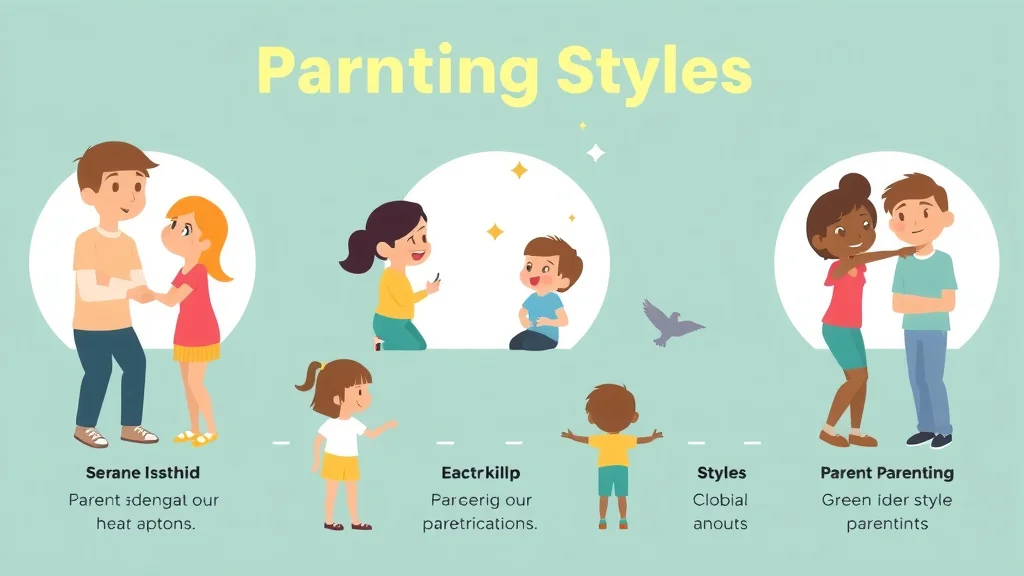
Animated guide to parenting styles, showing parent-child interactions for each major style, clean modern animation, inclusivity focus

Explore interviews with parents and children discussing daily routines, emotional moments, and challenges within permissive parenting households. Analyze the impact and hear expert commentary.

Final Thoughts on Choosing a Parenting Style

  • Permissive parenting can nurture strong emotional connections, but its lack of boundaries affects long-term academic and social success for many children.
  • Reflect on your own approach—does it provide the balance your child needs to thrive both at home and beyond?

If you’re eager to deepen your understanding of how different parenting approaches shape adolescent behavior and long-term outcomes, consider exploring the broader implications of parenting styles on teens. Our comprehensive guide on the long-term effects of authoritarian parenting on teenagers offers valuable perspective on the contrasts between structure, discipline, and emotional connection. By comparing these approaches, you’ll gain actionable insights to help you refine your parenting strategy and support your child’s growth with confidence. Take the next step in your parenting journey and discover advanced techniques for fostering resilience and healthy development in your family.

Ready to Learn More? Download Our Expert Parenting Guide Today

Empower your parenting journey! Unlock detailed strategies, evidence-based tips, and real-world case studies by downloading our exclusive expert guide to effective parenting styles. Download now for actionable insight.


Parenting Strategies

Write A Comment

*
*
Please complete the captcha to submit your comment.
Related Posts All Posts

Talking to Your Teen About Drugs and Alcohol

Hook: Did you know that nearly 1 in 10 teenagers experiment with drugs or alcohol before age 15? That’s a reality every parent should be aware of—and the evidence is clear: open conversations with your teen can reduce the risk of substance abuse by more than 50%. This practical, step-by-step guide empowers you as a parent or caregiver to have effective, honest, and supportive talks about drugs and alcohol, safeguarding your teen’s well-being and future.Startling Statistics: Why Talking to Your Teen About Drugs and Alcohol MattersAddressing the subject of talking to your teen about drugs and alcohol isn’t just a matter of good parenting—it’s a vital protective factor for your child’s long-term health. Recent studies highlight that exposure to drugs and alcohol among young people begins alarmingly early, and the risks are significant. According to the National Institutes of Health, “Nearly 1 in 10 teenagers experiment with drugs or alcohol before age 15—yet open conversations can reduce the risk of substance abuse by over 50%.”More than 42% of U.S. high school students have tried alcohol by their senior year, while 26% have experimented with illicit drugs.Early age initiation is a major risk factor for later substance use disorders, impacting brain development and increasing the potential for addiction.Substance misuse often leads to academic struggles, involvement with the legal system, mental health challenges, and long-term health concerns."Nearly 1 in 10 teenagers experiment with drugs or alcohol before age 15 — yet open conversations can reduce the risk of substance abuse by over 50%." — National Institutes of HealthWhat You'll Learn in This Guide on Talking to Your Teen About Drugs and AlcoholThis guide will walk you through proven methods for talking to your teen about drugs and alcohol. You’ll discover how to identify the signs of substance use disorder, support your teen’s mental health, and establish an environment of trust and understanding. Each section is filled with actionable advice, realistic examples, and tips for fostering honest conversations—so you’ll be ready for the “big talk” no matter your child’s age or experience.Best practices for open conversation strategiesRecognizing signs of substance use disorderSupporting your teen’s mental healthFostering healthy habits and resilienceAs you consider ways to support your teen’s well-being, remember that encouraging positive activities outside of school can also play a significant role in prevention. For practical tips on guiding your child toward healthy interests, explore this resource on helping your child choose the right extracurricular activity to foster engagement and resilience.Understanding Substance Abuse, Substance Misuse, and Substance Use Disorder in TeensBefore you start talking, it’s important to understand the differences between substance abuse, substance misuse, and substance use disorder. These terms can shape the way you approach your teen, as well as help you know when to seek professional assistance.Defining Substance Abuse, Substance Misuse, and Substance Use DisordersSubstance misuse in teens refers to using drugs or alcohol in ways that are harmful or illegal, even if it doesn’t meet the criteria for an addiction. This could include binge drinking at parties or using prescription drugs that aren’t prescribed to them. Substance abuse is a pattern of harmful use that affects daily life or health. Finally, a substance use disorder is a medical diagnosis involving physical or psychological dependence on drugs or alcohol, interfering with responsibilities in school or home. Recognizing the spectrum of substance use—misuse to disorder—helps parents respond with empathy and informed action, ensuring adolescents get the support or medical advice they may need.How Mental Health Impacts Substance Use in Young PeopleMental health is closely tied to drug and alcohol use in young people. Stress, depression, anxiety, or trauma can make teens more vulnerable to using substances as a form of self-medication or coping. In fact, research from the National Institute on Drug Abuse shows that teens with untreated mental health challenges are far more likely to develop substance use disorders. Addressing mental health is just as critical as focusing on substance use itself, as it can be both a cause and a consequence of substance misuse. Supporting your teen’s well-being holistically—including discussing emotions, encouraging healthy outlets, and seeking professional care—can reduce the risk of drug and alcohol misuse long-term.The Importance of Early, Honest Communication When Talking to Your Teen About Drugs and AlcoholStarting an open conversation early about drugs and alcohol is one of the most powerful ways to prevent risky behaviors. The data is clear: teens who talk with trusted adults are less likely to experiment, and feel more equipped to handle peer pressure or high-risk situations. Ignoring the issue, or waiting until there’s a problem, often leaves young people vulnerable to misinformation and poor choices.Why Open Conversation Reduces RiskAn honest conversation—where your teen feels heard rather than judged—is proven to reduce substance misuse. By offering factual, age-appropriate information and clarifying your expectations, you help your teen develop critical thinking and decision-making skills. The National Institute on Drug Abuse emphasizes that ongoing, open dialogue encourages teens to come to you with questions or problems, making it more likely that you’ll catch early warning signs and intervene before a situation escalates. In short, talking to your child, rather than just talking at them, builds a foundation of mutual trust.Common Barriers Parents Face When Talking About Drugs and AlcoholMany parents avoid the big talk about drugs and alcohol because of discomfort or fear of saying the wrong thing. Common barriers include not knowing enough facts, fear of inadvertently encouraging experimentation, or concern that their child will become defensive or shut down. Some parents recall scare tactics from their own youth, but these methods usually backfire—teens are more likely to respond to empathy and real-life relevance. Remember: no single conversation does the job. Regular, informal check-ins are more effective than formal or punitive “serious talks.”"Open conversation and honest dialogue are proven to delay the onset of substance misuse in adolescents." — Dr. Lauren Matthews, pediatricianHow to Prepare for the Conversation About Drugs and AlcoholPreparation is key for a positive talk. Gather health information about drugs and alcohol from reputable sources (such as the National Institute on Drug Abuse or your local health service). Consider your teen’s unique risk factors, mental health history, and social environment. Identify your goals: are you laying a foundation, addressing worry about a specific event, or responding to a warning sign?Review factual resources about adolescent drug and alcohol use.Think about your teen’s mental health, stressors, and peer influences.Set a supportive, nonjudgmental tone—make clear this isn’t about punishment but about caring for their future.Effective Techniques for Talking to Your Teen About Drugs and AlcoholMeaningful conversations rely on how you listen and respond—not just the facts you deliver. Use these techniques to keep the dialogue respectful, productive, and centered on your teen’s needs as you’re talking about drugs and alcohol.Tips for Starting Meaningful Open ConversationsStart with open-ended questions (“What have you heard about vaping at school?” or “How do you handle pressure at parties?”). Show genuine curiosity, avoid interrupting, and be honest: if you don’t know an answer, offer to find out together. Use your own experiences with discretion—be a role model by demonstrating healthy coping strategies and self-care. Reassure your teen that your concern stems from love and your goal is their safety and happiness, not control. This approach encourages ongoing conversations and decreases the chance your teen will seek answers—or acceptance—from risky peers.Sample Conversation Starters for ParentsHere are some simple yet effective prompts for talking about drugs and alcohol with your teen:"I've noticed there's a lot of talk about vaping/drinking at school—what do you think about it?""Some kids your age try alcohol or drugs out of curiosity or stress—how do you handle pressure?""I want you to feel comfortable coming to me if you ever have questions or worries about substances.""What do you think are the risks of drug and alcohol use for someone your age?"Do: Listen patiently; emphasize trust and safety; correct myths with facts; check in regularly, not just once.Don't: Use scare tactics, lecture, or react with punishment; dismiss your teen’s feelings; jump to conclusions on limited evidence.Recognizing Signs of Substance Misuse and Substance Use Disorder in Young PeopleDetecting substance misuse early is key to prevention. Pay attention to behavior changes and listen to your instincts if something feels off.Sudden mood swings, aggression, or withdrawal from family activitiesDeclining school performance or skipping classesLoss of interest in favorite activities; change in friends or social groupsUnexplained money issues, missing items, or secretive behaviorPhysical signs: bloodshot eyes, frequent nosebleeds, or abnormal sleeping patternsComparison Table: Mental Health Indicators vs. Signs of Substance Misuse in TeensIndicatorMental Health (e.g., depression, anxiety)Substance MisuseMood SwingsPresent (often persistent sadness/anxiety)Present (may be intense or frequent)Declining GradesSometimes (due to lack of concentration)Frequently (due to hangovers, absenteeism)Secrecy/WithdrawingCan occur (feeling misunderstood)Common (hiding substance use or new peers)Physical SymptomsFatigue, insomnia, appetite changesBloodshot eyes, unexplained smells, slurred speechSupporting Your Teen’s Mental Health During Substance Abuse PreventionFocusing on mental health offers a protective buffer against risk factors for drug and alcohol misuse. When teens feel heard, valued, and supported, they’re less likely to turn to unhealthy coping mechanisms.Building Trust and Creating a Positive Support EnvironmentStrengthen your bond through quality time, honest communication, and clear, consistent boundaries around drugs and alcohol. Encourage your teen to pursue hobbies, connect with positive peers, and confide in trusted adults. Normalize mental health discussions—let your teen know that stress, anxiety, and sadness are challenges everyone faces, and that seeking help is a sign of strength. Consistently being present and paying attention to your teen’s daily highs and lows helps you notice subtle changes and intervene early.Connecting Your Teen with Professional Help Regarding Drugs and AlcoholSometimes you need extra support. If your teen displays signs of a substance use disorder or serious mental health distress, reach out to your school counselor, family doctor, or a local treatment center. Professionals can provide medical advice, counseling, and guidance tailored to your child’s needs—removing the stigma and opening doors to recovery and resilience.FAQs: Talking to Your Teen About Drugs and Alcohol and Substance Abuse PreventionHow can I encourage my teen to speak openly about drugs and alcohol?Let your teen know there’s no topic too big or small for discussion. Approach conversations with empathy, listen without judgment, and reassure them that your main concern is their safety and well-being. Teenagers are far more likely to open up when they feel heard rather than lectured.What if my teen admits to experimenting?Stay calm and thank your teen for being honest. Avoid harsh punishment or emotional reactions. Instead, use this opportunity for a deeper talk about consequences and healthier choices. Consider if additional support—like counseling—would be helpful.When should I seek professional help for substance misuse?Contact a health professional if you notice consistent signs of misuse (significant behavior changes, academic decline, secrecy, or physical symptoms) or if your teen requests help. Early intervention offers the best chance for recovery and a return to healthy development.People Also Ask: Guidance for Parents on Drugs and Alcohol ConversationsHow do I start a conversation about drugs and alcohol with my teenager?Begin with a respectful tone. Mention what you’ve noticed (“I’ve heard there are parties where kids drink—do you ever feel pressure like that?”) and share why you care: “I want you to be safe, and I’m always here if you want to talk with your teen about anything.” Avoid judgment—focus on concern for their well-being, not threat of punishment.What are warning signs my teen may be using drugs or alcohol?Watch for warning signs like sudden mood changes, keeping secrets, declining grades, and shifting friend groups. Changes in appearance or sleep routines can also raise red flags.How can I support my teen’s mental health to prevent substance abuse?Be present. Encourage regular open conversations about stress, friends, and feelings. Let your teen know it’s okay to ask for mental health support—and don’t hesitate to involve professionals when there’s a concern.Key Takeaways: The Impact of Talking to Your Teen About Drugs and AlcoholEarly, open communication dramatically reduces substance misuse risk for young peoplePrioritize mental health and resilience-building strategiesRecognize when to seek professional help and connect your teen with resourcesUse clear, honest, and consistent messaging to set expectationsNext Steps: Resources for Families Talking to Teens About Drugs and AlcoholNational Institute on Drug Abuse for Teens: teens.drugabuse.govSubstance Abuse and Mental Health Services Administration (SAMHSA) Helpline: 1-800-662-HELPPartnership to End Addiction: drugfree.orgNational Alliance on Mental Illness (NAMI): nami.orgTalk. They Hear You. Parent Resources: samhsa.gov/talk-they-hear-you/parent-resourcesReady to Open a Conversation? Start Talking to Your Teen About Drugs and Alcohol TodayEvery conversation is a building block. No matter how small, start talking—your words can make all the difference in steering your teen toward a safer, healthier path.If you’re looking to further strengthen your teen’s protective factors and set them up for long-term success, consider how extracurricular involvement can complement your efforts at home. Activities outside the classroom not only build confidence and social skills but also provide positive outlets that reduce the likelihood of risky behaviors. For a deeper dive into supporting your child’s growth and making informed choices together, discover more strategies in our guide on helping your child select the best extracurricular activity. Empower your family with knowledge and proactive steps—because every decision today shapes a healthier tomorrow.

What Is Authoritarian Parenting? Traits and Examples Explained

Did you know? According to child development experts, children raised in authoritarian households are twice as likely to struggle with emotional regulation compared to their peers What You'll Learn About Authoritarian Parenting Key definitions of authoritarian parenting and how it differs from other parenting styles Major traits of an authoritarian parent Authoritarian parenting style examples Impact on child development and social skills Comparisons with authoritative and permissive parenting Common myths, FAQs, and practical tips for parents The Surprising Truth: How Authoritarian Parenting Shapes Children Did you know children raised with an authoritarian parenting style are twice as likely to struggle with emotional regulation compared to their peers? Let’s uncover why. Authoritarian parenting exerts a profound influence on children's emotional health, academic performance, and social development. Unlike authoritative parenting, which balances structure with warmth, the authoritarian style relies on strict rules, high expectations, and limited emotional engagement. Children of authoritarian parents often exhibit high levels of obedience and discipline but may also battle with self-esteem, mental health concerns, and limited social skills. The effects of this parenting style ripple throughout a child's life—from their academic achievements to their relationships with others. Parents set clear, non-negotiable rules and employ punitive discipline to maintain order, sometimes at the expense of nurturing emotional intelligence or fostering independent thinking. Understanding these impacts is vital in deciding how to best support your child’s growth and well-being. For a closer look at how authoritarian parenting specifically affects teens, including real-life scenarios and developmental outcomes, you may find it helpful to review how the authoritarian parenting style impacts teen behavior and development. This resource provides additional context on the unique challenges adolescents face under this approach. Defining Authoritarian Parenting: What Is It? Authoritarian parenting refers to a parenting style characterized by rigid rule enforcement, high demand, and a strong emphasis on obedience. Unlike permissive parents or uninvolved parents, authoritarian parents tend to enforce strict rules consistently, expecting unquestioned compliance from their children. Communication often flows one way, with little room for dialogue or explanation. Emotional warmth is typically limited, as parents prioritize control and discipline over exhibiting empathy. This style falls under the classic model of parenting styles identified by psychologists Diana Baumrind and colleagues: authoritarian, authoritative, permissive, and uninvolved. Authoritarian parents set rules not for discussion, but for adherence. While children in these homes may develop a strong sense of structure, research reveals potential downsides: lower self-esteem, mental health challenges, and difficulties with emotional regulation. Let’s explore the core traits in more depth. Core Traits of Authoritarian Parenting Strict rules and unwavering discipline: Parents set clear rules and enforce them without exception, focusing on order over flexibility. High expectations with low responsiveness: Children are held to demanding standards, but rarely receive emotional support or understanding if they fall short. Obedience–centered, with little room for dialogue: Parent-child communication is often one-sided—parents command, children comply. Limited emotional warmth: Affection and nurturing are secondary to maintaining authority and structure. Examples from current research and studies: Studies link this approach to higher rates of anxiety, lower self-esteem, and reduced social skills in children. Comparison of Authoritarian, Authoritative, and Permissive Parenting Styles Parenting Style Discipline Approach Communication Level Expected Outcomes Authoritarian Strict, punitive, rule-based Low; one-way (parent to child) Obedient, less self-confidence, possible anxiety Authoritative Consistent, supportive, uses positive reinforcement High; open and respectful Confident, emotionally healthy, responsible Permissive Lenient, few rules Moderate; friendlier than directive Impulsive, less disciplined, can struggle with authority The 4 Major Traits of an Authoritarian Parent High Expectations and Strict Rules A defining feature of the authoritarian parent is the unwavering enforcement of strict rules and the expectation that children will comply without question. Parents set detailed expectations, often posting rule charts in the home. Negotiation is minimal; children are expected to internalize the rules as household law. Consequences for stepping out of line—no matter how small—are swift and often severe, ensuring the structure of the home remains intact. For example, if a child breaks a curfew or fails a test, authoritarian parents are likely to respond with punishment rather than conversation. Their emphasis on discipline is rooted in a belief that setting boundaries creates capable, responsible individuals. However, experts caution that this approach, while effective in creating structure, may stifle a child's ability to develop critical thinking or negotiate social situations. Low Responsiveness and Emotional Warmth Emotional support is often lacking in homes with an authoritarian parenting style. While parents maintain high standards for behavior and achievement, they rarely take time to understand their child's emotions, challenges, or feedback. This focus on obedience over empathy can leave children feeling isolated, with limited tools for expressing themselves or handling emotions. This low level of warmth and support may hinder a child's emotional intelligence and their ability to form healthy relationships in the future. Children who don’t receive emotional validation from parents often look elsewhere for support, sometimes struggling with mental health issues like anxiety or depression. In the long run, these children may internalize the belief that their worth is tied to compliance, not personal value or effort. Unilateral Decision Making Another core trait is that parents make all decisions in the household, rarely soliciting or valuing their child’s input. This top-down approach leaves little room for children to practice problem-solving or assert their needs. Whether it’s academic choices, extracurricular activities, or friends, the authoritarian parent’s word is final. This method may teach children discipline and order but limits their opportunities to build independence or develop decision-making skills—key aspects of social and emotional growth. Over time, children may become overly reliant on authority figures or, conversely, rebel against restrictions as they seek autonomy. Punitive Discipline and the Authoritarian Approach Punishment, rather than guidance or positive reinforcement, is the primary motivator for desired behavior. Mistakes are often met with loss of privileges or additional chores instead of supportive discussion or solution-focused guidance. In contrast, authoritative parents combine clear boundaries with supportive correction, fostering learning without fear. The authoritarian approach does sometimes achieve short-term compliance, but the emotional cost over time can be high. Children may avoid risk-taking, fear failure, or struggle with confidence, potentially leading to social withdrawal or aggressive behavior. Authoritarian Parenting Style In Action: Real-World Examples Typical Authoritarian Parenting Scenario Real-world situations showcase this style clearly: Dinner table: When a child asks, “Why do I have to finish my vegetables?” the parent responds, “Because I said so.” There’s no further discussion. Academic pressure: A child who brings home a ‘B’ may be told that only perfection is acceptable and punished for not meeting the family’s high standards. Social rules: Strict curfews are enforced, with no explanation given beyond “That’s the rule.” These scenarios illustrate the dominance of control and obedience, with little flexibility or emotional connection. Comparing Authoritarian Parenting with Other Parenting Styles Authoritative parent versus authoritarian parent: Authoritative parents enforce rules but encourage discussion and show warmth, which develops trust and independence. Permissive parent traits: Permissive parents set few rules, providing freedom but sometimes lacking necessary boundaries. This contrasts with the rigidity found in authoritarian households. Key Differences Between Four Parenting Styles Parenting Style Discipline Approach Communication Typical Outcomes Authoritarian Punitive, strict, non-negotiable rules Low, one-way Obedient but lower self-esteem, higher anxiety Authoritative Consistent, guiding, positive reinforcement High, open Confident, empathetic, responsible Permissive Lenient, few rules Moderate, friend-like Impulsive, sometimes lacking discipline Uninvolved Inconsistent or absent Low, distant or absent Detached, poor social and emotional skills Authoritarian Parenting Style Across Cultures The prevalence and impact of authoritarian parenting can vary widely between cultures. In some societies, strict discipline is valued as a sign of respect and family unity, often intertwined with cultural norms and expectations. For example, collectivist cultures might emphasize obedience for the good of the group, while individualistic cultures may prioritize independent thought and expression. Social and family structures deeply influence how authoritarian methods are received. In communities with strong family traditions and high value on conformity, children may adapt differently than in more liberal, autonomy-focused households. However, research consistently suggests that regardless of culture, an overly strict approach may impact children's emotional health and social development. How Authoritarian Parenting Impacts Child Development Emotional Regulation and Social Skills One of the most significant outcomes for children of authoritarian parents is how they manage emotions and interact with others. Studies link punitive discipline to an increased risk of behavioral issues, such as aggression or withdrawal. Children may obey at home but struggle in peer settings due to a lack of practice negotiating or expressing their feelings. Social skills may lag behind those of peers raised in more supportive environments. These children often have difficulty navigating group situations, expressing disagreement, or asserting boundaries. This can lead to challenges in making and keeping friends, participating in group projects, or defending themselves in conflict. Long-Term Outcomes for Children of Authoritarian Parents The long-term effects can be broad and complex. On the positive side, these children often perform well academically, having internalized the high expectations for achievement. However, this comes with a price: a higher likelihood of mental health issues, such as anxiety or depression, and perfectionism. Their relationships can be affected—either by a tendency to avoid confrontation or by replicating harsh parenting patterns in their own lives. Self-confidence often suffers, as does the ability to practice independent thinking or problem solving. Children may become risk-averse adults, hesitant to try new things for fear of failure. Overall, the impact is deeply tied to the balance (or imbalance) between structure and emotional support provided at home. Common Myths and Misconceptions About the Authoritarian Parenting Style Myth: Strict discipline equals success. Fact: High achievement may coexist with anxiety, low self-esteem, or even rebelliousness. Myth: Discipline and harshness are the same. Fact: Consistent structure doesn’t require emotional coldness or punitive punishments. Myth: Authoritarian parenting works in all cultures. Fact: While cultural values influence its expression, outcomes vary and may include unintended emotional consequences. Comparing Authoritarian Parenting, Authoritative Parenting, and Permissive Parenting Communication: Authoritarian is low, authoritative is high, permissive is moderate. Warmth: Authoritarian is low, authoritative is high, permissive ranges from moderate to high. Discipline: Authoritarian is punitive, authoritative uses guidance, permissive is lenient. Benefits and drawbacks: Authoritarian can result in order with emotional drawbacks. Authoritative is seen as the most balanced and beneficial. Permissive offers freedom but risks a lack of boundaries. How to identify your style: Consider how you set rules, approach discipline, and communicate with your child. Reflection and honest assessment are key. Expert Insight: Choosing a Healthier Parenting Approach “Effective parenting balances clear expectations with warmth and respect for the child’s voice.” – Leading Child Psychologist People Also Ask About Authoritarian Parenting What does authoritarian parenting do to a child? Authoritarian parenting often results in children who are well-behaved and respect authority but may also struggle with emotional regulation, social skills, and mental health. Research indicates these children might face higher rates of anxiety, low self-esteem, and may develop aggressive behavior or social withdrawal. Academically, they tend to achieve, but their ability to think critically, express themselves, or form healthy relationships can suffer. What is an example of authoritarian parenting? A classic example is a parent insisting a child must do their homework “because I said so,” with no explanation or room for negotiation. If the child questions the rule, the parent's response is typically a strict, non-negotiable command—punishments like grounding or extra chores follow any defiance. This illustrates the authoritarian style’s emphasis on rules and obedience over understanding or dialogue. Are authoritarian parents narcissistic? While some authoritarian parents may show traits that overlap with narcissistic behaviors—such as controlling behavior, lack of empathy, or a need for compliance—the two are not inherently the same. Narcissistic parenting typically involves manipulation for personal validation, while authoritarian parenting centers on control and rule enforcement, often motivated by a desire to instill discipline rather than seek admiration. What is the best parenting style? Most child development experts agree that authoritative parenting—which combines high expectations with empathy, consistency, and open communication—yields the best outcomes for children's mental health, social development, and independence. This "balanced" approach helps children develop confidence, emotional intelligence, and self-regulation. Frequently Asked Questions About Authoritarian Parenting Can authoritarian parenting ever be positive? In structured, safe environments, it can teach discipline, but prolonged severity may harm emotional development. How do children cope with strict rules? Some adapt by becoming highly compliant; others may rebel or develop anxiety and low self-esteem. Is it possible to change one’s parenting style? Yes—by reflecting on your approach, learning new techniques, and intentionally incorporating more warmth and flexibility, parents can adopt a healthier style. Lists: Pros and Cons of Authoritarian Parenting Pros: Consistency, order, clear boundaries, disciplined habits Cons: Anxiety, low self-esteem, poor social skills, risk of resentment, hindered independence Key Takeaways: What Every Parent Should Know About Authoritarian Parenting Strictness without warmth has lasting consequences Balancing expectations and empathy is vital for healthy child development Ready to Reflect on Your Parenting Style? Download our comprehensive parenting style self-assessment toolkit and start your positive change journey today! In summary: Authoritarian parenting offers structure and discipline, but without warmth, it can hinder a child’s social, emotional, and mental health. Striking the right balance is key to raising confident, resilient children. If you’re interested in exploring the bigger picture and understanding how authoritarian parenting compares with authoritative approaches—especially during the challenging teen years—consider reading this in-depth guide on the key differences between authoritarian and authoritative parenting for teens. Gaining insight into these distinctions can empower you to make more informed choices and adapt your parenting style as your child grows. By learning how to balance structure with empathy, you’ll be better equipped to support your teen’s independence, confidence, and emotional well-being. Take the next step in your parenting journey and discover strategies that foster both respect and connection.

Setting Boundaries Teens Actually Respect

Have you ever set a rule for your teen, only to be met with resistance or outright rebellion? Many parents wonder if boundaries teens actually respect are even possible in today’s world. This comprehensive guide blends actionable advice and the latest psychological insights to show you not only how to set boundaries teens actually respect, but how to nurture a healthier, happier relationship with your adolescent. Discover the keys to mutual respect, clear communication, and practical solutions that work—no matter how challenging your teen may seem.What You'll Learn About Boundaries Teens Actually RespectHow to set boundaries teens actually respect for a healthy relationshipStrategies for setting boundaries with teens while maintaining respectful boundariesThe role of healthy boundaries in nurturing healthy relationshipsCommon pitfalls and how to overcome resistance to respectful boundariesDo Boundaries Teens Actually Respect Really Exist? (Opening Hook)Ever wondered why some boundaries teens actually respect while others are met with eye rolls or outright defiance? This guide delves into the psychology and actionable strategies behind setting boundaries teens actually respect—and why it matters for a healthy relationship. Adolescence is a time when young people crave independence, yet they also need the safety net of boundaries. If you’ve ever felt uncertain about setting boundaries with teens, you’re not alone. This article will show you how to strike the delicate balance between guidance and freedom, so your teen feels secure and respected—ultimately strengthening your relationship with your teen and helping both of you thrive.Defining Boundaries Teens Actually Respect and Why They MatterBefore you can set boundaries teens actually respect, it’s vital to understand what boundaries really mean in a parent-teen relationship. Boundaries with teens differ from rigid rules: they are agreements built on trust, mutual respect, and open dialogue. While rules enforced from the “top down” can breed rebellion, respectful boundaries—those set collaboratively and explained clearly—encourage teens to take responsibility for their actions.Effective boundaries with teens are essential for guiding your teen toward acceptable behavior, supporting their need for personal space, and teaching your child about accountability. When you set boundaries that your teen understands and values, you create a foundation for a trusting relationship, open communication, and fewer power struggles. Healthy relationships flourish when teens know the clear limits, feel secure enough to test boundaries, and believe their voice is heard in the conversation. In essence, boundaries teens actually respect aren’t just rules—they’re learning experiences that help young people define your relationship, their identity, and the world around them.Emotional boundaries: Respecting feelings, encouraging honest communication, and not forcing disclosure before your teen is ready.Physical boundaries: Maintaining personal space and setting limits around physical affection.Digital boundaries: Agreeing on screen time, social media usage, and privacy policy expectations.Social boundaries: Navigating peer pressure, curfews, and social commitments with input from both parent and teen.Key Principles: Setting Boundaries Teens Actually RespectConsistency in setting boundaries: Teens understand and trust boundaries when they are upheld every time—not just occasionally. Consistent boundaries help young people feel secure and reinforce the expectation of acceptable behavior.Clarity in communication: Be clear about what the boundary is, why it exists, and what happens if it’s crossed. Setting clear and simple boundaries minimizes confusion, making it easier for your teen to follow through.Building trust for healthy boundaries: Trust is a two-way street. When teens feel heard and respected, they’re more likely to respect the boundaries you set and less likely to push back or hide their behavior.Establishing consequences that fit the action: Consequences shouldn’t be arbitrary or overly harsh. Instead, they should connect logically to the boundary, helping your teen learn and grow from each experience.As you work to establish boundaries that resonate with your teen, it can be helpful to consider how their interests and activities outside the home play a role in their sense of autonomy and responsibility. For practical guidance on supporting your teen’s growth through positive activities, explore these tips on helping your child choose the right extracurricular activity to complement your boundary-setting efforts.The Science Behind Boundaries With TeensThe latest psychological research confirms that boundaries teens actually respect are a foundation of healthy relationships. Adolescence is a time of rapid growth—emotionally, socially, and intellectually. When parents set boundaries that are clear, reasonable, and respectful, they not only prevent conflicts but also empower their teens to navigate the complex challenges of high school, peer pressure, and the growing need for independence. Experts emphasize that effective boundaries teach your child self-regulation, model respect for personal space, and support their quest for identity. By involving teens in the setting boundaries process, you nurture autonomy and build their decision-making skills, which are essential far beyond the teen years."When we set boundaries with teens, we invite respect, not resistance." – Dr. Michelle Harper, Adolescent PsychologistWhen to Start Setting Boundaries Teens Actually RespectDeciding when to set boundaries teens actually respect is as important as how you set them. Experts agree that starting early—ideally just before or at the onset of adolescence—offers the best chance for long-term success. This developmental window, often between ages 11 and 13, marks a shift where young people become more self-aware and eager for independence. Introducing healthy boundaries ahead of time helps normalize setting boundaries, giving your teen time to absorb, test, and internalize these limits. However, it’s never too late to reset or improve boundaries with teens; even if conflict has already emerged, you can still guide your teen by being transparent, open, and consistent, allowing for a learning experience that fosters healthy relationships.Remember, boundaries need to be flexible enough to evolve as your teen grows. What works for a 12-year-old may feel stifling to a 17-year-old. By adjusting boundaries in line with your teenager’s maturity and needs, you also show respect for their development—building the trust and communication vital for a healthy relationship with your teen.How to Set Boundaries Teens Actually Respect: Step-by-Step ProcessInitiate an open conversation: Start by listening to your teen’s feelings and explaining the importance of healthy boundaries. An open dialogue invites your teen to participate, making the process more collaborative.Explain your intentions clearly: Be transparent about your motivations for setting boundaries—whether for safety, privacy, or trust. Clarity helps teens understand that boundaries are there to help, not restrict for the sake of control.Invite feedback and negotiate: Teens are more likely to respect boundaries they’ve helped create. Ask for their input, listen to concerns, and adjust the details when possible, so your teen feels ownership of the agreement.Outline clear, reasonable consequences: Discuss what will happen if boundaries are crossed, ensuring consequences are logical and proportional. Reinforce that consequences aren’t punishment but opportunities for learning and growth.Follow through consistently: Consistency communicates both fairness and reliability. When boundaries and consequences are upheld every time, your teen knows what to expect and respects the process.Healthy Boundaries vs. Controlling Rules: Understanding the DifferenceHealthy BoundariesControlling RulesRespectful, negotiated, rooted in trustRigid, top-down, rooted in fearPromote autonomy and accountabilityInvite resistance and secrecyCommon Mistakes When Setting Boundaries With TeensInconsistency: Failing to enforce boundaries every time teaches teens that limits are negotiable, leading to confusion and pushback.Over-explaining or under-communicating: Too much detail can feel patronizing, while vague explanations create uncertainty and resistance. Strive for balance when you set boundaries.Failing to listen: Teens need to feel heard, especially around issues like personal space, privacy, and social media. Overlooking their perspective breeds resentment.Lack of follow-through: If consequences aren’t applied consistently, boundaries quickly lose meaning, and your teen’s respect for the limit erodes.How to Repair & Reset Boundaries Teens Actually Respect After ConflictNo parent gets it perfectly every time. If boundaries are crossed, tempers flare, or communication breaks down, use the moment as a learning experience for both sides. Start by acknowledging any mistakes or misunderstandings; show your teen that earning trust is a two-way process. Revisit the boundary together and ask what could be done differently in the future. Discuss how everyone can step back and reflect, and consider offering a “reset”—a chance to renew the agreement with a clean slate. With patience and open dialogue, even broken boundaries can become opportunities to deepen understanding and strengthen your healthy relationship.Respectful Boundaries: Real-World Examples From Parents and ExpertsSetting boundaries for curfew and digital device use: Collaborative discussion about appropriate curfew times and screen limits based on school obligations and family routines.Boundaries with teens around privacy and social media: Agreeing on guidelines for what’s shared online and when parents can check devices, reinforcing trust and respecting your teen’s personal space.Balancing freedom and responsibility for healthy boundaries: Allowing more independence as teens demonstrate responsibility, supporting their need to test boundaries and learn from consequences.Respectful Boundaries and Cultural DifferencesEvery family’s approach to boundaries teens actually respect is influenced by cultural values and traditions. In multicultural families, parents may draw on a blend of customs and norms when discussing personal space, privacy policy, or acceptable behavior. For instance, some cultures prioritize collective family decision-making, while others emphasize individual autonomy. Practical examples include negotiating curfew times to respect both cultural celebrations and your teen’s desire for independence, or addressing digital boundaries in a way that honors extended family connections. By validating your teen’s background and staying flexible, you teach your child to navigate both family expectations and the broader world, making boundaries more relevant and respectful across generations.A scenario-based video demonstrating dialogue and strategies for setting boundaries teens actually respect in challenging real-life situations. Watch as actors portray a calm conversation about device limits, peer pressure, or curfew—highlighting how to communicate clear boundaries that validate your teen’s feelings, invite their feedback, and establish effective consequences. This resource offers relatable solutions that you can apply in your family right away, reinforcing that setting boundaries is a learning experience, not a battle.Overcoming Resistance to Setting Boundaries Teens Actually RespectActive listening and empathy: When your teen pushes back, validate their feelings and show genuine interest in their perspective. This diffuses tension and opens the door to collaboration.Collaborative problem solving: Invite your teen to help brainstorm solutions that honor both safety and autonomy. Working together shows respect and increases the likelihood your teen will buy in.Validating emotions while upholding healthy boundaries: It’s okay for teens to feel frustrated by limits. Acknowledge their emotions without changing the boundary—this teaches emotional regulation and respect for agreements.Table: Setting Boundaries Teens Actually Respect at Different AgesAge RangeKey BoundariesApproach12-14Digital device usageClear rules, explanation15-17Curfew, datingNegotiation, increased autonomy18+Independence, trustMutual agreement, guidanceHealthy Relationships and the Role of Boundaries Teens Actually RespectBoundaries teens actually respect are a cornerstone of every healthy relationship. When you set boundaries with your adolescent, you’re not only defining limits but also sending a powerful message about trust, respect, and love. Effective boundaries foster an environment where your teen feels secure enough to take healthy risks and safe enough to voice concerns. Over time, these respectful boundaries lay the foundation for emotional safety, autonomy, and connection, helping teens move confidently into the adult world—and ensuring that your relationship with your teen grows stronger throughout their journey.Watch our explainer video featuring expert commentary on boundaries teens actually respect and insights into building healthy relationships with teens.People Also Ask: Boundaries Teens Actually RespectWhat are examples of boundaries for teens?Typical boundaries teens actually respect include limits on screen time, expectations around honesty, curfew guidelines, and respectful communication standards. These clear limits help teens understand what is acceptable behavior, guide your teen toward responsible choices, and are most effective when discussed and agreed upon ahead of time. The key is that boundaries are not arbitrary—they are designed to help teens learn, grow, and maintain trust in the relationship with your teen.What is the hardest age to parent a teenager?Many caregivers find ages 15-17 most challenging for setting boundaries teens actually respect due to developmental pushes for independence and identity. During this stage, teens often test boundaries as a way of exploring who they are and what they value. It’s crucial for parents to step back occasionally, offer guidance without overreaching, and adapt boundaries as teens mature—all while maintaining consistency and open communication to foster a healthy relationship.What are the 3 C's of boundaries?The 3 C's critical to boundaries teens actually respect are Clarity, Consistency, and Consequences—each a pillar of effective boundary-setting. Clarity ensures that your teen knows what’s expected, consistency builds trust and predictability, and consequences provide a framework for learning and growth if limits are crossed. Incorporating all three is key to setting effective boundaries that last.What are the red flags in a teenage relationship?Red flags include disrespect, lack of communication, controlling behaviors, and violation of established boundaries teens actually respect or their own boundaries. If your teen’s relationship feels unsafe—characterized by secrecy, peer pressure, or persistent crossing of clear boundaries—it’s vital to intervene with support, guidance, and, if needed, professional help to protect your teen’s safety and well-being.FAQs: Setting Boundaries Teens Actually RespectHow do I know if my boundaries are too strict?Can boundaries damage my relationship with my teen?What if boundaries are ignored repeatedly?Should boundaries evolve as my teen grows?Key Takeaways: Boundaries Teens Actually RespectBoundaries teens actually respect catalyze healthy relationships built on mutual trustConsistency, clarity, and collaboration are non-negotiable principlesBoundaries need to evolve as your teen maturesIn Summary: Moving Forward With Setting Boundaries Teens Actually RespectSetting boundaries teens actually respect is a continuous learning journey; when done with empathy and respect, boundaries empower both teens and caregivers to create happier, healthier relationships.If you’re ready to take your approach to the next level, consider how boundary-setting fits into the bigger picture of your teen’s development and well-being. Beyond rules and limits, fostering a supportive environment means encouraging your teen to explore new interests and build confidence through positive experiences. For more in-depth strategies on guiding your teen toward growth and fulfillment, discover our expert advice on helping your child select extracurricular activities that inspire and motivate. This next step can empower your teen to thrive both at home and in the wider world.Ready to improve your relationship with your teen? Discover expert support and resources for setting boundaries teens actually respect today.

Terms of Service

Privacy Policy

Core Modal Title

Sorry, no results found

You Might Find These Articles Interesting

T
Please Check Your Email
We Will Be Following Up Shortly
*
*
*