



Did you know? Over 60% of parents report feeling powerless during the teen years, highlighting a critical need for targeted parenting strategies for teens. Raising teens can be one of the most challenging stages of parenthood, especially when your strategies seem to backfire or meet unexpected resistance. Whether you’re new to the teenage years or struggling with a defiant teen, understanding what truly works makes all the difference. This comprehensive guide reveals research-backed parenting strategies for teens, explores the real reasons behind teenage resistance, and provides the tools you need to build trust, encourage positive behavior, and improve your relationship with your teen.
Unconventional Truths: Why Standard Parenting Tips Often Fail with Teens
"Over 60% of parents report feeling powerless during the teen years, highlighting a critical need for targeted parenting strategies for teens."
Traditional parenting tips can fall flat with teens – and often, they backfire. Teens crave autonomy, and the old “Because I said so” routine rarely works past childhood. During the teenage years, adolescents start building independence, influenced by their peer group, social media, and evolving mental health needs. Parenting teens means adapting to rapid changes in the ways they think, feel, and respond to authority. The result? Parents may feel out of control, frustrated, or confused as their once-cooperative child becomes resistant or rebellious.
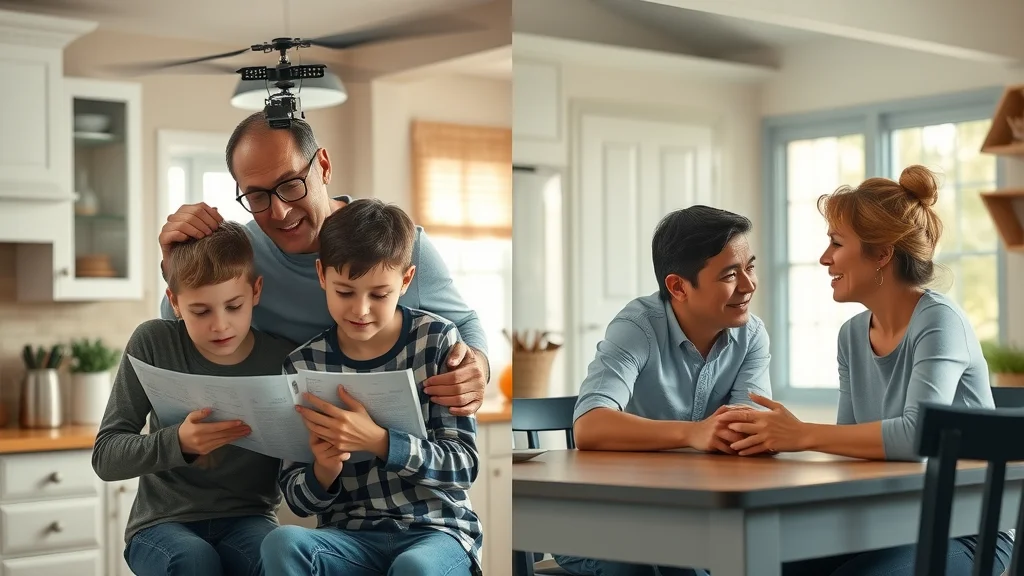
Why the disconnect? Research shows that helicopter parenting or overly strict approaches can drive a wedge between parent and teen, often leading to increased defiance and secretive behavior. Health issues, peer relationships, and concerns like body image or anxiety and depression become more pronounced, so strategies should address more than just surface-level discipline. That’s why it’s critical to move beyond conventional wisdom and discover what actually works in the real-world context of raising teens.
What You'll Learn About Parenting Strategies for Teens
- The psychology behind resistant teen behavior
- Parenting strategies for teens that are research-backed
- How to address mental health issues while parenting teenagers
- Actionable parenting tips and communication models that actually work
- Real-life examples from parents who overcame challenges during the teenage years

Understanding Resistant Teen Behavior in the Teenage Years
Parenting teens is never one-size-fits-all. Understanding the roots of resistance in the teenage years opens doors to more effective parenting strategies. During adolescence, teens undergo rapid developmental changes—neurological, emotional, and social. These transformations often challenge both teens and their parents. Mental health issues, such as anxiety and depression, surface more frequently, while pressures from peer relationships and social media create a dynamic that can intensify resistance or withdrawal. Parents working to maintain communication open with their teen must recognize these core changes as normal, not signs of parental failure or a “bad kid. ”
Sometimes resistant teens seem to push every boundary, but it’s often a search for respect, autonomy, and self-identity. Their desire to spend more time with their peer group, explore new boundaries, and experiment with independence is a healthy (if challenging!) part of growing up. However, factors like health issues, eating disorders, or even changes in the family’s structure (such as divorce or a new family member) can add layers of complexity. Recognizing and validating your teen’s perspective is the essential first step toward building a partnership—rather than a battleground—at home.
As you navigate these complexities, it's important to remember that your own well-being plays a significant role in your parenting approach. If you find yourself feeling overwhelmed or stressed, exploring practical stress management tips for parents of teenagers can help you maintain patience and resilience, ultimately benefiting both you and your teen.
Why Are Teens Resistant?
Teens may seem difficult for reasons that go beyond simple rule-breaking. Developmental changes—brain growth, hormonal shifts, and increasing responsibility at high school—mean teens are biologically wired to question authority and seek independence. Their bodies and minds are evolving, leading typically to mood swings, sensitivity, or intense focus on peer groups. Add in common health issues, concerns over sexual behavior or body image, and the risk of mental health struggles like anxiety or depression, and it’s no wonder the teen years can be rocky.
For many, resistant behavior is a mask for deeper worries. The desire to fit in, social media pressures, and emerging identity issues can create conflict at home, especially if parents react with control rather than curiosity. Instead of dismissing resistance as simply “bad behavior,” effective parenting tips encourage parents to approach it with empathy, curiosity, and support. Offering a listening ear, showing respect, and maintaining communication can help demystify these challenging years.
The Role of Environment, Role Models, and Parenting Style
It’s easy to underestimate the impact of a teen’s daily environment on their mood and actions. A supportive home can buffer against the negative effects of outside influences, like peer pressure or negative role models. Conversely, an overly rigid or chaotic home environment can intensify resistance. Consider helicopters parents who hover, micromanage, and control every detail—their teens often rebel more fiercely, seeking freedom at the cost of the parent-child relationship. Yet, hands-off parenting can leave teens feeling unsupported or adrift, especially during the emotional storms of adolescence.
Balanced parenting, which incorporates clear boundaries, empathy, and opportunities for open communication, proves most effective for raising teens. Teens observe and emulate the behavior of parents and other adults in their lives. Positive role modeling—calm conflict resolution, healthy emotion management, and responsible use of screen time—teaches teens how to navigate peer relationships, mental health challenges, and even the tricky world of social media.
Core Parenting Strategies for Teens: What Works?
After decades of research, experts agree: Consistent boundaries, active listening, and structured independence are key ingredients for successful parenting strategies for teens. Moving from a “commander” to a “coach” role helps parents shift from punitive responses to constructive conversations. Raising teens means equipping them with tools for self-regulation, while still providing age-appropriate guidance and safety nets. Quality time and communication open the door to trust and honesty, helping teens feel seen and supported, especially in matters like anxiety, depression, or social media challenges.
Balanced, evidence-based approaches outperform outdated discipline models. For instance, natural consequences, rather than forced punishments, help teens connect their actions with outcomes. Recognizing the importance of peer relationships and offering autonomy around safe topics (like choices in video games or academic pursuits) foster cooperation, while modeling healthy routines and positive body image build lifelong resilience. The result: both teens and parents thrive through the ups and downs of the teenage years.
Effective Communication with Teenagers
Open, honest communication is the bedrock of parenting teens—even resistant ones. Rather than lecturing, effective parents make space for meaningful dialogue. This means active listening: hearing feelings without interruption or instant judgment. By validating a teen’s concerns, whether about peer group drama, body image, or anxiety, parents create a safe space for sharing—crucial for addressing mental health challenges before they escalate.
Research shows conversation is more impactful than one-sided lectures. Ask questions, offer reflection (“I can see this really upset you”), and encourage problem-solving together. While consistent communication does not guarantee instant compliance, it builds a bridge of trust. Making communication open and judgment-free is especially important in the tech-driven world; for many parenting teens, texting or casual chats during routine activities like driving or dinner can be just as important as serious sit-downs. Strive for more listening, less lecturing—the dividends in your relationship will grow over time.
Setting Boundaries While Fostering Independence in Parenting Teenagers
Boundaries and independence go hand-in-hand for teens. Effective parents set limits and expectations around safety—for instance, curfews, screen time, and video games—while giving teens room to make their own age-appropriate choices. Inconsistent or shifting rules can lead to confusion and resentment, so being clear—and sticking to your word—encourages respect and predictability. When teens know what to expect, the home environment becomes a safe launchpad, not a minefield.
Granting independence doesn’t mean stepping out of the picture. Instead, shift the focus from control (micromanaging homework or friendships) to collaboration (problem-solving together, offering guidance when asked). The best parenting strategies give teens opportunities to prove responsibility in small matters, preparing them for bigger challenges as young adults. Remember: letting your teen make safe mistakes and learn from natural consequences is often more educational than imposing punishments that feel arbitrary.

Modeling Positive Behavior in the Teenage Years: Being the Role Model
Teens pay more attention to what you do than what you say. Being a positive role model—managing stress in healthy ways, apologizing when wrong, and navigating setbacks with resilience—teaches them lifelong skills for managing conflict and mental health challenges. When parents model healthy habits around technology, social media, body image, and sleep, teens are more likely to follow suit.
Positive parenting strategies for teens include demonstrating empathy, patience, and perseverance. If your teen sees you treat others with respect and hold yourself accountable, they learn the value of integrity. In high-pressure moments (exams, peer group drama, family changes), your calm approach offers a practical blueprint for self-regulation. Remember, the best parenting tips come from modeling—your actions today shape the next generation of young adults.
Evidence-Based Approaches to Parenting Teens
Not all parenting strategies are created equal. Evidence-based approaches—those supported by research and proven in the real world—deliver consistent results, especially when raising resistant teens. They encompass frameworks such as the 7 7 7 Rule for regular check-ins, or the 5 R’s of positive parenting, providing practical structure and flexibility. These methods are adaptable across diverse families, supporting mental health and addressing common challenges in the modern world, from screen time to academic pressures.
By adopting these frameworks, parents proactively address issues before they escalate, maintain open communication, and build resilience in both themselves and their teens. Whether applied during a heated standoff or during a calm family dinner, evidence-based strategies empower families to navigate the emotional landscape of the teenage years with confidence and compassion.
Applying the 7 7 7 Rule for Parenting Strategies for Teens
The 7 7 7 Rule is a research-backed framework designed to enhance the parent-teen relationship in a simple, manageable way. The principle is straightforward: commit to checking in with your teen every seven days for seven uninterrupted minutes, and continue this routine for seven weeks. This brief but intentional quality time creates a safe space for your teen to share thoughts or struggles—without the pressure of a formal “big talk. ”
Consistent engagement builds cumulative trust, making it easier for your teen to open up about stresses like high school pressure, body image, or changing friend groups. By dedicating this time, parents demonstrate reliability, reduce misunderstandings, and invite more honest communication. Over time, this routine can break down resistance, as teens come to expect and—even in subtle ways—look forward to these regular touchpoints, strengthening the overall bond.

The 5 R's of Positive Parenting Teens: Framework for Success
Positive parenting frameworks are built to support the evolving needs of teens. The 5 R’s are: Respect, Relationship, Responsibility, Routine, and Reinforcement. These pillars keep parenting strategies grounded in compassion and consistency, rather than control.
- Respect: Treat your teen’s opinions and privacy with care, and they’ll be more likely to reciprocate.
- Relationship: Prioritize quality time, shared interests, and open dialogue—make your bond the foundation for discipline, not vice versa.
- Responsibility: Encourage ownership over tasks, from homework to chores, supporting their growth into independent young adults.
- Routine: Create and maintain daily and weekly rituals—mealtimes, check-ins, bedtime—which provide stability during turbulent years.
- Reinforcement: Acknowledge progress and positive choices; praise and small rewards can be more effective than punishment in shaping behavior.
Consistent application of these R’s—backed by research—can improve communication open channels, decrease risk of mental health issues, and keep the parent-teen relationship at the core of the family dynamic.
| Strategy | Focus | Best For | Research Support |
|---|---|---|---|
| Active Listening | Communication | Resistant teens | High |
| Natural Consequences | Independence | All teenagers | Moderate |
| Consistency | Discipline | Challenging behaviors | High |
| Collaborative Problem-Solving | Cooperation | Defiant teens | High |
Watch Now: Animated explainer: Parenting Strategies for Teens – Core Concepts in 3 Minutes
Mental Health & Well-being: Parenting Tips for Teens Facing Challenges
Addressing mental health issues is a non-negotiable aspect of modern parenting teens. The rise of anxiety, depression, eating disorders, and peer pressure requires parents to be vigilant and compassionate. Mental health can impact every part of the teen years—from success in high school to relationships with family members and peers. The earlier parents recognize and address these struggles, the better the outcomes for their teens.
Regular communication, involvement in daily routines, and openness about emotions help normalize conversations around mental health. If your teen seems unusually withdrawn or irritable, it may be time to explore deeper issues. Remember, effective parenting strategies for teens prioritize emotional well-being, creating a supportive environment where teens feel understood—not judged or dismissed.
Early Warning Signs of Mental Health Issues in the Teen Years
It’s easy to miss subtle changes, but early warning signs of mental health struggles are critical to catch. Red flags can include dramatic shifts in sleeping or eating patterns, withdrawal from family or friends, a sudden drop in academic performance, or loss of interest in previously enjoyed activities, like sports or video games. Watch for signs of body image distress or new secrecy around peer group interactions.
Other indicators might be increased irritability, persistent sadness, unexplained physical complaints, or disproportionate reactions to minor setbacks. If your teen’s moods seem unusually intense or prolonged, or if they mention hopelessness, consider seeking help from a trusted counselor, therapist, or pediatrician familiar with health issues in young adults. Early intervention is one of the best parenting tips for safeguarding your teen’s mental health for the long run.

Integrating Mental Health Support into Everyday Parenting Strategies for Teens
Supporting a teen’s mental health doesn’t necessarily mean daily therapy appointments. Instead, integrate emotional check-ins into normal routines—whether at dinner, during car rides, or scheduled “screen time breaks” for conversation. Parenting strategies for teens should prioritize safety and support: let your teen know they can talk about tough subjects without fear of immediate punishment or judgment.
Promote healthy lifestyle choices—consistent sleep routines, balanced nutrition, responsible use of social media, and opportunities to spend more time offline as a family. Encourage stress management tools like mindfulness, exercise, or artistic outlets. Remember: you’re not expected to “fix” everything, but by keeping the lines of communication open and modeling self-care, you provide an essential protective buffer against the major challenges of the teenage years.
Common Parenting Mistakes to Avoid During the Teenage Years
- Overusing helicopter parent tactics
- Ignoring emotional and mental health needs
- Relying on outdated discipline methods
- Inconsistent boundary-setting
"The best parenting strategies for teens involve balancing boundaries with empathy and open dialogue," says Dr. Janice Monroe, adolescent psychologist.
People Also Ask: Parenting Strategies for Teens
What is the best way to parent a teenager?
Detailed Answer:
The best parenting strategy for teens involves active listening, consistent boundaries, and fostering independence while addressing mental health and emotional needs. Evidence shows that truly effective parenting strategies for teens are proactive and adaptable, rather than punitive.
What is the 7 7 7 rule for parenting?
Detailed Answer:
The 7 7 7 rule is a parenting tip that encourages parents to check in with their teens every seven days for seven minutes, over seven weeks, emphasizing consistent engagement, attentive listening, and gradual trust-building in parenting teens.
What are the 5 R's of positive parenting?
Detailed Answer:
The 5 R's for positive parenting teens are Respect, Relationship, Responsibility, Routine, and Reinforcement. Incorporating these R's strengthens communication and structure in parenting strategies for teens.

What is the hardest age for a teenager?
Detailed Answer:
Most experts agree the hardest age for a teenager is often between 13-15, when identity struggles, mental health, and independence issues are at their peak. Parental consistency and effective parenting strategies for teens are essential during these years.
Watch Now: Interview footage: Parenting experts discuss strategies that work for resistant teens
Essential Parenting Tips When Raising Teens in the Modern World
- Maintain open and judgment-free communication
- Set fair, consistent consequences
- Monitor for emerging mental health challenges
- Be a reliable role model
- Foster healthy routines around sleep and screen time
Frequently Asked Questions about Parenting Strategies for Teens
- How can I help my teen manage stress?
- Are strict parenting strategies for teens effective long term?
- How do I get my resistant teen to open up?
- Can positive parenting strategies for teens improve academic motivation?
Key Takeaways for Parenting Strategies for Teens
- Parenting strategies for teens must be adaptable to individual personalities
- Proactive mental health support is critical in the teenage years
- Balanced boundaries and communication are more effective than control
- Real change takes patience, consistency, and flexibility
Conclusion: Turning Frustration Into Progress for Parenting Teens
Parenting resistant teenagers requires ongoing learning and open-mindedness. Applying these proven parenting strategies for teens can transform parent-teen relationships and foster real growth.
Parenting through the teenage years is a journey that evolves with every new challenge and triumph. If you’re ready to deepen your understanding and discover holistic approaches that support both you and your teen, consider exploring additional resources on managing stress and building resilience as a parent. By equipping yourself with advanced strategies and a supportive mindset, you’ll be better prepared to nurture a positive family environment and guide your teen toward a healthy, confident future. For more in-depth guidance, don’t miss our comprehensive guide on stress management tips for parents of teenagers—an essential next step for any parent seeking lasting progress.




Write A Comment