



Did you know that nearly one in five high school students have reported using an illicit drug before graduation? The long term effects of teen substance use extend far beyond experimentation. For many, this seemingly harmless phase can set the stage for a lifetime of health challenges, academic struggles, and diminished opportunities. Understanding how adolescent drug and alcohol use impacts the brain and body is essential for parents, educators, and young people alike. This comprehensive guide delves into the reality of teen substance abuse, revealing the urgent need for awareness and prevention.
Startling Facts: The Prevalence and Impact of Teen Substance Use
Teen substance use is more common—and more damaging—than many realize. In the United States, studies from major gov websites report that nearly 20% of high school students have used illicit drugs at least once before graduation, underscoring a pervasive issue in our schools and communities. Rates of binge drinking and alcohol use among adolescents are also alarmingly high: over 15% of teens report binge drinking in a typical month. These patterns can lead to substance use disorders, especially when drug or alcohol use begins before key brain regions have fully developed. The consequences of adolescent drug use, especially during such a critical period of growth, are not only immediate but have lasting effects, influencing the physical, psychological, and social trajectory of a teen well into adulthood.
Data reveals that the effects of drug and alcohol abuse go beyond temporary impairment or risky behavior. Long-term effects include increased risk for substance addiction, chronic mental health conditions, disrupted cognitive development, and even legal troubles. These sobering statistics highlight the urgent need for early intervention and comprehensive prevention strategies to address the risk factors associated with teen drug abuse.

"Did you know that nearly one in five high school students have reported using an illicit drug before graduation? The long term effects of teen substance use extend far beyond experimentation."
What You'll Learn About the Long Term Effects of Teen Substance Use
How the long term effects of teen substance use manifest in adulthood
Risks to mental health and cognitive development
Connections between adolescent drug use and future addiction
Academic, social, and economic consequences of adolescent substance abuse
Evidence-based strategies for prevention and intervention

Understanding the Foundations: Adolescent Brain Development and Substance Use
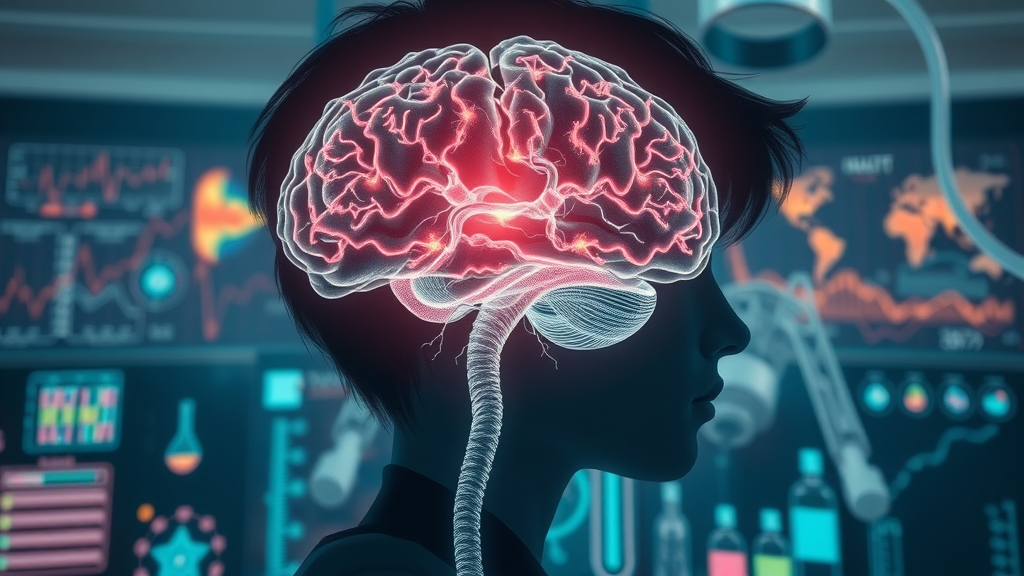
The adolescent brain is a marvel of complexity and possibility, undergoing rapid growth and restructuring throughout the teenage years. During this period, the frontal cortex—responsible for executive function, decision-making, and impulse control—is still maturing. Introducing drugs and alcohol at this stage can seriously disrupt natural developmental processes, leading to a range of long term effects. Adolescent drug use can interfere with the formation and pruning of neural pathways, which affects learning and memory functions. Furthermore, substance use during adolescence can delay or even permanently alter the development of other brain regions involved in reward, motivation, and emotional regulation, making teens more susceptible to substance use disorders later in life.
Research has shown that exposure to substances such as alcohol, marijuana, and stimulants during adolescence can reduce white matter volume and hinder the efficient communication between different areas of the brain. These neurobiological changes set the stage for a heightened risk factor of developing substance abuse problems, mental health disorders, and impaired cognitive abilities as teens transition into young adulthood. The consequences of adolescent drug and alcohol use thus resonate far beyond immediate intoxication or 'risky behavior'—they can transform the developmental landscape of the adolescent brain for years, if not decades, to come.
How the Adolescent Brain Is Vulnerable to the Effects of Drug and Alcohol
Unlike the adult brain, the adolescent brain is still under construction—especially in crucial regions such as the frontal cortex and areas responsible for judgment, planning, and inhibitory control. Drugs and alcohol can hijack these developing systems, impairing proper neural connectivity and disrupting neurotransmitter balance. This is particularly concerning because adolescent drug use during this critical period makes the brain and body more susceptible to addiction, psychiatric disorders, and lasting cognitive deficits. Studies indicate that consistent substance exposure in teens can diminish white matter integrity, impair learning, and increase vulnerability to stress and mental health crises.
One of the dangers of early substance use is the way it rewires a teen's response to pleasure and reward. For example, the dopamine system—central to feelings of motivation and satisfaction—can be recalibrated by regular drug or alcohol intake. As a result, teens may struggle with motivation, impulse control, and decision-making as young adults. The developing adolescent brain is particularly at risk for these long-term effects, underscoring why prevention and early intervention are critical for protecting mental health.
Key Risk Factors for Substance Abuse in Teens
Various risk factors increase the likelihood that a teenager will experiment with or become dependent on alcohol or drugs. Genetics, family history of substance abuse, early trauma, co-occurring mental health disorders such as depression or anxiety, and environmental influences like peer pressure or community norms all play critical roles. Access to drugs and alcohol, lack of supportive adult relationships, and low self-esteem can also significantly increase an adolescent’s vulnerability to substance use disorders.
It is especially important to recognize the synergy between individual and environmental risk factors when addressing teen substance abuse. Adolescent drug use is rarely just about curiosity; it is often the product of a complex interplay of social, biological, and emotional factors. Prevention strategies that mitigate these risks—such as strengthening family bonds, promoting positive extracurricular activities, and providing mental health resources—can be effective in reducing the incidence of adolescent drug use and its long-term consequences.
Consequences of Adolescent Substance Abuse: Short-Term versus Long-Term Impacts
Adolescent substance abuse has both immediate and far-reaching effects. In the short term, drug and alcohol use among teens can result in risky behavior (such as unprotected sex, driving under the influence, and physical altercations), acute changes in mood or cognition, and poor academic performance. However, the long term effects of teen substance use are even more serious, including persistent health issues, mental health disorders, addiction, and reduced academic and occupational achievement. The impacts on the adolescent brain can endure well into adulthood, altering white matter, affecting the frontal cortex, and undermining overall cognitive development.
The consequences of adolescent drug and alcohol use are cumulative: early initiation increases the risk of substance use disorders, while repeated exposure heightens the chances of chronic disease, emotional instability, and legal or relational difficulties in adult life. Understanding these differences is vital to communicate the urgency of early prevention and long-term care.
Comparison of Short-Term vs. Long-Term Effects of Teen Substance Use |
|
Short-Term Effects |
Long-Term Effects |
|---|---|
Impaired judgment, loss of motor coordination, risky behavior, memory lapses |
Permanent cognitive decline, mental health disorders, substance addiction, chronic diseases |
Acute anxiety, depression, aggression, social withdrawal |
Persistent depression or anxiety, poor emotional regulation, increased risk of suicide |
Poor school attendance, declining grades |
Lower educational attainment, reduced career and economic opportunities |
Temporary conflict with family/friends |
Long-standing relational issues, social isolation, legal problems |
Physical and Psychological Effects of Drug Use in Adolescents
Drug and alcohol use in adolescence has a measurable impact on both physical health and psychological well-being. Physical effects include disruptions in growth, poor nutrition, weakened immune system, and increased vulnerability to illnesses. For instance, heavy drinking and drug use can lead to liver dysfunction, hormonal imbalances, and long-term organ damage. These health problems can persist into adult years, complicating recovery and the ability to lead a healthy life. Even after stopping substance use, some of the structural changes to brain regions such as the frontal cortex and white matter may be partially irreversible.
Psychologically, teens who engage in substance abuse are at high risk for anxiety, depression, low self-esteem, and even psychosis, depending on the substances used and personal susceptibility. The long term effects of drug use in adolescence often manifest as mood disorders, social withdrawal, or difficulty coping with everyday stressors—a consequence of disrupted emotional and cognitive development. For many, these psychological consequences of adolescent drug and alcohol use are just as debilitating as the physical ones, impacting every aspect of adult life.
"Early substance abuse leads to changes in brain structure that can last a lifetime." – Dr. Angela Perez, Adolescent Psychologist
Mental Health and the Long Term Effects of Teen Substance Use
The most profound consequence of adolescent substance abuse is its effect on mental health. Teen drug and alcohol use is strongly associated with the development or worsening of psychiatric conditions, including depression, anxiety, bipolar disorder, and even schizophrenia in predisposed individuals. These issues often persist beyond adolescence, requiring lifelong treatment and support. Research indicates that young people who engage in binge drinking or regular drug use experience higher rates of suicidal thoughts, self-harm, and clinically significant mood disturbances compared to non-users.
Long-term use of drugs such as marijuana, stimulants, or opioids during adolescence can alter mood regulation and impulse control circuits in the brain, reducing emotional resilience and increasing the likelihood of substance use disorders in adulthood. The cycle of poor mental health and drug abuse can be difficult to break without targeted intervention and ongoing support.
Depression, Anxiety, and Mental Illness Linked to Adolescent Drug Use
Depression and anxiety disorders are among the most common mental health challenges linked to adolescent drug use. The effects of drug use on neurochemical balances and neural circuitry increase the risk of persistent mood instability, negative thought patterns, and difficulty with stress management. Additionally, teens with untreated mental health issues are at greater risk for experimenting with drugs and alcohol, creating a dangerous feedback loop that can last into adulthood.
Parental awareness, early mental health diagnosis, and timely support services are crucial in breaking this cycle. Identifying warning signs of depression, such as social withdrawal or persistent sadness, can help prevent the escalation of both substance abuse and mental health disorders. Ultimately, the long term effects of teen substance use on mental health underscore the need for comprehensive prevention and early intervention programs.

Impact on Emotional Regulation and Resilience
Adolescence is a key period for developing emotional self-regulation and coping strategies. Substance use during this time can disrupt the maturation of neural circuits involved in managing stress, adapting to setbacks, and processing complex emotions. Frequent use of drugs or alcohol as a coping tool inhibits the natural growth of psychological resilience, leaving teens more vulnerable to emotional crises as adults. This impaired emotional regulation is a major risk factor for both substance use disorders and other psychiatric issues.
Teens who struggle with emotional regulation often face additional challenges in school, at home, and with peers, as they are less able to manage frustration, disappointment, or social rejection. Over time, this makes it more difficult to build healthy relationships and achieve personal goals. Targeted interventions—such as counseling and skill-building programs—are essential to strengthen resilience in adolescents at risk for or already experiencing substance abuse.
Academic and Cognitive Consequences of Adolescent Drug Use
One of the most troubling effects of adolescent substance abuse is its impact on learning, memory, and academic achievement. Regular drug or alcohol use impairs attention, focus, and executive function, making it difficult for teens to keep up with coursework or retain information. These cognitive deficits not only lower grades but can also limit opportunities for higher education and fulfilling careers later on. Data shows that binge drinking, in particular, is associated with poor academic performance and a higher risk of dropping out of school. The long term effects of teen substance use on academic success often reverberate far into adulthood, stunting both economic and personal growth.
Repeated substance use weakens connections in the adolescent brain, especially in areas related to organization, planning, and memory. The resulting executive dysfunction reduces the ability to set goals, manage time, and adapt to new challenges. This not only affects immediate academic results but can also make it difficult for young adults to succeed in the workforce or other post-secondary pursuits.
How Substance Abuse Impacts Academic Success and Future Opportunities
Teens who use drugs and alcohol frequently are at much higher risk for absenteeism, school disciplinary issues, and decreased motivation. These behaviors can erode self-confidence and result in missed academic milestones, such as grade promotion or college acceptance. Over time, these setbacks create a compounding effect; the more a young person falls behind in school, the harder it is to catch up or regain lost ground. For many, the consequences of adolescent drug use include the inability to qualify for scholarships, higher education degeneration, and limited job prospects as young adults.
Research has consistently found a strong link between adolescent substance abuse and lower educational attainment among young people. By undermining cognitive function and reducing engagement with school, substance use can set off a negative spiral leading to long term economic hardship and social instability. Breaking this cycle requires coordinated efforts from families, schools, and communities to identify at-risk teens and provide support before academic performance declines irreparably.

Long-Term Memory and Learning Deficits Caused by Early Substance Use
Early exposure to drugs and alcohol can result in measurable problems with long-term memory, information retention, and learning. Repeated substance use disrupts the neural circuits responsible for forming and recalling memories, leading to persistent learning challenges. Teens who start using substances before age 16 have been shown to perform worse on memory and problem-solving tests even years after stopping use. These learning deficits mean it can take longer to master new skills, process complex information, and succeed in competitive environments—barriers that can follow young adults throughout their lives.
The adolescent brain is particularly vulnerable to the neurotoxic effects of drugs and alcohol; such exposure can interfere with the growth of white matter and the fine-tuning of executive function. Even if teens stop using, the consequences of adolescent drug use on memory and learning can limit their ability to achieve their goals and live independently. Early intervention and cognitive rehabilitation may help mitigate some of these effects, but prevention is always preferable to treatment.
Social, Behavioral, and Legal Outcomes of Long Term Substance Use in Teens
The long term effects of teen substance use are not limited to the mind and body—social and legal repercussions can be equally severe. Adolescents with a history of substance abuse are more likely to engage in risky behaviors, such as skipping school, unsafe sex, reckless driving, and criminal activity. The resulting legal troubles, including arrests and juvenile detention, often saddle young adults with a criminal record, hindering future employment or educational options. Substance abuse during adolescence is a major risk factor for lifelong patterns of problematic behavior and negative relationships.
From a behavioral standpoint, adolescent drug use impairs social skills, increases aggressive behavior, and can lead to chronic isolation or alienation from family and peers. These outcomes further perpetuate cycles of substance use and hamper the social development of affected teens. The social consequences of adolescent substance abuse may extend to difficulty forming healthy adult relationships, poor conflict resolution skills, and trouble maintaining employment or stable housing.
Increased Risk Factor for Criminal Activity and Legal Trouble
Teen substance use is strongly correlated with involvement in criminal activity. Adolescents who regularly consume drugs or alcohol are at a much higher risk for theft, vandalism, assault, and even more serious offenses. The presence of a criminal record worsens prospects for college admission, scholarships, and long-term employment, setting up a barrier to upward social mobility. Importantly, legal troubles stemming from teen substance use can create lasting financial and emotional burdens, both for the individual and their family.
The connection between adolescent drug use and legal consequences is well-documented in public health research. Substance-impaired judgment, reduced impulse control, and peer influence combine to create environments where risky and unlawful behaviors are more likely. The costs of this cycle—incarceration, probation, legal fees—can derail a young person’s growth and contribute to lifelong stigmatization.

Effects on Interpersonal Relationships and Social Development
Substance abuse during adolescence can seriously damage a teen’s ability to form healthy, supportive relationships. Teens who use drugs or alcohol often experience conflict with parents, siblings, and friends, leading to estrangement and social withdrawal. Over time, they may gravitate toward peers who also engage in risky behavior, thereby reinforcing and normalizing substance use patterns. This dynamic creates a self-perpetuating cycle of poor relationship skills and dependency that makes it difficult for teens to build strong social networks as they transition to adulthood.
Broken trust, unresolved conflict, and engagement in risky social circles increase the chance of continued substance abuse well into adulthood. Without targeted interventions, these social and behavioral issues can prevent young adults from establishing stable families, succeeding at work, or contributing positively to their communities.
The Intergenerational Impact: Children of Addicts and Long-Term Effects
The repercussions of adolescent substance abuse often reverberate across generations. Children of addicts face a uniquely challenging environment, characterized by increased exposure to drug and alcohol use, elevated stress, and reduced emotional support. As a result, they are much more likely to develop substance use disorders, mental health conditions, and difficulties with academic and social achievement themselves—reinforcing a cycle that can span decades.
This intergenerational transmission of risk underscores the importance of supporting not just individuals affected by substance abuse, but also their families. By providing education and social services to at-risk households, communities can interrupt the ongoing cycle of addiction and support brighter futures for all children involved.
Genetic and Environmental Risks for Substance Abuse
Research has shown that both genetic predisposition and environmental exposure play significant roles in determining who develops substance use disorders. Children of addicts may inherit genetic vulnerabilities that increase their sensitivity to the effects of drugs and alcohol. Additionally, growing up in a home where substance use is normalized and emotional support is limited compounds environmental risk factors. Exposure to trauma, chronic stress, or parental instability increases the likelihood that children will struggle with mental health challenges or substance abuse themselves in adolescence or adulthood.
Preventing the intergenerational spread of addiction requires comprehensive strategies that address both inherited and environmental risks. Counseling, social services, and stable caregiving environments can mitigate these factors and help children develop resilience.
Breaking the Cycle: Prevention and Intervention Strategies
Breaking the intergenerational cycle of substance abuse requires early intervention, education, and intensive support for at-risk families. Evidence-based prevention programs that involve families, schools, and communities have shown promise in reducing teen substance use and its long-lasting effects. Teaching kids healthy coping strategies, encouraging open communication, and providing access to mental health services are all key steps in breaking the pattern of addiction and helping young people achieve better outcomes.
Effective intervention strategies include parental support groups, school-based counseling, positive youth development programs, and robust referral systems for struggling teens. These approaches work best when tailored to the individual needs of each child and family, underscoring the importance of community engagement and ongoing resources.
Case Studies: Real Stories of Long Term Effects of Teen Substance Use
Real-life stories reveal the profound—and often heartbreaking—impact of early substance use on later success and happiness. Many former teen users recount long battles with depression, academic setbacks, loss of family bonds, and chronic health issues that stemmed from adolescent choices. Hearing directly from those who have experienced the long term effects of teen substance use sheds light on the importance of early intervention and support for at-risk youth.
For example, one young adult reflects on how experimenting with drugs in high school led to years of addiction, multiple hospital stays, and career disruptions: “I never imagined that a few bad choices as a teenager would shape my entire adult life.” Such narratives emphasize that teen substance use is not merely a phase—it can fundamentally alter the course of a person’s entire life, often with irreversible consequences.

"I never imagined that a few bad choices as a teenager would shape my entire adult life." – Former teen substance user
Lists: Protective Strategies to Mitigate the Long Term Effects of Teen Substance Use
Family-based prevention programs that educate parents and encourage positive communication at home
School and community interventions such as peer education, after-school activities, and substance use screening
Mental health support and early diagnosis to identify and address psychological risk factors quickly
Peer mentoring and educational campaigns designed to promote healthy choices and resilience among teens
People Also Ask: Expert Answers on the Long Term Effects of Teen Substance Use
What are the long-term effects of substance abuse?
The long term effects of substance abuse include chronic health conditions, mental health disorders, cognitive decline, and higher risks for addiction in adulthood.
What are the long-term effects of children of addicts?
Children of addicts face increased risk factors for substance abuse, mental health challenges, and social difficulties that can perpetuate a cycle of addiction.
What are some long-term effects of harmful substances?
Long-term effects of harmful substances on teens include liver damage, impaired brain development, memory loss, and psychiatric disorders.
What are the long-term effects of teenage drinking?
Long-term effects of teenage drinking include cognitive delays, chronic disease risk, poor academic achievement, and altered brain development.
FAQs: Understanding the Far-Reaching Consequences of Adolescent Substance Abuse
How can parents identify early signs of substance abuse?
Parents should look for changes in behavior, declining academic performance, withdrawal from family activities, sudden shifts in friend groups, and evidence of drugs or related paraphernalia. Early detection is key to addressing substance abuse before it causes long-term harm.Is recovery from teen substance abuse possible?
Yes, recovery is possible with the right support, professional counseling, and strong family/community involvement. However, earlier intervention increases the likelihood of regaining full cognitive and emotional health.Are some teens more vulnerable than others to long-term effects?
Yes, genetics, co-occurring mental health disorders, early trauma, and environmental factors can increase a teen’s vulnerability to the long-term effects of substance abuse. Personalized approaches to prevention and intervention are essential.
Key Takeaways: The Lasting Impact of Teen Substance Use
Teen substance use can have profound and lasting long term effects on health, success, and relationships.
Early intervention is crucial to prevent irreversible harm.
Education and prevention strategies are essential tools in reducing the consequences of adolescent drug and alcohol use.
Conclusion: Protecting Youth from the Long Term Effects of Teen Substance Use





Write A Comment