

Add Row
Add Element
cropper
update

Troubled Teen Solutions

update
Add Element
  • Home
  • Categories
    • Understanding Teens
    • Parenting Strategies
    • Mental & Emotional Health
    • Family Relationships
    • Education Challenges
    • Risky Behaviors
    • Online Habits
    • Healthy Outlets
    • Parent Support
    • Professional Resources
  • Raising Kids Well
Add Element
UPDATE
March 06.2026
1 Minute Read

How Teen Brain Development Influences Risky Behaviors

Hook: Did you know that teens are more likely to take risks not just because of rebellion, but because their brains actually encourage it? Recent data reveals that almost 70% of high schoolers admit to engaging in at least one risky behavior—ranging from extreme sports to texting while driving

Understanding the link between risky behaviors and brain development in teens is crucial for parents, educators, and teens themselves. In this article, we’ll explore emerging science, personal stories, and controversial viewpoints, ultimately challenging how society labels adolescent decision making. If you want real answers about why teens seem driven toward increased risk—and what that means for their future—you’re in the right place.

Startling Trends in Risky Behaviors and Brain Development in Teens

  • Latest statistics on adolescent risk taking and decision making: Studies indicate that over half of teens try risky behaviors by late adolescence, including substance use, reckless driving, and cyber challenges. According to CDC surveys, these behaviors tend to peak between ages 15 and 18, when cognitive control is still developing.
  • Unconventional facts about the adolescent brain: The teenage brain is still a work in progress. Parts of the brain linked to motivation and reward, such as the striatum and limbic system, mature faster than the prefrontal cortex—our center for sound judgment and impulse control.
  • Overview of adolescent risk and cognitive control: While our gut may say, “Teens are just reckless,” research shows their risk taking is deeply linked to brain chemistry and growth. Cognitive control is still catching up, meaning teens often struggle to weigh long-term consequences.
"During adolescence, the brain’s reward system develops faster than its cognitive control system." — Journal of Adolescent Health

Insightful group of diverse teenagers discussing risky behaviors and brain development in a modern school common area

What You’ll Learn About Risky Behaviors and Brain Development in Teens

  • Key relationships between brain development in teens and risk taking
  • Insights into cognitive development and decision making
  • The influence of executive function on risky decision making

Understanding Adolescent Brain Development: Foundations for Risky Behaviors

The Adolescent Brain and Cognitive Development

  • Milestones of adolescent brain: Adolescence involves rapid physical and mental growth. Key milestones include a surge in white matter for better connectivity, but also an imbalance as reward regions mature faster than those controlling self-restraint.
  • Delayed maturation of the prefrontal cortex and executive function: The prefrontal cortex, which governs impulse control, executive functioning, and long-term planning, isn’t fully mature until the mid-20s. This mismatch leaves teens more vulnerable to high-risk scenarios, especially when emotional arousal is high.
  • The role of brain development in adolescent risk taking: The adolescent brain favors sensation seeking and novelty. As social cognition improves, teens become more aware of peer acceptance, fueling risk taking, especially when friends are present. These patterns are important to learning and development—teaching teens about boundaries, failure, and recovery.
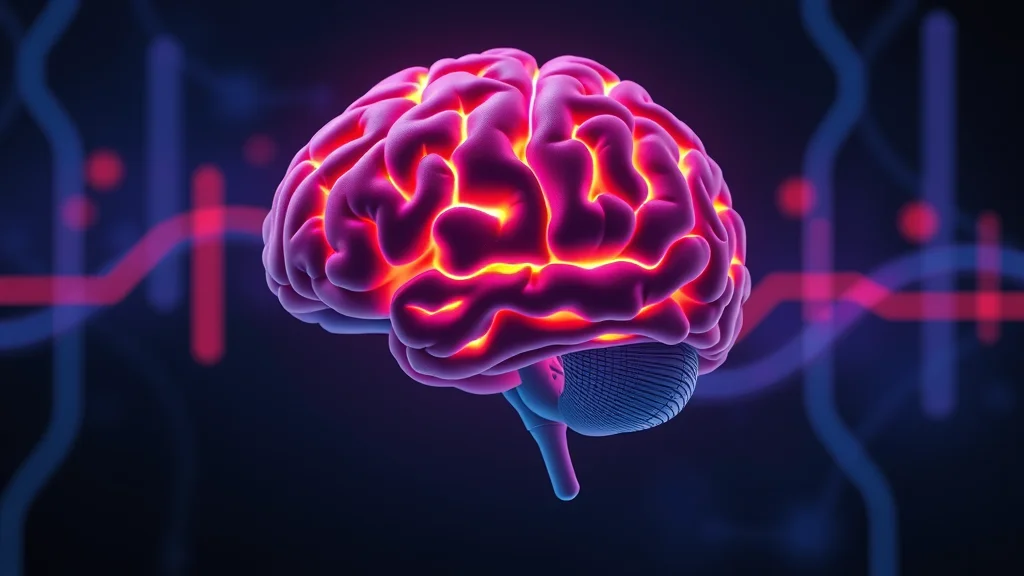
Photorealistic illustration of developing teen brain highlighting prefrontal cortex and reward regions

As you consider how the adolescent brain’s development shapes risk taking, it’s also important to recognize the role of parental support in guiding teens through these challenges. For parents seeking practical ways to foster resilience and manage their own stress during this period, exploring effective stress management strategies for parents of teenagers can provide valuable tools for maintaining a supportive environment.

Why Risk Taking Peaks with Brain Development in Teens

The Science Behind Risk Taking and Executive Function

  • Dopamine and the reward system in teen brain development: Dopamine, a neurotransmitter that drives motivation, is especially heightened during adolescence. This amplifies the attraction of rewards, making risky behavior like thrill-seeking, substance use, or social dares feel especially compelling.
  • Executive functioning and impulsive behaviors: Executive function is important to learning, organizing, and resisting temptations. Because it’s not yet fully matured, teens often act before considering the full picture—leading to increased risk and poor decision making compared to children or adults.
  • Social influences on adolescent risk: Peer pressure and social contexts magnify risk taking. Recent data show teens are more likely to attempt risky stunts or make impulsive choices when observed by friends, a pattern rooted in the interaction of brain regions related to social reward and self-control.

Cognitive Control and Risky Behaviors: The Missing Link in Teen Decision Making

  • Cognitive control and its gradual development: Cognitive control, centered in the prefrontal cortex, guides decision making and risk assessment. Unfortunately, this ability emerges slowly, leaving teens susceptible to impulsive acts and risky behaviors even as other skills mature rapidly.
  • How weaknesses in executive functioning affect adolescent risk taking: Weak executive function contributes to rash decisions, poor academic performance, and, in extreme cases, conduct disorder or substance abuse. Teens are learning through trial and error, making mistakes a normal part of adolescent development.
  • Examples of poor decision making in teens: From distracted driving to skipping important assignments, teens regularly make choices that adults find perplexing. While some of these actions result in harmless growth, others, like substance abuse or reckless driving, may have long-lasting impacts if not guided by supportive adults.

Opinion: Do We Judge Risky Decision Making in Teens Too Harshly?

"Teens aren’t just reckless—they’re exploring, learning, and adapting to their environments."
  • Challenging the stigma around adolescent risk: Society often views teen risk behavior as irresponsible, but mounting evidence suggests these experiences build resilience, adaptability, and creativity. By pathologizing risk, we may be stifling critical learning opportunities unique to adolescence.
  • Long-term benefits of calculated risky behaviors and brain development in teens: Some risks—like trying a new sport or joining an unfamiliar social group—help teens develop social cognition and independence. Calculated risk taking can even spark innovation, leadership, and self-reliance in adulthood.
  • Societal perspectives on risk taking in adolescence: Instead of labeling all adolescent behavior as reckless, society should recognize that young people are equipped to recover from setbacks. The real danger lies in isolating or shaming risk takers, which may prevent learning from experience and increase the risk of lasting harm.

Empathetic parent and teenager, open conversation about risky behaviors and brain development

How Environment, Parenting, and Education Shape Risky Behaviors and Brain Development in Teens

  • Impact of parenting styles on cognitive development: Supportive, consistent parenting fosters better executive function and cognitive control. Teens raised with open communication and reasonable boundaries are less likely to engage in damaging risky behaviors, even as they push limits.
  • The role of education in developing executive function: School programs that teach self-regulation, decision making, and emotional intelligence help teens strengthen brain regions responsible for executive function. These resources are particularly vital as frontal cortex maturation continues into the mid-20s.
  • Environmental contributors to risky decision making: Chronic stress, unsafe neighborhoods, or poor nutrition can disrupt healthy brain development, making risk taking more dangerous. Conversely, enriching environments—access to mentors, structured activities, social support—help channel risk toward constructive goals rather than self-harm.

Real Stories: Risk Taking and Brain Development in Teens in Action

  • Anecdotes highlighting adolescent cognitive control: Consider a high school student who chooses to walk away from a party where drugs are present—not because of fear, but because their growing cognitive control kicks in. Such stories underline how adolescent brain development can yield positive decisions under the right conditions.
  • Examples of positive and negative risky behaviors: While a teen taking on a summer job in a new city may seem daring to parents, it cultivates independence. In contrast, impulsive decisions like unsafe driving or skipping medications highlight the downside to immature executive function. Real-life stories emphasize that both success and failure are normal—and valuable—for developing brains.

Dynamic teenage skateboarder performing a risky trick, symbolizing risk taking and brain development

Tables: Comparing Adolescent Brain Development and Adult Decision Making

Adolescent vs. Adult Brain Development and Risk Taking
Aspect Teen Brain Adult Brain
Prefrontal Cortex Maturity Immature, developing into mid-20s Fully mature, optimal impulse control
Dopamine Sensitivity High; drives sensation seeking Balanced; less thrill-seeking
Impulse Control Limited; prone to risky decisions Advanced; careful decision making
Tendency for Risk Taking High, especially with peers Lower, more reasoned approach
Executive Functioning Development Still emerging, major leaps in adolescence Fully developed; supports planning and regulation

Comparative brain scan showing differences in adolescent and adult brains focused on risky behaviors

An animated explainer video showing a timeline of teen brain development, highlighting how reward and control systems interact with real-life risk taking.

Key Brain Regions Involved in Risky Behaviors and Brain Development in Teens

  • Prefrontal cortex: Responsible for executive function, decision making, and impulse control
  • Amygdala: Processes emotions and social signals; can fuel dramatic reactions
  • Striatum: Central to reward, motivation, and sensation seeking
  • Anterior cingulate cortex: Integrates emotional and cognitive information, critical for error detection

People Also Ask: Risky Behaviors and Brain Development in Teens

How does brain development influence risk taking in teens?

  • The evolving prefrontal cortex means teens may act impulsively or make risky decisions without fully considering consequences. This area of the brain, essential for impulse control and sound judgment, remains under construction during adolescence. As a result, teens are driven more strongly by feelings of reward and motivation, making them more sensitive to peer influence and emotional stimuli.

Why do teens engage in risky behaviors?

  • Heightened dopamine response and peer pressure significantly influence adolescent risk behaviors as the brain develops. Young people experience an intense drive for novelty, approval, and exploration due to increased dopamine activity in reward centers, combined with the slow growth of executive functions in the prefrontal cortex.

At what age does cognitive control mature in teens?

  • Cognitive control continues maturing into the mid-20s, meaning adolescence is a period of high risk taking. The gradual development of executive functioning means that teens are often not equipped for complex decision making until early adulthood, which explains the higher incidence of impulsive or sensation seeking behaviors.

What role does executive function play in decision making for adolescents?

  • Executive function, still developing in teens, helps regulate impulse control and improve decision making. As this set of mental skills strengthens, adolescents become better able to plan, delay gratification, and consider the consequences of their actions—skills crucial for minimizing risky behaviors.

Group of teens at party showing the impact of risky behaviors and brain development

Leading neuroscientists and psychologists share insights into why adolescent brains encourage risk and what parents can do to help.

FAQs: Everything About Risky Behaviors and Brain Development in Teens

  • Can risky decision making ever benefit adolescents?
    Yes, when managed well, risk taking can foster growth, independence, and resilience. Trying new experiences helps teens adapt, innovate, and build social skills, with positive outcomes for mental health and adult success.
  • Are there gender differences in risk taking and brain development in teens?
    Research indicates boys may be more prone to sensation seeking and risky behaviors, while girls often show earlier maturation of the prefrontal cortex and executive function. However, cultural, environmental, and individual factors also play important roles.
  • What can parents do to support healthy brain development and decision making?
    Providing a safe, supportive environment, setting clear boundaries, encouraging open dialogue, and teaching decision making skills are key. Positive role modeling and involvement in teens’ lives can dramatically reduce the dangers of impulsive risk taking.

Key Takeaways on Risky Behaviors and Brain Development in Teens

  • Teen brain development is a key driver of risk taking.
  • Cognitive control is still maturing in adolescence.
  • Supportive environments help shape positive decision making.

If you’re interested in taking your understanding of adolescent development even further, consider how the well-being of parents directly impacts a teen’s ability to navigate risk. By learning proactive approaches to self-care and emotional regulation, parents can model healthy coping skills and create a more balanced home environment. For a deeper dive into actionable advice, discover a range of stress management tips for parents of teenagers that can help families thrive together through the ups and downs of adolescence. Empowering both teens and parents with these insights can lead to stronger relationships and more positive outcomes for everyone involved.

Join the conversation: Share your experiences or insights about risky behaviors and brain development in teens in the comments below!

Have a story or viewpoint to add? Let’s discuss how teens, families, and educators can better understand—and support—healthy risk taking during this crucial stage of brain development


Risky Behaviors

Write A Comment

*
*
Related Posts All Posts

How Peer Pressure Drives Teen Risk-Taking

Did you know that over 70% of teens admit to engaging in risky behavior due to peer influence? This striking statistic highlights a reality facing today’s adolescents: the significant role of peer pressure in shaping their decisions. From trying alcohol at a party to dangerous driving stunts or skipping classes, peer influence can push teenagers toward behaviors they might otherwise avoid. But what makes teens so susceptible, and how can parents and teens work together to navigate this challenging aspect of growing up? This comprehensive guide reveals the mechanisms behind how peer pressure drives teen risk-taking, its outcomes, and practical tips for safer choices.Opening Insights: The Real Impact of Peer Pressure on Teen Risk-TakingStartling statistic: Over 70% of teens admit to engaging in risky behavior due to peer influence.Peer pressure is more than just a buzzword—it’s a force that shapes everything from fashion choices to which rules teens will break. Adolescence is a period marked by exploration and independence, but also an increased sensitivity to the opinions and actions of friends and classmates. Studies have shown that teens are more influenced by their peers during these formative years than at any other time in life. The drive to fit in with a peer group can lead to risk taking that feels thrilling in the moment, but often comes with significant negative outcomes, such as drug abuse, reckless driving, or academic challenges.Peer influence is not always negative. While much attention is paid to risky behavior and negative consequences, positive peer groups can also encourage healthier habits and even serve as a protective factor. Yet, the social context—who a teen spends time with—plays an important role in shaping adolescent risk taking behaviors. Just as quickly as a friend can influence a poor decision, they can also inspire safe risk taking, such as joining sports or academic clubs. Understanding this duality is critical for parents, educators, and teens themselves as they seek to navigate adolescence safely.Unpacking the Roots of Adolescent Risk-TakingThe roots of adolescent risk taking run deep in both brain chemistry and the pressures of social context. During adolescence, ongoing brain development—especially in regions governing impulse control and decision making—makes teens more prone to risky decision and sensation seeking behaviors. The peer effect is amplified because the rewards for social acceptance are high: fitting in may feel so important that the potential costs of risky behaviors like drug abuse or reckless driving seem minimal by comparison.Meanwhile, the formation of identity often happens within the setting of peer groups, making the feedback from friends influential in steering behaviors. Whether it’s the direct pressure to join in or the indirect understanding that “everyone is doing it,” the urge to participate in risk taking can be difficult for teens to resist. This makes it essential to educate young adults about healthy boundaries, and to foster open communication that can counteract the often-overwhelming drive to conform.What You’ll Learn: How Peer Pressure Drives Teen Risk-TakingThe psychological mechanisms behind peer influenceHow sensation seeking and risk taking behaviors are shaped during adolescencePositive and negative outcomes of peer pressureEffective coping strategies for teens and parentsBy the end of this article, you’ll understand the complexities of adolescent risk taking, the role of peer pressure, and practical steps that can create positive change. Whether you’re a parent, teacher, or teen, these insights can help transform knowledge into safer, more empowered choices.Understanding How Peer Pressure Drives Teen Risk-TakingDefining Peer Pressure and Its NuancesDirect vs. indirect peer pressureShort-term vs. long-term peer influence in adolescent risk takingPeer pressure isn’t always a clear, direct command. Sometimes it’s overt—like a friend saying, “Just try it!”—but often it’s subtler, manifesting as a sense of what’s “normal” or expected in a peer group. Direct peer pressure includes overt invitations or dares, whereas indirect peer influence can stem from simply observing friends’ behaviors and feeling compelled to match them. Both are powerful in adolescence, with their effects intensifying during social gatherings or unsupervised times with peers.The impact of peer pressure can be immediate or extend well into adulthood. Short-term influences might push a teen to make a risky choice one night, while long-term peer influences can shape ongoing behaviors, personal values, and self-identity. This dual influence underscores why the adolescent years are so critical: habits and decisions formed during this time, often shaped by the peer group, can play a defining role in adulthood.The Science of Sensation Seeking in AdolescentsWhy teenagers are wired for risk taking and sensation seekingThe role of brain development in risk behaviorAdolescence is a period marked by increased sensation seeking—a natural, biological drive that pushes young adults to try new experiences and test boundaries. The developing teenage brain, particularly the prefrontal cortex, is not yet fully mature. This area governs impulse control and risk evaluation, which means teens often weigh the potential rewards of a daring act (especially social approval) more heavily than the possible negative consequences.This sensation seeking, combined with the peer effect, means that the social context—being with friends—energizes risk taking even more. Neuroscience studies reveal that the presence of peers lights up reward pathways in adolescent brains, making risky behavior both more tempting and more likely to occur. While this developmental window is important for learning and growth, it also explains why teenagers are uniquely susceptible to peer pressure and why early positive interventions can make a lasting difference.Peer Influence: The Driving Force of Adolescent Risk Taking"Adolescents are more likely to take risks in the presence of peers than when alone." – Dr. Smith, Adolescent PsychologistPeer Influence and Its Impact on Risk Taking BehaviorHow peer influence shapes social norms and risky behaviorPeer pressure and risky decision-makingPeer influence is one of the most powerful drivers of adolescent risk taking. Teens are acutely sensitive to social norms within their peer group, often adjusting their behaviors to match those around them. This social context can normalize risky behaviors—such as substance use, dangerous stunts, or academic dishonesty—making them seem acceptable or even essential for group acceptance.Decision making in the presence of peers becomes compromised as the urge to gain approval outweighs personal caution. The peer effect can intensify risky choices such as speeding, experimenting with drugs, or skipping school, as teens prioritize social rewards over long-term negative outcomes. This is why education on impulse control and the true consequences of risky behavior is essential during these critical years.The Spectrum of Teen Risky Behavior Influenced by Peer PressureMost Common Types of Adolescent Risk TakingSubstance use, experimenting with alcohol and drugsRisky driving and dangerous behaviorsAcademic dishonesty and skipping schoolUnsafe sexual practices"Teens are more likely to speed or take risks behind the wheel when friends are present." – National Highway Traffic Safety AdministrationThe peer group can encourage a range of risky behaviors, from substance use at parties where “everyone is doing it,” to reckless driving stunts egged on by friends in the car. Academic dishonesty, like cheating on exams or skipping classes, may become normalized through group behavior, while sexual risk taking is often tied to conversations and expectations within the teen’s social circle.Substance use—such as experimenting with drugs or alcohol—is especially susceptible to peer influence. Teens often engage in risky behavior to gain acceptance or as a demonstration of loyalty. Similarly, risky driving, such as speeding or texting behind the wheel, increases when teens are with friends—highlighting the direct link between social context and dangerous choices. As a result, addressing risky behaviors in adolescence requires not only focusing on individuals, but on the peer group dynamics that facilitate them.Sensation Seeking vs. Peer Pressure: Which Drives More Risk?Exploring the interplay between individual traits and environmental factorsWhile sensation seeking is an internal, biologically-driven urge, peer pressure acts as an external force, shaping which behaviors are pursued. The interplay between these factors is key: a naturally sensation-seeking teen may still make safer choices if surrounded by a responsible peer group, while a cautious individual might take uncharacteristic risks due to direct or indirect peer influence. The current study in adolescent risk taking suggests that while some teens are biologically more prone to risk, the peer condition they find themselves in heavily determines whether or not they will engage in risky behaviors.Ultimately, individual differences matter, but so does the social context. By understanding this, parents and educators can better tailor interventions and messages to help each teen choose the safest—and most personally rewarding—paths.Negative Outcomes: The Costs of Adolescent Risk TakingConsequences of Peer Pressure and Risky BehaviorHealth risks: injuries, substance abuse, STDsEmotional and social falloutAcademic and legal problemsThe negative outcomes of risk taking can be life-altering. Physical injuries from reckless driving or dangerous stunts may result in temporary or permanent disability. Substance abuse carries with it the risk of addiction, illness, or overdose, while unsafe sexual practices can lead to STDs and unplanned pregnancies. Academic dishonesty or skipping school can jeopardize future educational opportunities and lead to legal trouble.Beyond tangible consequences, emotional and social fallout can be profound. Teens may feel isolated, experience depression, or damage their reputation and relationships within their peer group and family. The emotional burden of regret or shame can have a long-term impact on wellbeing, making the costs of adolescent risk taking far more than skin deep.Risk BehaviorPotential Negative OutcomesSubstance use (alcohol, drugs)Addiction, health problems, legal issuesRisky drivingAccidents, injury, death, legal consequencesAcademic dishonestyExpulsion, loss of trust, hindered opportunitiesUnsafe sexual practicesSTDs, unplanned pregnancy, emotional harmSkipping schoolPoor grades, disciplinary action, restricted future choicesHow does peer pressure influence risk-taking?Peer Influence in Risk Taking DecisionsTeens may mimic peers to gain social acceptance, often increasing their likelihood for risky behavior.Peer pressure can dramatically sway a teen’s risk taking decisions. The desire to fit in often trumps personal judgment, leading adolescents to engage in risky choices they wouldn’t otherwise consider alone. When surrounded by peers making unhealthy decisions, a teen’s natural inclination to avoid negative outcomes may become muted.This tendency isn’t just anecdotal—numerous studies have confirmed that adolescents are especially likely to take risks in the presence of friends. Peer support (or lack thereof) impacts everything from trying new activities to pushing boundaries on driving safety or substance use. By understanding how peer pressure influences risk taking, families and educators are better positioned to intervene and promote healthier decision making.How does peer pressure influence teenagers?Short- and Long-Term Impacts of Peer PressurePeer pressure can affect choices ranging from academics to risky driving, shaping identity and future behaviors.The effects of peer pressure resonate far beyond a single event. During adolescence, teens look to their peer group for cues about what is acceptable. Choices about studying, extracurricular activities, or even skipping school can all be traced back to peer influence. Decisions made under pressure may set patterns—either positive or negative—that last well into adulthood.Long-term impacts may include entrenched habits or an identity shaped around peer-approved behaviors. For example, a teen who repeatedly gives in to negative peer influence around substance use or reckless driving may find it more difficult to develop healthy routines later. Conversely, those who form bonds with positive peer groups are more likely to exhibit resilience and make pro-social choices. The message for families is clear: early awareness and guidance can help direct peer influence toward supportive, safe, and positive directions.Can peer pressure help teens make safer decisions?Positive Peer Influence in Risk Taking ScenariosPeers can also encourage healthy behaviors and safe risk taking, such as joining sports or extracurricular activities as alternatives.Peer pressure isn't always a bad thing. Positive peer influence can guide teenagers toward safe, healthy, and productive behaviors. Friend groups that value achieving in school, staying substance-free, or embracing extracurricular activities provide social motivation for other teens to do the same. The peer effect ensures that pro-social behaviors can be just as “contagious” as risky ones.Encouraging teens to surround themselves with friends who model and support constructive choices is among the most effective strategies for preventing negative outcomes. When healthy risk taking, such as joining a new club or team, is celebrated, teens gain belonging and self-esteem in ways that pave the way for lifelong well-being.How does peer pressure affect driving?Peer-Related Risks: The Case of Risky Driving Among TeensPresence of peers in the car increases the chance of risky driving, leading to a higher incident rate among adolescents.Studies have shown that risky driving behaviors—such as speeding, erratic lane changes, or ignoring traffic rules—increase when adolescents drive with friends. The presence of peers can create a performance pressure, where impressing the group takes precedence over safety. In fact, crash rates among new drivers spike sharply when other teens are in the vehicle.This dynamic happens because the adolescent brain’s urge for sensation seeking is magnified by social approval. Peers may explicitly encourage risky driving, or their mere presence can alter a driver's choices through unspoken expectations. That’s why enforcing graduated driver licensing laws and discussing the risks of peer influence on driving can meaningfully reduce accidents and save lives.Strategies for Managing Peer Pressure and Risk Taking in TeensOpen communication between teens and parentsDevelopment of refusal skillsPromoting positive peer groupsEducational programs on adolescent riskEmpowering teens with the skills to resist negative peer pressure begins with open and honest communication at home. Parents who listen actively, provide consistent guidance, and stay engaged in their teen’s peer group choices create a foundation for healthy decision making. Teaching refusal skills—role playing how to say “no,” for instance—gives adolescents tools to maintain self-control even in the face of social pressure.Encouragement to join positive peer groups and participate in educational programs about adolescent risk taking rounds out a strong prevention strategy. Schools and communities can support teens by offering information sessions, promoting mentorship relationships, and celebrating positive choices. Together, these strategies buffer the impact of the peer effect and help steer teens toward a safer, healthier future.Expert Insights: Quotes on How Peer Pressure Drives Teen Risk-Taking"Peer influence is one of the most powerful factors in adolescent risk taking, both positively and negatively." – Dr. Jones, Youth Behavior ExpertWatch a leading psychologist explain the neuroscience behind adolescent risk taking and peer influence.FAQs: How Peer Pressure Drives Teen Risk-TakingWhat is the primary cause of risk taking in adolescents?The primary causes of risk taking in adolescence involve a combination of developing brain structures, increased sensation seeking, and the significant influence of peers. The drive to fit in and gain social acceptance, paired with underdeveloped impulse control, makes teens more likely to engage in risky behavior, especially when in a peer group.Are all peer pressure experiences negative for teens?No, not all peer pressure is negative. While peer influence can increase risky behaviors, positive peer groups can encourage healthy habits such as studying, joining sports, or volunteering. The key is to help teens find peer groups that support their goals and reinforce safe and responsible behaviors.How can parents help teens resist negative peer pressure?Parents can help by maintaining open communication, discussing real-life scenarios, teaching refusal skills, and encouraging teens to select friends who share positive values. Active involvement in teens’ lives and modeling healthy coping strategies also reduce the power of negative peer influence.Can positive peer influence outweigh the negative?Yes, positive peer influence can be a strong protective factor. When peers promote and model constructive behaviors, other teens are more likely to follow their example. Encouraging teens to join clubs or teams with healthy social norms amplifies the benefits of positive peer groups.Personal accounts highlighting the link between peer pressure and risk taking behavior.Key Takeaways: How Peer Pressure Drives Teen Risk-TakingPeer pressure is a complex, powerful driver of adolescent risk taking.Both sensation seeking and peer influence merge to shape risky behavior patterns in teens.Prevention strategies are most effective with proactive parental involvement, positive peer groups, and open communication.Take the Next Step: Learn How to Empower Your Teen Against Negative Peer InfluencePeer pressure will always be part of adolescence—but with knowledge, open conversations, and positive community, the risks can be managed, and teens can thrive.

School-Based Prevention Programs: Fighting Teen Drug Use Today

Did you know that nearly one in five high school students report having tried illicit drugs before graduation, according to recent studies? The numbers are a stark reminder that drug abuse and risky behavior among teens are not just abstract concerns—they are daily realities in classrooms across the country. But there is an encouraging movement underway: school-based prevention programs are helping to change the trajectory of youth drug use, promoting healthier habits, reducing risk behaviors, and setting the stage for positive social and emotional development. In this guide, we’ll dig deep into why prevention programs matter, how they work, and what schools and communities can do to protect—and empower—our youth.Unveiling the Need: Why School-Based Prevention Programs MatterTeen drug use is not just a fleeting phase—it can be the starting point of lifelong challenges ranging from health problems to academic setbacks and future risky behavior. Alarmingly, data from various gov websites estimate that substance abuse issues touch over 30% of adolescents before they enter adulthood. Schools play a frontline role; most students spend a significant portion of their developmental years within educational institutions, making schools uniquely positioned to address risk behavior and drug abuse before patterns become entrenched.Equally pressing, schools are often the only consistent environments where prevention programs can reach a broad and diverse group of teens. The classroom’s influence can be leveraged to teach positive social norms and protective factors, helping students see that healthy choices are not just possible but also preferable. With intervention often happening too late in other community settings, the case for robust, well-structured school-based prevention programs becomes all the more compelling—offering a practical, scalable solution to mitigate risk factors and foster youth development.Startling facts and statistics on teen drug use: Over 30% of teens report trying substances before age 18.The role of schools: Schools are central to identifying risk behaviors early and guiding adolescents toward healthier choices.What You'll Learn About School-Based Prevention ProgramsKey takeaways on prevention programsHow high school students benefit from based preventionEssential components of effective prevention program frameworksDefining School-Based Prevention Programs and Their Core PrinciplesSchool-based prevention programs are systematic interventions delivered primarily within educational settings like elementary schools, middle schools, and high schools. Their primary goal is reducing risk factors for substance abuse, conduct problems, and risky social behaviors while promoting protective factors such as strong decision-making, problem solving, and prosocial behavior. These programs can range from brief universal prevention initiatives to intensive targeted sessions for at-risk youth, all aimed at fostering mental health and improving academic and life outcomes.Effective prevention programs incorporate evidence-based approaches, blending skills training, educational materials, and social development exercises. By engaging students in activities and discussions on risk behavior and underlying influences like peer pressure, stress, and self-esteem, schools can help students develop resilience and a positive self-identity. The core principles revolve around early intervention, inclusivity, cultural competence, and adaptability—ensuring that each program is tailored to meet the unique needs of its student population and local community.Definition: Programs within schools aimed at reducing risk behaviors and substance use among youth.Approaches: Focus on skills building, education, and changing social norms to prevent risk behaviors.How School-Based Prevention Programs Address Teen Drug UseThe structure of school-based prevention programs is rooted in understanding the real-world pressures teens face—including exposure to drugs, evolving social norms, and fluctuating mental health. Programs are designed around the unique calendars and cultures of high school and middle school students, integrating seamlessly into health, physical education, and even science classes. Many high schools implement universal prevention models, meaning every student is involved, not just those deemed “high risk.”Implementation involves short lessons, ongoing group discussions, and the practical application of health-promoting strategies. Teachers, school counselors, and sometimes peer leaders guide students through curricula focusing on understanding risk factors, resisting peer influence, and recognizing the consequences of substance abuse and risk behaviors. Regular evaluations, surveys, and feedback sessions ensure that the interventions remain effective and responsive. By tapping into the trusted relationships between teachers and students, these programs significantly increase the likelihood of engagement and long-term behavioral change.Program structure: Substance abuse prevention is woven into daily learning through collaboration and open discussion.Implementation: Focused on continuity, peer support, and reflective practice among high school populations.Types of School-Based Prevention Programs: Strategies and ModelsSchool-based prevention programs come in various formats, each with strengths and areas of emphasis. Common categories include universal prevention (for all students), selective approaches (for at-risk groups), and indicated programs (for students showing early signs of risky behavior). Within these, models often emphasize social skills training, interactive learning, and family engagement. Peer-led interventions harness the influence of student role models, while adult-led programs often draw on the experience of teachers and counselors.Research indicates that peer-led programs can be especially impactful in reducing risk behaviors by normalizing positive choices and encouraging open dialogue about social pressures. On the other hand, adult-led models excel in integrating curriculum-wide consistency and leveraging professional development. School districts frequently blend these approaches, customizing their prevention programs to address community-specific risk factors and opportunities for youth development.Comprehensive list of based prevention program categoriesSocial skills training modelsPeer-led vs. adult-led programs for risk behavior reductionComparing Major School-Based Prevention ProgramsProgram NameApproachTarget GroupEffectivenessLifeSkills TrainingSocial skills, resistance training, problem solvingMiddle & High SchoolHigh – significant reduction in substance use and conduct problemsToo Good for DrugsSocial and emotional, skill building, positive social behaviorElementary to High SchoolModerate to high – improves prosocial behavior, reduces drug abuseProject ALERTClassroom-based prevention, peer leadership focusHigh SchoolModerate – lowers initiation rates for risky behavior and substance usePeer Assistance & Leadership (PAL)Peer-led, mentoring, universal preventionHigh SchoolModerate – increases protective factors, youth developmentKey Components of Effective School-Based Prevention ProgramsThe success of any school-based prevention program hinges on three core elements: skills training, parental engagement, and rigorous, ongoing evaluation. Skills training equips students with real-world tools to resist peer influence, manage stress, and problem solve effectively. Parental engagement ensures prevention doesn’t stop at the school gate; when families reinforce positive social behaviors at home, students experience consistent, layered support. Regular evaluation—data-driven assessments of program impact—allows for rapid adaptation, keeping methods current and relevant in the face of changing risk factors and student needs.When combined, these elements foster environments where risky behavior is less likely to flourish. Schools that invest in teacher professional development, foster strong family–school communication, and implement evidence-based youth development frameworks consistently see decreases in conduct problems and substance abuse, and an increase in student mental health and academic performance.Skills training, parental involvement, and ongoing evaluation are crucial.Evidence-based methods provide trackable results in risk behavior reduction.Evidence-Based Practices in School-Based PreventionScientific research forms the foundation of modern prevention program models. Evidence-based approaches—like LifeSkills Training and Project ALERT—are rigorously tested, showing consistent positive outcomes in high school environments versus non-based or ad hoc prevention strategies. Schools implementing these programs see measurable improvements not just in reducing substance abuse, but also in supporting mental health, increasing academic engagement, and enhancing social and emotional skills.Why do evidence-based practices work? They use structured curricula, active student participation, and integrate universal prevention with targeted interventions. This multidimensional approach is tailored to address multiple risk and protective factors, improving the overall behavioral health landscape within the school district. Ultimately, the goal isn't just to prevent drug use, but to empower students with lifelong skills and resilience.Application of scientific research ensures program credibility and consistent positive results.Compared to non-based programs, evidence-based prevention programs achieve higher success rates in reducing risk behaviors.Case Examples: Successful School-Based Prevention Programs in ActionAcross the country, dozens of based prevention programs have transformed schools and communities. For instance, a high school in Oregon implemented the LifeSkills Training curriculum for its freshmen. Within three years, reported substance abuse dropped by nearly 40%, and surveys showed higher rates of prosocial behavior and improved academic performance. In another case, a Texas school district used the Peer Assistance and Leadership (PAL) program, pairing upperclassmen with at-risk students—resulting in improved self-confidence and fewer conduct problems.Real-world success stories highlight the scalability of prevention program frameworks. When programs are embedded school-wide, involve families, and receive ongoing evaluation, outcomes consistently show lower rates of risk behavior, better youth development, and greater student resilience. While individual details may vary, the underlying factors—community engagement, teacher involvement, and evidence-based strategies—remain the same.LifeSkills Training led to a 40% reduction in substance use in one high school.Peer Assistance & Leadership increased prosocial behavior and confidence among at-risk students."Engaging students early through school-based prevention programs profoundly shifts the trajectory of youth risk behaviors." – Leading adolescent health researcherChallenges and Limitations of School-Based Prevention ProgramsDespite the clear benefits, there are real-world obstacles to implementing school-based prevention programs in many school districts. Budget limitations, resistance to program adoption, and difficulties in adapting curricula for diverse student populations present ongoing challenges. Some schools lack the resources for sustained teacher training or do not prioritize prevention due to other pressing academic concerns. Student engagement levels can also fluctuate, particularly when a prevention program feels disconnected from students’ real-life experiences or cultural backgrounds.These challenges can be compounded in schools serving high-need communities, where behavioral health issues and multiple risk factors intersect. Additionally, ensuring consistent evaluation and long-term sustainability can be difficult without dedicated staff or external support from gov websites and community organizations.Barriers: Funding, program adaptation, student engagement, and staff training.Sustainability and scalability can be limited without district and community investment.Overcoming Implementation BarriersTo improve program fidelity and outcomes, schools can focus on several key strategies: invest in ongoing professional development for teachers; adapt materials for cultural and linguistic inclusivity; and involve students in shaping prevention content. Flexible delivery modes—blending in-person, digital, and peer-facilitated sessions—may also support broader engagement. Partnerships with local health agencies and families can help to secure necessary funding and resources, ensuring that programs remain current and relevant despite changing school demographics or evolving risk behaviors.Finally, gathering regular feedback from students, educators, and families enables schools to continuously refine their prevention programs, ensuring alignment with student needs and community priorities. Innovative school districts often share their insights and curricula via online platforms or conferences, strengthening the broader prevention ecosystem and ensuring positive youth development is within every school's reach.Professional development and community partnerships drive successful, sustainable prevention program adoption.Adapting programs for diversity and soliciting student input increases relevance and engagement for all populations.Evaluating the Long-Term Impact of School-Based Prevention ProgramsTracking the long-term outcomes of school-based prevention programs is crucial for demonstrating their value and refining their approaches. Most successful schools use a combination of surveys, behavioral data, and academic records to measure the impact of prevention initiatives. Metrics like decreased substance abuse rates, improved attendance, and fewer incidents of conduct problems are common markers of progress. Additionally, collecting input from students and teachers provides richer context for understanding what works and what needs adjustment.Longitudinal studies indicate that high-quality prevention programs benefit not only the immediate participants, but also the broader student body by creating safer, more supportive school environments. These improvements may also extend beyond graduation, reducing risk behavior and related health problems well into adulthood. Transparent, data-driven evaluation processes help to attract further funding, engage stakeholders, and drive a culture of continuous improvement.Outcomes tracked: Decreased drug use, improved academic performance, better mental health.Success is measured by sustained reductions in risk behaviors and stronger protective factors.Integration with Community and Family: Making Prevention Programs StrongerSchools do not exist in isolation—families and communities provide essential support for any successful prevention program. Parents reinforce the skills and attitudes introduced at school, while community organizations supply resources, mentoring, and real-world context for prevention messages. Programs that involve families—from parent information nights to at-home activities—see higher student participation and better long-term results.Effective integration often means building coalitions among educators, public health workers, youth development agencies, and law enforcement, ensuring a unified approach to risk behavior reduction. This comprehensive network not only supports students but also addresses broader social determinants of health, from poverty to housing security, maximizing every protective factor available.Families reinforce prevention messages and offer support at home.Community groups provide additional resources, mentorship, and program sustainability.Family and Community Involvement Approaches in School-Based Prevention ProgramsApproachWho’s InvolvedBenefitParent WorkshopsSchools, familiesGreater knowledge of risk factors and prevention strategiesCommunity MentorshipYouth organizations, health agenciesExpanded support network and positive role modelsJoint School–Community Task ForcesEducators, law enforcement, health professionalsUnified efforts for reducing risk behaviors and sharing resourcesFamily Homework ActivitiesParents, students, teachersStrengthened protective factors and improved communicationPeople Also Ask: School-Based Prevention Programs FAQWhat is an example of a school-based prevention program?A widely recognized example is LifeSkills Training (LST). This evidence-based program provides students with critical skills training in decision-making, problem solving, and resisting peer pressure. Evaluations show that LST can reduce drug abuse and risky behaviors by up to 50% in some high schools, leading to healthier, more resilient teens.LifeSkills Training: Combines skills training, social and emotional learning, and interactive activities.Proven effective in reducing substance abuse and conduct problems among students from diverse backgrounds.What are school-based drug prevention programs?School-based drug prevention programs aim to educate students about the dangers of substance abuse, foster healthy decision-making, and build resistance skills before risky behavior becomes ingrained. These prevention programs target high school students through a mix of classroom lessons, group discussions, and interactive skills training. Strategies focus on promoting protective factors, reducing exposure to risk factors, and fostering a supportive school environment.Integrate education about drugs and addiction with skills for resisting peer pressure.Include ongoing support and evaluation to ensure sustained impact on both academic and behavioral health outcomes.What are examples of prevention programs?Examples abound:D.A.R.E. – Focuses on personal responsibility and the risks of drug use for elementary school students.Too Good for Drugs – Used at all grade levels, emphasizing social skills and prosocial behavior.Project ALERT – Targets high schools, utilizing peer-led instruction and group activities.Second Step – Centers on social and emotional skills to prevent conduct problems and risky behavior.What are school-based programs?School-based programs encompass more than just prevention—they include interventions for mental health, social and emotional development, skills training, and support for reducing conduct problems and risky behaviors. Based prevention is just one piece; schools may also offer academic tutoring, professional development for staff, and services to support healthy youth development across a wide range of social behaviors.Scope: From drug abuse prevention to broader skill-building and risk behavior intervention.Goal: Equip youth with knowledge, tools, and confidence to make healthy choices both inside and outside the classroom.Frequently Asked Questions About School-Based Prevention ProgramsHow do prevention programs impact high school students?High-quality school-based prevention programs foster critical life skills, improve academic performance, and reduce both conduct problems and substance abuse. They help create safer, more supportive learning environments for all.What skills training is most effective in prevention?Evidence suggests that decision-making, peer resistance, emotional regulation, and conflict-resolution skills are the most effective in deterring risky behavior and supporting prosocial development among teens.Do prevention programs work long-term?Yes—when implemented with fidelity and adapted to evolving needs, school-based prevention programs deliver long-term reductions in risk behavior and substance use, while promoting protective factors that last into adulthood.Key Takeaways for Educators, Parents, and PolicymakersThe urgent need for school-based prevention programs is clear: early intervention is essential.Evidence-based strategies—skills training, parental involvement, ongoing evaluation—yield the best results in high school settings.Collaborative efforts among schools, families, and communities are critical in reducing risk behaviors and supporting youth development.Join the Movement: Advocate for School-Based Prevention Programs in Your CommunityNow is the time to champion proven, school-based prevention programs and ensure every teen has the support they need to make healthy choices for life.

The Link Between Teen Mental Health and Risky Behaviors

Did you know that nearly 70% of teens in the United States report engaging in at least one risky behavior linked to mental health issues before they finish high school? With mental health concerns rising rapidly among young people, understanding these behaviors, why they happen, and how to support adolescents is more urgent than ever. This comprehensive guide breaks down the connection between teen mental health and risk behaviors, equipping you with the knowledge to recognize, address, and prevent these challenges in your family or community.A Startling Reality: Statistics Highlighting Risky Behaviors Linked to Mental Health in TeensThe data paints a sobering portrait of adolescent risk behaviors. According to recent national surveys and systematic reviews, roughly one in five teens meets criteria for a diagnosable mental health disorder, and the overlap with risky behaviors—like substance use, self-harm, or sexual risk—is staggering. For instance, youth risk behavior studies show that teens experiencing depressive symptoms are more likely to use substances, engage in unprotected sex, and attempt suicide, underscoring how mental health and risky behaviors are fundamentally intertwined.Alarmingly, over 30% of adolescents aged 14-18 report regular involvement in at least two high-risk behaviors, with public health experts cautioning that such trends can lead to lifelong health problems if left unaddressed. The adolescent risk age group—particularly in the transition years between middle and high school—remains especially vulnerable, making early recognition of associated risk factors a critical target for intervention in families and schools.“The prevalence of risky behaviors among adolescents is alarmingly high, with systematic reviews indicating that up to 60% of youth experience at least one significant health problem or risk behavior during adolescence.” – Dr. Maria Evans, Adolescent Health ExpertWhat You'll Learn About Risky Behaviors Linked to Mental Health in TeensUnderstand what constitutes risky behaviors in adolescenceIdentify major mental health risk factors in teensComprehend how adolescent risk and mental health interactRecognize protective factors that reduce risk behaviorsDiscover the consequences of unaddressed health problemsDefining Risky Behaviors Linked to Mental Health in TeensWhat is a Risk Behavior in Adolescence?The term risky behavior in adolescents refers to actions that can endanger a teen's well-being, either immediately or in the long term. These behaviors range from substance misuse and unsafe sexual practices to reckless driving, self-harm, and disordered eating. The unique developmental stage of adolescence, characterized by rapid emotional, physical, and neurological changes, means that risk behaviors in adolescence are often a reflection of both external pressures (like peer influence) and internal challenges (such as mental health struggles).Importantly, not all risk behaviors signify the presence of a mental disorder. However, systematic reviews suggest that adolescents who display repeated or extreme risk-taking are more likely to be struggling with underlying mental health problems or adverse social factors. Addressing these behaviors early—by recognizing signs, seeking support, and reducing stigma—is essential for safeguarding the health of young people during this critical period of their lives.Systematic Review of Risk Factors Affecting Teen Mental HealthRecent systematic reviews have explored how various risk factors can affect the mental health of teens and subsequently increase engagement in risky behaviors. Some of the most influential risk factors include family dysfunction, history of trauma, low socioeconomic status, academic stress, and lack of social support. Peer-reviewed studies emphasize that the risk factor profile for each teen can look quite different, but when multiple challenges are present, the chance of risky behaviors increases markedly.Understanding these interconnected factors helps professionals—including counselors, parents, and educators—to target interventions more effectively. For example, if a teen presents with depressive symptoms, early screening for substance use and sexual risk behavior is vital because these are common co-occurrences. Moreover, providing accessible mental health resources can mitigate many adolescent risk behaviors before they escalate into more serious health problems or affect long-term well-being."Emerging trends show that combining mental health support with risk behavior prevention strategies is the most effective way to curb the surge in adolescent mental health issues." – Dr. Lila Carter, Youth Mental Health ResearcherWhy Are Risk Behaviors in Adolescence So Prevalent?Adolescence is a period marked by significant curiosity, identity exploration, and a natural drive for independence. Coupled with incomplete brain development, particularly in regions associated with impulse control and risk assessment, teens are uniquely vulnerable to adolescent risk behaviors. According to the Center for Disease Control and Prevention, the prevalence of risky behaviors in this age group is further exacerbated by environmental triggers—like peer pressure, media influence, and societal norms.Since adolescence is also a formative time for the development of behavioral patterns, it is often when both risky behaviors and the onset of mental health issues are first observed. Teens may engage in certain behaviors as coping mechanisms for stress, trauma, or undiagnosed mental disorders, while also seeking acceptance from peers or testing boundaries. Thus, the reasons for high rates of these behaviors among young people are complex and multifaceted, requiring a holistic, youth-centered approach to prevention and intervention.Types of Risky Behaviors Linked to Mental Health in TeensSubstance Use as a Risky Behavior Linked to Mental HealthSubstance use—including alcohol, tobacco, vaping, and illicit drug use—remains one of the most commonly reported risky behaviors among adolescents. Strong links have been established between substance use and a range of mental health issues, with studies showing that teens with untreated depression, anxiety, or trauma symptoms are more likely to engage in substance abuse. Not only does drug and alcohol use increase the risk of developing severe mental disorders, but it also elevates the likelihood of accidents, academic problems, and social withdrawal.Youth risk behavior surveillance highlights that experimentation with substances can start as early as middle school, with early onset associated with a notably higher risk of developing chronic substance abuse and dependence in adulthood. For many teens, substance use overlaps with other forms of risk behavior—such as unprotected sexual activity or reckless driving—building a dangerous pathway towards multiple health problems later in life.Sexual Risk Behavior and Mental Health in AdolescentsSexual risk behaviors—including unprotected sex, multiple partners, and sexual activity under the influence—pose significant health risks for teens. The linkage between sexual risk and mental health is substantial; adolescents with depressive symptoms or trauma histories are more likely to engage in unprotected sex, making them vulnerable to sexually transmitted infections, unplanned pregnancies, and emotional distress. Systematic reviews indicate that feelings of low self-worth, a common byproduct of mental health disorders, can increase vulnerability to sexual exploitation and risky sexual behavior among young people.Health professionals caution that early sexual initiation, when coupled with inadequate sex education or poor mental health, escalates the probability of negative long-term outcomes. This makes attention to sexual risk factors a cornerstone in comprehensive adolescent health and risk prevention programs.Self-Harm and Suicidal Ideation in Teen Risk BehaviorRates of self-harm, including cutting, burning, or self-inflicted injuries, have increased significantly in adolescents over the last decade. Suicidal ideation, the consideration or planning of self-inflicted harm, is particularly concerning in teens with depressive symptoms or untreated mental health disorders. Recent systematic review findings show a strong correlation: teens who engage in self-harm are at a much higher risk for completed suicide, underlining the importance of early intervention and mental health support.This dangerous trend, often misunderstood by adults, highlights how deeply mental health challenges can drive risky behaviors in teens. Without proper intervention and a strong support network, many adolescents continue down a path of escalating risk, leading to severe physical and mental health consequences.Eating Disorder as a Health Problem and Risky BehaviorEating disorders such as anorexia nervosa, bulimia nervosa, and binge-eating disorder are not only health problems in themselves but are also classified as high-risk behaviors in adolescence. These disorders often emerge in teens experiencing anxiety, depressive disorder, or low self-esteem, and can be dangerously hidden behind more visible risk behavior patterns.The consequences of disordered eating are severe, ranging from life-threatening malnutrition to long-term mental disorders. Early detection, psychoeducation, and professional intervention have been identified as protective factors in mitigating the progression of these dangerous behaviors among adolescents.Risky Behaviors and Peer Pressure Among Young PeoplePeer pressure is a powerful driver of risky behaviors in adolescence. Young people may be coerced or encouraged to engage in substance use, criminal activity, unsafe sexual behavior, or reckless acts—often in pursuit of acceptance or social status within their peer group. However, the presence of positive role models and healthy friendships acts as a crucial protective factor, reducing the incidence of risk behaviors linked to mental health problems.Research shows that fostering environments where teens feel accepted, included, and listened to—at home, in school, and in community programs—lowers the likelihood of negative adolescent risk behavior and builds critical resilience for facing future challenges.“When I started hanging out with a different group, everything changed. The risks I used to take just to fit in didn’t seem worth it anymore.” – Testimonial from a 17-year-old high school studentRisk Factors for Risky Behaviors Linked to Mental Health in TeensKey Mental Health Risk Factors in TeensThe foundation of risk behaviors linked to mental health in teens is complex, driven by an interplay of biological, psychological, and social influences. Major risk factors commonly identified include a family history of mental disorder, experiences of trauma or abuse, chronic stress, or presence of conditions like depressive symptoms or anxiety. Early onset of a mental health issue—before or during adolescence—acts as a significant predictor of future risk behavior.Family dysfunction, parental mental health problems, and lack of supportive adult relationships exacerbate adolescent risk, making early identification and intervention in at-risk teens a priority for health professionals and educators.Family and Social Environment as Risk FactorsFamily and social environments shape the mental health and behavioral patterns of teens in profound ways. Research highlights several key risk factors within these environments, such as parental conflict, neglect, instability, and lack of communication. For example, in families where parents struggle with substance abuse or mental disorders, teens are statistically more likely to exhibit externalizing risk behaviors—substance use, aggression, or sexual risk behavior.Conversely, supportive family dynamics, open communication, and involvement in positive social networks act as protective factors that shield against youth risk behavior. Extended family, mentors, and supportive community programs can fill critical gaps for adolescents whose immediate home environment is less stable.School Environment and Academic PressureAcademic stress and negative school environments can serve both as causes and amplifiers of adolescent risk behaviors. Teens facing relentless pressure to excel, bullying, or exclusion are more apt to develop mental health issues and, in turn, engage in risky behaviors as a form of coping or escape. Schools with high rates of violence, poor-quality teaching, or limited access to counseling services are particularly problematic.Efforts to create safe, inclusive, and communicative school settings are essential for mitigating adolescent risk. Programs that provide academic support, counseling, and crisis intervention have been shown to reduce both risk behaviors and the occurrence of health problems among students.Societal Trends, Social Media, and Risk BehaviorToday’s adolescents are more connected than ever, but increased exposure to social media and societal pressures introduces new risk factors. The rise in youth risk behaviors like cyberbullying, online challenges, and exposure to substance use or sexual content online brings unique challenges. Systematic reviews have found that frequent social media use correlates strongly with anxiety, depression, and subsequent engagement in risky behavior—including both online and offline consequences.Cultural shifts, celebrity influence, and pervasive advertising of unhealthy behaviors further complicate the landscape, making media literacy and digital citizenship critical cornerstones in contemporary prevention strategies.Table: Major Risk Factors and Their Effects on Teen Mental Health and Risk BehaviorsRisk FactorAssociated Mental Health EffectCommon Risk BehaviorsFamily DysfunctionDepressive Disorder, AnxietySubstance Use, AggressionPeer RejectionLow Self-Esteem, Social AnxietySexual Risk, Self-HarmAcademic StressChronic Stress, BurnoutDisordered Eating, Substance AbuseTrauma/AbusePTSD, Suicidal IdeationSelf-Harm, WithdrawalSocial Media PressureBody Image Issues, Depressive SymptomsCyberbullying, Online ChallengesPsychological and Biological Drivers: Why Risk Behaviors Linked to Mental Health Emerge in AdolescenceBrain Development and Impulse ControlThe adolescent brain is undergoing profound changes, especially in regions responsible for decision-making, emotion regulation, and impulse control. The prefrontal cortex, which helps moderate risk and reward decision processes, is among the last areas to fully mature. As a result, teens are biologically predisposed to sensation seeking, experimentation, and impulsivity—making risky behaviors and adolescent risk a developmental norm, albeit one that may have serious consequences when paired with underlying mental health vulnerabilities.Understanding this neurological backdrop, health educators encourage supportive guidance over punitive approaches, helping teens learn to assess consequences and seek healthy alternatives to risk behavior.Genetic Risk Factors—Is There a Predisposition?Genetics also play a notable role in the emergence of risky behaviors linked to mental health in teens. Teens who have parents or siblings with a history of mental disorder or substance use disorder are at higher risk for both mental health issues and risk behaviors themselves. Recent systematic reviews suggest interactions between genetic vulnerability and environmental stressors amplify the likelihood of poor outcomes—highlighting the importance of proactive screening and early intervention in high-risk families.However, having a genetic predisposition does not guarantee negative outcomes. Protective factors—like positive parental relationships, supportive school environments, and coping skill development—can significantly offset genetic risk.The Role of Mental Disorders in Promoting Risky BehaviorMental disorders, particularly depressive disorder, anxiety disorder, and ADHD, increase the probability that a teen will engage in risky or self-destructive behaviors. Studies consistently show that untreated symptoms—hopelessness, impulsivity, or poor emotion regulation—predict early engagement in substance use, eating disorders, and self-harm. Even when a formal diagnosis is not present, clinically significant depressive symptoms or trauma responses can lead teens to seek relief through risky behaviors.This interconnectedness underscores the urgency of accessible mental health care for teens, moving beyond symptom management to address the root causes driving adolescent behavior.“The adolescent brain’s developmental stage—combined with genetic factors and untreated mental health issues—creates a unique vulnerability to high-risk behavior, making early detection and intervention paramount.” – Dr. Jason Lee, Child PsychiatristConsequences of Risky Behaviors Linked to Mental Health in TeensPhysical and Long-Term Health ProblemsEngaging in risky behaviors during adolescence can set the stage for chronic health problems, including substance dependency, sexually transmitted infections, eating disorder complications, and increased suicide risk. What might begin as experimentation or coping can quickly escalate to patterns that persist into adulthood, compounding negative health outcomes and reducing quality of life.Statistically, teens who experience multiple risk factors or display multiple risky behaviors are far more likely to require long-term health intervention, experience lower life satisfaction, and develop comorbid mental and physical health problems. Prevention and early intervention are vital to reversing these trends for future generations.Social and Academic Consequences of Risk BehaviorsBeyond physical health, risk behaviors directly impact academic performance, social relationships, and community engagement. Kids who engage in substance abuse, self-harm, or sexual risk often face disciplinary action, academic failure, or alienation from their peers. These disruptions further aggravate mental health symptoms, creating a cyclical pattern of negative outcomes that can be hard to break without targeted intervention and support.Conversely, when schools and communities invest in positive engagement and social inclusion, teens are more likely to stay connected, develop resilience, and achieve positive academic and personal milestones.Systematic Review of Adverse Outcomes in Children and AdolescentsRecent systematic review data confirms that risky behaviors linked to mental health in teens predict a wide range of negative outcomes—substance dependence, self-harm injuries, early school dropout, and even premature mortality. The co-occurrence of mental health disorders and high-risk behaviors accelerates the timeline and severity of consequences, making early detection a cornerstone of effective intervention for children and adolescents.Policymakers and health professionals now advocate for integrated approaches that address both prevention and treatment, maximizing chances for healthy development and long-term well-being. Increased research investment will continue to illuminate new ways to reach at-risk teens, ensuring they get the help they need before risk behavior becomes a lifelong health problem.Protective Factors: Preventing Risky Behaviors Linked to Mental Health in TeensThe Power of Supportive Family and School EnvironmentsSupportive family and school environments stand out as powerful protective factors against mental health challenges and risk behaviors in adolescence. Consistent parental involvement, open communication, and affirming home routines foster a sense of security and self-worth in teens. Schools that encourage inclusivity, mental health awareness, and readily available counseling resources deter youth risk and contribute to the holistic well-being of their students.When families and schools collaborate, adolescents receive the clear message that they are valued and supported in addressing both achieved successes and life’s inevitable challenges. This shared effort is foundational to community-wide prevention strategies targeting risk behavior in teens.Education, Awareness, and Youth Risk Behavior ProgramsEducational programs focused on youth risk behavior have proven highly effective in reducing both the frequency and severity of risky behaviors linked to mental health in teens. Comprehensive curricula include up-to-date sex education, substance abuse prevention, digital citizenship, and skill-building for emotional resilience. Schools, health centers, and youth organizations that prioritize these programs see measurable decreases in adolescent risk behaviors and improvements in mental health outcomes.Ongoing community awareness campaigns—through workshops, seminars, and peer-led initiatives—empower teens to make informed choices, challenge stigma, and know where to seek help. Such initiatives help normalize mental health dialogue and foster a culture of proactivity and self-care among young people.Developing Life Skills and Coping StrategiesTeaching coping skills—such as stress management, conflict resolution, problem-solving, and help-seeking behaviors—significantly boosts teen resilience to risk factors. Those who learn to identify and manage emotions, seek out resources, and cultivate healthy peer relationships are less likely to indulge in behaviors that could compromise their mental or physical health.Life skills education is now being implemented widely through after-school programs, mentorship initiatives, and sports or arts engagement. When teens feel equipped to manage life’s pressures, their reliance on risky behavior as a coping mechanism drops, contributing to healthier outcomes across the board.Protective Factors from Community and Peer GroupsPeers play a pivotal role in shaping adolescent behavior, but positive peer influence can be just as impactful as negative. Group sports, academic clubs, volunteer organizations, and youth groups provide “safe spaces” for teens to form healthy connections, find guidance, and practice new skills—all of which are invaluable in mitigating adolescent risk.Stable home environmentPositive peer relationshipsAccess to mental health careEngagement in extracurricular activitiesCase Studies: Real-Life Stories of Teens Experiencing Risky Behaviors and Mental Health IssuesCase Study: Overcoming Substance UseAmber, a 16-year-old, started using alcohol and vaping to cope with loneliness after her parents’ divorce. With the help of a supportive school counselor, Amber joined a youth risk behavior program and began therapy. Her turnaround was marked by deeper family involvement and a new passion for track and field—protective factors that helped her replace risky behaviors with positive ones.Case Study: Coping with Eating Disorder and DepressionJamal’s struggle with body image led to binge eating and severe depressive symptoms by age 15. Teachers recognized changes in his performance and behavior, prompting a referral to school-based mental health services. With counseling and peer group support, Jamal learned coping strategies to manage stress and self-esteem. Today, he advocates for mental health awareness among his peers.Case Study: Navigating Peer Pressure and Sexual RiskSophia felt pressured to have unprotected sex to stay connected with a popular group. When she confided in a trusted mentor, she learned about consent, healthy relationships, and sexual risk behaviors. With this new knowledge and encouragement, Sophia found courage to make safer choices and spread awareness about the importance of saying no.“Every teen deserves the opportunity to talk openly about mental health and risky behaviors and to know that recovery and growth are always possible.” – Jenna Martinez, Teen CounselorSystematic Review: What the Latest Research Says About Risky Behaviors and Mental Health in TeensKey Findings from Recent Systematic ReviewsContemporary systematic reviews echo the urgent need for integrated approaches. Key findings include the observation that exposure to multiple risk factors during adolescence exponentially heightens the likelihood of both risk behaviors and mental health issues. Early intervention—before pattern establishment—remains the most powerful protective factor. Importantly, reviews also highlight the critical role of school-based programs, universal screening, and peer-supported initiatives in reversing dangerous trends and improving youth outcomes.Researchers recommend continued investment in prevention, family education, and policy regulations targeting the ever-evolving landscape of adolescent risk behavior, particularly as technology and social norms change rapidly.Summary Table: Systematic Reviews—Prevalence and Outcomes of Risk Behaviors in AdolescenceType of Risk BehaviorPrevalence (%)Associated OutcomeSubstance Use48Substance Dependence, Academic FailureUnprotected Sex36STIs, Unplanned PregnancySelf-Harm22Injury, Suicidal IdeationDisordered Eating17Medical Complications, Chronic AnxietyCyberbullying/Online Challenges29Depressive Symptoms, Social WithdrawalFrequently Asked Questions About Risky Behaviors Linked to Mental Health in TeensWhat are some risky behaviors for teens?Teen risky behaviors span substance use (alcohol, tobacco, drugs), sexual risk (unprotected sex, multiple partners), reckless driving, self-harm, and unhealthy eating patterns. Each of these can be influenced or amplified by underlying mental health issues.What are the risk factors for mental health in teens?Major risk factors include genetic predisposition, family history of mental disorder, peer influence, trauma or adverse childhood experiences, and lack of supportive home or school environments. These raise the chance of developing mental health issues and engaging in risk behaviors during adolescence.What are 5 common high risk behaviors?The five most common high-risk behaviors in teens are substance use, unprotected sex, self-harm, reckless driving, and unhealthy eating patterns. These often co-occur with mental health struggles and can lead to serious health problems.What are the risky behavior among today's youth teenage?Today, risky behaviors among youth include participating in social media “challenges,” vaping and substance use, cyberbullying, binge drinking, and unprotected sexual activity. These are closely linked with rising rates of anxiety, depression, and other mental health challenges in adolescents.People Also Ask: Answers to Common QuestionsWhat are some risky behaviors for teens?Answer: A comprehensive overview of substance use, unprotected sex, reckless driving, self-harm, and eating disorders as risky behaviors linked to mental health in teens.What are the risk factors for mental health in teens?Answer: Factors include genetics, family history, peer influence, traumatic events, and lack of support as key risk factors for mental health and risky behavior in adolescence.What are 5 common high risk behaviors?Answer: The five most common high risk behaviors are substance use, unprotected sex, self-harm, reckless driving, and unhealthy eating patterns.What are the risky behavior among today's youth teenage?Answer: Includes social media challenges, vaping, cyberbullying, binge drinking, and engagement in unprotected sexual activities—often correlating with mental health.Key Takeaways: Risky Behaviors Linked to Mental Health in TeensMental health challenges can amplify risk behaviors in adolescence.Comprehensive intervention requires awareness of risk and protective factors.Support systems are vital for reducing risky behaviors linked to mental health in teens.Conclusion: Addressing Risky Behaviors Linked to Mental Health in TeensThe Path Forward: Early Detection and Ongoing SupportProactive screening, access to care, and lifelong support remain the most effective strategies for breaking the cycle of risk behavior and mental health challenges in teens.Call to Action: How Parents, Educators, and Communities Can Help Prevent Risky Behaviors Linked to Mental Health in TeensIf you’re a parent, educator, or community leader, prioritize open communication about mental health, advocate for accessible support and risk prevention in schools, and foster environments where all teens feel seen, heard, and empowered to make healthy decisions.References & Further ReadingList of academic journals, systematic reviews, official health resourcesAnimated video visualizing statistics, personal testimonies, and prevention strategies for risky behavior and mental health in teens. Includes professional expert voiceover and engaging infographic animations.Understanding the intricate relationship between teen mental health and risky behaviors is crucial for effective intervention and support. The article “Surprising Behaviors That Put Teens At Serious Risk of Depression” highlights that excessive media usage, inadequate sleep, and sedentary lifestyles significantly elevate the risk of depression, anxiety, and suicidal tendencies among adolescents. (time.com) Similarly, the study “Study finds link between sleep-deprived teens and risky behaviors” underscores that teens sleeping less than six hours per night are more likely to engage in substance use, carry weapons, and experience suicidal thoughts. (nhlbi.nih.gov) These resources provide valuable insights into how lifestyle factors and sleep patterns contribute to mental health challenges and associated risky behaviors in teens.

Terms of Service

Privacy Policy

Core Modal Title

Sorry, no results found

You Might Find These Articles Interesting

T
Please Check Your Email
We Will Be Following Up Shortly
*
*
*