

Add Row
Add Element
cropper
update

Troubled Teen Solutions

update
Add Element
  • Home
  • Categories
    • Understanding Teens
    • Parenting Strategies
    • Mental & Emotional Health
    • Family Relationships
    • Education Challenges
    • Risky Behaviors
    • Online Habits
    • Healthy Outlets
    • Parent Support
    • Professional Resources
  • Raising Kids Well
Add Element
UPDATE
October 23.2025
1 Minute Read

Teen Vaping Risks: What Parents Need to Understand About E-Cigarettes

Did you know that more than one in five high school students in the United States reported using e-cigarettes in just the last 30 days? That startling statistic signals an urgent warning about teen vaping risks and their lasting consequences on young people’s health. As a parent, understanding what’s truly at stake—and how to protect your child—has never been more important.

Startling Statistics: The Alarming Rise of Teen Vaping Risks

"More than one in five high school students reported vaping in the last month, raising serious concerns about teen vaping risks and the long-term health effects on young people." – CDC Report

The numbers don’t lie—teen vaping risks are at an all-time high. In recent years, studies show a dramatic increase in e-cigarette use among both middle and high school students. According to the CDC, over 27% of high school students have tried vaping, a figure that’s more than doubled over the past five years. Worryingly, many of these young people believe vaping is safer than traditional tobacco products, despite mounting evidence of potential harm. This misconception, fueled by flavored vapes and slick marketing, makes it harder for parents to communicate the true dangers to their children. The proliferation of electronic cigarette devices on school campuses has now become a public health risk, with experts comparing its impact to the tobacco epidemic of decades past.

As electronic cigarette use surges among youth, public health authorities such as the American Lung Association and government organizations stress that these products deliver not only nicotine addiction but a host of unknown toxic chemicals. This sharp incline in usage is not just a statistic but a call to action for parents, educators, and policymakers. Vaping products have outpaced regular cigarettes in popularity among adolescents, further complicating prevention efforts. With adolescents exposed to a growing variety of vape liquid flavors and sleek, concealable devices, understanding the scope of teen vaping risks becomes a vital first step for parents wanting to safeguard their children’s future.

Concerned group of diverse high school students holding e-cigarette devices standing together on a high school campus, highlighting teen vaping risks

What You'll Learn About Teen Vaping Risks

  • Key facts about teen vaping risks and health effects

  • How e-cigarette use impacts mental health and nicotine addiction

  • Strategies for parents to combat teen vaping risks

  • Frequently asked questions and expert advice

Understanding E-Cigarettes: What Parents Should Know About Teen Vaping Risks

Electronic cigarettes, commonly known as e-cigarettes or vapes, have rapidly evolved and become the most popular tobacco product among young people. Unlike traditional cigarettes, they operate by heating a vape liquid—often flavored and sometimes containing high doses of nicotine—into an aerosol that’s inhaled. Parents may feel overwhelmed by the constantly shifting landscape of vaping products now available to teenagers, from small, USB-shaped pods to disposable devices that can easily be concealed at school. Understanding what e-cigarettes are and why young people are drawn to them is key to addressing teen vaping risks in your household.

Misleading perceptions about e-cigarettes are common among school students, particularly those in middle and high school. Many young people mistakenly believe these products are harmless or just water vapor, when in reality, they can pack a powerful dose of nicotine and other toxic chemicals. These beliefs are reinforced by marketing messages that downplay health risks and position vaping as a “safer” alternative to traditional smoking. Parents should also recognize that accessibility to these products is increasing—often through friends, online stores, or even social media platforms—posing a significant challenge in keeping teens safe from the health effects associated with vaping.

How Do E-Cigarettes Work and What Makes Them Appealing to Young People?

  • Flavored options targeting young people: Flavored vapes—ranging from candy to fruity blends—are especially popular among youth. Many vaping products are intentionally designed to entice teens, making the risk of early experimentation much higher.

  • Social media influence and accessibility: Influencers and celebrities often glamorize vaping on platforms frequented by teens, boosting its social status. Vape shops and online retailers also make acquiring products alarmingly simple, sometimes without age verification.

  • Misconceptions about safety compared to traditional cigarettes: Many students believe e-cigarettes are “safe” because they’re tobacco-free, ignoring the high nicotine content and health risks. This misconception undermines prevention efforts and puts more young people at risk.

Colorful assortment of modern e-cigarette devices against a bright social media backdrop, illustrating the appeal to young people and the role of marketing in teen vaping risks

Nicotine Addiction and Teen Vaping Risks: The Hidden Dangers

Nicotine addiction is one of the most insidious teen vaping risks, and its impact on young people is especially troubling. The adolescent brain is still developing, making youth far more sensitive to the addictive qualities of nicotine than adults. In fact, studies show that using tobacco products—especially those containing high nicotine concentrations, like certain vape pods—can prime the brain for addiction not just to nicotine, but to other substances in the future. The American Lung Association has repeatedly warned about the unique vulnerability of teenagers, emphasizing how even occasional use can quickly spiral into chronic dependence.

Once ensnared by nicotine addiction, teens may find it increasingly difficult to quit, even if they want to. The withdrawal symptoms—such as irritability, mood swings, difficulty concentrating, and sleep disturbances—are often severe and can disrupt academic, psychological, and social well-being. As electronic cigarette use becomes normalized among peer groups, quitting becomes socially harder, making it vital for parents to recognize early warning signs and intervene promptly. The combination of potent vape liquids, enticing flavors, and targeted advertising continues to draw more young people into a cycle of dependence and risk, escalating public health concerns across the United States.

Why Are Teens Especially Vulnerable to Nicotine Addiction?

  • Effects on developing brains of young people: Nicotine exposure during adolescence can permanently alter brain development. This can affect memory, learning, attention, and increase the likelihood of lifelong addiction.

  • Risks of early exposure to nicotine and long-term health effects: Starting nicotine use at a young age exposes teens to greater health risks, including respiratory problems, cardiovascular disease, and negative impacts on mental health due to changes in brain chemistry.

Health Effects of Teen Vaping Risks: What Every Parent Needs to Know

The health effects of vaping go beyond nicotine addiction. Parents need to be aware that even “just vaping” puts teens at risk of harmful exposure to toxic chemicals, heavy metals, and ultrafine particles. These ingredients have been linked to lasting damage to the lungs, heart, and immune system. The U.S. government organizations and American Lung Association warn that what might begin as experimentation can quickly become a chronic habit laden with health risks not yet fully understood due to the newness of electronic cigarette products. This uncertainty only compounds the concern for parents guiding their children through these risks.

Public health experts urge that parents stay vigilant not only about physical health effects but also emerging evidence of mental health repercussions. Studies show strong links between vaping and increased rates of anxiety, depression, and other behavioral issues among adolescents. Recent surges in middle and high school students reporting respiratory symptoms, chronic cough, and hospitalizations due to vaping-related lung injuries solidify that this is not a harmless trend. As we outline below, understanding the specific risks to both body and mind will empower parents to have informed conversations and intervene early to protect their children.

Physical Health Risks: Impact on Lungs and Body

Vaping introduces a variety of harmful substances into the bodies of young people. The inhaled aerosol from e-cigarettes contains not just nicotine, but toxic chemicals, metal particles, and volatile organic compounds—all known or suspected to be harmful according to the American Lung Association. For high school students and middle schoolers, these dangers are magnified because their lungs and other organs are still developing, leading to long-term health effects that can persist well into adulthood. With studies revealing that adolescents who vape are more likely to develop respiratory problems, the risks extend far beyond addiction alone.

Furthermore, vape liquid can harbor heavy metals like lead and nickel, released during the heating process. Public health authorities, including the CDC and American Lung Association, have identified direct links between teen vaping and a heightened risk for severe lung damage, such as EVALI (e-cigarette or vaping-associated lung injury) and other chronic respiratory conditions. The misconception that vaping is simply a safer alternative to smoking regular cigarettes overlooks the accumulation of evidence related to immune suppression, impaired lung function, and susceptibility to infections and illnesses—particularly among young, vulnerable populations.

EVALI and Respiratory Diseases in Young People

EVALI stands for “e-cigarette or vaping associated lung injury”—a condition that has led to thousands of hospitalizations and even deaths among young people in the United States. Symptoms include coughing, shortness of breath, chest pain, nausea, and fever, often progressing rapidly. The CDC reports that while EVALI can affect users of all ages, adolescents are particularly susceptible, given the smaller size and immaturity of their lungs. Studies show that certain contaminants found in vape liquid, especially those in illegal or modified products, exacerbate the risk of severe outcomes, further intensifying teen vaping risks.

In addition to EVALI, young people who vape are at increased risk for chronic respiratory issues, including asthma exacerbation and bronchitis. This is compounded by their developing immune systems, which are less equipped to handle the oxidative stress and inflammation triggered by prolonged e-cigarette use. Parents should also be aware that vaping can worsen pre-existing conditions or create an opening for new respiratory infections, hitting children in middle and high school particularly hard as their bodies struggle to keep up with the onslaught of toxic chemicals and frequent exposure.

Susceptibility to Illness and Immune Suppression

Emerging evidence from leading government organizations in the United States highlights that vaping can weaken the immune defenses of adolescents. Toxic chemicals in vape aerosols—such as formaldehyde, acrolein, and diacetyl—impair the function of cilia in the airways, making it harder for the lungs to clear out bacteria and viruses. This immune suppression not only increases susceptibility to everyday illnesses like the cold or flu but also poses long-term health risks, including chronic bronchitis and even pneumonia.

These health effects are particularly pronounced in young people, who may experience slower recovery times and more severe symptoms. The American Lung Association warns that the cumulative impact of repeated immune suppression from regular e-cigarette use magnifies the risk of ongoing respiratory problems. As middle and high school students continue to experiment with vaping, these hidden dangers should prompt parents to be both vigilant and proactive in discussing risks, recognizing symptoms early, and seeking medical advice when needed.

Comparison of Health Effects: Vaping vs. Traditional Smoking Among Young People

Health Effect

Vaping (E-Cigarettes)

Traditional Smoking

Nicotine Addiction

High; many products contain more nicotine than cigarettes

High

Lung Injury (e.g., EVALI)

Rapid onset of new lung diseases specific to vaping

Chronic respiratory diseases over time

Respiratory Symptoms

Wheezing, coughing, decreased lung capacity even after short-term use

Wheezing, shortness of breath, chronic bronchitis (long-term use)

Immune Suppression

Increased risk of frequent illnesses

Persistent, but often slower onset

Long-term Health Risks

Unknown; early data shows concern for lifelong impacts

Well-documented risk of cancer, heart disease, stroke

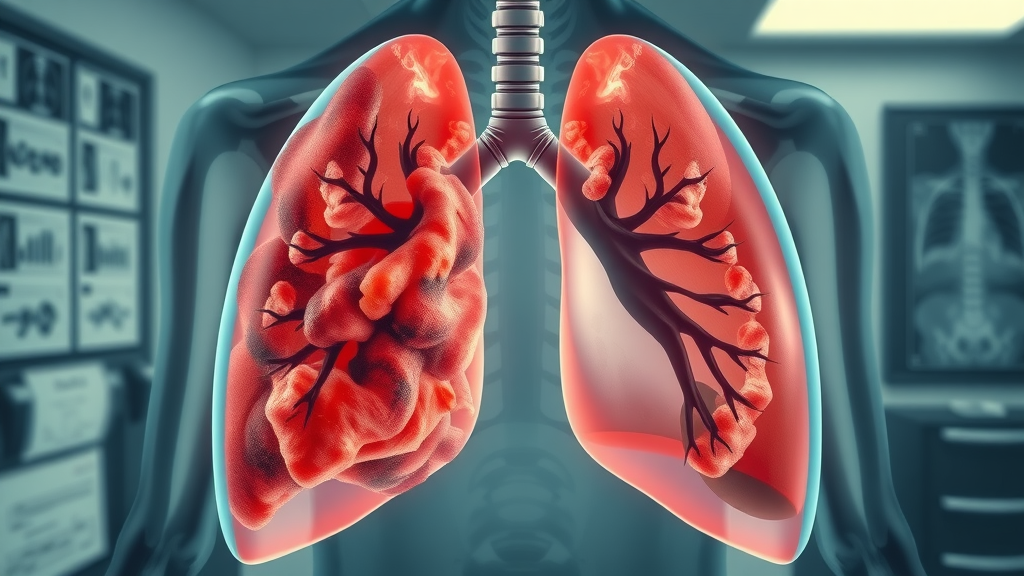
Unhealthy and inflamed human lungs compared to healthy lungs, illustrating physical health effects of teen vaping risks

Mental Health Effects: Teen Vaping Risks Beyond the Physical

Teen vaping risks are not strictly physical; mental health is also at stake. Research from the American Lung Association and major government organizations has revealed strong links between e-cigarette use, anxiety, depression, and behavioral changes among adolescents. Young people who vape are at higher risk for developing mood disorders, and emerging data suggest the substances in vape liquid may alter neurological pathways associated with emotion regulation and reward systems. For school students coping with the pressures of adolescence, vaping can quickly shift from a coping mechanism to a trigger for worsening mental health issues.

Nicotine dependency alone is enough to fuel mental health struggles, as withdrawal can cause irritability, restlessness, and subsequent problems with school performance and family relationships. The cyclical dependency created by regular e-cigarette use makes it even harder for teens to break free, especially if vaping has become normalized within their social circles. Experts warn that the mental health effects of teen vaping risks could linger well after physical symptoms subside, impacting everything from academic progress to self-esteem and social well-being.

  • Links between vaping and anxiety/depression: Studies show a higher prevalence of anxiety and depressive symptoms among adolescents who vape compared to non-users.

  • Potential for behavioral and cognitive changes: Long-term use may impact impulse control, attention span, and emotional regulation in developing teenage brains.

Thoughtful teenage girl sitting alone with a vape in a school hallway, highlighting teen vaping risks and mental health concerns

People Also Ask: How Harmful is Vaping for Teenagers?

Answer: Teen vaping risks include increased likelihood of nicotine addiction, lung injury, worsened mental health, and long-term health effects that can persist into adulthood.

E-cigarette use among school students exposes them to not only a rapid pathway to nicotine addiction, but also to a complex mix of health risks that are not yet fully understood. The CDC, American Lung Association, and other public health agencies are unanimous: regular use by teenagers can lead to respiratory and cardiovascular issues, mental health changes, inability to focus, and potentially irreversible harm to the developing brain and body. Vaping is never “just harmless fun”—it can leave a legacy of health effects lasting long after adolescence.

People Also Ask: Is it Bad for a 15 Year Old to Vape?

Answer: Yes, vaping at a young age exposes 15-year-olds to substantial health risks, including interference with brain development, risk of lifelong addiction, and increased susceptibility to respiratory illnesses.

Starting to vape as early as age 15 can have dire consequences. This is a critical time for brain development, and exposure to high levels of nicotine can impair learning, memory formation, and emotional health, making it harder for teens to achieve their full academic potential. There’s also a greater risk of establishing a lifelong habit, as well as increased vulnerability to conditions like asthma, bronchitis, and EVALI. These are not theoretical risks—they are increasingly documented in studies from government organizations and the American Lung Association.

People Also Ask: How Does Vaping Affect the Brain of a Teenager?

Answer: Teen vaping risks affecting the brain include impaired cognitive function, memory issues, and heightened vulnerability to addiction, as teenage brains are still developing.

Nicotine exposure during the critical years of brain growth can result in lasting harm. Studies show that vaping can disrupt the normal development of areas responsible for decision-making and impulse control, making it harder for young people to regulate their behavior and emotions. This can set the stage not only for chronic nicotine addiction, but also increase the risks for other types of substance abuse in the future. Parents should be alert for changes in school performance, memory challenges, and pronounced mood swings, which may all be subtle signs of a developing problem.

People Also Ask: What Does Vaping Do to Your Lungs as a Teenager?

Answer: Vaping as a teenager can cause inflammation, lung damage (such as EVALI), chronic coughing, and decreased lung capacity—posing serious health risks.

Teen vaping risks are especially evident in the lungs. Aerosols inhaled from vape liquid can contain ultrafine particles and chemical irritants that reach deep into the delicate tissues of developing respiratory systems. This can result in symptoms like persistent cough, shortness of breath, wheezing, and—in severe cases—acute injuries such as EVALI. Even among young users without preexisting conditions, vaping can decrease lung capacity and make them more susceptible to infections and respiratory diseases. The data is clear: for teenagers, there is no safe level of e-cigarette use.

Why Are Young People Drawn to E-Cigarettes? Understanding Teen Vaping Risks

  • Peer pressure and social acceptance among young people: Many high school students feel pressured to vape to fit in, especially when they see friends or classmates using e-cigarettes around campus or at social events.

  • Aggressive marketing strategies by e-cigarette companies: Companies use vibrant ads, influencers, and social media to make vaping look fun, modern, and risk-free — often targeting teens directly.

  • Influencer and celebrity endorsements: Teenagers are influenced by trends and celebrities promoting vaping, increasing both curiosity and normalization among their age group.

Diverse group of teenagers at a party, some using vapes and others watching social media influencers, capturing reasons why young people are drawn to e-cigarettes and teen vaping risks

Parental Guidance: How to Talk to Your Children About Teen Vaping Risks

Conversations about teen vaping risks can feel challenging, but they’re crucial for preventing harm. The best defense starts with open, honest, and nonjudgmental communication. Parents should arm themselves with facts, dispel myths their children may have heard at school or online, and create a supportive environment where teens feel comfortable discussing difficult subjects. Highlighting both the short-term and long-term health effects helps teens understand the real stakes without relying on scare tactics. By fostering trust, parents can encourage teens to share their experiences and ask questions before a pattern of use becomes an entrenched habit.

Educational materials from trusted sources, like government organizations or the American Lung Association, can bolster your message. It’s important to remain patient; changing attitudes about vaping may take time, especially when teens face peer pressure, pervasive social media influence, and mixed messaging from advertising. Be prepared to repeat discussions, listen more than you lecture, and seek advice from healthcare professionals if you suspect your child may already be using e-cigarettes. Every parent-child conversation about vaping is a building block toward a healthier, safer future.

Effective Communication Strategies for Parents

  1. Start open, judgment-free conversations: Don’t wait for your teen to ask—initiate the conversation and make it clear you’re a safe person to talk to.

  2. Provide up-to-date facts on health risks: Use resources from official websites and public health organizations to share sensitive information about the realities of vaping.

  3. Encourage questions and honest dialogue: Let your teen know it’s okay to have doubts and to ask questions, even if the subject feels uncomfortable.

  4. Seek professional help when necessary: If you notice warning signs of nicotine addiction or deteriorating mental health, consult a healthcare provider for expert guidance and intervention.

Key Takeaways: Protecting Your Teen from Vaping Risks

  • Stay informed on the latest data and health effects: Knowledge is power. Reliable, updated information helps you guide your child effectively.

  • Recognize signs of vaping and nicotine addiction: Watch for physical symptoms, behavior changes, and clues like unusual devices or scents.

  • Support mental health and create a safe environment: A strong support system can make it easier for teens to resist peer pressure and recover if they’ve already started vaping.

Supportive parent and concerned teenager sitting together in a cozy family home, discussing an e-cigarette, emphasizing parental involvement in addressing teen vaping risks

Expert Quotes on Teen Vaping Risks and Health Effects

"Teen vaping risks extend far beyond addiction; they shape the health and futures of an entire generation." – Dr. Amanda Reynolds, Pediatric Pulmonologist

Frequently Asked Questions (FAQs): Teen Vaping Risks

  • What chemicals are present in e-cigarettes?
    E-cigarette vapor often contains nicotine, flavorings, heavy metals (like lead and nickel), formaldehyde, and other toxic chemicals. These ingredients can cause lung damage, impact the developing brain, and even increase cancer risk.

  • Can quitting vaping reverse health effects in young people?
    Many health effects from vaping—especially in the early stages—can improve once a teen quits. Lung function and mood may gradually return to normal. However, some damage, especially with long-term use, may be lasting. Early intervention increases the likelihood of a full recovery.

  • How can schools address rising teen vaping risks?
    Schools play a critical role by implementing clear policies, offering education about health risks, providing support groups, and collaborating with local health organizations. Early education and a strong partnership between home and school are vital to prevention.

Conclusion: Taking Action Against Teen Vaping Risks

Why Parental Awareness and Advocacy Matter

Parents have a pivotal role in shaping attitudes and behaviors around vaping. By staying vigilant, informed, and proactive, you can help protect your teen's health and future from the escalating risks of e-cigarette use. Open dialogue and ongoing education will make a world of difference.

Resources for Parents and Guardians Seeking Support

If you’re concerned, turn to reputable organizations such as the American Lung Association, local school counselors, health care providers, and official government websites. They offer trustworthy information, support, and actionable steps for prevention and recovery.

CTA: Stay Informed and Proactive About Teen Vaping Risks

Stay connected, stay informed, and remain proactive—your actions today can help protect your teen for years to come. For more tips and resources on navigating teen vaping risks, visit nationwide health organizations or talk to your family doctor.


Risky Behaviors

Write A Comment

*
*
Related Posts All Posts

Risky Driving Behaviors in Teens: Safety Tips for Parents

Did you know that car crashes are the leading cause of death for teenagers in the United States, accounting for nearly one-third of all teen deaths each year? This alarming fact isn’t just a statistic—it’s a wakeup call for every parent of a teen driver. Teen drivers are uniquely at risk for dangerous habits behind the wheel, yet with the right knowledge and intervention, parents can make a measurable difference. In this guide, you’ll uncover crucial insights about risky driving behaviors teens exhibit and learn expert-backed steps to keep your teen driver safe.Startling Facts: The Reality of Risky Driving Behaviors in Teens“Teen drivers are nearly three times more likely to be involved in a fatal crash compared to drivers age 20 and older.” — National Highway Traffic Safety Administration (NHTSA)Every year, thousands of families are impacted by the devastating consequences of risky driving behaviors teens often display. From distracted driving to not wearing a seat belt, these actions contribute significantly to the high crash risk among teen drivers. The crash rate among this age group isn’t just higher—it’s disproportionately higher than for adults. Factors such as inexperience, emotional impulsivity, and peer pressure can turn a typical drive into a life-changing event in seconds.Understanding the scope of the problem is vital. According to recent motor vehicle crash data, teenagers (ages 16-19) are four times more likely to be involved in a vehicle crash per mile driven than any other age group. Despite advances in vehicle safety and new graduated driver licensing laws, the reality is clear: young drivers continue to face significant risks. Awareness is the essential first step in prevention—both for teens and their parents.What You’ll Learn About Risky Driving Behaviors in TeensKey safety tips for parentsMost common risky driving behaviors teens engage inHow to promote safe driving habitsRisk factors such as crash risk and vehicle crash dataUnderstanding Risky Driving Behaviors in TeensWhat are Common Risky Driving Behaviors in Teen Drivers?Teenage drivers frequently make choices behind the wheel that put themselves, passengers, and others at risk. The most common risky driving behaviors teens engage in include:Distracted driving: Teens are more likely to use a cell phone or interact with passengers instead of focusing on the road.Speeding: Young drivers often underestimate the dangers of speeding and have less control over their vehicles at higher speeds.Not wearing a seat belt: Failing to use seat belts dramatically increases the risk of injury or death in a vehicle crash.Impaired driving: Even small amounts of alcohol or drugs significantly impair driving behavior, and teens may not recognize their limits.Aggressive driving behaviors: Quick lane changes, tailgating, and other forms of aggressive driving are far more prevalent among teen drivers than adults.Each of these behaviors increases crash risk and contributes to high fatal crash rates among this age group. By understanding these patterns, parents and educators can better address risky tendencies before tragedy strikes.Why Risky Driving Behavior Is Higher in Teen Drivers“Adolescents undergo rapid emotional and neurological development, which leads to a higher likelihood of risk-taking and a lower ability to accurately assess danger behind the wheel.” — Dr. Emily Carter, Teen Driving Behavior ResearcherTeen drivers don’t just lack experience; their brains are still developing, especially in areas related to impulse control and decision-making. This makes them especially vulnerable to risky behavior like speeding or not wearing a seat belt. Peer influence strongly amplifies these dangers—teens driving with teen passengers are far more likely to take risks, leading to a higher crash risk. Meanwhile, nighttime driving and driving unfamiliar vehicles can increase risk factors even further.Moreover, teens tend to overestimate their driving abilities and underestimate hazards, making interventions around safe driving behavior particularly crucial during these formative years. Parents who understand these developmental limitations are better prepared to guide their teens toward building strong, lifelong driving habits.Crash Risk: The Major Consequence of Risky Driving Behaviors in TeensFactors That Contribute to High Crash Risk in Young DriversLack of driving experience: Novice drivers are less capable of identifying hazards and responding effectively during emergencies.Peer influence: The presence of other teenagers in the car increases risky decision-making and reduces seat belt compliance.Nighttime driving: Limited visibility and fatigue make night driving particularly dangerous for inexperienced drivers.Motor vehicle type: Sporty or older vehicles lacking advanced safety features present higher risks for young drivers.Substance use: Even minimal substance use can impair judgment and drastically raise the likelihood of a vehicle crash.These factors combine to create a perfect storm of risk. The crash rate among teen drivers spikes dramatically when more than one contributing risk is present (e.g., driving at night with friends in the vehicle). As driving experience accumulates, these risks typically moderate, but until then, both teens and their parents must be vigilant.Crash Risk Factors vs. Crash Rate Among Teen DriversCrash Risk FactorIncrease in Crash RateNighttime driving (10pm–6am)3x higher than daytimeDriving with teen passengers2.5x higherNo seat belt1.8x higher injury rateSubstance use3.5x higher fatal crash likelihoodRecent Trends in Teen Driver Motor Vehicle CrashesVehicle crashes statistics: Data consistently show that teens have the highest rates of involvement in motor vehicle crashes compared to any other age group.Motor vehicle crash involvement by age: Crash rates peak in the first few years after licensing and gradually decline with age and experience.Comparison with other age groups: While overall fatal crashes have decreased in the United States over the past decade, teens continue to represent a disproportionate share of fatal crash statistics.Monitoring these trends helps identify whether interventions are making an impact. Encouragingly, programs focused on graduated driver licensing and parental involvement have shown some reduction in crash rates, but the need for continued emphasis on safe driving remains high.Analyzing Driving Behaviors: How Teens Differ from AdultsDriving Behavior Differences: Teen Drivers vs. Adult DriversSafe driving behavior compliance: Adults are significantly more likely to wear seat belts, follow speed limits, and avoid distractions.Response to distractions: Teens, with less driving experience, are slower to react to unexpected events caused by distractions such as cell phone use.Use of seat belts and speeding tendencies: Teens have lower seat belt usage rates and higher instances of speeding than adults.Adults typically develop safer driving habits through years of experience and a greater appreciation of risk. For teens, the process of learning these behaviors often occurs after exposure to negative outcomes, such as a close call or an actual crash risk incident. That’s why early intervention and parental modeling of safe driving behavior are so important in shaping lifelong habits.Additionally, teenagers are more influenced by immediate social interactions, making it easier for peer pressure to override parental guidance or previous training. Crafting consistent rules and reinforcing them with clear consequences are proven ways to help bridge this gap between teen and adult drivers.Top Risky Driving Behavior Exhibited by TeensThe number one risky behavior among young drivers is distracted driving, most commonly using a phone or texting behind the wheel. This one behavior alone doubles the crash risk for any age, but has even more severe consequences for teen drivers given their lack of experience and delayed reaction time. Combine this with low seat belt usage and a tendency to speed, and the reasons for elevated crash rates become clearer.(Video Suggested: Animated overview of risky driving behaviors teens and their real-world consequences.)Promoting Safe Driving: Practical Tips for ParentsEffective Communication About Risky Driving Behaviors Teens Should AvoidHow to discuss crash risk: Use real data and personal stories to connect emotionally as well as logically.Strategies to model safe driving: Always buckle your seat belt, follow traffic laws, and avoid distractions when driving together.Setting clear expectations on driving behaviors: Outline which behaviors are unacceptable and agree on immediate consequences for breaking the rules.Start conversations early and have regular check-ins about risky driving behaviors teens may encounter. Teens are more likely to adopt safe driving attitudes when they feel heard and supported, not just lectured. Effective communication isn’t just about telling—it’s about listening, problem-solving together, and making rules collaboratively so your teen understands the “why” behind each one.Enforcing Teen Driving Rules & Safe Driving BehaviorGraduated driver licensing information: Understand your state’s laws, which often impose curfews, passenger limits, and cell phone bans for young drivers.Parental agreements: Create and sign a written contract outlining responsibilities and consequences for risky driving.Consistent consequences: Enforce rules predictably—if risky behavior occurs, follow through on the agreed consequences every time.Parental involvement is a proven way to reduce crash risk and instill a strong sense of accountability. Driving privileges should be earned, not assumed, and regular reviews of your teen’s progress can open up opportunities to recognize maturity and expand driving freedoms safely.Key Risk Factors: Distracted Driving, Impaired Driving & Seat Belt Non-UsePreventing Distracted Driving in TeensDangers of cellphone use: Even a two-second glance at a phone can be the difference between a safe drive and a catastrophic vehicle crash.Best practice policies for parents: Prohibit cell phone use while driving, consider using apps or in-car technology to block notifications, and model zero-tolerance for distraction yourself.Distracted driving remains the leading cause of motor vehicle crashes among teens. A combination of technology and parental monitoring can help create a strong deterrent to using a cell phone while driving. Establish family rules, leverage dashboard cameras, or use apps that limit mobile use in moving vehicles. Ensure your teen understands not only the rules, but the reasons behind them—most fatal crashes involving distracted driving are easily preventable.Seat Belt Compliance and Reducing Crash RiskSeat belt use statistics: 60% of teen drivers killed in crashes were not wearing a seat belt at the time of the accident.Vehicle crash outcomes related to non-use: Not wearing a seat belt more than doubles the risk of serious injury or death during a vehicle crash.Wearing a seat belt is one of the simplest, most effective ways to survive a crash. Despite this, teens are dramatically less likely than adults to buckle up every trip. Every parent should insist on 100% compliance—not just for the driver, but for every passenger. Positive reinforcement, combined with clear, consistent consequences, can help emphasize that seat belt use is not negotiable.Comparison Table: Risky Driving Behaviors vs. Crash Risk OutcomesRisky Driving BehaviorAssociated Crash Risk OutcomeDistracted driving (phone use)2x higher crash rateNo seat belt use2.5x increased chance of fatal injurySpeeding33% of teen crashes involve speedingImpaired driving3x higher crash riskBuilding a Culture of Safe Driving for Teen DriversEncouraging Long-term Safe Driving HabitsRewarding safe driving: Recognize responsible choices with privileges, praise, or tangible rewards.Ongoing check-ins: Make driving safety a regular conversation, not a one-time event.Family safe driving pledges: Create a visible commitment everyone in the family can sign and revisit regularly.Building a culture of safe driving starts at home. Celebrate milestones—like a month of incident-free driving—and include your teen in conversations about evolving rules as experience grows. Reinforce the idea that driving is a privilege, and with it comes responsibility. For families, leading by example and regularly discussing driving behaviors are powerful ways to keep safety at the forefront.“Every safe trip your teen makes is a victory. Keep the conversation going, celebrate progress, and always reinforce that nothing is more important than coming home safe.” — Anne Bell, Safe Driving Advocate & ParentPeople Also Ask: Risky Driving Behaviors TeensWhat are the most common risky driving behaviors among teens?Comprehensive answer addressing 'risky driving behaviors teens'.The most common risky driving behaviors teens exhibit include distracted driving, speeding, not wearing seat belts, impaired driving, and aggressive driving actions like tailgating or weaving through traffic. These behaviors increase crash risk by reducing reaction time and increasing the chance of a vehicle crash. It's crucial for parents to help teens recognize these risks, set clear rules, and model safe driving to encourage responsible habits early on.How can parents reduce fatal crash risks for teen drivers?Comprehensive answer addressing 'risky driving behaviors teens'.Parents can reduce fatal crash risks by establishing clear expectations, monitoring driving behavior, enforcing seat belt use, limiting nighttime and peer passenger driving, and staying involved with regular check-ins. Emphasizing the dangers of distracted driving and supporting safe driving behavior through positive reinforcement and consistent consequences are especially effective in minimizing risky driving behaviors teens may be tempted to try.Do graduated driver licensing laws really help with teen crash rates?Comprehensive answer addressing 'risky driving behaviors teens'.Yes, graduated driver licensing (GDL) laws are proven to reduce teen crash rates by gradually introducing teens to driving under lower-risk conditions. GDL programs restrict high-risk driving situations like nighttime driving and peer passengers, giving teens critical experience before taking on greater responsibility. Compliance with GDL rules, combined with parental oversight, creates a strong foundation for developing safe driving behaviors among young drivers.FAQs: Risky Driving Behaviors Teens and Safe DrivingHow can I monitor my teen’s driving behaviors?Use technology such as dashboard cameras, GPS trackers, and driving apps to monitor habits like speed, location, and sudden stops. Regular reviews and conversations help keep your teen accountable and open up opportunities for teaching moments.What are effective consequences for risky driving?Consequences should be clear, immediate, and consistent—such as temporary suspension of driving privileges or requiring additional driving lessons. Positive reinforcement (like increased privileges for safety milestones) can also motivate better choices.Can technology help prevent crash risk in teens?Yes. Devices that block texts or calls while the vehicle is moving, telematics systems analyzing risky behaviors, and real-time alerts have all shown success in reducing distractions and encouraging safe driving habits in teens.What’s the most common risky driving behavior in teens?Distracted driving, especially using a cell phone to text or call, remains the top risky behavior among teen drivers and doubles the risk of being involved in a crash.How do parents influence teen driving habits?Parental involvement is one of the strongest predictors of safe driving behavior in teens. Clear rules, open communication, and consistent consequences create accountability and help teens understand the real impact of their choices behind the wheel.Key Takeaways on Risky Driving Behaviors in TeensMain points for parents to remember: Teens face unique risks due to inexperience, distraction, and peer influence. Awareness and involvement are critical to prevention.Reminder that crash risk can be reduced: Consistent rules, seat belt compliance, and avoidance of distractions have a measurable impact on safety.The importance of proactive involvement: Regular conversations, monitoring, and positive reinforcement make a real difference in forming safe, lifelong driving habits.Conclusion: Safer Roads Start at Home – How Parents Can Counteract Risky Driving Behaviors in TeensBy taking a proactive role, setting clear expectations, and reinforcing safe driving behaviors, parents can dramatically reduce the crash rate for their teen drivers—making every journey safer for all. Your efforts today lay the foundation for a lifetime of safe driving.Take Action: Start Conversations About Risky Driving Behaviors Teens TodayUnderstanding and addressing risky driving behaviors in teens is crucial for ensuring their safety on the road. The Centers for Disease Control and Prevention (CDC) outlines several key risk factors contributing to teen driving incidents, including inexperience, nighttime and weekend driving, not using seat belts, distracted driving, and speeding. (cdc.gov) Additionally, the National Highway Traffic Safety Administration (NHTSA) emphasizes the importance of seat belt use, noting that in 2023, 53% of teen drivers who died were unbuckled. (nhtsa.gov)To further explore these issues, the article “FOMO Is Making Teens Terrible Drivers” discusses how the fear of missing out (FOMO) influences teens to use smartphones while driving, leading to dangerous behaviors. (time.com) Similarly, the CDC’s “Risk Factors for Teen Drivers” provides comprehensive insights into the various elements that increase crash risks among teen drivers. (cdc.gov)By understanding these risk factors and implementing proactive measures, parents can play a pivotal role in promoting safer driving habits among teens.

Treatment Options for Teen Substance Abuse: A Parent’s Guide

Did you know nearly 1 in 7 adolescents reports substance use in the past year? For parents facing the challenge of helping their teen through substance abuse, this fact underscores the urgency of finding effective, evidence-based treatment options. In today’s fast-paced society, teen substance abuse isn’t just a distant statistic but an all-too-common reality. This guide is here to equip parents with the latest insights, tools, and understanding needed to navigate the complex world of teen substance abuse treatment options and support their child’s journey to recovery.Understanding the Scope: Teen Substance Abuse Treatment Options in Today’s Society"Nearly 1 in 7 adolescents reports substance use in the past year—highlighting the urgency of effective teen substance abuse treatment options."Teen substance abuse treatment options have evolved as the number of young adults affected by substance use disorder continues to rise in the United States. It’s not only illicit drug abuse or alcohol that threatens teen wellbeing—misuse of prescription medications and vaping substances have dramatically increased in recent years. According to national institute data gathered from official government sources, substance use disorders now impact a wider range of teens and young adults than ever before.As a parent, recognizing the scope of the problem is the first step toward seeking the appropriate treatment services for your child. From outpatient counseling to residential treatment centers, and specialized therapy designed for young adults, today’s families have a diverse array of addiction treatment programs and resources available. Understanding these treatment options empowers parents to make informed, timely decisions that support both immediate recovery and lifelong wellness.What You’ll Learn in This Guide to Teen Substance Abuse Treatment OptionsThe latest statistics on teen substance abuse and substance use disorderKey signs parents should watch forTypes of addiction treatment and treatment services for young adultsHow to choose the right treatment program for your teenReal-life quotes from experts and familiesRecognizing Teen Substance Abuse: Early Warning Signs and RisksBehavioral changesDeclining school performanceWithdrawal from familyPhysical symptomsTeen substance abuse rarely happens overnight; it is often a gradual process marked by subtle yet crucial warning signs. Parents who notice abrupt behavioral changes—such as mood swings, irritability, secrecy, or association with new peer groups—should view these as potential red flags for substance misuse. Additional risk indicators, such as a sudden decline in school performance, frequent absences, or loss of interest in previously enjoyed activities, often signal deeper underlying issues.Types of Teen Substance Abuse Treatment OptionsOutpatient and Residential Treatment Programs for TeensOutpatient treatment servicesResidential treatment center programsPartial hospitalizationWhen it comes to teen substance abuse treatment options, parents can choose between several evidence-based approaches, often categorized as outpatient or residential treatment programs (sometimes called inpatient). Outpatient treatment services offer flexibility for young adults who are able to live at home while attending regular therapy sessions at a treatment center. This option may include group therapy, individual and family counseling, and can be effective for teens with mild to moderate substance use disorders.Residential treatment centers provide an immersive environment where teens receive intensive, round-the-clock care. These programs are suited for adolescents with severe, complex substance use issues or co-occurring mental health disorders. Residential treatment typically includes individual therapy, family therapy, group counseling, and academic support, allowing teens to focus solely on recovery. In between, partial hospitalization programs—sometimes called day treatment—provide a structured setting without requiring overnight stays, bridging the gap between outpatient and residential care.Specialized Treatment Services for Young AdultsGender-specific or age-based programsHolistic treatment optionsCo-occurring mental health disorder treatmentIn addition to traditional outpatient and residential models, many treatment centers now offer specialized treatment services tailored for young adults and teens. These programs may be gender-specific, providing a safe, relatable environment for participants, or age-based, addressing the unique social and emotional challenges adolescents face. Holistic approaches to substance abuse treatment incorporate elements like art therapy, mindfulness training, physical activity, and nutrition—addressing the whole person, not just the addiction.Treatment programs also increasingly recognize the connection between substance use disorders and co-occurring mental health conditions such as anxiety, depression, or trauma. Integrated treatment for both addiction and mental illness—sometimes called dual diagnosis or co-occurring disorder treatment—is crucial for long-term success. These specialized treatment services and therapy sessions ensure that your teen receives individualized care that addresses every aspect of their well-being.How Addiction Treatment Works for TeensAssessment and Diagnosis: The Foundation for Treatment ServicesSubstance use disorder screeningDetermining the need for addiction treatmentMatching with appropriate treatment programsThe first step in any successful addiction treatment process for teens is a professional assessment. Licensed clinicians at a treatment center utilize validated screening tools to identify the presence and severity of substance use disorders. This initial evaluation may involve interviews, questionnaires, and reviews of academic and medical records, as well as input from family members—always conducted sensitively and confidentially to protect any sensitive information.Once the screening is complete, experts determine the appropriate level of care—outpatient, residential, or partial hospitalization—and match the adolescent with treatment programs that target their specific needs. Factors such as the type of substance used, co-occurring mental illness, and social supports are taken into account, ensuring the treatment process is customized for optimal outcomes. Evidence from the national institute and other gov websites support the importance of individualized diagnosis as the foundation for sustained recovery in young adults.Evidence-Based Teen Substance Abuse Treatment OptionsBehavioral Therapies and Family Therapy in Treatment ProgramsCognitive Behavioral Therapy (CBT)Family therapy approachesMotivational InterviewingGroup counseling for young adults"Effective family involvement can significantly improve the long-term outlook of addiction treatment for teens." – Adolescent Therapy ExpertModern teen substance abuse treatment options emphasize evidence-based behavioral therapies proven effective for young adults. Cognitive Behavioral Therapy (CBT) equips teens to identify high-risk situations, challenge negative thought patterns, and develop healthier coping skills. Motivational Interviewing, another core technique, encourages adolescents to explore their own reasons for change in a collaborative, respectful environment.Family therapy is uniquely critical in adolescent recovery, with studies consistently showing that including family members in the therapy process leads to better long-term outcomes. Sessions focus on improving communication, resolving conflicts, and building healthy support structures both within the family and in the wider community. Group counseling connects teens with peers coping with similar challenges, fostering accountability and reducing feelings of isolation. These combined therapies form the foundation of most reputable treatment programs at leading treatment centers.Medication-Assisted Treatment (MAT) and Opioid Use Disorder in TeensMedications approved for adolescentsThe role of MAT in opioid use disorder treatmentCombining MAT with other treatment optionsThe opioid crisis in the United States has affected adolescents as well as adults, with a rise in opioid use disorder among teens. Medication-Assisted Treatment (MAT) is increasingly recognized as a lifesaving intervention when professionally supervised and combined with counseling and behavioral therapies. The official website for the Substance Abuse and Mental Health Services Administration provides detailed guidelines on medications like buprenorphine and naltrexone, which can be safely and effectively used for some adolescents experiencing opioid dependence.MAT is rarely a standalone solution; instead, best practices involve integrating medications with supportive treatment services such as therapy sessions, family therapy, and ongoing monitoring—creating a holistic, multidisciplinary care plan. Parents should consult with a licensed health professional or accredited treatment center to assess whether MAT is an appropriate part of their teen’s treatment plan. The blend of MAT with ongoing counseling offers real hope for sustained recovery among young adults facing opioid use disorder.Choosing the Right Teen Substance Abuse Treatment ProgramHow to Evaluate a Treatment Center or ProgramAccreditation and licensingStaff qualificationsFamily support and aftercare planningSelecting the best treatment program for your teen is a major decision—and should start with careful research into the qualifications and reputation of potential treatment centers. Seek programs with proper state licensing and national accreditation, as these designations indicate the facility meets rigorous standards for care and ethics. Staff qualifications also matter: licensed clinicians, certified addiction counselors, and mental health professionals should form the core of the team.Quality treatment programs prioritize family support and robust aftercare planning to help ensure recovery continues well beyond the initial treatment phase. Look for treatment centers that actively engage parents and siblings in therapy, provide support groups for family members, and offer ongoing check-ins or alumni activities post-program. Open communication and partnership with providers form the basis for a successful and sustainable treatment journey.Comparison of Teen Substance Abuse Treatment OptionsTreatment OptionLevel of CareDurationBest ForOutpatientLow to HighWeeks-MonthsMild to moderateResidentialHighMonthsSevere or complexMAT for Opioid UseMediumOngoingOpioid use disorderThe Role of Family Support in Teen Substance Abuse RecoveryImportance of family therapyParent and sibling involvementCreating a supportive home environmentFamily support is vital in every stage of adolescent recovery from substance abuse. Integrating family therapy into treatment programs addresses the dynamics that may contribute to substance use and helps families learn how to support healthy behaviors moving forward. Parents and siblings who actively participate in therapy sessions or educational workshops often become more effective allies in their teen’s journey toward wellness.Creating a supportive home environment is essential for preventing relapse and fostering long-term resilience. This includes setting clear boundaries, reinforcing positive behaviors, and maintaining open lines of communication. Treatment centers that emphasize family involvement usually provide resources and guidance for rebuilding trust and ensuring ongoing emotional support—a proven key to successful recovery among young adults with substance use disorders.People Also Ask: Answers About Teen Substance Abuse Treatment OptionsWhat are the most effective teen substance abuse treatment options?Combination of behavioral therapy, family therapy, and when appropriate, medication-assisted treatment, tailored to individual needs.The most effective teen substance abuse treatment options combine evidence-based therapies such as Cognitive Behavioral Therapy, group therapy, and family therapy with individualized assessments and—when clinically indicated—medication-assisted treatment for opioid or other substance use disorders. Treatment should be tailored to each teen’s unique circumstances, including any co-occurring mental health challenges, to maximize the likelihood of sustainable recovery.How do I know if my child needs a treatment program?Persistent signs of substance abuse, changes in behavior or mood, academic decline, or unsuccessful attempts to stop using substances signal a need for assessment and possible treatment.If your child is exhibiting ongoing behavioral or physical changes, dropping grades, increased secrecy, or if you’ve noticed unsuccessful attempts to quit substances on their own, it’s time to seek professional help. Early intervention through a screening at a qualified treatment center can determine if your teen requires formal treatment services. Acting quickly gives your family the best opportunity for positive outcomes.Frequently Asked Questions About Teen Substance Abuse Treatment OptionsCan my teen attend school during treatment?What role does insurance play in treatment coverage?How long do treatment programs typically last for young adults?Are there gender-specific programs for teen substance abuse?Is aftercare necessary?Many outpatient and some residential treatment programs integrate educational support so teens don’t fall behind in school during recovery. Insurance plans cover varying aspects of treatment services; ask your provider or treatment center about eligibility and network status. Program lengths can range from a few weeks in intensive outpatient treatment to several months in residential facilities. Yes, gender-specific programs exist to facilitate a safer and more personalized healing environment. Aftercare—such as ongoing counseling and family therapy—remains essential for sustained recovery and relapse prevention.Key Takeaways: Navigating Teen Substance Abuse Treatment OptionsEarly intervention leads to better outcomes.Individualized approaches work best.Family involvement is crucial for recovery.Quality treatment services make a difference.To navigate the complex landscape of teen substance abuse treatment options, parents must act quickly, seek expert advice, and prioritize holistic, family-centered approaches. With the array of prevention and addiction treatment programs now available for young adults, there is hope for every family.Conclusion: Empowering Parents to Select the Best Teen Substance Abuse Treatment OptionsInform yourself, seek professional assessment, compare treatment programs, and prioritize family-centered approaches for the best chance at long-term recovery.Take the Next Step: Get Expert Guidance on Teen Substance Abuse Treatment OptionsContact a licensed treatment center for a confidential assessment today.Access professional advice and support tailored to your family’s unique needs.

Peer Pressure and Teen Substance Use: Helping Kids Say No

Did you know that nearly 90% of teenagers report experiencing peer pressure related to substance use before they finish high school? Peer influence is not just a buzzword—it's an urgent reality driving risky decisions about alcohol and drugs among teens and emerging adults. This article uncovers the facts, busts myths, and delivers real, actionable strategies for helping youth resist negative peer pressure and substance use. Whether you’re a parent, educator, or teen yourself, these insights may be the turning point in the fight against adolescent substance abuse.A Startling Reality: Understanding Peer Pressure and Substance Use Among TeensPeer pressure and substance use are deeply intertwined for today’s teenagers. Increasingly, studies reveal that teens face not only the traditional pressures from close friends but also the added influence of social media and wider peer groups. According to recent research, the average age of first experimentation with alcohol or drugs continues to drop, and peer influence has a significant impact on these choices.In high school hallways, at after-school hangouts, and throughout online spaces, young people witness both direct and indirect encouragement to try alcohol, drugs, or vaping. While peer pressure isn’t always overt—sometimes it’s a subtle nudge or the normalization of risky behaviors—it remains one of the strongest risk factors for adolescent substance use disorder. And when we add the voice of social media, teens encounter a pressure group that never truly turns off, amplifying both positive and negative expectations. Recognizing this landscape is the first step toward creating strategies that help teens confidently say no to substance abuse.Peer Pressure and Substance Use: Fact Versus Assumption“Nearly 90% of teenagers report having experienced peer pressure related to substance use before graduating high school.”It’s tempting to believe that peer pressure is only an occasional challenge. However, teen substance abuse is often rooted in persistent, daily social pressures. Research consistently shows that both the perception and reality of peer substance use can dramatically influence a teen's decision-making. In environments where drug and alcohol use seem common—even if exaggerated—teens are far more likely to try risky substances themselves. This means that perceived peer pressure may be as powerful as actual direct encouragement, especially as teens navigate the stressful journey towards adulthood.Yet not all peer influences lead to negative outcomes. Understanding the nuances between peer pressure group dynamics, direct negative peer pressure, and supportive friendships is essential. Sometimes, healthy support groups and positive peer models set norms that encourage avoidance of alcohol and drugs. The challenge for families and educators is distinguishing between risk and resilience—and finding ways to empower teens no matter which pressure they face.What You'll Learn About Peer Pressure and Substance UseThe definitions and types of peer pressureHow social media amplifies peer influence on substance useWhy teens and emerging adults are especially vulnerableStrategies for resisting negative peer pressure and substance abuseExpert opinions on supporting teensDefining Peer Pressure and Substance Use: Key Terms and ConceptsTermDefinitionPeer PressureThe influence exerted by a peer group that encourages individuals to change attitudes, values, or behaviors to conform to group norms, often impacting decisions about drugs and alcohol.Substance AbuseThe harmful or hazardous use of psychoactive substances, including alcohol and illicit drugs, which can lead to substance use disorders and lasting health consequences.Peer InfluenceThe effect that a peer group or individual peers have over others, shaping beliefs, decisions, and actions—either toward positive or negative outcomes.Emerging AdulthoodA developmental stage (late teens through mid-twenties) marked by increased peer interaction, identity exploration, and higher risk for substance experimentation and abuse.Types of Peer Pressure: Positive and Negative Influences on Substance UseDirect versus indirect peer pressureNegative peer pressure and substance abuse riskPositive peer influences and healthy choicesPeer pressure manifests in several forms. Direct peer pressure involves explicit offers or encouragement to try drugs or alcohol, while indirect peer pressure works more subtly—unspoken expectations, observing others’ choices, or simply wanting to belong. It's this silent yet powerful peer influence found in social settings, extracurricular groups, and even on social media, that often catches teens and emerging adults off guard.On the flip side, positive peer pressure exists as well. Groups that celebrate healthy choices, prioritize academic achievement, or model resilience play an important role in decreasing the risk factor for negative behaviors and substance use disorder. Positive and negative pressures coexist in adolescent and emerging adulthood cultures—making it essential to differentiate and reinforce the former while tactfully navigating the latter. Parents, mentors, and educators can harness positive peer groups to counteract the dangers of negative peer pressure and substance use risk.How Social Media Shapes Peer Influence and Substance Use BehaviorSocial media platforms like Instagram, Snapchat, and TikTok have changed the way peer influence operates. Online, teens aren’t just exposed to their immediate circle—they’re served a constant stream of peers, celebrities, and influencers showcasing an often-glamorized lifestyle, including alcohol or drug use. Research reveals that exposure to such content is now considered a significant risk factor for adolescent substance abuse, as it normalizes and even incentivizes risky behavior.The interactive and viral nature of social media drives home the message that substance use is a common or “cool” activity, making it harder for teens to resist pressures. Shared images, videos, and stories often blur the line between reality and aspiration, pushing young viewers to mimic behaviors for acceptance or online popularity. This influence is amplified during emerging adulthood, when seeking approval is central to one’s social and emotional development.Social Media, Peer Pressure and Substance Use: A Modern Epidemic?“Images and stories on social media can both glamorize substance use and perpetuate unrealistic social norms.”When teens perceive that “everyone’s doing it,” whether through carefully curated images or viral trends, the weight of perceived peer pressure grows heavier. This can be particularly damaging for those who already struggle with self-esteem or are transitioning through challenging periods of mental health. As parents and educators, it is vital to teach youth the difference between online fiction and reality, and to provide tools for healthy media literacy. Setting boundaries around social media use is not just about screen time—but about building resilience against powerful peer pressure and substance use cues.Families and communities can combat this by promoting positive and negative social media messages—using platforms to share stories of sobriety, resilience, and real-life consequences. Encouraging teens to follow inspirational and health-focused accounts can mitigate some of the negative peer pressure group dynamics online. Through honest conversations and community support, the cycle of glamorized substance abuse on social networks can be broken.The Psychology of Peer Pressure and Substance Use in Emerging AdulthoodAdolescence and emerging adulthood represent unique times in brain development and social-emotional growth, making them highly susceptible to peer pressure and substance abuse. The prefrontal cortex—the part of the brain responsible for impulse control and sound decision-making—is still maturing well into the mid-twenties. During this phase, peer acceptance and social success weigh more heavily than ever before, often overshadowing long-term risks of alcohol or drug abuse.This heightened vulnerability means that exposure to drug and alcohol use in peer groups or through social media can lead directly to experimentation, substance use disorder, or even lifelong mental health impacts. Social belonging is a powerful motivator in emerging adults; being accepted by peers often feels more immediately important than the warnings of parents or educators. That’s why understanding the underlying psychology—and reinforcing supportive relationships—matters so much in preventing adolescent substance abuse.How Brain Development and Social Needs Heightsen Substance Use RiskVulnerability in emerging adultsSubstance use disorders and lasting impactsInfluence of friends and social dynamicsDuring the teen years and into early adulthood, brain circuits related to pleasure, reward, and risk-taking are in overdrive. Emerging adults crave excitement, peer approval, and new experiences. When placed in situations where alcohol or drug use is being normalized or encouraged, these neurological factors, combined with social pressure, create a perfect storm for substance use disorders.Many studies from organizations like the National Institute on Drug Abuse show a clear link between peer-led environments and both initial experimentation and persistent substance use. Further, once a substance use disorder is established in adolescence or early adulthood, its effects can ripple through physical health, academic success, and even adult mental health. The role of positive peer influences and close adult relationships cannot be understated in breaking this cycle.Why Teens Give Into Peer Pressure and Abuse Drugs: An Opinion AnalysisOne of the most frustrating realities for parents and teachers is watching teens with otherwise good decision-making skills suddenly make risky choices around peers. Why does this happen? The desire for acceptance in a peer pressure group, the need for autonomy, and the struggle to cope with stress or mental health challenges are all contributors. In our opinion, negative peer influence is often compounded by a lack of practical coping skills, making substance use appear as a viable solution—or even a rite of passage.The culture of “fitting in” has shifted from physical peer groups to include digital circles, intensifying the perceived threat of exclusion. As teens grapple with academic pressure, changing social dynamics, and constant online comparisons, substance abuse becomes one misguided way to fit in or cope. Addressing this requires a shift in conversation: from focusing on punishment, to fostering understanding and equipping teens with tools for resilience.Root Causes: Negative Peer and Environmental Pressures“The absence of adequate coping strategies is why many teens succumb to negative peer pressure and substance use.”Environmental challenges—from unstable family dynamics to high academic or social stress—can push teens towards groups that provide acceptance, even if those groups normalize substance use. Negative peer pressure is especially persuasive when combined with a teen’s existing vulnerabilities or when positive adult role models are absent. The most effective prevention strategies go beyond simply saying “no”—they help young people build emotional intelligence, self-confidence, and real-life coping skills to handle stress and rejection. Encouraging healthy activities, promoting strong peer connections, and modeling open communication are all part of a whole-child approach.Ultimately, empowering emerging adults to make healthy choices requires a multifaceted approach, one that identifies both the roots of negative peer influence and the unique strengths of each individual. Understanding the underlying reasons why some teens are drawn to drugs or alcohol—and intervening early—can dramatically reduce the long-term risks of substance use disorder and adolescent substance abuse.Recognizing Warning Signs of Substance Use and Negative Peer PressureBehavioral changesShifts in academic performanceNew or secretive friend groupsPhysical health warningsRecognizing when a teen is struggling with negative peer pressure or early substance use can be challenging, as the warning signs often resemble typical teenage behavior. However, consistent or dramatic behavioral changes—such as mood swings, irritability, increased secrecy, or withdrawal from family—should raise red flags. Shifts in academic performance, like sudden drops in grades or loss of motivation, often occur in parallel with increased substance use or involvement with at-risk peer groups.Teens experimenting with drugs or alcohol may also start associating with new, sometimes older, friends and avoid conversations with trusted adults. Physical warning signs such as bloodshot eyes, changes in sleep patterns, and unexplained health complaints are important clues for parents and caregivers. Early intervention, built on open communication and non-judgmental support, can make all the difference in redirecting a teen away from negative peer pressure and substance cruelty.Expert Strategies to Help Kids Resist Peer Pressure and Substance UseBuilding a strong foundation for teens to resist negative peer influence starts with supportive adults and proactive education. Experts in adolescent substance abuse prevention emphasize the power of role play, positive reinforcement, and the modeling of healthy boundaries. Open, honest communication between parents and children is the cornerstone of prevention, helping teens feel secure voicing their concerns, fears, or questions about drugs and alcohol without shame.Setting clear expectations around substance use, consistently reinforcing family values, and providing real-life examples of positive peer pressure are proven strategies for prevention. Supportive adults, such as teachers, mentors, or coaches, can also play an important role in helping teens build the confidence and skills necessary to say no—even in challenging social environments. Ongoing conversations about social media and peer influence can further reduce the risk of substance abuse, especially in emerging adulthood.Open Communication and Parental Modeling as Key DefensesRole-playing scenariosSupporting positive peer influenceEnforcing boundaries and consequencesOne of the best ways to prepare teens for real-life scenarios is through role-play. Practicing different responses to peer offers, brainstorming what to say, and even acting out awkward situations can help remove the fear of saying “no.” Families that encourage positive peer influence and nurture connections with healthy peer pressure groups set a powerful example. Modeling refusal skills, maintaining clear boundaries, and consistently reinforcing consequences for substance use are essential—not just as discipline, but as life lessons in responsibility.Just as importantly, parents and mentors must openly discuss their own values and decisions regarding drugs and alcohol. When teens see adults navigate peer influence and stress in healthy ways, they’re more likely to emulate those strategies. Creating a climate of trust—where teens feel comfortable bringing up challenging topics—builds resilience against both negative peer pressure and the ever-present risks of social media-driven substance use.Real Stories: Teens Overcoming Peer Influence and Substance AbuseThe most compelling lessons come from those who have faced and resisted negative peer pressure. Stories of emerging adults who chose sobriety, sought out positive peer groups, or recovered from substance use disorder remind us that change is always possible. Hearing real accounts from teens who trusted mentors, joined treatment programs, or simply found the strength to say “no thanks” can be an invaluable deterrent for others struggling to resist.Communities that prioritize sharing success stories create new norms—redefining what it means to be “cool.” They also break down the stigma of seeking help, encouraging young people at risk to reach out before substance abuse spirals out of control. As more teens see their peers overcoming challenges and reclaiming healthy futures, hope expands for every member of their peer pressure group.Emerging Adults Speak—Perspectives on Peer Pressure and Substance Use“Hearing stories from peers is one of the most powerful deterrents to negative peer pressure.”Young people are more likely to listen to—and be inspired by—their own peers than by adults. Whether through school assemblies, online forums, or informal conversations, sharing firsthand perspectives on resisting drugs and alcohol can counter misinformation and dismantle the glamorization of substance abuse. Promoting open dialogue, peer mentorship, and community support networks turns awareness into action, and action into lifelong resilience.As the emerging adult community shares stories of perseverance and achievement, the narrative around peer pressure and substance use shifts from risk and fear to possibility and hope. These real voices are the foundation of cultural change.People Also Ask: Key Questions About Peer Pressure and Substance UseWhat is peer pressure with substance use?Peer pressure with substance use refers to the influence exerted by peers or social groups that encourages individuals—especially teens and emerging adults—to try alcohol, drugs, or other substances, often against their better judgment. This can be direct or indirect and is a leading risk factor for adolescent substance abuse.Why do some teens give into peer pressure and abuse drugs?Many teens give into negative peer pressure because of the desire for acceptance, fear of social exclusion, curiosity, or a lack of alternative coping mechanisms, making them susceptible to substance abuse. Without healthy outlets or support, this vulnerability may lead to early experimentation and substance use disorders.How does peer pressure influence alcohol use?Peer pressure can strongly influence alcohol use through direct offers, modeling of drinking behavior, or the normalization of substance use in social groups and on social media. Seeing peers engage in binge drinking or other risky behavior often lowers inhibitions and increases the temptation to participate.What kinds of peer pressure are likely to most strongly influence his or her decisions about substance abuse?Direct, persistent, and negative peer pressure—such as repeated offers of drugs or alcohol, or threats of exclusion—are most likely to influence substance use decisions, especially when combined with social media reinforcement. Teens whose friends or peer group normalize and encourage risky behaviors are at the highest risk.Practical Tips: Helping Teens Say No to Peer Pressure and Substance UsePractice refusal skills with role playTeach the consequences of substance abuseEncourage involvement in substance-free activitiesPromote positive friendshipsMonitor and talk about social media useEach of these steps reinforces the confidence needed to withstand negative peer influence. Whether through home discussions, school programs, or community activities, teens benefit most when trusted adults take an active role in practicing and modeling these skills. Focusing on strengths, providing alternatives, and encouraging authentic friendships are all part of a holistic approach to substance abuse prevention.When teens know how to say no, understand the consequences, and feel safe discussing peer pressure fears, they are far less likely to succumb to negative influences. It’s not just about one conversation—it’s a series of ongoing actions that form a safety net around young people.Key Takeaways: Peer Pressure and Substance Use PreventionPeer pressure is a potent factor in teen substance useSocial media amplifies peer influence among emerging adultsEmpowering teens with knowledge, skills, and support reduces riskOpen, honest communication with a trusted adult is vitalFrequently Asked Questions: Peer Pressure, Substance Use, and PreventionWhat strategies are most effective in preventing teen substance use?The most effective strategies include fostering open parent-child communication, role-playing scenarios to practice refusal, supporting positive peer connections, providing engaging alternatives to substance use, and modeling healthy behaviors as adults. Early and ongoing education about the risks and realities of substance abuse is also key.How can parents talk to children about negative peer pressure?Parents can start by building trust and inviting honest discussion. Ask open-ended questions about school, friends, and social influences, listen without judgment, and share personal experiences or stories. Help children think through various scenarios, practice assertive communication, and assure them they can always come to you for support or advice.What are the long-term effects of substance use disorders beginning in adolescence?Substance use disorders starting in adolescence can lead to long-lasting effects on mental health, academic achievement, relationships, and overall well-being. They increase the risk of chronic health issues, legal problems, and addiction well into adulthood. Early intervention is essential to minimize these risks and promote lifelong health.Conclusion: Shifting the Conversation on Peer Pressure and Substance UseCombatting peer pressure and substance use among teens demands open dialogue, evidence-based strategies, and the courage to challenge social norms. Every parent, educator, and peer can help create a supportive environment that empowers youth to make healthy choices.Call to Action: Take the First Step in Supporting Teens Against Peer Pressure and Substance UseStart the conversation today—be the support system your child or student needs to confidently say no to negative peer influence and substance abuse.

Terms of Service

Privacy Policy

Core Modal Title

Sorry, no results found

You Might Find These Articles Interesting

T
Please Check Your Email
We Will Be Following Up Shortly
*
*
*