


Add Row
Add Element
cropper
update

Troubled Teen Solutions

update
Add Element
  • Home
  • Categories
    • Understanding Teens
    • Parenting Strategies
    • Mental & Emotional Health
    • Family Relationships
    • Education Challenges
    • Risky Behaviors
    • Online Habits
    • Healthy Outlets
    • Parent Support
    • Professional Resources
  • Raising Kids Well
Add Element
UPDATE
January 17.2026
1 Minute Read

Teaching Healthy Social Media Habits to Teens

Did you know that over 95% of teenagers report using social media daily, with nearly half saying they're online almost constantly? This digital immersion isn't just a passing trend—it's reshaping how children and teens connect, learn, and grow. But as social media becomes central to teens' lives, it's crucial for parents and educators to foster healthy social media habits, ensuring young adults reap the benefits while avoiding its pitfalls. In this comprehensive guide, you'll discover actionable strategies and expert advice to help your teen develop balanced, mindful digital routines that support both their mental health and personal growth.

The Digital Generation: Why Teaching Healthy Social Media Habits to Teens Matters

Today's teens belong to the first true digital generation. Social media is woven into every aspect of their lives—from friendships and learning to entertainment and activism. With media apps and platforms like Instagram, Snapchat, and TikTok just a tap away, children and teens face unique opportunities and challenges. Navigating the shifting landscape of online interaction can deeply impact mental health, self-esteem, and even academic success.

Addressing healthy social media habits is no longer optional in raising digitally literate young people. It’s essential for parents to help teens build skills that go beyond filters and followers. By encouraging balanced media habits, families can mitigate the negative effects of social media—such as cyberbullying, addiction, and anxiety—while unlocking its power for creativity, connection, and education. This guide explores why teaching healthy social media habits to teens isn't just valuable, but necessary for their long-term well-being.

Vibrant group of diverse teenagers interacting with smartphones in a positive and friendly way, demonstrating healthy social media habits to teens in a modern school corridor

A Surprising Statistic: The Swelling Influence of Social Media on Children and Teens

Consider this: According to recent studies, U.S. teens now spend an average of nearly eight hours a day on screens, with a significant portion of that time on social media platforms. Even more striking, the age at which children adopt a social media account continues to drop, with many joining media apps before age 13, despite official age limits. This immersion shapes social interactions, academic focus, and even sleep patterns. The media safety conversation has rapidly evolved, making parental awareness and guidance on social media habits more vital than ever. In such an environment, cultivating healthy media habits early can be the difference between teenagers who are empowered digital citizens and those who struggle with the negative effects of social media in adulthood.

What You'll Learn About Healthy Social Media Habits to Teens

  • Key strategies for promoting healthy social media
  • The mental health impact on children and teens
  • Benefits of healthy social media habits
  • Building a sustainable media plan
  • FAQs and practical expert insights

Understanding the Landscape: Social Media Usage Among Children and Teens

Children and teens are at the forefront of the digital revolution—and their digital footprints are growing every year. As media apps and platforms become more engaging and personalized, the average time spent online has steadily increased across all age groups. Young people are using at least one social media app, often moving between several daily, from creating content to connecting with peers across the world. For parents, understanding how these platforms fit into a teen’s day is the first step to promoting healthy social media habits.

These trends highlight both the necessity and challenge of balanced media habits in today's digital society. Rather than fear this evolution, families can use it as an opportunity to teach media safety, healthy online boundaries, and digital literacy. By initiating open conversations about media app choices and the benefits of social media, parents foster empowerment instead of secrecy, trust over suspicion.

The Rise of Social Media: What the Data Shows

Statistics point to a dramatic surge in social media usage among children and teens. According to Pew Research, nearly 97% of teens report using at least one platform—and close to half are online “almost constantly.” The media platform landscape is ever-changing, with young adults frequently shifting their engagement as new social apps emerge and trend. This increased social connectivity can enhance global awareness and foster digital friendships, but it also exposes teens to new risks.

For parents, it’s essential to remain aware of which media apps are trending and how their teen’s time online is being spent. Monitoring isn’t simply about control—it’s about understanding patterns and identifying early signs of negative effects. With the right strategies, healthy social media habits can be established, helping children and teens thrive both on and offline.

Benefits of Social Media for Young Adults and Teens

Despite concerns about the negative effects, social media offers unique benefits for young adults and teens. The most obvious advantage is social connection and support. Teens can build friendships across cultures, share experiences, and tap into extensive support networks, especially during times of change or isolation. Educational opportunities abound— from joining online study groups to accessing expert tutorials and inspiration.

Additionally, social media empowers self-expression, allowing children and teens to explore identity, interests, and creative talents. Sharing accomplishments or artistic work through a media post can boost self-confidence. When parents emphasize the positive, they help their children develop a healthy relationship with social media platforms instead of seeing them merely as distractions or dangers.

  • Social connection and support
  • Educational opportunities
  • Self-expression

Cheerful teenage girl confidently taking a candid selfie with friends outdoors, demonstrating positive and healthy social media habits to teens

The Double-Edged Sword: Effects of Social Media on Mental Health

Social media can be both a friend and a foe to children and teens. On one hand, supportive communities and creative outlets abound. On the other, unchecked exposure can lead to a mental health crisis, with issues like anxiety, symptoms of depression, and low self-esteem on the rise. It's important for families to recognize both sides of the effects of social media and act proactively to tip the scale toward positive outcomes.

The quality—not just the quantity—of social media interactions matters greatly. When conversations are encouraging and respectful, young adults are likely to experience profound benefits. When negativity, comparison, or cyberbullying enters the mix, the risks intensify. Teaching children and teens how to navigate this complex world is the cornerstone of long-term healthy habits.

Positive Effects of Social Media Habits

Evidence shows that healthy social media habits can foster empathy, global awareness, and digital skills critical for the modern world. Forging connections with peers who share similar interests can create long-lasting friendships and a sense of belonging. Constructive feedback on a creative post can inspire teens to pursue passions that spill over into academics or career aspirations. Personal stories, shared in a supportive online space, can help teens cope with challenges and feel less alone—especially for those who might struggle to find support in their immediate environment.

Media platforms can amplify young voices, empowering teens to participate in movements that matter to them. With guided media safety practices, children and teens can navigate challenging content and avoid negative comparisons, rooted in a healthy sense of self-worth.

Negative Effects of Social Media Habits

Yet, not all screen time is positive. When social media habits become excessive or unhealthy, the negative effects can be significant. Studies link high media use to increased anxiety, symptoms of depression, cyberbullying, and body image struggles—especially during adolescence. Sleep cycles, academic performance, and self-esteem often suffer when time online is not balanced with screen-free activities and face-to-face relationships.

Constant comparison to influencers and curated media posts can distort reality, leading to an unrealistic self-image. When children and teens are exposed to toxic interactions or content, without guidance on media safety, the risk of long-term damage to mental health grows. Recognizing these risks early and addressing them head-on is key to steering youth toward healthier online choices.

Warning Signs in Children and Teens

How can parents tell when social media habits are harming their child? Warning signs often include sudden shifts in mood after being online, withdrawal from offline activities, irritability, or poor sleep. Decreasing academic performance, secrecy around media app use, and loss of interest in former hobbies may also signal trouble.

Open communication is critical. If your child becomes distressed by something they’ve seen or experienced online, be supportive and proactive. Early intervention can prevent a downward spiral into more serious mental health issues and help restore balance to their media habits.

Concerned parent and teenage boy having a heartfelt conversation about healthy social media habits and mental health in a cozy living room setting

Why Developing Healthy Social Media Habits to Teens Is Essential

  • Long-term impact on mental health
  • Building digital resilience
  • Reducing the negative effects of social media

Building healthy social media habits in teens is more than a trend—it’s a necessity for their emotional and psychological future. The choices teens make today about time online and their media post interactions can influence their self-image, relationships, and coping skills for years to come. Digital resilience—the ability to bounce back from negativity or setbacks—is a key life skill, especially as the virtual and real worlds continue to blend.

With clear boundaries, skills for critical thinking, and supportive adults in their lives, children and teens can safely enjoy the benefits of social media. It’s not about eliminating social interaction online but fostering the confidence to make wise choices in a media-rich world.

Creating a Family Media Plan: Tools & Templates

A family media plan is an essential tool for managing screen time, app usage, and digital boundaries. A thoughtfully crafted plan supports open communication and ensures every family member knows the guidelines. By establishing screen-free zones, appropriate times for using social media apps, and built-in reviews, the plan evolves as your teen grows.

Use templates to set time limits, list approved media apps, and brainstorm engaging offline activities. Including teens in this process promotes ownership, accountability, and long-term success in building healthy social media habits.

Sample Family Media Plan for Healthy Social Media Habits to Teens Time of Day Permitted Apps Screen-Free Activities Parental Guidance Notes
Morning 6 am – 8 am None Breakfast, get ready for school Check-in, encourage device-free time All devices off during breakfast
Afternoon 4 pm – 6 pm Educational apps, family social media app Homework, outdoor play Review assignments Limited to 30-minute increments
Evening 7 pm – 9 pm Approved social media platforms Family activities, reading Co-viewing or shared browsing No new social media posts after 8:30 pm
Night 9 pm – 10 pm None Wind-down, journaling Devices docked outside bedrooms No screens 30 mins before sleep

Modern family at the dining table filling out a media plan chart together to promote healthy social media habits to teens

Expert Insights: Quotes on Teaching Healthy Social Media Habits

"Empowering teens to build healthy social media habits is a critical step toward positive lifelong relationships with technology." – Dr. A. Rivera, Child Psychiatrist

Practical Strategies: How to Teach Healthy Social Media Habits to Teens

  • Modeling healthy social media behavior
  • Open and ongoing conversations
  • Setting digital boundaries
  • Encouraging media literacy and critical thinking
  • Utilizing monitoring tools and parental controls

Parents play a pivotal role in guiding teens toward healthy social media habits. Modeling responsible behavior—such as putting devices down during meals or reading news with a critical eye—shows children and teens what balanced use looks like. Engage your teen with regular, non-judgmental conversations about their favorite platforms and any challenges they encounter. Setting up clear media safety rules, such as who they can connect with or what types of content are appropriate, provides a safety net as they explore the online world.

Media literacy is as important as media limits. Teach your child to critically evaluate information in a media post and recognize marketing, misinformation, and peer influence. Utilize built-in parental controls and setting time limits on media app usage, while respecting your child’s growing need for autonomy. When teens are included in the process, they're more likely to adopt healthy habits that stick.

Implementing Balance: Healthy Social Media Versus Screen-Free Time

Finding harmony between screen time and screen-free activities is fundamental for well-being. While digital interaction is a key part of modern life, too much time online can detract from physical activity, creativity, and family connection. Encourage your teen to participate in offline pursuits that nurture personal growth and real-world social skills.

Set clear boundaries around device-free zones and times (like family meals or before bedtime). Scheduling quality screen-free moments together not only strengthens family bonds but also provides space for reflection and relaxation—both critical for mental health and holistic development.

Lists of Screen-Free Activity Ideas

  • Outdoor sports
  • Creative hobbies (art, music, writing)
  • Volunteer work
  • Family game nights

Varied screen-free activities are essential components of a healthy lifestyle for children and teens. Encourage outdoor sports or fitness, creative hobbies like drawing or music, volunteering in the community, or family game nights. These alternatives not only reduce screen time but also build self-esteem and broaden social skills. Including everyone in choosing activities ensures better engagement and fun for the entire family.

Enthusiastic multigenerational family enjoying a classic board game, highlighting the importance of screen-free time for healthy social media habits to teens

Conversation Starters: Guiding Teens Toward Healthy Social Media Habits

  • Questions to spark honest discussions
  • How to discuss online safety and privacy

Open-ended questions pave the way for honest dialogue about social media. Instead of interrogating, ask: "What do you enjoy most about your favorite media app?" or "Have you ever seen something online that made you uncomfortable?" These prompts encourage children and teens to share their experiences and perspectives. For sensitive topics like online privacy or safety, use situational scenarios such as, "What would you do if someone sent a message that upset you?"

Discuss the importance of not sharing personal information, the consequences of a media post, and strategies for managing online conflict. Building trust and keeping the conversation ongoing ensures that teens will come to you if issues arise, reinforcing media safety and healthy social media habits over time.

Setting Up Digital Boundaries: Guidelines for Healthy Social Media

  • App usage rules
  • Time limits
  • Nighttime boundaries
  • Respectful online communication

Establishing clear digital boundaries is essential for sustainable healthy social media habits. Set rules for app usage—for instance, which social media platforms are age-appropriate, time limits per app, and a designated "tech-free" bedtime. Nighttime boundaries should include docking devices outside of bedrooms to help teens get quality sleep, reducing one of the most common negative effects of excessive screen time.

Don't overlook the importance of respectful online communication. Encourage your teen to only connect with people they know and to always pause before posting or responding to a media post. Openly discussing these guidelines and allowing input from children and teens helps ensure greater adherence and understanding.

Monitoring and Adjusting: Reviewing Your Healthy Social Media Plan

Media use needs evolve as children and teens mature. Regularly review your family media plan together, assessing what is working well and where adjustments are needed. Be open to renegotiating limits as your teen demonstrates increased responsibility, while still prioritizing safety and mental health. This collaborative approach not only builds trust but also teaches young adults how to monitor and regulate their own media habits as they become more independent.

Use this time to celebrate successes, discuss challenges, and adapt the plan to fit new school schedules, friendships, or extracurricular priorities. The goal is always to nurture a healthy relationship with both online and offline worlds.

How to Recalibrate as Teens Grow Older

As your teen matures, so should your strategies for encouraging healthy social media habits. Older teens may need increased autonomy, fewer controls, and more trust—but ongoing guidance remains crucial. Periodically update your family media plan, incorporating your teen’s feedback and aligning boundaries with their real-world needs and experiences. Celebrate their successes and use any hiccups as learning opportunities, not punishments.

Encourage teens to self-monitor their screen time, reflect on how different social media platforms affect their mood, and practice digital self-care routines. Empowering them to take the reins not only strengthens healthy habits, but also fosters lifelong digital resilience.
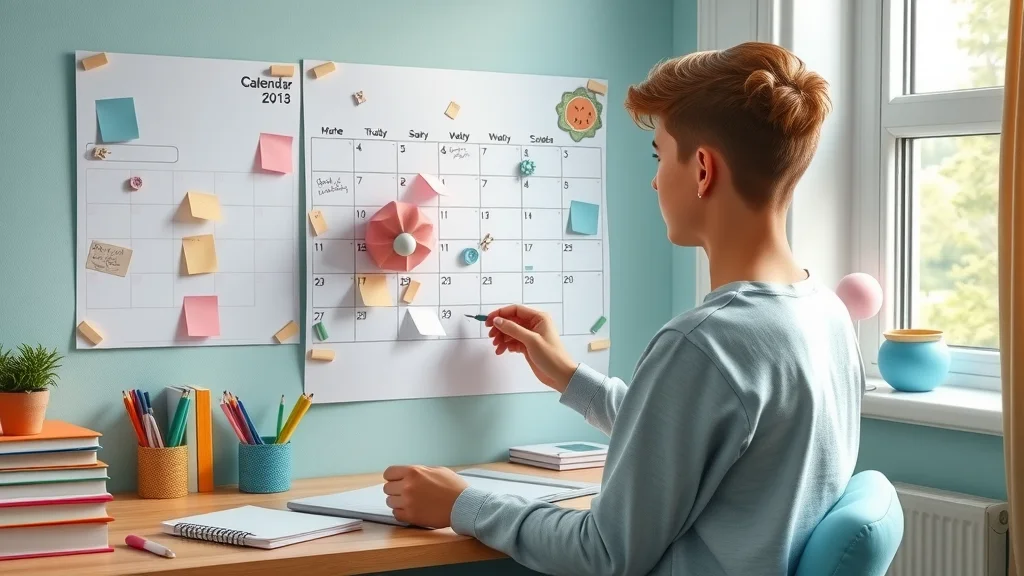
Teenager updating a wall calendar to track social media usage as part of a healthy social media habits plan, in a bright, organized bedroom

Spotlight: Case Studies on Successful Healthy Social Media Habits to Teens

Across the country, families are discovering new ways to empower their teens with healthy social media habits. In one example, a family of four introduced a shared media calendar, logging daily online activity and weekly screen-free adventures. The transparency brought about surprising discussions and a greater sense of teamwork.

Another parent found success by swapping judgment for curiosity—asking her teen what she loved most about her favorite media app, and what stressed her out. Together, they established personalized boundaries that honored both safety and independence. These real-life case studies show that there’s no one-size-fits-all—what matters most is collaboration, consistency, and compassion.

Real Experiences from Parents and Young Adults

Teens themselves say that having a voice in creating a family media plan helped them respect time limits and make smarter choices online. One young adult reflected that after reducing time online, she felt less anxious and more productive. A father shared that regular, open talks about social media helped him understand his son's world—and made the son more open to conversations about mental health and digital safety.

These experiences prove that with empathy and mutual respect, both parents and teens can adapt to the changing landscape of social media and thrive together.

A thumbnail showing a family collaborating on a social media plan, with visual templates displayed on a tablet, demonstrating healthy media habits for teens

Watch this short tutorial for step-by-step guidance on building a family media strategy—complete with visual templates and practical tips to ensure everyone is involved and empowered.

A concerned parent and a teenager having a discussion about healthy social media habits, emphasizing common pitfalls to avoid

This quick video highlights the most common mistakes parents make—from overly strict controls to ignoring their own screen use—and how to turn them into opportunities for teaching healthy habits.

People Also Ask: Your Top Questions on Healthy Social Media Habits to Teens

[[paa]]

Detailed Answers to Common Questions

Q: How much screen time should a teen have?
A: Although screen time guidelines vary, most experts recommend limiting recreational media use to no more than two hours per day, allowing for flexibility based on homework and extracurricular activities. The most important factor is balancing screen usage with sleep, physical activity, and family interaction.

Q: What are signs that social media is affecting my teen’s mental health?
A: Watch for mood swings, irritability after using devices, withdrawal from offline hobbies, secretive behavior around media apps, or disruptions in sleep and school performance. These can be early red flags of negative effects and signal the need for supportive intervention.

FAQs About Teaching Healthy Social Media Habits to Teens

  • How much screen time is appropriate for teens?
    The American Academy of Pediatrics recommends prioritizing quality of content and ensuring screen time does not replace sleep, physical activity, or face-to-face interactions. Most families find that 1–2 hours daily for non-academic use works best, with flexibility for special occasions.
  • What are the signs of negative effects of social media?
    Common indicators include anxiety, sadness after using devices, withdrawal from friends or activities, or sudden changes in sleep and appetite. Ongoing open conversations enable early detection and resolution.
  • How can I encourage healthy social media habits without invading privacy?
    Build trust through honest conversations and by modeling healthy device usage yourself. Collaborate on rules together to ensure teens feel heard. Encourage self-reflection on online experiences, rather than monitoring every interaction.
  • Are some social media apps better for mental health than others?
    Research suggests that platforms emphasizing community, education, or creativity—rather than superficial metrics or frequent negative comparisons—tend to support better mental health. However, the individual experience can vary, so ongoing dialogue is key.
  • What age should children and teens start using social media unsupervised?
    Most experts recommend gradual independence, starting with co-use and active supervision around age 13 (the minimum for most platforms). Transition to solo use as your teen demonstrates responsibility and media literacy, with regular check-ins.

Key Takeaways for Sustaining Healthy Social Media Habits in Children and Teens

  • Early education and modeling are essential
  • Communication and transparency build trust
  • Digital boundaries promote long-term healthy habits

Summary and Next Steps: Empowering Teens With Healthy Social Media Habits

Supporting your teen in cultivating healthy social media habits is an ongoing journey—one built on open communication, trust, and adaptability. Together, families can harness the power of media platforms for positive growth and connection.

Download Our Family Media Plan Toolkit for Healthy Social Media Habits to Teens

Ready to take the next step? Download our free toolkit to implement your family media plan and empower your teen with tools for healthy, resilient digital living.


Parenting Strategies

Write A Comment

*
*
Related Posts All Posts

Building Resilience as a Parent of Teenagers

Did you know? Over 70% of parents report increased stress during their children’s teenage years, highlighting the critical need to foster resilience in both parents and teens. Parenting a teenager is an emotional rollercoaster—there’s no manual for when moods shift, boundaries are tested, or the pressures of social media hit full blast. But amidst the chaos, there’s one skillset that helps families not just survive, but thrive: building resilience as a parent of teenagers. This article dives deeply into proven strategies ensuring both you and your child can bounce back from life’s tough moments, growing stronger together. A Surprising Reality: Why Building Resilience as a Parent of Teenagers Matters "Over 70% of parents report increased stress during their children's teenage years, highlighting the critical need to foster resilience in both parents and teens." Building resilience as a parent of teenagers Resilience in children Why resilience matters Parenting through the teenage years brings a unique mix of challenges and opportunities. The rapid changes in your child’s emotions and independence can stretch patience to its limits, leaving many parents feeling overwhelmed and unsure of how to help their kids navigate ups and downs. Resilience in children and adults is more crucial than ever, serving as the foundation to successfully weather stress, anxiety, and life’s curveballs. As your teenager encounters difficult times, from academic setbacks to friendship drama, your ability to model and teach resilience directly impacts their capacity to bounce back as young adults. But here’s the empowering truth: strengthening family resilience isn’t only about helping your child. Resilient parents serve as powerful role models for their teens, demonstrating adaptive coping strategies and emotional stability. Whether facing new social media pressures or age-old school challenges, building resilience is an investment in your family’s well-being. It also broadens your toolkit for managing behavioral health, setting boundaries, and creating positive coping mechanisms that last a lifetime. In this guide, you’ll discover actionable steps and expert insights that empower families to rise above difficult times—together. What You’ll Learn About Building Resilience as a Parent of Teenagers The foundations of building resilience for yourself and your teen Insights from the American Academy of Pediatrics and Dr. Ken Ginsburg Common challenges for parents of young adults and teenagers Practical strategies and actionable steps to foster bouncing back together As you explore this comprehensive guide, you’ll gain a clearer understanding of resilience and its role in nurturing strong family ties. Expert research from organizations like the American Academy of Pediatrics and advice from thought leaders such as Ken Ginsburg give you the science and practical wisdom needed to create a resilient home environment. We’ll examine real-life struggles, new templates for communication, and actionable steps for building coping skills—to ensure both children and teens learn to navigate adversity. From forming daily habits that enhance wellbeing, to fostering independence in young adults, expect practical tools for helping your family bounce back during even the most challenging times. Understanding Building Resilience as a Parent of Teenagers Defining Resilience in Children, Teens, and Parents Resilience is the ability to adapt, recover, and grow stronger after setbacks. For parents, this means coping with the emotional strain and unpredictability of raising teenagers without losing your own stability. For children and teens, resilience is about learning how to face failure, frustration, and change—developing life skills they’ll carry into adulthood. The American Psychological Association describes resilience as “positive coping strategies that buffer against stress,” while the American Academy of Pediatrics highlights how resilience in children emerges from a combination of supportive relationships, self-esteem, and self-regulation skills. When parents model resilience during hard times, they create a safe learning environment for their children to develop similar strengths. Building resilience in children and teens goes beyond simply “toughing it out.” Instead, it’s about cultivating a sense of hope, flexibility, and support—skills critical for a young adult to thrive amidst the ups and downs of modern life. This process is not linear; it requires patience, open communication, and the willingness to learn from mistakes, both as kids and as adults supporting them. The Role of the Family in Building Resilience "Children and teens develop resilience by watching and learning from their parents’ actions and attitudes—American Academy of Pediatrics" Family is the first and most important classroom for resilience. Children and teens who see their parents managing stress productively and facing setbacks with optimism are far likelier to adopt similar coping strategies themselves. Your home can be a safe place to teach emotional intelligence, resolve conflicts respectfully, and handle disappointments with grace. Families can deliberately strengthen resilience by fostering open dialogue, celebrating small successes, and encouraging positive coping behaviors. Collaboration is key: parents and teens that tackle challenges together—discussing mistakes, brainstorming solutions, and offering mutual support—are better equipped to face the rising pressures of today’s world. Whether it’s navigating social media challenges, academic setbacks, or personal loss, the family’s role in building resilience is foundational. These shared experiences, even during difficult times, help develop robust character strengths that prepare children, teens, and parents for future adversity. Expert Insights: What the American Academy of Pediatrics and Ken Ginsburg Say About Building Resilience Ken Ginsburg’s 7 Cs Model for Building Resilience in Children and Teens Dr. Ken Ginsburg, a leading pediatrician and resilience expert, developed the “7 Cs Model” to help families understand and strengthen resilience in children and teens. The elements: Competence, Confidence, Connection, Character, Contribution, Coping, and Control, each serve as a building block for bouncing back. These principles equip young people with the support and skills needed to face adversity and recover. By nurturing these 7 Cs at home, parents become more effective guides when children have a hard time—encouraging positive risk-taking, empathy, healthy relationships, and self-advocacy. The model stresses that resilience is a collaborative family process, not just an individual trait, and highlights the unique role of parents in helping young people thrive during challenging times. These building blocks lay the groundwork for emotional regulation, strong values, and adaptability, ensuring kids and teens are equipped for whatever life throws their way. Research Highlights from the American Academy of Pediatrics The American Academy of Pediatrics (AAP) underscores that resilience is built not only from genetics but also from experiences, relationships, and daily family habits. The AAP encourages parents to create safe, nurturing environments—emphasizing that quality time, consistent routines, and open communication are vital building blocks for mental health. Studies indicate that children and teens whose parents express warmth, listen with empathy, and set healthy boundaries are less likely to experience long-term stress, behavioral health challenges, or negative effects from social media. The research further asserts that modeling coping strategies, teaching problem-solving, and promoting social connections are protective factors against difficult times. Through hands-on involvement, parents help children practice resilience in real-world settings—a critical factor in creating mentally healthy, adaptable young adults. Ultimately, the AAP confirms that the effort you invest in building resilience as a parent directly influences your child’s trajectory from the teen years to adolescence and beyond. Comparison of Expert Strategies for Building Resilience as a Parent of Teenagers Strategy Ken Ginsburg’s Model American Academy of Pediatrics Emphasis 7 Cs – competence, confidence, connection, etc. Supportive relationships, daily habits, boundaries Approach Collaborative, parent and child both learn Modeling, structure, parental involvement Goal Bouncing back through skills and support Long-term adaptive mental and behavioral health "Resilient families produce resilient young adults—Ken Ginsburg" The Building Blocks of Resilience in Children and Teens Emotional Regulation and Self-Awareness Learning to recognize and manage emotions is a core building block of resilience in children and teens. Parents can support this by discussing feelings openly and modeling calm, constructive reactions to frustration or stress. Techniques like journaling, deep breathing, and labeling emotions help young people build emotional vocabulary and self-control, empowering them to bounce back after disappointment or conflict. This self-awareness forms the foundation for positive coping strategies. When children experience difficult times—an argument at school, rejection, or sudden change—having a repertoire of responses helps them pause, reflect, and respond thoughtfully rather than react impulsively. When these skills are taught and modeled in the family setting, children feel safer to express vulnerability and trust that setbacks are a normal part of life. This normalcy reduces anxiety, builds confidence, and supports long-term mental health. Building a Support Network for Young People No one builds resilience alone. Young people need a variety of positive relationships, both inside and outside the family, to thrive. Encouraging children and teens to connect with peers, trusted adults, teachers, or coaches extends their support network and acts as a buffer during challenging times. Strong connections are proven to lessen feelings of isolation, anxiety, and stress—key risk factors for behavioral health issues. Empathy and communication skills Boundary setting in the age of social media Fostering independence in young adults Families also need to embrace open and honest communication. Parents can help by modeling empathy, active listening, and boundary-setting—especially critical given the pressures of social media. As teens venture towards young adulthood, giving them room to make decisions fosters independence while offering ongoing guidance ensures they still feel supported. These efforts make young adults more confident, adaptable, and future-ready, especially when the going gets tough. Common Challenges When Building Resilience as a Parent of Teenagers Social Media, Peer Pressure, and Mental Health Modern teenagers face an entirely new set of challenges compared to previous generations. Social media platforms amplify peer pressure, sometimes exposing children and teens to unrealistic standards, cyberbullying, or feelings of inadequacy. This digital landscape can erode self-esteem and strain mental health, making it harder for both teens and parents to practice healthy coping strategies. Families might notice changes in mood, sleep, or motivation as teens navigate this complex terrain. It’s vital to maintain open lines of communication about digital experiences. Parents can coach their teens on setting boundaries, recognizing online triggers, and seeking support when needed. By taking a proactive stance and discussing real scenarios, parents help teens bounce back from setbacks, digital drama, or FOMO (fear of missing out). This not only protects mental health, but also teaches valuable skills for thriving in today’s connected world—one of the essential building blocks of resilience in children. Balancing Support and Independence "Today’s young people face unique pressures — parents must adapt and grow their resilience along with them." Determining when to step in and when to step back is a constant struggle for parents. While children and teens crave independence, they also secretly need consistent support, encouragement, and limits. Striking this balance is particularly tough during challenging times, when a parent’s instinct to protect can override the need to let their child learn from experience. The temptation to shield children from every disappointment may actually limit their growth into resilient young adults. Instead, resilient parents act as supportive coaches—providing guidance, modeling problem-solving, but allowing room for mistakes and recovery. Families who regularly discuss boundaries, expectations, and consequences build trust and pave the way for children and teens to develop their own agency. This process not only nurtures individual self-reliance but also strengthens family ties as everyone learns to weather life’s ups and downs together. Practical Steps for Building Resilience as a Parent of Teenagers Daily Habits to Build Resilience in Children and Teens Establishing daily routines that prioritize connection, communication, and self-care are the foundation for building resilience at home. Begin with small changes: eat meals together, ask about highlights and challenges each day, and make space for gratitude or reflection. These habits reinforce stability and encourage open-hearted dialog, both vital for managing stress and emotional turbulence. Equally important is encouraging healthy risk-taking and independence—let children make age-appropriate decisions and offer guidance rather than control. Modeling self-compassion, maintaining calm during conflicts, and celebrating effort, not just success, shows children and teens that setbacks are part of life, not the end of the road. Over time, these daily rituals become the building blocks for robust family resilience, fostering a culture where both children and adults know they can bounce back, no matter what. Teaching Bouncing Back After Setbacks Resilient families normalize bouncing back after life’s low points. This means helping your teen see mistakes as learning opportunities rather than personal failures. When difficult times arise, sit down together and explore solutions—What went wrong? What can we try differently next time? This collaborative approach not only strengthens coping skills but also builds confidence and trust within the family unit. Encourage children and teens to share their struggles, validate their feelings, and model vulnerability by sharing your own experiences. Discuss famous examples or stories of overcoming adversity to make these lessons relatable. Over time, this approach teaches children that resilience is not about avoiding struggle, but learning to face it with hope and strategy—essential life skills for young adults entering a complex world. Using Social Media as a Tool for Growth While commonly seen as a challenge, social media can also be an ally in building resilience in children when used mindfully. Parents can introduce their teens to uplifting accounts, educational content, mental health resources, or advocacy platforms. Discussing online experiences openly helps children and teens discern supportive digital spaces from ones that exacerbate stress. Collaborate to set healthy limits and use technology for connection, inspiration, and learning. Encourage teens to follow thought leaders in positive coping, creativity, or behavioral health. Share stories about people who use social media to build community and bounce back from adversity. This shift in perspective helps turn potential challenges into opportunities for growth—strengthening digital literacy and emotional resilience in parallel. Implement family check-ins focused on emotion and mindset Set healthy limits around technology and social media Model problem-solving behavior Encourage open dialogue about mistakes and learning Foster activities that build connection and trust How to Support Mental Health While Building Resilience as a Parent of Teenagers Identifying Signs of Stress and Anxiety Spotting shifts in your teen’s mood, sleep patterns, appetite, or social behaviors can signal underlying stress or anxiety. Behavioral changes—withdrawal, irritability, changes in school performance—may point to internal struggles that require support. Parents should approach these signs with empathy, create safe spaces for conversation, and avoid judgment. Frequent check-ins build trust and give your teen the freedom to express what’s truly going on. Understanding stress responses is a key factor in helping your child bounce back. Encourage healthy self-care habits—balanced nutrition, physical activity, creative outlets, and adequate sleep. Promote open communication so your child knows they have nonjudgmental support when challenges arise. Paying close attention to these indicators allows for early intervention, preventing stress from escalating into more serious behavioral health concerns. When to Seek Professional Help - Academy of Pediatrics Recommendations Sometimes, family support alone isn’t enough. If your teen’s anxiety, sadness, or behavioral changes persist for more than several weeks, or if you notice talk of self-harm, it may be time to seek outside assistance. The Academy of Pediatrics recommends consulting with a health professional for comprehensive assessment and tailored intervention. Early intervention improves not just immediate well-being but long-term resilience in children and teens. Professional support—from school counselors, therapists, or pediatricians—offers new coping strategies and provides relief for both children and parents during especially difficult times. Don’t hesitate to ask for help; the bravest families are those who use every resource at their disposal to build lasting strength and bounce back together. Maintaining Your Own Wellbeing as a Parent You can’t pour from an empty cup. Attending to your own emotional and physical health is an essential part of building resilience as a parent of teenagers. Carve out time for self-care: connect with friends, pursue hobbies, or seek support when you feel overwhelmed. Parents who model healthy boundaries, stress management, and positive coping always have a greater impact on their family’s resilience. Prioritizing your own needs is not selfish; it demonstrates to your children and teens the importance of self-compassion and lifelong psychological resilience. By nurturing your own wellbeing, you’re better equipped to guide your family through life’s inevitable ups and downs, turning challenging times into valuable growth moments for everyone involved. Building Resilience for Young Adults: Bridging the Gap from Teen Years How Building Resilience in Children Sets the Stage for Young Adult Success The skills, habits, and attitudes developed during adolescence shape a child’s ability to navigate young adulthood with confidence. Resilience learned through family support, self-advocacy, and constructive problem-solving equips young adults to manage setbacks at college, work, or relationships. Those who have practiced bouncing back as children are far better equipped to thrive independently as adults. Research indicates that families who invest in building resilience in children and teens see lasting benefits—even beyond the teenage years. Young adults with robust coping strategies, strong social networks, and a clear sense of self-worth approach new responsibilities with optimism and adaptability. These traits foster healthy relationships, academic achievement, and professional growth, turning every challenge into an opportunity. Supporting the Transition from Teens to Young Adults Changes in responsibilities and expectations Developing critical thinking and coping skills Promoting positive relationships with peers and family The transition from adolescence to adulthood brings a host of changes—living away from home, managing finances, and adjusting to increased independence. Parents can support this leap by gradually scaling back oversight, offering advice rather than directives, and recognizing the unique pressures young adults face in a rapidly evolving world. Open communication around expectations and mistakes normalizes the learning curve inherent in this new phase. Fostering resilience during this time means encouraging strong decision-making, nurturing character strengths, and continuing to offer unconditional support. It’s about helping young adults build a “toolkit” for responding to setbacks, taking risks, and developing healthy relationships. Families who maintain connection, encouragement, and respect for autonomy empower young people to thrive on their own terms—equipped to face whatever comes next. Real-Life Stories: Parents Building Resilience With Their Children and Teens Case Study: Bouncing Back Together as a Family "It wasn’t easy, but facing adversity as a parent and child team helped us grow stronger and more connected." — Parent of a young adult Consider the story of the Thompsons: When their teen son faced repeated rejection from his school’s sports team, the family worked together to reframe disappointment as a steppingstone rather than a dead end. Through open conversations, support, and joint problem-solving, the Thompsons normalized setbacks at the dinner table, encouraged new interests, and built a family habit of reflection when challenges struck. Their collective approach helped their son develop resilience—a skill that served him well in young adulthood, where career and academic obstacles required grit and adaptability. These real-life, relatable stories show that resilient families aren’t immune to hardship; instead, they become stronger by facing it together. Whether bouncing back from loss, navigating mental health challenges, or adjusting to life transitions, open communication and shared coping strategies make a measurable difference in well-being. Every family, regardless of background, can embrace these principles to foster resilience in children and teens—and reap the rewards through every life stage. Key Takeaways for Building Resilience as a Parent of Teenagers Resilience is both taught and modeled Challenges faced today are unique but manageable Expert-backed habits make a measurable difference in family wellbeing Frequently Asked Questions About Building Resilience as a Parent of Teenagers How can I build resilience if my teen is resistant? Building resilience is a gradual process. Start by modeling open communication and adaptive coping strategies yourself. Encourage your teen through small, low-pressure conversations and celebrate any willingness to engage. Sometimes involving a trusted mentor or professional can help, especially if resistance is strong. What resources exist for parents through the American Academy of Pediatrics? The American Academy of Pediatrics provides online guides, tip sheets, and directory listings for professional support. Local pediatric practices and their websites often offer workshops, webinars, and access to mental health professionals experienced in building resilience in children and teens. How does social media affect resilience in children and teens? Social media can either hinder or help resilience. Negative impacts come from comparison, cyberbullying, or online drama, which may increase stress and undermine self-confidence. Positive effects emerge when platforms are used for connection, inspiration, or learning coping strategies through supportive content and communities. Is it ever too late to start building resilience in young adults? No, resilience is a lifelong skill. While starting young lays the groundwork, young adults and parents can always learn new coping strategies and emotional regulation techniques. What matters most is a willingness to start and a supportive environment for growth. People Also Ask [[paa]] Resources and Further Reading on Building Resilience as a Parent of Teenagers Recommended guides from the American Academy of Pediatrics Books by Ken Ginsburg Articles on resilience in children and teens Mental health resources for parents and young adults Empower Your Family: Start Building Resilience as a Parent of Teenagers Today Now is the time to invest in your family’s future by developing habits of resilience, open communication, and support. Start small, stay consistent, and watch your children, teens, and young adults thrive—no matter what life brings your way.

10 Practical Self-Care Tips for Busy Parents of Teens

Parenting a teen isn’t just about managing their schedules, moods, and milestones—it’s about surviving the daily whirlwind and still finding moments to breathe. If you barely recognize the person in the mirror lately, or wonder if self-care is even possible for someone as busy as you, you’re not alone. This guide is here to remind you: you matter just as much as your teen. In the midst of chaos, it’s possible (and deeply necessary) to reclaim your well-being with practical self-care tips for busy parents of teens. Your journey to feeling restored—not just running on empty—begins here. Empowering Self-Care: Why It Matters for Busy Parents of Teens "Parenting teens stretches both patience and endurance—caring for yourself isn’t selfish, it’s essential." The emotional weight of parenting adolescents: Navigating the teenage years can introduce daily emotional ups and downs. Stressed parents often carry the invisible burden of guiding their teens through mood swings, peer pressure, and academic demands. The strain can lead to emotional exhaustion, impacting your ability to model healthy habits for your family. Recognizing signs of becoming stressed parents: It’s easy to forget that irritability, trouble sleeping, or feeling overwhelmed can be warning signs of unmanaged stress. Parents may neglect their own mental health, believing they must be “on” for their teens. Identifying these red flags early is critical for practicing healthy self-care. The ripple effect on healthy habits and family dynamics: When you pause to care for yourself, the benefits extend to your whole household. Small changes, like taking a walk or reading a book, signal to your teen that self-care is an essential part of daily life. These actions not only help manage stress but foster an environment where healthy habits for teens become the norm. What You’ll Learn from These Self-Care Tips for Busy Parents of Teens Practical self-care strategies to reduce stress in busy family life Insights into building healthy habits for parents and teens Expert approaches to personal time management and emotional well-being Balancing Life: The Core Principles of Self-Care Tips for Busy Parents of Teens Integrating healthy habits into daily routines: From drinking water to mindful moments, weaving self-care into regular activities is the foundation. Linking Suffolk DBT skills for practical self-care: Dialectical Behavior Therapy (DBT) skills, such as mindfulness and emotional regulation, offer tools for stressed parents and teens alike. Role-modeling effective habits for teens: When you model healthy habits, your teen learns how to manage stress and practice self-care—skills that last a lifetime. Self-Care Tip 1: Prioritizing Personal Time for Busy Parents of Teens Why Every Parent Needs Alone Time Scheduling breaks to manage stress: Carving out even ten minutes daily for yourself isn’t a luxury—it’s a lifeline for stressed parents. Whether it’s enjoying a hobby, reading a book, or just taking a deep breath in a quiet space, these moments recharge your emotional and physical batteries and make you feel good. Setting healthy boundaries at home: Healthy habits for teens begin with seeing their parents value self-time. Set limits on interruptions, communicate your needs, and model healthy boundaries. This demonstrates self-respect and shows your children that taking care of one’s mental health is an essential part of daily life. Parental guilt and overcoming barriers: It’s common to struggle with guilt when prioritizing yourself. Remember, a happy, healthy parent can better support children through their own parenting challenges. If you model healthy habits, you shift the family dynamic and foster balance for everyone. Self-Care Tip 2: Building Healthy Habits into Your Day Quick and Powerful Healthy Habits for Stressed Parents Simple daily rituals: hydration, movement, and mindful eating: Healthy habits for busy parents of teens don’t need to be complicated. Start by drinking enough water, taking a walk, or practicing mindful eating. These easy-to-implement habits make a noticeable difference in your energy and mood—plus, they model healthy habits for your teen. Habit stacking and making incremental changes: Attach new practices to routines you already have, such as meditating while you wait for your coffee or taking deep breaths during your commute. By stacking these positive behaviors, stressed parents can make lasting improvements without feeling overwhelmed by another item on their to-do list. These changes can be the catalyst for better mental health and stress management. Self-Care Tip 3: Embracing Suffolk DBT Approaches How Suffolk DBT Skills Support Self-Care Managing overwhelming emotions: Suffolk DBT (Dialectical Behavior Therapy) skills are especially helpful for stressed parents navigating the challenges of parenting teens. Core techniques include mindfulness, distress tolerance, and emotional regulation. Learning to notice your emotions and respond non-reactively can prevent burnout while modeling healthy coping mechanisms for your child. Distress tolerance and emotional regulation: DBT teaches you to tolerate moments of crisis—like family arguments or parenting stress—without making things worse. Simple exercises such as taking a walk, breathing deeply, or grounding yourself in the present can calm body and mind. By practicing DBT skills, busy parents and their teens can develop resilience together, creating a foundation of healthy communication and emotional wellness. Self-Care Tip 4: Managing Stress and Avoiding Burnout Practical Methods to Manage Stress as a Busy Parent Stress-relieving activities: walks, breathing exercises: Regular activities—like going for a brisk walk, practicing slow, deep breaths, or spending time in nature—help manage stress before it builds up. These strategies boost mental health and remind stressed parents that self-care can be both quick and impactful. When to seek out support networks or professional help: Recognize when juggling family, work, and personal needs feels too overwhelming. Support groups, therapists, and organizations like Suffolk DBT offer community and professional insight. Connecting with peers or a social worker can guide you in finding resources tailored to your parenting challenges, reducing feelings of isolation and helping you continue reading and learning new techniques for balance. Self-Care Tip 5: Disconnect from Social Media for Mental Wellness Social Media Detox for Stressed Parents Setting healthy boundaries with devices: Social media can amplify stress—especially for parents comparing themselves to others. Schedule device-free times each day and designate certain areas of your home as “screen-free zones.” These boundaries allow you to recharge and maintain focus on your own needs and those of your teen. Modeling digital self-care for healthy habits for teens: Teens often mirror their parents’ habits. If you model healthy interactions with technology, they’ll learn to do the same. A social media detox not only improves your own mental health but also teaches your children digital responsibility, reducing stress and promoting healthier family connections. Summary of Self-Care Tips for Busy Parents of Teens Tip Daily Action Expected Benefit Prioritize Personal Time Schedule 10+ minutes alone Reduces stress, increases patience Build Healthy Habits Hydrate, move, eat mindfully Boosts energy, models habits for teens Apply Suffolk DBT Approaches Practice mindfulness/grounding Improves emotional regulation Manage Stress Actively Take a walk, breathe deeply Prevents burnout, uplifts mood Disconnect from Social Media Set screen time limits daily Better focus, enhanced well-being Practice Mindful Communication Listen to your teen Builds trust and family connection Pursue Personal Interests Engage in a hobby Enhances creativity, relieves stress Prioritize Sleep Follow a calming night routine Improves mood and resilience Seek Support Networks Join a parent group or see a therapist Reduces isolation, offers guidance Reflect and Recalibrate Record small wins in a journal Builds self-awareness, maintains progress Self-Care Tip 6: Practice Mindful Communication at Home Creating Safe Spaces with Healthy Habits for Teens Active listening with your teen: Give your full attention, maintain eye contact, and listen without judgment when your teen speaks. This builds trust, helps your child feel valued, and reinforces open communication. As you practice this healthy habit, you also model healthy conflict resolution skills for your entire family. Healthy habits for teens and family trust: Consistent, mindful communication supports your teen’s mental health and encourages them to adopt healthy habits themselves. By establishing a safe space for discussion, you help reduce family stress and promote a positive, supportive environment that allows both parents and teens to thrive. Self-Care Tip 7: Pursue Interests Outside Parenting Creative Habits for Teens and Parents Alike Balancing hobbies and family responsibilities: It’s easy to forget the things that once made you feel good before parenting challenges took center stage. Set aside regular time for activities that interest you—enjoying a hobby, learning a new skill, or volunteering. This balance refreshes your energy and inspires your teen to develop their own healthy habits for life. How creative outlets help manage stress: Creative expression—whether it’s painting, music, or gardening—provides a healthy escape from stress and parenting. Indulging your interests outside of parental duties models self-respect for your teen and helps you return to your family responsibilities renewed and less stressed. Self-Care Tip 8: Sleep Strategies for Busy Parents of Teens Prioritizing Rest for Stressed Parents Establishing a bedtime routine: Quality sleep is a non-negotiable for both parents and teens. A calming pre-bed routine—like dimming lights, reading a book, or practicing a short meditation—signals to your body it’s time to wind down. These healthy sleep habits maximize rest so you can wake up ready to meet the day’s parenting challenges. Importance of healthy habits for sleep: Teach your teen the importance of shutting off screens at least 30 minutes before bed, keeping a consistent schedule, and creating a restful environment. When you both embrace these nighttime rituals, everyone benefits—better mood, clearer thinking, and greater resilience for parenting and adolescence alike. Self-Care Tip 9: Support Networks and Professional Resources When Stressed Parents Need Extra Support Benefit of talking to professionals (Suffolk DBT, therapists): There is strength in seeking help—from a therapist, counselor, or DBT-trained professional. Suffolk DBT offers evidence-based approaches for overwhelmed parents, helping them confidently handle stress and emotional challenges in parenting teens. Building support among fellow parents: Parent support groups, online forums, and community gatherings offer understanding and connection. By sharing experiences, you discover you’re not alone and learn practical solutions that make a difference in your family’s life and your mental health. Self-Care Tip 10: Reflect and Recalibrate Your Parental Journey Using Journaling and Reflection to Boost Healthy Habits Tracking moods and stress triggers: Keep a daily journal, noting moments when you felt overwhelmed, inspired, or at peace. This self-reflection can highlight stress patterns and pinpoint which self-care routines make you feel good and help you continue reading your own signs. Celebrating small parental wins with habits for teens: Recognize and record victories, like having a positive conversation with your teen, or sticking to your bedtime routine. Celebrating these achievements, no matter how small, nurtures motivation, builds resilience for future parenting challenges, and reinforces healthy habits for everyone. People Also Ask: Essential Questions about Parenting and Self-Care What is the 7 7 7 rule for parenting? The 7-7-7 rule is a simple structure for nurturing parent-teen relationships. It involves spending 7 minutes a day focusing on positivity, 7 minutes on honest, constructive conversation, and 7 minutes actively listening without distraction. Practicing this rule helps model healthy habits, enhances connection, and provides a manageable way to prioritize communication even amid a busy routine. What is the 30% rule in parenting? The 30% rule suggests that being a “good enough” parent 30% of the time is both realistic and healthy. This philosophy, popular among psychologists and social workers, encourages parents to release the pressure of perfection. By focusing on showing up and being attuned to your teen some of the time, you foster consistency and genuine care—benefiting your mental health and family harmony. What is the hardest age for a teenage girl? The ages of 13-15 are often the most challenging for teenage girls, marked by emotional shifts, identity exploration, and social pressures. During this period, emotional and physical changes can feel overwhelming. Practicing healthy self-care as a parent not only supports your own resilience but models for your daughter how to face challenges with compassion and self-respect. What are the 7 rules for parents? While rules may vary, seven foundational parenting guidelines aligned with healthy habits include: setting clear boundaries, practicing healthy communication, nurturing self-care, modeling respect, responding (not reacting) to stress, embracing flexibility, and seeking support when needed. Together, these habits reduce stress and help both parents and teens feel secure and valued. Enjoy this guided mindfulness session, designed to help busy parents find calm, clarity, and actionable steps to manage stress in real time. Slow breathing, nature scenes, and gentle direction let you press pause, recharge, and return to your family with renewed focus. Key Takeaways for Self-Care Tips for Busy Parents of Teens Model self-care and healthy habits for teens—the habits you demonstrate have a powerful, lasting effect on your children. Stress management is as vital for adults as it is for teens—prioritize your own well-being to better guide your teen through theirs. Practical, day-to-day changes can yield lasting benefits—even the smallest positive habits can transform your family dynamic over time. Frequently Asked Questions: Self-Care Tips for Busy Parents of Teens How do I make time for self-care when my teen needs so much? Start with five-minute breaks during your day. Prioritize self-care as you would any appointment, and communicate your need for space. Even brief respites help recharge your patience. What healthy habits can I model for my teen? Hydration, movement, honest communication, and device-free meals are excellent foundational habits. These small choices promote mental health and stress resilience in both parents and teens. How does practicing self-care help me support my teen? When you care for your own emotional and physical health, you have more energy and patience to manage parenting challenges and connect with your teen. This approach sets a positive example and helps everyone feel good. Where can I find support if I feel overwhelmed? Seek out parent support groups, a therapist, or resource centers like Suffolk DBT. Sharing experiences with others lightens the emotional load and offers encouragement for your unique family circumstances. Conclusion: Embracing Self-Care for a Healthier Parenting Journey Start today—commit to adopting at least one self-care tip from this guide. Prioritizing your well-being is an act of love for both you and your teen. Start your self-care journey—download our free self-care planner and join our supportive parent community!

How to Talk to Teens About Drugs Without Losing Trust

Did you know that nearly one in three high school students in the United States has tried alcohol or drugs by the time they graduate? This startling statistic underscores the critical importance of knowing how to talk to teens about drugs without breaking the bond of trust. For parents and caregivers, this “big talk” can feel overwhelming, but having open, honest conversations is not just a recommendation—it’s essential for supporting a young person’s mental health and future well-being. In this comprehensive guide, you’ll discover practical strategies to communicate effectively, recognize warning signs of substance abuse, and create a supportive environment where your teen feels heard and understood. A Startling Reality: Why How to Talk to Teens About Drugs Matters Conversations about drugs and alcohol are no longer optional—they’re necessary. With the rise in substance use disorders among adolescents, parents and guardians need to recognize that ignoring this topic can have serious, long-term consequences for teens’ health and safety. The way we talk to our children about substance abuse sets the tone for how they approach risk, peer pressure, and stress management. More important than ever, understanding how to talk to teens about drugs establishes a crucial foundation for their lifelong resilience and decision-making. Too often, scare tactics or the “just say no” approach fall short. Teens today are exposed to complex situations involving drugs and alcohol at earlier ages, not only in high school but sometimes even before. That’s why building trust and open communication from the start not only gives parents insight into the challenges their teens face, but also empowers young people to make smart decisions. By setting clear expectations and emphasizing mutual respect, parents can equip their teens to resist peer pressure and reduce their risk factors for substance abuse and mental health struggles. The Surprising Statistics on Drugs and Alcohol Among Teens The numbers paint a sobering picture. According to recent surveys, over 60% of U.S. teenagers will have been offered drugs or alcohol before graduating from high school, and about 30% will have already tried at least one. Substance use begins remarkably early, with some students experimenting before their 15th birthday. These statistics are not isolated—they mirror a trend where teens struggle with stress, mental health concerns, and exposure to substances in both social and online environments. Moreover, the COVID-19 pandemic exacerbated issues by increasing isolation, anxiety, and overall vulnerability to experimentation. Teens reporting symptoms of depression or anxiety are more likely to try drugs or alcohol as a way to “relieve stress” or fit in. These facts highlight the urgent need for informed, empathetic dialogue around the risks and realities of substance use, making this topic an essential part of any parent’s toolkit. How Early Conversations Can Prevent Substance Abuse and Substance Use Disorder Opening up about drugs and alcohol before a teen is exposed can make all the difference. Early, preventative conversations create opportunities for parents to dispel myths before misinformation sets in and to prepare children for situations that require tough choices. Research consistently shows that teens whose parents talk openly and honestly about these risks are less likely to develop substance use disorders. By starting conversations early—and repeating them often—families can make it clear that they are a safe haven for questions and concerns. Rather than relying on scare tactics, the focus should be on sharing accurate health information, discussing real-life scenarios, and reinforcing why healthy decisions are so important for the developing brain. Empowering young people with knowledge and support provides them with the confidence to stand up for themselves, resist negative influences, and pursue a positive path. What You'll Learn About How to Talk to Teens About Drugs Understanding adolescent mental health and substance use Building trust with teens on sensitive topics Recognizing substance abuse warning signs Applying actionable steps for effective conversations Key resources and support for families Understanding How to Talk to Teens About Drugs and Substance Abuse Before you can begin a meaningful conversation, it’s important to understand the landscape your teen is navigating. Teens aren’t just bombarded with direct offers of drugs and alcohol or misinformation—they also face enormous academic, social, and emotional pressure. Understanding how substance abuse can be both a symptom and a cause of mental health struggles is crucial for parents who want to help rather than alienate their child. Substance use disorders in teenagers can manifest quickly and with alarming subtlety. Recognizing that these issues often go hand-in-hand with struggles like anxiety, depression, or trauma can help guide the conversation toward effective prevention and early intervention. When parents work to understand the challenges their teen faces—and communicate empathy—they lay the groundwork for trust, honesty, and successful problem-solving together. Current Trends in Substance Use Disorders Among Adolescents Today’s teens are dealing with new forms of stress and ever-evolving access to substances. The rise of vaping, prescription drug misuse, and cannabis use in addition to alcohol or drug experimentation has broadened the risks for adolescents. According to CDC data, substance use disorders affect millions of young people in the United States annually, and trends show a shrinking age gap with earlier exposure. Social media, online platforms, and peer circles play an even more influential role in shaping young perspectives on drugs and alcohol, sometimes glamorizing risky behaviors or downplaying their potential consequences. Alarmingly, teens who try drugs or alcohol at a young age are at a much higher risk for developing long-term substance abuse problems and experiencing negative outcomes in school, relationships, and mental health. This makes it vital for parents to stay informed about current trends, understand the risk factors unique to this generation, and prioritize regular, honest communication about substance use with their teens. The Link Between Mental Health and Substance Abuse in Teens Mental health and substance abuse are deeply connected for young people. Many teens turn to drugs and alcohol not just out of curiosity or peer influence, but as a way to cope with anxiety, depression, trauma, or academic stress. The developing brain is especially vulnerable; substance use can intensify underlying mental health problems and set the stage for addiction or substance use disorder. When parents talk openly about mental health, they not only break down stigma but also give their teens permission to ask for help. Supporting teens in building coping skills, managing stress, and making healthy choices—rather than just focusing on the dangers—encourages resilience. By framing the conversation in terms of total well-being, families can foster honest conversations that address both substance abuse and the mental health issues that often drive it. "Open, honest conversations create the foundation for trust and resilience in the face of substance use pressures." — Adolescent Psychologist Dr. Maria Chen Establishing Trust: The Core of How to Talk to Teens About Drugs Trust forms the bedrock of any successful discussion about drugs and alcohol with teens. When a young person senses genuine care—without harsh judgment or overreaction—they’re much more likely to open up and share their point of view. Parents who set clear rules and expectations, but do so with empathy and respect, strike a balance that teens need to feel both protected and empowered. Consistency is key. If your teen knows you mean what you say and that you listen before you advise, they’ll come to you with their challenges instead of hiding risky behaviors. Setting a supportive tone communicates that your primary goal is their health and safety—not punishment. This approach helps prevent substance abuse while giving the teen a sense of agency as they navigate the complexities of adolescence. Communication Techniques That Strengthen Parent-Teen Relationships Effective communication is more than just talking; it’s about active listening, empathy, and open-ended questions. When parents approach conversations as partners rather than authorities, teens feel their opinions, fears, and experiences matter. Strategies like reflective listening—repeating back what you hear to clarify meaning—and avoiding blame or “scare tactic” language show your investment in understanding, not just instructing. Nonverbal cues are also significant: making eye contact, using gentle body language, and picking the right time and place all signal support. Approaching the “big talk” in a relaxed setting, whether it’s over a casual walk or a shared activity, removes the pressure and encourages a more genuine exchange. In every step, validate your teen’s feelings and experience, showing that open communication is a two-way street designed for their benefit and well-being. Dispelling Myths About Drugs and Alcohol Without Judgment Conversations about substance abuse can easily feel accusatory if not handled carefully. Teens have often already heard rumors, misconceptions, or exaggerations about drugs and alcohol from friends or online sources. It’s essential that parents don’t simply debunk these myths with scare tactics, but instead create a safe space to explore facts and feelings. When teens see you’re open to discussion—not just issuing rules—they’re more likely to share what they really think and feel. It’s important to clarify the difference between experimenting and regular use, acknowledge the social pressures your teen may feel, and dispel the notion that “everyone is doing it.” Focus on the actual, evidence-based consequences of substance use and how it can impact a developing brain, academic performance, and mental health. By showing empathy and providing relevant health information, you make it clear that your goal is to support their health and safety, not just to “set rules.” Table: Effective vs. Ineffective Communication Strategies When Talking to Teens About Drugs Effective Strategies Ineffective Strategies Active Listening & Empathy Interrupting, lecturing, or dismissing concerns Sharing real-life scenarios and facts Using scare tactics or exaggerations Open-ended questions for honest conversations Rapid-fire questioning or forced confessions Validating feelings and unique challenges Invalidating or judging emotions and experiences Consistent check-ins and support Only talking when there’s a problem Recognizing Substance Abuse and Behavioral Warning Signs Understanding the warning signs of substance abuse is vital for timely intervention. Adolescents who struggle with drugs or alcohol may not always ask for help—instead, changes in behavior, academic performance, or social relationships can signal a need for concern. By staying alert to these behavioral changes, parents position themselves to offer support before substance use escalates to a substance use disorder. It’s crucial not to jump to conclusions but to approach any concerns from a place of care, empathy, and open dialogue. Addressing warning signs openly—without judgment or accusations—helps maintain the trust you’ve built and keeps the lines of communication open. Remember, teens who feel supported are far more likely to accept help, make smart decisions, and overcome challenges related to drugs and alcohol. What Are the 8 Behavioral Warning Signs of Addiction? Sudden behavioral changes Neglecting responsibilities Unexplained absences Shifts in friend groups Loss of interest in hobbies Declining academic performance Secretive behavior Physical signs of substance use Practical Steps: How to Talk to Teens About Drugs Without Losing Trust When it comes time to talk, preparation and timing are everything. Avoid making “the talk” a one-off event; instead, integrate open communication about drugs, alcohol, and mental health into everyday life. The goal is not only to educate but also to build a solid relationship rooted in trust, making your teen feel safe turning to you with questions, concerns, or mistakes. Parents should tread carefully, ensuring the conversation happens in a judgment-free setting where the teen feels comfortable expressing their point of view. Use real-life examples and encourage your child to share what they know and what pressures they feel. This approach, grounded in empathy and active listening, empowers teens to make informed decisions and seek help if needed, reducing risk factors for substance abuse. Timing Your Conversation: When and Where to Talk to Teens About Drugs Often, the most effective discussions happen during casual, low-pressure moments: driving in the car, walking in the park, or even preparing dinner together. These environments help lower defenses and set the tone for a meaningful exchange. It’s best to avoid starting serious conversations during times of heightened stress, conflict, or distraction, as teens are more likely to shut down emotionally or become defensive. When planning to discuss drugs and alcohol, try to build on previous, smaller conversations rather than launching into a single, overwhelming “big talk.” This helps make sensitive topics part of normal, ongoing dialogue. Whenever you choose to talk, make it clear that your motivation stems from care and concern for your teen’s health and safety—not from suspicion or anger. Questioning and Listening: The Key to Understanding Your Teen’s Perspective One of the most important parts of how to talk to teens about drugs is focusing on their point of view. Teens want to feel seen and heard, not simply instructed. Begin with open-ended questions: “What do you know about drugs and alcohol?” or “Have you ever felt pressured to try something you weren’t comfortable with?” Listen carefully, without interruption, and avoid making immediate judgments or corrections. Show genuine curiosity about their experiences and challenges. By listening first, you build rapport and validate their unique struggles with peer influence, academic pressure, or curiosity. Respond thoughtfully, referencing facts about substance abuse and mental health without resorting to scare tactics. This type of honest, respectful exchange nurtures the trust needed for future conversations and helps ensure your teen feels comfortable coming to you with concerns about drugs, alcohol, or anything else. Empathy First: Addressing Mental Health While Discussing Substance Abuse When talking with your teen about drugs and alcohol, always lead with empathy—especially when mental health issues are present. Recognize that experimenting with substances can be a way teens attempt to manage overwhelming emotions or mental health symptoms. Opening a judgment-free dialogue about stress, anxiety, and pressure can help your teen see you as an ally, not an adversary. Discuss coping mechanisms for difficult emotions and emphasize that seeking help for mental health or substance abuse is a sign of strength, not weakness. Normalize conversations around counseling, therapy, or support groups. By modeling empathy and vulnerability in your own conversations, you not only foster resilience in your teen but also provide the emotional safety net needed to weather life’s challenges without turning to drugs or alcohol. Tools and Resources to Aid Conversations on Drugs and Alcohol When parents and families are equipped with diverse resources, conversations about drugs, alcohol, and substance abuse become more informed, empowering, and effective. From expert reading materials to technology-based aids and local support systems, a multitude of options exist to bolster ongoing communication and provide professional guidance when needed. Proactive steps such as joining peer support groups, accessing mental health apps, and attending educational workshops collectively reinforce the message that your family takes health and safety seriously. Seeking information and support together sends a powerful signal that your teen is not facing challenges alone, but rather has a strong team committed to their growth and well-being. Recommended reading for parents Family support groups Apps and online resources Local counseling services Community educational workshops People Also Ask: How to Talk to Teens About Drugs How to talk to a teenager about drugs? Open with genuine concern, maintain a non-judgmental tone, and balance listening with sharing accurate information about drugs and alcohol. Use real-life scenarios for context. What are the 4 C's of addiction? The 4 C's of addiction—Craving, loss of Control, Compulsion to use, and Continued use despite consequences—are key indicators of substance use disorders, helpful in education and recognition. What are the 8 behavioral warning signs of addiction? The main warning signs include secretiveness, mood swings, changes in friends or activities, poor self-care, academic struggles, withdrawal from family, risky behaviors, and frequent unexplained absences. What should every teenager know about drugs? Teens should know the risks of drugs and alcohol, strategies to refuse peer pressure, mental health impacts, and how to access help for substance abuse or substance use disorders. FAQs: How to Talk to Teens About Drugs and Alcohol What if my teen refuses to talk? Patience is vital. Respect their space, offer gentle reassurance, and let them know you are always available. Often, consistent support leads to openness in time. How can I address misinformation about drugs? Gently ask your teen what they’ve heard, provide up-to-date health information, and encourage them to verify sources with you or a trusted expert. When should I seek professional help for substance use disorder? If warning signs persist, behaviors escalate, or your teen expresses distress they cannot manage, reach out to a counselor, healthcare provider, or support group promptly. How do cultural factors impact conversations about drugs and alcohol? Cultural beliefs shape attitudes toward substance use and how families communicate. Adapt your conversation with an awareness of values, and seek culturally sensitive resources as needed. Key Takeaways for How to Talk to Teens About Drugs Start early and talk often for drug and alcohol prevention Trust requires consistency and empathy Listen before advising to understand your teen’s mental health Utilize available resources for substance abuse support Strengthen Family Bonds: Take the Next Step in How to Talk to Teens About Drugs Empowering your teen starts with small, honest conversations that build trust over time. Make it clear you’re on their side for a lifetime of health and safety—begin the talk today to shape a positive tomorrow.

Terms of Service

Privacy Policy

Core Modal Title

Sorry, no results found

You Might Find These Articles Interesting

T
Please Check Your Email
We Will Be Following Up Shortly
*
*
*