



Did you know that roughly one in three parents report using authoritarian parenting techniques at least some of the time with their adolescents? This striking statistic highlights just how common this strict parenting style is—and why understanding its impact is crucial for modern families. Whether you’re looking to identify factors that influence your approach or searching for ways to foster healthy development in your teen, exploring the realities of authoritarian parenting with teens is essential. This guide provides comprehensive, research-backed insights to help you make informed choices for your family’s well-being.
A Surprising Reality: The Prevalence and Impact of Authoritarian Parenting with Teens
"Roughly one in three parents report using authoritarian parenting techniques at least some of the time with their adolescents."

Authoritarian parenting with teens is more widespread than many realize, affecting millions of family dynamics nationwide. While parents often have the best intentions—hoping to instill discipline and respect—research suggests that authoritarian methods can have high-level consequences for adolescents. Studies from notable institutions like state universities confirm a consistent association between authoritarian parenting and higher levels of anxiety, lower self-esteem, and increased family conflict during the formative teen years. Parents looking to guide their children effectively must consider not only the potential risks but also the impacts on mental health and overall family well-being.
It's important to recognize that parenting styles are not one-size-fits-all. While some families rely on strict rule enforcement for structure, others incorporate more balanced or permissive approaches. The prevalence of authoritarian practices, characterized by high demandingness and low responsiveness, invites families to reflect on the relationship between parenting style and adolescent development. Understanding these patterns is the first step in ensuring both parental authority and teen autonomy can coexist—leading to healthier, more resilient family relationships.
What You'll Learn about Authoritarian Parenting with Teens
Key characteristics of authoritarian parenting with teens
Effects of this parenting style on adolescent development and mental health
Practical alternatives for fostering healthy relationships with teens
Expert insights and actionable advice for families
Understanding Authoritarian Parenting with Teens
Defining Authoritarian Parenting with Teens
Authoritarian parenting with teens is a style of parenting characterized by rigid rules, an expectation of absolute obedience, and minimal discussion about needs or feelings. Unlike authoritative parents who combine high demandingness with high responsiveness, authoritarian parents enforce strict standards and often use fear-based compliance to manage behavior. This style is particularly prevalent in families seeking to maintain traditional hierarchies or where obedience is highly valued. For teens, this often translates to a home environment where questioning or negotiating is discouraged, sometimes resulting in an undercurrent of tension or disconnect between parent and child.
The authoritarian parent typically sees their role as the primary authority in the household, dictating expectations with little room for adolescent input. Teens raised under this parenting style may find themselves subjected to harsh consequences for minor infractions, with little opportunity to explore boundaries or develop decision-making skills. While the intention may be to create disciplined, respectful young adults, the outcome often includes increased risk for anxiety, withdrawal, and behavioral issues as teens struggle to reconcile their emerging sense of autonomy with rigid familial rules.
How Does Authoritarian Parenting with Teens Differ from Other Parenting Styles?
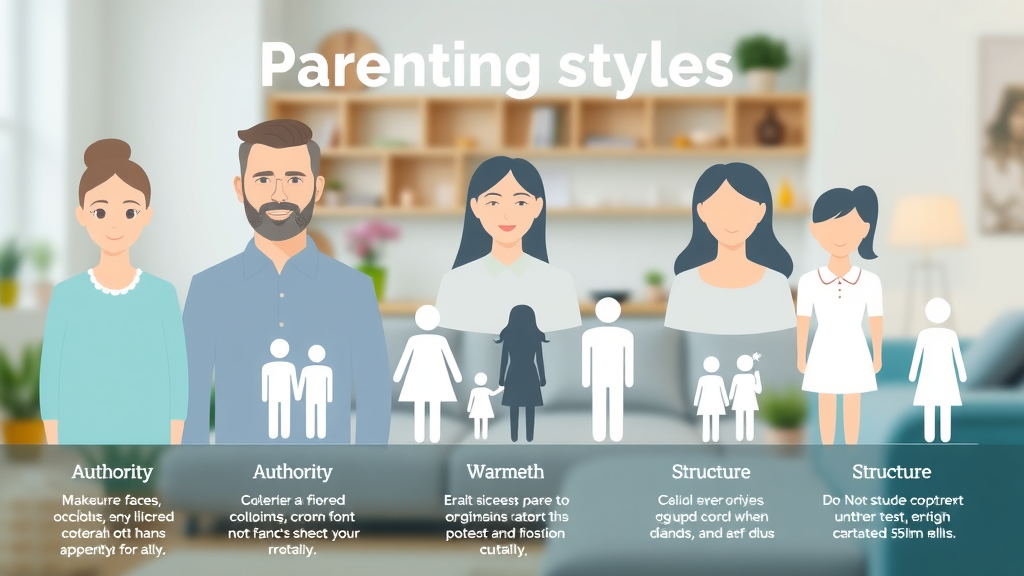
Parenting style plays a pivotal role in shaping adolescent behavior and mental health. Authoritarian parenting with teens stands out for its high demand and low emotional response—a sharp contrast to more balanced or permissive parenting approaches. Unlike authoritative parents who merge structure with warmth, or permissive parents who display high responsiveness with low demand, authoritarian parents prioritize rule-following above dialogue or emotional support. Structured parenting—which offers clear expectations but also allows for communication and reasoning—can sometimes be confused with authoritarian approaches, but differs in its balance of authority and empathy.
When compared with uninvolved or neglectful parenting, the authoritarian approach is far more demanding but equally lacking in emotional attunement. Teens living under neglectful parenting may lack both guidance and support; those subjected to high-demand, low-response environments experience a different, yet equally challenging, set of developmental hurdles. Understanding these distinctions helps families identify effective alternatives that support healthy adolescent development, strong family bonds, and positive long-term outcomes.
Comparison of Authoritarian, Permissive, Authoritative, Structured, and Uninvolved Parenting Styles in Teen Years |
||||
Parenting Style |
Demandingness |
Responsiveness |
Rule Enforcement |
Communication |
|---|---|---|---|---|
Authoritarian |
High |
Low |
Strict, nonnegotiable |
Limited, one-way |
Permissive |
Low |
High |
Flexible, inconsistent |
Open, child-led |
Authoritative |
High |
High |
Consistent, explained |
Open, respectful |
Structured |
Moderate to High |
Moderate to High |
Firm, but flexible |
Collaborative |
Uninvolved |
Low |
Low |
Little to none |
Minimal |
Core Traits and Methods of Authoritarian Parenting with Teens
Characteristics of an Authoritarian Parent in Teen Households
Authoritarian parents in teen households often display unwavering control and enforce high expectations regarding behavior and academic performance. These parents expect immediate compliance and rarely consider their teen's point of view, often dismissing it as defiance or disrespect. Communication within the family is primarily top-down, leaving little room for open discussion or feedback. This style of parenting, while typically rooted in a desire to maintain order and discipline, may unintentionally stifle a teen's opportunity to express themselves or develop independent thought.
Other key traits of authoritarian parents include a strict approach to household routines, visible frustration at any sign of “talking back,” and the setting of rigid boundaries without discussion. Such parents may rarely praise their teens, instead focusing on errors or unmet expectations. While this approach can yield a well-ordered home, it might also lead to increased emotional distance, making it difficult for adolescents to feel truly understood or supported within the family ecosystem.
Typical Discipline Strategies in Authoritarian Parenting with Teens
Strict rule enforcement
High expectations of obedience
Limited communication about rules
Discipline in authoritarian parenting with teens commonly involves harsh consequences for even minor rule violations, emphasizing obedience over understanding. Techniques may include grounding, removal of privileges for extended periods, or even public reprimand. Unlike authoritative parenting, where discipline is explained and designed to guide behavior, authoritarian strategies typically rely on punitive measures without much explanation or discussion. This can result in compliance, but at the cost of trust, openness, and sometimes self-esteem. As research suggests, teens subjected to high-level demands without emotional support may feel resentful, misunderstood, or anxious—jeopardizing both their immediate and future mental health.
Communication about rules and expectations is generally minimal; teens are often told “because I said so,” with limited opportunity to negotiate or explain their perspectives. This lack of communication can foster frustration and rebellion, especially as teens begin to seek greater independence. While these disciplinary practices might temporarily control certain behaviors, the long-term effects may include higher levels of secretiveness, withdrawal, or risky actions—especially if the teen feels misunderstood or trapped by parental expectations.
Pros of Authoritarian Parenting with Teens
Potential Benefits of Authoritarian Parenting for Teenagers

Contrary to popular belief, authoritarian parenting with teens does have some potential advantages. For example, strict discipline and high expectations can foster a sense of order, punctuality, and personal responsibility—especially when teens reside in environments where safety or accountability is a significant concern. Adolescents might perform exceptionally well in structured settings, excelling in academics or extracurricular activities due to the pressure to meet expectations.
Some research suggests that consistent routines and established rules can help teens develop self-control and understand consequences, reducing impulsivity and risk-taking. In families where external influences pose significant challenges, such as in high-crime areas or where cultural traditions prioritize authority, the authoritarian style may be useful for creating boundaries and lowering potential exposure to harm. However, these benefits typically depend on the level of warmth and support provided alongside the structure.
Situations Where Authoritarian Parenting with Teens May Be Useful
There are specific circumstances in which authoritarian parenting with teens can be particularly useful. For example, families facing crisis situations—such as sudden changes in environment or safety risks—may need to rely on strict rules and rapid compliance to protect adolescents effectively. Additionally, teens with certain medical or behavioral needs may require highly structured routines to maintain safety or achieve developmental milestones. In such cases, the immediate benefits of clear expectations and strict supervision can outweigh potential drawbacks, as long as the environment eventually transitions towards more open communication as the crisis resolves.
It’s also possible for some cultural backgrounds to value authoritarian approaches, viewing them as essential to teaching respect for authority and community. In these cases, the family meeting is not just a formality but a regulated space where elders pass down values and expectations, cultivating a sense of unity and tradition. However, even in these contexts, experts agree that blending structure with empathy and mutual respect yields more positive, long-term child development outcomes.
Cons and Risks of Authoritarian Parenting with Teens
Negative Effects of Authoritarian Parenting on Adolescents’ Mental Health
"Studies link authoritarian parenting with increased anxiety, depression, and low self-esteem in teens."

The risks associated with authoritarian parenting with teens are significant and well-documented. Numerous studies confirm a strong association between authoritarian parenting styles and increased rates of anxiety, depression, and low self-esteem among adolescents. When teens are consistently required to adhere to high demands without emotional support or open dialogue, they may begin to internalize a sense of inadequacy or develop chronic stress. The constant pressure to meet expectations, coupled with punitive discipline and lack of validation, undermines self-worth and amplifies feelings of powerlessness.
These impacts extend into schooling and social life, where teens may struggle to form authentic relationships or participate in activities that require confidence and open communication. Mental health practitioners often observe higher levels of perfectionism, fear of failure, and withdrawal in teens from authoritarian households. For families navigating the transition through adolescence, considering both the short- and long-term mental health implications of strict, unsupportive environments is vital to supporting a healthy, thriving teen.
How Authoritarian Parents May Hinder Teen Autonomy and Development

A hallmark challenge in authoritarian parenting with teens is the stifling of autonomy and decision-making skills. Adolescence is a period when developing independence and critical thinking is crucial for healthy emotional and social growth. When parents restrict communication, offer limited flexibility, and punish questioning or dissent, teens learn to suppress their own voices rather than cultivate self-advocacy and resilience. Over time, this may lead to difficulties in problem-solving, boundary-setting, and forming healthy relationships outside the family.
The lack of trust and open dialogue in authoritarian households can fuel rebellion or secretiveness as teens attempt to carve out space for individuality. Without opportunities for collaborative communication, they may become adept at hiding behavior rather than genuinely learning from mistakes. As research into the relationship between parenting style and child development indicates, the best outcomes occur in environments where guidance is balanced with space for growth and learning from experience.
Long-Term Impact of Authoritarian Parenting Styles on Teen Behavioral Outcomes
The long-term impact of authoritarian parenting with teens often extends well into adulthood. Adolescents raised with high-demandingness and low-responsiveness may develop a limited capacity for self-regulation, struggle with confidence and assertiveness, and experience challenges in forming healthy, reciprocal relationships. Without positive models for negotiation and emotional expression at home, these individuals may perpetuate harsh parenting practices in their own families or struggle to adapt to less structured environments, like college or the workplace.
Behavioral outcomes are also affected: research shows that teens from authoritarian households may experience higher incidences of externalizing behaviors (e.g., aggression, defiance) or, conversely, become overly compliant, struggling to assert personal boundaries. These patterns illustrate the intricate relationship between parenting style and mental health as well as the need for ongoing parental self-reflection and adaptation.
Alternatives to Authoritarian Parenting with Teens
Authoritative Parenting: A Balanced Approach with Teens

Authoritative parenting is widely recognized by experts as a healthier, more balanced alternative to authoritarian parenting with teens. This style of parenting merges high expectations with high emotional support, creating an environment where teens understand boundaries while feeling valued and heard. Unlike authoritarian parents who issue directives, authoritative parents engage their teens in collaborative problem-solving, promoting autonomy while maintaining structure. The result is a relationship between parent and adolescent characterized by mutual respect, trust, and open communication.
Teens raised in authoritative households tend to demonstrate higher levels of self-esteem, academic achievement, and emotional well-being compared to peers raised under more rigid or overly lenient parenting practices. Research into the relationship between parenting style and child development consistently supports the positive impact of authoritative approaches, highlighting how warmth, consistency, and firm expectations can bolster adolescent confidence, resilience, and lifelong relationship skills.
Moving Beyond Permissive Parenting and Fostering Structured Parenting
Structured parenting differs from authoritarian approaches by establishing clear rules and routines but allowing for flexibility, reasonable negotiation, and age-appropriate independence. This style best addresses the needs of teens who seek structure but also benefit from a sense of agency and input in family decisions. Key differences include open dialogue about rules, willingness to explain reasoning, and offering choices within limits—all important for fostering responsibility and engagement in teens.
Moving beyond permissive parenting is also critical: permissive environments may lack the boundaries and guidance teens need, resulting in poor self-regulation or difficulty respecting limits set by others. A structured approach, blending clear expectations with emotional support, gives teens the framework to thrive without feeling constrained. Families can adapt by hosting regular family meetings, encouraging goal-setting, and practicing consistent, empathetic discipline.
Adjusting Parenting Styles as Teens Grow
Encouraging open dialogue with teens
Using collaborative problem-solving
Setting clear but flexible boundaries
Adapting your parenting style as your teen matures is a crucial aspect of creating a supportive home environment. Early adolescence may require more guidance, while older teens benefit from increased independence and involvement in decision-making. Open, respectful communication lays the groundwork for trust, and negotiating boundaries reinforces accountability and mutual respect. Collaborative practices such as regular family check-ins and joint problem-solving sessions help identify factors that contribute to teen stress or resistance, allowing parents to adjust their approach for healthier outcomes.
Ultimately, adjusting parenting styles is not about relinquishing all authority but evolving to meet the developmental needs of the teen. By combining structure with empathy and regular self-reflection, parents foster an environment in which teens can explore identity, make responsible choices, and develop lifelong communication and decision-making skills.
Expert Insights on Authoritarian Parenting with Teens
"Consistency, respect, and understanding are more effective than fear-based compliance in guiding teenagers." – Dr. Anna Lee, Adolescent Psychologist
Comparison Table: Techniques of Authoritarian vs. Authoritative Parenting with Teens |
||
Technique |
Authoritarian |
Authoritative |
|---|---|---|
Rule Enforcement |
Rigid, no exceptions |
Consistent, with reasoning |
Communication |
One-way, little explanation |
Two-way, encourages feedback |
Emotional Support |
Low |
High |
Independence |
Discouraged |
Encouraged within boundaries |
Discipline Methods |
Punitive |
Guidance-based |
Recognizing When to Adjust Authoritarian Parenting with Teens
Warning Signs of Harmful Authoritarian Parenting in Teenagers

Knowing when to shift away from authoritarian parenting with teens is vital for every parent aiming for a healthy family relationship. Warning signs that your style may be causing harm include escalating conflict, emotional withdrawal, increased secrecy, and signs of anxiety or depression. Teens who show fear rather than respect, frequently lie about their actions, or have low self-esteem may be reacting to an environment that feels overly controlling or judgmental.
It’s essential to seek feedback from your teen, remain open to self-reflection, and monitor for patterns—like persistent anger, avoidance of family time, or academic decline—that signal deeper issues with your parenting style. Regular family meetings and check-ins are invaluable tools for maintaining an open dialogue, building trust, and spotting issues before they escalate further.
Steps to Transition to Healthier Parenting Styles for Teens
Transitioning away from authoritarian parenting with teens begins by fostering open communication and trust. Start by expressing a willingness to listen and validate your teen’s feelings, even if you don’t always agree. Gradually allow more flexibility in household rules, inviting your teen to participate in setting family expectations. Practice patience when shifting your approach, as both you and your teen may need time to adjust.
Consider incorporating regular family meetings to discuss goals, concerns, and solutions as a unit. Seek out parenting resources or professional guidance if needed to support your family through this transition. Remember, moving towards a more balanced, supportive style—such as authoritative parenting—can significantly improve relationships and outcomes for both teens and parents.
People Also Ask about Authoritarian Parenting with Teens
What is the hardest age for a teenage girl?
Psychological and Developmental Milestones in Teen Girls
For many families, ages 13 to 15 are often described as the most challenging years for teenage girls. This period marks rapid changes in identity, emotional regulation, and relationships between parent and child. Increased academic pressures, social dynamics, and shifting peer relationships add layers of complexity, occasionally creating friction at home—especially when authoritarian parenting styles are present. Supporting girls through this phase requires understanding, empathy, and communication to navigate both the highs and lows of adolescence.
How to discipline a teenager who doesn't care about consequences?
Effectiveness of Authoritarian Parenting with Teens in Disciplining Resistant Adolescents
Disciplining a teen who appears indifferent to consequences can be frustrating—especially for authoritarian parents. However, research suggests that punitive approaches alone rarely foster true change in resistant teens. Instead, engaging teens in problem-solving, understanding the underlying reasons for their defiance, and fostering open communication are more effective. Techniques like collaborative discussion, logical consequences, and positive reinforcement build accountability without damaging the relationship between parent and teen.
How authoritarian parenting style affects adolescents?

Emotional and Social Impact of Authoritarian Parenting on Teens
Authoritarian parenting style can greatly impact an adolescent’s emotional and social development. Teens exposed to high demandingness with low responsiveness may develop anxiety, low self-esteem, social withdrawal, and poor communication skills. The lack of support and encouragement for independent thought can lead to difficulties forming healthy peer relationships or advocating for themselves in stressful situations. Long-term, these effects can influence mental health and shape how teens approach authority and structure as adults.
What is the 7 7 7 rule parenting?
Explanation and Relevance of the 7 7 7 Rule in Parenting Styles
The 7 7 7 rule in parenting refers to setting structured yet manageable timeframes for specific family routines—such as 7 minutes of daily reflection, 7 positive interactions, and 7 shared meals per week. While not a scientific standard, this approach supports healthy routines and family cohesion, contrasting with the rigidity of authoritarian parenting with teens. Structured parenting, as advised by many experts, emphasizes regular connection and flexibility rather than punishment or harsh control, promoting healthy development and relationships.
FAQs on Authoritarian Parenting with Teens
How does authoritarian parenting with teens differ from structured parenting?
Authoritarian parenting with teens is rigid, emphasizing obedience with little discussion. Structured parenting, by contrast, uses clear rules but also engages teens in decision-making and communication.Can authoritarian parenting ever be positive for teens?
In some high-risk or crisis situations, strict rules can provide needed safety and structure. However, long-term, combining structure with empathy leads to better mental health and developmental outcomes.What is the best way to shift from authoritarian to authoritative parenting with a teenager?
Start by increasing open, respectful communication. Involve teens in discussing family expectations and allow more flexibility as they demonstrate responsibility.How can parents recognize harmful authoritarian patterns?
Warning signs include emotional withdrawal, secrecy, frequent conflict, and signs of anxiety or depression in teens. Observing these changes should prompt parents to reflect on and adjust their parenting style.
Key Takeaways: Authoritarian Parenting with Teens
Authoritarian parenting with teens often leads to increased conflict and emotional distress
Balanced approaches—like authoritative parenting—foster healthier outcomes
Regular self-reflection helps parents adapt their parenting style
Looking Forward: Creating a Supportive Environment as Teens Grow
"The journey towards effective parenting with teens is ongoing—embrace flexibility and empathy."
As you move forward, remember that adapting your parenting style is a sign of strength, not weakness. Embracing a more balanced, supportive approach ensures your teen feels heard, valued, and empowered to thrive during adolescence and beyond.




Write A Comment