



Did you know that over 80% of teens have shared personal information on social media without realizing its consequences? In a world where nearly every young person is connected, understanding and protecting teen privacy on social media has never been more urgent. This comprehensive guide arms parents with actionable knowledge, practical steps, and the most current privacy solutions—helping safeguard your teen’s digital journey while nurturing trust and healthy social habits.
Startling Truth: The Real Risks of Protecting Teen Privacy on Social Media
Social media offers teens a platform for connection, learning, and creativity, but it also lurks with potential risks that can compromise privacy and mental health. Oversharing has become second nature, and many teens remain unaware that every photo, comment, and like contributes to a lasting digital footprint. For parents, understanding these dangers is the first step to empowering young people to make safer choices online.
From targeted advertisements to cyberbullying and predatory behavior, social media platforms and media sites collect and sometimes misuse vast amounts of personal data. Teens are especially vulnerable to social engineering tactics, and scammers routinely exploit any publicly visible personal information. By protecting teen privacy on social media, families can help reduce these risks, reinforce positive experiences, and ensure a healthier relationship with the digital world.

“Over 80% of teens have shared personal information on social media without realizing its consequences.” — National Cybersecurity Association
What You’ll Learn About Protecting Teen Privacy on Social Media
The current landscape of teen social media use and privacy threats
Understanding privacy settings and parental controls across popular platforms
Practical steps for parents to enhance teen online safety and well-being
How social media impacts teen mental health and developing brains
Legal and ethical implications for protecting teen digital footprints
Understanding the Social Media Landscape for Teens

Popular Social Media Platforms and Teen Usage Patterns
Teens today gravitate toward different social media platforms based on trends, peer influence, and features. While Facebook remains common for connecting with family, platforms like Instagram, Snapchat, TikTok, and emerging media sites offer features that appeal to younger teens seeking more personalized or visual content. According to recent research, a high percentage of high school students report daily use of at least two social media sites. These platforms enable social interaction, but they also expose users to data collection algorithms, which can collect and analyze user behavior—raising concerns about privacy settings and profile visibility.
Usage patterns also show teens operating multiple accounts across different platforms for varied social purposes. For example, a teen might use Instagram for curated posts, Snapchat for ephemeral chats, and TikTok for content creation and discovery. This multi-platform approach increases their digital footprint and complicates parental monitoring. As such, understanding where and how your teen engages online is fundamental to protecting teen privacy on social media and helping them build positive digital habits.
Risks Unique to Teens on Social Media
Unlike adults, teens are still developing critical thinking skills and may not fully understand how their online behavior can make them vulnerable. Oversharing personal details—such as locations, school events, or family member names—can put young people at risk for identity theft, scams, or unwanted contact from strangers. Additionally, social media opens the door to cyberbullying, which has been shown to negatively impact teen mental health and body image.
Oversharing personal details
Cyberbullying
Predators and scams
Data harvesting
The prevalence of data harvesting on media platforms means teens’ data can be sold or misused for targeted advertising or even identity theft. Without proper privacy settings, information such as posts, locations, and personal preferences can be accessed by third parties, resulting in harmful content exposures and increased potential risks.
Why Protecting Teen Privacy on Social Media Is Crucial

How Social Media Threatens Teen Privacy
Every action on social media—posting a photo, liking a video, joining a group—forms part of a teen’s digital identity. Despite the convenience and enjoyment these platforms offer, a lack of understanding about privacy settings leaves many younger teens exposed to security breaches and unsolicited attention. Features like geolocation, tagging, and public profiles can inadvertently reveal a teen's whereabouts and routine, opening the door to online predators or data collectors.
Additionally, the algorithms powering these social media platforms are designed to promote engagement, often at the expense of privacy and online safety. The more data a user provides through online behavior, the more content is recommended—exposing teens to potentially harmful content, vulnerable to social manipulation, and even cyberbullying. Research shows direct correlations between poor privacy management and rising mental health concerns among teens.
Long-term Consequences for Mental Health and Digital Footprints
Teens’ online actions today can have lasting consequences. Digital footprints—everything from shared photos to old posts—are persistent and often beyond easy removal. This permanence means that content considered harmless now could later impact college admissions, job opportunities, or personal relationships. More importantly, harmful or impulsive sharing can compound negative effects on body image, self-esteem, and overall mental health. The stress and anxiety linked to these issues highlight why protecting teen privacy on social media is essential.
Experts urge parents to help teens actively manage their privacy settings and online personas. Maintaining open communication about digital risks, as well as monitoring for changes in mood or behavior, can help families reduce the potential for mental health problems. Remember: a single regrettable post can linger indefinitely, setting the tone for a young person’s digital world for years.
“What goes online stays online: digital footprints are forever.” — Child Safety Expert
Setting Up Privacy Settings to Support Protecting Teen Privacy on Social Media
Step-by-Step Guide to Privacy Settings on Top Social Media Platforms
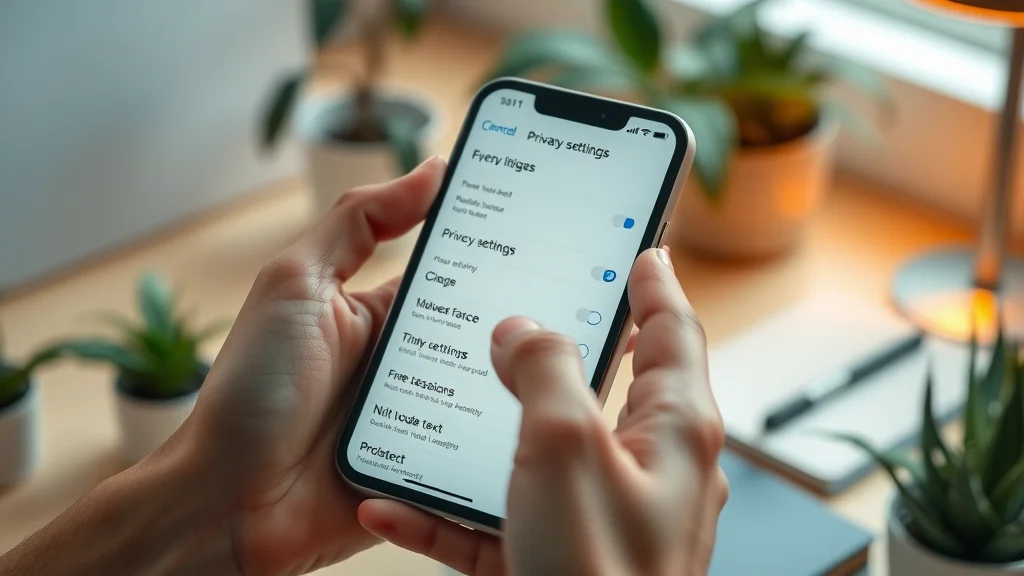
Privacy settings are the first defense against unwanted attention and data collection on social media platforms. While every media site has unique controls, most offer options for limiting profile visibility, controlling who can message or tag your teen, and managing what data is shared. Begin with a privacy settings checklist for each platform and routinely review controls with your teen. Reinforcing habits like updating passwords, approving followers, and turning off location sharing builds a stronger online safety foundation.
Here are actionable steps for some of the most popular platforms:
Facebook Privacy Setting Checklist
Profile Visibility: Set to “Friends Only” or custom groups for sensitive posts.
Tagging Controls: Review tags before they appear on timelines.
Profile Information: Limit visibility of details like school, location, family member names.
Location Services: Turn off in Facebook app settings and device settings.
Ad Preferences: Limit the use of personal data for ads.
Instagram Privacy Settings: What Parents Need to Know
Private Account: Switch the account to private so only approved followers see posts.
Story Controls: Hide Stories from unwanted viewers; manage message replies.
Comments and Tags: Filter offensive content and manually approve tags.
Location Data: Never post geotags or enable location sharing by default.
Activity Status: Disable "Show Activity Status" to prevent status tracking.
Snapchat and TikTok: Advanced Tips for Stronger Privacy
Snapchat: Set “Who Can Contact Me” and “View My Story” to “Friends Only.” Enable “Ghost Mode” on Snap Map.
TikTok: Make the account private, limit who can comment or message, and review duet/collab permissions. Regularly audit the “For You” feed to manage personal recommendations.
Regularly audit follower lists and remove unknown contacts on both platforms.
Explaining Online Safety and Its Importance to Teens
Conversations about privacy settings are most effective when paired with clear, age-appropriate explanations of online safety. Talk to your teen about the dangers of oversharing and help them identify the potential risks of accepting friend requests or engaging with strangers. Use examples from current news stories or personal experiences to illustrate how quickly information can spread on social media sites. Stress that strong privacy controls are not about restricting fun but about empowering young people to control their narrative and protect themselves in an ever-evolving digital world.
Encourage your teen to ask questions and voice concerns. The more open the dialogue, the more likely they are to make positive decisions regarding privacy settings and online behavior—a crucial factor in supporting their long-term safety and mental health.
Using Parental Control Tools for Protecting Teen Privacy on Social Media
Overview of Leading Parental Control Apps
In addition to privacy settings, parental control apps offer an added layer of protection by helping parents monitor and manage their child’s social media activity. These tools can enable screen time limits, track usage across devices, and alert guardians to suspicious or concerning online interactions. Top apps like Bark, Qustodio, Net Nanny, and Family Link provide tailored features for different family needs—offering peace of mind for parents without invading teen autonomy.
The key is transparency: always inform your teen before activating any parental control app. Position these tools as collaborative safety measures rather than surveillance devices. When combined with healthy communication, this approach balances online safety, privacy, and trust.
Comparison of Parental Control Tools: Features, Pros, and Cons |
|||
App |
Key Features |
Pros |
Cons |
|---|---|---|---|
Bark |
Monitors texts, social media, email; alerts for potential risks |
Comprehensive alerts; supports many platforms; user-friendly |
Requires access to communications; may miss encrypted apps |
Qustodio |
Screen time, web filtering, usage reports |
Strong time limits; covers multiple devices; robust reporting |
Some features require premium version; can be bypassed |
Net Nanny |
Filter harmful content; real-time alerts; app blocker |
Dynamic filtering; good for younger teens; clear dashboard |
Setup can be complex; higher cost |
Family Link |
App management; daily limits; location tracking (Google devices) |
Easy integration with Android devices; free to use |
Fewer features for non-Android platforms; basic monitoring |
How to Set Up Parental Controls for Social Media

To begin, select a parental control tool that best fits your family’s devices and values. Download the app from a trusted source and follow in-app instructions to link your child’s device. Establish clear time limits and filtering preferences based on your child’s age and maturity. Set alerts to notify you of unusual behaviors or flagged language, but be sure to review these notifications with your teen to build mutual understanding and trust.
Where possible, schedule regular privacy setting reviews together. Discuss which types of content are appropriate and encourage your teen to report suspicious messages or cyberbullying. By integrating parental controls and communication, families can reinforce digital safety without compromising respect for privacy or healthy social development.
Establishing Healthy Social Media Habits
Setting Screen Time and Time Limits

Maintaining reasonable screen time is vital for protecting developing brains and supporting positive mental health. Research shows excessive social media use can lead to disrupted sleep, anxiety, and decreased face-to-face social interaction. Establish clear time limits for social media and encourage regular digital breaks—perhaps by using built-in timers or parental controls. Work together to identify signs of unhealthy online behavior, such as irritability after prolonged use or withdrawal from offline activities.
Modeling balanced screen time as a parent is equally important. Set household expectations and offer alternatives, such as shared activities or outdoor time, to reduce reliance on digital devices and promote healthy social engagement outside the virtual world.
Encouraging Healthy Social Interactions Online
Positive digital communication is essential for nurturing confidence and resilience in young people. Encourage your teen to build online friendships with individuals they know personally and to avoid engaging with harmful content or strangers. Offer ongoing guidance on how to respond to cyberbullying, peer pressure, or requests for personal information—reminding them that it’s always okay to ask for your help.
Modeling balanced screen time
Promoting positive digital communication
Monitoring mental health signals
Stay aware of signs of mental distress, like sudden changes in mood, sleep, or social interaction. A supportive environment—built on empathy, active listening, and reinforcement of healthy boundaries—empowers teens to make smart decisions online.
Talking to Teens: Building Trust Around Social Media Use
How to Discuss Privacy Risks Without Fearmongering

The most effective conversations about social media and privacy are calm and supportive, not accusatory or alarmist. Begin by asking your teen about their favorite media platforms and online friends, demonstrating genuine interest. Relate privacy risks using real-world analogies—such as locking the front door or being cautious with strangers—rather than focusing on worst-case scenarios. This invites openness and keeps the dialogue centered around empowerment, not fear.
Remind your teen that just as you help with other life skills, you’re there to help navigate online safety challenges. By framing the conversation this way, you’re reinforcing trust and promoting healthy social interactions online while maintaining your parental responsibility to protect their privacy.
Teaching Critical Thinking Skills for Evaluating Online Content
Helping teens build critical thinking skills is essential as they navigate a digital world filled with misinformation, advertising, and potential scams. Discuss with your teen how to question the credibility of online content, recognize clickbait, and understand why some posts are promoted over others. Encourage them to avoid sharing or acting on unverified information and to talk with you if something online feels off.
You can reinforce these skills by reviewing posts together, debunking viral rumors, or exploring how algorithms work on various platforms. When teens learn to evaluate what they see and share, they are empowered to protect themselves—and their privacy—against manipulation and risky online behavior.
Protecting Teen Privacy on Social Media: Legal and Ethical Considerations
COPPA, GDPR, and Other Applicable Laws
Several laws govern how social media platforms collect and use the personal information of minors. The Children’s Online Privacy Protection Act (COPPA) in the US restricts data collection from users under 13 years old, while the General Data Protection Regulation (GDPR) in Europe extends added rights for younger teens. These laws require privacy setting options, parental consent for kids under certain ages, and clear communication regarding data use.
Despite these protections, enforcement often lags behind rapid technological changes, so parents must stay vigilant. Understand the privacy policies for every media site your teen uses, routinely review privacy settings, and educate your child about their rights regarding digital data.
Ethical Guidance for Parental Oversight
While it may be tempting to closely monitor every post and message, experts agree that healthy trust is the cornerstone of effective oversight. Being upfront about parental control tools and jointly setting boundaries can prevent the perception of “spying.” Position yourself as an ally and information resource instead of a digital detective. This helps teens feel cared for and encourages them to share concerns openly, nurturing a supportive family culture around online safety.
“Parents should protect, not spy. Trust is essential for healthy digital relationships.” — Family Counselor
People Also Ask About Protecting Teen Privacy on Social Media
How can parents help teens stay safe on social media?
Answer: Parents can help by educating teens on privacy settings, maintaining open communication, and using parental control tools for additional online safety.
What are the best privacy settings for teens on popular platforms?
Answer: Best practices include making accounts private, limiting location sharing, and regularly reviewing friend or follower lists.
How does social media impact teen mental health and privacy?
Answer: Social media can amplify peer pressure, expose teens to cyberbullying, and leave permanent digital traces, affecting both mental health and privacy.
Are parental control apps effective for protecting privacy on social media?
Answer: When used alongside education and trust-building, parental control apps can enhance privacy, but they should not replace ongoing conversations.
Practical walkthrough showing screenshots and brief clips of how to adjust privacy settings on Instagram, TikTok, and Snapchat with voiceover guidance, including step-by-step instructions and visual highlights of key settings for parents and teens.
Short interview clips featuring online safety experts, psychologists, and experienced parents sharing top strategies and warning signs regarding protecting teen privacy on social media.
Addressing the Needs of Developing Brains in a Digital Era
Why Screen Time Management Matters for Protecting Teen Privacy on Social Media

Teens’ brains are still developing, making them more susceptible to impulsive decisions and the dopamine-driven design of social media platforms. Excessive screen time can disrupt sleep, hinder academic performance, and intensify anxiety or depression. By setting healthy time limits and modeling positive media behaviors, parents protect their teens’ mental health and overall well-being, reinforcing the message that privacy is as much about quality of life as it is about online safety.
Establishing device-free zones or tech-free hours in the home, especially during meals or before bedtime, supports cognitive development and meaningful social interaction. These routines signal the importance of balance—offering young people tools to limit risky behaviors in digital spaces.
Supporting Teen Mental Health Through Wise Social Media Habits
Protecting teen privacy on social media is inextricably linked with supporting good mental health. Encourage your teen to curate their newsfeeds, avoid harmful content, and take regular digital detoxes. Monitor their mood and outlook, and provide mental health resources if you notice signs of cyberbullying, peer pressure, or social withdrawal.
Above all, create a safe, judgment-free space for your teen to share their feelings—building lasting resilience against the challenges of digital life.
Key Takeaways for Protecting Teen Privacy on Social Media
Regularly audit privacy settings on all social media platforms
Foster open conversations about online safety and privacy risks
Balance screen time to protect developing brains and mental health
Leverage parental controls as part of, not a replacement for, trust-based supervision
Frequently Asked Questions: Protecting Teen Privacy on Social Media
What are warning signs of compromised teen privacy on social media?
Signs may include unsolicited messages, sudden behavioral changes, or requests from strangers.How often should privacy settings be reviewed?
Review settings at least every few months or whenever there are app updates.Can teens opt out of data sharing on every app?
Some apps offer opt-out options, but many still collect limited data; always check app policies.How can parents respect privacy while ensuring safety?
Communicate honestly about oversight and agree on appropriate boundaries together.What resources are available for further learning about online safety?
Visit reputable sites like Common Sense Media, ConnectSafely, or government resources for ongoing tips and support.
Summary and Parental Resources for Protecting Teen Privacy on Social Media
Support organizations and hotlines available for immediate help
Empower Your Family – Start Protecting Teen Privacy on Social Media Today
Take the next step! Regular review, honest communication, and supportive oversight are your best tools for protecting your teen’s privacy on social media—empower your family now.




Write A Comment