



Did you know? In some regions, up to 28% of students experience school refusal at some point during their education. This figure not only underscores the scale of the problem but also highlights a rising challenge for families, educators, and professionals in supporting students to attend school. In this guide, you’ll discover actionable steps and proven strategies on how to address school refusal and truancy—starting with the psychological roots and ending with collaborative solutions for lasting change.
Startling School Refusal Statistics: Understanding the Scope
“In some regions, up to 28% of students experience school refusal at some point during their education.”
The prevalence of school refusal and truancy is both surprising and concerning. Recent studies show that school avoidance is a widespread issue that affects not just students' academic performance, but also their social and emotional well-being. Chronic absenteeism becomes a long-term risk factor, with potential for negative impacts on the student’s academic future and mental health. Families may notice increasing emotional distress or physical symptoms such as headaches, stomach aches, or unexplained illnesses, which often occur just before the school day begins.
This alarming trend demands urgent attention from parents, school staff, and health professionals. By comprehending the actual statistics and far-reaching effects, communities can better recognize the need for early intervention and comprehensive strategies to improve school attendance. School refusal is not simply a phase or minor behavioral issue—it's a multifaceted challenge that calls for a united, informed response.

What You'll Learn About How to Address School Refusal and Truancy
The meaning and impact of school refusal and truancy
How mental health influences school avoidance
Effective steps to support children experiencing school refusal
Collaboration with health professionals and school staff
Key strategies for parents, teachers, and administrators
Defining School Refusal and Truancy
What is School Refusal?
School refusal occurs when a student persistently avoids attending school due to emotional distress, anxiety, or psychological discomfort. Unlike ordinary absences, school refusal stems from deep-seated feelings—students may feel anxious, frightened, or overwhelmed by the idea of being in a school environment. These students are often open with their families about their desire to avoid the classroom, and their avoidance behavior can manifest as morning meltdowns, frequent illnesses, or outright pleas to stay home. Recognizing this pattern is crucial for school staff and mental health professionals to provide appropriate support.
Addressing school refusal requires understanding the difference between willful truancy and genuine emotional struggle. Students experiencing school refusal frequently suffer from anxiety disorders or other mental health disorders that make the act of attending school an overwhelming prospect. For them, simply urging attendance may not work—instead, they need patient guidance from parents, teachers, and sometimes a mental health professional to re-establish a positive connection with the school day and learning community.

Understanding School Avoidance and Its Relationship to Mental Health
School avoidance refers to any pattern where a student resists or refuses to attend school due to emotional distress or anxiety-related reasons. This avoidance behavior often signals underlying mental health concerns—like social anxiety, generalized anxiety disorder, or even depression. Unlike typical academic reluctance, school avoidance is not motivated by a desire to rebel or escape discipline, but rather as a coping mechanism for overwhelming feelings.
The impact of school avoidance on mental health is profound. Students may develop chronic absenteeism, which amplifies their sense of isolation and leads to deterioration in academic performance and social relationships. Untreated, this behavior can spiral into a cyclical problem—school staff and mental health professionals must work collaboratively, identifying early signs and providing safe, empathetic environments that encourage gradual reintegration into the school community.
In addition to addressing emotional barriers, encouraging students to participate in positive school experiences can be a powerful motivator. For example, helping your child find the right extracurricular activity can foster a sense of belonging and engagement, which may reduce avoidance behaviors. Discover practical tips on how to help your child pick an extracurricular activity that aligns with their interests and supports their overall well-being.
Key Differences Between Truancy and School Refusal
Category |
School Refusal |
Truancy |
|---|---|---|
Causes |
Emotional distress, anxiety disorder, mental health disorder |
Lack of interest in school, behavioral issues, peer influence |
Signs |
Physical symptoms, open distress about school, avoidance behavior |
Secretive absences, frequent unexplained absences, skipping class |
Consequences |
Worsening mental health, social isolation, academic decline |
Disciplinary actions, legal consequences, academic problems |
Recognizing Signs of School Refusal and School Avoidance
Physical symptoms before school
Expressing anxiety or fear
Frequent requests to stay home
Social withdrawal
Sudden declines in academic performance

Early Warning Signs for Parents and Educators
The early warning signs of school refusal can easily be mistaken for common complaints or everyday reluctance to go to school. However, there are distinct red flags: a student might develop physical symptoms like headaches or stomach upset just before the school day, often disappearing over weekends and holidays. Other students express continual anxiety or use creative explanations to avoid attendance, while parents notice increased requests to stay home or a sudden indifference toward academic success. Educators may see changes in participation or academic performance, and even an increase in social withdrawal from peers.
Recognizing these signs early allows for quicker intervention by parents, school personnel, and mental health professionals. Open dialogue between home and school is paramount, as well as monitoring for patterns in behavior that might signal more than temporary discomfort. Proactive attention to these symptoms helps prevent more chronic cases of school avoidance or truancy, and reduces the risk of emotional distress and academic harm in the long term.
Root Causes: Mental Health, Separation Anxiety, and Social Anxiety
Role of Mental Health in School Refusal and Truancy
Mental health is often at the core of both school refusal and chronic absence. Many students who avoid school are actually dealing with undiagnosed anxiety disorder, depression, or trauma-related conditions. Rather than disciplinary problems, these students are experiencing overwhelming fear, panic attacks, or persistent worry connected with the school environment. Mental health problems can be further complicated by environmental factors—such as bullying, academic stress, or changes at home—creating a complex situation where the student truly struggles to manage the daily stress of attending school.
Effective intervention requires the collective expertise of mental health professionals, school counselors, teachers, and families. When mental health issues are identified as factors, the pathway forward should prioritize support and access to care instead of punitive measures. This compassionate approach can not only improve outcomes for the student but also help address school refusal and truancy at their roots.
Separation Anxiety and Social Anxiety Explained
Separation anxiety and social anxiety are two common contributors to school refusal. Separation anxiety typically affects younger students, who feel excessive worry or fear when apart from caregivers. These children may feel anxious about leaving their parents and experience emotional distress, panic, or even clinginess as the school day approaches. On the other hand, social anxiety primarily manifests as fear of social interactions, peer judgment, or performing in front of others.
In both cases, these anxiety disorders create an internal barrier that makes the school environment feel unsafe or overwhelming. It's vital to distinguish between these sources of anxiety, so that targeted interventions—such as exposure therapy for social anxiety or gradual separation plans for younger children—can be supported by both school and family. Understanding these root causes empowers mental health professionals, teachers, and parents to design individualized plans that gently encourage returned school attendance and emotional growth.

Experiencing School Refusal Due to External Stressors
External stressors—such as family conflict, transitions like moving to a new school, or events like bullying and peer rejection—can trigger or worsen experiencing school refusal. When stress inside or outside the home disrupts feelings of safety or belonging, students may associate the school day with additional anxiety and avoidance behaviors. The unpredictable nature of such stress can make it even harder to return to a regular school routine, leading to persistent school avoidance and possible chronic absenteeism.
It is essential for school professionals to ask about recent life changes or stressful events when addressing absenteeism. A combination of holistic support and open communication can help students regain a sense of control and reassurance, moving them toward a more positive school experience. Health professionals and school counselors are invaluable allies in developing support systems that acknowledge these external pressures and buffer their impact on a child’s willingness to attend school.
How to Address School Refusal and Truancy: First Steps When Experiencing School Refusal
“Addressing school refusal promptly can significantly improve long-term outcomes for children.”
Open communication between parents and child
Meeting with teachers and school counselors
Immediate assessment by a mental health professional
The initial approach to how to address school refusal and truancy must focus on swift, empathetic engagement. When a student resists attending school, it’s vital for parents to begin with open, non-judgmental conversations. Listen to your child’s concerns—sometimes, simply feeling heard reduces the intensity of emotional distress. Meanwhile, alert teachers and school counselors immediately; they can provide insight into your child's school environment and may already have observations that contribute to a more complete understanding.
If emotional or physical symptoms persist, arrange for a prompt assessment by a mental health professional. Identifying possible disorders or stressors early means support strategies can be implemented before the problem escalates. This collaborative first response is critical; when schools, families, and professionals act as a team, the student receives the best chance for recovery and a successful return to school.
The Importance of Involving Health Professionals and Mental Health Professionals
Working with Health Professionals to Address School Refusal and School Avoidance
Seeking support from health professionals ensures that a comprehensive approach is taken to understand and manage school refusal and truancy. These professionals—such as pediatricians, family doctors, or school nurses—can rule out medical conditions and provide referrals for psychological assessment. Their input also helps school staff and families understand whether a student’s refusal to attend school is related to a health disorder, mental health disorder, or another underlying concern.
Collaboration with health professionals ensures that interventions are safe, tailored, and based on best practices. For example, regular check-ins can monitor progress, while written recommendations can be shared with school teams to create individualized support plans. This multidisciplinary approach addresses both physical and mental well-being, making it far more effective than addressing attendance solely from an academic or disciplinary perspective.

Roles of Mental Health Professionals in Managing Truancy and Anxiety
Mental health professionals play a vital role in diagnosing and treating the underlying causes of school avoidance and truancy. A child psychologist or counselor can conduct a thorough assessment to identify anxiety disorders, depression, or adjustment challenges. They tailor their interventions based on the student’s unique needs, using therapies such as cognitive-behavioral therapy (CBT), exposure therapy, and family counseling to help students overcome their fears and develop healthy coping strategies.
Beyond treatment, mental health professionals often collaborate closely with school counselors, teachers, and families. They can help shape support plans, suggest classroom adjustments, advise on gradual re-integration, and share guidance for ongoing communication. These professionals ensure that the focus remains on healing and progress, minimizing the likelihood of recurrence or escalation of avoidance behaviors.
Practical Strategies: How to Address School Refusal and Truancy at Home and School
Support Plans for Students Experiencing School Refusal
Developing clear, realistic support plans is essential in helping students experiencing school refusal. These plans often start with setting manageable, short-term goals—such as attending part of the school day or visiting the school grounds to ease back into the environment. By collaborating with school counselors, mental health professionals, and school staff, families can create an individualized intervention plan that addresses academic, social, and emotional needs. These plans often include scheduled check-ins, use of relaxation techniques, and positive reinforcement to encourage and celebrate progress.
Support plans should remain flexible to accommodate setbacks or changing circumstances. Parents, teachers, and professionals must stay in close communication and adjust strategies as needed. For students with more severe anxiety or chronic absenteeism, ongoing therapy and involvement of outside health professionals may be necessary to fully address all contributing factors and set the student up for long-term success.
School-Based Interventions for School Avoidance
Flexible school re-entry programs
Gradual exposure techniques
Peer mentoring and support groups
Schools can play a proactive role by offering flexible school re-entry programs that ease the transition back to full attendance. These programs may allow for partial days, home assignments, or the gradual building of time spent on campus. Gradual exposure techniques—a proven form of exposure therapy—help students reframe anxious thoughts and incrementally face their fears in a safe, controlled setting. School counselors and mental health professionals guide this process, ensuring that expectations remain realistic and that progress is supported, not rushed.
Establishing peer mentoring and support groups provides students with emotional support from peers who have experienced similar challenges, making the journey back to the classroom less isolating. School staff and administrators can facilitate these groups, enabling sharing of coping strategies and building a sense of community for those struggling with avoidance behaviors. These targeted interventions, when combined, greatly improve the likelihood of a successful return to school and a reduction in future school avoidance.

The Role of Communication in Helping Those Experiencing School Refusal
Collaborative Approaches Between Families and Schools
“A united approach between home and school is essential in overcoming school refusal.”
Open, ongoing dialogue between families and schools is the cornerstone of effective intervention for school refusal and truancy. Parents must feel empowered to communicate concerns and observations to teachers, school counselors, and administrators without fear of blame or judgment. In turn, school staff should share updates on attendance, participation, peer relationships, and emotional well-being, forming a complete picture of the student’s needs.
True collaboration involves joint meetings, regular check-ins, and the sharing of resources and strategies. When everyone works together—each recognizing their unique role—the student receives cohesive support. This partnership can make adjustments for mental health needs, provide quick responses to setbacks, and celebrate improvements, ensuring that no child slips through the cracks of the education system.

Case Studies: Successful Strategies to Address School Refusal and Truancy
Example 1: Overcoming Separation Anxiety Through Multi-Disciplinary Support
A 7-year-old student named Mia began missing school days, exhibiting severe separation anxiety and tearful episodes each morning. Her school counselor and mental health professional worked with her family to gradually expose her to the school environment, starting with brief visits and building up to full school days. The collaborative plan included parent education, individual therapy, and daily check-ins from her teacher. After two months of consistent support, Mia was attending class regularly and participating in group activities with increased confidence.
This case highlights the importance of early intervention and the combined efforts of parents, educators, and mental health professionals. By addressing both the emotional and practical challenges of school refusal, the team created a safe pathway back to regular attendance for Mia.
Example 2: Community Engagement for Chronic School Avoidance
Jamal, a high school student, struggled with chronic absenteeism due to bullying and academic anxiety. The school district set up a community engagement team—including teachers, counselors, and a local psychologist—to establish a peer support group and organize after-school activities. Jamal’s family was also included in monthly meetings. Over the semester, Jamal’s attendance improved, his grades stabilized, and he began mentoring younger students who felt anxious about attending school.
This example demonstrates the power of community resources, multi-agency partnerships, and ongoing, open communication in addressing complex cases of school avoidance. Such engagement ensures that both individual needs and broader social factors are considered in any intervention plan.
People Also Ask: Common Questions about How to Address School Refusal and Truancy
What is the most effective way to address school refusal?
The most effective way to address school refusal combines early identification, compassionate communication, and involvement of mental health professionals. Building individualized support plans—and ensuring close collaboration between families, school staff, and outside specialists—helps students feel safe enough to gradually return to school. Early intervention and regular reassessment prevent chronic absenteeism and improve long-term emotional health.
How can mental health professionals help with school avoidance?
Mental health professionals are essential in diagnosing anxiety, depression, or trauma-related causes for school avoidance. They use evidence-based therapy—such as cognitive-behavioral therapy or exposure therapy—and often counsel families and school staff on how to implement supportive strategies. Their expertise guides the entire process, from planning reintegration to monitoring progress and addressing setbacks.
Are there different strategies for students with social anxiety experiencing school refusal?
Yes, support strategies for students with social anxiety focus on gradual exposure to social situations, social skills training, and sometimes peer support groups. School counselors and therapists may begin with small, achievable social goals, providing positive reinforcement and teaching relaxation techniques. Collaboration with both family and teachers ensures consistent support and a safe, encouraging environment for students to regain comfort in school.
How do health professionals diagnose truancy versus school refusal?
Health professionals differentiate truancy from school refusal through thorough interviews, behavioral observations, and family consultations. School refusal is primarily linked to emotional distress and explained, open avoidance, while truancy usually involves secretive absences or behavioral risk factors. Accurate diagnosis ensures that interventions are compassionate and targeted to the student’s true needs rather than simply enforcing attendance.
Expert Insights: Quotes from Mental Health Professionals
“Tailored interventions are key in addressing individual challenges behind school refusal.” — Dr. Samir Patel, Child Psychologist
FAQs: Addressing School Refusal and Truancy
What should parents do first when a child refuses to attend school?
Start by listening calmly to your child's concerns, ensuring they feel understood and supported. Alert teachers and a school counselor, and seek help from a health professional or mental health professional if emotional distress or symptoms persist.How can schools support students at risk of truancy?
Schools can implement flexible attendance plans, offer social and emotional support, connect families to community resources, and prioritize non-punitive, supportive interventions—engaging all school personnel in proactive solutions.Can counseling help with school avoidance?
Yes. Counseling—delivered by mental health professionals or school counselors—can help students identify triggers, learn coping strategies, and build confidence to return to school as they receive encouragement from both home and school environments.What is the role of mental health assessments?
Mental health assessments clarify the underlying issues—such as anxiety, depression, or trauma—shaping the best type of intervention. These assessments guide professionals and educators in creating individualized support plans for sustainable school re-entry.
Key Takeaways: How to Address School Refusal and Truancy
Early intervention is crucial for positive outcomes
Collaboration between school, family, and health professionals is necessary
Mental health factors are often central and must be addressed
Conclusion: Why Timely Action on School Refusal and Truancy Matters
Summary of Effective Interventions and Collaboration
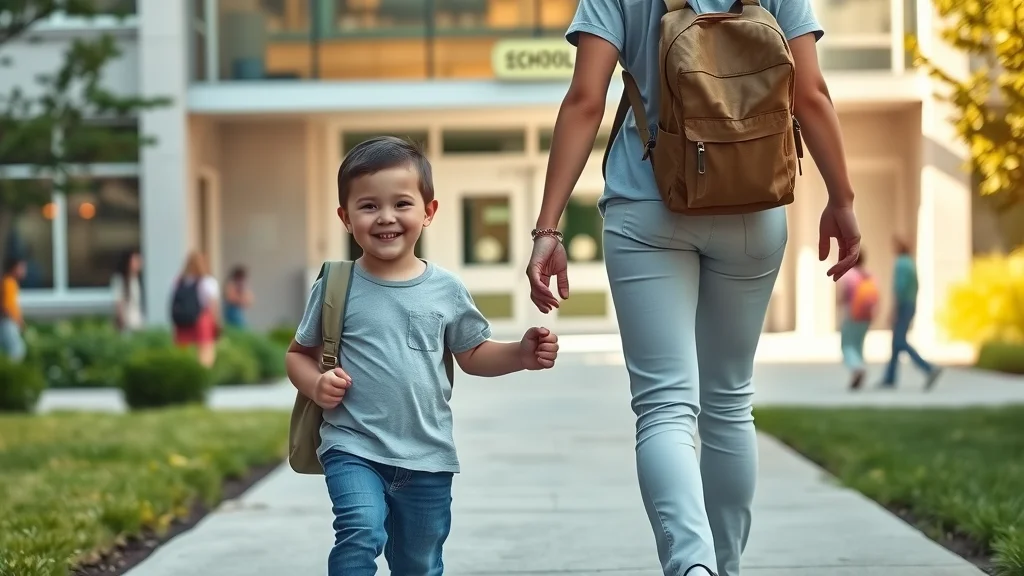
Taking prompt action—with the full involvement of families, schools, and health professionals—ensures students experiencing school refusal receive the support they need for emotional healing and academic success.
Addressing school refusal and truancy is a journey that benefits from a holistic, proactive approach. As you continue to support your child or students, consider how fostering engagement beyond the classroom—such as through extracurricular activities—can further enhance their sense of purpose and connection. Exploring new interests not only builds confidence but also provides positive outlets for stress and anxiety. For more guidance on nurturing your child’s growth and helping them thrive in and out of school, explore our expert advice on choosing the right extracurricular activity. Every step you take toward understanding and support opens new doors for your child’s well-being and future success.
Connect with Local Experts for Help with School Refusal and Truancy
If you suspect your child or student is struggling with school refusal or truancy, don’t wait. Connect with your local mental health professionals, school counselors, or educational teams today—because every day counts for your child’s future well-being.




Write A Comment