




Did you know that children of authoritative parents are statistically more likely to excel academically and develop stronger emotional resilience than those raised by permissive parents? This striking fact highlights why it’s crucial to understand the nuances between different parenting styles—especially as today’s families strive to nurture both achievement and mental wellbeing. In this comprehensive guide, we’ll explore how permissive parenting vs. authoritative parenting contrasts in approach, impact, and long-term outcomes—empowering you to reflect on your own parenting approach with confidence.
A Surprising Statistic: How Parenting Styles Impact Children’s Lives
Studies consistently show that parenting style is a strong predictor of a child’s academic performance and overall mental health. According to longitudinal data, students raised with authoritative parenting are over 30% more likely to maintain high academic achievement and positive peer relationships throughout their school years compared to those from permissive or uninvolved households. This statistic underscores a vital truth: the way a parent communicates expectations, discipline, and support has lasting repercussions on child development. The compelling impact of a parent’s approach goes well beyond early childhood—it shapes a young person’s self-esteem, motivation, and ability to navigate life’s challenges.
Children raised using a permissive style may experience warmth and freedom but often lack the structure that helps them develop self-discipline. In contrast, those from authoritative backgrounds are carefully guided by warmth balanced with reasonable boundaries, which researchers have linked with better emotional regulation and resilience. As families strive to adopt parenting techniques that ensure both happiness and achievement, it’s clear why this discussion has become central to debates about parenting practices worldwide.
"The way we parent shapes not only the behavior of our children, but their mental wellbeing and future success.“ – Dr. Diana Baumrind
What You'll Learn in This Guide to Permissive Parenting vs. Authoritative Parenting
Key differences between permissive parenting vs. authoritative parenting
Effects of each parenting style on children’s academic performance and social development
Expert perspectives on authoritative parent best practices

Introducing Parenting Styles: Definitions and Historical Context
Understanding Parenting Styles: An Overview
Parenting styles describe the emotional climate and behavioral strategies parents use to raise their children. Over decades, researchers have linked specific approaches to distinct outcomes in child development. The four primary parenting styles—authoritative, permissive, authoritarian, and uninvolved—were first outlined by developmental psychologist Dr. Diana Baumrind in her seminal research. Each style varies in terms of warmth, discipline, responsiveness, and the setting of expectations. Understanding these approaches can help parents and caregivers select effective parenting techniques that promote not only academic performance but also well-rounded social and emotional growth.
The distinction between these parenting styles is more than theoretical—it has real-life implications for children’s capacity to learn, relate to peers, and build their mental health foundation. Whether a parent leans toward permissiveness or structure, their underlying beliefs about authority, autonomy, and nurturance play a critical role in daily parenting practices. With families facing evolving societal demands, reflecting on these definitions helps set the stage for healthy, adaptive parenting.
Diana Baumrind and the Four Pillars of Parenting Style Theory
Dr. Diana Baumrind revolutionized the study of child development by categorizing parental approaches into four fundamental styles: authoritative, permissive, authoritarian, and uninvolved. Each pillar is defined by the balance (or imbalance) between control and warmth. Baumrind’s foundational work in early child psychology laid the groundwork for examining the long-term impacts of parenting practices on children’s social, academic, and emotional trajectories. Her observations launched decades of research, demonstrating that the nuanced ways parents enforce discipline or express affection can influence outcomes into adulthood. Today, her theory remains a cornerstone for psychologists and parents alike, highlighting the importance of intentional parenting approach and adaptation across cultures and family structures.
In her studies, Baumrind emphasized that parents who combined reasonable demands with responsiveness—those who adopted the authoritative parenting style—tended to raise children who were not only successful in school but also emotionally balanced. By contrast, permissive parents and authoritarian parents each introduced distinct risks: a lack of boundaries or excessive rigidity, respectively. Understanding the nuances among these four styles helps us see why a “one-size-fits-all” solution is rarely effective in the complex world of child rearing.
Comparison of the Four Parenting Styles |
|||
Parenting Style |
Warmth |
Control |
Communication |
|---|---|---|---|
Authoritative |
High |
Moderate/High |
Open, Supportive |
Permissive |
High |
Low |
Open, Few Expectations |
Authoritarian |
Low |
High |
One-way, Strict |
Uninvolved |
Low |
Low |
Minimal, Detached |

What Is Authoritative Parenting?
Authoritative Parenting: Definition and Key Characteristics
Authoritative parenting is often acclaimed as the most balanced and effective parenting style. It merges firm expectations and clear rules with a high degree of responsiveness and open communication. Authoritative parents create a home environment where children feel secure, valued, and empowered to express themselves, while still receiving appropriate guidance. Instead of resorting to harsh punishments or exercising lax control, they use reasoning and consistent consequences to teach important life lessons. This approach helps children develop a strong internal compass—navigating rules, social norms, and their own emotions with confidence.
Key characteristics of the authoritative parenting style include respect for a child’s autonomy, encouragement of independence, and a strong investment in nurturing the parent-child bond. Research suggests that these parents set high—but realistic—expectations, and then support their children in achieving them by providing clear explanations for rules and being receptive to feedback. The ongoing dialogue between parent and child forms the core of this style, equipping children to make reasoned decisions and recover from mistakes while fostering self-esteem and responsibility in the process.
Structure, Responsiveness, and Communication in Authoritative Parenting Style
A hallmark of authoritative parenting is the careful balance between structure and warmth. Parents set predictable routines and logical rules, giving children the stability they need for healthy development. Yet, they remain flexible—willing to listen and adapt when circumstances change. This responsiveness ensures that expectations are matched to each child’s age, abilities, and personal growth. Open communication is another cornerstone: authoritative parents encourage questions, validate feelings, and use discipline as a learning tool rather than a source of fear.
For example, rather than simply demanding compliance, an authoritative parent might explain why bedtime is important, listen to a child’s concerns, and collaboratively develop a plan that works for everyone. This fosters a sense of agency while reinforcing boundaries. The outcome? Kids raised with this parenting approach are more likely to internalize rules, demonstrate emotional regulation, and succeed both academically and socially—providing a strong foundation for lifelong wellbeing and achievement.

The Effects of Authoritative Parenting on Academic Performance and Mental Health
Children raised by authoritative parents consistently display higher levels of academic performance and more robust mental health than peers from other parenting backgrounds. Multiple studies indicate that authoritative parenting—by marrying clear expectations with emotional support—not only boosts motivation and self-discipline but also reduces anxiety, behavioral issues, and social withdrawal. By fostering resilience and confidence, this style equips kids to manage setbacks and persist in the face of challenges, both in and out of the classroom.
Moreover, the emphasis on two-way communication enables children to feel heard and respected. This environment supports the emergence of critical thinking, independence, and healthy risk-taking—all of which contribute to cognitive growth and adaptive coping strategies. In the long term, the benefits extend beyond academics: children nurtured by authoritative parenting are less likely to engage in risky behaviors and more likely to maintain balanced emotional health and positive, lasting relationships.
Typical Practices of Authoritative Parents
Open communication
Reasonable boundaries
High responsiveness
These parenting practices focus on teaching rather than punishing. For authoritative parents, discipline means guidance—setting limits while also encouraging growth and learning from natural consequences. Their high level of responsiveness allows children to trust that their emotional needs will be met, strengthening the bond between parent and child. Over time, this consistent blend of structure and empathy helps children develop the skills they need to thrive autonomously as positive members of society.
Watch now: Video Explaining Authoritative Parenting and Its Outcomes
What Is Permissive Parenting?
Permissive Parenting: Definition and Key Characteristics
Permissive parenting is characterized by high levels of warmth and nurturing combined with low levels of discipline and control. A permissive parent typically avoids confrontation and sets few rules or expectations, allowing their child extensive freedom in decision-making—even when it comes to important boundaries. While these parents are loving and supportive, their desire to maintain harmony often results in inconsistent discipline and limited guidance. As a result, children may grow accustomed to making choices with little consideration for consequences, leading to challenges in self-regulation and persistence.
Permissive parents may view freedom as a means of fostering creativity and self-expression, but in practice, the lack of structure can leave children struggling to develop routines, manage impulses, or respect authority. This parenting approach risks undermining opportunities for children to learn from their mistakes, develop accountability, and establish the grit necessary to navigate academic and social demands. In early childhood and beyond, this can mean difficulties with adapting to expectations in diverse settings—such as school, organized activities, or employment environments.
Lack of Structure, High Warmth, and Limited Demands in Permissive Parents
The quintessential hallmarks of permissive parenting are emotional warmth, open-ended freedom, and minimal demands placed upon the child. While these homes are often emotionally rich and positive, they are usually devoid of routine and clear boundaries. Rules, if they exist, are flexible and easily altered in response to a child’s desires. Far from enforcing consequences for misbehavior, permissive parents may prioritize their child’s happiness in the short term—choosing to “make peace” rather than correcting problematic actions.
While this approach can promote creativity and a strong sense of individuality, the lack of structure can hinder the acquisition of self-discipline, respect for others, and perseverance when things get tough. Over time, children may develop difficulties with emotional regulation, experience challenges following directions, and find it harder to adjust to environments where rules and expectations are non-negotiable. The result is often seen in both academic performance and peer relationships.

The Effects of Permissive Parenting on Academic Performance and Social Skills
Children raised by permissive parents often excel in creative pursuits and feel unconditionally loved, but may struggle with academic performance and social adaptation. The relative absence of clear rules can make it difficult for these children to develop the executive functioning skills necessary for meeting deadlines, following directions, or tolerating frustration. While they may be socially outgoing and expressive, research suggests they also have higher rates of impulsivity, defiance, and trouble with authority figures once they enter settings outside the home.
In school, these children might not internalize the value of consistent effort or delayed gratification—skills critical for academic achievement and responsible decision-making. In terms of mental health, some studies link permissive environments with problems regulating emotions and coping with peer rejection or criticism. By underscoring the importance of balancing affection with expectation, the research makes it clear that warmth alone is not enough to foster optimal outcomes in all areas of life.
Parental Practices Typical of Permissive Parenting
Fewer rules and expectations
Encouragement of self-expression
Limited discipline
Common permissive parenting practices include negotiating or abandoning rules to avoid tears, allowing bedtime or homework routines to fluctuate, and prioritizing the child’s immediate happiness over preparation for future responsibilities. While this can create a joyful, stress-free environment in the short term, it may deprive children of crucial life lessons about perseverance, compromise, and respecting boundaries.
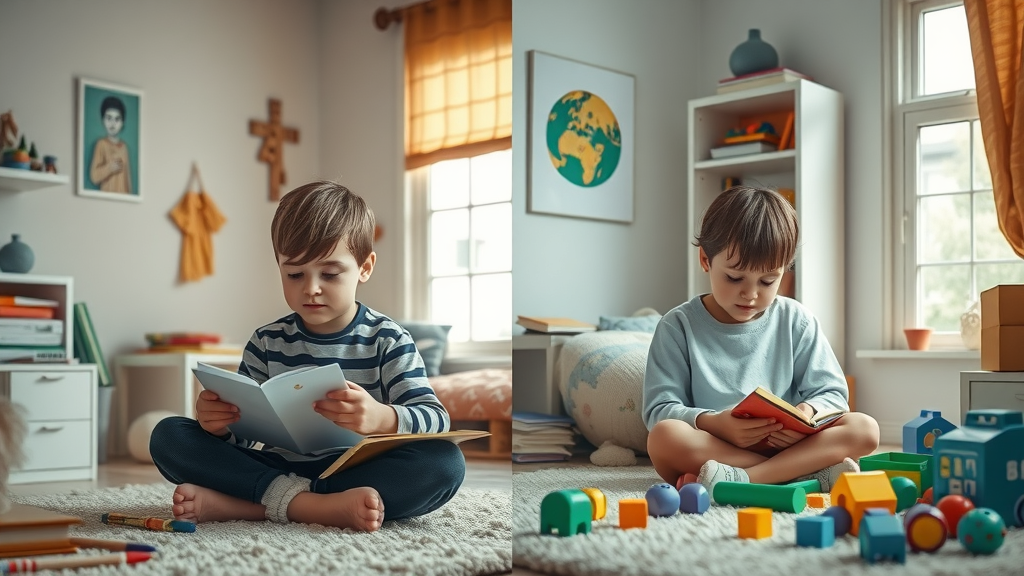
Watch now: Video Overview: Permissive Parenting Style in Everyday Life
Permissive Parenting vs. Authoritative Parenting: Side-by-Side Comparison
Permissive vs. Authoritative Parenting: Key Comparison |
||
Trait |
Permissive Parenting |
Authoritative Parenting |
|---|---|---|
Warmth/Nurturance |
High |
High |
Expectations |
Low/Unclear |
High/Clearly Stated |
Discipline |
Rare/Inconsistent |
Consistent, Teaching-Oriented |
Communication |
Open, but Child-Led |
Open, Collaborative |
Long-Term Impact |
Can hinder academic/self-regulation skills |
Boosts academic, emotional, and social development |
Parenting Practices: How Each Style Manages Discipline and Boundaries
When it comes to discipline and boundary-setting, the differences in approach between permissive parenting and authoritative parenting become especially clear. Authoritative parents set firm, predictable limits and enforce them consistently, using missteps as educational opportunities. They prioritize teaching cause and effect, helping children understand that actions have consequences—good or bad. Communication remains compassionate, but parents don’t shy away from maintaining rules, believing that clear boundaries foster security and facilitate learning. The focus, ultimately, is on guiding children to become self-disciplined and cooperative without resorting to authoritarian control.
Permissive parents, by contrast, respond to misbehavior with negotiation, forgiveness, or simply acquiescence. Their reluctance to hold children accountable often stems from a desire to avoid conflict or see their child upset. Over time, this hands-off strategy can undermine a child’s confidence in adult guidance or the development of self-management skills—making it challenging to adjust to environments where expectations and rules are non-negotiable. This distinction between parenting practices results in pronounced differences in children’s ability to self-regulate, collaborate with peers, and respond adaptively to challenges.

Long-term Effects: Academic Performance and Mental Health Outcomes
Authoritative parents and strong academic outcomes
Permissive parents and emotional regulation
The long-term consequences of these two parenting styles are profound. Children of authoritative parents are shown to perform better academically, participate more fully in group activities, and report higher satisfaction with their school experience. Their upbringing equips them with resilience, self-efficacy, and the tools needed to thrive independently. Meanwhile, children of permissive parents may excel in self-expression and adapt creatively but may fall behind in situations requiring discipline, perseverance, or adaptability—resulting in uneven outcomes in both academic performance and mental health.
Importantly, while both styles involve warmth and affirmation, only the authoritative approach combines these with the expectations and support children need to reach their full potential. Mental health outcomes are better among children who are held accountable in a nurturing context, as they learn to manage emotions, build positive relationships, and develop self-esteem through mastery of challenges rather than avoidance.

Which Parenting Style is the Healthiest for Modern Families?
Based on decades of research in child development, the authoritative parenting style is broadly recognized as the healthiest for most families. It respects the child’s individuality and creativity while providing the structure necessary for growth and security. That said, families should adapt best practices to reflect their unique cultural values, child temperament, and personal circumstances.
While permissive parenting can foster a strong sense of closeness, its lack of structure may not prepare children for real-world expectations. By contrast, a balanced, authoritative approach not only supports academic and social success but also builds the solid mental health foundations so critical in a rapidly changing world.
Other Parenting Styles: Authoritarian, Uninvolved, and More
The Authoritarian Parent: Strictness Without Warmth
The authoritarian parent sets strict rules and expects unquestioning obedience, often at the expense of warmth and emotional connection. These parents rarely engage in open conversation or negotiation; instead, discipline is harsh and accompanied by high expectations with minimal rationale provided to the child. While this method can ensure compliance in the short term, it tends to foster resentment, fear, and diminished self-worth, rather than intrinsic motivation. Children raised this way may excel where conformity is prized, but face challenges with creativity, self-expression, and emotional openness, impacting their mental health over time.
Unlike the balanced, responsive authoritative parenting style, authoritarian parenting risks stifling independence. As early child research shows, kids from authoritarian homes may become either excessively compliant or, as they grow older, rebellious. Their ability to make decisions independently, assert opinions, or seek help appropriately may be compromised, leading to behavioral and relational difficulties in adolescence and adulthood.

Uninvolved Parenting: Risks and Long-term Outcomes
Uninvolved parenting, sometimes labeled as neglectful, is marked by minimal responsiveness and low demands. These parents provide little guidance, structure, or support, often as a result of stress, personal challenges, or simply lack of awareness. Children in these settings lack both the emotional support and the discipline needed for healthy development. They often feel isolated, struggle academically, and experience heightened risk for mental health problems such as depression, anxiety, and low self-esteem.
The long-term consequences of uninvolved parenting can include poor academic achievement, limited social competence, and challenges in forming healthy attachments. This parenting style is considered the least beneficial and is associated with a range of negative outcomes, making awareness and early intervention crucial to breaking the cycle of generational neglect.
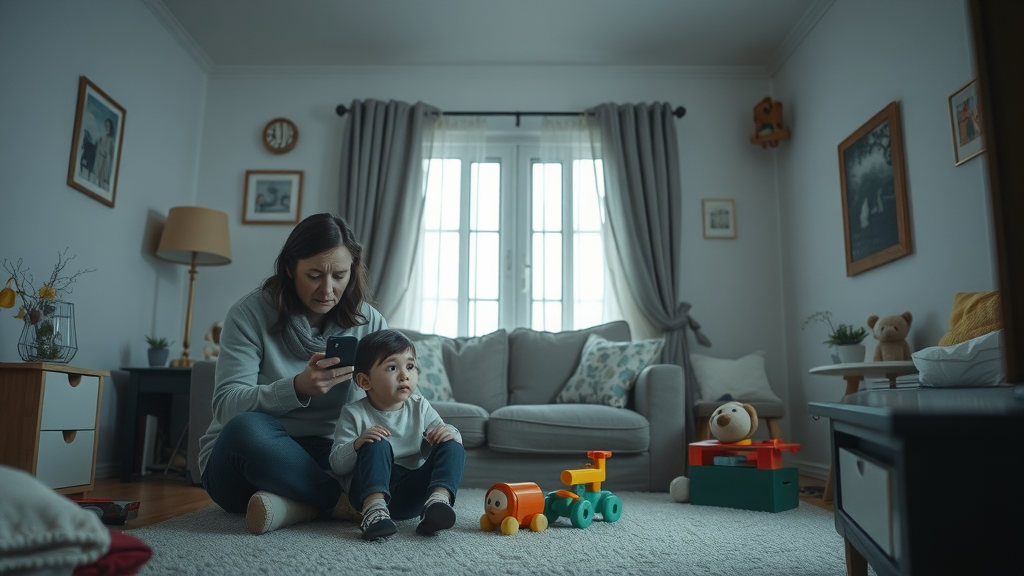
Alternative Parenting Approaches: Positive Parenting, Attachment Parenting, Helicopter Parents
Attachment parenting
Helicopter parenting
Positive parenting
While the primary four styles remain foundational, parents today often explore hybrid or alternative models. Attachment parenting emphasizes physical closeness and emotional responsiveness, focusing on building a strong parent-child bond. In contrast, helicopter parents are highly involved, sometimes excessively so, hovering over their children’s activities and decisions, which can impede autonomy and resilience. Positive parenting focuses on encouragement and affirmation, cultivating problem-solving skills without harsh discipline, but still within a clear framework.
Each alternative offers valuable insights into fostering healthy development. However, experts caution that extreme application—whether too permissive, too controlling, or too absent—rarely yields optimal outcomes. Finding an individualized, adaptive balance remains the hallmark of effective parenting in any context.
Expert Opinions: What Child Psychologists Say about Permissive Parenting vs. Authoritative Parenting
"Research consistently finds authoritative parenting best supports healthy development." – Leading Child Psychologist
Leading experts in child psychology, such as Dr. Diana Baumrind and her successors, emphasize that while children thrive in environments rich in love and support, predictability, boundaries, and constructive discipline are crucial for raising resilient, successful children. The consensus is clear: when it comes to permissive parenting vs. authoritative parenting, balancing warmth with guidance produces the most consistent, positive outcomes, both academically and psychologically.
This expert insight underscores the importance for parents to reflect regularly on their parenting style and adapt their strategies as their child’s needs evolve.
People Also Ask
What is the difference between authoritative and permissive parenting?
Authoritative parenting emphasizes a balance between warmth and firm expectations, while permissive parenting offers warmth but few rules or guidelines.
What is the healthiest parenting style?
The healthiest parenting style is generally considered authoritative parenting, for its proven balance between structure and emotional support.
What are the 4 types of parenting styles?
The four types are authoritative, permissive, authoritarian, and uninvolved parenting styles.
What does permissive parenting mean?
Permissive parenting means adopting an approach with high nurturance but few rules or boundaries.
FAQs on Permissive Parenting vs. Authoritative Parenting
Can a parent be both permissive and authoritative?
Yes, many parents use a mix of techniques from different parenting styles. However, the most positive long-term outcomes come from a consistent approach that combines structure with warmth and responsiveness.Are there cultural differences in parenting style preference?
Absolutely. Cultural norms, social expectations, and community support networks all shape parents’ preferences and beliefs about parenting. Parents should consider both expert guidance and cultural context when choosing their parenting approach.What are signs you're an authoritative parent?
If you set clear rules, consistently follow through, listen to your child, and encourage independence while also offering support and guidance, you are likely practicing the authoritative parenting style.
Key Takeaways: What Parents Should Remember
Permissive parenting prioritizes warmth and freedom, authoritative parenting combines warmth with structure.
Authoritative parenting style often leads to better academic performance and well-adjusted children.
Understand your parenting style to support your child's mental health and social development.
Ready to Reflect on Your Parenting Style? Assess Your Approach Today
Thoughtful, balanced parenting is a lifelong journey. Begin your reflection now to provide your child with the best chance for success and happiness.




Write A Comment