



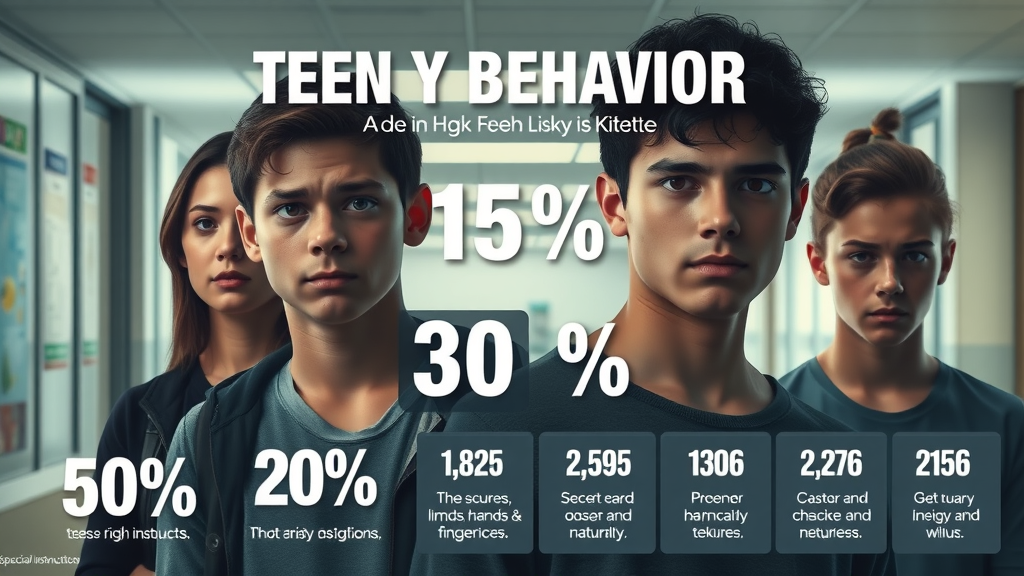
Did you know that nearly 50% of high school students in the United States report engaging in at least one risky behavior? From drinking alcohol to unsafe online activities, today’s teens navigate an evolving landscape filled with real dangers and temptations. As a parent, understanding how to prevent risky behaviors in teens is more crucial than ever. This guide will arm you with proven strategies, insights, and actionable techniques designed to keep your teen safe, healthy, and on the path to positive youth development.
Unveiling the Reality: Startling Statistics on How to Prevent Risky Behaviors in Teens
Statistics paint a sobering picture: According to the National Institute on Drug Abuse, about 60% of teens have experimented with alcohol by the end of high school, and nearly 40% have tried cigarettes or vaping products. The risk factors for harm aren’t limited to substances—risky behaviors also include unprotected sex, unsafe driving, and negative peer influence, all of which can have lasting effects on teen mental health and brain development. Even more disturbing, one in five high school students report being bullied online—a risk behavior that can impact both emotional and psychological well-being. Recognizing the prevalence and diversity of these challenges is the first step for any parent who wants to effectively prevent risky behaviors in teens. By focusing on statistics and the underlying causes, families and communities can begin mobilizing proactive solutions today.
What You’ll Learn in This Guide to How to Prevent Risky Behaviors in Teens
Key strategies for preventing risky behaviors in teens
How peer influence, family, and community shape risky behaviour
Actionable steps for parents to tackle mental health and risk factors
Resources for ongoing support
Understanding Risk Behavior: Key Definitions and Context
What Constitutes Risky Behavior and Risk Behaviors in Teens?
Risky behavior in teens refers to actions that endanger a young person's safety, development, or long-term health. Risk behaviors can include substance use (like drinking alcohol, smoking, or vaping), unprotected sex, reckless driving, aggression, or even chronic truancy. Such behaviors not only expose teens to immediate harm but may also cause lasting effects, impacting mental health, academic success, and future opportunities. Understanding this broad definition is critical for parents and caregivers striving to address risky behaviour in all its forms. Teen development is a time of exploration, but it’s vital to differentiate between age-appropriate experimentation and harm-prone risks.
The Scope of Risky Behaviour in Adolescence
Adolescence brings major changes—physically, emotionally, and socially—which can lead to increased exposure to risk factors and impulsive decisions. Studies show that the developing teen brain, especially areas involved in judgment and impulse control, is particularly prone to risk behavior. The rise in peer influence, easy access to substances, and exposure to digital risks further expands the scope of risky behavior during these formative years. The context in which young people grow up—at home, school, or in their communities—shapes what risks they encounter and how they respond. For parents, understanding these broad trends helps frame proactive conversations and informed guidance about risk behaviors in teens.
"Today’s teens face more temptations and risk factors than ever before—understanding these is the first step to prevention." — Dr. Jane Childs
Identifying Risk Factors Contributing to Risk Behavior in Teens
Common Risk Factors: Environment, Genetics, and Social Cues
There’s no single cause for risky behaviors in teens—usually, it’s a mix of environment, genetics, and social cues. Teens exposed to family stress, poor parental supervision, or community disconnection may be more likely to engage in risky acts. Genetics can also play a role, making some adolescents more susceptible to impulsive or harmful behaviors. Social cues from peers, media, or popular culture often act as triggers for experimentation or rebellion. Research from the National Institute on Drug Abuse shows that both protective factors (like strong family bonds) and risk factors (like lack of support or supervision) greatly influence the trajectory of adolescent behavior and mental health. Recognizing these patterns is vital for early intervention and prevention.

How Mental Health Impacts Risky Behaviors
Mental health and risky behavior are closely intertwined. Teens experiencing anxiety, depression, or trauma are at greater risk of engaging in substance abuse, self-harm, and other dangerous actions. Lack of healthy coping strategies or untreated mental health conditions can fuel negative decisions and exacerbate risk behaviors in an effort to manage stress or escape emotional pain. Early intervention, mental health support, and promoting healthy coping can lower the likelihood of risk behavior and create resilience in teens facing adversity.
Peer Influence: The Role of Friends in Teen Risky Behaviour
Peer influence is an especially powerful driver of risky behaviour among young people. Friends and social groups not only introduce new behaviors but can shape attitudes about what is acceptable. Teens may feel pressure to conform or engage in risky behavior to gain social acceptance or status. On the flip side, positive peer groups that set good role models and promote healthy habits serve as protective factors, helping teens stay safe and avoid risky decisions. Open family communication and involvement can reduce the sway of negative peer influence and guide teens toward safer choices.
Major contributors to risky behavior in teens:
Peer pressure and conforming to social norms
Family environment and lack of boundaries
Mental health and emotional difficulties
Exposure to substance use and online risks
Limited resources or positive outlets in the community
The Role of Families and Communities in Preventing Risky Behaviors
Family Dynamics: Setting Boundaries and Open Communication
Strong family dynamics—like setting clear expectations, modeling healthy behavior, and maintaining open dialogue—are cornerstones of prevention. When parents act as supportive role models and set appropriate boundaries, teens are less likely to need acceptance through negative behaviors. Consistent discipline, encouragement, and honest conversations reinforce a young person’s ability to make decisions, establish healthy coping skills, and resist harmful influences. When families value open discussions about risk factors and consequences, teens feel safe to express concerns and seek guidance, which can directly reduce engagement in risk behavior.
Community Engagement and Positive Social Networks
Communities shape adolescent behavior through access to resources, supportive programs, and social networks. Involvement in after-school activities, clubs, mentoring, and recreational programs provide positive outlets and reduce idle time that can lead to risky choices. Communities fostering positive youth development help buffer young people against risk factors and amplify protective factors critical for healthy development. Engaged adults—teachers, mentors, neighbors—play a vital role in reinforcing healthy boundaries and supporting families in prevention efforts.
Table: Families and Communities’ Impact on Risk Behavior Prevention |
|||
Prevention Element |
Family Role |
Community Role |
Impact on Risky Behaviours |
|---|---|---|---|
Open Communication |
Honest discussions, active listening |
Mentoring, support groups |
Reduces secrecy, increases trust and early intervention |
Positive Role Models |
Consistent good role model behavior |
After-school programs, local leaders |
Promotes healthy habits, discourages risk behavior |
Clear Boundaries |
Consistent discipline, clear rules |
Community guidelines, supervision |
Reduces ambiguity, supports healthy decisions |
Access to Activities |
Encourages hobbies/sports |
Clubs, recreation centers |
Provides positive outlets, reduces likelihood to engage in risky |

Recognizing Warning Signs: Early Indicators of Risky Behavior
Behavioral red flags in teens:
Sudden changes in mood, friends, or interests
Grades dropping without explanation
Secretive behavior or withdrawing from family
Physical evidence: smells (alcohol, smoke), injuries, missing belongings
Interest in drugs, alcohol, or unsafe activities
Defiance of rules or major attitude shifts
Practical tips for early intervention and support:
Start calm, nonjudgmental conversations early
Ask open-ended questions and listen actively
Document concerning changes to discuss with counselors
Set up regular family meetings to increase transparency
Encourage participation in positive youth or community activities
Evidence-Based Strategies: How to Prevent Risky Behaviors in Teens Effectively
Communication Skills: Encouraging Teens to Talk About Risky Behaviour
Open, empathetic communication helps teens feel comfortable discussing their challenges and choices. Start by listening without judgment and validating your teen’s feelings. Use reflective questions that enable your teen to explore their own decision-making process—this builds confidence and critical thinking. Being available and present is as vital as any advice you give. Good communication not only uncovers potential risk factors but also provides a safe space to talk about pressures from peer influence or mental health struggles. Research consistently links active parent-teen conversation to lower rates of risky behaviors and better overall outcomes.
Establishing Trust and Consistent Boundaries
Teens thrive when they know what the expectations are at home. Consistent boundaries and follow-through show you care and can be relied upon. Establish consequences for risky behavior that are clear and fair. At the same time, work to foster trust—teens must feel confident they can share their mistakes without fear of rejection. Set boundaries not as punishment, but as safety nets that help your teen make healthy, resilient decisions. Together, these methods form a powerful protective factor against negative choices and reinforce positive youth and adolescent behavior.
Step-by-step prevention techniques:
Start open conversations by asking nonjudgmental, genuine questions
Discuss consequences of risk behavior using real-life scenarios
Set clear, consistent rules while fostering mutual respect
Model healthy coping strategies in daily life
Support your teen’s friendships and encourage positive peer groups
"Establishing honest communication is the foundation of risk behavior prevention." — Family Therapist Maria Ortiz

Mental Health Support as a Prevention Tool Against Risky Behaviors
Destigmatizing Mental Health Among Teens
Stigma and misunderstanding keep too many teens from seeking the mental health support they need. Parents can help by normalizing conversations about emotions, stress, and struggles. Encourage your child to identify and express their feelings, reinforcing that asking for help is a strength—not a weakness. School programs, counseling, and online resources can further support youth development and prevent risk factors from escalating into risk behaviors. When mental health is prioritized, teens are less likely to engage in self-destructive or harmful behaviors.
Accessing Support: Resources and Professional Help
The right help can make all the difference. Familiarize yourself with key mental health organizations, such as local counseling centers, national hotlines, or school psychologists. Seek professional guidance if signs of depression, anxiety, trauma, or increasingly risky behaviour arise. Many gov websites provide lists of resources, clinics, and helplines for families and communities supporting teens. Don’t hesitate to reach out—early intervention is proven to protect against the consequences of risk.
Key mental health organizations for teens and parents:
National Alliance on Mental Illness (NAMI)
The Trevor Project (for LGBTQ+ youth)
Substance Abuse and Mental Health Services Administration
School counselors, community health centers, local non-profits

How Peer Influence Amplifies Risky Behaviour
Navigating Social Pressures and Online Influence
Modern peer influence goes beyond face-to-face interactions. Social media, group chats, and digital communities present new challenges—and, at times, more subtle forms of pressure. Teens may feel compelled to try risky behavior to gain likes, fit in with trends, or emulate influencers. Help your teen understand the difference between positive and negative online interactions. Discuss online safety, digital footprints, and emotional regulation. Empower your child to resist unhealthy trends and recognize manipulation or bullying. The more informed they are about online risks, the safer their choices will be in and out of the digital world.
Empowering Teens to Build Resilience Against Risk Behaviors
Building resilience is key to helping your teen stand strong against negative peer influence and manage risk factors. Encourage your teen to recognize their own values, build confidence in making decisions, and practice healthy coping strategies for stress. Activities like volunteering, sports, or creative hobbies provide positive identity and skills for dealing with challenges. Families and communities acting together to foster a sense of belonging and worth can shield young people from succumbing to harmful behaviors.
5 actionable ways to help teens resist negative peer pressure:
Practice assertive communication skills
Role-play refusal scenarios at home
Build self-esteem through strengths-based activities
Surround teens with positive role models and supportive friends
Encourage healthy coping strategies for stress and disappointment
Practical Activities and Family Strategies to Prevent Risky Behaviors in Teens
Regular family meals and open discussions about daily life
Monitor social media and digital device use
Encourage participation in supervised community and school activities
Set up regular family check-ins and celebrate positive youth achievements
Promote goal-setting and celebrate milestones, large and small
Families and Communities: Building a Support System for Teens
Community resources: youth centers, sports leagues, local clubs
Involvement in parenting workshops and support groups
Partnering with schools for information and intervention programs
Encourage your child to seek adult mentors in the community
Stay informed about local programs that support adolescent behavior and healthy development
Watch an expert interview featuring parenting specialists and educators sharing actionable tips, real-life examples, and proven strategies for preventing risky behaviors in teens.
People Also Ask: Answers to Common Questions About Preventing Risky Behaviors in Teens
How teenagers risky behaviour can be reduced?
Comprehensive answer: Effective prevention and reduction strategies include open communication, education on risk factors, strengthening families and communities, and fostering positive peer influence. Structured routines, supportive mental health environments, and involvement in community activities further reduce risky behavior in teens.
What is the best way to avoid high risk behaviors?
Comprehensive answer: The best way to avoid high risk behaviors is to establish supportive parent-child relationships, model healthy habits, create an open dialogue around risky behaviours, and proactively address mental health concerns. Regular family check-ins and clear expectations reinforce positive choices.
How can a teenager best avoid risky behaviors?
Comprehensive answer: Teenagers can best avoid risky behaviors by cultivating decision-making skills, choosing positive peer groups, engaging in supervised activities, and accessing resources for mental health support. Encouragement from families and communities also plays a crucial role.
How to manage an out of control teenager?
Comprehensive answer: To manage an out-of-control teenager, parents should remain calm, set clear boundaries, seek professional guidance if needed, involve supportive family and community networks, and address underlying mental health or risk factors contributing to risky behaviors.
Watch this role-play demonstration to learn effective family communication strategies for talking about risk behavior and supporting teens in making safer choices.
Frequently Asked Questions Regarding How to Prevent Risky Behaviors in Teens
What are the signs of risky behavior in teenagers?
Are there specific risk factors parents should watch for?
What can families and communities do to support at-risk teens?
When should parents seek professional help for risk behaviors?
Key Takeaways: How to Prevent Risky Behaviors in Teens
Recognize and address risk factors early.
Build strong family and community support systems.
Foster open communication and resilience against peer influences.
Conclusion: Securing Brighter Futures by Preventing Risky Behaviors in Teens
By staying connected, informed, and proactive, parents and communities can empower teens to make safer choices, ensuring healthy development and brighter futures.
To further enhance your understanding of preventing risky behaviors in teens, consider exploring the following resources:
“Teens and Risk Taking” by the University of Minnesota Extension offers insights into adolescent risk behaviors and provides practical strategies for parents to support their teens in making safer choices. (extension.umn.edu)
“Teen Bad Behavior & Discipline Plans - Promoting Healthy Growth Ages 15 - 18” from WebMD discusses effective discipline strategies and the importance of setting clear boundaries to guide teens toward positive behaviors. (webmd.com)
These resources offer valuable perspectives and actionable advice to help you navigate the challenges of adolescent development and promote healthy decision-making in your teen.




Write A Comment