



Start with this:Nearly 70% of teens report escalating arguments into full-scale drama at least once a month—effective conflict resolution with teens is now more important than ever. If every family, educator, and teen could quickly stop the drama and deescalate their disputes, imagine what the teenage years could be like. Let's explore the must-know facts and hands-on strategies for managing conflict among teens without the lingering stress, resentment, and chaos.
Startling Statistics: Why Conflict Resolution with Teens Can’t Be Ignored
"Nearly 70% of teens report escalating arguments into full-scale drama at least once a month—effective conflict resolution with teens is now more important than ever."
Conflict during adolescence isn’t just common—it’s relentless and transformative. According to recent studies, almost 7 out of 10 teens experience emotionally charged disputes that escalate, affecting not just friendships but also academic performance and family harmony. The skill to resolve conflict constructively has become a non-negotiable life skill, especially as communication increasingly switches from face-to-face interactions to digital dialogues on social media. Without strong conflict resolution skills, teens are left to navigate a maze of peer pressure, gossip, misunderstandings, and their own strong emotions, often without adult guidance present. This reality makes the case for intentional coaching and practice in conflict resolution with teens—a responsibility that falls squarely on parents, educators, and youth leaders.

What You’ll Learn about Conflict Resolution with Teens
Definition and fundamentals of conflict resolution with teens
Effective resolution skills to deescalate drama
Conflict resolution strategies tailored for teenagers
Proven step-by-step processes to resolve conflict
Advice on teaching resolution skills to teens
Key differences in conflict management with teens vs. adults
Understanding Conflict Resolution with Teens
What is Conflict Resolution with Teens?
Conflict resolution with teens refers to the process and specific set of skills used to handle and resolve disputes that arise during the challenging years of adolescence. Unlike children or adults, teens face a unique mix of emotional volatility, evolving identity, and heightened sensitivity to peer dynamics. Managing conflict in this stage involves helping teens recognize the source of issues, encouraging them to express their feelings openly, and guiding them to compromise without sacrificing their boundaries. A strong resolution style for teens focuses on healthy communication, understanding different points of view, and practicing empathy. Ultimately, effective conflict resolution with teens is about transforming clashes into learning opportunities—empowering young people to solve the conflict themselves and build essential life skills for future relationships, school, and work environments.
Key Resolution Skills: Fostering Healthy Communication
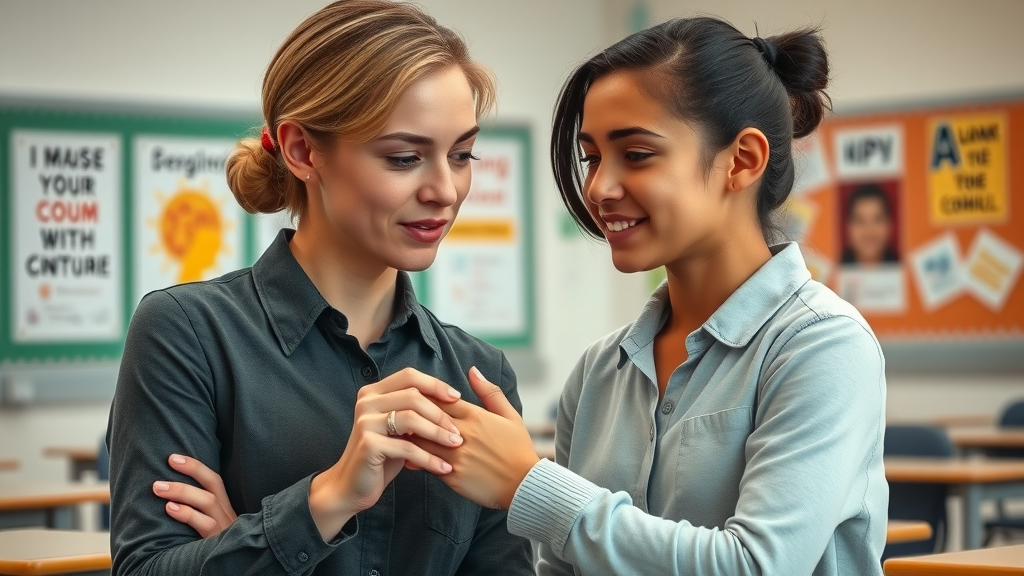
Communication stands at the core of all conflict resolution skills. For teens, the ability to explain their point of view without escalation, to listen actively, and to respond with empathy forms the foundation for resolving conflict constructively. Teaching active listening doesn’t just mean letting the other person talk; it requires full attention, validating emotions, and asking clarifying questions—a practice many teens need to learn. Additionally, encouraging teens to develop emotional regulation and creative problem-solving supports a positive resolution style. When teens master these key resolution skills, they gain confidence in handling conflict, become better equipped to express their feelings, and are more likely to manage conflict in a calm, assertive manner that maintains their relationships while protecting their own boundaries.
The Impact of Unresolved Conflict on Teenage Relationships
Unresolved conflict in the teenage years can leave lasting scars—eroding trust, leading to isolation, and even fueling cycles of anger or bullying. When conflicts with friends, teachers, or family go unaddressed, teens may internalize negative beliefs about themselves or others, undermining their self-esteem and shaping future relationship patterns. Social media can further amplify unresolved disputes, transforming once-private issues into public dramas. The inability to resolve conflict also impacts academic focus and general well-being. That’s why equipping teens with strong resolution skills is more than a good thing—it’s essential for fostering emotional resilience, creating a safe space for open conversation, and teaching them to navigate conflict as an opportunity for growth rather than a trigger for ongoing drama.
Common Sources of Conflict with Teens
Friendship drama and peer pressure
Family rules and autonomy
Academic stress and competition
Social media and digital disputes

Building Strong Conflict Resolution Skills in Teens
Essential Conflict Resolution Skills Every Teen Needs
Active Listening
Empathy Development
Emotional Regulation
Effective Communication
Creative Problem-Solving
Each of these resolution skills is vital for teens. For example, active listening goes beyond just hearing words; it’s about paying attention with intent, paraphrasing the speaker’s feelings, and resisting the urge to interrupt—even when emotions run high. Empathy, or the ability to understand another’s point of view, helps build bridges rather than walls during disputes. Emotional regulation teaches teens to manage strong emotions before responding, rather than reacting impulsively in the heat of the moment. Effective communication gives teens the vocabulary and confidence to express their feelings and needs clearly, while creative problem-solving encourages them to generate multiple solutions, assess pros and cons, and agree on a path forward. Teaching and practicing these skills sets the foundation for teens to resolve conflict constructively, both in high school and beyond.
Top Conflict Resolution Strategies for Teens
Tailored Conflict Resolution Strategies Parents and Educators Can Use
At-School Strategies |
At-Home Strategies |
|---|---|
|
|
Whether in a high school classroom or at home, the key to effective conflict management is a resolution style tailored to the unique rhythms of the environment and the personalities involved. At school, providing a safe space overseen by a trusted adult helps teens feel their voice will be heard, while techniques like peer mediation or class discussions create real opportunities to practice new resolution skills. At home, collaborative rule-making and calm discussions about digital boundaries replace power struggles with shared expectations. By adjusting resolution strategies to the context, adults can help teens practice conflict resolution skills in ways that feel relevant and supportive—turning everyday disputes into moments of personal growth.
Step-by-Step Approach: How to Resolve Conflict with Teens
Identify the root of the conflict
Practice active listening
Encourage respectful dialogue
Explore solutions together
Agree and implement the resolution
Follow up for changes
This step-by-step approach gives teens and adults a repeatable template for handling conflict. First, clarify what’s really at stake—sometimes, issues like respect or independence are at the root, not just the incident at hand. Next, ensure all sides use strong listening skills and express their feelings openly. Encourage respectful dialogue where no one is blamed, focusing on understanding over accusation. As solutions are explored, encourage creative negotiation rather than rigid demands. Upon agreeing to resolve conflict with a plan, follow up after some time to assess if new behaviors and boundaries are holding steady. This process reinforces resolution skills and empowers teens to approach future conflicts with greater calm and competence.

Teaching Conflict Resolution to Teenagers: Practical Tips
Proven Methods to Teach Resolution Skills in Schools and Homes
"The most effective conflict resolution with teens involves modeling calm, assertive communication and guiding teens through problem-solving discussions."
Teaching conflict resolution skills is not a one-time lesson; it’s a continual process that requires patience, repetition, and genuine partnership between adults and teens. Role-playing common scenarios—such as disagreements over curfews or social media use—helps teens safely practice new approaches in a safe space. Parents and educators should model healthy resolution styles, resist the urge to “win” arguments, and encourage teens to find their own solutions within the family or classroom community. Debriefing after real-life arguments and reflecting on what worked (or didn’t) deepens teens’ understanding and embeds these vital skills. Remember: the more opportunities teens have to practice, the more equipped they’ll be to handle conflict and manage similar situations independently in the future.
Watch this engaging explainer video that demonstrates teens and adults navigating a real conflict scenario through active listening and creative problem-solving strategies. Perfect for parents, teachers, and teens ready to see conflict resolution in action!
Dealing with Unresolved Conflict in Teens
Recognizing Red Flags: When Conflict Remains Unsettled
Unresolved conflict doesn’t disappear—it festers. Warning signs among teens may include changes in mood, academic decline, withdrawing from friends or family, or the escalation of minor disputes into larger patterns of drama or avoidance. Adults should watch for emotional outbursts, chronic resentment, bullying (offline or online), or teens consistently feeling unheard. Addressing unresolved conflict openly signals to teens that it’s okay to seek help and that dealing with conflict doesn’t mean they’ve done something wrong. By identifying red flags early, families and schools can intervene before minor disputes morph into long-lasting rifts or unhealthy habits.
Professional Conflict Management Resources for Teens
When patterns of unresolved conflict persist despite best efforts, it’s time to involve professional support—such as counselors, school psychologists, or community mediation programs. These experts provide a neutral perspective, create safe spaces for teens to express concerns, and offer proven tools for conflict management and emotional resilience. Sometimes, just knowing there’s a confidential adult available can give teens the courage they need to address difficult topics. Access to external resources means that even when conflict feels overwhelming, teens and their families aren’t alone in learning how to manage and resolve disputes with compassion and confidence.

Conflict Resolution Skills vs. Conflict Management in Teen Relationships
Conflict Resolution Skills |
Conflict Management Techniques |
|---|---|
|
|
Conflict resolution skills are proactive, aiming for lasting solutions and relationship growth, while conflict management techniques are often reactive, focused on de-escalation and containment. Both approaches are useful: teens need strong conflict resolution skills for long-term emotional growth, but learning conflict management strategies empowers them to regain control during particularly intense or difficult moments. Parents and teachers should model and teach both sets of skills, prepping teens not only to resolve conflict but also to navigate it safely when immediate resolution isn't possible.
See an expert in action as they guide a teen through a real conflict—using each conflict resolution skill from active listening to creative compromise. This demonstration breaks down advanced tips for parents and educators as well.
People Also Ask: How to Teach Conflict Resolution to Teenagers?
How to teach conflict resolution to teenagers?
Effective conflict resolution with teens requires modeling skills, creating role-play opportunities, and allowing teens to practice communication in real scenarios. Encourage open discussions and use nonjudgmental guidance to foster resolution skill development. Consistently offering feedback and support—without judgment or immediate correction—helps teens feel safe enough to practice new strategies and refine their conflict management steps over time.
What are the 5 C's of conflict resolution?
The 5 C's of conflict resolution—communication, collaboration, compromise, commitment, and control—are essential foundation stones for successful resolution skills, especially in navigating teen relationships. Teaching these in daily life helps teens break down complex disputes into manageable steps and reinforces their ability to maintain strong peer and family connections even when disagreements arise.
What are the 4 C's of conflict resolution?
The 4 C's—communication, cooperation, compromise, and courage—form a streamlined approach to conflict resolution with teens. These are practical tools for everyday disputes, enabling young people to approach disagreements with clarity, openness, and the bravery needed to propose constructive solutions even when it feels uncomfortable.
What are the 3 C's of conflict resolution?
The 3 C's—communication, cooperation, and compromise—are core resolution skills. Teaching teens these helps cultivate independence and confidence in managing conflict, setting them up for a lifetime of respectful and healthy relationship building both at home and school.
FAQs: Conflict Resolution with Teens
How can I improve resolution skills in stubborn teens?
Start by modeling calm and consistent resolution skills yourself. Use real-life examples to discuss what approaches are most effective, and recognize incremental growth. Stubbornness is often a sign of strong emotion or feeling misunderstood, so focus on active listening and respect, while gently encouraging your teen to express their feelings openly.When should professional help be sought for ongoing conflict?
If repeated efforts to manage conflict with your teen are consistently met with escalation, withdrawal, or if the dispute impacts their mental health, academics, or social life, it’s time to reach out to a counselor or mental health professional. Early intervention fosters healthy relationships and teaches advanced conflict management strategies.What are the biggest mistakes adults make when managing teen conflict?
Common mistakes include trying to solve the conflict for the teen, minimizing their emotions, or not allowing enough space for open expression. Instead, act as a facilitator, guiding your teen to brainstorm solutions and build their own conflict resolution style—while keeping emotions in check and reinforcing open dialogue.

Key Takeaways on Conflict Resolution with Teens
Conflict resolution with teens is a teachable and essential skill for growth.
Families and schools play a pivotal role in modeling and reinforcing resolution strategies.
Investing in conflict resolution skills today sets teens up for lifelong communication success.
Conclusion: Making Conflict Resolution with Teens a Daily Practice
Empowering teens with conflict resolution skills sets them on the path to healthy, drama-free relationships for life—start guiding, modeling, and practicing these essential strategies every day.



Write A Comment