


Add Row
Add Element
cropper
update

Troubled Teen Solutions

update
Add Element
  • Home
  • Categories
    • Understanding Teens
    • Parenting Strategies
    • Mental & Emotional Health
    • Family Relationships
    • Education Challenges
    • Risky Behaviors
    • Online Habits
    • Healthy Outlets
    • Parent Support
    • Professional Resources
  • Raising Kids Well
Add Element
UPDATE
February 17.2026
1 Minute Read

Art Therapy Activities That Help Troubled Teens Express Themselves

Can creative expression truly unlock the emotions teens struggle to put into words? Teen years are a whirlwind of change, stress, and discovery, making traditional talk therapy sometimes feel out of reach. But what if art—the simple act of drawing, painting, or sculpting—could open doors to healing that words alone could never reach? This comprehensive guide explores how teen art therapy activities provide troubled adolescents with the tools to express, process, and ultimately overcome their emotional challenges—often for the first time in their lives.

Opening Inquiry: Can Teen Art Therapy Activities Unlock Hidden Emotions in Troubled Teens?

Every teenager holds hidden stories, emotions, and dreams—many of which are hard to verbalize. Teen art therapy activities give voice to those concealed feelings. By using images, colors, and shapes, teens can represent anxiety, sadness, or anger without saying a word. Recent research shows that therapy activities for teens rooted in artistic practice don’t just provide a fun outlet; they foster deeper understanding, resilience, and emotional growth. These structured creative activities for teenagers are being embraced by art therapists in schools, clinics, and community programs because they not only improve mental health—but also empower teens to rediscover their confidence and identity.

A thoughtful teenage girl sitting and drawing in a journal during a teen art therapy activity in a creative studio, surrounded by colorful art supplies and artworks, soft pastel colors, warmly lit.

What You’ll Learn About Teen Art Therapy Activities

  • A comprehensive overview of teen art therapy activities and their benefits

  • Key art therapy activities for teenagers with step-by-step instructions

  • How art therapy supports mental health and emotional expression

  • Expert insights from art therapists: Best practices and tips

Understanding Teen Art Therapy Activities

What Is Art Therapy and Why Is It Beneficial for Troubled Teens?

Art therapy is a mental health profession that uses the creative process of art making to improve and enhance physical, mental, and emotional well-being. For teens, this approach is especially impactful. Adolescents often struggle to express their emotions with words; art therapy provides a safe space where self-expression feels more accessible. Through the act of creating, a teen can process experiences, resolve internal conflicts, build coping skills, and increase self-awareness. Unlike traditional talk therapy activities for teens, art therapy focuses less on verbal communication and more on visual and tactile engagement—enabling teens to express their emotions without judgment. The benefits of art therapy in this age group extend beyond emotional health: It nurtures a sense of accomplishment and instills confidence as teens create something uniquely their own. This modality has been proven to aid a wide range of concerns, from anxiety and depression to trauma recovery, by empowering teens to visualize and externalize their struggles.

For troubled teens facing complex emotions or social challenges, art therapy activities offer both structure and flexibility. Whether a teen is creating a simple piece of paper collage or working through more structured therapy activity sessions, the emphasis is always on self-exploration and growth. With the gentle guidance of an experienced art therapist, activities can be adapted for different age groups, ensuring each person gets the most support from their unique creative process.

A compassionate art therapist guiding a diverse group of teenagers during art therapy activities in a sunny open art room with vibrant supplies and inclusive interaction.

The Role of Art Therapist in Teen Art Therapy Activities

An art therapist serves as both a facilitator and emotional guide during teen art therapy activities. These professionals are trained in psychology and creative therapies, making them uniquely equipped to help teenagers navigate their emotional landscapes. During a session, an art therapist might offer prompts or suggest a specific therapy activity such as a self-portrait or collage. However, their primary goal is not to judge the artwork, but to encourage reflection and conversation about what the creation represents. This partnership fosters trust, provides a consistent support system, and helps teens develop tools for ongoing self-care.

"Art therapy allows teenagers to express emotions they may not have words for." — Certified Art Therapist

Working alongside other mental health professionals, art therapists adapt sessions to meet the needs of each age group, choosing methods that best align with an individual's strengths and preferences. Their empathetic approach makes each session a safe space—a place for exploration, healing, and personal growth.

The Benefits of Teen Art Therapy Activities in Mental Health

Comparing the Benefits of Art Therapy vs Traditional Therapy Activities for Teens

Aspect

Art Therapy Activities

Traditional Therapy Activities

Emotional Expression

Nonverbal, creative outlet to express feelings

Primarily verbal, may feel intimidating

Engagement

Hands-on, multisensory; highly engaging

Discussion-based, may be passive

Coping Skill Development

Builds unique coping skills through creativity

Focus on cognitive strategies and talk

Social Skills

Promotes group interaction and collaboration

Emphasizes one-on-one or small group discussion

Self-Esteem

Encourages self-worth via completed art projects

Gains confidence through conversation

How Art Therapy Activities Support Emotional and Mental Health in Teenagers

Teen art therapy activities help adolescents confront difficult emotions in a non-threatening environment. Unlike standard therapy activities for teens, expressive arts therapy enables teenagers to access memories, fears, and hopes through symbols and metaphors. The simple act of drawing or molding clay becomes a new coping skill, supporting teens as they process trauma or work through symptoms of anxiety and depression. By externalizing feelings onto a piece of paper or canvas, teens gain distance from distress, allowing them to analyze experiences from a fresh perspective. Over time, this increases resilience, helps teens to create meaning from adversity, and supports their journey toward better mental health.

Art therapy activities also encourage mindfulness and focus on the present moment—a proven strategy for managing overwhelming thoughts. Many therapy activities are designed to provide a soothing, meditative experience (like coloring mandalas or organizing a collage), promoting relaxation and stress reduction. The creative process helps teens cultivate patience, manage frustration, and build skills for lifelong emotional regulation. In summary, these evidence-based practices foster emotional growth and help position art therapy activities as a cornerstone of adolescent mental health support.

Social and Cognitive Benefits of Art Therapy for Teens

Participation in group art therapy activities offers unique opportunities for social skill development and cognitive growth. Whether it’s collaborating on a mural or sharing individual projects, teens learn to communicate, cooperate, and celebrate one another’s creativity. These sessions foster a sense of belonging—essential for troubled teens who may feel isolated or misunderstood. As participants discuss their work, they exercise empathy and active listening, reinforcing important interpersonal abilities.

  • Increased self-awareness

  • Improved self-esteem

  • Enhanced communication skills

  • Stress and anxiety reduction

Cognitively, art therapy activities challenge teens to think flexibly and solve problems creatively. They experiment with colors, textures, and techniques, often discovering talents and interests previously unknown to them. Completing an art project also instills a sense of accomplishment—reinforcing the value of perseverance and effort, which can translate to academic and personal success. By building both social and cognitive skills, art therapy activities offer benefits that extend well beyond the therapy room.

A happy, diverse group of teens holding completed colorful art projects during therapy at a community center, connected and excited, vivid multi-colored art room.

How to Structure Art Therapy Sessions: Considerations for Teen Art Therapy Activities

Age Group Customization in Art Therapy Activities

Adapting therapy activities for teens requires careful attention to age, developmental stage, and individual needs. Preteens, for instance, may benefit most from activities that involve tactile engagement, such as simple drawing or collage-making with glue sticks and cutouts from magazines. Meanwhile, older teenagers, who might have more complex emotions or established interests, often appreciate open-ended projects like sculpting or digital media design. The art therapist’s role is to assess each group’s readiness and choose age-appropriate materials and themes. This level of customization maximizes participation and ensures therapy activities remain appealing and relevant.

In practice, the structure of a session can range from highly guided—for teens who need structure—to more exploratory for those seeking autonomy in their creative process. Regardless of age, every therapy activity should cultivate a sense of safety, acceptance, and empowerment. Recognizing the diversity in age group, ability, and preference is key to making each session meaningful and impactful.

A caring counselor sets up art therapy activity tables for preteens and older teens, with age-appropriate materials in a modern therapy room, blue and earth tones.

Creating a Safe and Creative Environment for Therapy Activities

The success of teen art therapy activities often hinges on the environment. To foster honest self-expression, the therapy space must be physically and emotionally safe—a welcoming, nonjudgmental zone for exploring feelings. Art therapists and counselors should stock the room with a wide variety of supplies (paint, paper, modeling clay, glue stick, colored pencils) and display completed art projects to inspire new creations. The arrangement itself matters; comfortable seating, ample lighting, and flexible workspaces invite teens to relax and engage.

Beyond the physical space, establishing group agreements—such as confidentiality and respect for others’ work—sets the tone for shared safety. Teens are more likely to take creative risks and express their emotions authentically when they feel supported. In a safe environment, the simple act of making art becomes a powerful tool for healing and growth.

Collaborating With School Counselors and Parents

Effective teen art therapy activities are often rooted in collaboration. School counselors, teachers, and parents play active roles in identifying teens who may benefit from therapy, supporting attendance, and reinforcing lessons beyond sessions. Art therapists frequently coordinate with these stakeholders, sharing insights or offering resources to support teens at school or at home. Open communication among all adults involved ensures that therapy activities translate into daily coping skills, helping teens navigate challenges in multiple environments.

This collaborative approach maximizes the impact of therapy activities for teenagers and ensures continuity of care. Schools and families become partners in the healing journey, creating a network of support around the teen.

Top 10 Teen Art Therapy Activities for Emotional Expression

  1. Self-Portrait Journals

  2. Feelings Collage

  3. Safe Place Drawings

  4. Mandala Making

  5. Mood Color Wheels

  6. Sculpture of Strength

  7. Comic Strip Storytelling

  8. Worry Boxes

  9. Shared Mural Creation

  10. Vision Boards

These activities for teens have been carefully chosen for their versatility and capacity to foster emotional expression. They allow teens to explore identity, confront fears, and envision positive futures. Each therapy activity can be adapted for individual or group sessions, making them invaluable tools for art therapists and educators alike.

A creative teenager thoughtfully assembling a colorful vision board during art therapy in a cozy bedroom, with carefully arranged photos and magazine cutouts.

Detailed Step-By-Step Guide to Teen Art Therapy Activities

Instructions for Conducting Top Teen Art Therapy Activities

Below, you’ll find easy-to-follow steps for the most popular teen art therapy activities. These instructions are guided by best practices from certified art therapists and are designed for both professionals and caring adults.

  1. Self-Portrait Journals: Provide each teen with a sketchbook or blank piece of paper. Encourage them to draw themselves as they feel today—using color, shape, and even collage elements to represent emotion.

  2. Feelings Collage: Offer magazines, scissors, glue stick, and colored paper. Ask teens to create a collage about their current emotions, arranging images, words, and colors that resonate with their mood.

  3. Safe Place Drawings: Invite each person to make a drawing of a place where they feel secure and calm. Discuss what makes that space safe.

  4. Mandala Making: Hand out templates or blank paper. Let teens design their own mandalas, focusing on repetitive patterns and calming colors for meditative effect.

  5. Mood Color Wheels: Guide teens to draw a circle divided into sections. Each slice is filled with a color corresponding to a feeling they experienced that day or week.

  6. Sculpture of Strength: Use modeling clay for teens to create a sculpture symbolizing an inner strength or resource.

  7. Comic Strip Storytelling: Request that teens depict a personal story, struggle, or victory as a comic strip. Emphasize narrative flow and creative freedom.

  8. Worry Boxes: Distribute small boxes and art materials. Teens decorate their box, writing or drawing worries on slips of paper placed inside, symbolizing release.

  9. Shared Mural Creation: Facilitate a group mural. Assign a theme (“Growth,” “Community,” “Hope”) and allow each teen to add their unique touch.

  10. Vision Boards: Give poster board, magazines, and markers. Teens create a board featuring goals, dreams, and images that inspire a positive outlook for the future.

"No artistic skill is required for art therapy—just a willingness to explore and express."

These art therapy activities prioritize creative expression and self-reflection over finished product, making each session inclusive and pressure-free.

Materials List: Essential Supplies for Teenage Art Therapy Sessions

The right materials can make a world of difference in any therapy activity. Here’s what you’ll typically need for successful teen art therapy activities:

  • Variety of colored pencils, markers, and crayons

  • Tempera and watercolor paints

  • Plain and colored paper, sketchbooks, and poster boards

  • Scissors, glue stick, tape

  • Magazines, newspapers, fabric scraps, and stickers for collage

  • Modeling clay, pipe cleaners, and beads for 3D art projects

  • Journals and writing utensils for mixed media expression

Having an abundant assortment of art supplies empowers teens to choose the mode of expression that suits them best, supporting engagement and self-discovery throughout the creative process.
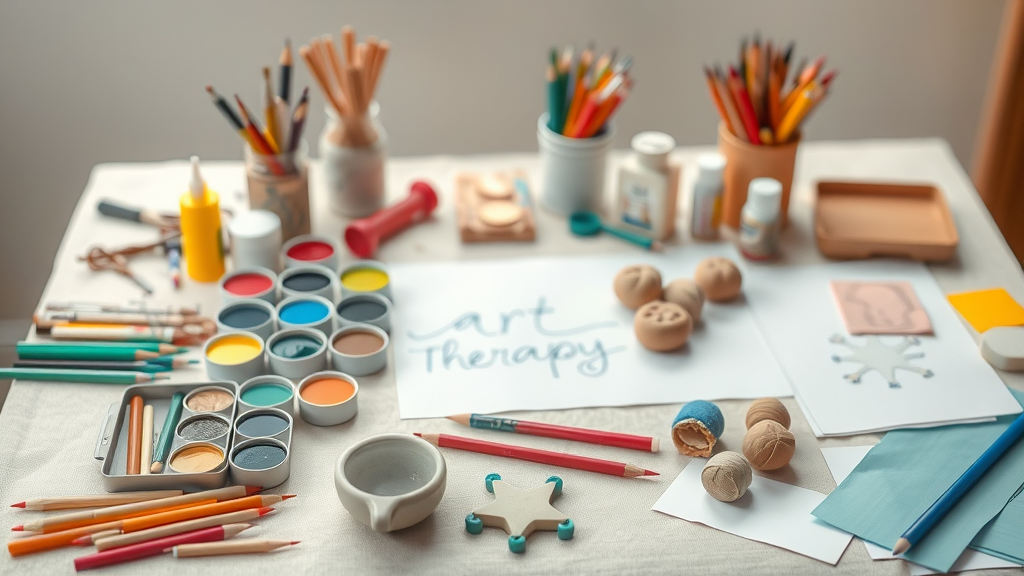
A neatly arranged table of art therapy supplies for teens, including paints, colored pencils, clay, and various papers, in soft natural lighting, ready for therapy activities.

Adapting Art Therapy Activities for Different Age Groups and Needs

Customizing Therapy Activities for Preteens Versus Older Teens

Effective therapy activities for teenagers must acknowledge that preteens and older adolescents experience and process emotions differently. Preteens (ages 10–13) engage best with structured, playful activities that provide clear guidance and immediate feedback—think bright collages, simple sculptures, or guided group projects. Conversely, older teens (ages 14–18) may prefer activities that offer creative autonomy and address abstract concepts, such as personal growth, future planning, or complex social issues.

This distinction ensures teens of every age group are both challenged and supported, maximizing the benefits of art therapy. By empowering preteens to experiment in a fun, relaxed manner and inviting older teens to explore personal issues through in-depth art projects, therapists can help all adolescents express themselves and develop valuable coping skills tailored to their stage of development.

Art Therapy Activities for Different Mental Health Concerns

Many teens approach art therapy to address specific mental health issues. For anxiety, calming tasks like coloring mandalas, focusing on repetitive patterns, or constructing worry boxes can be particularly soothing. For depression, therapy activities that center on positive imagery—like vision boards or stories of overcoming adversity—enable teens to visualize hope and new possibilities.

Teens dealing with trauma may benefit from safe space drawings and sculpture, which allow for nonverbal exploration of difficult memories. Art therapy activities can also be adjusted for social skill building (group murals, comic strip storytelling) or for managing anger and frustration (expressive painting, clay modeling). By tailoring sessions to meet the mental health needs of each participant, art therapists create genuinely transformative experiences.

Creative Group Art Therapy Activities for Teens

Collaborative Mural Projects

Few activities for teens build connection and community as powerfully as a collaborative mural. In this group art therapy activity, participants work together to create a large-scale artwork, with each person contributing individual pieces or sections. The shared goal—whether it’s a theme like hope, resilience, or diversity—fosters teamwork, respect, and collective pride. As teens collaborate, they develop vital social and communication skills, and see firsthand how their unique expression contributes to a cohesive whole.

Murals also provide an opportunity for reflection; when complete, teens can discuss what their contributions symbolize and the story the mural as a whole tells. This group approach is especially effective for troubled teens who may struggle with isolation or feel disconnected from peers.

A lively group of teenagers working together on a collaborative mural during art therapy activities in a school hallway filled with sketches and color palettes, vibrant teamwork.

The Benefits of Group-Based Therapy Activities for Teens

Group therapy activities for teenagers don’t just address individual needs—they build powerful support systems. In a group setting, teens realize they are not alone in their struggles. They learn to celebrate differences, provide encouragement, and accept help. Shared creative projects break down social barriers, nurture empathy, and promote a sense of belonging.

Additionally, group-based activities for teens allow individuals to practice constructive communication, overcome judgment, and learn adaptive coping skills modeled by peers. These experiences boost confidence and reinforce that everyone’s creative process—and story—matters. The community formed through collaborative art becomes a reliable source of resilience and friendship.

How Art Therapy Activities Transform Teen Mental Health

How to Evaluate the Impact of Teen Art Therapy Activities

Tracking Emotional Progress and Outcomes

Assessing the effectiveness of teen art therapy activities involves both observation and structured feedback. Art therapists look for signs of increased participation, shifts in the way teens express their emotions, and qualitative changes in theme and content over time. Sometimes, the most significant signs of progress are revealed in the artwork itself—such as more vivid colors or richer storytelling. Therapists may also use pre- and post-session surveys or mood check-ins to monitor growth.

Other measurable outcomes include reduced anxiety, improved social skills, and positive shifts in self-assessment. The act of archiving artworks can be a therapeutic process itself, helping teens see their journey and reflect on milestones reached.

Feedback Mechanisms: Involving Teens and Caregivers

Involving both teens and caregivers in feedback sessions enhances the impact of therapy activities. Therapists might hold periodic reviews with parents or counselors (with the teen’s permission), discussing themes and sharing ideas for continued support. Teens can also reflect on their creative process through journaling or group discussion, articulating what they found meaningful or challenging.

"Success in art therapy is measured by participation and reflection, not artistic perfection."

This feedback loop fosters ongoing communication and helps tailor future therapy activities to each individual’s evolving needs.

An attentive therapist reviewing colorful art projects with a smiling teen and their caregiver in a well-lit counseling office, family engagement in therapy.

Advice From Professional Art Therapists: Best Practices for Teen Art Therapy Activities

What Experienced Art Therapists Recommend

Veteran art therapists emphasize flexibility, patience, and validation in every teen session. They encourage starting with accessible activities—such as self-portraits or collages—and building toward more complex or abstract themes. Their advice:

  • Let teens take the lead in choosing projects or themes (empowerment fosters engagement).

  • Focus on process over product; every mark is valuable, regardless of artistic “skill.”

  • Incorporate sensory and movement-based options (clay, large canvases) to reach diverse learners.

  • Normalize “art blocks” and frustration—help teens view creative challenges as opportunities for growth.

  • Encourage reflection, but never force verbal processing if the teen isn't ready.

Incorporating these best practices makes each session more beneficial and helps troubled teens feel seen, accepted, and supported.

An expert art therapist leads a group of attentive teens during an art therapy class in a vibrant art room with colorful installations and positive group energy.

Overcoming Common Challenges in Teen Art Therapy Sessions

Common hurdles include reluctance, fear of judgment, or comparing art projects to others. Therapists and parents can counter these by reinforcing the idea that art therapy activities are about expression, not perfection. Providing a variety of supplies and choices prevents boredom and ensures that even the most hesitant teen can find a path to engagement.

Celebrating small wins—the completion of a project, consistent attendance, or newfound coping skills—helps sustain motivation. Consistency and positive reinforcement ultimately create a climate in which troubled teens are willing to return and try new creative activities again and again.

Incorporating Teen Art Therapy Activities in School and Community Settings

How Educators Can Facilitate Art Therapy Activities for Teenagers

Teachers and school counselors are uniquely positioned to introduce art therapy activities for teens in educational environments. By integrating creative projects into the curriculum, after-school clubs, or special support groups, educators provide students with outlets for stress relief, emotional growth, and community building. Training in trauma-informed practices and collaboration with professional art therapists ensures these sessions support both individual and group development.

Flexible scheduling and diverse materials (including opportunities for digital media) make it easier for all teens—regardless of background or ability—to benefit from these powerful activities. In this way, schools become creative sanctuaries that nurture each student’s journey toward self-understanding and healing.

An enthusiastic school counselor leads a group of engaged teens in painting during a school art therapy event, bright classroom and lively participation.

Community Programs that Offer Therapy Activities for Teens

Beyond school walls, many community organizations and youth centers provide structured art therapy activities for teens. These programs often partner with licensed therapists and mental health professionals to design projects addressing specific needs—be it stress, bullying, or grief. Community-based art therapy also creates vital networks where teens find belonging and affirmation outside home or school, contributing to long-term mental health improvement.

By promoting accessibility and partnering with local resources, these programs ensure that all teens—regardless of socioeconomic status—can access the transformative benefits of art therapy.

Cultural Sensitivity in Teen Art Therapy Activities

Incorporating Diverse Perspectives and Artistic Traditions

Cultural background significantly influences the way teens relate to creative activities and mental health. Effective art therapists honor this by drawing from an array of artistic traditions—incorporating motifs, themes, and materials representative of participants’ identities. Inviting teens to share their own artistic heritage deepens engagement, validates lived experience, and encourages pride in cultural roots.

Such sensitivity enhances the benefits of art therapy: It fosters inclusion, reduces barriers to participation, and ensures therapy activities resonate with a broad spectrum of teens.

Adapting Art Therapy Activities to Honor Individual Backgrounds

Respecting the unique needs of each teen means adapting projects to align with personal beliefs, traditions, and family practices. Therapists may customize imagery, story themes, or even the structure of a session based on a participant’s comfort and preference. This approach ensures therapy activities remain meaningful, respectful, and effective across all age groups and communities.

By centering diversity, art therapy truly becomes a universal tool for healing and connection.

Integrating Digital Media Into Teen Art Therapy Activities

Virtual Art Therapy Activities and Online Platforms

As digital technology becomes central to young people’s lives, art therapy activities are evolving to include virtual and online options. Platforms like drawing apps, collaborative virtual whiteboards, and creative digital storytelling offer troubled teens new ways to express themselves in spaces where they’re already comfortable. For remote or hybrid sessions, art therapists guide teens through projects using tablets, computers, or even smartphones, allowing for real-time feedback and shared reflection.

These virtual activities are especially helpful for teens who may be homebound, live in rural areas, or simply feel safer expressing themselves online. Digital media opens access and keeps art therapy relevant in a fast-changing, interconnected world.

A tech-savvy teen uses a digital tablet for art therapy activities in a futuristic room, surrounded by smart devices and holographic art samples, cyberpunk colors.

Digital Tools for Creative Therapy Activities for Teens

A wealth of digital tools is now available for art therapy activities: from photo collages and digital painting to video diaries and 3D modeling apps. These tools support innovative, multimedia projects that may better suit some teens’ modes of expression than traditional materials. Digital sharing also allows for community-building among peers, with online exhibitions, forums, or group feedback sessions.

Art therapists are continually exploring new technologies to keep creative expression accessible, inclusive, and engaging for all teens.

Tips for Parents Supporting Teen Art Therapy Activities at Home

Encouraging Expression and Creativity

Parents play a crucial role in sustaining the benefits of art therapy activities outside formal sessions. Encouraging creative experimentation at home—by making supplies available, showing interest in finished projects, or participating together—reinforces the importance of emotional expression. Parental support, free from judgment or expectation, gives teens permission to explore inner worlds safely and honestly.

Engaged parents are allies in helping teens turn creative activities into lifelong coping skills and outlets for stress relief.

A supportive parent and teen making cheerful art together at a sunny kitchen table, art supplies and ceramics visible, natural smiles, home therapy activities.

Building Healthy Routines Around Art Therapy Activities

Building art into daily or weekly routines normalizes creative self-care. Whether it’s a weekly family art night, a personal art journal, or shared collage-making, routine practice makes expression second nature. Parents can foster mindfulness around art activities—inviting their teen to reflect on feelings before and after a project, or displaying completed works as affirmations of progress.

In this way, creative therapy activities become a wellspring of resilience accessible whenever it’s needed.

People Also Ask: Teen Art Therapy Activities

What are the activities for teens therapy?

Explore a variety of group, individual, and creative therapy activities for teens including painting, journaling, and role-playing.

What are fun creative activities for teens?

Fun creative activities for teens include collaborative art projects, digital design challenges, and expressive self-portrait tasks.

What are fun art therapy activities for kids?

Kids can benefit from art therapy activities like finger painting, creating storybooks, and using modeling clay for emotional expression.

What are the 7 elements of art therapy?

The 7 elements of art therapy often include line, shape, color, texture, space, form, and value, each contributing to emotional and psychological exploration.

Expert Panel: Addressing Common Questions About Teen Art Therapy Activities

Frequently Asked Questions About Teen Art Therapy Activities

  • How often should teens participate in art therapy activities?
    Most experts recommend weekly sessions for best results, though frequency can be increased during periods of heightened stress.

  • Do all teens benefit equally from art therapy activities?
    While art therapy is broadly effective, results depend on the teen’s willingness to engage and the fit between the activity and their individual needs.

  • Can teen art therapy activities be done at home without a therapist?
    Yes, many activities for teens are accessible at home. However, a qualified art therapist provides deeper insight and guidance for complex emotional issues.

  • What are the signs of progress during therapy activities for teens?
    Look for increased participation, willingness to try new art projects, more detailed and expressive artworks, and positive changes in mood or behavior.

Key Takeaways: Empowering Troubled Teens Through Art Therapy Activities

  • Teen art therapy activities foster emotional healing and resilience

  • Involvement from professionals, schools, and families can enhance outcomes

  • Creativity is an essential tool for addressing mental health and self-expression

Conclusion: The Future of Teen Art Therapy Activities in Supporting Troubled Teens

"Art therapy activities offer teens a safe space, a voice, and a path to healing their emotional struggles."

Encouraging Ongoing Art Therapy as a Cornerstone of Teenmental Health Support

Continued investment in teen art therapy activities promises hope and empowerment for troubled adolescents everywhere.


Healthy Outlets

Write A Comment

*
*
Related Posts All Posts

Creative Outlets Every Troubled Teen Should Try

Have you ever wondered if troubled teens are missing out on powerful, life-changing creative outlets that could spark happiness and lasting well-being? Unlocking self-expression and emotional healing might be simpler—and more fun—than you think. This guide introduces unique creative activities and inspiring stories, and provides practical tips to help every teen find their creative spark and thrive.Are Troubled Teens Missing Out on Life-Changing Creative Outlets?For many teens facing challenges, the world seems relentless, and emotional outlets can feel out of reach. Today’s young people confront stress, anxiety, and self-doubt more than ever—yet engaging in creative outlets for teens is one of the most powerful tools for fostering mental health, resilience, and personal growth. Creative activities offer a safe space to explore feelings, build confidence, and simply feel good, regardless of skill level. However, too often, busy schedules, excessive screen time, and stigma around creative activities can hold troubled teens back from discovering their potential. It’s crucial for parents, teachers, and community leaders to recognize how creative arts and outlets can serve as lifelines, transforming strained emotional states into vibrant, hopeful futures. In the following sections, you’ll learn why these outlets matter, how they work, and exactly how to help every teen find the right path to self-discovery.What You'll Learn About Creative Outlets for TeensWhy creative outlets for teens are vital for mental healthHow creative activities boost confidence and emotional well-being20 unique creative activities and arts for teens to tryTips for discovering the right creative outletAnswers to common questions from teens and parentsThe Link Between Creative Outlets for Teens and Mental HealthA growing body of research confirms that creative outlets for teens play a vital role in maintaining and improving mental health. Creative activities such as drawing, music, dance, or journaling act as a safe space to process big emotions, ease stress, and even develop life skills. Young people who participate in creative arts regularly experience fewer symptoms of anxiety and depression, higher self-esteem, and better social interaction with peers. Engaging in creative activities also activates parts of the brain associated with problem-solving and empathy, crucial abilities in the teen years. These benefits aren’t just anecdotal; studies reveal that consistent involvement in creative outlets supports emotional resilience and helps teens navigate life’s inevitable ups and downs with greater confidence. From boosting fine motor skills in arts and crafts to enhancing gross motor skills in dance and theater, these activities nurture both mind and body, offering a holistic approach to well-being.How Creative Outlets Support Mental Health in TeensCreative outlets for teens aren’t just hobbies; they are a powerful tool for emotional regulation and self-discovery. By engaging in creative activities, teens can channel overwhelming emotions into art, music, drama, or writing—transforming inner struggles into external expression. This process reduces feelings of isolation and promotes a sense of achievement, which is critical during the formative teen years. For example, writing a short story can help teens clarify thoughts and “name” their feelings, while dance or sports can improve gross motor and fine motor skills and provide a great way to stay active and emotionally balanced. Additionally, creative outlets support long-term mental health by teaching young people practical coping tactics and offering a constructive escape from daily stressors. In peer group settings, creative activities foster social interaction and promote teamwork, deepening friendships and creating shared experiences that spark joy and connection.Expert Quote: On the Emotional Impact of Creative Activities"Engaging in creative activities provides teens a healthy escape from stress and an avenue to process emotions constructively." – Dr. Riley Morgan, Adolescent Psychologist20 Creative Outlets for Teens to Try TodayReady to get started? Here are 20 compelling creative activities and creative arts every teen—regardless of background or skill—can try right now. Whether your teen is seeking emotional expression, new life skills, or a fun hobby, these outlets offer something for everyone and ensure teens have creative ways to harness their energy for growth and healing.Drawing and Painting: Visual creative outlets for teens to express thoughts and feelings while strengthening fine motor skills.Journaling and Creative Writing: Harnessing the power of words to improve mental health and explore their feelings through short stories or poems.Music and Songwriting: Emotional release through sound and rhythm, an engaging way for self-expression and connection.Dance and Movement: Channel energy through movement; amazing for gross motor skills, physical health, and stress release.Drama and Theater: Build self-confidence, social interaction, and teamwork through the performing creative arts.Photography: Practice focus, creativity, and perspective while capturing moments as a creative outlet.Digital Art and Graphic Design: Tech-savvy creative activities for teens attracted to modern forms of art and online sharing.Crafting and DIY Projects: Hands-on projects that enhance fine motor skills and offer tactile satisfaction.Sculpting and Clay Modeling: Tactile expression that’s soothing and great for mindfulness and fine motor skill development.Fashion Design: Styling outfits as a creative outlet, encouraging self-expression and personal flair.Cooking and Baking: Culinary creative outlets that not only feel good but also develop practical life skills and engage all senses.Filmmaking and Video Creation: Storytelling in the digital age, building collaboration, and media skills.Animation: Bringing drawings to life—ideal for tech-loving creative teens.Poetry Slams and Spoken Word: Verbal creative activities that foster confidence and voice.Gardening: Nature as therapy—fine motor and gross motor skills combine with the mental health benefits of nurturing living things.Podcasting: Sharing stories, connecting with others, and honing communication skills.Coding for Games and Apps: Explore the digital arts, logical thinking, and practical creative outlets for teens in the tech era.Scrapbooking: Preserving memories and practicing creative arts with personal flair.Woodworking: Build fine and gross motor skills while creating functional art and learning powerful life skills.Volunteering Through the Arts: Community-focused creative activities that boost empathy, confidence, and a sense of purpose.Table: Comparison of Popular Creative Activities for TeensActivitySkill LevelGroup or SoloBenefits for Mental HealthDrawingBeginner-AdvancedSoloReduces anxiety, self-expressionMusicBeginner-AdvancedBothBoosts mood, relieves stressDanceBeginner-AdvancedBothPhysical health, emotional releaseWritingBeginner-AdvancedSoloClarifies thoughts, fosters healingCraftingAll LevelsBothImproves focus, tactile satisfactionPodcastingBeginnerBothBuilds communication, boosts confidenceHow to Find the Right Creative Outlet for TeensDiscovering the best creative outlet involves tuning into passions, natural strengths, and trying new creative things. Every teen is unique—some connect with painting or dance, while others thrive making music, cooking or baking, or coding apps. Begin by reflecting on what activities naturally attract your teen and how they feel after trying them; do they feel good, relaxed, or excited? Encourage exploration and be mindful that trial and error is part of the journey. Providing a consistent safe space and positive feedback motivates teens to keep discovering new creative ways to express themselves. Remember that a creative outlet can also be a springboard for valuable life skills and future side hustles.Identifying Passions and Strengths in TeensPaying attention to your teen’s interests, hobbies, and natural talents can unlock the most fulfilling creative outlets for their well-being. Notice when your teen shows excitement—maybe they love rearranging their room (design), enjoy stories (writing or filmmaking), or are captivated by music. Ask open-ended questions: What makes them lose track of time? When do they feel good about themselves? This self-reflection reveals both strengths (like fine motor skills for art, or gross motor skills for movement) and new directions. Encourage teens to document their journey—journaling about what they liked or didn’t like builds self-awareness and helps refine choices over time.Encouraging Exploration of Creative OutletsTeens thrive when they’re allowed—rather than pushed—to explore different creative activities without fear of judgment or failure. It’s important for adults to create an open atmosphere at home or in the community, where trying (and even “failing” at) new hobbies is celebrated as growth, not weakness. Provide access to creative arts classes, online tutorials, or even casual hangouts with like-minded friends and family. Remember, a creative outlet doesn’t need to be expensive—some of the most rewarding creative activities for teens require little more than a notebook, phone, or household supplies. The key is to encourage frequent exploration and to celebrate every step, building lifelong confidence and resilience.Watch real teens discuss how creative outlets—like art, music, and theater—helped them grow, rediscover joy, and achieve lasting mental health improvements.The Science Behind Creative Outlets for Teens and Well-BeingScientific studies have shown that engaging in creative activities nurtures positive mental health, especially in young people navigating the pressures of adolescence. Regular participation in a creative outlet increases serotonin and dopamine (the “feel-good” brain chemicals), decreases cortisol (the stress hormone), and physically remodels neural pathways related to resilience and adaptability. Creative outlets also foster personal growth by encouraging problem-solving, perseverance, and self-reflection. Health benefits expand even further: creative activities can reduce heart rate, improve sleep, and lower symptoms of anxiety and depression among teens.Research: Creative Activities and Teen Mental HealthA wealth of research supports what parents and therapists already sense: creative outlets for teens buffer against stress and build critical coping skills. A recent study published in the Journal of Adolescent Health found that teens who regularly participate in art, music, or dance programs report higher life satisfaction and lower rates of risky behavior. Even casual creative activities—like coloring or journaling—have been linked to reduced anxiety and stronger immune function. These benefits are magnified for troubled teens facing emotional hardships, making creative activities not just a hobby, but a health necessity.Expert Insight: How Creative Arts Can Reduce Stress in Teens"Teens who regularly engage in creative outlets demonstrate improved resilience and a greater sense of purpose." – Dr. Lea Andrews, Youth TherapistCreative Outlet Success Stories: How Teens Thrive With Creative ActivitiesThe power of a creative outlet is best seen in real-life stories—teens who’ve faced bullying, anxiety, or self-doubt and found new strength through art, music, or performance. Many young people recount how joining a theater group improved their social interaction and brought a strong sense of belonging. Others discover independence through crafting or digital design, turning hobbies into successful side hustles. Creative outlets not only help teens feel good but also nurture strong, lasting connections with friends and family.Real-Life Example: Using Creative Arts to Overcome ChallengesMackenzie, a 16-year-old struggling with anxiety, transformed her life after joining a youth mural project. She describes feeling lost before discovering painting but gained confidence and joy through artistic expression and teamwork. “Creating art with others gave me purpose, new friends, and the courage to share my emotions openly,” she shares. Her experience mirrors countless others—proving that engaging in creative activities is a great way to stay strong, grow, and thrive in the face of life’s challenges.Lists: 5 Quick Tips for Teens Starting a New Creative OutletStart small and choose what feels funSet aside regular time for creative activitiesDon't compare your creative arts to othersSeek support from friends, mentors, or communityCelebrate progress over perfectionPeople Also Ask About Creative Outlets for TeensWhat are some good creative activities for teens?Answer: There are many creative activities ideal for teens including drawing, music, dance, digital art, and podcasting. Each of these creative outlets provides a chance for self-expression and mental health improvement.How to find a creative outlet?Answer: Discovering the right creative outlet for teens involves exploring various creative activities, reflecting on personal interests, and trying different forms of creative arts until something feels inspiring and enjoyable.What is the best side hustle for teens?Answer: The best side hustle for teens often includes creative outlets like selling art, making music, or starting a podcast. These not only provide income but also enhance mental health and build new skills.What is fun for 15 year olds?Answer: Fun creative outlets for 15 year olds include gaming, creative writing, filmmaking, crafts, and exploring new forms of creative activities with friends or online communities.Follow along with this practical video tutorial to help your teen start their first creative outlet—whether it’s painting, music, or digital art. Learn step-by-step tips, beginner techniques, and discover how creative activities can fit your lifestyle and goals.FAQs on Creative Outlets for TeensHow often should teens engage in creative activities? Teens benefit from engaging in creative outlets several times a week, but even short, regular sessions can make a significant difference in mental health and confidence.Are there low-cost or free creative outlets for teens? Absolutely! Many creative activities—like journaling, drawing, podcasting, and crafting—require minimal supplies and can be started with household materials or free online resources.What creative arts can be done at home? Teens can easily pursue activities such as creative writing, cooking or baking, digital art, crafting, and online music lessons—all offering major health benefits and life skills development.How can creative outlets benefit teen mental health in the long run? Regular participation in creative outlets fosters resilience, self-esteem, and adaptive coping strategies, supporting emotional well-being into adulthood.Key Takeaways: Why Every Troubled Teen Needs a Creative OutletCreative outlets empower teens to manage stress and express emotionsA wide variety of creative activities supports all interests and skill levelsCreative arts have proven mental health benefitsEncouraging creative outlets for teens fosters resilience and confidenceConclusion: Helping Troubled Teens Thrive through Creative OutletsCreative outlets for teens are essential for emotional well-being, growth, and self-discovery. Encouraging your teen to explore creative activities will help them build resilience, improve mental health, and discover lifelong passions.

The Benefits of Journaling for Troubled Teens

Did you know? Over 60% of professionals recognize journaling as a powerful tool for supporting teen mental health. This surprising fact highlights just how important journaling for teens has become in navigating today’s complex world. From processing challenging emotions to finding clarity during a difficult time, teen journaling benefits are proving essential for supporting the mental health and resilience of adolescents everywhere. If you’re a parent, caregiver, educator, or teen, understanding the benefits of journaling could be a game changer for wellbeing and personal growth.Over 60% of professionals recognize journaling as a powerful tool for supporting teen mental health.Unveiling the Power of Teen Journaling BenefitsIn recent years, teen mental health has become a central concern for families, educators, and health professionals alike. An increasing body of evidence showcases how practices like journaling offer meaningful support for teens navigating emotional, academic, and social pressures. Studies indicate that regular journaling for teens not only supports mental health, but contributes to stronger emotional regulation, sharper thinking skills, and improved problem-solving abilities. These benefits of journaling are not simply anecdotal — experts and psychologists have seen firsthand the transformative effects that putting pen to paper, or typing in a digital journal, can have on troubled teens.But why does journaling work so well? At its core, keeping a journal provides teens with a private outlet—a safe space where they can work through difficult feelings, document achievements, and set personal goals. Unlike simply venting to a friend or family member, expressive writing encourages deeper reflection and self-awareness. When teens regularly record their thoughts and feelings, they begin to make sense of their experiences, relieve stress, and foster the critical thinking skills needed for healthy emotional development. Understanding how to start journaling and stick to it can make all the difference during these formative years.Surprising Statistics on Teen Mental Health and Benefits of JournalingThe struggles facing modern teens are widespread: according to recent surveys, over one in five adolescents experience symptoms of anxiety or depression. Academic pressure, social media, and uncertainty about the future all contribute to growing mental health issues. Within this context, journaling for teen mental health stands out as a simple yet highly effective intervention. In fact, research by major health organizations has shown that teens who practice regular journaling report fewer negative thoughts, greater self-esteem, and an overall improvement in mental health compared to peers who don’t journal. Parents, mental health professionals, and educators now regard journaling as a key strategy in helping teens develop resilience and coping skills.It’s not just the numbers that are striking—teenagers themselves report that journaling helps them work through difficult times, manage social and academic stress, and discover new aspects of their identity. The benefits of journaling don’t stop at emotional support: by engaging in daily or weekly writing, teens often experience greater focus in school, better communication with family members, and stronger friendships built on empathy and understanding.What You'll Learn About Teen Journaling BenefitsHow teen journaling benefits support mental healthPractical journaling for teen strategiesThe science behind the benefits of journaling for adolescent wellbeingExpert insights on journaling’s impact for troubled teensTips for parents and caregivers to encourage healthy journaling habitsUnderstanding Teen Mental Health: Key Issues and ChallengesFactors Impacting Teen Mental Health TodayThe landscape of teen mental health is more complex than ever. Teens today face a unique set of challenges, from the pressure to perform academically to navigating constantly connected lives via smartphones and social media. The process of building identity and autonomy in adolescence is fraught with self-doubt, anxiety, and a fear of judgment—from peers, family members, and themselves. For some, these challenges quickly escalate into mental health issues such as anxiety, depression, or even more severe crises.What’s important to recognize is that many of these issues are interconnected. For instance, sleep deprivation can worsen mood and cognitive performance, while social isolation may make it harder to seek help or manage stress. The whole process of growing up can seem overwhelming, but teaching healthy habits like journaling helps teens manage and process their feelings. With the right support, even troubled teens can begin to make sense of their experiences and develop resilience for the future.The Role of Stress and Emotional Turmoil in Teen Mental WellbeingStress, disappointments, and emotional highs and lows are part of every teen’s life. However, chronic stress and unresolved emotions can contribute to longer-term mental health issues. When teens don’t have an effective way to process these experiences, they may feel helpless or become withdrawn, leaving them vulnerable to a cycle of negativity. Without intervention, school performance, friendships, and even physical health may suffer.Journaling offers a constructive outlet for these feelings, fostering self-expression beyond just venting or complaining. As teens translate difficult feelings into words, the very act of writing in a journal can help relieve stress, encourage critical thinking, and lead to healthier coping mechanisms. Over time, journaling cultivates habits that support overall mental health and wellbeing, including resilience, self-compassion, and the ability to ask for help when needed.Comparison of Common Teen Mental Health Problems and How Journaling Can HelpMental Health ProblemChallenges for TeensHow Journaling HelpsAnxietyWorry, restlessness, overthinkingProvides a nonjudgmental outlet to sort anxious thoughts and recognize patternsDepressionLow mood, withdrawal, hopelessnessEncourages self-reflection, mood tracking, and setting positive intentionsTrauma / GriefOverwhelm, sadness, confusionFacilitates the safe exploration of emotions, promoting healing and closureJournaling for Teen Mental Health: How Writing Supports WellbeingWhy Journaling for Teen Mental Health MattersRegular journaling for teens isn’t just about recording what happened each day—it’s a fundamental tool for building emotional wellbeing. The benefits of journaling are backed by science: teens who journal regularly often show improvements in emotional regulation, lower symptoms of anxiety and depression, and better relationships with their peers and family members. When a teen is struggling to make sense of a difficult time or mental health issues, the simple action of keeping a journal can be a powerful step toward recovery and growth.A journal acts as a mirror—helping teens spot unhelpful patterns, challenge negative thoughts, and cultivate healthy habits. Many mental health professionals recommend journaling as an accessible, low-pressure way to develop self-awareness and build coping skills. Just a few minutes each day to write about thoughts and feelings can make a meaningful difference in how teens manage stress and maintain their mental health.Benefits of Journaling: Processing Emotions and Building Self-AwarenessThe process of expressive writing enables teens to engage with their emotions in a thoughtful and structured way. Writing in a journal provides a dedicated time each day to explore what’s going well, what’s challenging, and which strategies actually help. Over time, this practice promotes greater self-awareness, making it easier for teens to identify triggers for stress, sadness, or anger and to develop strategies for coping.Researchers have found that teens who journal develop not only stronger emotional intelligence but also improved critical thinking skills. By revisiting past journal entries, teens start to recognize themes and patterns—empowering them to make informed choices and form a more authentic self-identity. Healthy self-awareness cultivated through journaling contributes to increased resilience and confidence as teens plan for their future.How Teen Journaling Benefits Social and Emotional GrowthJournaling doesn’t just help with personal growth; it can also foster stronger connections with others. Teens who keep a journal are often better equipped to express their feelings, set personal boundaries, and communicate needs with family members, peers, and even teachers. This improved communication leads to healthier relationships and supports a sense of belonging, which is essential for overall teen mental health.Furthermore, journaling helps teens process their interactions—both positive and negative—which provides valuable opportunities for reflection and behavioral change. As they begin to understand their own thoughts and feelings, teens often develop greater empathy for others, contributing to stronger friendships and a supportive community.Core Teen Journaling Benefits: What Science and Experts Reveal"Journaling empowers teens to understand, reflect upon, and manage their emotions more effectively." — Dr. Emily Harper, Adolescent PsychologistPromotes emotional regulation and resilienceImproves communication skillsFosters self-esteem and self-identityReduces symptoms of anxiety and depressionEncourages problem-solving and goal settingScientific Findings on Teen Journaling BenefitsStudy/ExpertKey FindingsStanford University, 2023Journaling for teens led to reduced anxiety and improved mood stability within 8 weeks.American Psychological AssociationRegular expressive writing is linked with lower depression scores and increased resilience in adolescents.Dr. Emily HarperYouth participants reported better self-understanding and decision-making after three months of structured journaling.Journaling for Teen: Effective Techniques and ApproachesChoosing the Right Journaling Method for Teen Mental HealthNo two teens are exactly alike, and their journaling preferences reflect this diversity. Some may gravitate towards handwriting their thoughts in a traditional notebook, while others prefer typing, audio journals, or even visual storytelling. The key is to help your teen identify a format that feels easy, private, and safe—this reduces the likelihood they’ll feel pressured or overwhelmed.Some teens enjoy setting aside a specific time each day to write, while others use their journals on an as-needed basis. Parents and caregivers can help by providing several types of journals, colorful markers, or digital journaling apps. Giving teens ownership over the process—which type of journal, what to write, and when to write—promotes a sense of autonomy and increases the likelihood of forming a lasting healthy habit.Guided Prompts vs. Free Writing: Which Works Best?Teens new to journaling often benefit from using prompts. Guided prompts might focus on emotions (“What are you feeling today and why?”), gratitude (“List three things you’re thankful for this week.”), or critical thinking skills (“Describe a challenge you faced and how you overcame it.”). For some, these structures make sense and offer an easier entry into the habit. Prompts remove the pressure of not knowing where to start, making it more likely for a teen to keep going and reap the teen journaling benefits.Others may prefer the freedom of unstructured, stream-of-consciousness expressive writing. Free writing gives space for creativity and self-discovery, helping teens process complex emotions in their own way. Both approaches have unique advantages; letting your teen experiment to see what resonates can help make journaling a sustainable, positive part of their daily routine.Creative Journaling for Troubled Teens: Art, Music, and Multimedia ApproachesTraditional pen to paper isn’t the only way to experience the positive effects of journaling for teen mental health. For troubled teens who may struggle to articulate difficult feelings with words, creative journaling—such as drawing, collaging, lyric writing, or even recording voice memos—can be equally powerful. Experts have found that integrating art and music into the journaling process engages teens who might otherwise resist more conventional forms of writing.Multimedia approaches foster self-expression and critical thinking in a nonjudgmental space. Plus, reviewing old creative journals can be a great way for teens to see personal growth over time, further building self-confidence. The important thing is to create a flexible journaling practice that truly meets a teen where they are, supporting their mental health in ways that feel natural and manageable.Benefits of Journaling for Specific Teen Mental Health ConcernsHow Journaling Benefits Teens with AnxietyFor teens wrestling with anxiety, journaling offers a space to face and process their worries head-on. By writing out anxious thoughts, teens can better identify distorted thinking patterns and find solutions to problems that might have seemed insurmountable. This simple act of reflection helps them see that their feelings make sense, and many report a decreased sense of panic or overwhelm after journaling sessions.Journaling also helps teens develop mindfulness by encouraging them to stay present rather than spiral into “what if” scenarios. Keeping a journal as part of their daily wellness routine supports ongoing stress reduction and builds a sense of control over their emotional health—a vital step towards achieving resilience.Teen Journaling Benefits for Depression and Low Self-EsteemTeens suffering from depression often feel isolated or stuck in negative thought patterns. Journaling addresses these challenges by providing an outlet for difficult feelings and promoting self-compassion through gentle, regular reflection. Prompted entries focusing on gratitude or small victories help reframe negative thinking and can significantly bolster self-esteem over time.Mental health professionals encourage troubled teens to express their experiences and recognize progress—no matter how small—through consistent writing. As teens continue journaling, the narrative of helplessness often gives way to one of agency, optimism, and hope for the future.Addressing Trauma and Grief: The Therapeutic Use of Journaling with AdolescentsWhen teens face trauma or grief, expressive writing serves as a private, safe avenue to explore overwhelming feelings. Research suggests that guided therapeutic journaling—sometimes with the support of a mental health professional—can help adolescents process loss, confusion, or even anger in a safe and structured manner. This supports teens in making sense of traumatic experiences, ultimately paving the way for healing and growth.Incorporating art, photos, or poetry into journaling can be especially therapeutic during difficult times. Whether independently or as part of therapy, journaling becomes a valuable companion in the journey toward emotional recovery, allowing troubled teens to move forward at their own pace while honoring their unique experiences.Parental Guidance: Supporting Teen Journaling Benefits at Home"Open dialogue about journaling helps normalize emotional self-care for families."Creating a Safe Space for Teen Mental Health ConversationsFor many parents and caregivers, supporting a teen’s mental health journey can feel daunting. Yet research shows that open, compassionate communication about journaling removes stigma and fosters trust. By creating a non-judgmental atmosphere at home, parents help their teens feel safe to share thoughts and feelings, whether in conversation or privately in their journals.Simple practices—like acknowledging the challenges of adolescence, validating emotions, and respecting journal privacy—lay the foundation for lifelong mental health skills. When teens know they won’t be punished or ridiculed for writing honestly, they are more likely to start journaling and stick with it.Encouraging Regular Journaling for Teen Mental WellbeingWhile it’s important not to make journaling feel like a chore, encouraging consistency helps teens experience the full range of teen journaling benefits. Parents can support this by providing a variety of journal types and formats—paper, digital, video logs—and letting teens choose the method that feels comfortable. Scheduling a regular time each day or week removes the “should I or shouldn’t I?” debate, making journaling a regular part of a teen’s self-care routine.Openly discussing the mental health benefits of journaling, sharing prompts, or even journaling alongside your teen can further normalize the practice. Remember: privacy and autonomy are key. Encourage your teen to reflect honestly without fearing judgment, building confidence and independence along the way.Expert Insights: Psychologists on Teen Journaling BenefitsWhat Leading Psychologists Say About Teen JournalingThe consensus among psychologists is clear: journaling is among the safest, most accessible strategies for improving teen mental health. According to Dr. Emily Harper, “Journaling empowers teens to understand, reflect upon, and manage their emotions more effectively.” Many experts describe writing in a journal as a self-guided therapeutic tool, fostering critical thinking, emotional intelligence, and practical coping skills.Psychologists emphasize the importance of giving teens control over their journaling process. Encouraging variety—prompts, free writing, creative media—ensures that teens find a method that resonates, which is key to building a lasting, healthy habit that continues into adulthood.Research Highlights on Journaling for Teen Mental HealthResearch underscores the measurable impact of journaling for troubled teens. One longitudinal study by the American Psychological Association found that teens who maintained a regular journaling practice showed significant reductions in symptoms of anxiety and depression compared to their peers. Other studies have noted improvements in academic performance and relationships as a result of increased emotional awareness and communication fostered by journaling.The verdict from the scientific community is resounding: journaling offers far more than self-expression. It is an effective, low-risk, and highly adaptable intervention that can help teens navigate not only periods of crisis or trauma, but also the everyday challenges of growing up.People Also Ask: Teen Journaling BenefitsWhy is journaling good for teenagers?Journaling provides teenagers with a private outlet to process emotions, supports self-discovery, and helps manage stress and mental health challenges effectively.What is the main benefit of journaling?The main benefit of journaling is its ability to foster emotional regulation, leading to improved mental health outcomes and enhanced personal insight.What is the therapeutic use of journaling with adolescents?Therapeutically, journaling helps adolescents work through complex emotions, trauma, and behavioral challenges, often under the guidance of mental health professionals.What do psychologists say about journaling?Psychologists widely support journaling as a low-risk, accessible, and effective tool for improving teen mental health and building coping mechanisms.Practical Tips to Maximize Teen Journaling BenefitsSchedule regular journaling sessionsProvide a variety of journal types and formatsUse prompts specifically designed for teen mental healthPromote privacy and autonomy in the journaling processCommon Barriers to Teen Journaling and How to Overcome ThemAddressing Resistance and Privacy ConcernsMany teens may resist journaling at first, especially if they feel pressured or worry about privacy. Addressing these concerns begins with reassurance: let teens choose their method, keep their journals private, and avoid making journaling feel mandatory. Emphasize that the main goal is self-reflection, not perfection or pleasing a parent, teacher, or family member.Remind teens that journals belong to them and are not tools for parental monitoring or discipline. This respect for privacy transforms journaling from a chore into a source of personal power—where teens can freely explore, vent, and discover themselves on their own terms.Making Journaling Appealing and AccessibleTo make journaling more accessible, offer options: notebooks with creative designs, digital journal apps, or art journals. Encourage experimentation and make it clear that there’s no “right” way to journal. Some teens find that writing in a digital diary or using voice memos fits better with their lifestyle, especially if writing by hand causes frustration or anxiety.For teens with learning differences or physical health issues, adaptive tools—like speech-to-text apps or illustrated journaling—can make a big difference. The trick is to remove barriers to entry and celebrate effort over outcome, reminding teens (and yourself) that the act of self-reflection is what matters most.Case Studies: Real Stories Showcasing Teen Journaling Benefits"Journaling helped me find clarity and confidence during hard times." — Anonymous TeenTake, for instance, Sarah, a 15-year-old who struggled with social anxiety and low confidence after changing schools. Her counselor recommended journaling as a way to track daily stressors and reflect on moments of success. Over six months, Sarah’s journal evolved from short, anxious scribbles to thoughtful entries about her growth, new friendships, and goals for the future. Her parents noticed she was less withdrawn and more open to new experiences—a change Sarah attributes to her journaling practice.Another teen, Alex, lost a close family member and found it hard to talk about grief. Journaling allowed Alex to express anger, confusion, and eventually hope in a private space. With time, Alex realized writing about memories and daily emotions helped process the loss and restored a sense of connection with loved ones. These real stories prove that journaling can be a lifeline during even the most difficult periods of adolescence.FAQs: Teen Journaling BenefitsCan journaling replace therapy for teen mental health problems?While journaling provides valuable self-help and can support emotional wellbeing, it is not a replacement for professional mental health care. For significant mental health issues, work alongside a qualified mental health professional.How often should teens journal to see benefits?Regular practice is key. Even a few minutes several times per week can produce noticeable benefits. Ideally, encourage your teen to journal at a consistent time each day, but flexibility is important.Are digital journals as effective as handwritten journals?Yes! The benefits stem from self-reflection and expressive writing, whether digital or handwritten. Letting teens choose their preferred method increases their sense of ownership and comfort.What if my teen refuses to journal?Respect their choice and encourage other forms of self-expression, such as art, music, or talking with a trusted adult. Forcing journaling may cause resistance—focus on open communication and the value of self-care.Key Takeaways on Teen Journaling BenefitsTeen journaling benefits extend far beyond self-expression, impacting mental health and resilience.Journaling is an accessible, effective support tool for troubled teens.Structured journaling programs can enhance outcomes for adolescent wellbeing.Conclusion: Harness the Power of Teen Journaling Benefits for Lasting Wellbeing"Teen journaling isn’t a cure-all, but it’s often a crucial first step on the path to healing."By embracing journaling as a daily or weekly habit, teens can develop emotional resilience, navigate challenges, and foster a deeper understanding of themselves—all essential ingredients for lasting mental health and wellbeing.Take Action: Encourage Journaling as a Lifelong Mental Health SkillEncourage your teen to explore journaling today—it may be the start of a lifelong journey of growth and healing.Quick video tutorial introducing teens and parents to the basics of journaling for mental health, showcasing real-life examples and best tips.

Healthy Outlets for Troubled Teens: Finding Positive Alternatives

Did you know that over 70% of troubled teens report heightened stress levels, yet less than half engage in healthy outlets to cope? This eye-opening statistic underscores an urgent truth: many young people facing challenges don’t have the positive alternatives they need. In today’s rapidly shifting world—with pressures from academics, social media, and peer groups—identifying healthy outlets for troubled teens has never been more vital. This comprehensive, easy-to-understand guide is designed to inform and empower parents, caregivers, and teens themselves. Read on to discover practical strategies to channel strong emotions, curb risky behaviors, and foster growth in every young adult.“Over 70% of troubled teens report heightened stress levels, yet less than half engage in healthy outlets to cope.”A Startling Look at Troubled Teens and the Need for Healthy OutletsToday’s teenagers face an overwhelming array of challenges unlike any previous generation. Increased screen time, relentless social media pressures, and evolving friend groups contribute to frequent mood swings, anxiety, and strong emotions. Add in the academic demands of becoming a young adult and risks like substance abuse, and it’s clear why so many teens feel overwhelmed. For troubled teens, traditional support may not be enough. Without engaging in positive activities, negative coping mechanisms can become habits—jeopardizing their mental health and safety.What’s the solution? The key lies in healthy outlets for troubled teens. These outlets aren’t simply hobbies; they are intentional, positive alternatives that address deeper issues, discourage unhealthy behaviors, and provide vital emotional regulation. Whether through sports, the arts, peer support, or specialized programs like Ridge RTC, offering a wide range of healthy outlets transforms the lives of young adults. In this article, we break down the types, benefits, and step-by-step pathways to empower every troubled teen to thrive.What You'll Learn About Healthy Outlets for Troubled TeensThe importance of healthy outlets for troubled teensTypes of healthy outlet options availableHow healthy outlets benefit mental health and emotional stabilitySteps for parents and caregivers to guide troubled teensPractical resources and support networksDefining Troubled Teens: Who Needs Healthy Outlets?Identifying a Troubled TeenSigns that a troubled teen may need help often extend beyond occasional teen moodiness. Look for persistent behavioral shifts, regular mood swings, a drop in academic performance, and the presence of anger issues. The influence of a peer or friend group can drive sudden changes—whether positive or negative. Today, social media is a major factor: excessive screen time and online interactions often amplify strong emotions and affect self-esteem. If a teen withdraws from family or healthy activities, or is quick to express their anger through destructive means, these are flags indicating a need for intervention.A troubled teen might not always vocalize their struggles, but ongoing emotional distress, frequent arguments, secrecy, or shifting sleep and eating patterns suggest a deeper issue. The key is open communication. Creating a safe, nonjudgmental space can make all the difference for young people. Parents should observe patterns of sadness, isolation, or resistance to previously enjoyed healthy outlets, especially if influenced by changes in friend groups or online behavior. Early recognition is essential for guiding teens toward positive alternatives and ensuring their long-term mental health.Signs of troubled teensBehavioral shifts and mood swingsRelationship with social media influencesCommon Challenges Faced by Troubled TeensModern troubled teens face a complex set of obstacles that often impact their health and development. Beyond academic stress, anxiety, depression, and mood swings are widespread—sometimes exacerbated by cyberbullying and the constant comparison culture found on social media. Young adults must navigate friendship dynamics, pressure to fit in, and sometimes exposure to substance abuse. The temptation to experiment with drugs or alcohol can be heightened by a lack of positive activities or a supportive friend group.Academic demands add another layer, as troubled teens transition toward adulthood and greater responsibility. Poor performance or disengagement may reflect underlying mental health issues or struggles with executive function in the prefrontal cortex—a region still developing in young adults. Additionally, situations at home—like parental conflict, divorce, or financial strain—can intensify emotions, leading to emotional withdrawal, acting out, or risky behaviors. Supporting troubled teens through these challenges with healthy outlets is essential for their stability and long-term well-being.Anxiety, depression, and mood swingsPeer pressure and substance abuse risksAcademic performance and young adult transitionsWhy Healthy Outlets Are Crucial for Troubled TeensThe Link Between Healthy Outlets and Mental HealthEngaging in a healthy outlet is one of the most effective preventive measures against the development of serious mental health concerns. For troubled teens, positive activities offer a safe way to channel strong emotions, manage mood swings, and build resilience. Studies consistently show that teens who engage in regular sports, creative arts, or peer groups have reduced rates of anxiety and depression. Healthy outlets allow teens to express their anger or frustration in productive ways rather than through risky behaviors or isolation.Notably, these outlets play a key role in preventing substance abuse. When young adults invest time in hobbies, clubs, or activities, they’re less likely to seek comfort in unhealthy places. Positive alternatives help teens build coping skills, form supportive relationships, and gain confidence. This self-assurance extends beyond the activity itself, helping young people feel empowered to face life’s difficulties head-on and reducing the pressure to “fit in” through negative choices.Healthy outlets and emotional regulationPreventing substance abuse through positive activitiesExpert Insights: A Child Psychologist Discusses Benefits of Healthy Outlets (Video)Types of Healthy Outlets for Troubled TeensPhysical Activities and Sports: A Top Healthy OutletPhysical activity ranks as one of the strongest healthy outlets for troubled teens. Participation in team sports, like soccer or basketball, encourages cooperation, builds self-discipline, and gives teens a sense of belonging. Individual exercise routines—such as running, weight training, or swimming—offer personal milestones to build on, boosting self-worth. Outdoor activities, like hiking or nature therapy, provide not just exercise but a much-needed opportunity to decompress away from screens and stressors. These activities engage the prefrontal cortex, helping teens improve focus, impulse control, and emotional balance over time.The mental health benefits are substantial. Exercise acts as a natural mood stabilizer, releasing endorphins, and offering a reliable method for troubled teens to manage stress, strong emotions, and even anger issues. For young adults experiencing social isolation or low confidence, group sports create a safe, encouraging environment for peer interaction. Parents and caregivers should promote a wide range of opportunities—whether through school programs, local leagues, or neighborhood fitness clubs—to help every troubled teen create a routine filled with healthy, structured activities.Team sports and individual exerciseOutdoor activities and nature therapyCreative and Artistic Healthy OutletsFor many troubled teens, creative self-expression through the arts offers a healthy outlet that words alone cannot provide. Art, music, and drama programs encourage teens to externalize their emotions and thoughts in constructive ways—reducing internalized stress and improving self-esteem. Whether picking up a paintbrush, playing a musical instrument, or engaging in theater, creative outlets help young adults process life changes, connect with peers, and find purpose.Creative writing and regular journaling are powerful tools for teens struggling with mood swings and strong emotions. These activities foster introspection and self-understanding, allowing troubled teens to express their anger or frustration in healthy, private ways. Participation in community art projects, youth choirs, or creative clubs adds another layer of social support. Encouraging diverse creative outlets equips teens with therapeutic skills they can carry into adulthood, building resilience and granting them a sense of accomplishment.Art, music, and drama programsWriting and journaling for mood swingsMentoring and Peer Support for Troubled TeensMentoring programs and social engagement play a transformative role in guiding troubled teens. Structured youth groups or community clubs provide spaces for young adults to build trust, share concerns, and practice healthy relationship skills. When mentors—whether older teens, young adults, or trained therapists—take a genuine interest, it can be life-changing. These connections help troubled teens navigate stress, develop healthy routines, and view challenges as opportunities for growth.Therapeutic mentoring offers additional support, particularly for young adults working through deeper mental health concerns or substance abuse risks. Support groups and recovery programs, such as Ridge RTC, focus on the whole person through guidance, emotional support, and skill-building exercises. Participation in regular group activities reduces isolation and gives teens a sense of belonging, while social skill workshops promote respectful communication and resilience—skills necessary for long-term well-being.Youth groups, clubs, and social engagementTherapeutic mentoring and support for young adults"A healthy outlet can turn chaotic energy into creative strength — changing the narrative for troubled teens."Addressing Special Issues: Social Media and Substance AbuseUnderstanding the Social Media Landscape for Troubled TeensThe pervasive role of social media in young people’s lives is both a challenge and an opportunity. For many troubled teens, online engagement is their primary social outlet—which can be risky if it replaces healthy, real-world activities. Too much screen time can worsen mental health challenges, fostering mood swings, anxiety, and feelings of isolation. Algorithms reinforce negativity bias, amplifying self-comparison and sometimes encouraging unhealthy coping.Balancing digital interaction with offline healthy outlets is essential. Parents and schools should foster awareness about the impact of social media, help teens set boundaries, and model healthy screen habits. Encouraging participation in sports, arts, volunteer work, or youth groups not only diversifies experiences but reinforces self-worth beyond online metrics. Supporting troubled teens in finding offline passions is a proactive measure against the negative aspects of digital life.Impact of social media on mental healthBalancing online engagement with real-world healthy outletsSubstance Abuse: Risks and Protective Healthy OutletsSubstance abuse is a significant risk for troubled teens, especially those coping with untreated trauma, depression, or feelings of isolation. Warning signs include sudden changes in behavior or friend group, declining grades, secrecy, and withdrawal from healthy outlets. Early identification and intervention are crucial—replacing risky activities with positive, structured alternatives can make all the difference.Positive activities not only serve as distractions but also develop coping skills, build healthy relationships, and foster a sense of achievement. Therapeutic centers and community-based programs—such as Ridge RTC—offer comprehensive treatment plans focused on supporting whole-family healing. By redirecting teens toward volunteering, creative projects, or organized sports, families and communities reinforce healthy routines, giving troubled teens the skills and confidence they need to resist negative influences and maintain long-term mental health.Warning signs and interventionRedirection to positive activities and support networksReal Stories: Troubled Teens Share Their Healthy Outlets Journey (Video)Building a Path: Steps to Encourage Healthy Outlets for Troubled TeensInvolving Parents, Caregivers, and SchoolsFamily engagement is vital to ensure that troubled teens find and stick with healthy outlets. Parents and caregivers are often the first line of support, modeling constructive behavior and creating an emotionally safe environment. Open communication—without judgment—allows teens to share their struggles and interests. Structured family routines, such as shared sports or creative activities, can help troubled teens express their anger and build resilience.Collaboration between schools, families, and community organizations amplifies these efforts. Schools can offer after-school clubs or wellness programs, while town centers and local nonprofits provide additional outlets for young adults seeking connection. Effective programs for troubled teens prioritize inclusivity and aim to remove obstacles such as cost, transportation, or stigma, ensuring everyone has access to positive alternatives.Role of family support in fostering healthy outletsCollaborative programs between schools and young adultsCreating Access: Community Resources and Ridge RTCExpanding access to healthy outlets means making community resources visible and approachable. Local clubs, nonprofits, and after-school programs run a wide range of activities—from team sports and music ensembles to art workshops and volunteering. Therapeutic centers, including acclaimed residential treatment facilities like Ridge RTC, deliver specialized programs for troubled teens who need a structured, supportive environment.Ridge RTC is known for integrating exercise, creative therapies, and peer engagement into individualized treatment plans—catering to unique challenges such as substance abuse or mental health concerns. Community-based resources, in partnership with schools and families, create a holistic network of care. By taking the initiative to connect troubled teens with diverse outlets, adults can dramatically improve young peoples’ outcomes, helping them find stability, resilience, and fulfillment.Local clubs, nonprofits, and therapeutic centersSpotlight: Ridge RTC recovery and outlet programsComparing Healthy Outlets: Exercise, Creativity, Peer SupportOutlet TypeKey BenefitsSample ActivitiesExercise & SportsImproves mood, reduces stress, builds disciplineTeam sports, running, hiking, yogaCreativity & ArtsEnhances self-expression, emotional regulation, confidenceArt, music, drama, creative writingPeer SupportReduces isolation, offers encouragement, social skillsMentoring, support groups, youth clubsLists of Recommended Healthy Outlets for Troubled TeensJoining school sports teams or recreational leaguesParticipating in creative art therapy or drama classesExploring music lessons or group performancesRegular journaling or creative writingEngaging in community service or volunteeringPeople Also Ask About Healthy Outlets for Troubled TeensWhat Are the Best Healthy Outlets for Troubled Teens?The best healthy outlets for troubled teens vary but typically include a mix of structured physical activity, creative arts, supportive peer groups, and community involvement. Team sports develop social skills and reduce stress, while creative outlets like art, music, and journaling foster self-discovery and emotional balance. Peer mentoring and youth clubs offer guidance and a sense of belonging—crucial for any troubled teen seeking stability. Individual interests and accessibility should guide the choice, but the goal is always the same: provide positive, engaging alternatives for young adults to express themselves, build confidence, and stay connected.How Do Healthy Outlets Improve Mental Health for Troubled Teens?Healthy outlets are essential tools for improving mental health in troubled teens. Physical activity releases mood-lifting endorphins, while creative pursuits and peer groups help them process strong emotions and build coping skills. Consistent engagement reduces anxiety, depression, and the impact of negative social media or friend group influences. These outlets teach self-discipline, provide routine, and expand support networks—empowering young adults to manage stress, resist negative behaviors, and build long-term emotional resilience.Can Healthy Outlets Prevent Substance Abuse in Troubled Teens?Yes, engaging in healthy outlets is an evidence-based prevention method for substance abuse among troubled teens. Positive activities offer alternative ways to handle stress and fill unstructured time that might otherwise be spent experimenting with risky behavior. Supportive environments—like sports teams, creative classes, or mentoring programs—promote healthy friendships and routines, dramatically lowering the risk of developing substance abuse issues. Encouraging these habits early is vital for at-risk young people.How Can Parents Encourage Troubled Teens to Try Healthy Outlets?Parents can encourage troubled teens by listening to their interests without judgment, offering choices, and participating in activities together if possible. Modeling a positive attitude toward healthy outlets, celebrating small breakthroughs, and being patient with resistance is key. It’s also crucial to connect teens with mentors, school counselors, or programs geared toward young adults. By prioritizing accessibility and building on the teen’s inherent strengths, families can gently steer troubled teens toward activities that support long-term well-being.Frequently Asked Questions About Healthy Outlets for Troubled TeensWhat defines a healthy outlet for troubled teens?A healthy outlet is any positive, structured activity—physical, creative, or social—that helps teens channel emotions, manage stress, and build self-worth.How often should troubled teens engage in healthy outlets?Ideally, teens should participate several times per week to establish routines and maximize benefits. Consistency fosters resilience and supports emotional stability.Are there accessible resources for low-income families?Yes, many schools, nonprofits, and local organizations offer free or low-cost programs in sports, arts, or peer mentoring to ensure all troubled teens have options.What are the warning signs that a teen needs additional support?Look for isolation, persistent mood swings, dropping grades, changes in friend groups, or withdrawal from previously enjoyed activities—these suggest the need for professional guidance and increased access to healthy outlets.Key Takeaways: Supporting Troubled Teens with Healthy OutletsHealthy outlets for troubled teens are critical to mental health, growth, and resilience.A structured routine of positive activities reduces substance abuse risks.Community support and tailored programs make a substantial difference in young adult outcomes.How to Start: Parents and Teens Share Getting Involved in Healthy Outlets (Video)Conclusion: Moving Troubled Teens Toward Positive Change Through Healthy Outlets"Fostering healthy outlets is more than prevention — it's a pathway to thriving futures for troubled teens."Take Action: Begin Exploring Healthy Outlets for Troubled Teens TodayEmpower your family and community to support every troubled teen with the positive outlets and opportunities they deserve. Early support, encouragement, and persistent engagement can make all the difference in a young adult’s journey toward health and happiness.

Terms of Service

Privacy Policy

Core Modal Title

Sorry, no results found

You Might Find These Articles Interesting

T
Please Check Your Email
We Will Be Following Up Shortly
*
*
*