



According to a recent American Red Cross study, nearly 1 in 3 teens take part in a volunteer service annually—yet, research reveals even greater personal and social gains when those opportunities are tailored to include troubled teens. Teen volunteering opportunities not only empower young people to give back, but also open vital pathways to growth, connection, and healing. If you or someone you love is searching for meaningful ways to make a positive impact while overcoming challenges, this guide will show just how much a simple act of giving back can transform futures.
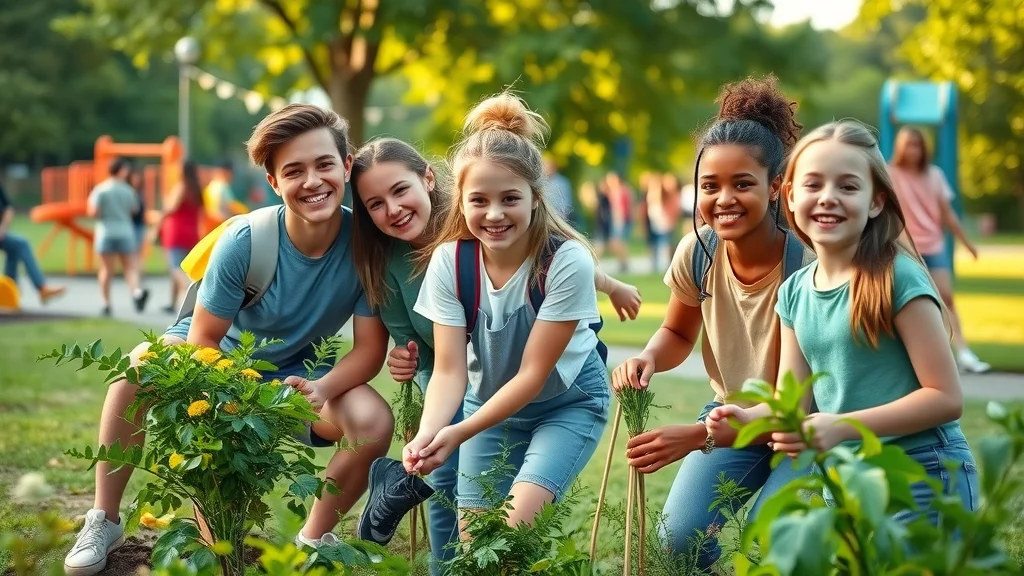
Unlocking Potential: Why Teen Volunteering Opportunities Matter
The value of teen volunteering opportunities extends far beyond simply filling community service hours for school or college. In fact, nearly 50% of teenagers who start as youth volunteers continue to volunteer into adulthood, developing valuable life skills that last a lifetime. For troubled teens in particular, volunteer opportunities can act as a crucial bridge—connecting them back to their local community, giving them purpose, and fostering relationships with others who believe in making a difference together.
Young people who engage in volunteer initiatives experience a unique combination of benefits that few other activities can offer. Whether they're working on a service project like a beach cleanup, mentoring a younger student, or participating in a Red Cross event, the experiences build real confidence, foster emotional resilience, and help teens find ways to explore new interests. As a supplementary bonus, these volunteer positions frequently lead to stronger academic records and more meaningful college or scholarship applications.
- Surprising statistics on teen volunteer rates
- The unique impacts of youth volunteer initiatives
What You'll Learn About Teen Volunteering Opportunities
By reading this article, you'll gain a deeper understanding of how teen volunteer experiences propel both personal and academic growth. We'll highlight how high school student volunteers develop valuable life and interpersonal skills, uncover the ways volunteer hours prepare youth for bright futures, and share proven steps to find ways to give back through rewarding roles.
- How teen volunteer experiences drive personal and academic growth
- Ways volunteer opportunities prepare high school students for the future
- Best practices to find and apply for rewarding youth volunteer roles
Exploring the Range of Teen Volunteering Opportunities
The spectrum of teen volunteering opportunities is wide and welcoming. From helping at neighborhood events to signing up for national causes like the American Red Cross, there's a fit for every interest and schedule. Exploring options ensures that every teen, regardless of personal history or background, can find a purposeful match and make a difference in the lives of others.
Choosing the right place to volunteer starts with understanding what inspires you. Whether it's working with animals, aiding with environmental projects, or offering homework help to a younger student, high school students can discover countless ways to give back.
As you consider the many ways teens can get involved, it's helpful to explore practical strategies for supporting their journey. For parents seeking actionable ideas, our guide on stress management tips for parents of teenagers offers valuable insights to help families encourage positive engagement and resilience during challenging times.
Volunteer Opportunities for High School Students: Where to Start

If you're a high schooler eager to jump into volunteering, your journey can begin right in your own neighborhood. Local community centers often host programs designed for youth volunteers, letting you engage in activities that meet real needs while helping you develop valuable life skills. These centers regularly collaborate with schools, faith-based organizations, and nonprofit agencies, allowing teens from all backgrounds—including those facing personal or academic struggles—to participate.
Online directories such as VolunteerMatch or Youth.Gov also make it easy to explore a diversity of volunteer opportunities from the safety and comfort of home. These resources categorize service projects by interest, time commitment, and location, so you can find opportunities to give back even if your schedule is packed or you need more flexible options. Don't forget to reach out to your high school's guidance counselor or student activities office; many offer specialized programs and partnerships for high school volunteers looking to make a positive impact.
- Local community centers
- Online service project directories
- School-affiliated programs
Summer Programs and Year-Round Youth Volunteer Options
The summer isn't just a break from school—it's the perfect time to join a summer program that's all about giving back. With extra free time, high schoolers can dive into more immersive service hours, like helping out at day camps for children, planting community gardens, or running literacy projects for younger students. Many national organizations, including the American Red Cross and Habitat for Humanity, offer summer-only programs aimed at teens seeking to make lasting friendships and meaningful difference during their vacation.
Year-round opportunities are just as important and accessible. Continuous involvement in ongoing service projects—such as tutoring, fundraising, or organizing food drives—ensures that you keep building life skills, confidence, and connections with others. Whether it's lending a hand in your local food pantry during winter or volunteering at a charity walk in the fall, these activities let you weave meaningful service into your everyday life and create powerful, positive impact.
- Seasonal volunteer opportunities
- Ongoing service projects
Top Benefits of Teen Volunteering Opportunities for Troubled Teens
For troubled teens, stepping into a volunteer role can be a fresh start—a safe environment to develop valuable life skills, gain perspective, and reclaim a sense of purpose that challenges the stigma sometimes associated with their struggles. Youth volunteer opportunities provide the chance to reset personal narratives, learn resilience, and foster mental health through real-world connections. Programs designed for teens facing hardship are often structured with extra adult support, helping youth volunteers transform obstacles into opportunities for growth.
These experiences make a difference—not only for the community or younger student recipients, but for the teens themselves. Research consistently shows that volunteer service boosts self-worth, reduces feelings of isolation, and lays a foundation for a more confident and empowered young adulthood.
Building Self-Esteem and Social Skills Through Volunteer Opportunities
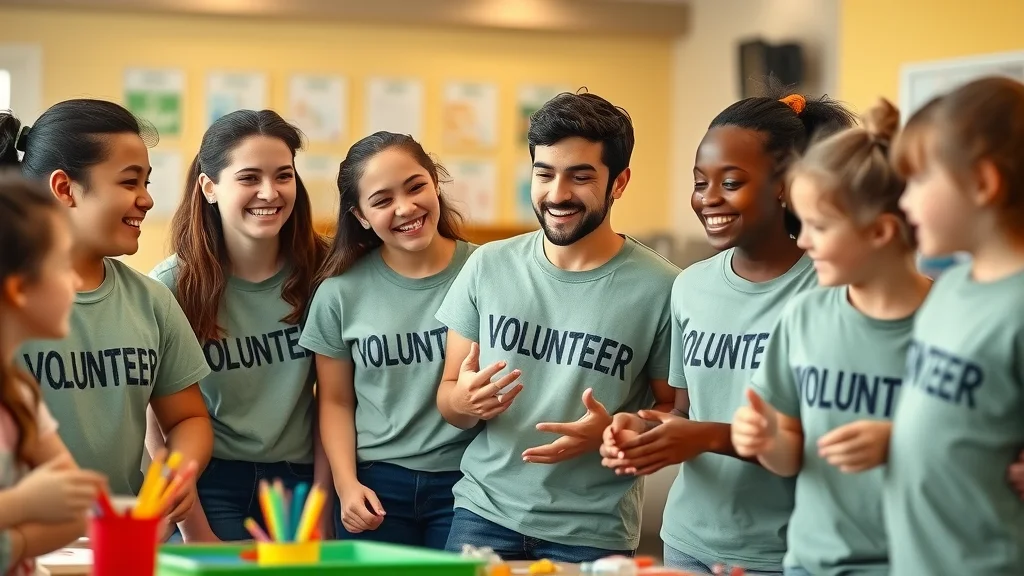
Volunteering is a powerful remedy for social anxiety and low self-esteem, particularly among troubled youth. Working as a teen volunteer provides a setting where teens can safely practice social interactions, gain communication skills, and receive positive feedback. Emotional well-being noticeably improves when teens have the chance to work on team-based service projects, encourage peers, and experience the joy of meeting new people who share their values.
Many organizations now offer mentorship programs that pair teens with younger students, further enhancing empathy and leadership traits. The visible results—ranging from boosted confidence to reduced stress—create a cycle of self-motivation, reinforcing each step a teen takes to give back and grow. In these roles, youth volunteers learn to navigate challenges, resolve conflicts peacefully, and form healthy, supportive friendships that can last far beyond the volunteer experience.
- Emotional well-being improvements
- Boosted confidence
Academic and Career Advantages of Teen Volunteer Engagement
Participating in volunteer activities as a teen isn't just about making a positive impact—it's also an impressive way to build up a strong resume for college or future jobs. Admission officers and employers look for young people who take initiative, show compassion, and have the grit to see challenging projects through. Documented service hours on your resume or application highlight your commitment and willingness to give back to your community, which is especially important for high school students interested in scholarships or competitive programs.
Consistent volunteer experience also results in standout recommendation letters from program directors, teachers, or community leaders. These endorsements do more than validate your hours—they demonstrate maturity, teamwork, and real-world problem-solving ability, all of which open doors for future success. Troubled teens who become youth volunteers often find that their dedication to helping others becomes a powerful talking point during interviews, personal statements, and scholarship applications.
- Resume-building through service projects
- Recommendation and scholarship potential
How to Give Back: Connecting Troubled Teens with Volunteer Opportunities
Bridging the gap between wanting to give back and actually stepping into a volunteer role starts with knowing where to turn. Many schools now offer specialized high school programs for students who need extra support, ensuring that every teen—no matter their starting point—can find a welcoming spot to contribute. In addition, partnering with community groups or established organizations like the American Red Cross or Boys & Girls Clubs gives troubled teens a reliable and safe space to learn, grow, and make a difference.
Service projects can be customized to meet individual needs, strengths, and interests—from environmental clean-ups to peer mentoring. Often, educators will highlight successful case studies where youth volunteers turned their lives around by joining projects that matched their goals and personalities, underscoring the universal truth: everyone can have a fresh start through the act of giving back.
Youth Volunteer Pathways: High School Programs and Service Project Ideas

Some of the most successful youth volunteer pathways start with a simple idea—helping a younger student with homework, joining a recycling campaign, or co-leading an after-school art club. High school programs frequently partner with local leaders to offer projects that make a visible difference, both for the community and for the teen volunteers themselves. Peer mentoring, for example, not only supports struggling kids but also instills a sense of accomplishment and belonging in the teens who participate.
Real-world examples, or case studies, help teens see the tangible rewards volunteering can bring. From leading a successful food drive to assisting in neighborhood beautification efforts, youth volunteers learn valuable lessons about responsibility, leadership, and collaboration. Many of these experiences also double as requirements for graduation, further aligning meaningful service with personal and academic achievement.
- Service project case studies
- Peer mentoring for younger students
- Partnership with community organizations
Case Study Table: Transformative Teen Volunteer Experiences
| Teen Volunteer Role | Type of Service Project | Noteworthy Outcomes |
|---|---|---|
| Animal Shelter Helper | Caring for rescued pets; promoting adoption events | Developed empathy, improved mental health, gained teamwork experience |
| High School Community Clean-Up Leader | Coordinated local park and street clean-up activities | Built organizational skills, earned community service hours, boosted local pride |
| Summer Reading Program Volunteer | Reading mentor for younger students at local library | Increased literacy rates, developed leadership, became a role model |
Expert Insights: Quotes on Teen Volunteering Opportunities
"Teens who embrace volunteer opportunities show marked improvements in empathy and social responsibility." – Dr. Michelle Han, Youth Development Specialist
"High school volunteer projects are powerful tools for transformation among troubled youth." – Amanda Lee, Community Program Director
Lists: Best Teen Volunteering Opportunities by Interest and Need

- Environmental conservation service projects
- Tutoring and mentoring younger students
- Food bank and shelter volunteering
- Fundraising and youth advocacy
- Arts, music, and creative summer programs
People Also Ask: Teen Volunteering Opportunities
Watch: Animated explainer & real-life montageWhat are the top benefits of teen volunteering opportunities for high school students?
Teen volunteering delivers personal growth, real-world life skills, and increased self-confidence, all while helping communities thrive. High school students involved in these volunteer opportunities consistently build positive relationships, boost academic potential, and become more resilient in facing life's challenges. Volunteering also improves mental health through connection and purpose.
How can troubled teens find volunteer opportunities in their community?
Troubled teens can start their search for youth volunteer roles by talking to school counselors, reaching out to local community centers, or browsing online directories tailored for teens. Many organizations, such as the American Red Cross and Boys & Girls Clubs, offer structured ways to give back in a supportive, supervised setting. Involving a trusted adult for guidance can also help identify the best fit based on the teen's strengths and interests.
Are there teen volunteer programs specifically designed for the summer?
Yes, many nonprofits and community groups run summer programs tailored for high school and middle school students. These range from leadership camps and environmental projects to reading buddies and arts workshops. Summer-focused programs let teens immerse themselves in longer-term projects, build deeper friendships, and accumulate service hours at a crucial time.
Can volunteering help teens with college applications and scholarships?
Absolutely! Consistent and impactful volunteer service stands out on college and scholarship applications. Admissions teams look for applicants with a record of giving back, leadership, and teamwork. Strong references from volunteer program supervisors can also tip the scale in a student's favor and open new educational opportunities.
Frequently Asked Questions About Teen Volunteering Opportunities
- Are there age restrictions for high school volunteer projects?
- What support is available for youth volunteers facing challenges?
- How do parents encourage troubled teens to participate?
- Can a service project count towards graduation or community service hours?
Key Takeaways: Empowerment Through Teen Volunteering Opportunities
- Teen volunteering opportunities support personal growth
- Service projects open academic and social pathways
- Every teen can benefit from giving back regardless of background
Ready to Find the Perfect Teen Volunteering Opportunity?
- Browse our curated directory of local and remote teen volunteering opportunities
- Download our comprehensive guide for parents and teens today
Take the first step—explore teen volunteering opportunities today and uncover a journey of growth, connection, and impact that lasts a lifetime.
Volunteering is just one of many ways families and teens can foster resilience and positive change. If you’re interested in exploring broader strategies for supporting your teen’s well-being, especially during challenging periods, consider learning more about holistic approaches to family stress and communication. Our resource on stress management for parents of teenagers provides practical advice and next-level insights to help you create a supportive environment at home. By combining purposeful volunteering with mindful parenting, you can empower your teen to thrive both in their community and within your family. Take the next step toward a more connected and resilient future together.




Write A Comment