



Did you know that nearly 1 in 5 teenagers in the United States experiences a mental health disorder each year? Yet, a majority never seek traditional talk therapy. For young people who struggle to put pain into words or feel overwhelmed in conventional counseling, music as therapy for teens is emerging as a transformative, accessible, and deeply personal healing outlet. This article will uncover the science, stories, and concrete ways that music can lift spirits, create connection, and support real adolescent mental health. If you’re ready to discover how the power of music is reshaping mental health care for teens, read on.

A Startling Look at Music as Therapy for Teens: Why It Matters Now
The mental health crisis among today’s teenagers demands immediate attention and bold solutions. Mounting academic pressure, pervasive social media, and post-pandemic challenges have resulted in rising rates of anxiety, depression, and loneliness among young people. Too often, traditional therapy doesn’t feel relatable or accessible for teens. That’s where music therapy offers not just hope, but a practical bridge—tapping into an activity many teens already engage in daily. Experts and music therapists agree: listening to and creating music in a structured, therapeutic process can unlock powerful emotional expression, regulate overwhelming feelings, and boost self-esteem. As adolescent development becomes more complex, music therapy and similar approaches are stepping forward as innovative, evidence-backed solutions, designed to meet teens exactly where they are.
For parents, educators, and counselors searching for tools that resonate, music as therapy is gaining traction as both a preventive and supportive measure for adolescent mental health. Instead of requiring teens to sit on a couch and share their feelings verbally, music therapy redefines the “therapy session,” giving teens permission to utilize music—whether it’s writing lyrics, drumming, or simply listening—to explore and manage their emotions. The benefits of music for mental health aren’t just theory: research and personal stories are proving that music can heal, connect, and transform lives more than ever before.
Music Therapy and Adolescent Mental Health: The Converging Crisis
Music therapy responds to a growing reality: many teens face mental health challenges, but struggle to engage in talk therapy. According to the CDC, nearly 20% of adolescents suffer significant emotional distress each year, and suicide remains a leading cause of death among youth in the United States. Cultural stigma, fear of judgment, and discomfort with traditional counseling often keep troubled teens from seeking help. Clinical research now shows that music therapy offers a relatable, nonjudgmental alternative, allowing teens to process trauma and manage stress through familiar activities such as listening, songwriting, or even exploring rock music and other favorite genres.
"Nearly 1 in 5 teenagers experience a mental health disorder each year, yet many never seek traditional therapy. Can music bridge the gap?"

What You'll Learn About Music as Therapy for Teens
The foundations of music therapy for adolescent mental health
How music listening benefits struggling teens
Real-world impacts of music therapy on mental health
Actionable strategies to incorporate music as therapy for teens
Understanding Music Therapy: A Lifeline for Troubled Teens
What is Music Therapy and How Does It Work?
Music therapy is a specialized form of treatment that uses musical activities—such as listening, playing musical instruments, writing songs, and group performance—to promote wellness and support mental health. In a typical music therapy session, a credentialed music therapist collaborates with teens to select techniques that align with their emotional needs and musical preferences. Unlike practicing a musical skill with the aim to perform, music as therapy focuses on process rather than outcome, making it especially supportive for adolescents wrestling with anxiety, trauma, or self-esteem issues.
Music therapists emphasize the formation of a strong therapeutic relationship. Teens who are hesitant to express themselves verbally may find it easier to convey emotions through rhythm, melody, or even curated playlists. Whether engaging in drumming circles, improvising with rock music, or simply making music in a group setting, the activity becomes a safe space for emotional expression and healing. As more young people turn to music for comfort, integrating music as therapy for teens into mental health care is rapidly becoming a best practice in adolescent support.

Music Therapy and Mental Health: Why It's Gaining Momentum
Music therapy’s momentum in adolescent mental health care can be traced to both scientific validation and its inherent accessibility. Unlike other forms of therapy that may carry social stigma or financial barriers, music therapy invites teens to utilize music—something already central to their lives—as a vehicle for healing. Institutions and therapy programs worldwide, including many in the United States, are recognizing that music therapy effectively complements (and sometimes surpasses) the benefits of conventional talk therapy for many youths.
Music Therapy Technique |
Benefit for Teens |
|---|---|
Guided Music Listening |
Emotional regulation |
Creating Music |
Self-expression |
Group Therapy Sessions |
Social connection |
This versatility and personal connection explain why music therapy programs are seeing higher participation rates, shorter waiting lists, and more positive outcomes in treating adolescent anxiety, depression, and trauma. Whether in individual or group therapy sessions, music helps young people access parts of themselves that may remain out of reach in more conventional therapy environments.
The Science Behind Music as Therapy for Teens
How Music Affects Adolescent Mental Health
The connection between music and mental health in adolescents is more than anecdotal—it's biological. When teens listen to music, especially songs with meaningful lyrics or rhythms that match their mood, their brains release dopamine and other neurochemicals linked to pleasure and stress relief. Scientific studies reveal that music listening can activate multiple brain regions related to memory, emotion, and even adolescent development, providing a holistic approach to healing.
Young people in the United States and globally are increasingly exposed to stressors—be it academic, social, or personal. Music as therapy for teens has been shown to improve self-esteem, boost mood, and provide stress relief, serving as a vital complement or pathway into traditional therapy programs. Whether it’s guided listening, songwriting, or improvisational performance, each type of therapy creates unique opportunities for emotional expression, helping adolescents navigate their internal world when words alone aren't enough.
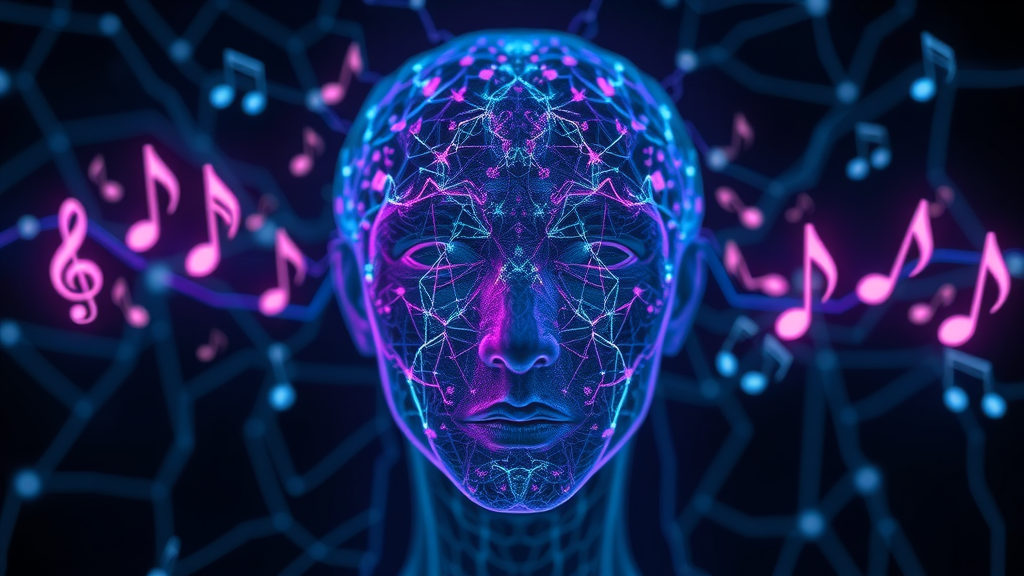
Neurological Impacts: Why Music Calms the Mind
From a neurological standpoint, music therapy works by influencing the brain's limbic system, which governs emotions and plays a crucial role during adolescent development. Engaging in or listening to music can reduce cortisol levels—the body’s primary stress hormone—resulting in measurable reductions in anxiety and improved mood. Because the teenage brain is uniquely responsive to rewards, the euphoric response to music can be particularly powerful during adolescence.
Moreover, music therapy can stimulate neuroplasticity—helping the brain forge new pathways for coping, resilience, and positive thinking. This is a key advantage over exclusively verbal therapy: music creates an immersive environment, supporting teens who may otherwise struggle with emotional regulation. By integrating rock music or even classical and contemporary genres into therapy sessions, music therapists tailor interventions to each teen’s preferences, maximizing the therapeutic process and enhancing emotional well-being.
Music Listening and Adolescent Mental Recovery
Music listening is a central component of most music therapy programs and is a simple yet effective tool for supporting adolescent mental recovery. Whether teens listen to music alone with headphones or share playlists in group therapy, this practice fosters self-reflection, encourages emotional release, and promotes a sense of agency over their own healing journey. For some, a favorite song or album becomes a “lifeline” during difficult times.
The therapeutic benefits of music listening are not limited to relaxation; they also encompass empowerment and identity building. As teens select and share music that resonates with their experiences, they cultivate a sense of belonging, even in the absence of words. This empowers young people to navigate mental health challenges and build resilience, laying the groundwork for future research on innovative, accessible interventions in adolescent mental health care.
Personal Perspectives: Music Therapy in Real Teenage Lives
"Music was the only thing I could turn to when words failed me." – Former troubled teen.
Case Study: Overcoming Depression Through Music
Meet Alex, a 16-year-old who battled depression for over a year. After months of struggling with low mood and a reluctance to participate in traditional therapy, Alex’s counselor suggested a music therapy program—focusing on songwriting and lyric analysis. Through a series of therapy sessions, Alex began writing lyrics that captured emotions too difficult to articulate. Over time, music became both mirror and medicine, helping Alex gradually reclaim confidence and joy.
Alex’s experience is echoed in countless therapy programs nationwide. Teens who might never speak up in talk therapy find their voice in music, whether writing lyrics, playing musical instruments, or just listening together in a supportive group. The therapeutic relationship with a music therapist often feels less intimidating than that with a counselor, fostering trust and accelerating the healing process. For Alex and many others, music as therapy for teens made all the difference—proving the real-world, life-changing benefits of music for adolescent mental health.

Watch as real teens open up about their journeys—describing moments when listening to music, participating in group drumming, or even joining a rock music ensemble helped them through anxiety, grief, and overwhelming stress. Their testimony highlights how music therapy is more than a clinical tool; it’s an empowering experience, uniquely tailored for today’s adolescents.
Benefits of Music as Therapy for Teens
Top Benefits of Music for Emotional Well-being
The emotional benefits of music for teens extend far beyond momentary distraction or enjoyment. Clinical studies, therapist reviews, and youth testimonials all converge on several key benefits of music as a tool for emotional recovery and growth. Here are four of the most impactful outcomes:
Improved mood and stress relief
Enhanced self-identity
Reduction in anxiety
Support for coping with trauma
Research confirms that teens who participate in music therapy or structured music listening experience lower rates of depression and anxiety, and are better equipped to manage academic and social pressures. The power of music is amplified in therapeutic contexts—its rhythms, melodies, and lyrics serving as catalysts for healing and connection among young people.

Music Therapy vs. Traditional Counseling for Adolescents
When it comes to supporting adolescent mental health, there’s no one-size-fits-all solution—but music therapy offers a set of unique advantages. Unlike traditional counseling or talk therapy, which depend heavily on verbal communication, music therapy is accessible to teens from all backgrounds, including those who struggle to speak openly. Here’s a comparative look:
Approach |
Pros |
Cons |
|---|---|---|
Music Therapy |
Nonverbal, highly engaging |
May not suit all teens |
Traditional Counseling |
Proven, widely available |
Teens may withdraw |
While both programs are proven, many music therapists note that incorporating music—especially genres teens love such as rock music or hip-hop—offers a flexible, engaging path for those who might otherwise withdraw from treatment. Used together, traditional and music therapy can form a holistic, deeply supportive network for every teen’s unique journey.
Quotes from Music Therapists on Adolescent Mental Health
Professionals across therapy programs agree—music plays an essential role in helping adolescents discover healing and self-expression:
"Music helps open the door to inner dialogue for teens who shut out the world." – Licensed Music Therapist

Best Practices: How to Integrate Music as Therapy for Teens
Building Healthy Music Listening Habits
One of the simplest ways to introduce music as therapy for teens is to encourage healthy, mindful music listening habits. Rather than listening passively, teens can be guided to notice how different types of music make them feel—helping them regulate moods, identify triggers, and redirect negative thoughts. Tools such as daily journaling about favorite songs, creating playlists that respond to shifting emotions, or even scheduling quiet moments for music reflection can become powerful rituals for emotional wellness.
Parents and teachers can play a role by showing curiosity about their teens’ music choices, asking questions about lyrics, and encouraging open conversation around music’s impact on mood. Collaborating with a music therapist can optimize these benefits further, making the therapeutic process both structured and deeply personal for each young person.
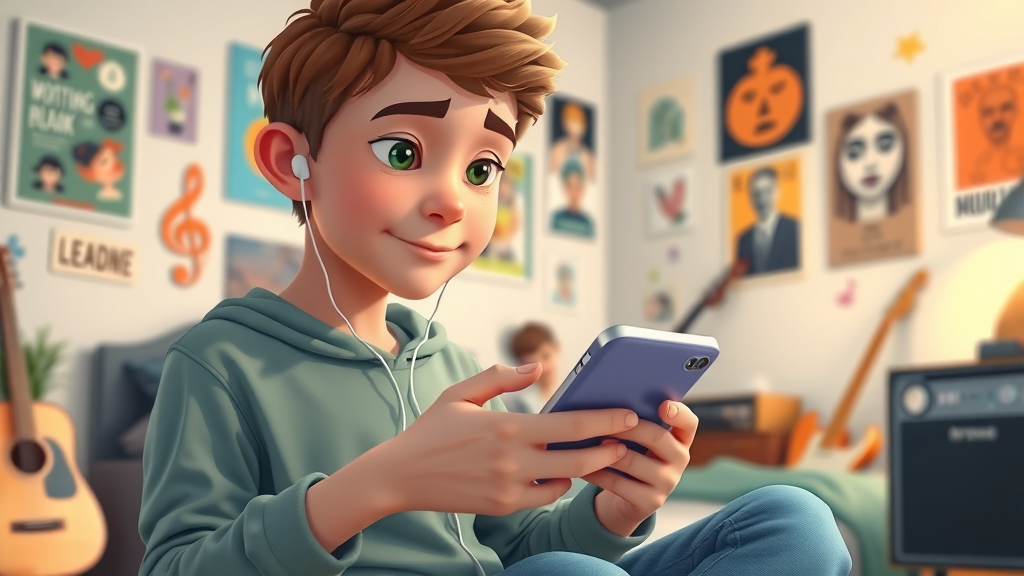
Collaborating with Music Therapists for Adolescent Mental Health
Schools and community programs are increasingly recognizing the value of professional collaboration in supporting adolescent mental health. Music therapists, counselors, and teachers can work together to develop inclusive therapy programs—ensuring access for at-risk youth and maximizing outcomes through tailored interventions.
A collaborative approach might include school-based music therapy sessions, afterschool group drumming, or even partnerships with local music studios. By normalizing music as a tool for healing and inviting all teens—regardless of musical skill—to join, communities can break stigma, promote social connection, and help young people thrive in every area of their lives.

Using Rock Music and Other Genres Effectively in Music Therapy
A key advantage of music therapy is its flexibility—practitioners can utilize music that mirrors teens’ tastes and backgrounds. While some therapy sessions may highlight calm, instrumental tracks for relaxation, others leverage the raw energy of rock music, hip-hop, or pop to spark emotional release or articulate difficult experiences. Music therapists stress that engagement—not musical skill—is the goal: if a teen loves rap or alternative, those genres can form the cornerstone of their healing journey.
Certified therapists guide teens through discussions and activities that deepen the meaning of lyrics, rhythms, and melodies, helping them reframe memories, process trauma, and experiment with healthy self-expression. As future research continues to explore the neurobiological benefits of different genres, music therapy remains a dynamic, evolving field, adapting to the changing needs and preferences of adolescent mental health.

People Also Ask About Music as Therapy for Teens
How does music therapy benefit troubled teens?
Music as therapy for teens provides emotional expression, reduces anxiety, and creates a safe outlet for sharing feelings that are difficult to put into words. For many adolescents, the nonverbal nature of music therapy breaks barriers to communication and establishes a sense of comfort and trust essential for effective treatment.
Can music therapy replace conventional therapy in adolescent mental health care?
While music therapy is highly beneficial, it is most effective when used alongside conventional mental health treatments for comprehensive care. Music therapy complements traditional interventions, offering another path to healing, especially for those who struggle with direct or verbal interaction.
FAQs: Your Top Questions on Music as Therapy for Teens
What age group benefits most from music therapy?
Music therapy can benefit all age groups, but it is especially helpful for middle and high school students navigating adolescent development, identity, and emotional regulation.Are there risks in using music as therapy for teens?
When guided by a trained professional, music therapy is safe and highly beneficial. Minor risks can include triggering memories with certain songs, but therapists are skilled at assessing and guiding healthy music choices.Can any teen access music therapy programs?
Many schools, community centers, and mental health clinics now offer music therapy programs for teens. Access can vary by location, so check your official website or local mental health provider.How do parents support teens in music therapy?
Parents can engage by showing interest in their teen's musical preferences, encouraging participation in music therapy, and providing opportunities for music listening or lessons at home.
Key Takeaways: Music as Therapy for Teens
Music as therapy for teens plays a crucial role in adolescent mental health.
Music therapy is a relatable, accessible, and effective tool for emotional healing.
Combining music therapy and traditional counseling offers the most holistic support.
Conclusion: Why Music as Therapy for Teens Should be Embraced
Rethinking Adolescent Mental Health Care Through the Lens of Music
Music as therapy for teens redefines mental health support—bridging gaps that traditional therapy alone cannot cross. By embracing music as both art and medicine, families, schools, and professionals can empower a new generation to heal, thrive, and connect.

Take Action: Encourage Teens to Access Music as Therapy Today
The time to act is now. Whether you’re a parent, educator, or teen, explore the power of music as therapy—ask about programs in your area, connect with a music therapist, or simply make music part of your healing journey today.




Write A Comment