


Add Row
Add Element
cropper
update

Troubled Teen Solutions

update
Add Element
  • Home
  • Categories
    • Understanding Teens
    • Parenting Strategies
    • Mental & Emotional Health
    • Family Relationships
    • Education Challenges
    • Risky Behaviors
    • Online Habits
    • Healthy Outlets
    • Parent Support
    • Professional Resources
  • Raising Kids Well
Add Element
UPDATE
January 01.2026
1 Minute Read

10 Common Challenges in Teen Behavior Management (and How to Handle Them)

Did you know that nearly 70% of parents report facing significant behavioral challenges with their teenagers each year? This staggering number highlights just how common and complex challenges in teen behavior management are for families everywhere. As teens navigate emotional highs and lows, peer pressure, and the mounting stress of school and digital life, parents are often left wondering what’s typical and what’s a red flag that demands attention. Understanding and managing behavioral issues during the teenage years calls for expert insight, empathy, and the right strategies. This comprehensive guide gives you the tools to find clarity and confidence in addressing problem behaviors—while building a stronger relationship with your teen.

A Surprising Reality: Statistics Behind Challenges in Teen Behavior Management

"Recent studies reveal that nearly 70% of parents report facing significant behavioral challenges with their teenagers each year."

Modern diverse family discussing challenges in teen behavior management in a cozy living room, teens and parents showing concern and compassion, schoolwork and smartphones visible, tension in the air.

Understanding the scope of teen behavior issues is critical for effective management at home and in schools. National surveys not only confirm the prevalence of issues like mood swings, rebellion, and digital distractions, but also demonstrate the sheer scale, showing that behavioral challenges are becoming increasingly complex. Beyond the numbers, these statistics provide context—illuminating how warning signs and red flags in teen behavior emerge across diverse backgrounds.

When so many parents face similar struggles, it reassures us that addressing these behavioral challenges is not just a family issue but a widespread phenomenon tied to adolescent development. By understanding the data, parents and educators can more confidently implement management strategies that lead to positive behavioral changes.

What You’ll Learn About Challenges in Teen Behavior Management

  • The most prevalent behavioral challenges in teens
  • How to recognize red flags and warning signs
  • Effective strategies to manage core teen behavior issues
  • The impact of mental health and adolescent development on behavior
  • Actionable steps for fostering positive behavior and communication

Understanding the Foundations: Typical Teen Behavior vs. Behavioral Challenges

Defining Challenges in Teen Behavior Management

Teens at school counselor office discussing behavioral challenges, thoughtful expressions, and supportive adult present, highlighting the core of teen behavior management.

Teen behavior changes during adolescence are a normal part of growing up. However, not every outburst or withdrawn moment is cause for concern. Challenges in teen behavior management arise when patterns go beyond typical irritability or privacy-seeking to include persistent defiance, aggression, or withdrawal. These behavioral challenges demand closer observation and, at times, intervention.

Understanding how to define and respond to these behavioral issues is central to effective behavior management. A problem behavior may surface as repeated boundary testing, substance use, or a dramatic drop in academic motivation—not just occasional mood swings or disagreements. Parents and educators need to recognize when teenage behavior moves from normal development to a level of concern requiring a plan or professional help.

Differentiating Typical Teen Behavior from Problem Behavior and Red Flags

During the teenage years, it’s common for young adults to crave independence, take risks, and challenge authority—a hallmark of typical teen behavior. But differentiating that from red flags such as frequent isolation, intense anger, or evidence of substance abuse is key. Warning signs of behavioral issues may include sudden grade drops, self-harm, loss of interest in once-loved activities, or aggressive acts out of proportion to the situation.

To help a child learn how to manage these transitions, parents must pay attention to consistency, severity, and duration of behaviors. Isolated incidents are often less concerning than patterns indicating deeper mental health issues or emotional distress. Ultimately, behavioral challenges in teens require both sensitivity and vigilance to ensure positive development.

Table: Common Challenges in Teen Behavior Management at a Glance

Challenge Red Flags Suggested Solutions
Mood Swings & Emotional Outbursts Persistent irritability, withdrawal, or extreme reactions Empathy, open communication, monitor for mental health issues
Rebellion & Defiance Ongoing rule-breaking, hostility, lying Set clear expectations, positive reinforcement, consistent consequences
Excessive Screen Time & Social Media Isolation, drop in grades, online secrecy Set limits, encourage offline activities, foster digital literacy
Peer Pressure & Risk-Taking Sneaking out, substance use, sudden new risky behaviors Build trust, role-play scenarios, discuss real-life consequences
Academic Stress & School Issues Severe anxiety, refusal to attend school, cheating Provide organizational tools, emotional support, collaborate with educators
Withdrawal & Social Isolation Chronic loneliness, avoiding all social contact, hopelessness Encourage social skills, connect with counselors, support group activities
Substance Use & Experimentation Sudden secrecy, physical changes, new friends Early, honest discussions, monitor behavior, seek professional help if needed
Lack of Motivation & Apathy Consistent disinterest, neglecting responsibilities, grades drop Set attainable goals, praise effort, discover new passions together
Anger Management & Outbursts Frequent explosive anger, aggression, destruction of property Teach coping skills, create calm-down routines, address triggers
Boundary-Setting Problems Pushing limits, refusing all rules, unsafe behaviors Consistent routines, clear consequences, family meetings

Challenge 1: Navigating Mood Swings and Emotional Outbursts in Teen Behavior

Behavioral Challenges or Signs of Deeper Mental Health Issues?

It’s natural for young adults to experience mood swings as their brains and bodies change, but when emotional volatility becomes intense or unmanageable, it could indicate underlying mental health issues. While some shifts in mood are a part of typical teen behavior, chronic irritability, sadness, or extreme emotional outbursts may signal deeper behavioral challenges.

Parents should watch for persistent symptoms that don’t resolve on their own: frequent crying, loss of appetite, or ongoing withdrawal from family and friends. In these situations, it’s a good idea to foster open communication and, if necessary, consult a counselor. Early intervention is vital because behavioral issues tied to mental health can escalate quickly during the teenage years if ignored.

Warning Signs to Watch: When Moodiness Is a Red Flag

Teenager showing signs of mood swings and emotional outbursts, sitting alone on bed, stressed with scattered belongings, linked to behavioral challenges.

Watch for shifts in your teen’s behavior that go beyond ordinary growing pains. Warning signs include frequent emotional shutdowns, disproportionate anger, or risky reactions to small setbacks. If these symptoms are accompanied by self-harm, substance abuse, or threats of running away, treat them as urgent red flags. Behavioral challenges that impact daily functioning signal a need for professional support and increased parental involvement.

By paying close attention to these warning signs, parents can catch emerging behavioral issues early—offering the best chance to help their teen learn to manage emotions, build resilience, and return to a path of positive behavior and healthy adolescent development.

Challenge 2: Addressing Rebellion and Defiant Behavior in Teenagers

Red Flags of Defiance: Problem Behavior or Typical Teenage Development?

Defiance and rule-testing are common in the teenage years, but it’s crucial to distinguish between healthy boundary-pushing and truly problematic behavior. Occasional arguments and minor rule violations are to be expected. However, persistent hostility, disregard for all authority, and repeated deception could indicate behavioral issues that require deeper attention.

Parents should watch for red flags like threats, property damage, and refusal to engage in any family activity. These behaviors, when consistent, shift from being a typical part of adolescent development to signs of underlying behavioral challenges. Being proactive and observant helps catch these shifts early so timely management strategies can be put in place.

Effective Strategies for Positive Behavior During Adolescence

Supporting positive behavior during adolescence is possible through clear rules, regular family meetings, and establishing consequences that are fair and logical. A consistent routine provides structure while allowing teens autonomy in safe spaces helps them learn to manage new freedoms responsibly.

Building trust by acknowledging good choices, practicing open communication, and modeling respect encourages teens to respond similarly. When parents and teens collaborate to create boundaries and expectations, it fosters an environment where positive behaviors can thrive, even as young people test limits.

Challenge 3: Screen Time, Social Media, and Digital Behavior Issues

Teen girl using smartphone at night, visibly anxious, highlighting screen time and digital behavior issues central to teen behavior management.

Mental Health and Screen Time: What Are the Links?

Excessive screen time and digital engagement are top behavioral challenges for today’s teens. Research links heavy usage to sleep issues, anxiety, and declining academic performance—signals that can be overlooked as part of typical teenage behavior. Parents should pay special attention to warning signs like secretive online activity, neglect of offline hobbies, and increased irritability when devices are restricted.

The impact of screens on mental health is profound. Overuse can intensify feelings of isolation and lead to new behavioral issues. Addressing these challenges means recognizing how intertwined technology use is with emotional well-being. Informed management strategies are essential for helping teens learn to use digital technology responsibly.

Balancing Good Behavior and Healthy Digital Habits

Creating a home environment that encourages good behavior includes setting clear digital boundaries. Establish device-free times, such as family meals or before bed, to help teens reconnect offline. Parents modeling positive digital behavior and encouraging open talks about online risks can empower young adults to self-regulate and seek balance.

A good idea is to co-create a family media plan, making teens part of the rule-setting process. This supports buy-in and personal responsibility for screen time management—laying a foundation for healthy habits and preventing future behavioral issues.

Challenge 4: Navigating Peer Pressure and Risk-Taking Behavior Issues

Peer Influence: Red Flags and Warning Signs of Problem Behavior

Group of teens outdoors navigating peer pressure, showing body language that hints at adolescent risk-taking and peer influence, crucial in teen behavior management.

Peer influence is at its peak during adolescent development. While some social pressure is expected, parents must pay attention when teens start engaging in risky or uncharacteristic behavior. Red flags include drastic changes in friend groups, sneaky behavior, substance use, and sudden defiance.

Recognizing these warning signs early allows for preventive interventions. At this stage, maintaining honest, nonjudgmental communication can help teens feel safe sharing temptations or experiences without fear of punishment—crucial for heading off more serious behavioral issues.

Supporting Positive Behaviors and Adolescent Development

Promoting positive behaviors means talking candidly about peer influence, practicing refusal skills, and helping teens weigh the long-term consequences of risky actions. Encourage participation in supervised group activities where your child learns social skills in a safe environment.

Create routines for family check-ins to talk about daily life, stresses, and victories—building resilience against negative peer pressure and reinforcing good decision-making during the teen years.

Watch a quick guide with dramatic examples and expert advice on how to spot the first warning signs and red flags of behavioral issues in teenagers. This video will help parents and caregivers recognize the moments when ordinary misbehavior crosses into territory that could be harmful—and when intervention or professional guidance may be needed.

Challenge 5: Managing Academic Stress and School-Related Behavioral Challenges

Is School Stress a Mental Health Issue or Typical Teen Behavior?

Teen boy experiencing academic stress at home, visibly challenged by homework and school-related behavioral issues.

Academic expectations are rising, and more teens are struggling to manage the pressure. While temporary stress before tests is typical, persistent anxiety, school avoidance, or a sharp academic decline suggests greater behavioral challenges. Parents should pay attention to how stress manifests—whether as headaches, irritability, or avoidance—because these can signal underlying mental health issues.

Teens dealing with behavior issues related to school may also experience sleep disturbances, burnout, or withdrawal from previously enjoyed subjects or activities. Recognize that academic performance is closely tied to emotional and mental health, so supporting well-being must be a priority.

Setting Up for Success: Encouraging Positive, Good Behavior at Home and School

Help your teen learn to manage stress with routines that include breaks, physical activity, and organizational skills. Create a homework-friendly environment and set reasonable expectations based on individual strengths—not just grades.

Celebrate effort over outcome, and encourage involvement in both academic and nonacademic activities that boost self-esteem. Parents and schools acting as allies—rather than sources of pressure—help foster positive behaviors critical for handling academic challenges.

Challenge 6: Addressing Withdrawal and Social Isolation as Behavioral Issues

Red Flags of Isolation: Distinguishing Between Temporary and Persistent Challenges
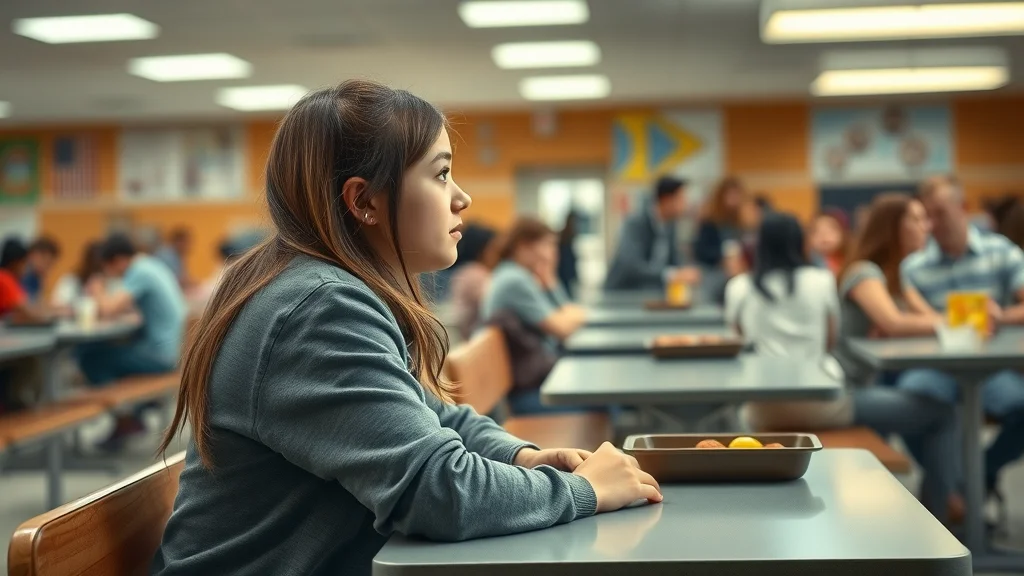
Teen girl experiencing social isolation in a busy school cafeteria, highlighting behavioral challenges related to withdrawal in adolescence.

It’s common for teens to crave alone time, but chronic withdrawal and social isolation can signal severe behavioral issues. Frequent excuses to avoid peers, loss of interest in all group activities, and expressions of hopelessness are concerning red flags. Such isolation may be a precursor to more serious mental health issues or depression.

Parents should monitor the duration and intensity of isolation. If there’s no improvement over weeks, or if the teen refuses all efforts to reconnect, it’s time to seek support—either through school counselors or mental health professionals. Persistent isolation is rarely just a phase; catch it early to prevent escalation.

Promoting Social Skills and Positive Peer Interactions

Proactively encourage participation in clubs, sports, or volunteer opportunities to help your teen learn social skills. These structured environments make it easier for young adults to form safe, meaningful connections and develop greater confidence.

Foster a home atmosphere where teens feel valued and accepted regardless of their social circles. Consistent encouragement, not pressure, lets them move at their own pace while still developing healthy relationship skills—a cornerstone of positive behavior.

Challenge 7: Substance Use and Experimentation—Serious Behavioral Challenges

Warning Signs and Red Flags for Substance-Related Problem Behaviors

Substance use is one of the most serious behavioral challenges faced by teens today. Warning signs include sudden secrecy, a sharp change in friends, unexplained injuries, or evidence of substance use itself. Substance abuse is rarely an isolated problem; it often co-occurs with depression, anxiety, or trauma.

Parents must pay attention to even subtle signs and approach the topic calmly but directly. Early detection can prevent both immediate harm and long-term health issues, making it critical to maintain vigilance and foster ongoing dialogue.

Conversations and Early Interventions for Mental Health and Behavior Issues

Begin discussions about drugs and alcohol early—and keep them frequent and honest. Use real-life examples and collaborate with schools or healthcare professionals if you notice persistent problem behaviors. Don’t wait for a crisis; early intervention is the most effective form of prevention for both behavioral issues and associated mental health issues.

Let your teen know that mistakes and risks can be managed with support, and reinforce your openness to problem-solving together. These conversations build trust and resilience, two keystones in adolescent development and long-term well-being.

In this short video, learn expert-backed communication strategies for discussing sensitive behavioral issues like substance use, mental health, or defiance with teenagers. See role-played scenarios and get tips for starting difficult conversations in a non-judgmental, supportive way.

Challenge 8: Lack of Motivation, Apathy, and Academic Drop in Teen Behavior

Is It a Behavioral Challenge or a Red Flag for Underlying Issues?

Teen showing lack of motivation and apathy, slouching on sofa with video game controller nearby, a common behavioral challenge in teens.

The transition from motivated learner to apathetic teen can be jarring for families. Not all dips in motivation are signs of trouble; however, ongoing disinterest, neglect of duties, and academic decline are behavioral issues that may signal a deeper mental health issue—especially if paired with withdrawal or irritability.

Parents should pay attention to patterns. A temporary loss of drive after a specific event is less concerning than long-term disengagement or expressions of hopelessness. If your child’s behavior remains unchanged after encouragement, consider assessment by mental health or educational professionals for early support.

Techniques to Inspire Positive Behavior and Rekindle Motivation

Work together with your teen to set realistic goals and celebrate small achievements, not just academic outcomes. Help them discover new hobbies or meaningful work to reignite passion for learning. Model goal-setting and share your own experiences with overcoming setbacks.

Encourage routines that balance rest, productivity, and recreation. Regular praise and encouragement for effort (not just results) supports self-esteem and cultivates the positive behaviors necessary for lifelong motivation.

Challenge 9: Anger Management and Outbursts—Red Flags and Coping Skills

When Anger is a Behavioral Challenge: Recognizing Problematic Patterns

Intense anger is part of normal adolescent development, but repeated outbursts, aggression toward others, or destruction of property are behavioral challenges that shouldn’t be overlooked. These patterns often indicate a teen is struggling to manage emotions or is masking deeper mental health or stress issues.

Warning signs to watch for include a sudden spike in angry incidents, threats of violence, or withdrawal after outbursts. When this pattern disrupts family routines or relationships, parents should seek professional input alongside supportive parenting strategies.

Teaching Teens Healthy Anger Management for Positive Outcomes

Guide teens in recognizing emotional triggers and practicing healthy coping strategies, such as deep breathing, taking a break, or discussing frustrations in a calm environment. Role model calm conflict resolution and lack of escalation in your own communication.

Use family meetings to develop consistent anger management routines and reward moments of self-control. This practical approach to behavior management gives teens tools to handle strong feelings before they become long-term behavioral issues.

Challenge 10: Establishing Boundaries and Enforcing Limits on Teen Behavior

Setting Boundaries: Preventing Behavioral Issues, Encouraging Good Behavior

Effective boundaries are essential for good behavior and a safe environment. Clear expectations around curfews, chores, and respectful communication provide structure teens need, even when they resist. Positive behavioral changes happen when boundaries are established collaboratively and enforced consistently.

Let teens have input when appropriate—giving them a sense of control over their choices within the boundaries you set. Family agreements and consistent rules help prevent confusion and provide a framework for behavioral challenges to be addressed early.

Red Flags When Boundaries Fail—What Parents Should Watch For

Warning signs of boundary failure include repeated violation of house rules, escalating conflict, or dangerous risk-taking. If your attempts at limit-setting are met with contempt, secrecy, or running away, these are red flags for more serious behavioral issues.

Don’t hesitate to seek outside guidance from counselors or support groups when you feel your authority is undermined. Early intervention can restore balance and safeguard your teen’s healthy adolescent development.

Parent and Expert Insights: Quotes on Managing Behavioral Challenges in Teens

"The key to teen behavior management is consistent communication, empathy, and timely intervention with behavioral challenges." – Dr. A. White

Calm parent and teenager sitting together, engaged in open communication about behavioral challenges and teen behavior management.

People Also Ask: Challenges in Teen Behavior Management

What are behavioral challenges in adolescence?

Behavioral challenges in adolescence are patterns of conduct that deviate from expected norms, such as defiance, aggression, or withdrawal, often influenced by emotional, social, or mental health factors.

What is the biggest challenge facing teenagers today?

The biggest challenge facing teenagers today is balancing digital engagement with real-life responsibilities, which can contribute to mental health issues, academic stress, and behavioral problems.

How to deal with challenging behaviour in teens?

Dealing with challenging behaviour in teens involves clear boundaries, effective communication, positive reinforcement, and timely intervention when red flags arise.

What are four triggers that may cause behavioral problems?

Four main triggers that may cause behavioral problems in teens include peer pressure, academic stress, family dynamics, and mental health issues.

Practical Strategies for Managing Challenges in Teen Behavior Management

  • Establish clear and consistent rules
  • Model positive behaviors
  • Encourage open discussions about feelings and stress
  • Monitor mental health and seek professional support when needed
  • Promote a healthy balance between screen time and offline activities

FAQs About Challenges in Teen Behavior Management

  • How can parents identify red flags in teen behavior?
    Look for sudden, sustained changes in your teen’s mood or routine, such as withdrawal, aggression, or academic decline. Ongoing secrecy or drastic shifts in peer relationships can also indicate behavioral challenges that need prompt attention.
  • When should professional help be sought for behavioral issues?
    If behavioral challenges persist for weeks, escalate despite your interventions, or put your teen (or others) at risk, seek guidance from school counselors, psychologists, or healthcare providers to assess for deeper issues.
  • What role does adolescent development play in behavior management?
    Adolescent development influences mood swings, decision-making, and peer interactions. Understanding these changes helps parents distinguish between normal experimentation and behavioral issues needing support.
  • How can families maintain positive relationships during challenging periods?
    Prioritize open communication, empathy, and collaborative problem-solving. Regular family check-ins, shared activities, and mutual respect build resilience during tough times.

Key Takeaways for Handling Challenges in Teen Behavior Management

  • Early identification of red flags can prevent escalation of behavioral issues.
  • Balanced digital habits support positive teen behavior.
  • Collaborative approaches between parents and teens lead to better outcomes.

Summary and Next Steps for Managing Challenges in Teen Behavior Management

Explore tailored parental guidance programs and resources to master challenges in teen behavior management effectively.

Proactive communication and early intervention are your best allies—empower yourself and your teen with knowledge, empathy, and the tools for a positive future.


Parenting Strategies

Write A Comment

*
*
Related Posts All Posts

Authoritarian Parenting vs. Permissive Parenting: A Comparison Guide for Parents of Teens

Did you know? Teens raised under authoritarian or permissive parenting are twice as likely to struggle with self-esteem and independence issues compared to those raised with a balanced approach. Understanding your parenting style might be the key to helping your teen thrive academically, emotionally, and socially. This guide dives into authoritarian vs permissive parenting, offering research-backed insights and practical strategies every parent can use to support healthy child development.A Surprising Fact: How Parenting Styles Influence Child DevelopmentMany parents are unaware that their chosen parenting style subtly shapes how their children handle challenges, relationships, and responsibilities well into adulthood. In fact, the main parenting styles—including authoritarian and permissive—have been linked in numerous studies to lasting effects on child development. Whether you lean toward setting strict rules or prefer a hands-off approach, your style can impact emotional support, academic success, and even the social skills your teen develops. Let's explore just how significant these differences can be as we break down authoritarian vs permissive parenting and why it matters for parents and teens alike.Unveiling the Statistic: The Long-Term Effects of Authoritarian vs Permissive ParentingRecent research highlights that children raised under strictly authoritarian or highly permissive parents often face unique challenges as they enter adolescence. Teens with authoritarian parents may grow up following high expectations but struggle with low self-esteem, anxiety, and difficulty making decisions independently. In contrast, teens with permissive parents often display strong creativity and openness but may lack discipline, impulse control, and healthy boundaries. These developmental outcomes point to one important takeaway: parenting styles are not just a reflection of family culture—they're a determinant of lifelong social skills and academic success. Understanding these findings empowers parents to choose an approach that best supports their teen's unique needs.What You'll Learn in This Comprehensive Guide to Authoritarian vs Permissive ParentingClear definitions of authoritarian vs permissive parentingComparison of how each parenting style impacts child development, especially teensResearch-backed insights on outcomes and risksActionable steps for parents to choose or adapt their styleUnderstanding Parenting Styles: The Foundation of Child DevelopmentBefore exploring the specifics of authoritarian vs permissive parenting, it's vital to understand the broader concept of parenting styles. These frameworks help explain how different approaches to discipline, communication, and support shape children's behavior, confidence, and relationship skills. Each parenting style has unique characteristics—with some helping foster independence and responsibility, while others may encourage dependence or rebellion. Let's take a closer look at how these styles are defined and their far-reaching implications on child development.Defining Parenting Styles: Authoritarian, Permissive, and BeyondParenting styles overview: The concept of parenting style was first systematically studied by psychologist Diana Baumrind, who categorized parental approaches based on levels of responsiveness (warmth) and demandingness (control). The two we focus on here are authoritarian parenting (high control, low warmth) and permissive parenting (high warmth, low control). In addition to these, there are also authoritative and uninvolved (neglectful) styles, each with its own impact on child development. Comparing authoritarian vs permissive parenting is not just about rules and leniency—it's about understanding how social skills, academic performance, and emotional security are shaped by everyday family interactions.Authoritarian vs permissive parenting: Two core styles with distinct philosophies and impacts.Parenting styles overview: Helps you recognize your tendencies and their influence.The Role of Diana Baumrind in Parenting Style Research“Diana Baumrind’s pioneering work defined the classic categories of parenting styles still referenced today.”Psychologist Diana Baumrind is recognized as a foundational figure in the research of parental influence, introducing the concept of three main parenting styles: authoritative, authoritarian, and permissive. Her studies provided a road map for understanding the connections between parenting styles and child development outcomes. Today, her framework is widely used by psychologists, educators, and parents seeking effective strategies for raising independent, resilient teens.Authoritarian Parenting: Characteristics and Effects on Child DevelopmentLet's examine authoritarian parenting, a style known for its emphasis on obedience, discipline, and strict rules. This approach sets clear boundaries but often leaves little room for open communication or emotional support. While authoritarian parents aim for well-behaved, high-achieving children, the lack of warmth and flexibility can lead to a range of challenges, particularly as teens attempt to make decisions and navigate social interactions independently.What Does It Mean to Be an Authoritarian Parent?Authoritarian parents value obedience above all, upholding a household structured by commands rather than collaboration. They implement high expectations and rely on punishment rather than conversation to enforce rules. Unlike more balanced or authoritative strategies, authoritarian parents may discourage input from children, limiting opportunities for open communication and decision-making practice. Common authoritarian parent traits include a rigid mindset, minimal flexibility, and a focus on outcomes rather than process. While their intentions often center on protecting or guiding, the rigid atmosphere can make it difficult for teens to develop the confidence and social skills necessary for adulthood.Authoritarian vs permissive parenting: Focuses heavily on control over warmthAuthoritarian parent traits: Rigid, high discipline with low responsiveness to emotional needsChild Development Outcomes Linked to Authoritarian Parenting“Authoritarian parenting may adversely affect a teen’s self-esteem and autonomy, according to child development experts.”Children raised in authoritarian households often follow rules but may experience anxiety, low self-esteem, fear of failure, and difficulty expressing themselves. Studies reveal that such children may also struggle with forming healthy relationships and may lack self-regulation skills. While academic success and respect for authority are common, the lack of emotional support limits their preparedness for real-world challenges. This is an important distinction in the authoritarian vs permissive parenting debate because it shows that discipline without warmth can be as harmful as too much leniency.Explainer: The Impact of Authoritarian Parenting on Teen Behavior and Academic SuccessPermissive Parenting: Characteristics and Effects on AdolescentsPermissive parents represent the opposite end of the parenting style spectrum: high in emotional responsiveness, low in discipline and structure. These parents provide a nurturing, accepting environment but often lack strict rules or consequences. While this approach supports creativity and self-expression, it also presents significant risks, especially during the teen years when boundaries and guidance are crucial for forming social skills and a strong sense of responsibility.What Defines a Permissive Parent?Permissive parenting style key features include prioritizing the child's happiness and desires above consistent limits or discipline. Permissive parents may rarely enforce house rules or may let consequences lapse, hoping to avoid conflict or negative emotions. While warmth and approval are abundant, consistent expectations are not—leaving teens to set their own boundaries, which can lead to confusion or lack of structure. Typical permissive parenting traits involve giving in easily, few household rules, and viewing the parent as a friend rather than a guiding figure.Permissive parenting style key features: Leniency, warmth, low enforcement of rulesPermissive parenting traits: Prioritizing peace and happiness over boundariesShort- and Long-Term Impacts of Permissive Parenting on Teens“Permissive parents may unintentionally encourage impulsivity and lack of discipline in teens.”Teens raised with an overly permissive approach often develop strong self-expression and creativity but may lack impulse control, discipline, or respect for authority. Research shows that permissive parenting can lead to academic underperformance, difficulty managing time or commitments, and challenges in forming healthy relationships. These results highlight that warmth and approval, while vital, must be balanced with effective guidance and accountability if teens are to thrive in structured environments, such as school or future employment.Authoritarian vs Permissive Parenting: Key Similarities and DifferencesUnderstanding the distinctions and intersections between authoritarian and permissive parenting styles is the first step toward choosing or modifying your approach. Both can stem from deep love and concern for a child’s well-being, but their methods and impacts diverge sharply. This section places strict rules alongside open freedoms, demonstrating how each style influences everything from discipline to open communication to emotional development in teens.Comparing Authoritarian vs Permissive Parenting Side by SideFeatureAuthoritarian ParentingPermissive ParentingDiscipline TechniquesStrict, punitive, clear rulesFew rules, rare consequencesCommunication StyleOne-way (parent dictates)Open, but lacks guidanceEmotional OutcomesLow self-esteem, anxietyPoor impulse control, low responsibilityTeen ResponseObedient, less independentCreative, but less disciplinedHow Parenting Style Shapes Teen Independence, Self-Esteem, and Emotional HealthBoth authoritarian and permissive parents impact teen development, though in different ways. The balance between boundaries and emotional support plays a vital role in shaping independence, confidence, and emotional regulation. Here are the top five ways these styles influence adolescents:Decision-Making Skills: Teens raised with strict rules may fear making independent choices, while those with few boundaries often struggle to set their own limits.Self-Esteem: A lack of warmth or excessive criticism can harm self-worth in authoritarian households; lack of accountability may hinder self-confidence in permissive settings.Impulse Control: Permissive approaches may contribute to poor impulse control, while authoritarian styles foster conformity but stifle problem-solving.Academic Success: Authoritarian styles emphasize results but may reduce motivation; permissive parenting may lead to a lack of drive to achieve.Healthy Relationships: Without open dialogue and balanced discipline, teens may struggle to form respectful, reciprocal relationships as adults.A Broader Look: Where Do Authoritative and Uninvolved Parenting Styles Fit?While authoritarian and permissive parenting represent two ends of the spectrum, authoritative and uninvolved (neglectful) styles form the other main categories in Diana Baumrind’s influential framework. Each style represents a unique blend of warmth and control, shaping a wide array of outcomes in child development. Let’s define these additional styles for a more complete understanding.Defining Authoritative Parenting and Neglectful/Uninvolved ParentingAuthoritative parenting: Balances warmth and structure, sets clear expectations, and fosters open communication.Uninvolved parenting: Offers little guidance or support, often leading to emotional detachment.Neglectful parenting: Synonymous with uninvolved, characterized by minimal responsiveness and demandingness.Why the Authoritative Parenting Style Is Considered Optimal by ExpertsChild development experts and long-term studies agree: authoritative parenting delivers the healthiest outcomes for teens. This balanced approach provides both the emotional support needed for strong self-esteem and the structure required for academic success and responsibility. Teens raised in authoritative households tend to exhibit confidence, resilience, and well-developed social skills, standing apart from those raised with extremes of control or leniency.Expert Insight: What Child Development Research Reveals about Parenting StyleThe research is clear: balanced, responsive parenting supports every facet of adolescent development. Numerous studies confirm that neither excessive control nor total freedom yields optimal results. Instead, child development is best supported by parents who communicate openly, set fair boundaries, and model respect. Let's review these findings in the context of the authoritarian vs permissive parenting debate.Long-term Studies: Authoritarian vs Permissive Parenting and Child Outcomes“Research consistently finds that balanced parenting styles foster healthier adolescent development.”Children raised in authoritarian households often exhibit obedience and strong respect for authority, but may lack self-confidence and have trouble navigating peer relationships. Meanwhile, children of permissive parents tend to enjoy open communication, but their lack of structure can result in poor academic performance and risky behaviors. Large-scale, longitudinal studies demonstrate that authoritative parents tend to raise teens who are adaptable, resilient, and academically successful, while extremes on either end can amplify developmental risks. This underscores the value of moderation and underscores the ongoing relevance of Diana Baumrind's research.What is the Difference Between Permissive and Authoritarian Parenting?The core contrast between permissive and authoritarian parenting lies in their approach to rules, discipline, and communication. Understanding these differences helps parents adapt their style to meet their child's changing needs:Authoritarian vs Permissive Parenting: Contrasts in Rules, Discipline, and CommunicationAuthoritarian parenting is rooted in control, structure, and hierarchy: parents dictate household rules, expect obedience, and enforce consequences for disobedience. Communication tends to be one-way, with little discussion or negotiation. By contrast, permissive parenting is characterized by a reluctance to set boundaries, frequent indulgence of children's desires, and prioritization of emotional comfort over discipline. Rules exist but are rarely enforced, and discussions often focus more on feelings than responsibilities or consequences.Parenting style practical differences: Authoritarian approaches rules as a non-negotiable contract; permissive approaches rules as flexible or optional.Examples and scenarios for each parenting style: An authoritarian parent might set a strict curfew and expect unquestioning compliance; a permissive parent may negotiate or drop rules entirely if the teen complains.What is the Healthiest Parenting Style?Among all main parenting styles, research consistently singles out the authoritative parenting style as the most effective for raising well-adjusted, independent, and capable teens. Unlike authoritarian or permissive approaches, authoritative parents strike an ideal balance between support and structure—fostering high self-esteem, strong social skills, academic success, and healthy autonomy.Review of Research on Parenting Styles and Child Outcomes“Authoritative parenting consistently emerges as the healthiest option in research studies.”Children raised by authoritative parents experience clear boundaries, emotional support, and encouragement to express their feelings and opinions. This unique blend builds both competence and confidence—qualities necessary for adapting to challenges and forming positive relationships. The authoritative style cultivates resilience by allowing teens to make decisions, learn from mistakes, and communicate effectively, all while knowing they have a reliable safety net at home.What Are the 4 Parenting Styles?Understanding all four main parenting styles can help parents identify their default approach and make informed changes for their child’s benefit. Here’s how they compare:Authoritarian, Permissive, Authoritative, and Uninvolved ExplainedParenting StyleStrengthsWeaknessesAuthoritarianClear expectations, structured environmentLack of warmth, low independencePermissiveWarmth, open communicationLack of discipline, poor impulse controlAuthoritativeBalanced, nurturing, effective disciplineRequires effort, consistencyUninvolvedEncourages autonomy (at best)Lack of support, poor outcomesWhat Is an Example of Permissive Parenting?The permissive approach can often be seen in day-to-day scenarios. For example, if a teen is caught breaking curfew, a permissive parent might express disappointment but avoid setting future limits, worrying it will hurt the relationship. This hands-off style may prevent immediate conflict but also deprives the teen of learning about accountability, routines, and social skills.Real-Life Scenario: The Permissive Parent in ActionCase Study: How permissive parenting responds to teen misbehavior—Upon finding that their teen came home late, the parent avoids confrontation, shrugs off the incident, and allows the behavior to continue unchecked, hoping the teen will eventually self-correct.Lists: Signs You Might Be an Authoritarian or Permissive ParentYour household enforces a rigid set of rules with little explanation or negotiation (authoritarian)You often say, “Because I said so,” when your teen questions a rule (authoritarian)You avoid setting consequences, hoping your teen will learn through experience (permissive)You’re uncomfortable saying “no,” and want to be your child’s best friend (permissive)You focus more on keeping the peace than on consistency or discipline (permissive)FAQs on Authoritarian vs Permissive Parenting for Parents of TeensCan you combine parenting styles?Absolutely. Most parents blend elements from different styles, often responding to unique circumstances or each child’s temperament. The goal is striking a healthy balance between boundaries and support.How do I shift from authoritarian or permissive to authoritative?Gradual changes work best. Begin by opening lines of communication, explaining rules, and involving your teen in decision-making. Stay consistent while showing empathy and support.How soon do changes in parenting affect teen behavior?You may notice improvements within weeks, especially if changes are consistent. It’s common for teens to test boundaries initially, so maintain patience and reinforce the new approach over time.Key Takeaways: Choosing the Best Parenting Style for Your FamilyResearch shows the authoritative parenting style best supports healthy teen development.Authoritarian vs permissive parenting highlights the risks of extremes—find balance in structure and warmth.Reflect on your default style and adapt as needed—no approach is set in stone.Open communication, consistent boundaries, and emotional support are critical for teens' growth.Seek evidence-based guidance: Parenting is a journey that benefits from ongoing learning and reflection.Ready to Adopt a Healthier Parenting Style?Explore More Evidence-Based Advice and Start Making Positive Changes Today!Understanding the dynamics of authoritarian vs permissive parenting empowers you to create a resilient, connected, and thriving family. Start small, reflect often, and embrace the transformative power of balanced parenting for your teen’s future success.

How the Authoritarian Parenting Style Impacts Teen Behavior and Development

Did you know? Studies reveal that teenagers raised under authoritarian parenting are up to 30% more likely to show signs of emotional withdrawal and anxiety than peers with more balanced upbringing. This guide sheds light on how the parenting style you choose can dramatically affect teenager child behavior and development during the most transformative years of their life.A Startling Perspective: Authoritarian Parenting’s Influence on Teenager Child Behavior and DevelopmentWhen it comes to raising teens, parenting style plays a pivotal role in shaping their behavior, emotional intelligence, and overall development. Among the most impactful approaches is authoritarian parenting, characterized by high expectations, strict rules, and minimal warmth. Research consistently finds that the way parents enforce rules and connect with their children can directly affect both short-term behaviors and long-term health outcomes. Teenager child behavior and development is sensitive during adolescence—a time marked by rapid brain development, identity formation, and heightened emotional responses.Authoritarian households often report higher rates of mood swings, social withdrawal, and academic pressure, contrasting with more open, communicative environments. For families navigating the teen years, it’s crucial to understand how rigid discipline may hinder young people’s quest for independence and resilience. This comprehensive guide will help you navigate the landscape of teenage development, offering actionable insights and practical advice to support your teen’s journey toward a strong sense of self and balanced mental health.Uncovering the Numbers: Authoritarian Parenting and Its PrevalenceIt’s estimated that over one in four households worldwide employ an authoritarian approach to parenting, especially in cultures or communities that emphasize obedience and conformity. According to surveys cited by organizations like the Cleveland Clinic, approximately 25-30% of American families report using strict rule enforcement with limited negotiation. This prevalence is especially pronounced in homes where parents believe their primary role is to “prepare” their child for a tough world, sometimes at the expense of emotional support or open conversation.By examining national and international statistics, professionals notice a direct connection between authoritarian parenting and concerning outcomes such as increased anxiety, academic burnout, and even eating disorders in teenagers. The following table presents a clear comparison between different parenting approaches and resultant teen behaviors—a snapshot of why the chosen style matters profoundly for teenager child behavior and development.Parenting Style vs. Teenager Child Behavior and Development OutcomesParenting StylePrevalence (%)Common Teen OutcomesNotesAuthoritarian25–30High anxiety, lower self-esteem, academic pressure, emotional withdrawalOften report strained parent–teen relationships, possible mental health risksAuthoritative45–50High achievement, strong self-identity, balanced mood swings, resilienceCorrelated with stronger sense of self and lower behavior issuesPermissive15–20Impulsivity, difficulty with rules, social difficultiesRules are present but often inconsistent, leading to confusionUninvolved5–10Low self-esteem, poor social skills, academic and emotional distressMost associated with risk behaviors and withdrawalThe Core of Authoritarian Parenting and Its Role in Teenager Child Behavior and DevelopmentAuthoritarian parenting operates from the premise that children are expected to follow rigid rules without questioning authority. Often, decisions are made solely by the parent, and infractions are met with strict discipline rather than dialogue. This structure can create an environment where teens are more likely to obey to avoid punishment, but less likely to internalize values or develop decision-making skills.During the critical teenage years, these patterns can inhibit the development of a strong sense of identity and impair the prefrontal cortex—a region of the brain responsible for reasoning and emotional regulation. Young people navigating an authoritarian environment may struggle with peer influence, have trouble establishing their own identity, and experience frequent emotional distress or anxiety. While some degree of discipline is necessary, research shows that a lack of warmth and flexibility can have lasting impacts on brain development and teenager child behavior and development.What You'll Learn in This Guide: Navigating Teenager Child Behavior and Development Affected by Parenting StyleThis guide is designed to equip you with an in-depth understanding of how authoritarian parenting shapes behaviors and outcomes during the teen years. From neuroscience insights to real-world advice, you’ll discover the tools necessary to foster positive change—even if your family has traditionally leaned towards strict discipline.More than just theory, this guide presents actionable tips, answers essential questions, and provides a roadmap for nurturing healthy teenager child behavior and development, even amidst common struggles in the teenage years such as mood swings, peer pressure, and identity development.The impact of strict parenting on teenage brain developmentCommon behavior patterns and warning signs in teensMental health risks associated with authoritarian parentingStrategies for communication and healthy boundary-settingWays to support your child's emotional and social growthUnderstanding developmental stages and how to respondResources for further support and family well-beingUnderstanding the Authoritarian Parenting Style within Teenager Child Behavior and DevelopmentDefining Authoritarian Parenting and Its Influence on Teenage YearsAuthoritarian parenting is marked by strict rule enforcement, high expectations, and little tolerance for negotiation. Unlike parents who are authoritative—combining structure with empathy—authoritarian parents prioritize obedience above all else. This approach often uses phrases like “because I said so” and discourages open conversation, especially if a teen attempts to explain their point of view.In practical terms, teenagers raised in authoritarian households face greater risks of emotional withdrawal and have a harder time developing healthy relationships both at home and with peers. The Cleveland Clinic and similar institutions highlight connections between this parenting style and increased rates of anxiety, depression, and academic difficulties in the teenage years. Teens may feel unable to express themselves, leading to bottled-up emotions and a lack of practice with critical thinking—skills essential for adulthood.“Strictness and lack of warmth can deeply shape teenager child behavior and development.” — Child PsychologistKey Characteristics: How Authoritarian Parenting Shapes Brain Development in Teenage YearsDuring adolescence, the brain undergoes significant changes, especially in the prefrontal cortex, which governs decision-making, impulse control, and emotional regulation. Studies consistently show that authoritarian households can delay or disrupt optimal brain development, particularly in regions associated with self-control and reasoning.Teens exposed to ongoing strictness learn to comply—often out of fear—rather than understanding the reasons behind rules. This stress triggers cortisol surges that can affect the adolescent brain, contributing to anxiety, mood swings, and problems with peer relationships. Over time, this can undermine confidence, weaken a teen’s strong sense of self, and hinder their ability to adapt to new situations, impacting social development and long-term mental health.Common Behaviors in Teenagers and Authoritarian Parenting’s ImpactSpotlight on Common Behaviors: Insights from Cleveland ClinicThe Cleveland Clinic outlines that common teenage behaviors—such as testing boundaries, mood swings, increased independence, and occasional defiance—are a normal part of adolescent growth spurts. However, these behaviors are often intensified or altered in homes with strict, authoritarian rules. When teens are not given space to ask questions or challenge ideas in a supportive environment, natural behaviors like social withdrawal, impulsivity, or emotional shutdown can become pronounced.Additionally, the “good idea” approach—where parents reward only unerring compliance—fails to encourage problem-solving or resilience. Teens crave autonomy and face to face communication; without these, they may turn to social media or their peers in search of validation, sometimes finding negative influences. These patterns underline the importance of balance and warmth in supporting healthy teenager child behavior and development.How Teenager Child Behavior and Development Shifts: Emotional, Social, and Academic AspectsAs teens enter high school, the interplay between parental expectations and a young person’s need for autonomy becomes more pronounced. In authoritarian homes, emotional distress may manifest in subtle ways: withdrawal from family meals, reluctance to share personal achievements, or heightened anxiety during academic evaluations. Cleveland Clinic practitioners often note increased instances of eating disorders, especially where teens feel unable to control any aspect of their lives.Socially, the lack of negotiation or empathy from parents can drive teens to disengage from family and seek validation outside the home—sometimes from risky peer groups. This can affect physical activity, participation in school events, and willingness to communicate openly. Academically, relentless pressure can result in either exceptional performance (driven by fear) or a complete shutdown, with teens feeling that their “best” is never enough. These shifts underscore how important it is for parents to balance expectations with emotional support to nurture positive teenager child behavior and development.Teen Years: Navigating the Stages of Development and Influences of Authoritarian Parenting5 Stages of Teenager Child Behavior and Development in the Teenage YearsThe teenage years are typically divided into five stages, each with unique milestones and challenges. Authoritarian parenting can affect each phase in different ways, either by stifling growth or triggering negative behaviors. Understanding these stages helps families create age-appropriate expectations and support systems:Early Adolescence (10–13): Rapid physical changes and growth spurts set the tone, while children begin to seek more independence.Middle Adolescence (14–16): Cognitive skills expand, influencing risk-taking and peer influence.Late Adolescence (17–19): Identity development becomes central, and social bonds with peers strengthen.Transition to Adulthood (20–22): Teens begin to focus on future goals and maneuver adult responsibilities.Post-Adolescence: Emerging adults solidify their values and navigate independence.In authoritarian settings, challenges like compliance out of fear, difficulty with critical thinking, or emotional withdrawal may be heightened at each stage. By recognizing and adapting to these phases, families can encourage healthier growth patterns and better support their child’s development in adolescence.Early Adolescence: Body image concerns, mood swings, testing boundariesMiddle Adolescence: Search for peer acceptance, experimenting with values, emotional ups and downsLate Adolescence: Increased focus on identity, stronger sense of future direction, balancing independence with parental supportTransition to Adulthood: Decision-making regarding higher education or work, forming lasting relationshipsPost-Adolescence: Establishing independence, financial responsibility, navigating adult rolesMental Health Risks in Teenager Child Behavior and Development: The Role of Authoritarian ParentingMental health risks increase when teens are raised in households where dialogue is discouraged and punishments are harsh. Clinical studies show that persistent stress, lack of support, and emotional isolation place teens at higher risk for anxiety, depression, and even eating disorders. Rigid rules can trigger feelings of inadequacy or helplessness, which may persist into adult life.The adolescent brain is especially sensitive to stress, particularly in the prefrontal cortex. During the teenage years, the development in adolescence is rapid, and lacking opportunities for open communication, young people may internalize negative messages about self-worth. Cleveland Clinic research reveals that untreated emotional distress in teens—exacerbated by authoritarian parenting—can lead to long-term mental health issues, withdrawal from family, and academic failure.People Also Ask: Essential Questions on Teenager Child Behavior and DevelopmentWhat are some typical teen behavioral changes?Teens experience a wide range of behavioral changes, often caused by physical, hormonal, and brain development changes. Common behaviors include increased privacy, mood swings, seeking peer approval, and sometimes challenging family rules. In authoritarian households, these changes can manifest more intensely, with higher risks of emotional withdrawal or secretive behavior. Parents may notice that their young person becomes less willing to engage in face to face conversations, prefers time on social media, or reacts strongly to criticism. Recognizing these shifts as normal—rather than signs of defiance—is a good idea, especially when aiming to support healthy teenager child behavior and development.What is the hardest year of a teenager?Middle adolescence, typically ages 14-16, is often cited as the most challenging phase of the teenage years. This period is marked by significant growth spurts, peer influence, and an intensified quest for identity development. The challenge becomes even greater in authoritarian households, where strict rules and high expectations can clash directly with a teenager’s growing need for autonomy and critical thinking. During this period, emotional distress and family conflict may peak. By understanding the pressures of this phase and maintaining open communication, parents can help teens navigate these years with increased confidence and resilience.What are the 8 behavioral traits of teenagers?The eight most prominent behavioral traits seen in teenager child behavior and development include:Seeking independenceMood swingsSensitivity to peer influenceIncreased privacyHeightened self-consciousness about body and imageStrong sense of justice or fairnessRisk-taking tendenciesTesting boundaries with parents and authority figuresWhat are the five stages of teen development?The five recognized stages of teenager child behavior and development include:Early Adolescence (10–13): Physical development and urge for autonomy emerge.Middle Adolescence (14–16): Cognitive skills develop; peer influence intensifies.Late Adolescence (17–19): Identity development and independence take center stage.Transition to Adulthood (20–22): Focus shifts toward adult roles, responsibility, and relationships.Post-Adolescence: Final consolidation of values, identity, and adult independence.Key Takeaways: Lessons on Teenager Child Behavior and Development with Authoritarian ParentingAuthoritarian parenting increases risk of anxiety, emotional withdrawal, and social difficulties.Teenager child behavior and development thrives on balanced boundaries and open communication.Mental health challenges are more common when warmth and empathy are lacking in the home environment.Adapting parenting styles to developmental stages fosters emotional, academic, and social success.It’s never too late to adjust expectations, offer support, and strengthen the parent–teen relationship for a healthy future.Frequently Asked Questions on Teenager Child Behavior and DevelopmentHow can parents shift from authoritarian to more supportive parenting?Start by actively listening, encouraging open conversation, and involving your teenager in decision-making. Gradually introduce flexibility in rules and focus on explaining the reasons behind boundaries. Consistent support and positive reinforcement help teens feel valued and understood.What role does social media play in teen development?Social media provides a platform for connection and self-expression but can amplify social pressures. Teens raised with authoritarian discipline may gravitate toward online communities for validation or escape. Close monitoring and digital literacy are essential to ensure its positive use.What should parents do if they notice warning signs of anxiety or depression?Early intervention is key. If your teen shows persistent sadness, withdrawal, or behavioral changes, consult a mental health professional. Maintain open communication, avoid harsh criticism, and create a supportive atmosphere to help navigate these challenges effectively.How does peer influence intersect with parenting style?Strong peer influence during adolescence is normal. In strict households, teens may hide behaviors or seek acceptance from risky peer groups. Encouraging balance and open dialogue builds resilience and helps teens resist negative influences.Is it a good idea to set expectations during the teen years?Yes, but expectations should be realistic, age-appropriate, and openly discussed. Teens thrive when they understand the “why” behind rules and have opportunities to contribute their perspectives, leading to greater success in teenager child behavior and development.Final Thoughts: Fostering Positive Teenager Child Behavior and Development“Our approach to parenting can be the single greatest influence on a teenager’s future.”Explore More Resources to Support Teenager Child Behavior and DevelopmentFor parents and guardians seeking to empower their teen’s growth, numerous organizations and experts offer workshops, guides, and counseling. Exploring reputable sources—such as the Cleveland Clinic, Ignite Healthwise, and local mental health professionals—can help families navigate complex parenting dynamics. Remember, fostering healthy teenager child behavior and development is a continuous journey that evolves with each stage of adolescence. Stay informed, stay connected, and nurture resilience.

Conflict Resolution with Teens: Stop the Drama Fast

Start with this:Nearly 70% of teens report escalating arguments into full-scale drama at least once a month—effective conflict resolution with teens is now more important than ever. If every family, educator, and teen could quickly stop the drama and deescalate their disputes, imagine what the teenage years could be like. Let's explore the must-know facts and hands-on strategies for managing conflict among teens without the lingering stress, resentment, and chaos.Startling Statistics: Why Conflict Resolution with Teens Can’t Be Ignored"Nearly 70% of teens report escalating arguments into full-scale drama at least once a month—effective conflict resolution with teens is now more important than ever."Conflict during adolescence isn’t just common—it’s relentless and transformative. According to recent studies, almost 7 out of 10 teens experience emotionally charged disputes that escalate, affecting not just friendships but also academic performance and family harmony. The skill to resolve conflict constructively has become a non-negotiable life skill, especially as communication increasingly switches from face-to-face interactions to digital dialogues on social media. Without strong conflict resolution skills, teens are left to navigate a maze of peer pressure, gossip, misunderstandings, and their own strong emotions, often without adult guidance present. This reality makes the case for intentional coaching and practice in conflict resolution with teens—a responsibility that falls squarely on parents, educators, and youth leaders.What You’ll Learn about Conflict Resolution with TeensDefinition and fundamentals of conflict resolution with teensEffective resolution skills to deescalate dramaConflict resolution strategies tailored for teenagersProven step-by-step processes to resolve conflictAdvice on teaching resolution skills to teensKey differences in conflict management with teens vs. adultsUnderstanding Conflict Resolution with TeensWhat is Conflict Resolution with Teens?Conflict resolution with teens refers to the process and specific set of skills used to handle and resolve disputes that arise during the challenging years of adolescence. Unlike children or adults, teens face a unique mix of emotional volatility, evolving identity, and heightened sensitivity to peer dynamics. Managing conflict in this stage involves helping teens recognize the source of issues, encouraging them to express their feelings openly, and guiding them to compromise without sacrificing their boundaries. A strong resolution style for teens focuses on healthy communication, understanding different points of view, and practicing empathy. Ultimately, effective conflict resolution with teens is about transforming clashes into learning opportunities—empowering young people to solve the conflict themselves and build essential life skills for future relationships, school, and work environments.Key Resolution Skills: Fostering Healthy CommunicationCommunication stands at the core of all conflict resolution skills. For teens, the ability to explain their point of view without escalation, to listen actively, and to respond with empathy forms the foundation for resolving conflict constructively. Teaching active listening doesn’t just mean letting the other person talk; it requires full attention, validating emotions, and asking clarifying questions—a practice many teens need to learn. Additionally, encouraging teens to develop emotional regulation and creative problem-solving supports a positive resolution style. When teens master these key resolution skills, they gain confidence in handling conflict, become better equipped to express their feelings, and are more likely to manage conflict in a calm, assertive manner that maintains their relationships while protecting their own boundaries.The Impact of Unresolved Conflict on Teenage RelationshipsUnresolved conflict in the teenage years can leave lasting scars—eroding trust, leading to isolation, and even fueling cycles of anger or bullying. When conflicts with friends, teachers, or family go unaddressed, teens may internalize negative beliefs about themselves or others, undermining their self-esteem and shaping future relationship patterns. Social media can further amplify unresolved disputes, transforming once-private issues into public dramas. The inability to resolve conflict also impacts academic focus and general well-being. That’s why equipping teens with strong resolution skills is more than a good thing—it’s essential for fostering emotional resilience, creating a safe space for open conversation, and teaching them to navigate conflict as an opportunity for growth rather than a trigger for ongoing drama.Common Sources of Conflict with TeensFriendship drama and peer pressureFamily rules and autonomyAcademic stress and competitionSocial media and digital disputesBuilding Strong Conflict Resolution Skills in TeensEssential Conflict Resolution Skills Every Teen NeedsActive ListeningEmpathy DevelopmentEmotional RegulationEffective CommunicationCreative Problem-SolvingEach of these resolution skills is vital for teens. For example, active listening goes beyond just hearing words; it’s about paying attention with intent, paraphrasing the speaker’s feelings, and resisting the urge to interrupt—even when emotions run high. Empathy, or the ability to understand another’s point of view, helps build bridges rather than walls during disputes. Emotional regulation teaches teens to manage strong emotions before responding, rather than reacting impulsively in the heat of the moment. Effective communication gives teens the vocabulary and confidence to express their feelings and needs clearly, while creative problem-solving encourages them to generate multiple solutions, assess pros and cons, and agree on a path forward. Teaching and practicing these skills sets the foundation for teens to resolve conflict constructively, both in high school and beyond.Top Conflict Resolution Strategies for TeensTailored Conflict Resolution Strategies Parents and Educators Can UseAt-School StrategiesAt-Home StrategiesMediated peer discussionsStructured classroom debatesRole-played resolution scenariosTeacher-facilitated safe spaces for talkingFamily meetings for open dialogueModeling respectful communication by parentsCollaborative problem-solving on family rulesDigital boundary-setting with shared expectationsWhether in a high school classroom or at home, the key to effective conflict management is a resolution style tailored to the unique rhythms of the environment and the personalities involved. At school, providing a safe space overseen by a trusted adult helps teens feel their voice will be heard, while techniques like peer mediation or class discussions create real opportunities to practice new resolution skills. At home, collaborative rule-making and calm discussions about digital boundaries replace power struggles with shared expectations. By adjusting resolution strategies to the context, adults can help teens practice conflict resolution skills in ways that feel relevant and supportive—turning everyday disputes into moments of personal growth.Step-by-Step Approach: How to Resolve Conflict with TeensIdentify the root of the conflictPractice active listeningEncourage respectful dialogueExplore solutions togetherAgree and implement the resolutionFollow up for changesThis step-by-step approach gives teens and adults a repeatable template for handling conflict. First, clarify what’s really at stake—sometimes, issues like respect or independence are at the root, not just the incident at hand. Next, ensure all sides use strong listening skills and express their feelings openly. Encourage respectful dialogue where no one is blamed, focusing on understanding over accusation. As solutions are explored, encourage creative negotiation rather than rigid demands. Upon agreeing to resolve conflict with a plan, follow up after some time to assess if new behaviors and boundaries are holding steady. This process reinforces resolution skills and empowers teens to approach future conflicts with greater calm and competence.Teaching Conflict Resolution to Teenagers: Practical TipsProven Methods to Teach Resolution Skills in Schools and Homes"The most effective conflict resolution with teens involves modeling calm, assertive communication and guiding teens through problem-solving discussions."Teaching conflict resolution skills is not a one-time lesson; it’s a continual process that requires patience, repetition, and genuine partnership between adults and teens. Role-playing common scenarios—such as disagreements over curfews or social media use—helps teens safely practice new approaches in a safe space. Parents and educators should model healthy resolution styles, resist the urge to “win” arguments, and encourage teens to find their own solutions within the family or classroom community. Debriefing after real-life arguments and reflecting on what worked (or didn’t) deepens teens’ understanding and embeds these vital skills. Remember: the more opportunities teens have to practice, the more equipped they’ll be to handle conflict and manage similar situations independently in the future.Watch this engaging explainer video that demonstrates teens and adults navigating a real conflict scenario through active listening and creative problem-solving strategies. Perfect for parents, teachers, and teens ready to see conflict resolution in action!Dealing with Unresolved Conflict in TeensRecognizing Red Flags: When Conflict Remains UnsettledUnresolved conflict doesn’t disappear—it festers. Warning signs among teens may include changes in mood, academic decline, withdrawing from friends or family, or the escalation of minor disputes into larger patterns of drama or avoidance. Adults should watch for emotional outbursts, chronic resentment, bullying (offline or online), or teens consistently feeling unheard. Addressing unresolved conflict openly signals to teens that it’s okay to seek help and that dealing with conflict doesn’t mean they’ve done something wrong. By identifying red flags early, families and schools can intervene before minor disputes morph into long-lasting rifts or unhealthy habits.Professional Conflict Management Resources for TeensWhen patterns of unresolved conflict persist despite best efforts, it’s time to involve professional support—such as counselors, school psychologists, or community mediation programs. These experts provide a neutral perspective, create safe spaces for teens to express concerns, and offer proven tools for conflict management and emotional resilience. Sometimes, just knowing there’s a confidential adult available can give teens the courage they need to address difficult topics. Access to external resources means that even when conflict feels overwhelming, teens and their families aren’t alone in learning how to manage and resolve disputes with compassion and confidence.Conflict Resolution Skills vs. Conflict Management in Teen RelationshipsConflict Resolution SkillsConflict Management TechniquesFocus on solving the root issueDevelop communication, empathy, listeningEncourage mutual understandingSet boundaries for disputesDe-escalate strong emotions quicklyKeep conflict from damaging relationships or outcomesConflict resolution skills are proactive, aiming for lasting solutions and relationship growth, while conflict management techniques are often reactive, focused on de-escalation and containment. Both approaches are useful: teens need strong conflict resolution skills for long-term emotional growth, but learning conflict management strategies empowers them to regain control during particularly intense or difficult moments. Parents and teachers should model and teach both sets of skills, prepping teens not only to resolve conflict but also to navigate it safely when immediate resolution isn't possible.See an expert in action as they guide a teen through a real conflict—using each conflict resolution skill from active listening to creative compromise. This demonstration breaks down advanced tips for parents and educators as well.People Also Ask: How to Teach Conflict Resolution to Teenagers?How to teach conflict resolution to teenagers?Effective conflict resolution with teens requires modeling skills, creating role-play opportunities, and allowing teens to practice communication in real scenarios. Encourage open discussions and use nonjudgmental guidance to foster resolution skill development. Consistently offering feedback and support—without judgment or immediate correction—helps teens feel safe enough to practice new strategies and refine their conflict management steps over time.What are the 5 C's of conflict resolution?The 5 C's of conflict resolution—communication, collaboration, compromise, commitment, and control—are essential foundation stones for successful resolution skills, especially in navigating teen relationships. Teaching these in daily life helps teens break down complex disputes into manageable steps and reinforces their ability to maintain strong peer and family connections even when disagreements arise.What are the 4 C's of conflict resolution?The 4 C's—communication, cooperation, compromise, and courage—form a streamlined approach to conflict resolution with teens. These are practical tools for everyday disputes, enabling young people to approach disagreements with clarity, openness, and the bravery needed to propose constructive solutions even when it feels uncomfortable.What are the 3 C's of conflict resolution?The 3 C's—communication, cooperation, and compromise—are core resolution skills. Teaching teens these helps cultivate independence and confidence in managing conflict, setting them up for a lifetime of respectful and healthy relationship building both at home and school.FAQs: Conflict Resolution with TeensHow can I improve resolution skills in stubborn teens?Start by modeling calm and consistent resolution skills yourself. Use real-life examples to discuss what approaches are most effective, and recognize incremental growth. Stubbornness is often a sign of strong emotion or feeling misunderstood, so focus on active listening and respect, while gently encouraging your teen to express their feelings openly.When should professional help be sought for ongoing conflict?If repeated efforts to manage conflict with your teen are consistently met with escalation, withdrawal, or if the dispute impacts their mental health, academics, or social life, it’s time to reach out to a counselor or mental health professional. Early intervention fosters healthy relationships and teaches advanced conflict management strategies.What are the biggest mistakes adults make when managing teen conflict?Common mistakes include trying to solve the conflict for the teen, minimizing their emotions, or not allowing enough space for open expression. Instead, act as a facilitator, guiding your teen to brainstorm solutions and build their own conflict resolution style—while keeping emotions in check and reinforcing open dialogue.Key Takeaways on Conflict Resolution with TeensConflict resolution with teens is a teachable and essential skill for growth.Families and schools play a pivotal role in modeling and reinforcing resolution strategies.Investing in conflict resolution skills today sets teens up for lifelong communication success.Conclusion: Making Conflict Resolution with Teens a Daily PracticeEmpowering teens with conflict resolution skills sets them on the path to healthy, drama-free relationships for life—start guiding, modeling, and practicing these essential strategies every day.

Terms of Service

Privacy Policy

Core Modal Title

Sorry, no results found

You Might Find These Articles Interesting

T
Please Check Your Email
We Will Be Following Up Shortly
*
*
*