



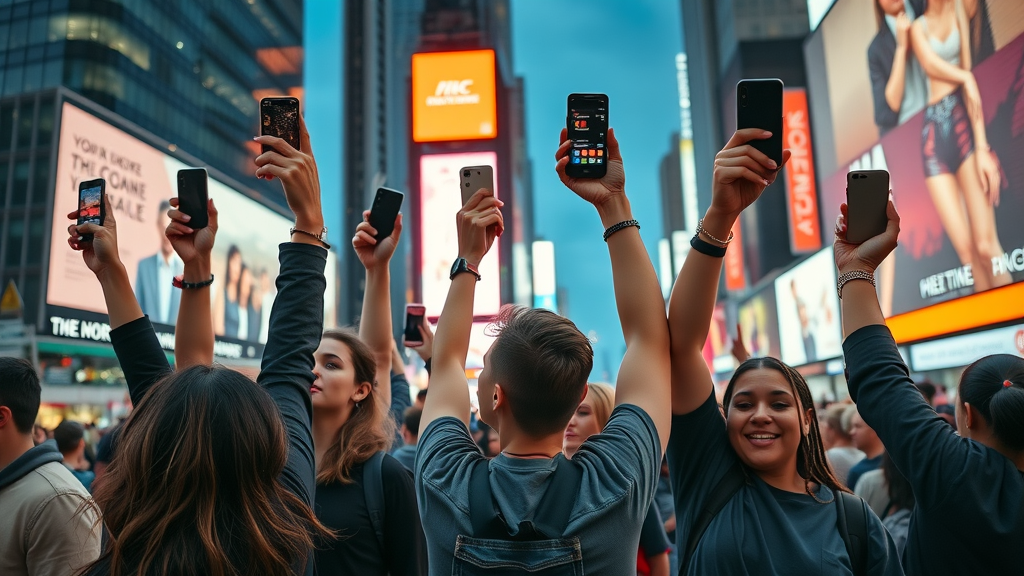
Did you know that over 90% of teens are active on social media, shaping their mental health daily? This eye-opening statistic highlights just how deeply intertwined social media has become with the everyday lives—and emotional well-being—of young people. As platforms like Instagram, TikTok, and Snapchat continue to redefine communication, questions about their impact on teen mental health are more urgent than ever. This article dives deep into the research, real-life stories, and expert opinions to help you understand the intricate relationship between teen mental health social media, and what it means for the health outcomes of children and teens in our digital world.
Opening the Conversation: Teen Mental Health and Social Media
"Did you know that over 90% of teens are active on social media, shaping their mental health daily?"
Teen mental health social media links have drawn intense interest from researchers, educators, parents, and teens themselves. The conversation isn't just about whether social media is good or bad—it's about understanding how these digital environments influence youth mental health, including positive opportunities and concerning risks like poor sleep, cyberbullying, or amplified peer pressure. With recent data showing a sharp rise in mental health issues among young people alongside the explosion of social media use, it is crucial to explore both the impact of social media and the responsibilities we share. This discussion lays the foundation for practical guidance, helping to clarify the complexities so families, educators, and young people can make informed choices and foster healthier behavioral health in the age of scrolling and sharing.

What You'll Learn
Current research on teen mental health social media interactions
Positive and negative effects of social media on youth mental health
Expert opinions on managing screen time and digital well-being
Actionable strategies for parents, educators, and teens
Understanding Teen Mental Health in the Context of Social Media
Defining Teen Mental Health Social Media: Scope and Trends
Teen mental health social media is more than a buzzworthy phrase. It refers to the complex intersection where adolescents’ well-being meets the world of likes, shares, and online conversations. Studies show that nearly every teen in the United States has a social media presence, with platforms shaping everything from self-identity to friendship dynamics and self-esteem. Over the past decade, mental health issues—including anxiety, depression, and concerns over body image—have risen among children and teens worldwide. Analysts debate how much these trends are linked to social media use versus broader societal pressures, but it’s clear that screen time and online interactions play a significant role in shaping health outcomes. The proliferation of platforms provides both community and risk factors, making it vital to discern not only whether social media affects youth mental health, but how, when, and why certain youths are more vulnerable or more resilient.

Children and Teens: Unique Challenges in the Digital Era
For children and teens, the digital era comes with unprecedented possibilities and pressures. Unlike adults, young people are navigating critical developmental stages as they shape their identities amidst a sea of online influences. Issues like cyberbullying, the perpetual comparison to curated social media feeds, and constant notifications can contribute to negative effects on well-being, including anxiety, depression, and poor sleep quality. Yet, youths are not just passive recipients: they use these platforms as creative spaces, building supportive communities, spreading awareness about mental health, and even leading conversations around behavioral health and stigma. While the risk factors are significant—especially for teens ages 13-18—the opportunities for growth and positive engagement exist side by side. Understanding both the vulnerabilities and strengths of children and adolescents is essential to guiding healthier digital habits and outcomes.
Social Media Usage Patterns Among Youth

Patterns of social media use among young people are evolving as quickly as the platforms themselves. Most teens ages 13-17 regularly use more than one media platform, with many spending over three hours per day scrolling, posting, or chatting online. This high volume of screen time has been identified in numerous studies as both a potential risk factor for poor mental health outcomes (such as anxiety, depression, and sleep disturbances) and as a lifeline for connection and creative expression. Some teens find their voice and community online; others experience negative impacts like cyberbullying, negative body image, or feeling left out. Recognizing these patterns helps us draw important distinctions: not all screen time is created equal, and the quality of online engagement matters as much as the quantity.
Popular Social Media Platforms and Youth Mental Health
Media platforms like Instagram, TikTok, Snapchat, and YouTube are at the center of teens’ digital lives. Each offers unique functions—short videos, photo sharing, ephemeral content—that appeal to different segments of young people. For some, sharing on TikTok or Instagram Stories is empowering; for others, these same features can fuel unhealthy comparison or expose youth to online harassment. Some research suggests that highly visual platforms may increase negative effect on self-esteem or body image, while forums that foster community and dialogue may offer more support and positive outcomes. Understanding which platforms teens frequent and how they interact within them is key to supporting youth mental health—especially as algorithms and trends change quickly, and what’s popular today may be replaced tomorrow.
Screen Time: How Much Is Too Much for Children and Teens?
The question of “too much” screen time is complex. According to the latest recommendations from the American Academy of Pediatrics and recent studies on youth mental health, there’s no one-size-fits-all answer. However, evidence indicates that more than two to three hours daily, especially spent passively consuming content or engaging in social comparison, can be associated with increased risk factors for anxiety, depression, and poor sleep. Quality trumps quantity: active online engagement in creative projects, positive peer support, or seeking help around behavioral health issues may not carry the same negative impact as zoning out to endless feeds. Nevertheless, balancing online time with offline activities, regular sleep, and face-to-face relationships remains essential to support the health of children and teens and address growing concerns around mental health issues in an always-connected world.
The Double-Edged Sword: Impact of Social Media on Teen Mental Health
Benefits of Social Media for Teen and Youth Mental Health
Connection and community for children and teens
Access to resources on behavioral health
Opportunities for creative expression
Despite headlines focused on dangers, there are clear benefits of social media for youth mental health. Online communities provide crucial social support—teens who feel isolated or marginalized in their offline environments can find validation, understanding, and belonging in virtual spaces. Many children and teens use platforms to access mental health resources, learn about coping strategies, or engage in peer-led storytelling that empowers themselves and others. Creative outlets—including sharing art, music, or personal challenges—also contribute to positive mental health outcomes. These opportunities highlight why banning technology altogether is neither realistic nor advisable; instead, guiding smarter, more meaningful online engagement is the key to helping young people thrive.
Negative Effects of Social Media on Teen Mental Health
Increased anxiety and depression
Cyberbullying and its impact on youth mental health
Negative effect on self-esteem and body image

On the flip side, mounting evidence reveals the negative effects of social media on teen mental health. Studies repeatedly cite links between excessive use and increased rates of anxiety, depression, poor sleep, and body image issues, with cyberbullying raising particular concern. For some young people, online experiences can reinforce feelings of isolation, create a negative impact on self-esteem, and even serve as a risk factor for more serious mental health issues. Social comparison, unfiltered exposure to unrealistic standards, and negative interactions all contribute to a potentially harmful digital environment—especially for children and adolescents struggling with identity or acceptance. Awareness of these downsides is essential for parents, educators, and teens themselves as they navigate what is increasingly a central aspect of modern youth culture.
Table: Social Media and Mental Health Outcomes in Teens
Outcome |
High Social Media Usage |
Low Social Media Usage |
|---|---|---|
Anxiety/Depression |
Increased risk |
Lower risk |
Poor Sleep Quality |
Common |
Less frequent |
Social Connection |
Can be strong but variable |
Lower but more face-to-face |
Body Image Issues |
More prevalent |
Less concern |
Access to Mental Health Resources |
Higher |
Lower |
Root Causes: Why Is Social Media Impacting Teen Mental Health?
Behavioral Health Mechanisms Influenced by Social Media

Why does social media have such a profound effect on teen mental health? The answer lies in the behavioral health mechanisms at play: developing brains are acutely sensitive to external validation, peer approval, and social comparison—all amplified by algorithmic feeds and digital feedback loops. Teens experience rapid emotional shifts in response to online interactions, making them more vulnerable to negative effects like stress, low self-esteem, or anxiety when faced with cyberbullying or exclusion. At the same time, social media’s interactive features can also spark dopamine-driven engagement, leading to habitual use that may disrupt sleep or daily routines. Recognizing these psychological and neurological underpinnings is vital for crafting guidance and interventions that truly address the unique susceptibilities of children and adolescents in our digital age.
Societal Pressures, Media and Mental Health Narratives
The broader societal pressures and narratives around media and mental health magnify risks for today’s teens. Social media not only reflects but often reshapes cultural ideas about success, beauty, popularity, and happiness. Young people are constantly comparing themselves not just to local peers, but to influencers, celebrities, and the seemingly “perfect” lives displayed on countless platforms. For some, this fuels ambition or sparks positive change; for others, it breeds insecurity and dissatisfaction. Negative messaging about mental health—or a lack of openness—can further discourage teens ages 12-18 from seeking help. Only by addressing the intertwined roles of digital media, family expectations, and education can we help reduce the risk factors that threaten youth mental health today.
Personal Perspective: Analyzing the True Impact of Social Media on Teen Mental Health
"The question isn't whether social media shapes teen mental health, but how we choose to respond as a society."
Opinion: Balancing Opportunity and Risk in Youth Social Media Use

In my view, the debate about teen mental health social media sometimes gets stuck between alarm and denial. The truth is that young people’s digital lives are complex: social networks are at the heart of friendship, creativity, and activism, but they’re also a testing ground for self-worth, privacy, and emotional regulation. The solution isn’t shutting teens out or letting them navigate the digital wilds alone—it’s helping them balance opportunity and risk, building communication, and supporting the development of media literacy. Adults—whether parents, teachers, or policymakers—must participate in this conversation, not out of fear, but out of respect for young people’s capacity to make smart, informed choices. Only then can the impact of social media, for better or worse, be truly transformed into a tool for positive youth mental health.
Are We Ignoring the Benefits of Social Media for Youth Mental Health?
Support networks and online friendships
Increased awareness of mental health issues
Empowerment through peer storytelling
It’s vital not to overlook the positive potential in the benefits of social media for children and teens. For marginalized groups or those living with mental health issues, the digital world can offer lifelines: online support networks, peer-to-peer guidance, and open sharing of experiences can break isolation and build confidence. Hashtag activism and mental health campaigns empower young voices and drive cultural change. When used thoughtfully, platforms become a megaphone for connection, encouragement, and advocacy. Rather than dismissing social media as inherently negative, we need to cultivate digital spaces that prioritize empathy, awareness, and healthy engagement so that youth mental health can truly flourish.
Critical Consideration: Can Social Media Platforms Promote Better Mental Health?
Can social media platforms themselves do more to protect and enhance the mental health of young people? Absolutely. Many experts now call for companies to redesign algorithms, improve privacy controls, and flag harmful content more efficiently. Youth input is essential—if we want healthier digital experiences for the next generation, teenagers must be central voices in policy and design decisions. Initiatives like digital well-being prompts, built-in screen time management tools, and easy access to crisis resources could make a meaningful difference. Ultimately, the question isn’t just about limiting harm, but leveraging media platforms to promote mental health for all children and teens online.
Expert Insights: How to Foster Healthy Social Media Habits in Children and Teens
Screen Time Recommendations for Healthy Youth Mental Health

Experts recommend practical, age-appropriate limits to screen time for children and teens. The goal isn’t restriction for its own sake but finding a healthy balance between online and offline life. For most teens, less than two hours of non-school-related screen time per day is ideal. However, guidelines encourage that parents and teens work together to set boundaries that fit family priorities and individual needs: prioritizing schoolwork, sleep, family meals, physical activity, and in-person friendships. Encourage open dialogues about online experiences—what feels uplifting versus draining? Customizing limits and schedules, rather than imposing rigid rules, has been shown to reduce family conflict and support healthier youth mental health outcomes while still fostering digital literacy.
Parental Involvement: Tips for Guidance and Digital Literacy
Establish clear social media guidelines
Encourage open conversation about mental health
Promote hobbies offline
Parental involvement is the greatest predictor for safe, positive social media experiences among media users. Clear, upfront rules around device usage, privacy, and respectful communication help teens understand expectations and potential risks. Parents should keep communication lines open—listen to concerns, acknowledge both positive and negative effects, and validate their teens’ experiences. Encourage diverse hobbies and activities that strengthen self-worth and resilience beyond the digital world. Learning together about privacy tools, blocking/reporting features, and mental health resources cultivates digital literacy and trust. Support and gentle guidance—not surveillance—are the building blocks of empowered, safe online participation for young people.
Coping Strategies for Teens Facing Negative Effects of Social Media
If social media has a negative effect on mood, sleep, or self-esteem, teens can take concrete steps to reset routines and recover well-being. Strategies include: muting or blocking harmful accounts, limiting late-night scrolling, and curating feeds to follow positive, supportive creators. Journaling or mindfulness apps can help monitor feelings after online sessions. Most importantly, talking to trusted adults or peers about what’s happening online—whether it’s cyberbullying, exclusion, or content that brings stress—breaks the silence and creates space for help and healing. No teen should have to navigate difficult emotions alone; healthy support networks are vital for navigating the ups and downs of social media and mental health.
Behavioral Health Support: When to Seek Help
While digital life can be tough, some signs should prompt teens—and the adults who care for them—to seek extra support. If changes in mood, sleep, appetite, social withdrawal, or academic struggles persist, or if there are concerns about self-harm or safety, it’s time to talk to a professional. School counselors, pediatricians, or behavioral health specialists can be important allies in addressing youth mental health issues connected to social media use. Early intervention, compassionate conversations, and destigmatizing mental health are key to healthier futures for all children and adolescents navigating social media’s challenges and opportunities.
People Also Ask
How does social media affect youth mental health?
Social media impacts youth mental health in both positive and negative ways. On one hand, children and teens can connect with friends, discover supportive communities, and find valuable information about behavioral health. On the other, studies link excessive use to increased anxiety, depression, poor sleep, and negative body image—especially when exposure to cyberbullying or harmful content occurs. Balancing time online, fostering positive interactions, and open conversations are crucial to help young people cultivate healthy digital lives and protect their mental health over time.
Can reducing screen time improve teen mental health outcomes?
Yes. Reducing screen time—especially before bed or when it replaces other essential activities—has been shown to improve sleep quality, mood, and academic performance for teens. Limiting passive scrolling and prioritizing in-person connections help decrease risk factors associated with excessive media use. Each family and teen is unique, so co-creating a plan for healthy screen habits, rather than imposing blanket bans, supports more sustainable improvements in youth mental health outcomes over the long term.
Are there social media platforms better suited for positive mental health in children and teens?
Some platforms offer safer, more supportive spaces for children and teens than others. Apps that encourage community, creativity, learning, or mental health advocacy—as opposed to those centered around competition, image, or popularity—often yield more positive outcomes. Parental controls, privacy settings, and informed content moderation all play a role. It’s important for families and educators to research platforms, guide youth toward supportive communities, and empower them to make choices that enhance their well-being rather than undermine it.
What are warning signs of negative effects from social media on mental health?
Warning signs may include sudden changes in mood or behavior, difficulty sleeping, dropping grades, withdrawal from family or friends, obsession with online feedback, or extreme distress after being online. If cyberbullying, negative comparisons, or exposure to risky content is suspected, it’s vital to offer reassurance and encourage honest discussion. Early support and professional guidance can prevent minor worries from becoming serious mental health issues for teens navigating a digital world.
FAQs: Teen Mental Health Social Media Concerns
What age is safe for children and teens to be on social media? Most social media platforms set the minimum age at 13. However, readiness depends on maturity, family values, and the teen’s grasp of safety and privacy.
How can parents monitor social media without invading privacy? Open communication, shared device use, and agreeing on guidelines together can help parents support rather than spy.
Are there proven benefits to youth mental health through social media platforms? Yes. Communities, support, creative outlets, and access to behavioral health resources can foster confidence and resilience.
What resources exist for teens experiencing negative effects from social media? Teens can reach out to school counselors, helplines, or trusted adults, and use apps or websites dedicated to youth mental health support.
Key Takeaways: Navigating the Intersection of Teen Mental Health Social Media
Teen mental health social media issues are nuanced and require balanced consideration.
Social media can both support and harm youth mental health; guidance is essential.
Empowered and informed youth, parents, and educators make the biggest difference.
Conclusion: Shaping a Healthier Digital Future for Teen Mental Health
"Awareness, conversation, and education are the keys to better outcomes in the age of social media."
Take Action: Join the Conversation on Teen Mental Health Social Media
Share your story or insights in the comments below.
Connect with resources for youth mental health and social media guidance.
Advocate for positive changes in digital policy and platform design.



Write A Comment