



Did you know that nearly 45% of teenagers admit to having engaged in at least one risky behavior online in the past year? This shocking reality is reshaping how we see adolescent life in the digital era. As social media platforms grow more embedded in everyday teen interactions, they also introduce a host of invisible dangers that can threaten mental health, academic performance, and future opportunities. This article dives deep into the hidden risks of social media, uncovers unconventional trends in teen behavior, and offers both expert insights and actionable solutions. If you’re a parent, educator, or simply someone concerned about youth mental health, you’ll find critical information here to better understand and respond to the world teens inhabit online.

A Startling Reality: How Social Media Risky Behaviors Affect Teens
Statistic: According to recent surveys, over 40% of U.S. high school students have either been involved in or witnessed risky online behaviors, from oversharing to participating in viral challenges.
While social media connects people globally, it also exposes teens to risky behaviors that can seriously impact their development. These behaviors range from online harassment to sharing personal information and engaging in dangerous viral challenges. Teen users often underestimate the consequences, believing their actions are private or fleeting. Sadly, the negative impact of social media risky behaviors on youth mental health and self-image can be profound and long-lasting. Both the United States and other countries are seeing a trend of increasing incidents, raising concern among medical and educational authorities.
This rapidly evolving digital environment blurs boundaries between ordinary socialization and risk behavior that can jeopardize a young person's safety—or even their future opportunities. Teens are not only the primary media users but also trendsetters, pushing boundaries in ways unseen just a decade ago. Understanding these threats and how they manifest can help parents, educators, and policymakers create a safer online world for the next generation.
Unconventional Trends in Social Media Risky Behaviors Among Teens
The landscape of social media risky behaviors teens engage in is constantly shifting. Today, unconventional trends such as anonymous apps, disappearing messages, and group-based dares foster an environment where secrecy is normalized and accountability is low. Teens gravitate towards platforms that promise privacy or anonymity, believing this shields them from repercussions. Yet, these spaces are fertile ground for impulsive, and sometimes reckless, behavior.
Complicating matters further, platforms like TikTok, Snapchat, and Instagram often reward dramatic or sensational content, inadvertently encouraging teens to take bigger risks for peer validation. As teens chase likes, shares, and viral status, the line between playful experimentation and hazardous risk behavior blurs. This makes it essential for adults to stay updated on these platforms and the emerging trends they foster.
What You'll Learn About Social Media Risky Behaviors in Teens
The types of risky behavior teens engage in on social media
The impact of risky behaviors on adolescent development and mental health
Warning signs and how to identify at-risk behavior
Strategies for parents and educators to mitigate increased risk
Expert opinions and latest research on social media and risky behaviors
Understanding the Landscape: Social Media Use Among Teens
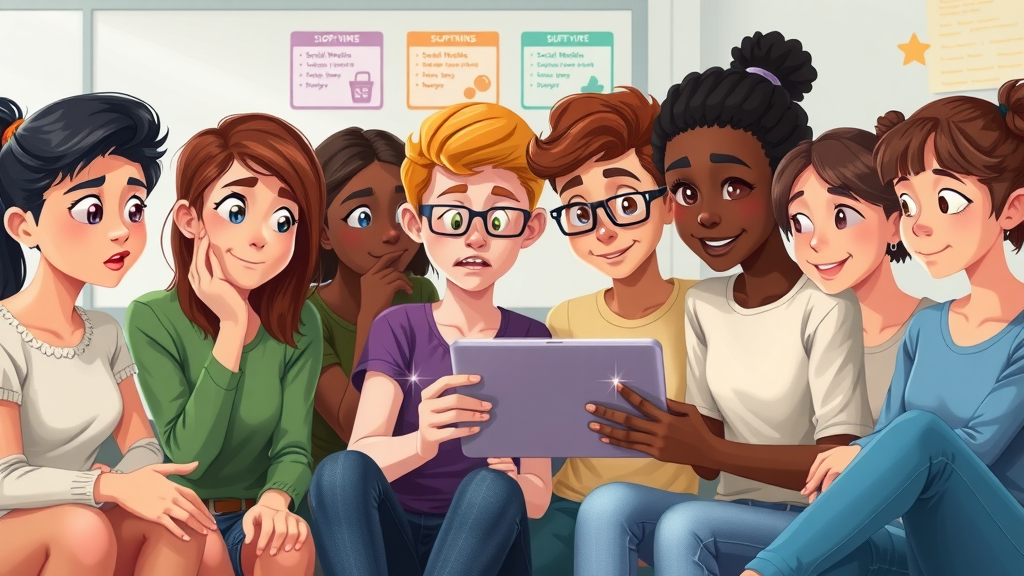
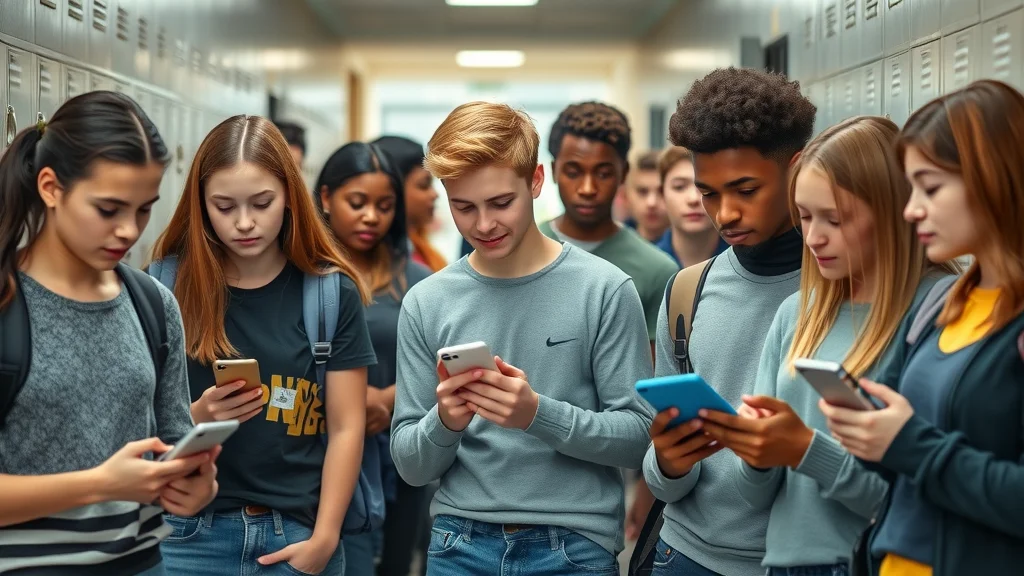
To understand why social media risky behaviors teens are on the rise, it is critical to examine how and why adolescents use these platforms. Pew Research Center data shows that over 90% of U.S. teens are active social media users, with many spending hours daily on their favorite media platforms. These high usage rates align with a period in adolescent development where peer influence and social validation matter most, heightening both connection and risk.
Globally, similar trends emerge, with young people adopting new apps almost as quickly as they are launched. This constant connectivity means that exposure to potential risks is not just possible; it is nearly inevitable. The digital environment becomes a second reality where teens feel the need to experiment, sometimes far beyond their comfort or safety zones—all under the watchful, and sometimes encouraging, eyes of online followers.

Social Media Platforms Popular with Teens
Current social media trends among adolescents: TikTok, Instagram, Snapchat, and Discord are among the top choices for teens. These platforms allow instant communication, creative expression, and participation in viral challenges.
Why these platforms appeal to teens: Fast-paced content, anonymity features, and reward-driven algorithms make these apps irresistible for young people seeking social validation and connection.
Global and United States Statistics on Social Media Adoption
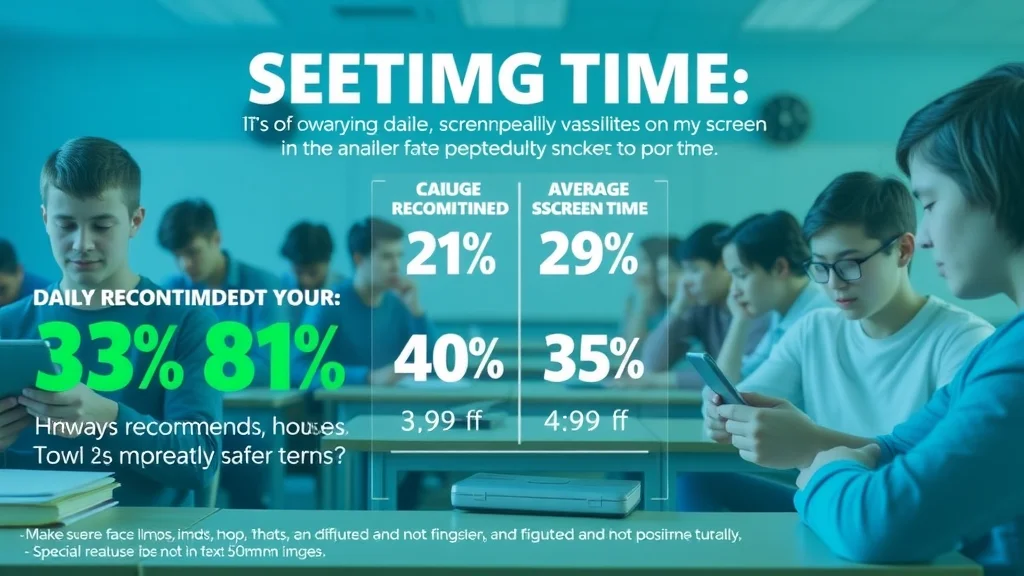
United States |
Global Average |
|
|---|---|---|
Teen Social Media Users (%) |
92% |
81% |
Avg. Daily Screen Time |
3+ hours |
2+ hours |
Multiple Platform Usage (%) |
68% |
50% |
Defining Social Media Risky Behaviors in Teens
What exactly classifies as a risky behavior on social media? For young people, it’s not just about spending too much time online but about the types of interactions and content shared. Risk behavior can range from oversharing private details to engaging with unknown individuals—and even participating in extreme viral challenges that jeopardize safety for the thrill of attention or viral fame.
As technology advances, the digital environment gives rise to new forms of risky behavior, many of which parents and educators may scarcely recognize. The consequences, however, can be devastating: from short-term embarrassment to long-term social, legal, or mental health outcomes.
What Constitutes Risky Behavior on Social Media?
Oversharing personal information
Engaging with strangers
Participating in dangerous viral challenges
These are only a few examples. Other forms include cyberbullying, sexting, and seeking validation through risky posts. Media platforms often blur the line between experimentation and danger, making it easy for young social media users to slip into patterns that expose them to harm.
The Evolution of Risky Behaviors in the Digital Era
Expert Quote:"Adolescents are not just influenced by peers in their immediate environment, but by a global network that constantly rewards novelty and boldness, leading to new forms of risky behavior previously unseen," says Dr. Alison Greene, an adolescent development specialist.
Gone are the days when risky behavior was confined to local friend groups. In the digital age, the stage is global. The desire for likes, shares, and new followers feeds into impulsive actions and ever-bolder digital experiments—often before teens can fully understand the consequences. As media users, teens are navigating an evolving playground where the risks can be both subtle and severe.

Key Types of Social Media Risky Behaviors Teens Exhibit
Online Harassment and Cyberbullying
Cyberbullying remains one of the most serious social media risky behaviors teens encounter. Unlike traditional bullying, online harassment can follow individuals home, occurring 24/7 and amplified by potential anonymity. Higher rates of depression, anxiety, and poor mental health outcomes are closely linked to persistent online attacks, and victims may struggle with social isolation and lowered self-esteem. The negative impact of social media on youth mental health is a growing concern, as digital harassment can escalate quickly—often with a larger, and more public, audience than ever before.
Incidents range from public shaming and exclusion from group chats to organized campaigns against young people. Media platforms are making efforts to curb these practices, but the responsibility still falls heavily on parental monitoring and proactive education.
Sexting and Sharing Inappropriate Photos
Sexting—the sharing of explicit photos or messages—has become alarmingly common among teens on social media. While these behaviors may begin as consensual or private, they come with enormous risks: images can be reshared without consent, blackmail can occur, and victims may face both legal and emotional consequences. The anonymity and perceived privacy of social media platforms embolden many teens to engage in risky behaviors without recognizing the potential fallouts for their reputations, academic future, and mental health.

Participation in Hazardous Viral Challenges
Some viral challenges may be harmless, focusing on creativity or harmless fun. Unfortunately, others glamorize dangerous stunts requiring teens to risk physical injury or break the law. Social media users are constantly bombarded with trending content, which fuels peer pressure and the urge to fit in—sometimes with devastating results. Examples include the infamous Tide Pod Challenge, daring stunts requiring trespassing, or challenges involving self-harm. Each incident serves as a stark reminder of the negative impact of social media on impulsive decisions.
Parents and teachers must remain vigilant, as these challenges can often go viral with little warning, catching even the most responsible young people off guard.
Anonymous Apps and Increased Risk of Exploitation
The rise of anonymous messaging and confession apps has compounded concerns. While these platforms promise a safe space for self-expression, they often make it easier for bad actors to manipulate or exploit young users. Teens engaging in risky behaviors on these apps may encounter grooming, threats, or emotional manipulation, with little way to trace perpetrators.
Anonymous apps create a perfect storm for risky interactions, with reduced inhibitions and lower accountability fueling increased risk.
FOMO (Fear of Missing Out) and Peer Pressure Online
Peer pressure has gone digital. Teens scrolling through highlight reels of friends’ adventures, parties, and achievements often experience FOMO—driving them to mimic risky behavior for the sake of belonging. For many young people, the need to participate and document every experience can snowball into oversharing, staging dangerous stunts, or succumbing to social manipulation.
Cases of teens livestreaming harmful activities or joining inappropriate group chats have increased risk for both immediate and longer-term health outcomes. The drive for digital inclusion can overshadow caution or previous education about online safety.
Example: A teen posts an embarrassing video to gain followers, only for it to become a tool for cyberbullying.
Example: In 2022, a viral TikTok challenge led to multiple hospitalizations among U.S. teens as they attempted dangerous pranks.
Recent incident: Use of anonymous chat apps in schools resulted in cases of blackmail and emotional trauma.
Adolescent Development and the Appeal of Risky Behaviors on Social Media
Risk Behavior and the Teen Brain

Adolescents are naturally wired for exploration and novelty, traits that supported survival throughout human history. However, these same developmental drivers can fuel risk behavior in today’s digital environment. The prefrontal cortex—responsible for decision-making and impulse control—is still maturing in teens, meaning that instant rewards from social media are disproportionately appealing.
Media users are particularly susceptible to reinforcement from likes, shares, and comments. Social media platforms, built on algorithms that reward engagement, amplify this effect by prioritizing bold, attention-grabbing actions. Adolescents lack the lived experience to accurately calculate long-term consequences, further increasing vulnerability to risky behaviors.
The Psychological Impact: Why Teens Take Risks Online
Psychologist's Perspective:"Impulsivity peaks during adolescence, and the need for social validation is at its highest," explains Dr. Maya Lopez, child and adolescent psychologist. "Social media platforms leverage these psychological factors, often pushing teens to seek approval through increasingly risky behavior."
For many young people, the psychological urge to belong or stand out overrides internal warning signs. Instant feedback loops—likes, reactions, and follower counts—make teenagers more likely to repeat or escalate attention-seeking behaviors. This cycle not only endangers their safety but can also fuel anxiety, poor mental health, and diminished self-worth when validation falls short.
As adolescents navigate this new terrain, understanding their psychological vulnerabilities is vital for meaningful intervention and support.
The Mental Health Fallout: Social Media Risky Behaviors and Adolescent Well-being
Links Between Risky Social Media Behaviors and Mental Health Issues

The more teens engage in risky behavior online, the more likely they are to face negative mental health outcomes. Youth mental health experts warn of strong links between cyberbullying, sexting, and participation in viral challenges with increased levels of depression, anxiety, and even self-harm. These risks are especially pronounced for already vulnerable populations, including those with a history of poor mental health or family instability.
Social media risky behaviors teens engage in can also harm sleep quality, lower academic performance, and create a persistent state of stress or fear. The combination of social pressure, exposure to harmful content, and chronic comparison can deepen the negative impact of social media, leaving lasting scars well into adulthood.
Case Studies of Teens Facing Consequences
Consider the case of a 15-year-old student who participated in a viral challenge and suffered physical harm, causing both embarrassment and a cascade of negative media attention. Or the story of a teen enduring social ostracism after private messages were leaked, leading to months of isolation and academic decline. Real-life incidents like these highlight that the risks are neither abstract nor rare—they are an urgent reality for countless youth.
Families and educators must address these challenges proactively, recognizing the warning signs and knowing how to intervene before risky behavior escalates into a genuine crisis.
Expert Insights: The Intersection of Social Media, Risk Behavior, and Mental Health
Experts agree that the intersection between social media, risk behavior, and adolescent mental health must be a central focus moving forward. Surgeon General advisories stress the need for digital literacy, supportive environments, and transparent communication to mitigate these growing threats. However, increased risk remains present unless whole communities—schools, parents, tech companies—commit to coordinated intervention.
The most effective solutions rely on understanding that risky behaviors are often both symptom and cause of deeper mental health struggles, requiring empathy and evidence-based action.
Increased Risk: Which Teens Are Most Vulnerable to Social Media Risky Behaviors?
Demographic Risk Factors (United States Focus)

Not all teens face equal risk when it comes to engaging in risky online behavior. Research points to several demographic groups in the United States who are particularly vulnerable: those from low-income backgrounds, youth of color facing unique stressors, LGBTQ+ teens, or adolescents experiencing instability at home. These young people often encounter increased risk factors both online and offline, making them primary targets for exploitation or social manipulation via digital platforms.
Additionally, female teens are statistically more likely to experience cyberbullying or exploitation, while those with limited digital literacy skills are less able to recognize or avoid potential dangers. It is crucial for all stakeholders—educators, policymakers, and families—to understand these risk patterns so interventions can be tailored effectively.
Adolescents with Pre-existing Mental Health Challenges
Teens dealing with depression, anxiety, or trauma are at significantly higher risk of being drawn to, or harmed by, social media risky behaviors. These individuals may seek out risky interactions or attention online as a means of coping, creating a feedback loop that worsens their mental health. Studies find that youth with poor mental health report more negative experiences online and are less equipped to handle cyberbullying or digital ostracism.
Parents and mental health professionals should be aware of these risk amplifiers and support teens with resources, open communication, and, when necessary, professional intervention.
Social Media Usage Frequency |
Risk of Engaging in Risky Behaviors (%) |
|---|---|
Occasional (less than 1 hr/day) |
24% |
Moderate (1-3 hrs/day) |
33% |
Heavy (3+ hrs/day) |
49% |
Parental and Educational Interventions: Mitigating Risky Behaviors on Social Media
Effective Monitoring Without Invading Privacy
Trust is key, but so is oversight. Parents can utilize technology to monitor activity without overtly invading privacy. Parental controls, activity reports, and open conversations about digital boundaries are effective tools. Mutually agreed-upon check-ins build trust and provide a platform for discussing emerging risks, while not making teens feel spied on.
Digital literacy between parents and teens can foster understanding and safer online choices.
Educating Teens About Online Risks
Direct, age-appropriate education is a potent defense. Schools and families should deliver regular lessons on the risks of oversharing, engaging with strangers, and succumbing to peer pressure. Visual presentations, interactive scenarios, and discussions about real-life consequences help teens internalize the seriousness of online behaviors. Parental modeling of healthy media habits further reinforces these lessons.
Collaborative School and Community Programs

No one entity can solve this problem alone. The most successful interventions involve schools, parents, mental health professionals, and tech platforms working together. Community-wide programs, digital clubs, peer mentoring, and workshops can build digital resilience, offer trusted support, and destigmatize help-seeking behaviors.
-
Top 5 Tips for Parents:
Encourage open communication about online experiences
Regularly discuss digital boundaries and dangers
Use privacy settings and monitor new app downloads
Model healthy social media use
Seek professional help when warning signs appear
Recommended Resources: NetSmartz, Common Sense Media, StopBullying.gov, and trusted digital literacy courses.
Expert Opinions: The Path Forward in Reducing Social Media Risky Behaviors in Teens
Expert Statement:"Long-term solutions require empowering teens to use technology thoughtfully—building digital literacy, resilience, and community support to guide safe navigation of an ever-changing landscape."
Balancing Digital Freedom with Safety
While there’s no benefit in banning social media entirely, there is immense value in teaching young people to make empowered, informed decisions. Experts encourage a balance between giving teens freedom and equipping them with the digital resilience needed to face risks head-on. This includes not only information about safe practices but fostering healthy online relationships and building self-esteem outside the digital sphere.
People Also Ask: Social Media Risky Behaviors in Teens
What are common risky behaviors that teens engage in on social media?
Answer: Common risky social media behaviors among teens include sexting (sharing explicit images or messages), cyberbullying (harassing or bullying others online), participation in viral challenges (often dangerous or illegal stunts), and oversharing personal information. Each behavior can have serious consequences for safety, privacy, and well-being.
How can parents identify if their teen is at risk on social media?
Answer: Warning signs include sudden secrecy about online activities, withdrawal from family and friends, mood changes after using devices, or hiding new accounts. Parents should look for red flags like receiving alarming messages, engaging in excessive screen time, or talking about online strangers. Open dialogue, gentle monitoring, and awareness of new trends can help catch problems early.
What role does mental health play in risky online behavior?
Answer: Mental health challenges such as anxiety or depression can make teens more likely to seek risky experiences or validation online. Poor mental health may lower self-esteem or increase impulsivity, leading to more frequent engagement in risk behaviors—even when teens know the potential risks.
Are there long-term consequences for teens who engage in risky online behaviors?
Answer: Long-term consequences can include academic trouble, damaged friendships, legal ramifications, and lasting mental health issues such as depression or anxiety. In some cases, digital actions can affect college admissions or job opportunities, especially if inappropriate material is circulated widely.
FAQs: Social Media Risky Behaviors in Teens
How can schools address risky behaviors in students' social media use? By integrating digital literacy into the curriculum, fostering open forums, and providing counseling resources for affected students.
Are there legal regulations for teen social media activity? Laws govern data privacy and child exploitation; some states also have rules about sexting and digital harassment among minors.
Can social media platforms do more to prevent risky behavior? Yes, by investing in better content moderation, improved privacy controls, user education, and faster reporting mechanisms for dangerous content.
What are some effective communication strategies with teens? Approach conversations with curiosity, empathy, and mutual respect. Avoid judgment; instead, ask questions and share reputable resources.

Key Takeaways: Social Media Risky Behaviors in Teens
Risky online behaviors are rising among teens in the United States and globally.
Certain adolescents are at increased risk due to social, psychological, or demographic factors.
Preventive education, parental involvement, and digital literacy can mitigate these risks.
Expert consensus points towards collaborative solutions for lasting impact.
Conclusion: Rethinking Our Approach to Social Media and Risky Behaviors in Teens
Summary of Risks and Interventions

It’s clear that social media risky behaviors teens engage in present serious and complex challenges. Addressing them requires new strategies, strong partnerships, and a commitment to ongoing education and empathy.
A Call for Awareness and Proactive Action
Every adult has a role to play in the digital safety net we build for our teens—a future where connection and creativity never come at the cost of well-being or opportunity.
Next Steps: Stay Informed and Protect Our Teens
Share this article with concerned parents and educators
Subscribe for updated research on adolescent behavior and social media
Download our free safety checklist for guiding teens online
In exploring the hidden risks of social media and how teens engage in risky online behaviors, two authoritative resources provide valuable insights:
The Mayo Clinic’s article, “Teens and social media use: What’s the impact?,” discusses the potential negative effects of social media on adolescents, including distractions from essential activities, exposure to harmful content, and increased risks of mental health issues such as anxiety and depression.
The American Academy of Child and Adolescent Psychiatry’s guide, “Social Media and Teens,” outlines both the benefits and risks of social media use among teenagers, emphasizing the importance of parental guidance and education to help teens navigate these platforms responsibly.
If you’re serious about understanding and mitigating the risks associated with teen social media use, these resources offer comprehensive information and practical strategies to support adolescent well-being.


Write A Comment