


Add Row
Add Element
cropper
update

Troubled Teen Solutions

update
Add Element
  • Home
  • Categories
    • Understanding Teens
    • Parenting Strategies
    • Mental & Emotional Health
    • Family Relationships
    • Education Challenges
    • Risky Behaviors
    • Online Habits
    • Healthy Outlets
    • Parent Support
    • Professional Resources
  • Raising Kids Well
Add Element
UPDATE
March 22.2026
1 Minute Read

The Impact of Parenting Styles on Child Development

Did you know? By age five, a child’s early experiences with their caregiver’s approach can set the tone for life-long resilience, academic performance, and social skills

A Startling Look: The Impact of Parenting Styles Begins Early

The impact of parenting styles on child development is profound and starts earlier than most parents expect. By the time a child reaches preschool, patterns set by family dynamics and parental responses have already begun to shape the child’s world. These patterns impact everything from secure attachment and language skills to the way children handle emotions and interact with others. Scientific studies highlight that children raised with consistent, nurturing, and responsive parenting practices not only display better social skills and emotional regulation but may also develop stronger cognitive abilities and resilience in the face of life’s stressors.

It’s alarming to note that inconsistent or negative parenting can lead to behavioral problems, lower self-esteem, and increased risk for mental health challenges even in adolescence and adulthood. When we talk about the impact of parenting styles, we’re not just dealing with guidelines for raising children, but with a set of blueprints for how they approach relationships, school, work, and their own self-worth. Getting parenting right—especially from the very start—lays the foundation for healthier families and, ultimately, healthier communities.

Young family carefully interacting with toddler, illustrating the impact of parenting styles on child development in a warm, sunlit living room.

The Unconventional Facts About Parenting Styles and Their Impact on Child Development

While it may be common knowledge that parenting matters, the unconventional truth is that no single parenting style fits every family or child. In reality, the impact of parenting styles is influenced by everything from culture and socioeconomic background to family structure and the unique personality of the child. Children feel and internalize the quality of emotional support, discipline, and communication differently; a nurturing approach can ignite confidence, while inconsistency or neglect stifles emotional growth and social development. Longitudinal studies show that even children from permissive households—where rules are few—may struggle with self-discipline despite outward happiness, while those raised by authoritarian parents may excel academically but face greater anxiety or social withdrawal.

The bottom line? There’s no “one-size-fits-all,” but being informed about the impact of each style arms parents with the best possible tools for positive child development outcomes

As children grow, parents often encounter new challenges that require adapting their approach—especially during the teenage years when stress levels can rise for both parents and adolescents. For practical strategies on maintaining balance and supporting your teen, explore these stress management tips specifically designed for parents of teenagers.

What You'll Learn About the Impact of Parenting Styles

  • Explore the major types of parenting styles and their direct impact on child development
  • Understand the relationship between parenting style, mental health, and child development outcomes
  • Gain insights from historical and current psychological research
  • Compare expert opinions and quotes on parenting styles
  • Find answers to frequently asked questions on the impact of parenting styles
  • Review key takeaways to apply effective parenting strategies

Parenting Style Theory: Diana Baumrind and the Foundation of Parenting Styles

The foundation for understanding the impact of parenting styles on child development was set by Diana Baumrind, a pioneering developmental psychologist. In the 1960s, Baumrind’s research at the University of California, Berkeley, radically transformed child psychology by introducing an evidence-based framework for categorizing parenting behaviors. She established that the way parents set expectations, provide emotional support, and impose discipline can be consistently grouped into identifiable parenting styles, each with distinct outcomes for children.

Baumrind's contribution is widely recognized in academic and clinical settings, guiding both research and interventions to this day. Her studies asserted that authoritative, authoritarian, permissive, and uninvolved parenting are the pillars upon which most family dynamics are built. Later scholars expanded her initial model, but the original classifications remain the gold standard for examining the interplay between home environments and the trajectory of child development.

Who is Diana Baumrind and Why Does Her Research on Parenting Styles Matter?

Diana Baumrind’s legacy lies in her meticulous observation and analysis of families, offering systematic definitions for how parents influence their children’s behavioral and emotional outcomes. Through structured interviews, questionnaires, and direct observation, she identified the links between parental attitudes—including warmth, control, discipline, and communication—and children’s social skills, mental health, and academic achievement. Her body of work remains crucial for today’s parents, clinicians, and educators, as it highlights the direct connection between daily parenting practices and long-term outcomes for children.

Modern research continues to validate Baumrind’s findings, emphasizing that the impact of parenting styles can determine a child’s confidence, ability to form relationships, and capacity to cope with adversity. Simply put, understanding her research helps parents make more informed, intentional choices for raising well-adjusted children.

"Diana Baumrind fundamentally transformed how we understand the impact of parenting styles on child development."

Renowned developmental psychologist Diana Baumrind, reviewing research notes in a scholarly office, foundational to understanding parenting style impact.

The Four Main Parenting Styles and Their Impact on Child Development

Comparison Table of Parenting Styles and Their Impact on Child Development & Mental Health
Parenting Style Key Characteristics Impact on Child Development Impact on Mental Health
Authoritative High expectations, warmth, open communication, consistent boundaries Strong social skills, academic achievement, resilience Lower levels of anxiety and depression, higher self-esteem
Authoritarian Strict rules, limited warmth, high control, low flexibility Compliance, less creativity, lower social competence Higher anxiety, risk of low self-worth, possible social withdrawal
Permissive Warmth, few rules, little discipline, child-led decisions Impulsivity, weak self-discipline, creativity Potential behavioral problems, difficulty with boundaries
Uninvolved Low warmth, low control, emotional detachment Poor academic performance, attachment issues Increased risk for depression, low self-esteem, behavioral disorders

Authoritative Parenting: Positive Impact on Child Development and Mental Health

  • Definition and key traits: Authoritative parenting combines high expectations with empathy, fostering independence while maintaining guidance and open communication.
  • Research on impact: Studies consistently show that children raised by authoritative parents are better equipped to handle stress, perform academically, and build strong social relationships. These children are often more confident, adaptable, and resilient, with a lower risk for behavioral and mental health issues.
  • Quotes from experts: “When parents offer emotional support, set limits, and model positive behavior, children develop into secure, self-directed individuals.”
  • Real-world outcomes from authoritative parenting style:
    • Secure attachment and trust in relationships
    • Higher self-esteem and motivation
    • Better emotional regulation skills
    • Greater social competence and leadership abilities
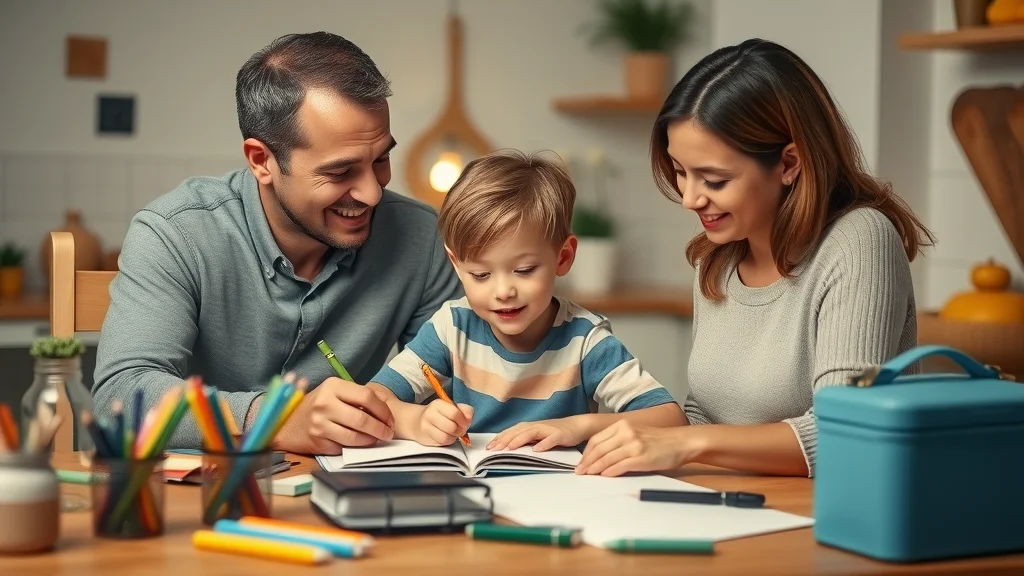
Authoritative parents engaging with child

Authoritarian Parenting: Strict Rules and the Impact on Child Development

  • Key characteristics: Authoritarian parenting is defined by strict rules, high expectations, and low emotional warmth. Discipline is enforced rigidly, and children’s opinions rarely influence household rules.
  • Mental health and behavior: Children raised under authoritarian parenting may initially display compliance, but often experience increased anxiety, lower self-confidence, and difficulties in creative or social environments. Discipline tends to suppress independent thinking and emotional expression, which can lead to behavioral problems or social withdrawal.
  • Pros and cons:
    • Pros: Predictable structure; may yield short-term obedience
    • Cons: Emotional distance, risk of resentment, increased likelihood of rebellion or low self-worth
  • Long-term impact: Data indicate children raised by authoritarian parents are more likely to internalize feelings of inadequacy and may struggle with adult relationships or workplace dynamics due to unaddressed emotional needs.

Authoritarian parent overseeing anxious child at study table, demonstrating strict rules and emotional distance in parenting style.

Permissive Parenting: Flexibility or Instability? The Impact on Child Development

  • Characteristics: Permissive parents are nurturing and communicative, but rarely enforce consistent boundaries. Children often have significant autonomy in making decisions, facing few restrictions or routines.
  • Emotional regulation and self-discipline: The lack of clear expectations in permissive households can create a sense of freedom, but it may also hinder the development of self-discipline and respect for limits. Children often struggle with impulse control, making it difficult to manage academic, social, or emotional challenges effectively.
  • Research and expert insights: Findings highlight that while permissive parents foster creativity and open self-expression, their children are also more prone to risk-taking, behavioral problems, and difficulties with authority figures in structured settings.
  • Key indicators of permissive parenting:
    • Inconsistent bedtime and mealtime routines
    • Children frequently negotiating or setting their own rules
    • High levels of empathy but little emphasis on self-control
    • Minimal disciplinary consequences

Permissive parent and playful child choosing snacks, highlighting flexibility and lack of boundaries in permissive parenting style.

Uninvolved Parenting: The Neglectful Impact on Child Development

  • Characteristics: Uninvolved parenting is neglected or disengaged, marked by a lack of emotional involvement, minimal supervision, and few expectations. Uninvolved parents may provide basic physical needs but do little to nurture children's emotional or social growth.
  • Research findings: Children raised in uninvolved households are at significant risk for attachment disorders, behavioral problems, and academic failure. Lack of emotional support creates vulnerability to depression, substance abuse, and social isolation.
  • Case studies: Documented cases highlight long-term impacts, from chronic underachievement to difficulties establishing healthy adult relationships. The neglectful impact of this parenting style is particularly pronounced on mental health outcomes.
  • Signs and effects:
    • Chronic feelings of loneliness or neglect
    • Poor school performance
    • Difficulty trusting others or forming relationships
    • Increased susceptibility to mental health challenges

Lonely child at home, alone with homework, illustrating the negative impact of uninvolved parenting style on child development and mental health.

How Parenting Styles Directly Influence Child Development and Mental Health

The direct influence of parenting styles on child development manifests in three crucial domains: cognitive, social, and emotional growth. Research has shown that children raised by authoritative parents consistently outperform their peers this includes higher academic achievement, well-developed social skills, and better emotional regulation. In contrast, those raised in environments dominated by authoritarian, permissive, or uninvolved parenting styles face more frequent challenges—ranging from behavioral problems and anxiety to difficulties in forming friendships or regulating emotions.

What makes the impact of parenting styles so significant is the way daily interactions shape a child's sense of self. Parents who model patience, establish consistent routines, and employ positive reinforcement support robust cognitive development by fostering curiosity and critical thinking. Meanwhile, emotional support and open communication enable children to build strong coping mechanisms and resilience, which are protective factors for long-term mental health. Consistently, effective parenting combines discipline with warmth—a blend that stands out when considering outcomes for children.

Parenting Styles and Cognitive, Social, and Emotional Growth

Cognitive development, including problem-solving and language acquisition, is enhanced by authoritative parenting’s balanced approach of high expectations and nurturing support. Social skills are best fostered in homes where children feel heard and respected; authoritarian or uninvolved approaches stifle these abilities, either through fear or absence. Emotional growth further hinges on how parents validate feelings and respond to distress: permissive styles may encourage expression but fail to instill self-control, while uninvolved families risk missing emotional milestones entirely.

Longitudinal research highlights that the cumulative effect of a proactive, emotionally intelligent parenting style is worth more than any single intervention—it helps children overcome adversity, build lasting relationships, and thrive academically and socially. Conversely, inconsistent or negative approaches create an environment ripe for insecurity, defiance, and poor mental health outcomes.

Parenting Styles vs. Child Development Outcomes
Parenting Style Cognitive Growth Social Skills Emotional Resilience
Authoritative Excellent Well-developed Strong
Authoritarian Adequate Weaker Moderate
Permissive Variable Inconsistent Weaker
Uninvolved Poor Poor Weak

Children of different ages and backgrounds participating in developmental milestones, showing impact of parenting styles on learning and teamwork.

The Impact of Parenting Styles on Mental Health: Risks and Benefits

  • Correlation with anxiety, depression, and resilience: There is a clear relationship between parenting style and mental health. Authoritative parenting is most likely to foster resilience and lower the risk for anxiety and depression, while authoritarian, permissive, or uninvolved approaches heighten the risk for mental health issues.
  • Longitudinal evidence: Decades of studies confirm that the impact of parenting styles persists across the lifespan. Secure, supportive approaches lead to healthier adults, while inconsistent or neglectful styles leave lasting scars, often surfacing as depression, low self-worth, or social withdrawal in later life.
  • Practical implications for parents: Parents who reflect on their style and adapt to their child’s needs are far more likely to promote positive mental health outcomes. Even subtle shifts—such as improving communication or providing clearer boundaries—can mitigate risks and support healthier child development.

Modern Perspectives on the Impact of Parenting Styles

While Baumrind’s original theory remains relevant, today’s families are more diverse and dynamic than ever before. The impact of parenting styles can differ greatly by culture, family structure, or social context. What is considered “strict” or “permissive” in one culture may look entirely different in another, yet the underlying need for warmth and boundaries is universal. Modern experts encourage parents to adapt traditional models to fit individual family circumstances and values, integrating cultural strengths while safeguarding children’s emotional and developmental needs.

Trends also reflect a greater emphasis on emotional intelligence, positive discipline, and mindful relationships in the face of modern challenges such as digital distractions, dual-career households, and blended families. This dynamic approach enhances the impact of positive parenting styles, allowing children to thrive in rapidly changing environments.

Cross-Cultural Views on Parenting Styles and Their Impact

Global research has illuminated the role of culture in shaping parenting behaviors and their outcomes. For instance, some cultures emphasize communal support and extended family, while others focus on achievement or independence. Despite the variations, studies consistently demonstrate that a blend of warmth, communication, and guidance promotes the most favorable developmental outcomes across cultural contexts. Adapting parenting to respect cultural traditions while incorporating positive elements from authoritative style strengthens family bonds and child development.

Family values, social norms, and community expectations can sometimes challenge the standard models of Western parenting theory, but incorporating cultural wisdom alongside evidence-based strategies helps create an inclusive, supportive environment that enhances child growth and well-being.

Diverse families around the world, each modeling warmth and support, reflecting cross-cultural impact of parenting styles on children.

Adapting Parenting Styles for Diverse Families

Today’s families reflect a tapestry of backgrounds, traditions, and beliefs. Blended families, single parents, and multigenerational households each bring unique strengths and challenges to the parenting equation. Adaptability is key: parents who learn to combine structure with flexibility and empathy tend to raise more resilient, adaptable children. Expert consensus suggests that blending approaches found in authoritative parenting—such as empathy, expectation, and communication—are effective in most diverse settings.

By openly discussing challenges and negotiating boundaries in a supportive way, modern families can turn differences into strengths. Sharing meals, traditions, and conversations becomes a cornerstone of healthy family life—demonstrating to children that effective parenting is possible across all backgrounds.

Blended diverse family sharing dinner, illustrating adaptable and inclusive parenting styles for positive child development.

Expert Quotes on the Impact of Parenting Styles

"The impact of parenting styles can shape not only childhood but the entire trajectory of adulthood." — Leading Child Psychologist

Lists: Practical Tips for Positive Parenting Style and Healthy Child Development

  1. Establishing boundaries with empathy: Structure creates safety for children, while empathy teaches respect and compassion.
  2. Encouraging autonomy with guidance: Allow children to make choices within limits to build independence and critical thinking.
  3. Consistent communication: Regular check-ins and open discussions support trust and emotional growth.
  4. Prioritizing mental health and emotional intelligence: Acknowledge feelings, model resilience, and provide coping strategies for stressful situations.
  5. Being aware of your own parenting style: Self-reflection is the first step toward improving the impact of parenting styles for your family’s benefit.

People Also Ask: Parenting Styles and Child Development

What is the 7 7 7 rule for parenting?

The 7 7 7 rule for parenting recommends balancing quality time by allocating seven minutes of undistracted attention to your child, seven times a day, over seven days a week. This approach amplifies the positive impact of parenting styles by reinforcing presence, trust, and open communication, elements known to benefit child development and mental health.

What is the 70 30 rule in parenting?

The 70 30 rule in parenting suggests spending 70% of your time encouraging and connecting with your child and 30% on discipline or correction. This distribution underscores the impact of positive parenting styles and emphasizes nurturing over punishment, leading to improved child development and mental health outcomes.

What are the effects of neglectful parenting style?

Neglectful or uninvolved parenting style can profoundly affect a child's development, leading to issues with attachment, poor academic performance, social withdrawal, and increased likelihood of mental health challenges. The negative impact of parenting styles like neglect can persist into adulthood.

What impact does parenting have on a child's development?

Parenting has a significant, measurable impact on a child’s cognitive, emotional, and social development. Consistent and positive parenting styles are associated with higher self-esteem, academic success, and resilience, while negative or inconsistent parenting may increase risks of behavioral and mental health disorders.

FAQs: Frequent Questions About the Impact of Parenting Styles

  • What is the difference between authoritative and authoritarian parenting?
    Authoritative parenting blends warmth and structure, encouraging autonomy within boundaries. Authoritarian parenting is marked by strict discipline, high expectations, and low emotional warmth, often limiting the child’s independence and self-expression.
  • How do I know my parenting style?
    Reflect on your discipline approaches, communication, and emotional responsiveness. Parenting style assessment quizzes and consulting with a child psychologist can help clarify your predominant style.
  • Can parenting style really change a child's mental health?
    Yes. Research shows that adopting a more nurturing, responsive, and consistent parenting style can significantly improve a child's mental health, resilience, and academic and social outcomes.
  • Are mixed parenting styles harmful or beneficial?
    When used intentionally, blending elements of different positive parenting styles can be beneficial. However, inconsistent or unpredictable approaches may confuse children and hinder healthy development.

Key Takeaways on the Impact of Parenting Styles on Child Development

  • Authoritative parenting promotes healthy development and mental health
  • Authoritarian and uninvolved styles can have negative long-term effects
  • Parenting styles are adaptable—awareness is the first step

Final Thoughts: Maximizing the Positive Impact of Your Parenting Style

  • Ready to support your child's journey? Discover more resources on effective parenting and start making a meaningful impact today.

Parenting is a journey that evolves as your child grows, and understanding the nuances of different parenting styles is just the beginning. If you’re interested in taking your knowledge further and learning how to navigate the unique pressures of raising teens, you’ll find actionable guidance in our resource on stress management for parents of teenagers. This next step can empower you to foster a supportive environment, even during challenging times. By continuing to expand your parenting toolkit, you’re investing in your child’s well-being and your own peace of mind. Explore more strategies and discover how small changes can make a lasting difference for your family.


Parenting Strategies

Write A Comment

*
*
Please complete the captcha to submit your comment.
Related Posts All Posts

What Is Neglectful Parenting? Traits and Examples Explained

, a child is abused or neglected every 47 seconds? This sobering statistic isn’t just a number—it signals a silent crisis in homes everywhere Unveiling Neglectful Parenting: A Startling Reality Neglectful parenting—a term often overshadowed by more dramatic headlines about child abuse—remains the most widespread, yet least discussed form of child neglect globally. The very nature of this parenting style means its signs are subtle, creeping in over time as emotional distance grows and a child’s basic needs go unmet. Parental neglect shapes the path a child will walk, influencing their self-worth, academic achievements, and the future relationships they form. As society pays closer attention to emotional health and developmental outcomes, the recognition and intervention in cases of neglectful parenting become urgent and necessary. Unlike other forms of child abuse, neglect doesn’t always leave physical marks but etches deep wounds psychologically. Research studies confirm that children raised by neglectful or uninvolved parents frequently struggle with low self-esteem, have increased risk of mental health problems, and are more susceptible to childhood trauma. Public health agencies and child advocacy organizations stress that understanding and identifying neglectful parenting is crucial if we hope to break cycles of emotional neglect and create safer environments for children. Startling Statistics on Child Neglect and Neglectful Parenting "In the U.S., a child is abused or neglected every 47 seconds. Neglectful parenting remains the most underreported form of child neglect." — National Child Abuse Hotline What You'll Learn About Neglectful Parenting Defining neglectful parenting and identifying key traits Major differences between uninvolved parenting and other parenting styles Psychological and emotional impact on children Examples of neglectful parental behaviors Warning signs and interventions Defining Neglectful Parenting: Uninvolved Parenting in Focus What Is Considered Neglectful Parenting? Neglectful parenting, also known as uninvolved parenting, refers to a caregiving style characterized by minimal involvement, little warmth, and a lack of responsiveness to a child's emotional and physical needs. Parents who practice this style often fail to provide necessary supervision, guidance, or affection, sometimes due to their own stress, mental health problems, or lack of understanding of a child’s needs. Unlike authoritarian parents who are strict, or permissive parents who are indulgent, neglectful parents simply fail to engage or enforce any structure at all. Over time, this uninvolved approach can seriously disrupt a child’s emotional development, increase the risk of health issues, and negatively affect mental and social outcomes. The result? Children who struggle to form secure attachments or who have difficulty regulating emotions and building healthy relationships in adulthood Neglectful Parenting vs. Uninvolved Parenting: Is There a Difference? Many use the terms "neglectful parenting" and "uninvolved parenting" interchangeably, and in most research studies, the distinction is blurred. Both describe adults who show little interest in or interaction with their children. However, some experts suggest subtle distinctions: “neglectful parenting” is often used to describe cases where a child’s basic needs are chronically unmet, resulting in child neglect, while “uninvolved parenting” can exist on a broader spectrum—not all uninvolved parents cross the line into legal neglect, but the risk is always present. In contrast to the overt control of authoritarian parents or the balanced warmth of authoritative parents, neglectful parents exhibit an absence of meaningful structure or connection. This difference highlights the importance of recognizing signs before the situation becomes critical for the child's well-being. Even in cases where the parent’s absence isn’t malicious but rather the result of stress, substance abuse, or mental health issues, the damage to the child’s emotional security is very real. The lack of support and affection in both neglectful and uninvolved parenting disrupts normal childhood development and increases the risk of mental health problems later in life. It's important to note that parental stress can be a significant factor contributing to neglectful behaviors. For parents seeking practical ways to manage their own stress and foster a healthier home environment, exploring effective stress management strategies for parents of teenagers can be a valuable step toward more engaged and responsive parenting. Parenting Style Comparison: Neglectful, Authoritarian and Authoritative Parenting StyleKey TraitsExample Behavior Neglectful Parenting Emotionally distant, uninvolved, indifferent Failing to monitor school performance Uninvolved Parenting Low responsiveness, limited communication Ignoring child’s basic needs Authoritarian Parenting High demands, low responsiveness Strict rules with limited warmth Authoritative Parenting High demands, high responsiveness Supportive and nurturing with clear boundaries Core Traits of Neglectful Parents: How to Recognize Child Neglect Emotional unavailability Lack of supervision Ignoring emotional and physical needs Minimal communication Failure to provide guidance "Neglectful parents often do not realize the extent of the impact their absence has until the consequences manifest in adolescence or adulthood." Unlike overt child abuse, neglectful parents rarely see themselves as causing harm. Emotional unavailability, lack of supervision, and minimal communication may initially appear as simple busy-ness or stress, but over time these behaviors undermine a child’s self-confidence and sense of mattering. Ignoring a child's physical and emotional needs means failing to help them grow safely and securely. Parental neglect is often a pattern, not a single event: it’s the continuing failure to nurture and guide, leaving children feeling alone and unsupported. Children in these environments may withdraw, struggle at school, or develop behavioral issues as they attempt to compensate for missing parental attention. Research studies connecting neglectful parenting to future mental health challenges and academic struggles emphasize why recognizing the behavioral red flags of neglectful parents is so critically important for intervention. Real-Life Examples of Neglectful Parenting and Child Neglect Leaving a child unsupervised for extended periods Disregarding mental health issues Missing important milestones or events Neglecting medical appointments and needs Neglectful Parenting and Its Effects: Long-Term Impact on Mental Health The long-term effects of neglectful parenting can be devastating. Neglected children often struggle with feelings of low self-worth, social withdrawal, and an inability to trust others. Their risk of developing mental health problems like depression, anxiety, and substance abuse increases significantly as they move into adolescence and adulthood. Research shows neglected children are also prone to difficulties in school, with lower academic achievement and frequent absences directly linked to a lack of parental guidance or encouragement. Early experiences with emotional neglect leave deep psychological wounds, making it harder for children to regulate emotions, form healthy relationships, and advocate for their own needs. The cycle can even perpetuate itself; children raised by neglectful parents sometimes repeat similar patterns as adults, underscoring why recognizing and addressing neglectful parenting is critical for breaking generational cycles of child neglect. Why Do Some Parents Neglect Their Children? Psychological and Societal Factors Behind Neglectful Parenting So, why do some parents become neglectful? The reasons are complex and often rooted in a mix of psychological, social, and economic factors Societal pressures and lack of community support add further hurdles. Parents overwhelmed by work, isolation, or external stressors may retreat emotionally from children without fully understanding the damage this causes. Addressing parental neglect always means supporting the whole family—social supports, mental health intervention, and re-education about healthy parenting styles are all key to prevention and healing. Parent Mental Health: Causes and Connections "Mental health struggles in parents are often a root cause of neglectful parenting." — Child Psychology Researcher Depression, anxiety, and untreated trauma often undermine a parent’s capacity for nurturing and attention. When a parent is overwhelmed by their own mental health struggles, they may unintentionally neglect their child's needs. Research studies continue to show a direct link between parent mental health and the risk of child neglect. Recognizing this connection can reduce shame and provide a pathway for intervention and healing, both for parents and children. Community mental health resources are critical in supporting families at risk of neglectful parenting, helping break cycles that might otherwise last generations. The Four Parenting Styles: Where Neglectful Parenting Fits In Authoritarian vs. Authoritative vs. Neglectful vs. Permissive Parenting Parenting Style Discipline Approach Parental Involvement Child Outcomes Authoritarian Strict, rule-based High Obedient but less happy Authoritative Guidance and support High Self-reliant, confident Permissive Lenient, indulgent Moderate Impulsive, lack self-discipline Neglectful (Uninvolved) Absent discipline Low Low self-esteem, emotional withdrawal How Neglectful Parenting Damages Child Development Long-Term Behavioral and Academic Impacts Children subjected to neglectful parenting often experience far-reaching consequences. Their academic performance frequently suffers due to a lack of supervision, encouragement, and stable routines. These children may develop behavior problems in the classroom, ranging from disengagement and poor concentration to acting out or truancy. Without reliable parental involvement, children struggle to meet key developmental milestones, and their academic gaps can widen over time. In the absence of guidance, neglected children often have trouble forming healthy peer relationships, trusting adults, and advocating for themselves—consequences that can extend well into adulthood as they attempt to build careers and families of their own. Neglectful parenting also undermines the child’s executive functioning skills, including planning, problem-solving, and impulse control. The lack of emotional support and encouragement can feed a cycle of academic underachievement and further behavioral challenges, as children internalize the message that they “don’t matter” or “aren’t capable.” Academic underperformance, coupled with behavioral and emotional issues, can be early warning signs for caring adults and teachers to intervene before more lasting damage is done. Mental Health and Emotional Effects of Neglectful Parenting Increased risk of depression and anxiety Academic underachievement Relationship difficulties Trust issues The emotional toll of growing up with uninvolved parents is profound. Neglected children are at greater risk for developing serious mental health problems such as depression, anxiety disorders, and even suicidal thoughts. The chronic absence of parental support can lead to difficulties building trust, forming healthy attachments, and regulating emotions. Emotional neglect during formative years may also set the stage for lifelong struggles in relationships, work, and self-concept. Professionals, community programs, and positive social supports can make an enormous difference for these children, providing tools to rebuild self-worth and a sense of belonging. Educational explainer video on neglectful parenting — featuring professionals, animated infographics, and clear explanations of causes, effects, and interventions. Recognizing the Signs: How to Identify Neglectful Parenting Withdrawal from family activities Declining performance at school Frequent unexplained injuries Poor hygiene While every child may experience ups and downs, patterns of withdrawal, persistent academic struggles, unexplained injuries, or poor hygiene should sound an alarm. These are classic red flags for child neglect and usually indicate a need for intervention, support, or at the very least, a compassionate conversation with the child and parent. Early recognition and open communication are critical for changing a child’s trajectory toward a more positive future. People Also Ask: Neglectful Parenting FAQ What are the signs of neglectful parenting? Common signs of neglectful parenting include lack of supervision, poor hygiene, unaddressed physical or emotional needs, and minimal communication between parent and child. What is the 7 7 7 rule parenting? The 7 7 7 rule in parenting suggests spending 7 minutes of focused interaction, 7 days a week, with each child. This approach seeks to counter the negative effects of uninvolved parenting. What are the four irresponsible parent behaviors? The four irresponsible parent behaviors are neglect, inconsistency, excessive permissiveness, and authoritarianism—all of which can adversely affect a child’s well-being. What does it mean when a parent is neglectful? A neglectful parent fails to meet their child's basic emotional and physical needs, showing minimal involvement, guidance, or care. This often results in the child experiencing emotional, behavioral, and academic challenges. How to Support Children Experiencing Neglectful Parenting Interventions and Professional Support for Child Neglect Counseling and therapy Community programs School resources Support groups for uninvolved parents and children "It only takes one supportive adult to change the trajectory of a child's life impacted by neglectful parenting." Schools, mentors, and community-based programs can be lifelines for neglected children, offering support when family environments are lacking. Professional counseling, school-based resources, and peer support groups can help children process their experiences and build resilience. Encouraging parental education and mental health treatment for uninvolved or neglectful parents is also vital; with the right support, many parents can learn healthier, more responsive parenting behaviors and break harmful cycles. Watch psychologists and survivors discuss strategies for overcoming the impact of neglectful or uninvolved parenting. Practical Tips for Overcoming Neglectful Parenting Patterns Increase awareness of children’s emotional needs Establish routines and consistent presence Consult mental health professionals if needed Engage in positive parenting programs Positive change starts with awareness and action. Simple daily habits—such as dedicated time for one-on-one conversation—can help children feel seen and valued. When appropriate, seeking professional guidance or enrolling in community parenting programs provides essential tools for reshaping family relationships towards healthier outcomes. Key Takeaways on Neglectful Parenting and Child Neglect Neglectful parenting can have profound long-term impacts Recognizing the signs is critical for timely intervention Support systems play a vital role in mitigating harm FAQs on Neglectful Parenting and Uninvolved Parents Can neglectful parenting be reversed? Are uninvolved parents always neglectful? What role does society play in preventing child neglect? How can schools identify and support affected children? Final Thoughts: Shifting Perspectives on Neglectful Parenting "Awareness and accountability are the first steps in preventing neglectful parenting—let’s open the conversation." The more we understand and recognize the signs of neglectful parenting, the better equipped we are to support children and families—ensuring every child has the foundation needed to grow, learn, and thrive. Discover More Resources and Take a Step Toward Healthier Parenting If you’re committed to fostering a nurturing environment and want to deepen your understanding of positive parenting, consider exploring additional resources that address the broader challenges families face. Building resilience and healthy communication within your household is an ongoing journey, and learning new strategies can make a significant difference. For parents navigating the pressures of raising teens, discovering stress management tips tailored for parents of teenagers can empower you to create a more supportive and balanced family dynamic. Take the next step toward positive change—your efforts today can shape a brighter, healthier future for your children.

What Is Authoritative Parenting? Traits and Real-Life Examples

Did you know? Children raised with authoritative parenting are statistically more likely to achieve academic success and show fewer behavior problems than those raised with any other parenting style Shattering Myths: How Authoritative Parenting Sets Children Up for Success When it comes to raising children, not all parenting styles yield the same results. Authoritative parenting—often confused with authoritarian approaches—stands out for cultivating well-rounded, resilient, and confident children. By balancing high expectations with warmth and open communication, authoritative parents are guiding their children toward academic achievement, emotional intelligence, and strong social skills. This is not just theory—it's supported by volumes of research in child development and family studies. Unlike authoritarian parents, who may enforce strict rules without explanation, or permissive parents, who lack boundaries, authoritative parenting style blends structure with empathy. By setting clear expectations and providing consistent support, this approach helps children thrive—whether they're learning self-discipline in early childhood or navigating tough choices through their school years. The effectiveness of authoritative parenting is so profound, experts consistently rank it as the best parenting style for positive lifelong outcomes. A Surprising Statistic on Authoritative Parenting Outcomes A major journal of child development study found that children of authoritative parents are 30% more likely to exhibit higher levels of self-control, social competence, and academic achievement compared to peers from households with other parenting styles. Furthermore, rates of anxiety, depression, and behavior problems are significantly lower among these children, reinforcing the pivotal role of supportive boundaries and positive parenting practices in lifelong well-being. What You'll Learn About Authoritative Parenting Clear definition of authoritative parenting Core characteristics and traits of authoritative parents How authoritative parenting compares to other parenting styles Real-world authoritative parenting examples and how to implement them Insights from research, experts, and families Understanding Authoritative Parenting: Foundations of a Powerful Parenting Style Defining Authoritative Parenting Style Authoritative parenting is recognized for its balanced approach. Unlike other parenting styles, authoritative parents set clear boundaries, maintain high expectations, and offer ample warmth and responsiveness. This style is distinctly different from authoritarian, permissive, and uninvolved parenting. Rather than relying on punishment or unchecked freedom, authoritative parents focus on nurturing independence while providing structure, making sure their children feel heard, supported, and guided. Rooted in decades of family studies and child psychology, authoritative parenting emphasizes open communication. Kids are encouraged to share opinions and feelings; discipline is consistent but fair. According to child development experts, this balance fosters not only respect for authority but also nurturing of self-regulation, critical thinking, and emotional resilience. Ultimately, authoritative parenting supports children as they grow into responsible, self-confident adults. Key Traits of the Authoritative Parent Authoritative parents share several defining characteristics that set them apart from other caregivers. Firstly, they display high levels of warmth and responsiveness. Children are reassured that their thoughts and emotions matter. At the same time, these parents clearly communicate rules and reset boundaries consistently. They don’t shy away from discipline, but they explain rules and consequences so children understand the reasoning behind decisions. Another central trait is encouragement of autonomy and independence. Authoritative parents support children in making choices and solving problems on their own, all while remaining available for guidance and feedback. They model mutual respect in every interaction, teaching children how to navigate the world with empathy and confidence. Strong communication lines mean children and parents can openly discuss successes, setbacks, and strategies for growth, making this parenting style both supportive and empowering. Understanding the nuances between different parenting approaches can be especially helpful as children grow into their teen years. For a deeper look at how authoritative and authoritarian parenting styles diverge—particularly when parenting adolescents—explore the key differences outlined in this comprehensive comparison of parenting teens. The Four Parenting Styles Explained: Authoritative, Authoritarian, Permissive, and Uninvolved In child development literature, parenting styles are usually categorized into four main types: authoritative, authoritarian, permissive, and uninvolved. Each style is characterized by different levels of warmth/responsiveness and demandingness or structure. Authoritative: High expectations balanced with warmth, open discussion, and clear rules. Authoritarian: Strict, high on demands, but low on warmth and emotional engagement. Permissive: High warmth and responsiveness, but little structure or discipline; children often set their own rules. Uninvolved: Low on both responsiveness and structure, providing minimal guidance or feedback to children. Authoritative parenting style stands out for its positive impact on academic achievement, self-control, and emotional intelligence, according to research featured in the Journal of Child and Family Studies. Comparison Table: Authoritative Parenting Style vs. Other Parenting Styles Parenting Style Warmth/Responsiveness Structure/Demandingness Outcomes Authoritative High High High self-esteem, academic achievement, emotional intelligence Authoritarian Low High Obedience, lower happiness, possible anxiety Permissive High Low Lack of self-discipline, impulsive behaviors Uninvolved Low Low Poor outcomes, difficulty with self-regulation The Science Behind Authoritative Parenting Research Studies on Authoritative Parenting Benefits Multiple large-scale studies in child and family studies and the Journal of Child Development confirm that authoritative parenting is linked to the best child outcomes—across every stage of growth, from early childhood to adolescence. Children raised in authoritative households consistently demonstrate higher levels of self-control and resilience. Whether analyzing early childhood regulation strategies or adolescent problem-solving, research shows that the blend of high expectations and trust supports optimal development. Notably, these benefits cross cultural, social, and economic lines. A recent study by Hayek et al. highlighted that authoritative parenting supports children in both Western and non-Western families. Unlike more rigid or lax approaches, this parenting style provides children with a dependable framework—reducing behavior problems and enhancing academic achievement far better than the alternatives. Developmental Outcomes for Children of Authoritative Parents Children lucky enough to have authoritative parents enjoy significant advantages in emotional and intellectual growth. They are equipped with better self-regulation strategies, perform at higher levels academically, and build more positive peer relationships. These kids also tend to exhibit lower stress and less vulnerability to toxic stress and mental health challenges. The collaborative nature of authoritative parenting nurtures emotional resilience and self-efficacy, helping children persist through setbacks while maintaining self-worth. In contrast to authoritarian parenting’s rigid standards and permissive parenting’s lack of discipline, authoritative parenting enables kids to understand why rules exist and how to make wise decisions. As they move from young children to teens and beyond, the skills and confidence built at home set the stage for lifelong well-being, academic success, and positive relationships with peers and adults alike. Expert view on why authoritative parenting is the best parenting style: "Research consistently shows that the authoritative parenting style provides the ideal balance of nurturance and guidance, fostering independence and strong moral development in children." — Leading developmental psychologist Authoritative Parent Traits: What Sets Them Apart? High responsiveness and warmth Clear expectations and consistent boundaries Encouragement of autonomy and independence Open communication and mutual respect Real-Life Examples of Authoritative Parenting Authoritative Parenting Examples at Home Everyday family life provides countless opportunities to practice authoritative parenting. Imagine a parent calmly discussing with their child why screen time must be balanced with outdoor play. Rather than imposing strict rules, they explain the reasons, listen to the child’s perspective, and jointly settle on a daily routine. When a child struggles with a new skill, authoritative parents support children by offering guidance—yet they encourage them to persevere and make their own decisions, fostering self-confidence and independence. Similarly, when disagreements arise over chores or homework, authoritative parents handle bad behavior with patient explanations and fair consequences. They model problem-solving and positive communication daily, setting a powerful example as role models for their children. These practices help young children develop decision-making and conflict resolution skills, preparing them for future challenges both inside and outside the home. Authoritative Parenting in School Situations At school, authoritative parents remain actively involved in their child’s education. They communicate regularly with teachers and encourage their children to voice concerns or seek help when needed. When a child struggles with an assignment or faces social challenges, the authoritative parent asks open-ended questions, helps brainstorm solutions, and emphasizes learning from mistakes. This approach not only builds trust but also encourages a love of learning, supporting children through each school year and beyond. Importantly, these parents set high expectations regarding effort and behavior, reinforcing the importance of values such as responsibility and integrity. However, they’re quick to celebrate growth and progress, demonstrating that success is as much about effort as outcome. These behaviors support academic achievement and positive peer interactions, critical hallmarks of effective parenting practices. How Authoritative Parents Handle Discipline Discipline in authoritative parenting isn’t about punishment—it’s about teaching. These parents address bad behavior by explaining the consequences and helping their children understand why certain actions are unacceptable. Instead of quick reprimands or harsh penalties, they focus on consistent, fair consequences that aim to support children’s growth. Open dialogue allows children to share their side, fostering trust and teaching empathy. If a child forgets to do chores or act responsibly, an authoritative parent may have the child make amends or participate in problem-solving. The goal is always to help children internalize expectations and develop self-control, resulting in a discipline process that strengthens, rather than damages, the parent-child bond. Parent testimonial about transitioning to an authoritative parenting style: “Adopting the authoritative style transformed our household. Our child is happier and more responsible, and our bond is deeper than ever. We set clear rules but communicate openly, and the difference in our child's confidence and behavior is amazing.” Authoritative Parenting vs. Other Parenting Styles Authoritative vs. Authoritarian Parenting The distinction between these two parenting styles is fundamental. Authoritarian parents enforce strict rules, expect absolute obedience, and often use punishment with little explanation. Children raised in authoritarian settings may comply, but often at the cost of self-esteem or creativity. Authoritative parents, on the other hand, uphold high expectations but couple them with reasoning, encouragement, and emotional support. This approach leads to children who are motivated not just to follow rules, but to understand and internalize positive behaviors. A wealth of child and family studies shows that while both styles achieve compliance, only the authoritative approach leads to long-term well-being and academic achievement. Children of authoritative parents self-regulate better and are less prone to anxiety, making this the preferred parenting style for most developmental psychologists. Authoritative vs. Permissive Parenting Permissive parents are warm and accepting but often lack consistent boundaries or expectations. Children raised with this parenting style may enjoy freedom, but they often struggle with self-discipline and responsibility. In contrast, authoritative parents provide both affection and clear limits. This blend prepares kids to navigate real-world challenges confidently, understanding both the “why” and “how” behind good behavior. Research on early child regulation strategies indicates that too much leniency can contribute to academic and behavioral issues. Authoritative parenting prevents these problems by scaffolding autonomy within a structured framework, achieving the ideal mix of support and guidance for young children and teens alike. Authoritative vs. Uninvolved Parenting Uninvolved parents provide minimal guidance or emotional support. Children raised in such environments may feel neglected and lack key social and academic skills. In striking contrast, authoritative parents actively engage—with warmth, communication, and appropriate expectations. This involvement leads to better child development trajectories, avoiding common issues associated with uninvolved or neglectful parenting styles. By maintaining active, attentive relationships, authoritative parents ensure their children’s basic needs are met while encouraging exploration and growth, showing why their parenting style is often considered the gold standard. Table: Pros and Cons of Different Parenting Styles Parenting Style Pros Cons Authoritative Promotes self-esteem, strong academic results, positive relationships Requires consistent effort and reflection by parents Authoritarian Clear rules, organized environments Lower self-esteem, can provoke anxiety, stifles independence Permissive Warmth, creativity, children feel accepted Poor self-discipline, lack of boundaries Uninvolved Children may develop resilience independently Lack of guidance, poor outcomes, emotional disengagement Implementing Authoritative Parenting in Daily Life Strategies to Become an Authoritative Parent Transitioning to an authoritative parenting style can be life-changing. Begin by assessing your current parenting practices and identifying areas for improvement. Start making small changes—such as listening more actively and setting clear, consistent boundaries. Use every opportunity to encourage autonomy and facilitate problem-solving. Remember, it’s about being flexible: adapt your strategies as your child changes, and remain open to feedback and growth, both for yourself and your children. Leverage everyday moments to model positive communication and mutual respect. Reinforce good behavior with praise and constructive feedback. When discipline is necessary, ensure it is rooted in teaching, not punishing. Reach out to resources—books, support groups, expert advice—to scaffold your own journey as an authoritative parent. By doing so, you foster closer family connections and set your child on a path to lifelong success. Reflect on your current parenting style and set clear intentions for change. Practice active listening—allow your child to express themselves openly. Establish clear rules and explain the reasons behind them. Encourage independence by giving age-appropriate choices and responsibilities. Remain consistent with boundaries, but flexible when appropriate. Model respectful communication and conflict resolution. Provide regular, supportive feedback and celebrate effort as well as outcomes. Expert advice for parents transforming their parenting style: “Change is a process—every small step toward authoritative parenting makes a difference. Focus on building trust and communication, and remember that your willingness to grow is the greatest gift you can give your child.” Authoritative Parenting and Positive Parenting Principles How Positive Parenting and Authoritative Styles Overlap Positive parenting and authoritative parenting share many core elements: patience, empathy, and a focus on growth rather than punishment. Both encourage parents to set firm, loving limits and support children’s autonomy. By emphasizing positive reinforcement and regular communication, these styles help children feel secure and valued—a foundation for lifelong emotional health and strong connections. When combined, positive and authoritative parenting approaches create a robust environment for early childhood and adolescent development. This unique blend nurtures motivation, creativity, and healthy self-esteem, enabling children to face life’s challenges with confidence and resilience. Promoting Emotional Intelligence and Resilience Children need more than rules—they need to understand and manage their emotions. Authoritative parents encourage their children to express feelings, solve problems cooperatively, and learn from mistakes. These strategies foster emotional intelligence, which research links to better relationships, school success, and resilience during tough times. Such skills have lifelong value, supporting children through teen years and into adulthood. By integrating regulation strategies, role modeling thoughtful behavior, and prioritizing communication, authoritative parents set their children up to handle conflict, build strong friendships, and bounce back from setbacks—key outcomes emphasized by positive parenting experts and child development authorities. People Also Ask: Authoritative Parenting Questions Answered What are authoritative parenting examples? Answer: Authoritative parenting examples include parents setting clear rules but explaining the reasons behind them, encouraging children to express opinions, and providing consistent support and fair discipline. What is the best parenting style? Answer: Most child development experts consider authoritative parenting the best parenting style due to its balance of structure, warmth, and encouragement of independence, which leads to optimal child outcomes. What is the difference between authoritarian and authoritative parenting? Answer: Authoritarian parenting is strict, high on demandingness but low on responsiveness, while authoritative parenting combines high expectations with emotional support, explaining rules and nurturing growth. Why is authoritative parenting the best? Answer: Authoritative parenting fosters self-discipline, emotional resilience, academic success, and positive lifelong relationships, according to numerous studies and parenting experts. Watch real-life interactions of authoritative parents and children in home and school settings, displaying clear communication, supportive discipline, and collaborative problem-solving. Discover additional strategies and insights from parenting experts on implementing the authoritative parenting style in your family. Common FAQs on Authoritative Parenting Is authoritative parenting suitable for all cultures? While cultural practices shape parenting, authoritative parenting principles—warmth, guidance, respect—are beneficial worldwide. Adaptations may be needed for cultural norms, but the core traits remain effective. How do authoritative parents discipline their children? They use fair, consistent consequences that teach, not punish. Open discussion, problem-solving, and empathy are central to their approach. Can strict parents also be authoritative? Yes—if high expectations are balanced with warmth, empathy, and two-way communication, strict guidelines can be part of authoritative parenting, so long as explanation and respect are present. Does authoritative parenting change with age? Absolutely. As children grow, authoritative parents adjust their strategies—giving more independence and listening to new perspectives while maintaining clear boundaries. Key Takeaways: Becoming an Authoritative Parent Balance warmth and boundaries Foster autonomy with guidance Maintain open, respectful communication Adapt parenting approaches as your child grows Summary and Next Steps for Authoritative Parenting Style Embrace the authoritative parenting style to foster resilient, responsible, and emotionally intelligent children. Begin with small, steady changes and remain consistent. If you’re interested in understanding how other parenting styles can influence your child’s development—especially during the challenging teenage years—consider exploring the unique dynamics of permissive parenting. By learning about the traits and real-life examples of permissive parenting with teenagers, you’ll gain a broader perspective on how different approaches shape adolescent behavior and family relationships. For a well-rounded view and actionable insights, take a look at this in-depth guide to permissive parenting with teens. Expanding your knowledge of various parenting styles empowers you to make informed choices and adapt your strategies for every stage of your child’s growth. Ready to transform your parenting approach? Start applying these authoritative parenting strategies today and nurture healthy, confident, and resilient children.

Talking to Your Teen About Drugs and Alcohol

Hook: Did you know that nearly 1 in 10 teenagers experiment with drugs or alcohol before age 15? That’s a reality every parent should be aware of—and the evidence is clear: open conversations with your teen can reduce the risk of substance abuse by more than 50%. This practical, step-by-step guide empowers you as a parent or caregiver to have effective, honest, and supportive talks about drugs and alcohol, safeguarding your teen’s well-being and future.Startling Statistics: Why Talking to Your Teen About Drugs and Alcohol MattersAddressing the subject of talking to your teen about drugs and alcohol isn’t just a matter of good parenting—it’s a vital protective factor for your child’s long-term health. Recent studies highlight that exposure to drugs and alcohol among young people begins alarmingly early, and the risks are significant. According to the National Institutes of Health, “Nearly 1 in 10 teenagers experiment with drugs or alcohol before age 15—yet open conversations can reduce the risk of substance abuse by over 50%.”More than 42% of U.S. high school students have tried alcohol by their senior year, while 26% have experimented with illicit drugs.Early age initiation is a major risk factor for later substance use disorders, impacting brain development and increasing the potential for addiction.Substance misuse often leads to academic struggles, involvement with the legal system, mental health challenges, and long-term health concerns."Nearly 1 in 10 teenagers experiment with drugs or alcohol before age 15 — yet open conversations can reduce the risk of substance abuse by over 50%." — National Institutes of HealthWhat You'll Learn in This Guide on Talking to Your Teen About Drugs and AlcoholThis guide will walk you through proven methods for talking to your teen about drugs and alcohol. You’ll discover how to identify the signs of substance use disorder, support your teen’s mental health, and establish an environment of trust and understanding. Each section is filled with actionable advice, realistic examples, and tips for fostering honest conversations—so you’ll be ready for the “big talk” no matter your child’s age or experience.Best practices for open conversation strategiesRecognizing signs of substance use disorderSupporting your teen’s mental healthFostering healthy habits and resilienceAs you consider ways to support your teen’s well-being, remember that encouraging positive activities outside of school can also play a significant role in prevention. For practical tips on guiding your child toward healthy interests, explore this resource on helping your child choose the right extracurricular activity to foster engagement and resilience.Understanding Substance Abuse, Substance Misuse, and Substance Use Disorder in TeensBefore you start talking, it’s important to understand the differences between substance abuse, substance misuse, and substance use disorder. These terms can shape the way you approach your teen, as well as help you know when to seek professional assistance.Defining Substance Abuse, Substance Misuse, and Substance Use DisordersSubstance misuse in teens refers to using drugs or alcohol in ways that are harmful or illegal, even if it doesn’t meet the criteria for an addiction. This could include binge drinking at parties or using prescription drugs that aren’t prescribed to them. Substance abuse is a pattern of harmful use that affects daily life or health. Finally, a substance use disorder is a medical diagnosis involving physical or psychological dependence on drugs or alcohol, interfering with responsibilities in school or home. Recognizing the spectrum of substance use—misuse to disorder—helps parents respond with empathy and informed action, ensuring adolescents get the support or medical advice they may need.How Mental Health Impacts Substance Use in Young PeopleMental health is closely tied to drug and alcohol use in young people. Stress, depression, anxiety, or trauma can make teens more vulnerable to using substances as a form of self-medication or coping. In fact, research from the National Institute on Drug Abuse shows that teens with untreated mental health challenges are far more likely to develop substance use disorders. Addressing mental health is just as critical as focusing on substance use itself, as it can be both a cause and a consequence of substance misuse. Supporting your teen’s well-being holistically—including discussing emotions, encouraging healthy outlets, and seeking professional care—can reduce the risk of drug and alcohol misuse long-term.The Importance of Early, Honest Communication When Talking to Your Teen About Drugs and AlcoholStarting an open conversation early about drugs and alcohol is one of the most powerful ways to prevent risky behaviors. The data is clear: teens who talk with trusted adults are less likely to experiment, and feel more equipped to handle peer pressure or high-risk situations. Ignoring the issue, or waiting until there’s a problem, often leaves young people vulnerable to misinformation and poor choices.Why Open Conversation Reduces RiskAn honest conversation—where your teen feels heard rather than judged—is proven to reduce substance misuse. By offering factual, age-appropriate information and clarifying your expectations, you help your teen develop critical thinking and decision-making skills. The National Institute on Drug Abuse emphasizes that ongoing, open dialogue encourages teens to come to you with questions or problems, making it more likely that you’ll catch early warning signs and intervene before a situation escalates. In short, talking to your child, rather than just talking at them, builds a foundation of mutual trust.Common Barriers Parents Face When Talking About Drugs and AlcoholMany parents avoid the big talk about drugs and alcohol because of discomfort or fear of saying the wrong thing. Common barriers include not knowing enough facts, fear of inadvertently encouraging experimentation, or concern that their child will become defensive or shut down. Some parents recall scare tactics from their own youth, but these methods usually backfire—teens are more likely to respond to empathy and real-life relevance. Remember: no single conversation does the job. Regular, informal check-ins are more effective than formal or punitive “serious talks.”"Open conversation and honest dialogue are proven to delay the onset of substance misuse in adolescents." — Dr. Lauren Matthews, pediatricianHow to Prepare for the Conversation About Drugs and AlcoholPreparation is key for a positive talk. Gather health information about drugs and alcohol from reputable sources (such as the National Institute on Drug Abuse or your local health service). Consider your teen’s unique risk factors, mental health history, and social environment. Identify your goals: are you laying a foundation, addressing worry about a specific event, or responding to a warning sign?Review factual resources about adolescent drug and alcohol use.Think about your teen’s mental health, stressors, and peer influences.Set a supportive, nonjudgmental tone—make clear this isn’t about punishment but about caring for their future.Effective Techniques for Talking to Your Teen About Drugs and AlcoholMeaningful conversations rely on how you listen and respond—not just the facts you deliver. Use these techniques to keep the dialogue respectful, productive, and centered on your teen’s needs as you’re talking about drugs and alcohol.Tips for Starting Meaningful Open ConversationsStart with open-ended questions (“What have you heard about vaping at school?” or “How do you handle pressure at parties?”). Show genuine curiosity, avoid interrupting, and be honest: if you don’t know an answer, offer to find out together. Use your own experiences with discretion—be a role model by demonstrating healthy coping strategies and self-care. Reassure your teen that your concern stems from love and your goal is their safety and happiness, not control. This approach encourages ongoing conversations and decreases the chance your teen will seek answers—or acceptance—from risky peers.Sample Conversation Starters for ParentsHere are some simple yet effective prompts for talking about drugs and alcohol with your teen:"I've noticed there's a lot of talk about vaping/drinking at school—what do you think about it?""Some kids your age try alcohol or drugs out of curiosity or stress—how do you handle pressure?""I want you to feel comfortable coming to me if you ever have questions or worries about substances.""What do you think are the risks of drug and alcohol use for someone your age?"Do: Listen patiently; emphasize trust and safety; correct myths with facts; check in regularly, not just once.Don't: Use scare tactics, lecture, or react with punishment; dismiss your teen’s feelings; jump to conclusions on limited evidence.Recognizing Signs of Substance Misuse and Substance Use Disorder in Young PeopleDetecting substance misuse early is key to prevention. Pay attention to behavior changes and listen to your instincts if something feels off.Sudden mood swings, aggression, or withdrawal from family activitiesDeclining school performance or skipping classesLoss of interest in favorite activities; change in friends or social groupsUnexplained money issues, missing items, or secretive behaviorPhysical signs: bloodshot eyes, frequent nosebleeds, or abnormal sleeping patternsComparison Table: Mental Health Indicators vs. Signs of Substance Misuse in TeensIndicatorMental Health (e.g., depression, anxiety)Substance MisuseMood SwingsPresent (often persistent sadness/anxiety)Present (may be intense or frequent)Declining GradesSometimes (due to lack of concentration)Frequently (due to hangovers, absenteeism)Secrecy/WithdrawingCan occur (feeling misunderstood)Common (hiding substance use or new peers)Physical SymptomsFatigue, insomnia, appetite changesBloodshot eyes, unexplained smells, slurred speechSupporting Your Teen’s Mental Health During Substance Abuse PreventionFocusing on mental health offers a protective buffer against risk factors for drug and alcohol misuse. When teens feel heard, valued, and supported, they’re less likely to turn to unhealthy coping mechanisms.Building Trust and Creating a Positive Support EnvironmentStrengthen your bond through quality time, honest communication, and clear, consistent boundaries around drugs and alcohol. Encourage your teen to pursue hobbies, connect with positive peers, and confide in trusted adults. Normalize mental health discussions—let your teen know that stress, anxiety, and sadness are challenges everyone faces, and that seeking help is a sign of strength. Consistently being present and paying attention to your teen’s daily highs and lows helps you notice subtle changes and intervene early.Connecting Your Teen with Professional Help Regarding Drugs and AlcoholSometimes you need extra support. If your teen displays signs of a substance use disorder or serious mental health distress, reach out to your school counselor, family doctor, or a local treatment center. Professionals can provide medical advice, counseling, and guidance tailored to your child’s needs—removing the stigma and opening doors to recovery and resilience.FAQs: Talking to Your Teen About Drugs and Alcohol and Substance Abuse PreventionHow can I encourage my teen to speak openly about drugs and alcohol?Let your teen know there’s no topic too big or small for discussion. Approach conversations with empathy, listen without judgment, and reassure them that your main concern is their safety and well-being. Teenagers are far more likely to open up when they feel heard rather than lectured.What if my teen admits to experimenting?Stay calm and thank your teen for being honest. Avoid harsh punishment or emotional reactions. Instead, use this opportunity for a deeper talk about consequences and healthier choices. Consider if additional support—like counseling—would be helpful.When should I seek professional help for substance misuse?Contact a health professional if you notice consistent signs of misuse (significant behavior changes, academic decline, secrecy, or physical symptoms) or if your teen requests help. Early intervention offers the best chance for recovery and a return to healthy development.People Also Ask: Guidance for Parents on Drugs and Alcohol ConversationsHow do I start a conversation about drugs and alcohol with my teenager?Begin with a respectful tone. Mention what you’ve noticed (“I’ve heard there are parties where kids drink—do you ever feel pressure like that?”) and share why you care: “I want you to be safe, and I’m always here if you want to talk with your teen about anything.” Avoid judgment—focus on concern for their well-being, not threat of punishment.What are warning signs my teen may be using drugs or alcohol?Watch for warning signs like sudden mood changes, keeping secrets, declining grades, and shifting friend groups. Changes in appearance or sleep routines can also raise red flags.How can I support my teen’s mental health to prevent substance abuse?Be present. Encourage regular open conversations about stress, friends, and feelings. Let your teen know it’s okay to ask for mental health support—and don’t hesitate to involve professionals when there’s a concern.Key Takeaways: The Impact of Talking to Your Teen About Drugs and AlcoholEarly, open communication dramatically reduces substance misuse risk for young peoplePrioritize mental health and resilience-building strategiesRecognize when to seek professional help and connect your teen with resourcesUse clear, honest, and consistent messaging to set expectationsNext Steps: Resources for Families Talking to Teens About Drugs and AlcoholNational Institute on Drug Abuse for Teens: teens.drugabuse.govSubstance Abuse and Mental Health Services Administration (SAMHSA) Helpline: 1-800-662-HELPPartnership to End Addiction: drugfree.orgNational Alliance on Mental Illness (NAMI): nami.orgTalk. They Hear You. Parent Resources: samhsa.gov/talk-they-hear-you/parent-resourcesReady to Open a Conversation? Start Talking to Your Teen About Drugs and Alcohol TodayEvery conversation is a building block. No matter how small, start talking—your words can make all the difference in steering your teen toward a safer, healthier path.If you’re looking to further strengthen your teen’s protective factors and set them up for long-term success, consider how extracurricular involvement can complement your efforts at home. Activities outside the classroom not only build confidence and social skills but also provide positive outlets that reduce the likelihood of risky behaviors. For a deeper dive into supporting your child’s growth and making informed choices together, discover more strategies in our guide on helping your child select the best extracurricular activity. Empower your family with knowledge and proactive steps—because every decision today shapes a healthier tomorrow.

Terms of Service

Privacy Policy

Core Modal Title

Sorry, no results found

You Might Find These Articles Interesting

T
Please Check Your Email
We Will Be Following Up Shortly
*
*
*