



Did you know that nearly 60% of high school seniors report having had sexual intercourse? For many parents, teen sexual behavior can be an uncomfortable or even taboo topic, yet the reality is clear—adolescent sexuality is a common and natural part of teenage development. Instead of shying away, it’s vital for parents to proactively understand and shape their teen’s journey, reducing risks and building trust. This article dives deep into what’s really happening in the lives of today’s adolescents, why open conversations matter, and how parents can provide thoughtful prevention and unwavering support.
Opening Insights on Teen Sexual Behavior: A Surprising Reality
The conversation around teen sexual behavior is ever more important in a world saturated with information, influence, and sometimes, misinformation. While society often hesitates to discuss adolescent sexuality openly, the stakes are high—adolescent sexual behavior affects not just reproductive health but also emotional growth and mental health outcomes. The landscape is shifting, with teens today facing pressures their parents never imagined, from social media exposure to evolving norms about relationships and identity. For parents striving to support healthy development while preventing problematic sexual behavior, the challenge is both daunting and vital: being engaged, informed, and nonjudgmental.
Today’s parents need tools and language to address these issues directly, starting with understanding what’s typical and what raises red flags. The right approach isn’t about fear or control—it’s about honest guidance, rooted in trust. As we move through critical data, concerns, and practical viewpoints, this guide will empower parents with practical strategies and empathetic insights to help teens make healthy choices and navigate adolescent sexual development responsibly.

“Did you know that nearly 60% of high school seniors report having had sexual intercourse?”—Center for Disease Control
What You'll Learn About Teen Sexual Behavior
Key trends and statistics about teen sexual behavior
The role of sex education in shaping adolescent sexual attitudes
How to identify and address problematic sexual behavior
Strategies for preventing risky sexual activity
Supportive communication tips for parents
Defining Teen Sexual Behavior: Current Trends and Realities
Understanding adolescent sexual behavior begins with demystifying what modern teens actually experience. Recent studies show that sexual attitudes among young people are shaped by culture, region, and access to sex ed. While many teens engage in sexual activities—ranging from kissing to oral sex and intercourse—not every teen feels ready, and patterns of behavior vary widely. Developmentally, it’s normal for adolescents to express curiosity about sex and relationships; what matters is how these behaviors are discussed, supported, and guided.
Parents may worry about exposure to sexual content online, peer pressure, and the potential for risky choices. But teens armed with accurate information are less likely to engage in risky sexual behavior, such as unprotected sex or multiple partners. By addressing common myths and focusing on data-driven realities, families can make space for conversations that prioritize healthy adolescent sexuality and informed decision-making.
Comparison of Studies on Teen Sexual Behavior and Adolescent Sexuality by Year, Region, and Outcome |
|||
Study Year |
Region |
Prevalence of Sexual Activity (%) |
Key Outcomes |
|---|---|---|---|
2020 |
United States |
55 |
Rising use of protection; decreased teen pregnancy |
2018 |
Europe |
60 |
Earlier sexual debut, strong sex ed correlation |
2016 |
Asia |
32 |
Conservative attitudes, limited sex education |

Adolescent Sexual Behaviors and Sexual Activity: What the Data Say
Analysis from the Center for Disease Control and global studies underscores that adolescent sexual behavior has edged downward in the past decade, yet nearly half of all teens report some sexual activity before graduation. Early sexual experiences are often shaped by media exposure, peer dynamics, and the quality of sex education received. Sexual behaviors span a spectrum: from light exploration and fantasizing to more direct acts like oral sex and intercourse. Among adolescent boys and girls, differences in reported behaviors are narrowing, with equal access to information and shifting gender norms.
The prevalence of sexual activity varies by region and community norms—more comprehensive sex ed is closely linked with safer practices and fewer unintended outcomes like teen pregnancy or sexually transmitted infections. Families must recognize that adolescent sexual interest is natural, but guidance is crucial to reduce risk. Teens who lack support or accurate information are more likely to report negative mental health outcomes or become victims of coercion and sexual abuse. Understanding these statistics can reframe the discussion, encouraging parents to prioritize sexual health care, consent, and emotional resilience alongside physical safety.
Exploring Healthy Versus Problematic Sexual Behavior in Adolescence
Not all sexual behaviors in adolescence are created equal. Healthy sexual behavior involves age-appropriate curiosity, consensual exploration, and respect for boundaries. A teen who asks questions or expresses interest in sexual development is usually exhibiting normal adolescent sexuality. In contrast, problematic sexual behavior includes non-consensual acts, age-inappropriate interests, or repeated risk-taking despite known consequences.
It is important for caregivers to monitor for signs that a teen is struggling, such as abrupt personality changes, secrecy surrounding sexual content, or withdrawal from healthy relationships. These red flags may hint at underlying issues—trauma, coercion, or gaps in sex education. By distinguishing between healthy and problematic choices, parents can intervene early, provide resources, and safeguard their child’s emotional and physical well-being.
Key Concerns Around Teen Sexual Behavior
While adolescent sexual behavior is a typical part of development, it comes with real risks that should be addressed proactively. Early sexual activity increases the likelihood of exposure to sexually transmitted infections, unplanned pregnancy, and emotional hurt from relationships that move too quickly. For some, the dangers are compounded by inadequate sex ed, negative peer influence, or cultural taboos around discussing sexual act and sexual health openly.
Even when teens appear knowledgeable, they may not fully grasp the consequences of risky behavior. The consequences of unprotected sex, poor communication, and misunderstanding consent can ripple into adulthood, affecting reproductive health, future relationships, and mental health. Parents who stay engaged and present, calmly discussing both risk and prevention, help their teens develop the skills needed to navigate complex choices with confidence and care.
Risks of Early Sexual Activity and Adolescent Sexual Health
Teens who begin engaging in sexual activity at a younger age often face amplified risks, particularly when lacking adequate sex ed guidance. Most notably, the rates of sexually transmitted infections and unplanned pregnancies are higher among this group, as younger adolescents are less likely to use protection or appreciate the long-term implications. Emotional readiness is another crucial factor; rushing into sexual activities without proper support or reflection can lead to anxiety, regret, or damaged self-esteem.
Routine conversations about safe sex practices, consent, and healthy relationships are protective factors. Parents can introduce these topics in age-appropriate ways before their teens encounter pressure to engage in sexual activities. By emphasizing respect, emotional health, and physical well-being, families can create a safe zone where teens ask questions, share doubts, and ultimately make choices that align with their values and circumstances.

Recognizing Problematic Sexual Behavior: Red Flags for Parents
Spotting problematic sexual behavior early allows parents to intervene before a minor concern becomes a lasting crisis. Warning signs may include: a sudden change in social circles, excessive secrecy around digital devices, or explicit discussions of sexual acts beyond age norms. Repeated engagement in sexual activities despite negative outcomes, or displaying aggression, could indicate trauma, peer coercion, or even sexual abuse.
Moreover, if a teen appears anxious about sexual topics, avoids parental contact, or exhibits distress after certain interactions, these may signal the need for professional health care or counseling. Trust your instincts—while healthy curiosity is expected during adolescence, behaviors that violate consent or put safety at risk should prompt immediate attention and compassionate support from parents and qualified professionals.

Opinion: Why Honest Dialogue About Teen Sexual Behavior Matters
“Open conversations about adolescent sexuality are critical—it’s about education, not encouragement.”
Honesty is not an endorsement of risky behavior—it’s a proven prevention tool. When parents initiate open dialogue about teen sexual behavior, they set the tone for safe, informed decision-making. Research confirms that adolescents whose families engage transparently in discussions about sexual activity, boundaries, and consent are less likely to experience negative outcomes, from STIs to emotional distress.
It’s time to challenge the cultural myths that silence families. Stigma and fear only serve to drive uncomfortable conversations underground, creating secrecy and shame. Instead, choose honesty and empathy as the cornerstones of family discussion—equipping teens to confidently process influences from media, peers, and personal experience without feeling isolated or judged.
Barriers to Communication: Stigma, Fear, and Cultural Myths
Why is it so hard for many families to talk about sexual behaviors? The answer often lies in deep-seated stigma, fear of condoning specific actions, or cultural habits that treat adolescent sexuality as taboo. Some parents glaze over discussions about sexual activity, worried that openness may spur curiosity or experimentation. Others feel ill-equipped to address nuances such as consent, sexual orientation, or the realities of online exposure to sexual content.
Yet silence rarely protects. Instead, it creates confusion, leaving teens to seek information from less reliable sources—peers, social media, or pornography. Breaking down these barriers begins with education for both parents and teens. Knowledge enables both generations to see sexual development for what it is: a natural, healthy process that deserves respect, guidance, and, when necessary, firm boundaries.

The Role of Sex Ed and Parent Support in Shaping Teen Sexual Behavior
Few interventions are as powerful for adolescent sexual behavior as comprehensive sex education paired with ongoing parent support. When schools and families collaborate, teens gain the knowledge and skills needed to navigate pressures around sex, relationships, and consent. But not all sex ed programs are created equal—those rooted solely in abstinence often miss the opportunity to engage teens realistically and compassionately.
Conversely, programs that cover anatomy, reproduction, STIs, healthy relationship skills, and practical protection methods help young people internalize not only what is risky, but also what is safe and respectful in sexual activity. Parents who reinforce these messages at home create a double layer of protection and trust, allowing teens to align their choices with both accurate knowledge and family values.
Comprehensive Sex Education vs. Abstinence-Only Approaches
Mounting research supports the effectiveness of comprehensive sex education, which blends scientific facts, critical thinking skills, and real-world strategies for health and safety. teens schooled only in abstinence may lack the tools to say no confidently, negotiate boundaries, or respond to peer influence. By contrast, comprehensive approaches empower youth to delay intercourse, practice safe sex, and make informed decisions about sexual partners.
Parental involvement remains crucial—discussions about healthy sexual development, sexual acts, and contraception should begin early and continue through adolescence. Emerging data also show that adolescents receiving comprehensive sex ed at school and home have significantly lower rates of problematic sexual behavior, unplanned pregnancy, and sexually transmitted infections than their abstinence-only peers.

Supporting Healthy Relationships and Decision-Making in Adolescents
Safe, informed choices bloom in environments where healthy relationships and mutual respect are modeled. As teens grow, they need support in developing boundaries, recognizing consent, and managing emotional dynamics within relationships. Conversations about sex should also include encouragement to build self-esteem, understand the signs of coercion, and debunk myths around reproductive health, oral sex, and anal sex.
Parents can coach adolescents to identify safe sexual behaviors and address tricky scenarios. This support is especially critical for those questioning sexual orientation, dealing with peer pressure, or recovering from trauma. Ultimately, families that talk openly foster adolescents who are less likely to experience poor mental health outcomes and more likely to thrive in all dimensions of their lives.
Setting boundaries
Recognizing consent
Building self-esteem
Discussing sexually transmitted infections
Supporting Teen Mental Health and Sexual Health
Adolescent sexual behavior is closely connected with mental health outcomes. While engaging in sexual activities is a normal developmental milestone for many, navigating these new experiences can elicit intense emotions, including anxiety, guilt, excitement, or uncertainty. Teens who feel supported by caring adults are less likely to show signs of depression or risky behavior after sexual activity.
It’s important for parents to recognize that sexual development and mental health go hand-in-hand; shaming or punitive responses may lead to secrecy, withdrawal, or shame-based mental health struggles. By keeping lines of communication open, emphasizing support over judgment, and encouraging healthy coping skills, parents help teens process their emotions and make safer choices about both sexual and emotional health.
The Link Between Adolescent Sexual Behavior and Mental Health Outcomes
Studies show a bidirectional link between sexual activity and mental health. Teens who report early sexual initiation often experience higher levels of psychological stress, especially when those experiences are unplanned or non-consensual. Conversely, teens in supportive environments—where sexual health is discussed frankly and without stigma—demonstrate greater resilience, self-esteem, and healthy relationship outcomes.
Balancing privacy and guidance is key; teens need autonomy, but also reassurance and factual information. Encouraging your child to express questions, fears, or curiosity about sexuality can diffuse anxiety and fortify their mental health. When challenges arise, seeking professional help is an act of strength, not shame.

Promoting Positive Sexual Health Habits at Home
Families are the first and most influential teachers of sexual health. Instilling healthy habits, such as proper hygiene, honest communication, and regular checkups with a trusted health care provider, sets a foundation for responsible sexual development. Parents should encourage questions, use accurate terminology, and stress the importance of regular reproductive health and STI screenings.
Modeling respect, setting clear expectations, and addressing cultural or personal values proactively make it easier for teens to turn to their parents instead of less credible sources. When teens know they are accepted, supported, and informed, they are better equipped to make decisions that protect both physical and mental well-being throughout adolescence and beyond.
Parental Guidance: Preventing Problematic Sexual Behavior
Prevention is more than a one-time conversation; it’s a continuous journey of teaching, listening, and observing. Parents who stay involved—without shaming or controlling—build a layer of accountability and partnership with their teen. Resources such as books, pamphlets, and reputable websites on adolescent sexual behavior are useful tools for explanation and reassurance.
Setting clear household boundaries, monitoring for warning signs, and having frequent, nonjudgmental check-ins can catch problematic sexual behavior early. Most importantly, focusing on trust and education, rather than policing, brings empowerment rather than rebellion. If concerns about your teen’s sexual activity arise, consult a healthcare provider or mental health expert—early intervention is always preferable to crisis management.
Proactive Steps Parents Can Take to Support Sexual Health
Effective prevention starts with being proactive, not just reactive. Parents should seek out and share accurate resources with their teen—books, evidence-based websites, and health care professionals can all enhance knowledge. Additionally, reinforcing the value of healthy relationships, informed consent, regular testing for sexually transmitted infections, and honest self-reflection cultivates lifelong skills for safe sexual behavior.
Stay attuned to your child’s interests and experiences. Encourage your teen to ask questions and articulate their personal values. This approach fosters resilience and confidence, decreases the likelihood of risky choices, and creates a mutually respectful atmosphere where teens thrive—even when mistakes happen.

Responding Compassionately to Concerns About Sexual Behaviors
When warning signs or worries do arise, responding with empathy instead of panic is critical. Teens navigate enough stress and judgment from society; they need home to be a safe, supportive space. Approach conversations without accusation, ask open-ended questions, and listen actively.
If patterns of problematic sexual behavior persist or escalate, don’t hesitate to seek professional help. Schools, therapists, and adolescent health care providers are valuable allies. Remember, as one family therapist said: “Prevention is rooted in trust, not control.” Your steady, compassionate presence can make the difference between crisis and recovery.
“Prevention is rooted in trust, not control.”—Family Therapist Perspective
People Also Ask
What are teenage sexual behaviors?
Teenage sexual behaviors include a range of sexual acts and activities, from kissing and touching to intercourse, often shaped by peer influence, curiosity, and media exposure.
Is it normal to have sexual urges at 16?
It is developmentally normal for teens to experience sexual urges as part of adolescent sexuality, driven by hormonal and psychological changes.
What is inappropriate sexual behavior for teens?
Inappropriate sexual behavior in teens includes non-consensual acts, coercion, or activity that violates age-of-consent laws, and often signals a need for professional support.
What are some of the main concerns about teenage sexual behavior?
Concerns include the risk of sexually transmitted infections, unplanned pregnancy, emotional readiness, and the potential impact on adolescent mental health.
Video Resource: Real Stories on Teen Sexual Behavior (1)
Compilation of personal narratives from teens and parents discussing real-life experiences related to teen sexual behavior and lessons learned.
Breaking Down the Data: Statistics on Adolescent Sexual Behavior
To understand trends and dangers in adolescent sexual behavior, we must look at key data points. Studies from around the world point to wide disparities in the age at which teens begin sexual activity, as well as rates of sexually transmitted infections and teen pregnancy. While the United States sees lower overall rates compared to some countries—as a result of improved sex education—challenges remain. The prevalence of oral sex, anal sex, and other forms of sexual activity are significant, highlighting the importance of practical, fact-based conversations about sexual health and reproductive care.
Regional differences in sex education, cultural taboos, and healthcare access all play a role in shaping adolescent outcomes. Harm reduction strategies, including open dialogue and access to preventive care, lead to the healthiest results, minimizing the spread of sexually transmitted infections and reducing risky behaviors.
Regional Prevalence of Teen Sexual Behaviors and STI Rates |
||
Region |
% Engaged in Sexual Activity |
STI Rate per 1,000 Teens |
|---|---|---|
North America |
54 |
28 |
Western Europe |
62 |
22 |
Asia |
36 |
12 |
Sexually Transmitted Infections: Rates, Risks, and Realities
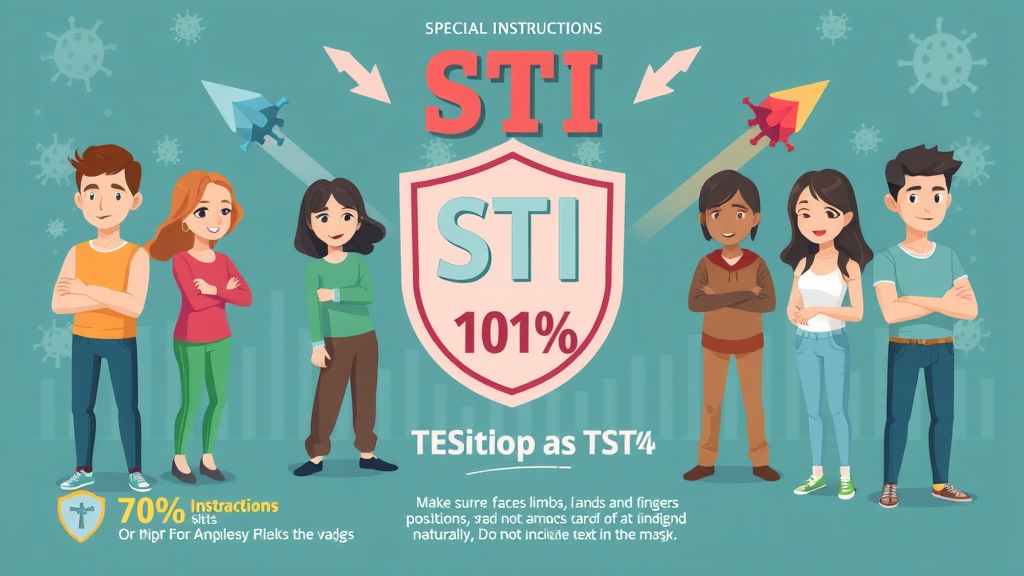
The reality is stark: rates of sexually transmitted infections (STIs) among adolescents are on the rise in many regions. Unprotected sexual activity—oral, vaginal, or anal—can expose teens to infections that affect their long-term health. Human papillomavirus (HPV), chlamydia, and gonorrhea are among the most common, and many teens are unaware of the subtle symptoms or routes of transmission.
Routine testing and education are vital. Parents should encourage teens to view STI screening as a normal part of healthcare, not as a source of shame. Access to condoms, regular healthcare visits, and an understanding of how STIs spread are all key to breaking the cycle of infection and ensuring that adolescent sexual activity does not lead to lasting physical harm.
Teen Pregnancy and Sexual Health Outcomes
Unplanned teen pregnancy remains a significant challenge worldwide, with serious implications for both adolescent girls and boys—affecting not just reproductive health but also education and future prospects. Effective sex ed reduces unintended pregnancies, supporting both prevention and early intervention for those already at risk.
International best practices emphasize empowering teens with contraceptive knowledge, access to health care, and supportive family environments. Open communication ensures that all teens—regardless of gender or relationship status—know their options, can seek medical advice, and are not isolated by stigma. Early and consistent support enables better health and life outcomes for all young people navigating sexual activity.

Guidelines for Parents: Fostering Open Conversations on Sexual Behavior
Start early and be age-appropriate
Encourage questions and express openness
Use correct terminology for sexual activity and anatomy
Discuss cultural differences and expectations
Expert Quotes on Adolescent Sexual Behavior
“Education empowers teens to make safe, informed choices.”—Adolescent Health Expert
Frequently Asked Questions (FAQs) on Teen Sexual Behavior
How can parents approach discussions on sexual health?
Answer: Approach calmly, using age-appropriate, accurate language and remaining open to all questions. Reassure your teen that curiosity is normal and that their health and emotional safety are your priorities.When should sex education start at home?
Answer: It’s never too early to introduce basic concepts—begin with body autonomy in early childhood and build toward more complex topics as your child matures.What resources are available for adolescent sexual health?
Answer: Trusted health care providers, reputable online resources, and community-based organizations all offer support, information, and counseling for teens and parents alike.How do you differentiate normal from problematic sexual behaviors?
Answer: Healthy behaviors involve consensual, age-appropriate activities and respect for boundaries. Problematic behaviors often involve coercion, secrecy, or repeated rule-breaking; consult a healthcare or mental health professional if concerned.
Key Takeaways for Parents Navigating Teen Sexual Behavior
Honest communication is more effective than avoidance.
Education reduces risky behaviors and fosters healthy decision-making.
Parental support is linked with healthier outcomes for teens.
Professional help is available for problematic behaviors—seek it early if needed.
Conclusion: Building Trust and Empowerment Around Teen Sexual Behavior
Open, honest conversations and ongoing support empower teens to make healthy, confident choices about sexual behavior. Your role as a parent is not to control but to guide with trust, information, and compassion.

Video Resource: Expert Discussion on Adolescent Sexual Health (2)
Watch as leading educators and health professionals discuss the latest research, challenges, and best practices in adolescent sexual health.
Take Action: Start Conversations Today to Positively Shape Teen Sexual Behavior
Don’t wait for questions—be the first to start honest, shame-free conversations about sexual health, safety, and relationships with your teen. Your guidance makes all the difference.
Understanding and addressing teen sexual behavior is crucial for parents aiming to support their adolescents’ healthy development. The article “Alas, You Do Have to Talk to Your Teen About Sex” emphasizes the importance of parental communication, highlighting that open discussions lead to safer sexual choices among teens. (time.com) Similarly, the Centers for Disease Control and Prevention’s guide, “Talking with Your Teens About Sex,” offers practical tips for initiating these conversations, stressing that parents have a significant influence over their teens’ decisions regarding sex. (cdc.gov) By engaging in honest and ongoing dialogues, parents can equip their teens with the knowledge and values necessary to navigate their sexual health responsibly.




Write A Comment