



Are you truly prepared to spot the subtle warning signs that a teen in your life might be struggling with substance use? Many parents and educators believe that they would recognize the signs of drug abuse or the onset of substance abuse in their teens, but the reality often surprises even the most attentive adults. Spotting the early indicators can make the difference between effective early intervention and a prolonged struggle for young people. This comprehensive guide equips you with the insights and practical knowledge needed to recognize the signs of teen substance use and respond proactively.
Are You Missing the Key Warning Signs of Teen Substance Use?
Understanding the signs of teen substance use is critical, not just for recognizing when a young adult needs help, but for preventing more serious issues in the future. Too often, parents and teachers dismiss early signs as “normal teen” behavior or attribute them to stress, hormones, or typical mood swings. However, what might look like adolescent rebellion can sometimes be a red flag for underlying drug abuse or substance abuse issues. Attentiveness and early action are crucial; missing the key warning signs can allow experimentation to evolve into persistent, potentially life-altering patterns of drug use in teenagers. In this guide, we’ll delve into the most telling indicators, provide expert advice for early intervention, and help you distinguish between normal adolescent changes and the warning signs of drug or alcohol use.
What You'll Learn About Signs of Teen Substance Use
Comprehensive overview: The most common warning signs of teen substance use.
Behavioral cues: How to distinguish between normal teenage behavior and signs of drug abuse.
Actionable advice: Practical tips for parents and educators on early intervention.
Understanding the Signs of Teen Substance Use
Recognizing the difference between fleeting changes and substantive signs of drug use is essential. The signs of teen substance use often begin subtly, manifesting as minor shifts in mood, daily habits, or social circles. For many, the warning signs are only apparent in retrospect—once drug abuse or substance abuse has deeply affected the teen, their academic performance, and even interactions with family. Common indicators may include unexplained drops in grades, sudden shifts in friendships, or marked behavioral changes. Adolescence is a period marked by growth and change, but not all changes are innocent. By understanding warning signs and risk factors, you can take proactive steps to protect your teen from the ramifications of illicit drug and alcohol use.
In addition to monitoring for warning signs, providing teens with positive outlets and structured activities can be a powerful protective factor. If you're looking for ways to encourage healthy engagement, consider exploring how to help your child pick an extracurricular activity that aligns with their interests and strengths, which can reduce risk factors associated with substance use.

Why Recognizing the Warning Signs Matters
Timely recognition of the warning signs related to drug abuse can halt a cycle before it escalates into more dangerous patterns. The National Institute on Drug Abuse and other official websites emphasize that early intervention increases the chances of successful recovery and decreases the likelihood of long-term consequences. The stakes are high: overlooked signs of drug abuse may translate into academic setbacks, poor interactions with family, legal issues, and a greater risk for mental health challenges. Whether you are a parent, educator, or concerned friend, being alert to the signals not only safeguards your loved ones but also sets the stage for effective treatment options.
Impact of Undetected Substance Abuse in Teenagers
When substance abuse goes undetected during adolescence, the ramifications stretch far beyond high school. Drug use in teenagers often causes a domino effect, impacting relationships with family members, eroding trust, and compromising physical and mental well-being. Teens facing ongoing abuse are more likely to have chronic health conditions, experience legal trouble, or struggle academically. According to the national institute on drug abuse, the earlier the intervention, the better the prognosis. Failing to act on red flags—like persistent mood swings or a drastic change in peer groups—could mean missing the critical window for support and recovery. For families, these missed opportunities can lead to years of heartache and, in some cases, irreversible consequences.
"Awareness is the first defense against teen substance abuse." — Anonymous Counselor
Common Physical and Behavioral Signs of Teen Substance Use
Recognizing the physical and behavioral signs of teen substance use is essential for intervening before serious harm occurs. These signs often appear gradually but may become more pronounced as drug or alcohol use intensifies. Parents and educators should be aware that not every odd behavior means substance abuse—but knowing the difference between common teenage quirks and genuine warning signs can prevent escalation. Most teens who engage in drug and alcohol use show signs and symptoms that impact both body and behavior, so it is critical to look for patterns rather than isolated incidents. The most reliable indicator is a combination of several warning signs over a period of time, especially if those signs are new or represent a major shift from previous habits.
Physical Warning Signs of Drug Abuse in Teens
Bloodshot eyes
Sudden weight loss or gain
Unusual smells on breath, clothing, or belongings
Lack of coordination or frequent unexplained injuries

Parents often first notice these signs and symptoms during day-to-day interactions. Bloodshot eyes or constricted pupils may be indicative of drug or alcohol use and cannot always be explained by lack of sleep or allergies. Sudden weight loss or gain—without an obvious cause such as changes in activity or diet—can signal shifts in behavior or substance abuse. Another red flag is frequent unusual smells (e.g., smoke or chemicals) on personal belongings, clothing, or breath, which may point specifically to illicit drug use. Deteriorating coordination, unexplained bruises, or clumsiness could reflect the effects of intoxication. If these physical changes appear alongside shifts in mood or behavior, it’s time to ask deeper questions.
Behavioral Warning Signs and Changes in Teen Substance Abuse
Declining grades
Loss of interest in activities once enjoyed
Withdrawal from family or friends
Secretive behavior regarding whereabouts or possessions
Behavioral warning signs are often the first indicators that alert parents or educators to a deeper issue. Teens struggling with substance abuse may suddenly lose interest in hobbies, sports, or academic pursuits, replacing these interests with a new group of friends. They may become more secretive, vague, or even dishonest about their activities or location—an emerging sign that something is being hidden. Meanwhile, a rapid or sustained drop in grades is a classic red flag seen in cases of sustained drug use in teenagers. Withdrawal from family gatherings or sudden changes in interactions with family members can also point to underlying substance abuse. When such changes persist beyond what would be considered normal adolescent moodiness, it is time to act.
Psychological and Emotional Signs of Drug Abuse in Teenagers
The emotional and psychological impact of substance abuse is often as significant as the more visible physical signs. Teens using drugs or alcohol frequently display mood swings, short tempers, and periods of unexplained sadness or anxiety. During adolescence, a certain level of emotional volatility is to be expected, but major or abrupt mood changes—especially combined with other warning signs—are sometimes indicative of drug abuse.
Mood Swings, Depression, and Anxiety as Signs of Teen Substance Use

Sudden mood changes, including irritability
Unexplained anger outbursts
Periods of high energy followed by intense fatigue
Mood swings are a normal part of teen development, but severe, frequent, or uncharacteristic fluctuations can be a sign of underlying drug abuse. A teen may become irritable, withdrawn, or sullen without any apparent trigger, showing signs of depression or anxiety that seem disproportionate to events. Some may experience bursts of energy or elation, followed by lethargy and low motivation, reflecting the highs and crashes caused by substance use. Additionally, teens using drugs and alcohol may struggle with poor interactions with family or lash out at friends and teachers. If emotional and psychological symptoms accompany physical or behavioral changes listed earlier, parents should be particularly alert—these patterns together paint a clearer picture of potential substance abuse.
Risk Factors Associated with Teen Substance Abuse
Knowledge of risk factors is as important as recognizing the warning signs of teen substance use. Certain environmental, social, and personal circumstances can increase a young adult’s vulnerability to drug abuse or substance abuse. According to the national institute on drug abuse and information from leading gov websites, these risk factors often work in combination. For instance, a teen facing academic pressure who also has poor interactions with family members is at greater risk than a peer without such stressors. Understanding these influences enables proactive measures, including candid discussions and structured support systems.
Evaluating Environmental and Social Risk Factors
Peer pressure or association with friends who use drugs or alcohol
Family history of substance abuse or addiction
Chronic academic stress or pressure to perform
Pre-existing mental health conditions (anxiety, depression, trauma)
Teens influenced by peers who normalize drug or alcohol use are at high risk for experimentation and may quickly progress to habitual use if not monitored. Family members with a history of substance abuse also elevate a teen’s risk, given both genetic and environmental influences. Academic stress or the pressure to meet parental expectations can drive some students towards substance use as a coping mechanism, while unresolved mental health challenges increase susceptibility to seeking relief through dangerous substances. By identifying these risk factors together with behavioral and physical changes, concerned adults can better distinguish between ordinary struggles and those indicative of emerging drug use in teenagers.
Table: Comparison of Risk Factors and Corresponding Signs of Teen Substance Use |
|
Risk Factor |
Corresponding Warning Signs |
|---|---|
Peer Pressure |
Sudden change in friend group, adopting new slang or habits |
Family History of Addiction |
Early experimentation, secretive behavior, defensiveness |
Academic Stress |
Drop in grades, avoidance of school, irritability |
Mental Health Issues |
Mood swings, social withdrawal, frequent complaints of illness |
Distinguishing Between Experimentation and Substance Abuse in Teens
Differentiating between casual or experimental use and a deeper issue with substance abuse is essential for timely intervention. While a single incident of drug or alcohol consumption may not mean ongoing abuse, it is a potential red flag—especially if accompanied by other warning signs. Repeated patterns, rather than isolated events, suggest emerging addiction. Observing how often a teen uses, the circumstances, and any escalation in secretive or risky behavior helps determine whether you’re dealing with experimentation or an entrenched problem with illicit drugs or alcohol.
Understanding the Difference: Signs of Drug Use vs. Ongoing Substance Abuse

Experimentation: A one-time or rare event often prompted by curiosity or peer pressure. The teen usually returns to normal habits quickly.
Emerging Substance Abuse: Use becomes more frequent, secrecy increases, and behavioral changes persist. There is escalation—more risk-taking, loss of interest in family or hobbies, impaired academic performance, and possible involvement with new (using) friends.
A teen caught once with alcohol at a party may not meet the criteria for substance abuse; however, repeated incidents, especially when accompanied by defensive or deceptive behavior, suggest a developing issue. Substance abuse often manifests through a clear pattern—repeated lying about whereabouts, sudden drop in grades, or new legal issues (like possession of items related to drug or alcohol use). Early detection hinges on linking these events into a broader context, emphasizing the importance of ongoing dialogue and observation.
Drugs and Alcohol: Most Commonly Abused Substances Among Teens
Substance abuse in teens is not limited to street drugs—alcohol, prescription medications, and even common household chemicals can be misused. The most frequently abused substances among young adults in the United States include alcohol, marijuana, prescription stimulants or opioids, and, increasingly, vaping products or synthetic drugs. According to the official website of the national institute on drug abuse, the accessibility of these substances has contributed to a steady rise in experimentation and related health challenges among teens.
Illicit Drug Use and Its Warning Signs
Illicit drugs such as marijuana, cocaine, and ecstasy introduce unique physiological and behavioral markers. Warning signs include bloodshot or glassy eyes, frequent nosebleeds (possible with snorted substances), unexplained burns or chemical odors, frequent theft of money or valuables, or the presence of paraphernalia among a teen's belongings. A sudden fascination with promoting or defending drug and alcohol use may also surface. These symptoms, especially when occurring in combination, suggest serious risk and immediate need for intervention.
Alcohol Abuse in Teenagers: Unique Indicators
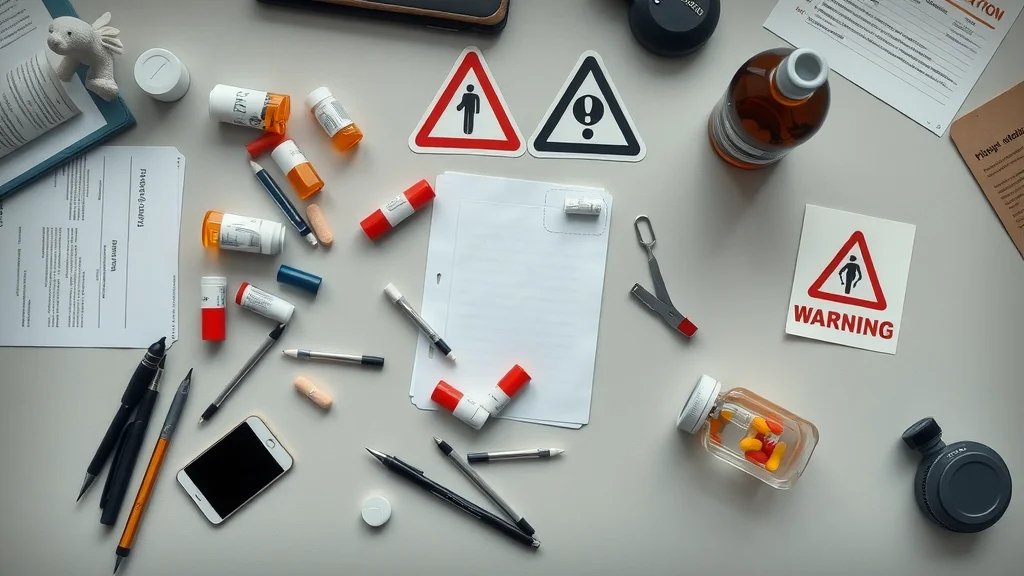
Alcohol remains the most commonly abused substance among teenagers in the united states. Warning signs of alcohol use include frequent slurred speech, loss of coordination, unexplained injuries, and the presence of bottles, cans, or suspiciously disguised beverages. Emotional volatility and belligerence can also indicate possible intoxication, while secretive behavior around friends and family is a classic red flag. Teens using alcohol may begin to distance themselves from former friends and show declining academic performance. These patterns mirrored with other signs and symptoms signal an urgent need for a comprehensive conversation and possible professional assistance.
People Also Ask: What are the signs of teenage drug use?
Detailed Answer: Identifying Common Signs of Drug Use in Teenagers
Parents, teachers, and caregivers should look for patterns of unexpected changes in a teen’s physical appearance, behavior, or emotional state. Common signs of teenage drug use include sudden mood swings, unexplained weight fluctuations, poor academic performance, withdrawal from friends or family, secretive actions, and the presence of drug paraphernalia. Other markers may involve chronic fatigue, frequent red eyes, recurrent health complaints, and a noticeable lack of interest in previously valued activities. While every teen is different, a combination of these warning signs should prompt further conversation and possibly professional assessment.
People Also Ask: What are five warning signs of substance abuse?
Detailed Answer: Key Warning Signs of Substance Abuse in Teens
Five core warning signs of substance abuse in teens include:
Declining grades or lack of motivation for schoolwork
Drastic changes in friendships and social circles
Secretive behavior or lying about whereabouts
Mood swings, irritability, or periods of uncharacteristic anger
Physical changes such as bloodshot eyes, rapid weight loss, or unusual smells on breath/clothing
indicative of drug
People Also Ask: Which indicator suggests that a teen may be using drugs?
Detailed Answer: Identifying Core Indicators of Teen Drug Use
The strongest indicator that a teen may be using drugs is a sudden and unexplained change in behavior, especially if the change is sustained and accompanied by physical or psychological shifts. Secretive actions, withdrawal from family members, and rapid decline in academic performance, when combined with physical warning signs such as bloodshot eyes or frequent fatigue, suggest a serious concern. These core indicators, when observed together, are often more telling than any one "red flag" alone.
People Also Ask: How to tell if a student is using drugs?
Detailed Answer: Detecting Substance Abuse in the School Environment
Educators play a pivotal role in identifying teens who may be struggling with substance abuse. Signs seen in the school environment include unexplained absences, declining participation, noticeable changes in energy levels, and sudden behavioral problems. Teachers may also observe physical signs (such as slurred speech, disheveled appearance, or frequent trips to the bathroom) and social cues (such as association with different peers or withdrawal from group work). When these changes coincide with academic or discipline issues, they warrant a sensitive conversation and possible referral to counseling resources.
How Parents and Educators Can Intervene Early
Early intervention is key when warning signs of teen substance use emerge. Open, compassionate communication—free from immediate judgment—is the first step. Both parents and educators should focus on listening actively, expressing genuine concern, and seeking professional guidance as needed. Early, supportive involvement has been consistently shown to improve outcomes for teens confronting substance abuse. The ultimate goal is a collaborative action plan tailored to the individual teen, one that addresses immediate safety and establishes a pathway for treatment if required.
Proven Strategies for Addressing Signs of Teen Substance Use Quickly
Approach the conversation calmly—avoid blame or anger.
Ask open-ended questions and foster a safe environment for dialogue.
Express your concerns using specific examples of warning signs you’ve noticed.
Involve trusted adults or specialists, such as school counselors or healthcare professionals.
Develop a clear follow-up plan—monitor progress and offer ongoing support.

Frequently Asked Questions (FAQs) About Signs of Teen Substance Use
Can normal teen changes be mistaken for signs of drug abuse?
Yes, developmental changes may sometimes mimic warning signs of drug abuse, such as mood swings or increased independence. However, persistent patterns—especially when combined with physical or academic warning signs—should prompt further investigation.
Is experimentation always a sign of a deeper substance abuse issue?
Not always. Single incidents may be isolated but warrant close observation for repetitive behavior. Ongoing use and persistent behavioral shifts are stronger indicators of a substance abuse problem.
What is the best way to start a conversation about suspected drug use?
Approach the teen in a private, non-judgmental setting. Express your concerns directly, mention specific warning signs, and listen to their perspective without interruption. Seek to understand without immediately resorting to punishment.
What professionals can help if I suspect substance abuse?
School counselors, pediatricians, licensed therapists, and substance abuse treatment specialists are well equipped to support teens and families navigating these challenges.
Key Takeaways: Recognizing Early Warning Signs of Teen Substance Use
Look for persistent, cumulative warning signs in physical health, behavior, and emotional state.
Understand the difference between experimentation and ongoing substance abuse in teens.
Be aware of risk factors that may increase vulnerability to substance abuse.
Engage early with supportive communication, and seek expert help when needed.
Stay informed—visit reputable gov websites and the national institute on drug abuse for the latest research and treatment options.
If You're Concerned About a Teen, Here's What to Do Next
Don’t wait—trust your instincts and address warning signs early. Start a compassionate conversation and reach out to qualified professionals who can help you support the teen in your care.
If you’re ready to take the next step in supporting your teen’s well-being, consider how positive activities can serve as both prevention and intervention. Guiding your child toward the right extracurricular pursuits not only builds confidence and social skills but also provides a healthy structure that can deter risky behaviors. For a deeper dive into strategies that foster resilience and engagement, explore our resource on helping your child choose an extracurricular activity. By proactively nurturing your teen’s interests, you empower them to make healthier choices and strengthen their support network—an essential foundation for lifelong well-being.




Write A Comment