



Startling Fact: Nearly 1 in 5 teenagers battles a mental health disorder—yet too many parents worry setting boundaries might push their teen further away. In reality, healthy boundaries for troubled teens are not just helpful—they are critical for protecting both mental health and the parent-child bond. If you feel lost in a cycle of arguments, behavioral struggles, or silent withdrawal, you are not alone. This guide offers proven, compassion-based strategies for maintaining connection and creating structure, so everyone in the family feels safe.
A Startling Truth: Why Boundaries for Troubled Teens Are Essential for Mental Health
Setting healthy boundaries for troubled teens isn’t a punishment—it’s a vital form of support that can dramatically impact a teen’s mental health and future. The teenage years are fraught with emotional upheaval, increased social pressures, and the ongoing development of the prefrontal cortex, making it difficult for young people to make sound decisions. For families navigating behavioral issues, anxiety, or depression, boundaries can be the difference between chaos and a safe, stable home. With nearly one in five teens actively struggling, families must recognize that digging into tough conversations and clearly outlined expectations isn’t about control, but about equipping teens with coping skills and emotional safety.
Establishing boundaries helps troubled teens feel secure and know what’s expected of them, removing guesswork and ambiguity from their day-to-day. Boundaries for troubled teens, when implemented with empathy, open channels of communication and foster a workplace for healthy relationship building within the family—one where support, trust, and love coexist with rules. These crucial guidelines protect against risky behaviors like substance abuse and reinforce to your teen that home is a safe space where help is always available.
The Overlooked Crisis: Troubled Teen Mental Health Statistics
Recent studies reveal that almost 1 in 5 teenagers struggle with serious mental health issues—highlighting the urgent need for effective boundaries for troubled teens.

This crisis is often underestimated. Many parents might believe that their own teen doesn’t fall into the “troubled” category simply because they aren’t openly rebelling or breaking major rules. But the warning signs often begin subtly—withdrawal, declining grades, persistent mood swings, or unexplained anxiety can precede more obvious problems. Left unaddressed, these signals can develop into more severe mental health issues, sometimes leading to substance abuse or the need for intensive interventions such as a residential treatment center. The key to intervention is awareness—and healthy boundaries make it easier to notice when something is amiss.
As you work to establish boundaries and recognize early warning signs, it’s equally important to manage your own stress as a parent. Learning practical stress management tips for parents of teenagers can help you stay calm and consistent, which is essential for maintaining a supportive environment at home.
What You'll Learn About Boundaries for Troubled Teens
- Key steps to set boundaries for troubled teens without severing emotional ties
- How healthy boundaries impact mental health
- Effective communication strategies during conflict
- Tools for family therapy and ongoing support
Defining Healthy Boundaries for Troubled Teens
What Are Healthy Boundaries and Why Do Troubled Teens Need Them?

Healthy boundaries for troubled teens are clear, consistent expectations about what is acceptable and not acceptable within your home and relationships. They serve as guidelines for how each family member treats themselves and each other, providing a safe space where teens can develop self-discipline, responsibility, and a sense of belonging. Healthy boundaries aren’t barriers—they’re bridges to a supportive, respectful family dynamic.
Troubled teens, who may struggle with impulse control, strong emotions, or mental health issues, benefit immensely from boundaries that guide their choices. These parameters help teens learn cause and effect, how to manage stress, and how to communicate their needs safely. When boundaries are rooted in empathy rather than fear or anger, they let your teen feel understood and encourage your teen to trust your guidance—prime conditions for healing and growth.
The Connection Between Setting Boundaries and Teen Mental Health
Parents are often surprised to learn how intertwined boundary-setting is with mental health. Boundaries help troubled teens feel safe and reduce anxiety by making their environment predictable and supportive. By setting clear expectations and consequences, parents teach teens vital coping skills and decision-making tools that prepare them for young adult life. For a teen wrestling with anxiety, depression, or even risky behaviors, boundaries reduce the sense of chaos around them and create a sense of order and control, allowing the prefrontal cortex (the brain’s “decision-making center”) to develop resilience.
Crucially, boundaries show teens that “no” can coexist with love. When a teen feels overwhelmed or uncertain but knows their parents have set boundaries with their best interests in mind, it builds trust—and trust is at the core of any healthy relationship. Over time, healthy boundaries lay the groundwork for self-confidence, self-respect, and emotional safety, all of which are essential for overcoming mental health struggles.
Common Misconceptions About Setting Boundaries for Troubled Teens
There’s a persistent myth that setting boundaries means shutting out your teen emotionally or being overly strict. But healthy boundaries don’t block connection—they reinforce it. Some parents also believe boundaries are temporary “fixes” that can be imposed only in times of crisis. In reality, boundaries are most effective when they’re woven into daily routines and relationships, not just used as emergency measures for discipline.
"Strong boundaries don't exclude love—they reinforce it by creating a safe space for both teens and parents." – Family Therapy Specialist
The fear that boundaries might cause rebellion is understandable, but the opposite is often true. When boundaries are consistent and compassionate, they teach your teen how to express their needs, self-regulate, and feel secure within your family’s values. Setting boundaries is not about control; it’s about communication, safety, and mutual respect.
Signs Your Troubled Teen Needs Firm Boundaries
- Increasing behavioral issues
- Declining academic performance
- Withdrawal from family activities
- Signs of anxiety or depression

Recognizing when to set boundaries for troubled teens is essential for both prevention and intervention. Behavioral issues—such as defiance, frequent rule-breaking, or aggressive outbursts—often indicate a need for firmer expectations. Pay attention to changes in academic performance, as sliding grades can reflect struggles that go far beyond the classroom. If your teen begins withdrawing from family activities, becomes uncharacteristically secretive, or shows symptoms of anxiety or depression, these are urgent signals that healthy boundaries should be revisited or reinforced.
It’s important to remember that boundary issues aren’t always intentional. Teens—especially those coping with mental health issues—may not have the skills to articulate when something feels unsafe or overwhelming. By identifying signs early and responding with empathy, you demonstrate to your troubled teen that your home is a safe space, and you are committed to their wellbeing, no matter what challenges arise.
How to Set Healthy Boundaries for Troubled Teens Without Breaking the Relationship
Step-by-Step Guide: How to Set Boundaries for Troubled Teens

1. Start With a Conversation: Bring up your concerns honestly and respectfully, making sure your teen understands this is about help, not punishment. Mention specific behaviors, not character flaws.
2. Define the Boundaries Clearly: Describe what is expected and what is unacceptable. For example, “We expect you to be home by 10 pm,” or “Online time ends at 9 pm on school nights. ” Write them down to avoid confusion.
3. Discuss Consequences: Clearly connect each boundary to a reasonable, predictable consequence. For example, consistently missing curfew may result in a temporary loss of car privileges or electronics.
4. Invite Feedback: Let your teen express concerns or suggest revisions, reinforcing mutual respect. Teens who feel heard are likelier to cooperate.
5. Follow Through Consistently: Enforce boundaries every time without anger or negotiation. Compassion should remain, but so should the rules.
This collaborative process really does help develop healthy trust. It gives your teen a voice while ensuring that your boundaries keep everyone safe.
Communicating Expectations: Healthy Boundaries and Open Dialogue
When discussing boundaries, focus conversations on your concerns for your teen’s mental health and wellbeing. Avoid ultimatums, and frame boundaries as acts of love. Use “I” statements—such as, “I feel worried when you don’t come home on time”—to keep the conversation grounded and productive. Encourage your teen to share how they’re feeling and what support they need in order to meet expectations.
Open dialogue is critical, especially when conflict arises. By teaching your teen how to express their emotions constructively, you reinforce the idea that seeking help and clarification is encouraged. Allow space for your teen to disagree, but calmly restate expectations and stand by established boundaries. Every conversation is an opportunity to teach your teen skills for healthy relationships in adulthood.
Dealing with Resistance: Keeping the Conversation Focused on Mental Health
It’s normal to encounter pushback from troubled teens. Resistance is often a sign your teen is testing safety, boundaries, or your commitment—not a sign that boundaries don’t work. Stay calm when resistance arises, and avoid entering a power struggle. Reiterate that boundaries are in place not to restrict freedom but to support mental health, promote safety, and build trust.
Remind your teen of the consequences of unsafe choices (such as substance abuse or skipping therapy appointments) and that consistency is how you provide stability during overwhelming times. Support groups for both parents and teens can help families learn new strategies for navigating resistance and improve family dynamics.
The Role of Family Therapy and Professional Support in Setting Boundaries
Family therapy is one of the most effective ways to set boundaries for troubled teens and heal strained relationships. A licensed therapist or mental health professional can facilitate honest conversations, teach coping skills, and provide a neutral perspective. For some families, support groups or short-term behavioral therapy can make a significant difference.
For teens experiencing severe mental health issues, substance abuse struggles, or who are unresponsive to home-based interventions, a residential treatment center may be necessary. These environments offer intensive support, structure, and a safe space to develop new skills, rebuild confidence, and heal. Always consult a mental health professional before considering a higher level of care to ensure it meets your family’s needs.
| Strategies | Outcomes for Mental Health | Relationship Impact |
|---|---|---|
| Clear, consistent boundaries | Reduces anxiety, increases security, encourages healthy choices | Strengthens trust and respect |
| Permissive, inconsistent approaches | Increases confusion, risk behaviors, and stress | Weakens the parent-teen bond, elevates conflict |
Examples: Boundaries for Troubled Teens That Support Mental Health
- Screen time limits and social media guidelines
- Clear expectations for school attendance
- Rules around curfews and substance use
- Open expression of emotions in a safe space

Practical boundaries aren’t just about what you don’t want your teen to do. They also offer opportunities for your teen to develop healthy habits. For example, limiting screen time teaches your teen balance and responsibility, while social media guidelines foster online safety and digital citizenship. Curfews and rules regarding substance use aren’t simply arbitrary restrictions—they provide clear structure to support emotional and physical safety.
Encouraging your teen to talk openly about their feelings, even when those emotions are difficult, creates a reliable safe space at home. This reinforces their sense of being valued and protected, vital for long-term mental health. It’s no coincidence that many treatment centers and family therapy programs include communication exercises and emotional expression as core curriculum—these skills are essential for young people facing challenges.
What to Do With an Uncontrollable Teenager?
Answer: Boundaries for Troubled Teens Who Push Limits

If your teen refuses to follow any rules or exhibits unsafe, oppositional, or dangerous behaviors, it’s time to broaden your support network. Don’t assume parenting a teenager must be done alone—consult a mental health professional, reach out to support groups, and consider family therapy. For teens with repeated behavioral issues, a residential treatment center can provide a highly structured environment with therapeutic support tailored to severe needs. These steps are not admissions of failure, but acts of love and advocacy for your teen’s recovery and growth.
Remember, setting boundaries for troubled teens is a process. Sometimes outside help is the very thing needed to restore hope and heal the family dynamic. Encourage your teen to participate in the process—for example, by meeting with a licensed therapist or attending therapy sessions as a family. The earlier you intervene, the more likely your teen is to find stability and success as a young adult.
What Are the 3 C's of Boundaries?
Answer: The 3 C's – Clarity, Consistency, and Compassion
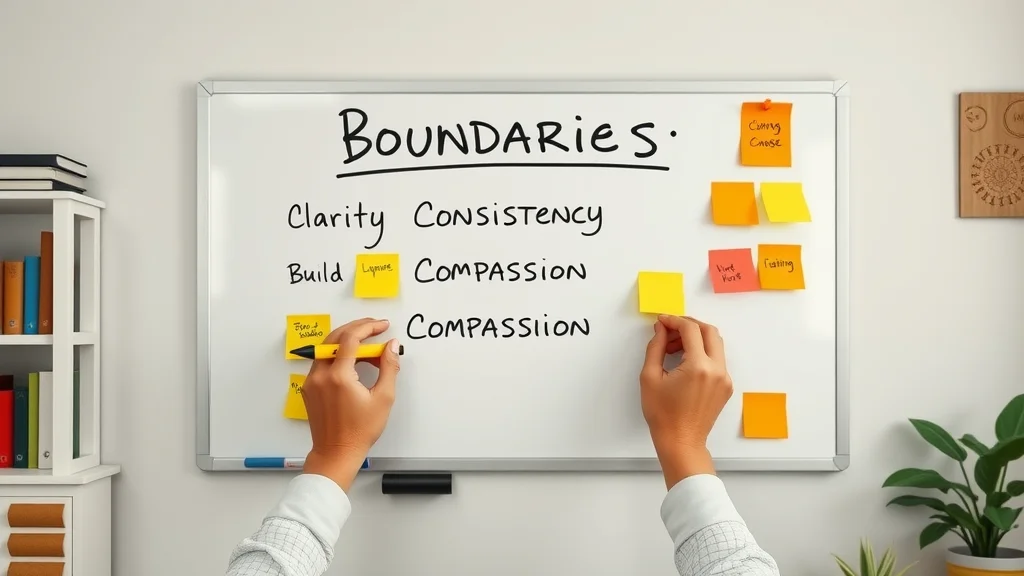
The foundation of effective boundaries for troubled teens can be summed up in the “3 C’s”: Clarity, Consistency, and Compassion. First, boundaries need to be clear—there should be no ambiguity about what’s expected. Second, they must be consistent so that your teen feels safe and knows the consequences will be the same each time. Finally, compassion must underlie every rule, conversation, and corrective action. This means staying calm during conflict, listening before judging, and ensuring your teen knows their worth never depends on perfection.
Embracing the 3 C’s keeps boundaries from devolving into punishments and instead turns them into powerful acts of love. Write these core values on your family’s boundary guidelines or keep them visible as a reminder for every member of the home to aim for healthy, supportive relationships.
What Are Examples of Boundaries for Teens?
Answer: Setting Boundaries for Troubled Teens – Practical Scenarios
Every family is different, but here are common boundaries that support the mental health and development of troubled teens:
- Screen Time: Devices and social media off after 9 pm, with phones handed in to a central spot overnight.
- School Attendance: Full attendance required unless ill, with clear consequences for skipping classes.
- Curfews: Specific arrival times, with earlier curfew if the rules aren’t followed.
- Substance Use: Zero tolerance for drugs, alcohol, or vaping, with clear steps taken if rules are broken.
- Communication: Weekly family meetings to check in on feelings, celebrate successes, and problem-solve together.
Discuss boundaries as a family whenever possible, and revisit them monthly to ensure they remain realistic, age-appropriate, and supportive of your teen’s changing needs. By doing so, you teach your teen the lifelong habit of negotiating and maintaining healthy boundaries as a young adult.
What to Do With Teens With Behavioral Issues?
Answer: Seeking Help from a Mental Health Professional, Family Therapy, and Considering Residential Treatment Centers
If traditional boundary-setting, support groups, and at-home interventions haven’t worked—or your teen’s behavior puts themselves or others at risk—seek professional assistance immediately. Start with a mental health professional, such as a therapist specializing in adolescent behavior. Family therapy can address complex dynamics and teach everyone new coping skills. In severe cases, a residential treatment center may be needed, providing therapy, structure, and community for healing.
You are not alone. Parents facing these enormous challenges are not failing; they are fighting for their child’s wellbeing. Don’t hesitate to ask for help—reaching out early makes recovery and reconciliation much more achievable. Contact us today if you need resources or want to learn more about treatment options in your area.
Challenges in Setting Boundaries for Troubled Teens
Overcoming Guilt and Resistance
Many parents feel guilty when enforcing boundaries, especially if their troubled teen reacts with anger, tears, or withdrawal. This guilt is normal, but it’s important to remember that boundaries are about safety, not punishment. When met with resistance, remind yourself and your teen that everyone in the family deserves to feel safe—and that structure helps make that possible. Connecting with other parents in support groups can help normalize these feelings while sharing coping strategies.
Balancing Healthy Boundaries With Empathy and Support
It’s possible (and necessary) to maintain empathy while upholding healthy boundaries. Let your teen see that you understand their feelings, even as you hold the line on rules. This balance is the heart of meaningful, lasting change. If you make a mistake, admit it; model the kind of self-awareness you hope your teen will develop. Over time, empathy combined with boundaries for troubled teens teaches resilience, confidence, and greater trust within the family.
- Use collaborative language—invite your teen into the process
- Stick to predetermined consequences to avoid confusion
- Revisit boundaries after major life changes or improvements
- Remember that boundaries evolve as your teen matures
Frequently Asked Questions About Boundaries for Troubled Teens
-
How can I enforce boundaries for troubled teens without constant conflict?
Consistency is key. Clearly communicate expectations and consequences, and enforce them calmly every time. Use empathy to recognize your teen’s emotions but stand firm on the rules. Support groups and family therapy can offer encouragement and additional strategies. -
Are there differences in boundaries for boys vs. girls?
The core principles—clarity, consistency, compassion—apply to all teens. Specifics may vary depending on your teen’s personality, needs, and challenges, but it’s important to avoid overgeneralizing based on gender. Focus on individual needs and family values. -
What if my teen refuses all boundaries?
Seek external support early. Work with a mental health professional and consider family therapy, especially if safety is a concern. Sometimes, a treatment center or intensive intervention is needed for a fresh start and comprehensive help. -
How do boundaries relate to self-esteem and anxiety?
Boundaries give teens a sense of predictability and security, reducing anxiety and helping develop healthy self-esteem. When teens know what’s expected and that their family is supportive, they feel more confident and valued.
Summary: What Parents Learned About Setting Healthy Boundaries and Improving Mental Health
Families who have implemented healthy boundaries for troubled teens often report improved communication, fewer conflicts, deeper trust, and noticeable mental health gains. These positive changes reinforce the message that loving structure can be transformative for both teens and their families.
| Support Type | Description | How It Helps |
|---|---|---|
| Family Therapy | Ongoing counseling sessions with all family members | Improves communication, repairs relationships, builds shared coping skills |
| Support Groups | Peer gatherings for parents or teens dealing with similar issues | Reduces isolation, provides proven strategies, emotional support |
| Residential Treatment Center | 24/7 therapeutic environment for severe cases | Removes unsafe triggers, delivers intensive care, restores hope |
Key Takeaways: Boundaries for Troubled Teens
- Boundaries for troubled teens protect both emotional wellbeing and family connections
- Clear and compassionate communication is essential
- External support—family therapy, treatment centers, and support groups—can make a difference
Need Help Setting Boundaries for Troubled Teens? Connect with Professional Support Today
Setting boundaries isn't about shutting out your teen—it's about giving your teen the structure and support they need to thrive. If your family is struggling and you’re concerned about your teen’s mental health, expert help is available. Contact us today to connect with a mental health professional or learn more about local treatment centers, support groups, and family therapy resources.
If you’re ready to take the next step in supporting your family’s wellbeing, consider exploring additional resources that address the unique pressures parents face. Building on the foundation of healthy boundaries, you can discover effective ways to manage your own stress and model resilience for your teen. For a deeper dive into practical strategies that empower both you and your child, explore our comprehensive guide on stress management tips for parents of teenagers. By prioritizing your own self-care, you’ll be better equipped to nurture a positive, connected, and thriving family environment.




Write A Comment