


cropper
update

Troubled Teen Solutions

update
  • Home
  • Categories
    • Understanding Teens
    • Parenting Strategies
    • Mental & Emotional Health
    • Family Relationships
    • Education Challenges
    • Risky Behaviors
    • Online Habits
    • Healthy Outlets
    • Parent Support
    • Professional Resources
  • Raising Kids Well
UPDATE
May 12.2026
1 Minute Read

Inside the Teen Brain: Why Logic Often Loses to Emotion

Did you know that the prefrontal cortex—the part of the brain responsible for logical reasoning and impulse control—isn't fully developed until around age 25? This surprising fact means that for most teens, emotion often wins out over logic, shaping decisions, relationships, and even risk-taking in ways that can seem baffling to adults. In this comprehensive exploration of teen brain development, we’ll uncover why teens act the way they do, how their brains change over time, and what parents, teachers, and caregivers can do to help guide them through these critical years.

Unveiling the Mysteries: Surprising Facts About Teen Brain Development

Teenagers often get a reputation for acting impulsively, but there’s a scientific explanation behind their behavior. The teenage brain is a work in progress, undergoing intense changes that impact everything from emotional responses to decision-making. While it may appear that teens make unpredictable or illogical choices, these actions are usually products of an evolving adolescent brain. Recent studies show that the brain development process doesn’t wrap up until the mid-20s, especially regarding the areas controlling reasoning, self-control, and impulse management—a finding supported by experts at institutions like the Perelman School of Medicine and government research from the National Institute of Mental Health.

During the teen years, rapid growth and development occur in the brain’s gray and white matter. Increased connectivity between nerve cells enables new ways to solve problems, learn, and grow—yet this transition also makes teens especially sensitive to emotional cues and peer pressure. Understanding these facts is not just interesting; it’s essential for creating supportive environments and fostering mental health. For anyone who interacts with young people, recognizing the science behind teens’ behavior can be a game-changer in how we guide, support, and connect with them.
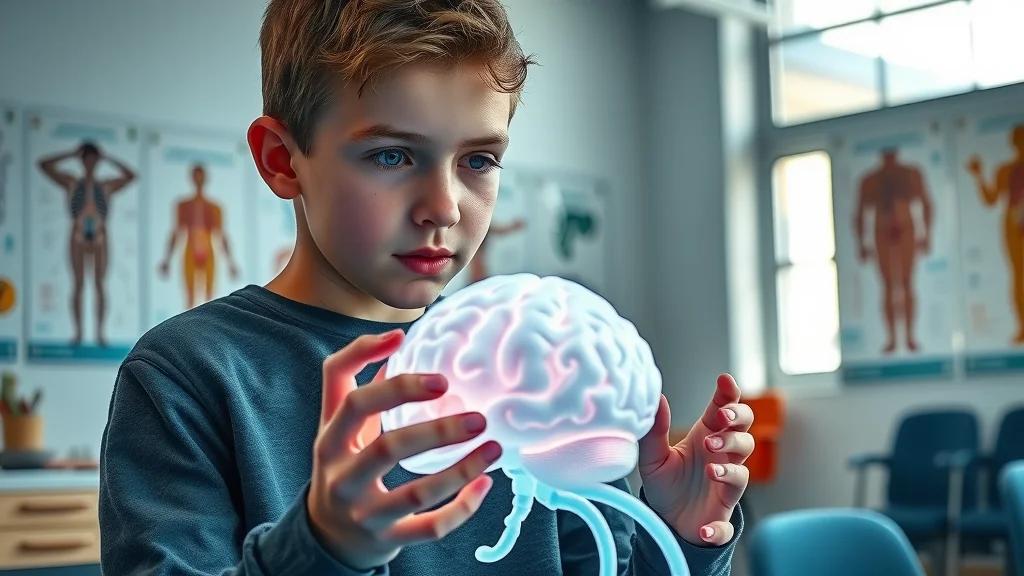
Curious teenager examining anatomical brain model for teen brain development in classroom

What You'll Learn About Teen Brain Development

  • The timeline and phases of teen brain development
  • How emotions and logic interact in the adolescent brain
  • Key factors influencing teenage decision-making
  • Insights into mental illness and risk-taking
  • Practical strategies for supporting healthy brain development

The Science Behind Teen Brain Development: Structure and Function

Brain Development Timeline: From Childhood to Teenage Years

Brain development begins before birth and continues through young adulthood, but the most dramatic changes occur during the adolescent years. In childhood, synaptic connections—the "wiring" that allows different parts of the brain to communicate—form rapidly, laying the groundwork for future learning and behavior. As children approach their teen years, the process of synaptic pruning starts, where unused connections are eliminated and important pathways are strengthened, streamlining brain function for efficiency. According to research from the department of neurology at the university of pennsylvania, this restructuring is key to learning and adapting but also means the teen brain’s logic centers are still gaining experience and control.

The teenage years are therefore marked by a unique push-pull between growth and refinement. As gray matter decreases and white matter (which helps brain regions communicate) increases, adolescents experience a boost in cognitive potential and creativity but also heightened sensitivity to emotions and stress. This growth and development are influenced by both genetics and environment—meaning social interactions, nutrition, good sleep, and even stress levels can shape the outcomes of teen brain development.
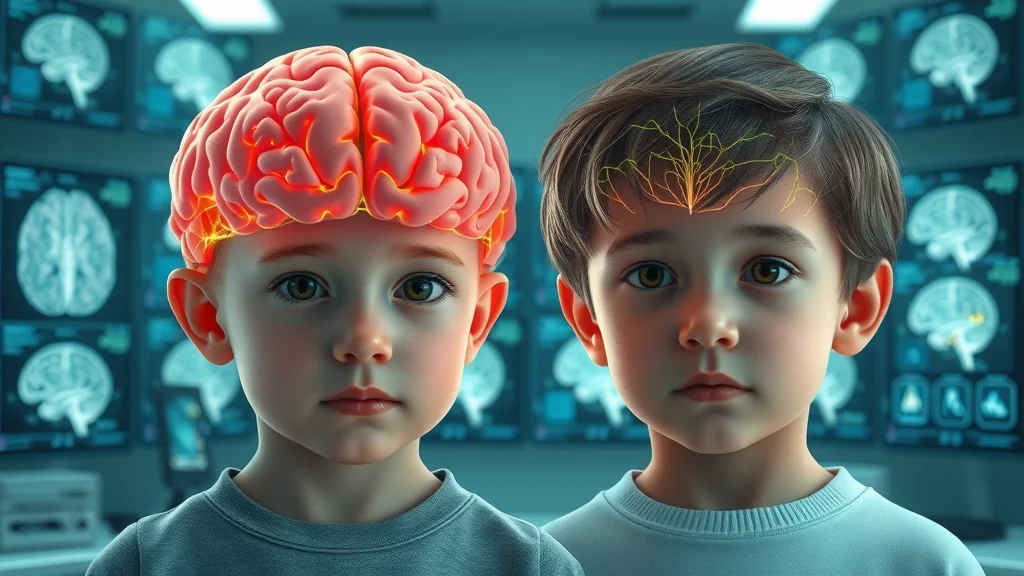
Comparative illustration of children

Teenage Brain: Major Regions Changing During Adolescence

The adolescent brain undergoes changes in multiple regions, each with specialized roles. Here are the most critical areas redefining themselves during this stage: Prefrontal Cortex: Responsible for decision-making, planning, and impulse control, it’s the last region to fully mature. Limbic System: Includes the amygdala, which processes emotions and the reward centers that release dopamine, influencing sensation-seeking and risk-taking. Cerebellum: Not just for motor control; it helps with social cognition and integrating emotional and logical responses. Because the logical prefrontal cortex matures later than the emotional centers, the teenage brain’s responses often lean more on feelings than facts, which explains why teens may react intensely or impulsively in social and academic situations.

The evolving balance of these brain regions also means that teens are primed for learning and innovation, but they may struggle with tasks that require advanced reasoning or control impulses. This explains challenges teens face with responsibility, future planning, and sometimes even following instructions. Understanding brain structure maturity is essential for adults hoping to guide and support healthy teen growth and development.

Adolescent Brain: Why Logic Takes a Back Seat to Emotion

For adults, logic often prevails, but in the adolescent brain, the scales tip toward emotion. During adolescence—a time when neural connections are being strengthened or pruned—the emotional centers, particularly the limbic system, are more active and influence decision-making more strongly than the slower-maturing prefrontal cortex. This can make teens more likely to be influenced by peer relationships and heightened emotional experiences. As a result, situations that demand careful thought and control impulses can be especially challenging, leading young people to act on feelings rather than facts.

This dominance of emotional logic explains many typical teen behaviors, from seemingly irrational arguments to risk-taking that worries adults. Far from being a flaw, though, this pattern is part of how the teen brain continues to adapt and grow. The drive for emotional engagement and experimentation prepares teens for adulthood, building resilience and self-awareness if supported in healthy ways. However, it also means adults need to pay attention to environmental factors that could lead teens toward risky or destructive patterns.

While understanding the science behind these behaviors is crucial, it's equally important for parents to develop practical approaches for managing their own stress during these challenging years. For actionable advice on maintaining balance and supporting your teen effectively, explore these stress management tips for parents of teenagers that can make a real difference in your family's daily life.

Reward Centers: Understanding Motivation and Risk in the Teenage Brain

How Dopamine Drives Behavior in Teen Brain Development

One of the biggest biological drivers of teen behavior is dopamine—a neurotransmitter linked to pleasure, learning, and motivation. During teen brain development, the reward centers in the brain become hypersensitive, creating a strong desire for new experiences and immediate gratification. This is why adolescent brains crave novelty and are more likely than adults to take risks, whether in social situations or decision-making. The allure of a dopamine rush can make teens especially susceptible to trying risky activities, and explains why even well-informed young people may ignore potential consequences.

Yet, dopamine’s impact is not all negative. This heightened response supports learning by making rewards more significant and memories more vivid, catalyzing personal growth and problem-solving skills. When guided in positive directions, this sensitivity to reward can help teens excel academically, socially, and creatively. Parents, teachers, and mentors can leverage this “sensitivity window” by encouraging safe challenges and helping teens understand how their brains process pleasure and risk.

Peer Relationships and Their Influence on the Adolescent Brain

During the teen years, peer relationships take on a new level of importance. Studies show that feedback and acceptance from friends can activate the reward centers of the teenage brain even more strongly than praise from adults. This heightened response is why friendship dynamics are so powerful and why peer pressure can affect both positive and risky behaviors. In many cases, peer influence can lead teens to take risks they might otherwise avoid, or alternately, motivate them to work hard in school, sports, or other group activities.

The drive to fit in and build identity within a group is part and parcel of adolescent development. While it sometimes creates challenges, these experiences help shape interpersonal skills, resilience, and self-esteem. Adults should recognize the fundamental role peer relationships play and aim to foster supportive, inclusive environments that promote healthy brain development and emotional growth.

Teen brain development: Group of teenagers peer relationships and motivation outdoors

Teen Brain and Mental Illness: Vulnerabilities and Protective Factors

Common Mental Illnesses Facing Teens During Brain Development

Adolescence is a time when vulnerabilities to mental illnesses often surface or intensify. With the brain in flux, young people may struggle to regulate emotions, process stress, or adapt to changing environments—making conditions like anxiety, depression, eating disorders, and ADHD more common in the teenage years. According to the National Institute of Mental Health, nearly 20% of teens experience a diagnosable mental health disorder annually. These challenges can be linked to genetic risk, environmental stresses, or disruptions in critical parts of the brain related to mood, thought, or behavior.

Fortunately, awareness and early intervention can minimize the long-term impact of mental illness. Support from trusted adults, social networks, and mental health professionals can bolster teens’ ability to cope, build resilience, and thrive. By prioritizing open conversations and paying attention to warning signs, caregivers can help protect the still-developing adolescent brain from permanent negative consequences.

Teen brain and mental illness: Teenager reflecting on mental health in quiet bedroom

Supporting Emotional Regulation and Mental Health in Teen Brain Development

Emotional regulation is the ability to understand, manage, and respond appropriately to feelings—a crucial skill as teens’ brains undergo dramatic changes. Supporting teens through education about emotions, modeling calm responses, and fostering open communication helps build this capacity. Schools, families, and community organizations play a major role; strategies like mindfulness exercises, support groups, or therapy can empower young people to cope with stress and avoid harmful risk-taking linked with mental illness.

Healthy habits like regular physical activity, good nutrition, and consistent sleep further protect teen brain development. By nurturing a sense of belonging, self-worth, and opportunity for positive reward, adults help lay the foundation for strong mental health and lifelong well-being—even as teens’ brains continue to change and mature.

Tables: Comparing Logic vs. Emotion in Key Stages of Teen Brain Development

Stage Brain Structure Maturity Emotional Response Logical Reasoning
Pre-Adolescence (Ages 8-12) Developing; limited connectivity React quickly to emotions; less self-control Emerging but inconsistent
Mid-Adolescence (Ages 13-17) Major brain growth, especially in reward centers Heightened impulsivity and sensitivity; peer-driven Logic improves but emotion often dominates
Late Adolescence (Ages 18-25) Prefrontal cortex nearing maturity Improved regulation; growing independence Logical reasoning and impulse control strengthen

Quote: Expert Insights on Teen Brain Development

“The adolescent brain is primed for innovation, learning, and risk—but not always for making logical decisions.” — Leading Neuroscientist Dr. Evelyn Waters

Lists: Signs of Healthy vs. At-Risk Teen Brain Development

  • Healthy:
    • Strong decision-making skills
    • Emotional self-awareness
    • Positive peer relationships
  • At-Risk:
    • Impulsive behavior
    • Extreme mood swings
    • Social withdrawal

Practical Strategies to Support Healthy Teen Brain Development

Encouraging Emotional Intelligence and Self-Regulation

Building emotional intelligence gives teens the tools to understand their feelings and control their reactions. Adults can model healthy coping strategies during stressful moments, encourage open conversations about emotions, and give teens room to express themselves safely. Techniques like journaling, mindfulness, and guided meditation can also help teens tune into their inner world and improve self-control—a powerful way to counter the dominance of emotion-driven decisions in teen brain development.

Positive reinforcement—such as acknowledging thoughtful choices and rewarding persistence—can “train” the brain’s reward centers to value logical decision-making. Over time, these habits help lay the groundwork for mature emotional regulation, reducing the likelihood of developing mental health concerns or engaging in destructive behaviors.

Encouraging emotional intelligence in teen brain development: Supportive parent and teenager talking

Supporting Peer Relationships and Positive Social Networks

Since strong peer relationships shape teen brain development, adults can help connect teens with positive social networks—whether at school, in the community, or through extracurricular activities. Encouraging group activities that promote cooperation and healthy competition gives teens a safe way to challenge themselves, practice new skills, and feel a sense of belonging.

Trusted adults can also “coach” teens on navigating peer pressure by practicing refusal skills and discussing scenarios before challenges arise. When teens feel supported and valued, they’re more likely to make choices that foster a healthy brain and balanced emotions.

Embedded educational video summarizing major differences in emotional and logical processing between the teen and adult brain.

People Also Ask: At What Age Does the Teenage Brain Fully Develop?

Most experts agree that full teen brain development is typically not complete until around age 25, when the prefrontal cortex—the area responsible for logic and impulse control—finally matures.

People Also Ask: What Happens to Your Brain as a Teenager?

The teen brain undergoes massive remodeling, with increased connectivity, pruning of unused neural pathways, and heightened sensitivity to emotional stimuli and peer influence.

People Also Ask: At What Age Do Teenage Mood Swings Stop?

Teenage mood swings tend to decrease in intensity by the early twenties, as logical reasoning improves and emotional regulation matures with ongoing teen brain development.

Young adult with mature teen brain development studying at desk

People Also Ask: What Is the Hardest Age for a Teenager?

Many psychologists identify mid-adolescence (ages 14–17) as the most challenging due to substantial brain development, heightened sensitivity to social dynamics, and unresolved identity questions.

FAQs: Common Questions About Teen Brain Development

  • Can nutrition affect teen brain development? Yes, proper nutrition supports healthy brain growth, enhancing cognitive skills, attention, and emotional stability. Nutrient-rich foods with omega-3s, vitamins, and minerals are especially important for young people.
  • How does sleep impact cognitive growth in teens? Consistent, good sleep is vital for memory consolidation, learning, and emotional regulation. Sleep deprivation can negatively affect teen brain development and make teens more likely to experience mood swings or mental health issues.
  • Are there permanent consequences to negative experiences in adolescence? Negative events—like prolonged stress, trauma, or substance abuse—can impact teenage brain development, sometimes with long-term effects. However, early intervention and supportive environments can help the brain recover and build resilience.

Key Takeaways: Empowering Positive Teen Brain Development

  • Teen brain development continues into the mid-20s
  • Emotion often overpowers logic during adolescence
  • Supportive environments help foster better decision making

Conclusion: Navigating Teen Brain Development for a Brighter Future

Understanding the nuances of teen brain development equips parents, educators, and teens themselves to balance emotion and logic, paving the way to healthier, more informed futures.

If you’re interested in deepening your understanding of adolescent growth, consider exploring broader strategies for supporting teens beyond brain science. Delving into topics like stress management, communication, and holistic well-being can provide a more comprehensive toolkit for nurturing resilience and positive outcomes. By expanding your knowledge, you’ll be better prepared to guide teens through the complexities of adolescence and help them thrive in every aspect of life.


Understanding Teens

Write A Comment

*
*
Please complete the captcha to submit your comment.
Related Posts All Posts

What Your Teen’s Anger Is Really Trying to Tell You

Have you ever wondered why your once easygoing teen now seems consumed by anger? Is it just typical teenage angst, or could there be something deeper beneath the surface? Let’s break the silence and decode the real messages behind angry teen behavior—your insight could be the turning point your family needs. Unlocking the Mystery: Is Your Teen’s Anger a Warning Sign or a Normal Part of Growing Up? When you witness your child transform during the teenage years, it’s natural to question whether their emotional storms are simply par for the course or possible red flags signaling a deeper concern. Angry teen behavior can range from occasional mood swings to chronic outbursts. Understanding which end of the spectrum your teen falls on is crucial—after all, the difference between typical teen anger and true warning signs can be subtle but significant. Prompt, informed action can help you address problems early and foster a healthier family environment. Most teens experience emotional highs and lows as they seek independence and grapple with social, academic, and personal pressures. However, parents must discern when teen anger tips into unhealthy territory, such as frequent violent outbursts or persistent negativity. Spotting these red flag behaviors early helps protect your teen’s well-being and supports timely intervention. This guide unpacks the difference between what’s normal and what isn’t, so you don’t overlook important clues in your child’s behavior. What You’ll Learn About Angry Teen Behavior The difference between typical teen anger and red flag behaviors Mental health issues that may underlie angry teen behavior Health issues and environmental stressors influencing your teen Warning signs parents should never ignore Effective ways to model healthy coping strategies When and how to seek professional help What Is Typical Teen Anger? During adolescence, hormones, brain development, and intense social experiences converge, often leading to typical teen irritability or moodiness. Occasional arguments or an abrupt tone may be unwelcome, but they rarely indicate serious mental health issues or dangerous health issues. Recognizing the difference between temporary upset and a warning sign is key. The majority of teens experience mood swings, withdraw for short periods, or challenge authority as part of establishing their identity and autonomy. However, if angry episodes feel constant, extreme, or are paired with destructive behavior, parents should not dismiss these as normal growing pains. Instead, they may signal a need to look closer for underlying health issues, environment stressors, or even undiagnosed mental health issues. The following comparison will sharpen your ability to spot the difference between everyday teenage struggles and behaviors that warrant closer attention. While learning to distinguish between typical and concerning anger is essential, it’s equally important for parents to manage their own stress during these challenging times. For practical strategies on maintaining your well-being as you support your teen, explore these stress management tips for parents of teenagers that can help you stay resilient and present. Typical Teen vs. Red Flag Behaviors Typical Teen Anger Red Flag/Warning Sign Occasional moodiness, irritability Chronic anger, violent behavior Verbal arguments Physical aggression, destruction of property Temporary withdrawal Ongoing isolation, hopelessness Understanding Angry Teen Behavior and Mental Health Issues Anger can be an outward signal of internal distress. For many, ongoing angry teen behavior masks underlying mental health issues such as anxiety, depression, or trauma. Teens often lack the vocabulary or emotional regulation to explain what they’re truly feeling. For instance, anxiety might show up as irritability, and depression as persistent anger or hopelessness. Parents who note a drastic shift in their child’s baseline—such as when social withdrawal turns into total isolation—should consider a possible mental health component and evaluate for other warning signs. Trauma, bullying, or high academic pressure can also trigger red flag behaviors in a previously well-adjusted adolescent. In each of these situations, anger isn’t the root issue; rather, it’s the “signal flare” for pain, fear, or emotional turmoil. Recognizing these disguised cries for help equips parents to respond proactively, whether by initiating conversations, seeking therapy, or adjusting home routines for more support and empathy. Connection to anxiety disorders Signs of depression behind anger Impact of trauma and bullying Health Issues and Underlying Triggers for Angry Teen Behavior It’s a mistake to overlook the physical roots of angry teen behavior. Chronic sleep deprivation, poor nutrition, and even treatable medical conditions (such as thyroid disorders or chronic pain) can alter mood and impulse control. Teens, notorious for irregular sleep schedules and skipped meals, are particularly vulnerable. Nutrient deficiencies, dehydration, and fluctuating blood sugar may be disguised as irritability or aggression. Don’t forget the potential impact of substance use. Experimenting with drugs or alcohol is risky on its own, but can also dramatically magnify angry outbursts or reduce impulse control. Families should also watch for signs of substance misuse or prescription side effects as hidden contributors to health issues affecting mood. Chronic illnesses—whether diagnosed or not—add further stress to teens, making it imperative for parents to consider all possible underlying triggers when evaluating their child’s temperament. Sleep and diet as factors Effects of substance use Chronic pain or illness as triggers Warning Signs and Red Flags in Angry Teen Behavior Certain patterns in angry teen behavior move beyond the zone of normal adolescent strife and become red flag concerns. These may develop quickly or sneak up gradually, but they always demand that adults take notice. Physical violence—whether toward self, others, or property—is never just a phase. Frequent threats, explosive episodes, or ongoing hostility put not only your teen but your entire family at risk. These are not just warning signs; they are urgent signals for immediate intervention and sometimes professional help. Other serious red flags include a sudden, stark withdrawal from family or peers, drastic changes in appearance, uncharacteristic secrecy, or an ongoing sense of hopelessness. These behaviors can often be misread as typical adolescent rebellion, but persistent or worsening symptoms indicate significant internal struggle. By watching for these warning signs diligently, parents can take steps to ensure everyone’s safety and offer support when it matters most. Violent Behavior as a Warning Sign Escalation into physical aggression Threats to self or others Frequent intense outbursts Behavioral and Emotional Red Flags Extreme isolation or withdrawal Drastic changes in appearance or friends Persistent negativity or hopelessness Why Is My Teenage Daughter So Irritated, Angry, and Mad All the Time? If you’re asking this question, you’re not alone. Daughters, like sons, can experience intense angry teen behavior based on a swirl of physical, social, and emotional changes. Hormonal fluctuations, peer dynamics, unrealistic academic or external expectations, and body image preoccupations can all contribute to heightened irritability. Sometimes, girls are socialized to suppress anger, only for it to erupt as passive aggression, emotional outbursts, or unexplained anger. Pay special attention to whether these patterns are isolated or chronic. While it’s natural for teens to be moody, frequent, unexplained episodes of anger, withdrawal, or sadness may be signs of mental health issues or social stress. Parents can foster openness by avoiding judgment, showing empathy, and validating feelings, all of which help their teen feel understood and less alone. Understanding your daughter’s unique stressors—and providing a safe space to discuss them—can make a significant difference in her ability to process and move through big emotions. Healthy Coping Skills: How to Model Healthy Anger Management for Teens The best way to help your teen learn to handle anger is to model healthy coping strategies yourself. When family members demonstrate open communication, calm boundaries, and mindful responses—even in tense moments—teens observe and often emulate those behaviors. If disagreements escalate, practicing deep breathing and verbalizing your own calming techniques provides a powerful, practical blueprint for your children. Regularly talking about feelings and providing validation can help your teen feel safe enough to share. Encourage your teen to explore healthy ways to self-soothe, such as exercise, art, or brief time-outs. Set clear—but calm—boundaries and explain their importance in maintaining trust and respect within the family. Over time, your role model status as a parent, showing patience and adaptability, will help reinforce positive behaviors far more effectively than lectures or punishments. Open communication and validation Setting calm boundaries Teaching mindfulness and stress reduction When to Seek Professional Help for Angry Teen Behavior Sometimes, the intensity or persistence of your teen’s anger means it’s time to seek professional support. This is especially true if angry teen behavior undermines daily functioning, safety, or family harmony. Consulting a mental health professional ensures access to resources, evidence-based therapy, and in some cases, tailored medical treatment. Remember, seeking help is not an admission of failure but a confident decision to protect your child’s mental and physical well-being. Early intervention by a qualified health professional can uncover underlying issues—like undiagnosed mental health conditions, trauma, or severe stress—that benefit from specific therapies. School counselors, pediatricians, or family therapy specialists are good starting points. By acting quickly, you safeguard your teen’s future and model healthy advocacy for their own well-being. How to Approach Your Teen About Mental Health Issues Choosing the right time and place to talk Expressing concern without judgment Encouraging collaborative decision-making How to Calm Down an Angry Teenager? Calming an angry teen is a skill that takes practice and emotional self-control. First, strive to remain calm, even when provoked—your composure sends a stabilizing signal. Step back, give your teen space, and use a soft tone of voice. When ready, validate their emotions without excusing harmful actions. Encourage deep breathing or a brief walk to cool down. Remember, lecturing in the heat of the moment rarely works—instead, focus on listening and empathizing, then revisit the issue later when both of you are calm. Parents who model patience—and occasionally admit their own emotional limits—show teens that frustration isn’t shameful or unmanageable. Use phrases like, “I can see you’re upset. Let’s both take a deep breath and sit together until we feel ready to talk. ” This approach helps your teen feel safe while reinforcing healthy boundaries around conflict and emotional expression. The 8 Behavioral Traits of Teenagers: What’s Normal, What’s Not Understanding what constitutes “normal” behavior during the teenage years can offer enormous relief to anxious parents. While every adolescent is unique, research and clinical experience point to common traits—ranging from mood swings to a need for privacy. Here are the eight most frequent behaviors seen in teens; when behaviors become extreme or coupled with warning sign symptoms, parents should pay close attention and, if needed, consult a mental health professional. Mood swings Desire for independence Peer influence Risk-taking Rebellion against authority Privacy-seeking Emotional sensitivity Occasional angry outbursts How to Handle a Toxic Teenager: Addressing Severe Angry Teen Behavior If you’re dealing with more than the occasional angry outburst—such as ongoing manipulation, threats, or abusive conduct—it’s time for strong, protective action. Begin by setting and enforcing clear family rules to keep everyone safe, including yourself and other family members. Do not hesitate to seek external support from a therapist or, if safety is at risk, law enforcement. Establish a safety plan for the home, including agreed-upon steps if conflicts escalate. Addressing toxic or severe angry teen behavior takes time, persistence, and often professional intervention. Family therapy can help rebuild trust and teach everyone healthy ways to communicate. Long-term solutions may include lifestyle changes, new routines, and mental health treatment, ensuring your family’s resilience during tough times. Always remember—change is difficult, but it is possible with patience, structure, and support. Seeking external support Safety planning at home Long-term solutions "Anger is a signal—and one worth listening to. It reveals needs, pain, and sometimes cries for help." Frequently Asked Questions About Angry Teen Behavior What causes angry teen behavior? A combination of hormonal changes, peer pressure, academic stress, family issues, and possible health or mental health conditions can trigger anger in teens. Is anger always a warning sign? No, occasional teen anger is often a normal developmental stage; however, if anger is frequent, intense, or accompanied by other red flags, it should be taken seriously. When is professional help necessary for teen anger? If angry outbursts threaten safety, disrupt daily life, or point to underlying mental health issues, it’s time to involve a mental health professional. Key Takeaways: Angry Teen Behavior and Warning Signs Not all angry teen behavior is cause for alarm—context matters. Mental health issues, health issues, and external stressors often underlie chronic anger. Recognizing red flags and warning signs enables timely intervention. Empower Your Family: Next Steps for Navigating Angry Teen Behavior Remember: your response to angry teen behavior can shape the entire family’s journey through these challenging years. Stay informed, model healthy habits, and step in early when needed. If you’re ever unsure, seek help—sound guidance can mean all the difference for your teen and yourself. As you continue to support your teen through emotional ups and downs, don’t overlook the importance of caring for your own mental and emotional health. Building resilience as a parent not only benefits you but also sets a powerful example for your child. If you’re looking for actionable ways to reduce overwhelm and maintain balance, discover more about effective stress management techniques for parents of teenagers. Taking these next steps can help you navigate family challenges with greater confidence and compassion, ensuring a healthier environment for everyone.

Why Teens Act One Way at Home and Another Everywhere Else

Did you know that over 80% of teenagers say they behave differently at home than they do with friends or at school? This fascinating split often leaves parents puzzled and concerned—but there’s a method behind the mystery. In this comprehensive guide, we’ll demystify the reasons behind these shifts in teen behavior, look at the effects of mental health and social media, and offer practical advice for nurturing strong, healthy teens. A Startling Look: The Unseen Nuances of Understanding Teen Behavior Understanding teen behavior can feel like piecing together a complex puzzle. Parents and educators often notice teenagers acting withdrawn, irritable, or rebellious at home, yet see a completely different side—perhaps polite, cooperative, or even timid—in other settings like school, sports, or among peers. This head-spinning shift is not just anecdotal: research shows that nearly all teens change their behavior depending on their environment. So, what’s going on? The reality is, normal “typical teen” behavior is shaped by a tangle of factors, from brain development to peer influence. The urgent need to fit in, the blurry line between private and public personas, and fluctuating mental health all play significant roles in how teens navigate daily life. As we dig deeper into the why and how of these changes, you’ll find practical, evidence-backed strategies for helping teens manage challenges and build lasting coping skills in a rapidly-changing world. What You’ll Learn About Understanding Teen Behavior: The difference between typical teen and teenage behavior at home versus in public The impact of brain development, mental health, and family dynamics on teen behavior How social environments and social media shape self-identity and risky behaviors Signs to watch for when behavior signals health issues or mental health problems Effective, real-world strategies for helping teens develop healthy coping skills and relationships Defining Typical Teen and Teenage Behavior: At Home vs. Everywhere Else The question of why teens act differently at home compared to other settings reveals much about adolescence. Home is typically a “safe zone” where teens can vent, test boundaries, or show vulnerability—sometimes displaying moodiness, defiance, or withdrawal. In public, however, a typical teen can appear more controlled, cheerful, or eager to fit in, thanks to social norms and the ever-present influence of peers. Understanding these nuances can help adults spot what’s truly normal versus what may be a red flag for emerging mental health issues or risky behaviors. By paying closer attention to the context and frequency of these behaviors, parents and educators are better equipped to support healthy development, ensuring teens learn respectful, adaptive coping skills for all environments. This foundational understanding opens the door to proactive, compassionate care. What Is Typical Teen Behavior? Insights and Examples Typical teenage behavior often includes shifting moods, questioning authority, and seeking independence. At home, teens might argue with parents, resist chores, or retreat to their rooms for hours. These patterns reflect the rapid changes and surges in emotion common during the teenage years as the brain, particularly the prefrontal cortex, rapidly develops. In contrast, the same teens may demonstrate politeness, self-restraint, and eagerness to please when outside the home, particularly at school or with adults outside the family. Common examples of “typical teen” conduct include struggling with time management, being highly attuned to peer approval, and experiencing heightened anxiety about fitting in. It’s not unusual to see a teen who sulks or challenges rules at home yet is the model student or friend elsewhere. Importantly, these behaviors are developmental milestones, not necessarily a cause for concern, unless patterns become extreme or jeopardize their health. How Teenage Behavior Changes Across Environments One of the most fascinating aspects of teen behavior is how it flexes depending on the setting. At home, teens tend to let their guard down, feeling secure enough to express frustration, test boundaries, or reveal their worries. Outside the home, however, teens are usually acutely aware of their reputation and peer relationships. Social settings, such as classrooms, sports teams, or clubs, encourage conformity—teens may tuck away their true feelings or adopt more agreeable personas to fit in. This environmental flexibility is both a strength and a challenge. The ability to adapt helps teens navigate social complexities but can sometimes mask underlying mental health struggles or risky behaviors. Recognizing these contrasts—and the motivations behind them—empowers adults to differentiate between normal adjustment and warning signs that may warrant closer attention or intervention. For parents seeking actionable ways to address these shifting behaviors at home, exploring the essential do’s and don’ts of teen behavior management at home can provide practical strategies to foster a more positive family dynamic. These insights can help bridge the gap between understanding and effective response as your teen navigates different environments. The Psychology Behind Understanding Teen Behavior Delving into the psychology of understanding teen behavior reveals critical factors: rapid brain development, shifting self-identity, and the push-pull of peer and family influences. During adolescence, the frontal cortex—the brain’s control center for decision-making and impulse regulation—is still “under construction. ” This unique developmental stage boosts creativity and exploration but also fuels risk-taking and emotional swings often seen in teenage behavior. Simultaneously, teens are forging their own identity and constantly gauging how they stack up with peers. These influences can prompt significant shifts in behavior between home and public environments, especially when family dynamics or friendship groups add pressure or support. Brain Development and Social Adaptation During the teen years, the brain’s frontal and prefrontal cortexes are in high gear, refining abilities like impulse control, empathy, and future planning. However, this ongoing brain development means teens can be highly sensitive to emotional triggers and peer feedback—leading to what many adults see as unpredictable or impulsive behaviors. Social adaptation is a core survival skill, and teens use cues from both adults and peers to figure out what’s appropriate or expected. The mismatch between a teen’s developing cognitive skills and their emotional reactions can be striking: while they may excel in logical reasoning in one moment, they might struggle to pause and reflect before making choices about friendships, academic responsibilities, or risky behaviors the next. Identity Formation and Peer Influence in Typical Teenage Behavior The desire to be accepted and valued by their peers plays a decisive role in shaping typical teenage behavior. As teens work to define who they are, peer relationships and group norms often outweigh parental guidance, especially in social settings. This can result in teens acting reserved, outgoing, or even rebellious, based largely on the expectations of their friends. Identity formation is further complicated by social media and contemporary culture, where comparison and digital identities amplify anxieties. While seeking independence, teens are constantly balancing authenticity with the need for social approval, fueling differences in how they interact at home versus outside environments. Role of Family Dynamics on Teen Behavior at Home Family interactions remain the bedrock for emotional development, even as teens pull away to test boundaries. Parents and caregivers act as sounding boards, providing emotional safety—even if it doesn’t always seem that way. Typical teen behavior may include arguing, withdrawing, or testing limits, precisely because home is perceived as a safe place to fall apart or push back. However, negative dynamics—such as frequent conflict, lack of effective communication, or inconsistent boundaries—can increase the risk of problematic behaviors or mental health issues. Supportive, structured environments help teens regulate emotions and build trust, equipping them with coping skills for challenges beyond the home. Mental Health, Typical Teenage, and Understanding Teen Behavior Mental health is a critical lens through which to view typical teen and teenage behavior. Emotional ups and downs are part of adolescence, but persistent mood swings, withdrawing from friends, poor academic performance, or abrupt changes in behavior can signal underlying mental health issues. With depression, anxiety, or emerging mental illness affecting an increasing number of teens, recognizing the signs early is key to effective prevention and intervention. Supporting open dialogue, being observant, and knowing when to seek help are all essential aspects of helping teens construct a healthy, positive self-image. Recognizing Mental Health Issues in Teen Behavior Spotting mental health issues in adolescence can be challenging, as many symptoms—like moodiness or withdrawal—mirror common teenage behaviors. Signs to watch for include sustained sadness, irritability, sudden drops in academic performance, social withdrawal, or talk of self-harm or hopelessness. Unusual changes in sleep and eating patterns, substance abuse, or risky behaviors also warrant attention. Parents and educators should pay attention to intensity, frequency, and duration of these behaviors. While occasional low moods or defiance are typical, ongoing patterns or dramatic shifts could signal depression, anxiety, eating disorders, or even thoughts of suicide—serious health issues requiring prompt professional assessment. The Link Between Mental Health and Social Environment Social environment plays a powerful role in either protecting against or exacerbating mental health challenges. Teens are especially vulnerable to bullying, exclusion, or unrealistic expectations—increasing the risk for emotional distress and self-esteem issues. Positive factors, like family support and strong school connections, can buffer the effects of stress and reinforce healthy coping skills. Helping teens navigate relationships with friends, family, and the online world enhances resilience. Understanding that teenage behavior is a response to both internal and external stressors allows adults to respond with empathy and timely support, rather than judgment or frustration. “Teens often reveal different sides of themselves depending on their comfort and perceived safety—home is a testing ground, while public spaces demand conformity.” — Adolescent Psychologist Health Issues and Risky Behaviors in Teenagers Risky behaviors—like substance use, reckless driving, or unprotected sex—often emerge in the teen years. These actions may reflect normal curiosity, but they can also signal deeper health issues or emotional distress. Red flags include secrecy, steep declines in hygiene or self-care, falling grades, or sudden changes in friend groups. Persistent risky activities or drastic shifts in behavior can point to mental health problems or even underlying mental illness. Being aware of these warning signs and taking early, supportive action plays a crucial role in protecting teens’ well-being and long-term growth. Warning Signs: Red Flags and Risky Behavior in Understanding Teen Behavior Not every rebellious act means there’s a crisis at hand. However, ongoing risky behaviors—like drug use, frequent rule-breaking, running away, or self-harm—are vital red flags that should never be ignored. Other signs include secretive or isolating tendencies, chronic lying, and loss of interest in once-loved activities. For parents and educators, learning to distinguish between typical exploration and dangerous trajectories is key. Track both frequency and severity—an isolated incident may be a blip, but consistent risky choices or marked personality changes require serious attention, support, and, sometimes, intervention by a mental health professional. When to Seek Help: Navigating Health Issues and Mental Illness Knowing when to turn to a health professional can be challenging. If your teen displays persistent depression, anxiety, drastic changes in behavior, or signs of a mental health issue, seeking outside help is urgent. When risky behaviors or thoughts of suicide, self-harm, or violence to others arise, contact a mental health professional or emergency services immediately—these are critical red flags. Remember: Early intervention saves lives. Open communication and quick, compassionate response can prevent many mental health problems from escalating and teach teens that seeking help is a strength, not a weakness. External Influences: Social Media and Typical Teenage Behavior It’s impossible to discuss teenage behavior today without considering the impact of social media. Platforms like Instagram, TikTok, and Snapchat amplify pressures to present a perfect image and can distort reality—contributing to anxiety, depression, or unhealthy comparisons. Online settings offer teens a stage to craft different versions of themselves, often quite distinct from how they act at home. Parents and educators must consider both the risks and benefits of online identities as part of modern teen behavior. Teaching healthy boundaries and media literacy arms teens with coping skills to navigate the digital landscape confidently. Impact of Social Media on Teen Behavior Differences Social media’s influence often highlights—and sometimes magnifies—the contrast between how teens act at home and beyond. Teens may curate only their best moments for public consumption, hiding struggles from family or close friends. This can create a disconnect between parents’ understanding of their teen’s lifestyle and reality, sometimes masking mental health struggles or risky behaviors. However, social media can also empower teens to find support networks, self-expression, and community, especially for those who feel isolated offline. The challenge lies in helping them balance their online and offline identities, and not let digital pressures undermine their authentic self-esteem or relationships. Balancing Online and Offline Personas for Teens Supporting teens means guiding them to balance their digital and real-world circles. Encourage open conversations about online experiences, digital peer pressure, and how virtual worlds can distort expectations of “success” or “normal. ” Teaching boundaries—like unplugging regularly and thinking critically about what they post or consume—helps teens foster healthier relationships with technology and themselves. Strategies for balancing both worlds include setting family rules for device use, practicing media mindfulness, and sharing personal experiences about digital challenges. These discussions build trust, reinforce resilience, and help teens use social media without losing their sense of self. Helping Teens: Supporting Healthy Mental Health and Identity Formation Empowering teens to thrive—emotionally, socially, and academically—starts with understanding and support. Adults play a crucial role in helping teens navigate the rollercoaster of identity formation, mental health, and shifting social norms. The best interventions combine attentive listening, clear boundaries, and teaching practical coping skills teens can use in any situation. Strategies for Parents to Understand Teen Behavior More Effectively Parents can deepen their understanding by observing behavior without immediate judgment, setting aside regular times for low-pressure interaction, and staying attuned to changes in mood or habits. Offer choices and show respect for your teen’s growing independence while still reinforcing expectations and boundaries—this balance supports trust and communication. Look for clues: Are changes in friends, routines, or attitudes sudden? Are there persistent patterns of withdrawal, secrecy, or anger? Staying curious, rather than just authoritative, helps teens feel valued and understood, encouraging them to open up more readily. Practical Ways to Foster Open Dialogue and Trust Creating a family environment where teens feel safe to express themselves is foundational. Instead of interrogating, use open-ended questions (“How did your day really go?”) and reflective listening (“It sounds like you felt left out…”). Avoid rushing to fix problems—sometimes your teen just wants to be heard. When conflict arises, take a break if emotions are running high, then return to the discussion when both parties are calm. Admitting when you’re unsure or have made mistakes models vulnerability and invites honesty, building mutual respect and emotional resilience. Comparison of Teen Behavior Traits at Home vs. Other Settings Behavior Trait At Home In School/With Peers Mood Expression Open, sometimes irritable/withdrawn More controlled or cheerful Rule-following Challenges authority, tests limits Adherence to group/teacher norms Communication May be defensive, less verbal Responsive, seeks approval Self-disclosure Shares less, sometimes secretive Varies—may confide in friends, less at school Risk-taking Hidden, or expressed as defiance More likely to mirror peers, sometimes concealed Identity Expression Experiments with personal boundaries Shapes identity for social fit Checklist: Red Flags, Health Issues, and Risky Behaviors to Watch For Significant and sudden personality change Withdrawal from family or friends Chronic sadness, irritability, or anger New problems at school (grades, attendance) Substance use or reckless behaviors Statements about hopelessness, self-harm, or suicide Persistent changes in sleep, appetite, or hygiene Lack of interest in usual hobbies or passions Secrecy about whereabouts, friends, or digital activity Suspected eating disorders or self-injury People Also Ask: Answers About Understanding Teen Behavior Why do teens act differently at home than in public? Teens often feel safest at home, allowing them to express raw emotions, test limits, or be themselves without fear of outside judgment. In public, however, the need to fit in, avoid embarrassment, and comply with social norms leads teens to adopt different, often more controlled behaviors. These changes are a normal aspect of identity formation and social adaptation in adolescence. How can parents support healthy teenage behavior? Parents can best support teens by providing stable routines, clear expectations, and unconditional support. Regular, non-judgmental conversations, positive reinforcement, and involvement in your teen’s interests all build trust. Being observant to changes and knowing when to seek professional help are key to ensuring healthy development in your teen. What role does mental health play in understanding teen behavior? Mental health is at the core of teen behavior. Normal mood swings are common, but persistent sadness, irritability, anxiety, or risky actions may signal a mental health issue or emotional distress. Early recognition and support are vital for ensuring teens thrive emotionally, socially, and academically. When should parents be concerned about their teenager’s behavior? Parents should be concerned if their teen shows significant, lasting changes in behavior, withdrawal from loved ones, frequent risky behaviors, or talks of self-harm or hopelessness. These are red flags for underlying health issues or mental health problems and warrant quick attention from a mental health professional. FAQs: Understanding Teen Behavior Are sudden changes in teen behavior a cause for concern? While some behavioral changes are normal during adolescence, sudden, extreme, or persistent changes may be a red flag. Patterns like severe mood swings, withdrawing from family, poor grades, or risky behavior should not be ignored—these signs may signal emotional distress or a mental health issue requiring professional help. How does peer pressure influence teenage behavior at school and at home? Peer pressure is a powerful force in the teenage years. At school or in social groups, teens might adjust their behavior to align with peers—sometimes leading to risky choices or masking their true feelings. At home, where they feel safest, they may drop their guard. Parents can help by teaching critical thinking and healthy coping skills. Does social media impact typical teen and teenage behavior? Absolutely. Social media intensifies peer comparison, shapes identity, and sometimes magnifies anxiety or body image concerns. The gap between online personas and real-life behavior can widen, making it harder for parents to spot red flags. Encourage open discussions about digital life, healthy boundaries, and self-care to help teens stay grounded. Key Takeaways for Parents and Educators on Understanding Teen Behavior Understanding teen behavior is complex but essential: Normal shifts in behavior are part of healthy development, while persistent changes may signal a mental health issue. Support, open dialogue, and quick action on red flags are vital to helping teens thrive. Animated explainer: Visual summary of the main differences in teen behavior at home vs. in public, highlighting psychological, family, and social factors. Final Thoughts on Nurturing Healthy Teen Behavior Supporting teens through this turbulent stage takes patience, empathy, and proactive communication. By fostering trust and staying alert to red flags, adults can help teens grow into confident, resilient adults. Connect with Supportive Resources to Better Understand Teen Behavior If you’re facing challenges—or want to be better prepared—reach out to school counselors, family therapists, or reputable online support groups. Connecting with knowledgeable professionals and parent communities can give you the tools to truly understand and support teens on their journey toward adulthood. As you continue to support your teen’s growth, it’s important to stay informed about the broader landscape of behavior management and therapy options. For a deeper dive into common pitfalls and expert advice on navigating teen behavior therapy, consider reading about the costly mistakes families often make with teen behavior therapy. Gaining this perspective can help you make more confident, informed decisions and avoid setbacks that could impact your teen’s progress. By expanding your understanding, you’ll be better equipped to foster resilience and positive change—empowering both you and your teen for the journey ahead.

Social Media, Peer Pressure, and Risky Teen Choices

Did you know that over 70% of teenagers feel pressured by their peers on social media to engage in risky behaviors? This staggering number highlights a challenging reality for children and young people growing up in a digital world. Peer groups have always influenced decision making during the teenage years, but today, social media is amplifying both the risks and the reach of these pressures. Let’s dive into how online platforms shape risky choices—and, more importantly, discover practical solutions for parents, educators, and young people themselves. A Startling Reality: How Social Media Drives Teen Peer Pressure Risks Teen peer pressure risks have entered a new era due to the pervasiveness of social media. Children and young people are exposed to an endless stream of posts, stories, and videos where peers showcase risky behaviors, daring stunts, or highlight so-called “perfect” lifestyles. Algorithms boost content that receives attention, inadvertently making risky or shocking actions go viral and appear more common than they actually are. For many young people, the presence of peer influence online feels ever-present, whether through likes, challenges, or subtle social pressure to conform. Peer pressure has always been a strong force in the lives of adolescents, but modern technology allows risky messages and trends to scale quickly, leaving little time for reflection or critical thinking. In an age group where the prefrontal cortex—the part of the brain responsible for impulse control and long-term decision making—is still developing, the constant swirl of digital interaction makes it harder for teens to resist temptation. Social media keeps them always “on,” often surrounded by friend group dynamics that pressure them to fit in, stand out, or just keep up. "More than 70% of teenagers report feeling pressured by their peers on social media to engage in risky behaviors." What You'll Learn About Teen Peer Pressure Risks, Social Media, and Young People How social media amplifies teen peer pressure risks Different types of peer pressure teens face online and offline The link between risk taking and teen mental health Practical strategies for supporting children and young people Recognizing positive peer influence Defining Teen Peer Pressure Risks in the Digital Age Understanding teen peer pressure risks requires a clear look at the new forms of social interaction shaped by technology. Peer pressure is not simply a matter of direct dares or explicit suggestions. It now includes subtle cues, trends, and content “liked” or “shared” by a peer group. With more time spent online, children and young people are exposed to a wider variety of influences, ranging from close friends to distant internet personalities. While these influences can sometimes inspire positive behavior, they often lead to risky choices and mental health challenges, particularly for those who struggle to make decisions confidently. Parents and educators must recognize that children and young people are facing pressures that are more persistent and complicated than ever. Social pressure is no longer confined to school hours or in-person gatherings. Friend groups extend into virtual spaces, and the types of peer pressure teens experience have evolved, often encouraging risk taking through viral challenges, exclusion, or even bullying. These factors make it essential to examine the new dynamics at play. As parents and educators work to understand these evolving dynamics, it's equally important to recognize the impact that stress can have on both teens and their families. For practical advice on managing your own well-being while supporting your teenager, explore these stress management tips for parents of teenagers to help maintain a balanced and supportive environment at home. Peer Pressure: The Core of Teen Risk Taking and Social Media Influence At its core, peer pressure for teens is the influence that friends, classmates, or online acquaintances exert on each other’s attitudes and actions. Social media platforms make this peer influence constant and measurable via likes, shares, and comments. For developing young people, this can serve as a major factor in risk taking. When teens see peers engaging in risky behavior, from dangerous stunts to substance abuse or sexting, the boundary between “what everyone does” and safe choices blurs. The age group most affected often lacks the emotional maturity and self-assurance to resist these pressures, especially if they crave acceptance or fear being excluded from their friend group. It’s important to remember that the effects of peer pressure aren’t felt equally. Some young people might feel pressure to imitate influencers or popular students, while others only respond to close friends or a particular peer group. For many, the online world magnifies the presence of peer influence by exposing them to risk taking behaviors on a much larger and more persistent scale than ever before. Types of Peer Pressure and Their Effects on Young People Peer pressure can take many forms, subtly shaping a young person’s beliefs and behaviors. The pressure to conform may arise directly—such as someone urging another to take a risk—or indirectly, as when social cues or group norms subtly encourage risky behavior. It is also helpful to distinguish between explicit actions (open dares or demands) and implicit influences (suggestions, exclusion, or mimicked behaviors). Importantly, peer influence can be negative or positive, sometimes leading teens towards growth and healthy choices, but just as easily towards danger. Direct vs. indirect peer pressure: Direct pressure involves someone openly asking or pushing a teen to take a specific action. Indirect pressure is more subtle, coming from noticing what other friend groups celebrate or accept. Explicit vs. implicit peer influence: Explicit influence is easy to recognize—like being dared to take a risk. Implicit influence involves the unspoken rules and expectations set by observing others’ behavior. Negative vs. positive peer pressure: Negative peer pressure pushes teens toward risky behaviors, while positive peer pressure can support healthy relationships and responsible decision making. Comparison of Types of Peer Pressure in Teens: Definitions, Examples, and Associated Risks Type Definition Example Associated Risks Direct-Explicit Overt pressure to engage in a specific action "Try this drink, or you’re not cool." Substance abuse, breaking laws, sudden risk taking Direct-Implicit Unspoken challenge to match explicitly risky behavior One friend posts a dangerous stunt online, others follow Physical injuries, copying unsafe trends Indirect-Explicit Reinforcing norms openly but not aimed at anyone specific Group openly mocks those who refuse to join a trend Bullying, social exclusion, anxiety, depression Indirect-Implicit Modeling risk taking through attitude and culture Peers regularly celebrate risky posts without direct pressure Lowered self-esteem, poor mental health, hidden risky behaviors Positive Peer Pressure Encouragement to act responsibly or try positive behaviors Friends praise good grades or standing up for someone Resilience, stronger self-worth, healthier choices Risk Taking, Social Media, and Peer Influence Among Young People Risk taking in the teenage years isn’t new, but now the stage is bigger, the audience wider, and the stakes higher. Social media platforms expose young people to a cascade of images and stories showing peers participating in risky behaviors. This can greatly influence a young person’s sense of normalcy and pressure them to “keep up. ” For some teens, online validation from friend groups or strangers alike can outweigh the warnings of parents, educators, or even their own instincts. The presence of peer influence online doesn’t go away when the school day ends—it travels with them, 24/7, through smartphones and constant digital connection. Youth are especially vulnerable to peer pressure risks when social media makes risky choices seem popular, fun, or even expected. Because the prefrontal cortex is still developing in this age group, teens may struggle with impulse control and critical thinking, making risky decisions more likely and their effects of peer pressure more profound. Children and young people are navigating an environment where likes and shares can sometimes matter more than long-term consequences. The Role of Social Media Platforms in Peer Pressure Social media platforms such as Instagram, TikTok, and Snapchat are designed to encourage sharing and interaction, but they also amplify peer influence in ways previous generations never faced. Content algorithms prioritize posts that attract engagement, which often means dangerous stunts, provocative images, or emotionally charged stories get pushed to the top of the feed. This gives the impression that risky behaviors are the standard or even “required” to gain acceptance or popularity in certain friend groups. Online challenges and viral trends can lead teens to take risks without fully understanding the consequences. Privacy is also a concern: photos or videos shared on impulse can quickly spread, creating lasting impacts on a young person’s reputation and mental health. The social media landscape makes it easy for negative and positive peer pressures to shape children and young people in powerful, ongoing ways. "Social media creates an environment where peer pressure risks are constant and far-reaching for young people." Mental Health Effects of Online Peer Pressure on Children and Young People The effects of peer pressure, especially when amplified online, can be severe for young people’s mental health. When children face constant social pressure, either to engage in risky behaviors or to maintain a certain image on social media, the stress can quickly build up. This anxiety affects self-esteem, fosters feelings of inadequacy, and can even trigger depression. For those who feel isolated or excluded by their friend group or other peer groups, the emotional toll can be especially significant. Research shows that the mental health of teens is vulnerable during these years of rapid change and risk taking. Cyberbullying, negativity, and harsh judgment—often emboldened by online anonymity—can have lasting effects, including anxiety and withdrawal. For some young people, positive peer influence does help mitigate these risks, but only if strong support networks are present. Children and young people need trusted adults and positive friend groups to help them navigate the challenges of the digital age without sacrificing well-being. How Peer Influence Leads to Risky Teen Choices Peer influence is a leading driver of risky choices among teens, from partaking in dangerous challenges to experimenting with substances or sharing inappropriate content. The desire to belong and avoid exclusion often outweighs caution, especially when risky behaviors are celebrated by influencers or friend groups online. Even adolescents who wouldn’t otherwise consider these actions may give in due to fear of missing out or losing social status. While peer influence can sometimes lead teens in positive directions—such as joining sports, clubs, or volunteering—negative peer pressure can result in unhealthy risk taking and decision making. Constant exposure to curated, often unrealistic depictions of peers’ lives on social media increases comparison and adds pressure for children and young people to “measure up” by engaging in similar behavior, regardless of the real-life dangers. Understanding the Effects of Peer Pressure: What Every Parent and Educator Should Know Peer pressure’s effects stretch far beyond teenage years and impact children and young people in profound ways. Parents and educators often notice when a student or young person begins to struggle academically or withdraws socially, but the root cause—peer influence or social pressure—can be harder to detect. Modern social media magnifies these negative and positive peer impacts, making ongoing awareness vital for families and schools alike. Many effects of peer pressure are interconnected. Anxiety and feelings of inadequacy can lead to risk taking or rebellious decisions, while strong social bonds can reinforce healthy, positive choices. Parental involvement, open communication, and a supportive peer group have been shown to help children and young people resist the most damaging forms of peer pressure risks. Understanding these dynamics is critical for anyone hoping to support a resilient young adult. Decreased self-esteem and increased anxiety Rise in risky behaviors (substance abuse, sexting, dangerous stunts) Impact on academic performance Long-term effects on mental health Strengthening or weakening of social bonds Short-term vs. Long-term Effects of Teen Peer Pressure Risks Timeframe Negative Effects Positive Effects Short-term Increased anxiety Sudden drop in grades Impulsive risky behavior Improved social skills Motivation to try positive new activities Long-term Chronic mental health issues Substance abuse problems Lingering self-esteem challenges Lasting friendships Lifelong healthy habits Spotlight on Positive Peer Influence and Resilience in Young People While much of the conversation about peer pressure risks focuses on dangers and negative impacts, it’s critical to emphasize that peer groups and social influence can also be powerful tools for growth. Positive peer pressure and supportive networks help children and young people build self-esteem, learn new skills, and create lasting friendships. Encouragement from close friends or trusted groups to take healthy risks—such as trying out for new activities, standing up for others, or resisting negative behaviors—builds resilience that lasts far beyond the teen years. Being surrounded by supportive friend groups can be transformative. Young people with strong, positive social connections are less likely to be drawn into risky choices or damaging behaviors. Instead, they are more likely to set healthy boundaries, engage in academic or extracurricular pursuits, and model responsible decision making for others. Educators and family members play a key role in fostering environments where children and young people can benefit from positive peer influence. How Positive Peer Pressure and Support Networks Benefit Children and Young People Positive peer pressure is a force that motivates children and young people to act in ways that are constructive and beneficial. Whether it’s being encouraged to study for exams, join a community service group, or resist peer pressure to engage in risky behavior, the support of a positive peer group can make all the difference. These networks teach valuable lessons in empathy, cooperation, and self-advocacy—core skills that underpin good mental health and future resilience. Support networks, including school programs and community organizations, provide safe spaces where young people can be themselves, seek help, and learn to make decisions independently. Interventions focused on building positive friend groups and robust communication skills often prove essential for those seeking to protect teens from negative peer pressures and promote their well-being. Taking Action: How to Help Teens Navigate Peer Pressure Risks Supporting children and young people in managing teen peer pressure risks requires ongoing effort from parents, educators, and the teens themselves. Open communication is the cornerstone: teens who feel comfortable talking with adults or peers about challenges are less likely to engage in risky behaviors. Encouraging critical thinking and refusal skills—such as practicing how to say “no” or role-playing different scenarios—helps young people build confidence to resist negative and positive peer pressures alike. Promoting involvement in positive peer groups—clubs, sports, or volunteer work—gives teens a healthy foundation. It’s also important to teach young people to use social media responsibly, emphasizing digital literacy and self-care. Parents can model these behaviors by maintaining their own healthy relationships, managing their digital presence thoughtfully, and creating environments where open dialogue and mutual respect are the norm. These steps help empower children and young people to make responsible decisions, even in the face of ongoing social pressure. Building critical thinking and refusal skills Promoting open communication Encouraging positive peer groups Using social media positively People Also Ask: Addressing Key Concerns About Teen Peer Pressure Risks What are the effects of peer pressure on teens? Peer pressure can drive teens toward risky choices, negatively impacting their self-worth and increasing stress. These pressures sometimes strain relationships with family members and trusted adults. While the effects of peer pressure are often negative—leading to issues like anxiety or poorer decision making—it can also foster positive behaviors, resilience, and healthier choices if the influence is constructive. A strong peer group actively helps shield teens from the worst risks. What are 5 bad effects of peer pressure? Five harmful effects of teen peer pressure risks include: increased substance abuse (drugs, alcohol, or vaping), lower self-confidence, declining academic performance, spikes in anxiety and depression, and a greater likelihood of engaging in unsafe or illegal behaviors. These risks are often worse when teens lack strong positive influences at home or in their social circles. What type of teen is most at risk for giving into peer pressure? Teens with low self-esteem, an intense desire to fit in, minimal parental involvement, or weak support networks are most vulnerable to negative peer influence. Those who struggle with making independent decisions and don’t have trusted adults or close friends to turn to face higher levels of social pressure and, as a result, may engage in risk taking more frequently than their peers. How to help teens with peer pressure? To help teens resist damaging peer influences, parents and educators should focus on encouraging open communication, building resilience through empathy and problem-solving, providing consistent support and guidance, and helping teens choose positive peer circles. These efforts empower teens to stand strong against social pressure while feeling valued for who they truly are. Discover further strategies in our video guide for parents and teens: Learn expert tips on building resilience, identifying risky peer pressure, and establishing support systems that help children and young people thrive in a digital age full of challenges and opportunities. FAQs About Teen Peer Pressure Risks, Risk Taking, and Social Media How common are risky behaviors due to social media-induced peer pressure? Risky behaviors driven by social media peer pressure are reported by a majority of teens, with over 70% acknowledging they have felt influenced to take risks after seeing online posts by friend groups or influencers. What are signs of negative peer pressure in children and young people? Warning signs include sudden mood swings, withdrawal from trusted adults, unexplained changes in behavior or appearance, declining grades, and increased secrecy around social media use or friend groups. Can positive peer influence outweigh negative effects? Yes, positive peer groups can help teens avoid risky behavior, boost self-esteem, and support healthier decision making, especially when combined with open family communication and supportive school environments. Are there gender differences in how teens respond to peer pressure risks? Research indicates some differences—girls may be more affected by emotional/social exclusion, while boys may feel more pressure regarding risky stunts or group challenges—but each individual’s experience varies widely. How do schools help with building resilience in young people? Schools can offer social-emotional learning programs, mentor relationships, extracurricular activities, and anti-bullying policies to help children and young people develop critical thinking and refusal skills that reduce peer pressure risks. Key Takeaways for Parents and Educators About Teen Peer Pressure Risks Teen peer pressure risks are heightened by social media Negative and positive peer influences shape young people's choices Open communication and education are critical Awareness and proactive strategies can foster resilience A Data-Driven Path Forward: Strengthening Young People Against Peer Pressure Risks "Knowledge, connection, and support are the most effective tools in reducing teen peer pressure risks." Start Building Your Teen's Resilience: Download Our Free Parent Resource Guide Start empowering your teen today! Download our comprehensive, expert-backed Parent Resource Guide for actionable tips, talking points, and supportive activities that help build resilience against peer pressure risks and foster healthy decision making. If you’re ready to take your understanding of teen well-being even further, consider exploring broader strategies that support both you and your child through the ups and downs of adolescence. Proactively managing your own stress can have a powerful ripple effect on your teen’s resilience and emotional health. For a deeper dive into holistic approaches that benefit the entire family, check out these stress management tips for parents of teenagers and discover new ways to foster a calm, connected, and supportive home environment.

Terms of Service

Privacy Policy

Core Modal Title

Sorry, no results found

You Might Find These Articles Interesting

T
Please Check Your Email
We Will Be Following Up Shortly
*
*
*