


cropper
update

Troubled Teen Solutions

update
  • Home
  • Categories
    • Understanding Teens
    • Parenting Strategies
    • Mental & Emotional Health
    • Family Relationships
    • Education Challenges
    • Risky Behaviors
    • Online Habits
    • Healthy Outlets
    • Parent Support
    • Professional Resources
  • Raising Kids Well
UPDATE
June 16.2026
1 Minute Read

Why Your Teen Overreacts to “Small” Issues

Ever wondered why your teen’s reaction to a “small” issue can seem like the end of the world? If you’re hearing slammed doors or witnessing floods of tears over what appear to be minor setbacks, you’re not alone. In this comprehensive guide, we’ll pull back the curtain on teen emotional overreaction and arm you with the insights and tools needed to decode and support your child’s emotional world.

Anxious teenage girl in a cozy sunlit bedroom exhibiting signs of teen emotional overreaction, gripping her phone tightly with anxious expression

Why Does Teen Emotional Overreaction Seem So Intense? (Opening Inquiry)

Teen emotional overreaction can catch parents off guard, leaving many to wonder if such intense feelings are an inevitable part of the teenage years. The reality is that these “big feelings” do serve a purpose. During adolescence, the brain is still developing, particularly areas responsible for emotional regulation. The prefrontal cortex, often termed the “control center” for managing strong emotions and decision-making, isn’t fully developed until the mid-20s. This means teens are biologically less equipped to navigate sudden mood swings, negative emotions, and social pressures without significant difficulty.

Factor in hormonal changes and the enormous pressures teens face in school, socially, and online, and it’s no wonder their emotional ups and downs can feel like a rollercoaster. For many teens, these episodes of emotional dysregulation can lead to what adults see as “over-the-top” reactions to normal part of daily life, such as a misunderstood text or a disappointing grade. Understanding the underlying mechanics can help parents move from frustration to empathy, opening new avenues for connection and guidance during this often turbulent period of growth.

Exploring the Roots of Emotional Dysregulation in Teens

Emotional dysregulation is far from a character flaw—it’s a natural and expected part of growing up. At the biological level, teenagers’ brains are hardwired for heightened sensitivity, especially when it comes to social interactions and peer approval. That’s because the reward centers in the adolescent brain are more active than in adults, priming teens to experience every comment, like, or setback with greater intensity.

Combine this with lingering hormonal surges and a still-maturing capacity for healthy coping and problem-solving skills, and you have an environment where small stressors can feel overwhelming. This heightened reactivity isn’t just about mood swings; it’s about the nervous system’s real struggle to return to baseline after being emotionally triggered. Understanding this gives parents and educators a crucial perspective shift: supporting teens with empathy, rather than simply expecting them to “get over it. ”

As you navigate these emotional ups and downs with your teen, it’s important to remember that your own stress levels can influence the dynamic at home. If you’re looking for actionable ways to maintain your composure and model calm responses, consider exploring these stress management tips specifically designed for parents of teenagers. Adopting healthy coping strategies yourself can make a significant difference in how your teen learns to regulate their emotions.

What You'll Learn

  • Key takeaways about teen emotional overreaction
  • Warning signs of emotional dysregulation
  • Impact of mental health on emotional responses
  • Strategies for parents and teens to manage their emotions

Teen Emotional Overreaction: Defining the Issue

What Is Teen Emotional Overreaction?

Teen emotional overreaction refers to disproportionately intense responses to situations that may seem minor to others. This could mean crying for hours over a misinterpreted message, or lashing out during a disagreement about chores. Importantly, these reactions are not just dramatic displays—they’re outward signs of real, internal struggle. Emotional dysregulation underpins many of these episodes, and while some emotional ups and downs are a normal part of adolescence, consistent, extreme reactions can be a warning sign that your teen is having trouble managing their feelings in healthy ways.

Recognizing the difference between typical teenage behavior and signs of deeper emotional struggles requires a nuanced understanding. Most teens experience mood swings as a normal part of brain and hormonal development. However, when overreactions disrupt daily life or lead to risky behavior, it’s time to pay closer attention to other possible mental health factors at play.

Warning Signs and Symptoms of Emotional Dysregulation

There’s a range of warning signs parents and educators should be mindful of when monitoring teen emotional overreaction. Look for frequent, severe mood swings, persistent irritability, or reactions so intense they disrupt the household or social relationships. Emotional dysregulation may manifest as difficulty calming down after becoming upset, frequent arguments, blaming others, and striking out physically or verbally. These behaviors can be amplified by coexisting mental health conditions, such as anxiety, depression, or undiagnosed mood disorder.

Additionally, some teens may exhibit signs of emotional withdrawal—isolating themselves from family and friends, neglecting responsibilities, or drastically changing their sleep and eating patterns. Recognizing these warning signs early and understanding their context is crucial in supporting healthy emotional growth and identifying when it might be time to seek additional support from mental health professionals.

Diverse group of teens, showing warning signs of emotional dysregulation, with frustration and sadness in a high school hallway
  • Common warning signs of teen emotional overreaction
  • How to recognize emotional dysregulation and mental health challenges

The Science Behind Teen Emotional Overreaction

Brain Development and Emotional Dysregulation

One of the key factors explaining teen emotional overreaction is ongoing brain development. The part of the brain involved in impulse control and emotional regulation—the prefrontal cortex—is not fully mature until late adolescence or early adulthood. Meanwhile, the amygdala, responsible for spotting threats and generating emotional responses, is highly active. This imbalance makes teens more likely to interpret situations as emotionally charged and react with intense feelings.

This is why teens often have a harder time implementing healthy coping skills in the moment. They might know strategies in theory but lack the brain development to consistently use them when emotions run high. These neurological realities mean emotional ups and downs during the teenage years are a normal part of development, but this doesn’t mean intervention isn’t needed—especially if emotional dysregulation begins to impact overall mental health and well-being.
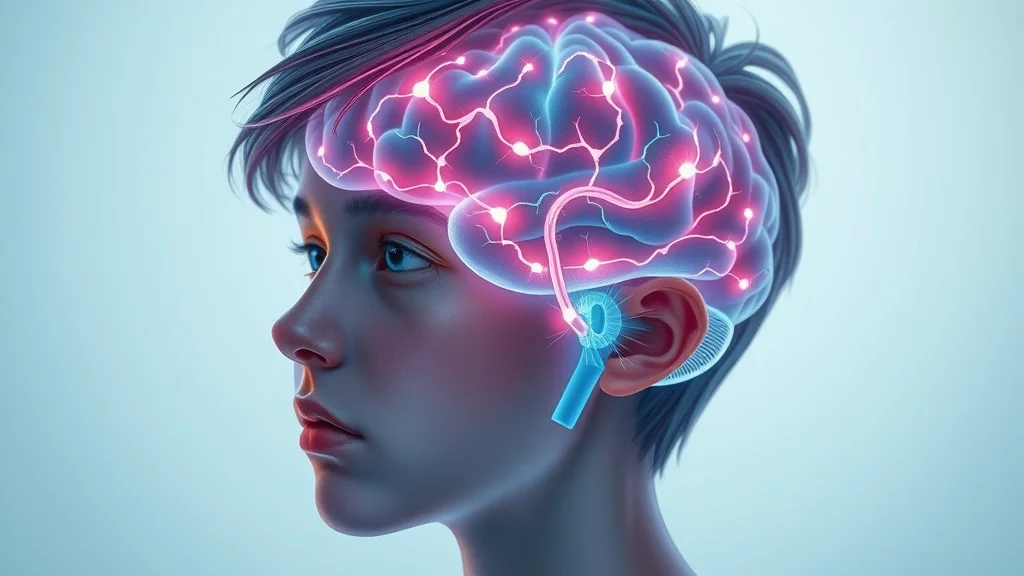
Illustration of a teenage brain highlighting neural pathways related to emotional dysregulation

Hormones and Emotional Regulation in Adolescents

Hormones are another player in the drama of teen emotional overreaction. Puberty brings a flood of hormonal changes, impacting everything from sleep cycles to social behavior. These hormones don’t act alone—they interact with ongoing brain changes, amplifying both positive and negative emotions. For example, surges in estrogen and testosterone can result in more frequent and intense mood swings, impatience, and even risk-taking behavior.

Combined with academic, family, and peer pressure, this hormonal imbalance often leaves teens struggling to regulate emotions effectively. That’s why it’s common for even teens who usually demonstrate healthy emotional control to suddenly become overwhelmed by strong emotions, sometimes without fully understanding why. The challenge for parents is to recognize these changes as normal part of growth while encouraging healthy ways for teens to manage their emotions.

Mental Health Factors: The Link to Emotional Overreaction

While brain development and hormones are part of the picture, underlying mental health conditions can also drive emotional dysregulation. Teens dealing with anxiety, depression, ADHD, or other mood disorders often experience heightened emotional responses. These mental health issues can make it especially difficult to manage strong feelings or bounce back from setbacks.

If emotional overreactions are chronic, escalate in severity, or are accompanied by withdrawal, persistent sadness, or risk-taking, it’s important to consider whether a mental health condition may be involved. Early intervention and support from school counselors or mental health professionals can empower teens with coping skills for their big feelings. Recognizing and addressing signs of declining mental health is critical in preventing more severe outcomes, such as self-harm or substance abuse.

Concerned parent supporting anxious teen showing emotional dysregulation at kitchen table

Why Teens Struggle to Manage Their Emotions

Common Triggers That Lead to Teen Emotional Overreaction

Living as a teenager comes with a unique set of stressors. Peer pressure and social challenges, academic expectations, and evolving family dynamics all serve as major triggers for emotional dysregulation. Social media amplifies everything, allowing small incidents to become public and exaggerated. Academic performance anxiety—grades, sports, and extracurricular activities—also contribute to mood swings and emotional upheaval. Family conflict such as divorce, arguments, or lack of support can further undermine a teen’s sense of safety, making it even harder to regulate emotions.

Another underestimated factor is sleep deprivation—late-night studying, part-time jobs, and time online reduce the time teens have for proper rest. Poor sleep makes it even harder for the still-developing brain to manage strong emotions, and can be a hidden driver behind both emotional ups and academic struggles.

  1. Peer pressure and social challenges
  2. Academic stress and performance anxiety
  3. Family dynamics and conflict
  4. Sleep deprivation
  5. Social media and online interactions

Overwhelmed teenage boy showing teen emotional overreaction, head in hands at a cluttered desk at night

Environmental and Genetic Influences on Emotional Regulation

Beyond everyday stressors, a teen’s environment and their genes play a crucial role in shaping emotional responses. Teens raised in high-stress settings, or those exposed to traumatic experiences, may develop patterns of emotional dysregulation as survival mechanisms. Genetics can predispose some teens to greater sensitivity or difficulties with emotional regulation. If family history reveals mood disorders or mental health conditions like anxiety or depression, these traits may surface as warning signs of emotional overreaction during adolescence.

Understanding these outside influences highlights why some teens experience more significant ups and downs than others, even when faced with similar situations. A supportive home, clear boundaries, and access to healthy coping tools can make a meaningful difference in managing emotional highs and lows during these critical years.

Warning Signs of Serious Emotional Dysregulation

Teenage girl, isolated and showing warning signs of serious emotional dysregulation, sitting alone in park

When to Be Concerned: Severe Mental Health Warning Signs

All teens face emotional ups and downs, but certain signs suggest an underlying mental health issue may require professional support. Pay attention if your teen’s outbursts are escalating in frequency or intensity, particularly if they involve aggression, destruction of property, or self-harm. Social withdrawal—pulling away from friends, avoiding family gatherings, or losing interest in previously enjoyed activities—can also be a red flag.

Additional warning signs may include impulsive risk-taking, such as substance use, reckless driving, or sudden academic decline. Each of these behaviors may be symptomatic of a deeper emotional or mental health challenge, indicating the need for intervention from school counselors or mental health professionals. Early recognition creates the best chance for healthy emotional development and helps teens establish better coping skills for life’s inevitable stresses.

  • Escalating outbursts and aggression
  • Social withdrawal and isolation
  • Risk-taking behaviors
  • Sudden academic decline

Tables: Comparing Typical vs. Concerning Teen Emotional Overreaction

Normal Emotional Fluctuations Warning Signs of Mental Health Issues
Brief crying or irritability after a disagreement Violent outbursts, physical aggression
Occasional mood swings related to school or friends Long-lasting sadness, social withdrawal
Minor academic setbacks with recovery Plummeting grades, loss of interest in school
Temporary family disagreements Frequent family conflict, running away from home
Temporary disappointment or sensitivity Risk-taking, substance use, self-harm

How to Deal with an Overly Emotional Teenager

Effective Communication Strategies

Communicating with an emotionally dysregulated teen requires patience, empathy, and active listening. Start by validating their feelings: “I can see why you’re upset. ” Resist the urge to minimize their experience or “fix” it immediately—instead, reflect their emotions and wait until the initial intensity passes before problem-solving. Ask open-ended questions and listen more than you speak, showing that you respect and value their perspective.

Negotiating boundaries and rules is easier when conversations happen in a calm, supportive environment. Setting aside regular one-on-one time with your teen—sharing a meal or going for a walk—can create opportunities for meaningful dialogue without the pressure of a “serious talk. ” If you notice persistent warning signs or a sudden shift in behavior, gently encourage your teen to share what’s going on and offer to help them connect with a trusted adult or mental health professional.

Supportive family practicing effective communication with an overly emotional teenager

Supporting Emotional Regulation: Parental Tips

Parents can play a crucial role in modeling and teaching healthy emotional regulation. Stay calm and avoid matching your teen’s intensity during heated moments—taking a deep breath or a brief pause can de-escalate tense situations. Set boundaries and expectations consistently, but deliver them with empathy. Discuss and demonstrate healthy ways to manage stress, like journaling, physical activity, or seeking out supportive conversations.

Acknowledge that emotional ups and downs are normal, and emphasize that mistakes are opportunities to grow. If your teen struggles to apply healthy coping skills, suggest experimenting together with different approaches until you find what works. Reach out to school counselors or health professionals for additional resources or workshops if you feel stuck. Remember, offering unconditional support during emotional storms lays the foundation for your teen’s healthy emotional growth.

  • Listening without judgment
  • Setting boundaries with empathy
  • Modeling healthy emotion management

When to Seek Professional Help for Teen Emotional Overreaction

It’s time to seek professional support if your teen’s emotional dysregulation leads to sustained negative emotions, chronic sadness, self-harm, thoughts of suicide, significant withdrawal, or risky behaviors. School counselors, therapists, and mental health professionals can assess for underlying conditions, provide coping strategies, and offer family support. Early intervention ensures that warning signs don’t become long-term mental health conditions, and gives your teen a chance to practice new coping skills in a safe environment.

"Understanding teen emotional overreaction shifts our approach from punishment to support." — Child Psychologist

Expert psychologist explains the developmental challenges and emotional regulation struggles teens face during the hardest ages, with practical advice for parents.

Frequently Asked Questions on Teen Emotional Overreaction

How to deal with an overly emotional teenager?

Start by validating their feelings and listen without interruption, showing empathy and patience. Help your teen develop healthy coping skills by modeling emotion regulation yourself and maintaining consistent boundaries delivered with compassion. Encourage open conversations and, when needed, reach out to mental health professionals or school counselors for guidance and support.

Hopeful teen and supportive parent walking together after dealing with teen emotional overreaction

What causes extreme emotional dysregulation?

Extreme emotional dysregulation in teens can be triggered by a mix of factors: brain development, hormonal changes, genetic predisposition, environmental stressors, and mental health conditions such as anxiety or depression. Unresolved trauma or high ongoing stress may also contribute, making it difficult for teens to manage their emotions effectively without support.

What is the hardest age for a teenager?

There is no single “hardest” age for every teen, but many experience the most intense emotional and developmental challenges between ages 13 and 15. This period often includes major transitions—starting high school, major brain and hormonal changes, and evolving social circles—which can amplify emotional ups and downs.

What does emotional dysregulation look like in teens?

Signs of emotional dysregulation in teens include frequent, intense mood swings, difficulty calming down after distress, overreacting to minor setbacks, episodes of anger or aggression, social withdrawal, risk-taking, and academic decline. If these symptoms persist and disrupt daily life, it may indicate an underlying mental health concern that requires professional support.

Another psychologist describes the warning signs, shares examples of unhealthy coping patterns, and offers advice for when it’s time to seek help for teen emotional overreaction.

Key Takeaways: Supporting Healthy Teen Emotional Regulation

  • Teen emotional overreaction is rooted in brain and hormonal development
  • Recognizing warning signs and mental health factors is crucial
  • Parents play a key role in supporting emotional regulation
  • Professional help is important when warning signs become severe

Ready to Help Your Teen Build Emotional Strength? Start with These Tools.

Empower your teen—support healthy emotional growth by staying present, keeping communication open, and turning to trustworthy resources when needed. Your involvement and understanding will lay the foundation for a resilient, emotionally healthy future.

Supporting your teen through emotional turbulence is a journey that requires patience, self-awareness, and the right resources. If you’re eager to deepen your understanding and discover holistic approaches for fostering a calmer home environment, you’ll find tremendous value in exploring broader strategies for managing stress as a parent of a teenager. By equipping yourself with advanced stress management techniques, you not only enhance your own well-being but also create a more supportive atmosphere for your teen to thrive emotionally. Take the next step in your parenting journey and unlock new insights that can transform everyday challenges into opportunities for growth—for both you and your child.


Understanding Teens

Write A Comment

*
*
Please complete the captcha to submit your comment.
Related Posts All Posts

What Looks Like Laziness in Teens Is Often Something Else

Are you quick to label your teenager as lazy when their motivation dips? What if what looks like laziness is actually something deeper? Many parents, caregivers, and teachers encounter young people who appear disinterested, apathetic, or unmotivated. But beneath surfaced behaviors, more complex teen motivation problems are often at play. In this guide, we’ll reveal the real reasons behind “laziness” in teens, how to distinguish genuine lack of motivation from simple disinterest, and actionable support strategies to help every unmotivated teen shine. Could Your Teen's 'Laziness' Be a Sign of Deeper Teen Motivation Problems? If you've ever found yourself frustrated by your teen’s reluctance to complete homework, help around the house, or engage in family conversations, you're not alone. Many parents notice these changes as young people progress through middle school and into high school. However, assuming “laziness” is simply a matter of not working hard overlooks the hidden struggles beneath the surface. In reality, teen motivation problems can arise for a multitude of reasons. Just years ago, the same young child who loved to learn and play may suddenly withdraw, lose interest in activities, or see good grades drop on their report card. It’s vital to ask: Are teens really lazy, or could there be something else at play? Young people’s motivation is shaped by powerful psychological, social, and biological forces often overlooked in day-to-day life. Sometimes, what appears as indifference is a teen’s way of coping with stress and anxiety, depression, or overwhelming expectations. "Are teens really lazy, or could there be something else at play?" What You'll Learn About Teen Motivation Problems in This Guide Key indicators that differentiate laziness from genuine teen motivation problems The psychological, social, and biological factors influencing young people Effective approaches for supporting an unmotivated teen When to seek professional help for persistent teen motivation issues Understanding Teen Motivation Problems in Young People It’s a myth that all teens become “lazy” simply because they’re growing up or distracted by video games and smartphones. These stereotypes only tell part of the story. When society labels young people as unmotivated or lacking drive, it places a damaging weight on their shoulders. The truth is, teen motivation problems are both real and complex, and often misunderstood by adults. Consider an unmotivated teen who’s withdrawn and drifting away from friendships or schoolwork. When adults focus solely on observable behaviors—such as failing grades or missed chores—they risk missing the challenges that young people face within. Labels like “lazy” can chip away at a young person’s self-esteem, causing them to internalize those negative expectations. Instead of nurturing wisdom and growth, these labels reinforce harmful myths and can make it even harder for teens to feel motivated or seek help. Common misconceptions about teen motivation How society labels unmotivated teens The impact of labeling on young people’s self-esteem What Causes Lack of Motivation in Teens? Teen motivation problems rarely have a single cause. Biological changes during adolescence—such as fluctuating hormones and developing brain pathways—open the door to emotional volatility and make it harder for young people to feel motivated. In many cases, mental health concerns like depression or anxiety are lurking under the surface, undiagnosed and untreated. Social pressures, ranging from fitting in with a friendship group to meeting parental expectations, may weigh heavily on teens, leaving them exhausted or afraid of failure. Academic burnout is another huge factor: Young people are often juggling school, extracurriculars, work, and social lives. Failing to keep up can quickly spiral into a sense of hopelessness. Family dynamics also play a key role; tension at home or a lack of nurturing wisdom and support can deepen a teen’s struggle. All these pressures create a complicated environment, making it essential for adults to look deeper than surface-level “laziness. ” Biological changes during adolescence Mental health concerns: depression, anxiety, and more Social pressures and expectations for young people Academic burnout and performance anxiety Family dynamics and relationship impact It's also important to recognize that parents themselves can experience significant stress while supporting a teen through these challenges. For practical ways to manage your own well-being during this journey, you might find these stress management tips for parents of teenagers especially helpful. The Hardest Age for a Teenager: Insights on Teen Motivation Problems Ask any parent or educator, and they’ll likely mention that the adolescent years pose unique challenges—both for young people and the adults guiding them. Studies show that ages 15–17 can be the most turbulent. During this period, teens grapple with rapid physical development, peer pressure, new responsibilities, and an increased desire for independence. These combined pressures make this transition especially tough and can exacerbate teen motivation problems. At this stage, peer influence can easily outweigh parental guidance. If a friendship group devalues academic achievement or healthy routines, a once-dedicated student may start slipping. Meanwhile, developmental milestones like managing relationships, considering career options, or preparing for high school graduation can prompt self-doubt. As teens navigate this emotional rollercoaster, they can lose their sense of mastery, feeling overwhelmed by what’s expected of them—both by adults and themselves. Developmental milestones and their effect on motivation Peer influence versus parental influence Transition periods in adolescence "Adolescence is a rollercoaster—the hardest age often comes with unique teen motivation challenges." Spotting the Difference: Unmotivated Teen vs. Teen With Motivation Problems Not every unmotivated teen struggles with the same issues. Understanding the subtle but crucial differences can help parents and teachers intervene effectively. For example, a student who occasionally puts off homework to play video games is very different from a young person who’s persistently withdrawn, anxious, or unable to enjoy any activities. When you observe sudden or severe changes—such as an unexplained drop in good grades or an uncharacteristic lack of joy—it’s important to consider whether underlying teen motivation problems may be the root cause. The table below compares typical teenage behaviors with warning signs of deeper struggles: Behaviors Likely Laziness Potential Motivation Problem Frequent avoidance Sometimes Often with anxiety/depression Sudden grade drop Rarely Common with underlying issues Disinterest in everything Unusual Warning sign Mood changes Occasional Frequent and intense The Root Cause of Lack of Motivation: Examining Teen Motivation Problems When exploring the "why" behind teen motivation problems, it’s clear the answer isn’t simple. Genetics and neurochemical balances play significant roles—just as motivational theorists like Deci and Ryan argue, each young person is wired with varying levels of drive and resilience. A history of trauma or adverse childhood experiences also increases risk, sometimes making it difficult for young people to feel motivated even when they want to try. Undiagnosed learning difficulties can rob a student of a sense of mastery. A teen struggling silently with dyslexia, ADHD, or another condition may mask challenges behind “laziness. ” Additionally, today’s societal expectations create significant stress; young people constantly feel the need to achieve, often without the resources for nurturing wisdom and support. These root causes highlight why it’s so important to look beyond the behaviors and see the young person beneath. Genetic and neurochemical factors History of trauma or adverse childhood experiences Learning difficulties and undiagnosed conditions Societal expectations facing young people How to Motivate an Unmotivated Teen: Real Strategies for Teen Motivation Problems Supporting a unmotivated teen means moving beyond quick fixes or punishment. Instead, a foundation of trust and open communication can make a remarkable difference. Engage your teen with empathy—ask about their challenges, listen to their perspective, and involve them in finding solutions. Setting achievable goals together helps young people feel ownership and control over their choices, giving them a renewed sense of mastery. Encourage autonomy by letting your teen choose projects or extracurriculars that match their interests and natural talents. Use positive reinforcement, celebrating each bit of progress no matter how small, rather than focusing on shortfalls. Finally, create structured routines—not rigid rules—that provide reliability while respecting independence. Over time, these strategies can help even the most unmotivated teen get back on track and reignite their motivation for school and life. Building trust and open communication Setting achievable goals in partnership with your teen Encouraging autonomy and agency for young people Using positive reinforcement over punishment Creating structured routines to foster reliability When to Worry: Signs Your Unmotivated Teen Needs Professional Support Sometimes, teen motivation problems go beyond what families can navigate alone. Be alert for warning signs that indicate the need for professional help: prolonged academic decline, social withdrawal, significant changes in eating or sleeping habits, or expressions of hopelessness or worthlessness. If you notice any of these behaviors, don’t hesitate to consult a physician, counselor, or adolescent psychologist. Early intervention can help young people reclaim their motivation—possibly preventing more serious issues down the road. Prolonged academic decline Withdrawal from friends/family Significant changes in eating or sleeping habits Expressions of hopelessness or worthlessness "Seeking help isn't a sign of failure—it's a step toward overcoming teen motivation problems." What Experts Say About Teen Motivation Problems "Understanding the difference between typical teenage behavior and clinical motivation issues is vital," says Dr. Jane Anderson, Adolescent Psychologist. Experts agree that not all motivation dips are signs of a clinical issue, but consistent withdrawal or inability to feel motivated may require more specialized support. Dr. Anderson and many in the field stress the importance of early, nonjudgmental conversations and involving schools or counselors when motivation problems don’t resolve on their own. With the right help, even deeply unmotivated teens can rediscover purpose and drive. Evidence-Based Approaches to Support Young People With Teen Motivation Problems Addressing teen motivation problems starts with tailored, evidence-based interventions. Counseling and therapy—such as cognitive-behavioral therapy (CBT)—can help teens reframe negative thoughts, address anxiety or depression, and develop new coping skills. In addition to therapy, schools play a powerful role by identifying struggling students, providing lesson videos, supportive learning environments, and connecting families with resources. When the community—the family, school, and mental health professionals—rallies behind a young person, they gain the nurturing wisdom to build resilience and regain motivation. By addressing both internal struggles and environmental factors, we set teens up for success in high school, friendships, and life beyond. Counseling and therapy options for teens Cognitive-behavioral therapy (CBT) in addressing motivation Role of schools and educators in intervention What Not to Do: Common Mistakes When Dealing With Teen Motivation Problems Even well-meaning adults sometimes make mistakes that can worsen teen motivation problems. Avoid assuming that your teen’s withdrawal or lack of engagement is just laziness or defiance. Overreacting with punishment doesn’t address underlying causes and can push a young person further away. Don’t neglect to include your teen in problem-solving—their voice is vital for building trust and discovering what actually helps. Perhaps most importantly, never overlook potential mental health concerns; untreated depression, anxiety, or trauma require professional care for true recovery. Assuming it’s just laziness or defiance Overreacting with punishment Neglecting to involve the teen in finding solutions Ignoring associated mental health concerns Success Stories: Overcoming Teen Motivation Problems Case study: A parent's journey with their unmotivated teen—With open communication and school support, this young person discovered their natural talents and transformed from “lazy” to passionate about robotics. How one school transformed teen motivation: By embracing role-modeling, lesson videos, and flexible learning, a local high school saw remarkable gains in student engagement and self-esteem. Personal testimony: A formerly unmotivated young person shares their story of rediscovering purpose once they felt truly heard and supported by adults in their life. People Also Ask What causes lack of motivation in teens? Lack of motivation can arise from neurological development, stress, peer and parental expectations, depression, anxiety, trauma, or learning difficulties among young people. What is the hardest age for a teenager? Ages 15–17 are often cited as most challenging due to hormonal changes, peer pressure, and increasing independence, which can impact teen motivation. How to motivate an unmotivated teenager? Encourage open communication, set collaborative goals, acknowledge achievements, and consider professional support if motivation problems persist. What is the root cause of lack of motivation? The root causes are often multifactorial, including genetic disposition, psychological disorders, social environment, and educational pressures. Frequently Asked Questions About Teen Motivation Problems Can teen motivation problems resolve on their own? Sometimes, but ongoing struggles may need supportive intervention for lasting change. Is a lack of motivation always a sign of depression in young people? Not always—while depression is a factor, teen motivation problems can stem from a range of causes. How do I talk to an unmotivated teen about their struggles? Approach with empathy, listen without judgment, and invite their input about what support feels most helpful. Are there effective therapies for teen motivation issues? Yes—approaches like CBT, family therapy, and school-based interventions help many young people regain motivation. Key Takeaways on Teen Motivation Problems Not all apparent laziness in teens is simply lack of effort. Teen motivation problems are complex and often indicate deeper issues. Support, understanding, and professional help can make a significant difference for young people. If You Suspect Teen Motivation Problems, Take Action Today Reach out for a professional consultation to help your unmotivated teen rediscover their drive and purpose. If you’re ready to deepen your understanding and take your support to the next level, consider exploring additional resources that address the broader context of parenting teens. Learning how to manage your own stress and maintain resilience can empower you to be a more effective guide for your child. Discover more strategies and insights by visiting our comprehensive guide on stress management for parents of teenagers—a valuable next step for families navigating the ups and downs of adolescence.

Understanding the Emotional World of a Defiant Teen

Did you know that nearly 15% of teenagers display persistent defiant behavior, often leading to lasting concerns for families and schools? These aren’t just everyday mood swings—defiant teen psychology unravels a complex emotional world shaped by mental health, relationships, and development. Explore what drives a defiant teenager, the signs to look out for, and how understanding their perspective can spark real change in their lives and yours. A Startling Look at Defiant Teen Psychology Today Defiant teen psychology is at the core of a growing concern among parents, educators, and mental health experts. As our understanding of adolescent emotions deepens, it becomes clear that defiant behavior in teens goes beyond simple rebellion. Around the world, an increasing number of families navigate daily conflicts and emotional outbursts fueled by more than just hormonal changes. The rise in diagnoses such as oppositional defiant disorder (ODD) sheds light on how mental health, environmental stressors, and evolving family dynamics contribute to a teenager’s struggle for identity and autonomy. Understanding defiant teens—what drives them, what they feel, and how they react—empowers families to respond with empathy, not just discipline. It’s important to note that adolescents grappling with defiant behavior often feel misunderstood or unsupported. Rather than just focusing on discipline, researchers now emphasize the role of effective communication, emotional validation, and collaborative problem-solving. By addressing the root causes found within defiant teen psychology, families and caregivers open the door to positive change and mutual understanding—crucial ingredients for helping defiant teenagers thrive emotionally and socially. Defiant Behavior in Teens by the Numbers Recent Statistics on Defiant Teen Psychology and Mental Health Trends Category Statistic Source Teens displaying clinically significant defiant behavior Up to 15% CDC, 2023 Oppositional Defiant Disorder (ODD) prevalence among teens 3%–8% National Institute of Mental Health Increase in teen mental health referrals (last 5 years) 38% American Academy of Pediatrics High schoolers reporting frequent conflict with authority figures 19% Pew Research Center, 2022 Teens citing family stress as a primary driver of defiant behaviors 27% APA Survey, 2023 What You'll Learn About Defiant Teen Psychology The core concepts of defiant teen psychology Key characteristics of defiant behavior in teens How mental health and family dynamics influence a defiant teen Proven strategies to foster positive change and authority relationships Defining Defiant Teen Psychology: What Makes a Defiant Teenager? What truly defines a defiant teenager? At its core, defiant teen psychology points to a persistent pattern where a young person repeatedly resists authority, rules, and expectations. While some degree of pushback is part of healthy adolescent independence, defiant behavior becomes concerning when it leads to frequent conflict at home, at school, or with peers. These teens often exhibit unique psychological traits linked to how they interpret the world around them—including their sense of justice, need for control, and perceptions of fairness or respect. Defiant teenagers are far from one-size-fits-all. They may be outspoken or quietly resistant, quick to argue or skilled at passive protest. Common threads include impulsivity, a heightened sensitivity to perceived injustice from authority figures, and emotional volatility that can erupt in anger or silent withdrawal. Their actions are less about “bad attitude” and more a reflection of internal struggles, often magnified by their unique blend of personality, family dynamic, and life stressors. By exploring these traits, we move past labels—opening a window into the lived experience of a defiant teen. While understanding the psychological roots of defiance is essential, it's equally important for parents to manage their own stress during these challenging years. For practical advice on maintaining your well-being and composure, explore these stress management tips for parents of teenagers that can help you support your teen more effectively. Key Psychological Traits of a Defiant Teen Impulsivity Sensitivity to authority figures Resistance to rules Emotional volatility “Defiant teen psychology is not simply about rebellion; it often reflects deeper conflicts and emotions that require understanding, not just discipline.” Defiant Behavior in Teens: Causes and Contributing Factors Defiant behavior in teens does not emerge in a vacuum. Instead, it’s the result of intertwined personal, social, and environmental factors that shape the psychological landscape of adolescence. These causes can range from developmental transitions—like puberty and evolving identity—to external influences, such as peer relationships, exposure to trauma, or household stress. Mental health conditions such as anxiety, depression, or ADHD commonly overlap with defiant tendencies, influencing emotional reactiveness and impulsivity. The family dynamic plays a crucial role in whether defiant feelings escalate into persistent struggles. Inconsistent discipline, parental conflict, or a lack of emotional safety can reinforce a teen’s defensive stance, making everyday disagreements spiral into heated power struggles. Alternatively, a supportive environment that blends boundaries with empathy can dampen the cycle of defiance. Most importantly, recognizing the warning signs and root causes opens the door to positive intervention and lasting change for the defiant teen and their family. PAA: What causes a teenager to be defiant? Answer: Defiant teen psychology is influenced by developmental stages, social environment, mental health, and family dynamics. Puberty, stress, trauma, or inconsistent parenting can contribute to defiant behavior in teenagers. Defiant Behavior and Mental Health: Intersections and Overlaps Mental health challenges are deeply intertwined with defiant teen psychology. Adolescents struggling with conditions like depression, anxiety, or ADHD often display defiant behaviors as part of their difficulty in regulating emotions or coping with stress. For example, a defiant teenager with untreated anxiety might resist school attendance, not out of laziness, but due to overwhelming worries. Similarly, a teen with ADHD may appear argumentative or unable to follow instructions, stemming from impulsivity rather than intent to disobey. Recognizing the overlap between defiant behavior in teens and mental health can change how families and schools respond. Instead of punitive measures, approaches rooted in understanding, compassion, and professional support—such as cognitive-behavioral therapy or medication—can transform lives. The focus shifts from “fixing” the defiant behavior to addressing the underlying emotional needs, helping teens feel safe, supported, and ready to succeed. The Family Dynamic: The Role of Home Environment in Defiant Teen Psychology The family environment is both a mirror and a molding force for teenage behavior. Family dynamics—such as communication patterns, emotional closeness, or parental authority styles—heavily influence how teens express or manage defiance. In homes where respect and understanding flow both ways, teenagers are less likely to engage in persistent power struggles or risky behavior. Conversely, homes marked by frequent conflict, unclear boundaries, or emotional neglect may see these issues magnified. Research shows that family therapy can make a dramatic difference for the defiant teen. By strengthening communication skills, clarifying expectations, and allowing all family members to feel heard and understood, families can disrupt negative cycles and foster greater harmony. It’s not about eliminating disagreement—it’s about learning how to disagree in ways that don’t harm relationships or mental health. Recognizing Oppositional Defiant Disorder and Related Defiant Disorders While all teenagers may push boundaries at times, oppositional defiant disorder (ODD) stands out due to the intensity, frequency, and persistence of symptoms. ODD is more than just defiant behavior—it's a clinically recognized mental health condition characterized by ongoing patterns of angry, argumentative, or vindictive behavior toward authority figures. Distinguishing ODD from typical teenage pushback is critical for providing effective support and intervention. Related disorders, such as conduct disorder, can involve even more severe behavioral issues, including aggression or violation of societal norms. Early identification and intervention are crucial, as these patterns can evolve and affect a teenager’s long-term mental health, relationships, and success in school or work. The key difference lies in duration, severity, and whether the behavior significantly disrupts daily life. The Difference Between Defiant Behavior and Oppositional Defiant Disorder It’s important to note that occasional arguments or disobedience does not equal a diagnosis. Oppositional defiant disorder is marked by a persistent and disruptive pattern of defiance lasting for at least six months, impacting relationships with family, teachers, or peers. In contrast, typical defiant behavior may arise sporadically in response to stress, peer influence, or developmental shifts. Professional evaluation is necessary to differentiate between a natural part of growing up and a mental health condition that requires targeted intervention. Parents and caregivers should observe whether the behavior is consistent across settings and whether it affects the teen’s ability to maintain positive relationships or perform in school. If these patterns persist and escalate, seeking help from a mental health professional is crucial to determine if defiant disorder or another health condition is present. Signs and Symptoms of Defiant Disorder in Teens Persistent anger or irritability Frequent arguments with authority figures Intentional efforts to annoy others Additional warning signs may include blaming others for mistakes, a pattern of seeking revenge, and difficulty accepting rules or criticism. These symptoms often cause significant disruption, not only for the defiant teen but for their entire support system. Eight Core Behavioral Traits: Hallmarks of a Defiant Teenager Understanding the foundational traits behind defiant teen psychology helps families recognize the difference between normal adolescent turbulence and more concerning patterns. Specialists have identified eight behavioral hallmarks that frequently appear in defiant teenagers. These are not isolated traits, but interconnected patterns that echo through a teen’s daily interactions with authority figures, peers, and family members. These core traits are crucial for early identification—giving families, teachers, and mental health professionals concrete signals to watch for. Recognizing these behaviors as part of a broader psychological framework, rather than isolated misbehavior, helps shift the conversation from blame to understanding. PAA: What are the 8 behavioral traits of teenagers? Answer: The eight behavioral traits often seen in defiant teenagers include impulsiveness, heightened emotional reactions, rejection of authority, rule-breaking, seeking peer validation, low frustration tolerance, blame-shifting, and resistance to change. These are foundational in understanding defiant teen psychology. Defiant Teens and Power Struggles: Navigating Authority Figures and Family Dynamics Navigating the daily reality of a defiant teen often involves ongoing power struggles—especially with authority figures at home or school. These conflicts aren’t solely about breaking rules; they represent an adolescent’s attempt to assert control, autonomy, and be heard in a world that sometimes seems stacked against them. When families or schools respond with escalating punishments, it can reinforce the cycle, pushing teens further into defensive or risky behavior. Breaking this cycle means focusing on mutual respect, open communication, and setting boundaries that strike a balance between firmness and flexibility. Viewing defiant behavior through the lens of emotional need and psychological development can transform tense stand-offs into opportunities for growth, trust-building, and positive behavior change. Defiant Behavior, Authority Figures, and the Impact of Power Struggles Authority figures, such as parents and teachers, are often the focus of adolescent defiance. Engaging in power struggles can become a pattern—each side digging deeper into their position, which leads to frustration, resentment, and emotional distance. Defiant teenagers are especially sensitive to fairness and respect; if they perceive control or discipline as unfair, their resistance intensifies. The result is often a lose-lose scenario, disrupting healthy family dynamics and undermining the authority needed for safe boundaries. The key to breaking this dynamic is recognizing that power struggles are less about the specific issue and more about the underlying need for control, validation, and autonomy. When authority figures learn to provide choices, validate emotions, and use positive reinforcement instead of confrontation, the tone changes. Teens then feel understood, and are more likely to cooperate, trust, and take responsibility for their actions. Family Dynamics: Strengthening Relationships with Defiant Teens Families that proactively nurture connection, support, and healthy boundaries create a foundation where defiant teens feel safe to express emotions without fear of rejection. Open family communication, regular check-ins, and a willingness to apologize and adjust rules can shift a hostile home environment toward healing and growth. Importantly, building trust with a defiant teenager is a process—one that often requires patience, consistency, and, sometimes, help from family therapy. Establishing clear roles and expectations also supports positive change. By focusing on rebuilding trust and offering teens opportunities to make meaningful choices, families create conditions where defiant teen psychology transforms into resilience, maturity, and self-respect. Effective Mental Health Interventions: Addressing Oppositional Defiant Disorder and Defiant Behavior The most effective responses to defiant teen psychology are holistic, evidence-based, and tailored to individual needs. Interventions like parent training, family therapy, and positive reinforcement have shown remarkable success in helping defiant teens and their families. These approaches are most beneficial when they foster collaboration—not just compliance—and empower everyone to develop deeper understanding and healthier coping strategies. Parent training equips caregivers with the tools to nurture positive behavior, handle conflict calmly, and avoid inadvertently reinforcing defiance. Family therapy addresses the patterns and triggers within the home, giving each family member a voice and a path toward empathy and healing. Integrating positive reinforcement encourages and rewards constructive choices, providing an alternative to punitive approaches that can deepen resistance. The Role of Parent Training, Family Therapy, and Positive Reinforcement Parent training and collaborative problem solving Family therapy to address the home dynamic Positive reinforcement to encourage desired behaviors Leveraging these interventions not only addresses existing challenges but also prevents escalation, protects mental health, and opens a path to sustained growth for both teens and their families. Coping Strategies for Parents: How to Handle a Defiant Teen Handling a defiant child or teenager can test even the most patient parent. The goal isn’t to “win” arguments, but to maintain a relationship rooted in support, trust, and realistic expectations. Setting boundaries requires a blend of firmness and empathy—being clear, but also open to your teen’s perspective. Consistent routines, clear consequences, and creating time for positive shared experiences go a long way in defusing everyday conflicts. When power struggles escalate, stepping back and using active listening or collaborative problem-solving helps teens feel understood and more willing to cooperate. When necessary, don’t hesitate to seek professional guidance. Family therapy or parent training can provide the expertise, strategies, and emotional backing needed to transform household dynamics and foster lasting change. PAA: How to deal with a rebellious teenager? Answer: Dealing with a rebellious or defiant teen requires consistent communication, setting clear expectations, leveraging positive reinforcement, and sometimes seeking professional support like family therapy or parent training interventions. “Every defiant teenager carries untold stories beneath their surface. Strategies rooted in understanding and empathy can transform these challenges into opportunities for growth.” Navigating the Toughest Years: Timing and Development in Defiant Teen Psychology Defiant teen psychology is particularly intense during specific stages of adolescence. The hardest years, research suggests, are typically between ages 15 and 17. At this stage, teenagers experience a surge of independence, growing academic and social pressures, and increased self-discovery. It’s not uncommon for parental guidance to be met with heightened resistance, as teens try out new identities and push for autonomy. The emotional volatility and risk-taking behaviors normal to this age can be intimidating for adults, but they also signal opportunities for critical growth and positive transformation. Early intervention, affirming boundaries, and maintaining a steady presence can help guide a defiant teenager through these tumultuous years toward confidence and emotional resilience. PAA: What is the hardest age for a teenager? Answer: The hardest age often centers around 15 to 17 years, when defiant teen psychology is shaped by increasing independence, academic and social pressures, and ongoing identity development. FAQs on Defiant Teen Psychology, Mental Health, and Family Dynamics Is it normal for all teenagers to show some level of defiance? Yes, occasional defiance is a typical developmental stage. Persistent, disruptive patterns may indicate underlying mental health challenges or oppositional defiant disorder. How is oppositional defiant disorder diagnosed? ODD is diagnosed by a mental health professional through interviews, behavior assessments, and observations over at least six months of consistent symptoms. Can family therapy help with defiant disorder? Absolutely. Family therapy is evidence-based for improving communication, strengthening relationships, and reducing negative patterns associated with defiant behavior. What role do peer relationships play in defiant behavior? Peer relationships are influential—supportive friendships can act as a protective factor, while negative peer pressure or conflict may intensify defiant behavior. Key Takeaways from Understanding Defiant Teen Psychology Most defiant teen behaviors are developmentally typical, but persistent patterns may indicate underlying issues like oppositional defiant disorder. The mental health and family dynamic context are critical determinants of outcomes. Interventions like parent training, family therapy, and positive reinforcement are evidence-based supports for defiant teens. Supporting Your Defiant Teen: Next Steps for Families and Caregivers Explore professional resources for addressing defiant teen psychology. Consider booking a consultation to assess your family's needs. If you feel overwhelmed or concerned about your teen’s behavior, remember: reaching out for support is a sign of strength. Connect with licensed mental health professionals, seek out parent training workshops, or explore local family therapy providers. Early action supports not only your child—but the entire family dynamic. Watch as mental health experts explain the underlying psychological factors that shape defiant behaviors in teens, using relatable scenarios, parent interviews, and animation to illustrate emotional triggers and intervention strategies. Learn practical steps for strengthening family relationships and handling defiant behavior in teens, including real-life success stories and expert advice. Conclusion: A Holistic Approach to Defiant Teen Psychology and Emotional Growth Embracing defiant teen psychology with empathy, education, and action transforms challenges into opportunities for emotional growth—for both teens and families. As you continue your journey to support your teen, remember that your own resilience and self-care are just as vital as the strategies you use at home. By learning to manage your stress and maintain emotional balance, you set a powerful example and create a more supportive environment for your child. For further guidance on nurturing your well-being while navigating the ups and downs of parenting a teenager, discover additional stress management techniques for parents of teens. Investing in your own growth not only benefits you, but also strengthens your entire family’s path toward healing and connection.

Why Teens Push Away the Parents They Need Most

Did you know that more than 70% of teenagers feel misunderstood by their parents during adolescence, fueling a pattern of teen emotional distancing? This growing phenomenon not only strains family bonds but can also signal deeper emotional numbness and evolving peer relationships. Understanding why teens push away the parents they need most is critical for building a resilient home environment and supporting their mental health through these transformational years. A Surprising Look at Teen Emotional Distancing: The Facts and Their Impact Adolescence brings a whirlwind of change, impacting how teens interact with both parents and peers. Recent studies reveal that over 70% of teens report feeling disconnected or misunderstood by their parents, contributing directly to emotional numbness—a sense of disconnection, withdrawal, or indifference. This kind of teen emotional distancing may seem sudden, but it’s often a gradual response to family dynamics, academic pressures, and the growing influence of peer relationships. The impact of emotional distancing is significant for the family environment. When a teenager becomes emotionally unavailable, parents may interpret this as moodiness or rebellion, while teens may actually be trying to process overwhelming feelings or shield themselves from perceived judgment. The consequences can ripple through daily functioning: breakdowns in communication, fewer shared family meals, and increased social withdrawal. As emotional numbness takes root, families might notice a decline in rituals, reduced warmth, and, in some cases, the emergence of mental health concerns that require prompt attention. “More than 70% of teenagers report feeling misunderstood by their parents during adolescence, leading to increased teen emotional distancing.” Opening Insights: Why Teen Emotional Distancing Matters for Families When a teen emotionally distances themselves, the entire family dynamic is challenged. Parents often feel rejected or helpless, unsure of how to bridge the growing gap. These patterns are not merely behavioral—they reflect underlying internal struggles, evolving peer relationships, and sometimes even signal warning signs related to mental health issues in teens. Identifying and addressing these signals early can spell the difference between a family that grows together and one that drifts further apart. Recognizing signs of emotional numbness in teens—such as withdrawal from family meals or avoiding emotional conversations—enables timely intervention, preserves family rituals, and ultimately strengthens the bond between teens and parents. What You'll Learn About Teen Emotional Distancing Major causes of teen emotional distancing The role of peer relationship and peer relationships Warning signs such as emotional numbness and numbness in teens How family dynamics and mental health issues contribute Tactics for reestablishing parent-teen connection Understanding Teen Emotional Distancing: Definitions and Key Terms As you explore the complexities of teen emotional distancing, it's important to remember that parents themselves often experience heightened stress during these challenging years. For practical approaches to managing your own well-being while supporting your teen, consider these stress management tips for parents of teenagers that can help you maintain resilience and foster a more supportive family environment. Defining Teen Emotional Distancing Teen emotional distancing refers to an adolescent’s gradual withdrawal from parents or guardians, manifesting as reduced communication, emotional numbness, or general detachment from family activities. This distancing is a multifaceted process, often influenced by changing developmental needs, evolving peer relationships, and internal struggles like stress or mental health issues. While it might appear as rebellion, it’s more accurately a coping mechanism—a protective barrier that teens employ as they strive for autonomy, especially during emotionally charged transitional years. Understanding these nuances helps families identify when emotional numbing is a natural part of growth and when it may be a red flag for underlying mental health concerns or even deeper emotional numbness in teens. Recognizing Emotional Numbness and Numbness in Teens Emotional numbness in teens goes beyond ordinary adolescent mood swings. It’s characterized by a persistent sense of apathy, lack of enthusiasm, or emotional flatness that can disrupt daily functioning and connections with family members. Teens experiencing this kind of numbness often withdraw not just emotionally but also physically—skipping family meals, isolating in their rooms, or disengaging from once-enjoyed activities. Importantly, emotional numbness in teens is sometimes a sign of underlying mental health issues such as depression or anxiety. Parents who notice a teen who seems indifferent, unable to process their emotions, or refuses to engage, should consider seeking mental health support to address potential underlying mental health issues that contribute to this detachment. How Peer Relationship and Peer Relationships Play a Role Peer relationships take center stage during adolescence, often reshaping a teen’s sense of identity and belonging. As these relationships deepen, teens instinctively compare their family environment to their newfound social circles. Strong peer relationships may provide comfort or relief but can also contribute to emotional distancing from parents if the teen feels misunderstood or judged at home. Conversely, struggles within peer relationships—such as exclusion, bullying, or social anxiety—can intensify emotional numbness, causing teens to distance themselves from both peers and family members as a form of self-preservation. The balance between family dynamics and peer influences is delicate, underscoring the need for attentive parental support during these years. Core Causes of Teen Emotional Distancing Family Dynamics and Teen Emotional Distancing The fabric of any household is woven from the everyday interactions between family members. Shifts in family dynamics—be it through parental conflict, divorce, death, or even positive events like a new sibling—can disrupt this balance, driving teens further into emotional numbness. When a family environment becomes unpredictable or emotionally charged, teens may retreat as a form of emotional numbing to avoid stress or pain. These reactions aren’t always premeditated. Sometimes, the simple strain of academic pressures, economic hardship, or changing routines around family meals can nudge teens toward withdrawal. Building awareness of these dynamics enables parents to intervene early and maintain open communication, creating a safer space for teens to process their emotions and feel more comfortable at home. Influence of Peer Relationships on Teen Emotional Distancing Peer relationships have a dual influence: they offer teens validation and new frameworks for understanding themselves, but they can also introduce stressors that contribute to emotional distancing. If a teen experiences exclusion, changing friend groups, or negative peer interactions, the resulting sense of rejection can exacerbate feelings of emotional numbness. On the flip side, teens with strong, supportive peer relationships might start prioritizing those connections over family engagement, leading to less participation in family rituals or meaningful conversations at home. When parents acknowledge and respect the importance of their child’s peer relationships—while still maintaining open, nonjudgmental lines of communication—they help their teen strike a healthy balance between autonomy and connection. Mental Health: Emotional Numbness in Teens and Underlying Mental Health Issues Emotional numbness in teens is often intertwined with underlying mental health issues such as depression, anxiety, or more complex health concerns. When a teen demonstrates sustained detachment, blunted emotions, or a drastic change in daily functioning, these behaviors can point to mental health issues rather than simple adolescent moodiness. Signs of underlying mental health issues may include self-isolation, a lack of motivation for school or hobbies, and changes in sleep or appetite. Addressing these concerns promptly with early intervention—such as family therapy, open communication, or a professional consultation—can prevent prolonged emotional distancing and support teens in building resilience and coping skills for future challenges. The Adolescent Brain: Why Emotional Distancing Occurs Developmental Stages and Teen Emotional Distancing The adolescent brain is in a rapid state of transformation. Hormonal shifts, the development of complex reasoning, and the drive for independence all interact to create a period of emotional turbulence. Emotional distancing, therefore, can be viewed as a developmental milestone—an adaptive mechanism that allows teens to figure out their own identity apart from the family unit. This temporary emotional numbing is not necessarily negative; when supported by stable family dynamics and repeated reassurance, most teens will safely navigate this stage. However, excessive or prolonged distancing can inhibit a young person’s emotional growth, impact their communication skills, and hinder the development of healthy relationships later in life. Numbness in Teens: Coping Mechanisms and Triggers Teens may cope with overwhelming emotions or stress by turning inward, resulting in emotional numbness. Typical triggers include academic pressures, social setbacks, traumatic events, or health issues, all of which can overload a teen’s ability to process their emotions. Emotional numbing becomes a protective shell, allowing the teen to shield themselves from pain, disappointment, or perceived failure. Unfortunately, this coping skill can limit a teen’s ability to build meaningful relationships or participate fully in their family environment. Recognizing these patterns enables parents and caregivers to guide teens toward healthier coping skills and open emotional expression—a crucial step toward healing and personal growth. Family Environment and Teen Emotional Distancing The unique character of the home environment—whether nurturing and open or tense and restrictive—can either buffer against or accelerate teen emotional distancing. Teens who feel safe, respected, and validated at home tend to manage stress and peer relationship challenges more effectively. In contrast, an environment marked by constant conflict or emotional neglect encourages withdrawal and emotional numbness. Maintaining routines like family meals, as well as rituals that foster togetherness, helps reduce emotional distance and builds a foundation for trust and support through adolescence and beyond. Warning Signs: Spotting Emotional Numbness in Teens Sudden withdrawal from family meal times and activities Avoidance of emotional conversations Signs of underlying mental health or health issue concerns Changes in peer relationship and peer relationships behavior The Impact of Teen Emotional Distancing on Family Dynamics and Home Environment Long-Term Consequences for Teens and Families If left unaddressed, teen emotional distancing can reshape family dynamics for years. Teens who become emotionally numb may struggle to communicate effectively, miss out on family support, and carry patterns of withdrawal into adulthood, impacting future relationships. Family members may experience guilt, frustration, or feel powerless to help, heightening the emotional distance—the longer these issues persist, the more challenging it becomes to reestablish connection, even after the adolescent years have passed. How Emotional Distancing Affects Family Meal and Rituals Shared family meals and rituals play a vital role in maintaining strong connections and a healthy home environment. When a teen habitually skips meals or avoids gatherings, the family loses opportunities for open communication, shared laughter, and support. The absence of these touchpoints can accelerate emotional numbness in teens, making it harder to engage or reintroduce meaningful rituals down the line. Recommitting to these routines—even with gentle persistence—significantly improves emotional connection and the ability to process emotions as a family unit. Navigating Shifts in Peer Relationships Changes in a teen’s peer relationships—like joining a new group, losing friendships, or navigating social drama—can amplify emotional numbing, making the home environment even more crucial for recovery. Parents who stay attuned to these changes and support their teen’s evolving social needs help buffer against further emotional distancing. Approaching these conversations with empathy and curiosity, rather than judgment, increases the likelihood that teens will continue to rely on family during inevitable social upheavals. Expert Insights: Quotes from Mental Health Professionals on Teen Emotional Distancing “Teen emotional distancing isn’t about parents being inadequate; it’s about teens striving for autonomy within a safe framework.” – Dr. Maria Chang, Clinical Psychologist “Emotional numbness in teens can be an early sign of underlying mental health issues, not simply defiance or moodiness.” – Alex Jordan, Adolescent Counselor Strategies to Address and Reduce Teen Emotional Distancing Building Emotional Connection Despite Peer Relationships One of the most effective ways to reduce teen emotional distancing is to show ongoing interest in your teen’s world—especially their friendships and peer relationships—while maintaining respectful boundaries. Create routines for regular family meals or outings, ask open-ended questions, and affirm your teen’s feelings without judgment. Instead of prying or lecturing, reflect your willingness to listen and support, reinforcing the message that the home environment remains a safe space to process emotions and setbacks. By fostering this atmosphere, you counter emotional numbness in teens and help them feel more comfortable reconnecting with family members. Supporting Healthy Family Dynamics at Home Healthy family dynamics hinge on open communication, mutual respect, and consistent routines. Parents should prioritize expressing empathy for their teen’s struggles and acknowledge the emotional numbing that can arise from stress, academic pressure, or changing peer relationships. Introducing new family rituals—like a weekly movie night or outdoor activity—can help break through emotional numbness and anchor teens to positive, predictable experiences. Regularly checking in about school, friends, and mental health, even if conversations are brief, lays the groundwork for long-term connection and resilience. Seeking Help: When to Address Underlying Mental Health Issues If emotional numbness in teens is persistent or severe—marked by withdrawal from daily functioning, a sharp decline in academic performance, or uncharacteristic behavior—early intervention is vital. Consulting a mental health professional ensures timely diagnosis and support, whether through therapy, medication management, or family counseling. Don’t overlook underlying mental health issues as just “typical teen behavior”—addressing these concerns can transform both adolescent behavior and family dynamics, ensuring safer emotional development and stronger relationships moving forward. People Also Ask: Teen Emotional Distancing Questions Answered What causes a person to be emotionally distant? Emotional distancing in teens often arises from a combination of developmental changes, mental health challenges, family dynamics shifts, and peer relationship evolution. It can also stem from stress, health issues, or the impact of traumatic events. Recognizing these factors is key to addressing emotional numbness and restoring healthy family connections. Is it normal for teens to distance themselves? It is typical for teenagers to seek independence and engage in some emotional distancing as part of normal adolescent development, but extreme withdrawal may indicate underlying mental health issues. Monitoring for additional red flags can help distinguish between natural growing pains and signs of deeper concern, ensuring appropriate early intervention and family support. What is the hardest age for a teenager? Ages 14-17 are often identified as particularly challenging for teens and parents due to intense peer relationships, discovery of identity, and emotional fluctuations. During this phase, teens may demonstrate increased emotional numbness as they navigate conflicts between autonomy and family expectations. What are the red flags for 15 year old developmental stage? Warning signs include sudden mood swings, persistent emotional numbness, withdrawal from family dynamics, deteriorating peer relationships, and emerging health issues. Persistent patterns of these behaviors should prompt families to seek professional guidance and open more direct communication with their teens. Table: Signs, Causes, and Strategies for Teen Emotional Distancing Sign Potential Cause Recommended Action Emotional numbness Underlying mental health Seek professional support Withdrawal from family meal Family environment changes Re-engage with routines Peer relationship struggles Social stressors Facilitate peer relationships discussion Decline in mental health Emotional distancing Increase mental health support Practical Tips: How Families Can Reconnect Amid Teen Emotional Distancing Prioritize regular family meals and open communication Validate teen emotions, reducing any sense of emotional numbness Maintain awareness of changes in peer relationships Introduce family rituals to strengthen dynamics Consult experts about underlying mental health issues when needed FAQs: Teen Emotional Distancing How can parents encourage open dialogue with emotionally distant teens? Parents can encourage open dialogue by providing a nonjudgmental space, listening actively, and respecting the teen’s privacy and perspective. Initiate conversations during neutral moments—like car rides or family meals—and focus on understanding rather than advising. This builds trust and makes teens more receptive to discussing difficult topics. What role do peer relationships play in teen emotional distancing? Peer relationships are central to a teen's sense of self and belonging. Positive peer experiences support emotional health, while negative experiences or exclusion can deepen emotional numbness and distancing. Parents who recognize and support their teen’s social world help buffer against excessive withdrawal and isolation. Are there effective interventions for emotional numbness in teens? Yes, interventions include family counseling, individual therapy, and supportive routines that encourage emotional expression. Structured family discussions, consistent routines, and validation of feelings equip teens with healthy coping mechanisms for processing difficult emotions and overcoming emotional numbness. How do mental health issues influence teen behavior at home? Mental health issues can manifest as mood swings, irritability, withdrawal from family activities, or emotional numbness. These changes in adolescent behavior are signals that something deeper may be affecting daily functioning and family dynamics, and typically require early intervention for positive outcomes. Key Takeaways: Navigating Teen Emotional Distancing in Families Teen emotional distancing is common and tied to developmental stages Emotional numbness in teens may indicate deeper issues Family dynamics, peer relationships, and mental health all play roles Early intervention and strong support systems matter Summary and Next Steps for Supporting Teens Experiencing Emotional Distancing Build connections, recognize emotional numbness, and seek support for underlying mental health to foster healthier family environments. Understanding why teens distance themselves is just the beginning of building a stronger, more connected family. As you continue to support your adolescent, consider exploring additional strategies that address the broader challenges parents face during these years. For a deeper dive into maintaining your own emotional balance and fostering a positive home atmosphere, discover expert-backed stress management techniques for parents of teenagers. These insights can empower you to navigate the ups and downs of adolescence with greater confidence, resilience, and compassion—ensuring your family thrives through every stage of growth.

Terms of Service

Privacy Policy

Core Modal Title

Sorry, no results found

You Might Find These Articles Interesting

T
Please Check Your Email
We Will Be Following Up Shortly
*
*
*