



Nearly 60% of U.S. teens have been harassed or bullied online—this is not just a phase, it’s a public health crisis. If you’re a parent, this statistic should be a wake-up call. As teens spend more of their lives on social media and media sites, the risk of harmful online behavior and aggressive bullying increases every year. This comprehensive guide offers crucial insight into how cyberbullying affects teens, the negative effects on mental health, and the effective strategies parents can use to protect and support their children from the very real dangers of online harassment.

How Cyberbullying Affects Teens: Startling Facts Every Parent Needs to Know
When it comes to understanding how cyberbullying affects teens, the facts are alarming. In today’s digital world, online bullying doesn’t end when the school bell rings. Social media sites, group chats, and text messages mean that harassment can follow young people 24/7—often in the secrecy of their own bedrooms. Unlike traditional bullying, the reach of online harassment is unlimited, and the anonymity of media sites empowers aggressors to target teens relentlessly.
Speaking to the scale, recent studies reveal that higher rates of cyberbullying experiences occur among high school students using popular social media platforms. The effects of cyberbullying range from minor emotional distress to lasting mental health issues, including depression and anxiety. With one in three teens in high school reporting being bullied online, parents must realize this is not an isolated problem—it’s a pervasive threat with deeply personal and lifelong consequences.
"Nearly 60% of U.S. teens have been harassed or bullied online—this is not just a phase, it's a public health crisis."
What You'll Learn About How Cyberbullying Affects Teens
- Definition of cyberbullying and how it impacts teens
- The effects of cyberbullying on teen mental health and social development
- Identifying signs of cyberbullying in young people
- Proven strategies for parents to prevent and address cyberbullying experiences
- Helpful tips for navigating social media sites and high school online environments
Understanding Cyberbullying: Social Media and Online Behavior

What is Cyberbullying? Examining the Different Types of Cyberbullying in Young People
Cyberbullying is more than just name-calling; it’s a broad term covering multiple types of cyberbullying that occur across media sites and platforms. For young people, this kind of online behavior includes direct harassment—unwanted, aggressive messages sent through social media or text messages—as well as spreading rumors, embarrassing photos, or manipulated images that damage reputations. Impersonation occurs when bullies create fake social media site accounts to deceive others or cause conflict, while threats and blackmail add another terrifying layer to a teen’s cyberbullying experience.
Unfortunately, the accessibility of media platforms makes it easier than ever for teens to encounter or even unintentionally participate in various forms of bullying. Harassment can escalate quickly, moving from a single post to widespread attacks involving entire high school groups. Because online communication is often less filtered and easier to hide from adults, these bullying experiences are harder for parents to detect and address.
- Direct harassment on media sites
- Spreading rumors or images via social media sites
- Impersonation or fake social media site accounts
- Threatening or blackmailing high school students
Social Media’s Role: How Media Sites Shape Teen Cyberbullying Experiences

Social media sites have dramatically changed the way teens interact, making it easier for online bullying to spread undetected. Apps such as Instagram, Snapchat, and TikTok allow messages, images, and rumors to travel faster than ever among high school circles. The instant nature of stories, private messaging, and online posting means one negative comment or threatening post can go viral in hours. For young people, the effects of cyberbullying are amplified by “likes” and shares, turning a bully’s message into a public spectacle that feels impossible to escape.
Unlike traditional bullying, social media enables aggressors to harass online with little fear of immediate consequences. The speed, secrecy, and scale of online harassment not only cause emotional pain, but also reinforce feelings of isolation and deepens the impact on teen mental health. Combined, these factors make modern cyberbullying experiences uniquely invasive and difficult to address without proactive parental involvement.
"Social media amplifies both the reach and the secrecy of modern bullying experiences among young people." — Online Safety Expert
The Effects of Cyberbullying on Teens and Their Mental Health
Short-Term and Long-Term Effects of Cyberbullying
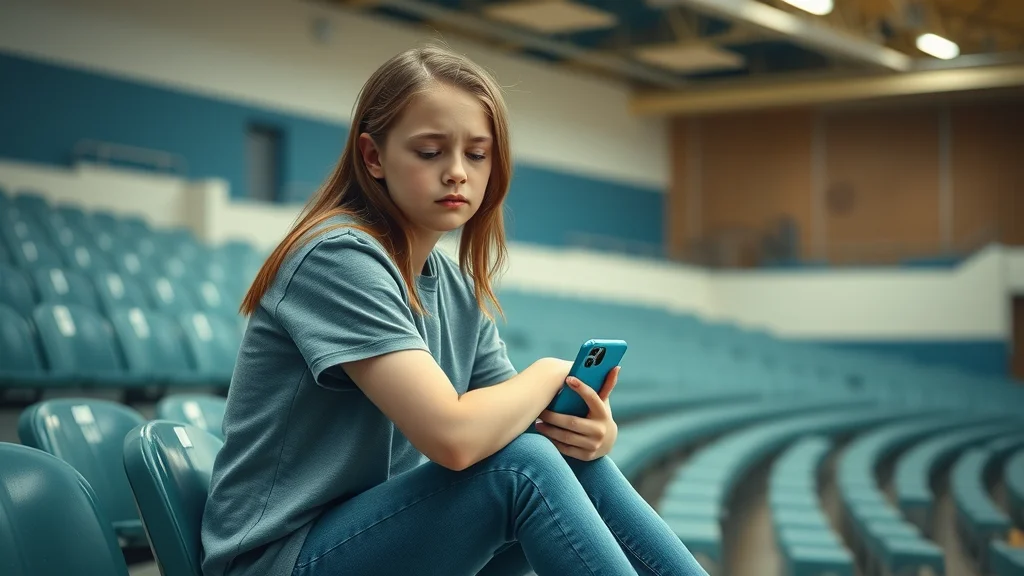
The effects of cyberbullying often extend far beyond the screen. In the short-term, victims of cyberbullying may experience extreme emotional distress—including anxiety, sadness, and even feelings of panic when using social media. This distress spills over into daily life, with many teens reporting trouble concentrating in class, fearing judgment from peers, and avoiding high school social settings. These stressors commonly result in declining academic performance, absenteeism, and withdrawal from friends and family.
- Emotional distress and anxiety
- Declining academic performance in high school
- Withdrawal from friends, family, and social events
- Increased risk of depression and self-harm
- Long-lasting damage to mental health
Over the long term, cyberbullying experiences may lead to severe mental health challenges such as depression, self-harm, and even suicidal ideation. Teens who are repeatedly harassed online may develop persistent feelings of unworthiness or social anxiety, making recovery a complex, emotional journey. The psychological wounds caused by ongoing online harassment do not heal overnight, underscoring the need for both early intervention and sustained support from parents and educators to protect the mental health and future of affected teens.
Animated Explainer: The Effects of Cyberbullying on Mental Health in Teens
Harassed Online: Real-Life Cyberbullying Experiences from Young People
The stories behind the statistics are sobering. Many teens share experiences where being bullied online left them feeling alone and misunderstood, regardless of the presence of friends or supportive teachers. One high school student explained how ongoing harassment on multiple media sites led to feelings of isolation, difficulty with schoolwork, and eventually seeking help from a trusted adult. Their account reflects the silent suffering that many teens endure, as they worry about embarrassment, retaliation, or letting their parents down.
Each cyberbullying experience can be deeply personal and often triggers negative effects on both mental and physical health. Survivors frequently note a rise in stress, sleep problems, altered eating habits, and even physical symptoms such as headaches and stomach aches—proof that the damage caused by online bullying is all-encompassing.
"I felt completely isolated after being targeted on social media sites—my grades and friendships suffered for months." — Teen Survivor
Identifying the Warning Signs: High School and Home

Recognizing the warning signals of cyberbullying in young people is an essential first step for parents. Is your teen suddenly withdrawn or unusually secretive about their online activity? Do they show a reluctance to attend school or participate in high school events they once enjoyed? Often, hints such as these, coupled with unexplained anger, sadness after browsing social media sites, or physical symptoms like sleep disturbances, may point to ongoing online bullying.
- Sudden isolation or secrecy about online activity
- Reluctance to attend school
- Unexplained anger or sadness after using media sites
- Sleep disturbances and eating habit changes
It is critical for parents to maintain an open, non-judgmental dialogue with teens and pay close attention to changes in mood, interest in hobbies, and general attitude toward social interactions. These behavioral shifts, especially when combined with worries about media site usage, can provide crucial clues that your teen may be experiencing or witnessing harmful online behavior.
Why Teens Are Vulnerable: The Impact of Social Media and Peer Pressure

Teens are particularly vulnerable to cyberbullying due to a mix of developmental and environmental factors. Social acceptance is paramount during adolescence, and peer pressure often leads to risky online behavior. Social media platforms provide both a stage and a shield, emboldening bullies while making targets feel exposed around-the-clock. The pressure to fit in, combined with an ever-present digital audience, increases susceptibility to engaging in or becoming victims of cyberbullying.
Moreover, the invisible and continuous nature of online harassment makes it difficult for adults to intervene quickly. Without immediate oversight, teens can fall into patterns where aggression and exclusion are normalized, amplifying feelings of isolation and hopelessness. The stigma of victimhood is especially harsh, with many young people choosing silence over seeking help, fearing judgment from peers or further targeting on media platforms.
Insights from Mental Health Experts on Young People
Child psychologists emphasize that teens are at higher risk not simply because of their age, but because digital platforms allow bullying to be relentless and hidden. The absence of real-world consequences, combined with the false perception of online anonymity, encourages ongoing aggressive behavior by bullies. For parents and teachers, this reality highlights the importance of vigilance, regular conversation, and proactive cyberbullying prevention.
"Teens are especially susceptible because online bullying occurs around the clock, away from parental supervision." — Child Psychologist
How to Prevent Cyberbullying: Proactive Strategies for Parents
Preventing cyberbullying starts with awareness and communication. Parents who educate their teens about the various forms of bullying and model healthy online behavior are more likely to reduce the risk of online harassment. Setting clear boundaries about the apps and social media sites your child can use, as well as tracking their digital footprint, are proven methods for minimizing exposure to risk.
- Educate teens about forms of bullying and online safety
- Encourage open dialogue about cyberbullying experiences
- Set clear rules for using social media and media sites
- Utilize parental controls on online platforms
Another powerful preventative measure is to utilize while many media platforms now provide tools for reporting abuse, blocking users, and setting privacy controls—even allowing parents to restrict messaging or media sharing. Consistently revisiting these safety settings ensures your teen stays protected as media sites evolve. Above all, fostering a supportive environment where teens feel comfortable discussing negative experiences without fear of retribution or shame is the most important action parents can take to prevent cyberbullying.

| Social Media Site | Monitoring Features | Blocking/Reporting Tools | Privacy Control Options |
|---|---|---|---|
| Activity tracking, DM monitoring | User report/block, comment filter | Private accounts, story controls | |
| Snapchat | Friend list visibility, Snap Map | User block, inappropriate content filter | My Eyes Only, message settings |
| TikTok | Screen time, account activity logs | Block/report user, keyword filter | Private accounts, comment restrictions |
| Post and message review, app activity logs | Block/report, group controls | Privacy shortcut, audience selection |
Supporting Your Child: Responding When They Are Harassed Online
Learning that your teen is being harassed online can be overwhelming, but knowing how to act quickly is key to effective support and recovery. Most media sites have clear reporting and blocking mechanisms, but emotional support and practical steps at home are equally important. By remaining calm, validating your child’s feelings, and involving relevant high school counselors or mental health professionals, you can help your teen regain a sense of safety and confidence in their social circles.
Steps to Take Immediately If Your Teen Is Affected
- Document bullying experiences and save evidence
- Report abuse on the relevant social media site or media platform
- Reach out to high school counselors and mental health professionals
- Support your teen through the recovery process
Immediate action includes encouraging your teen to block the perpetrator and collect screenshots or links as evidence in case further intervention is needed. Schools are increasingly proactive about addressing cyberbullying—so contacting a teacher, counselor, or mental health provider should be part of your action plan. Recovery is a journey, so offer patience and ongoing support as your teen works towards restoring their sense of normalcy and trust.

Parental Guidance: How to Support Teens Through a Cyberbullying Crisis
People Also Ask: Cyberbullying and Teen Mental Health
What cyberbullying is and how it impacts individuals?
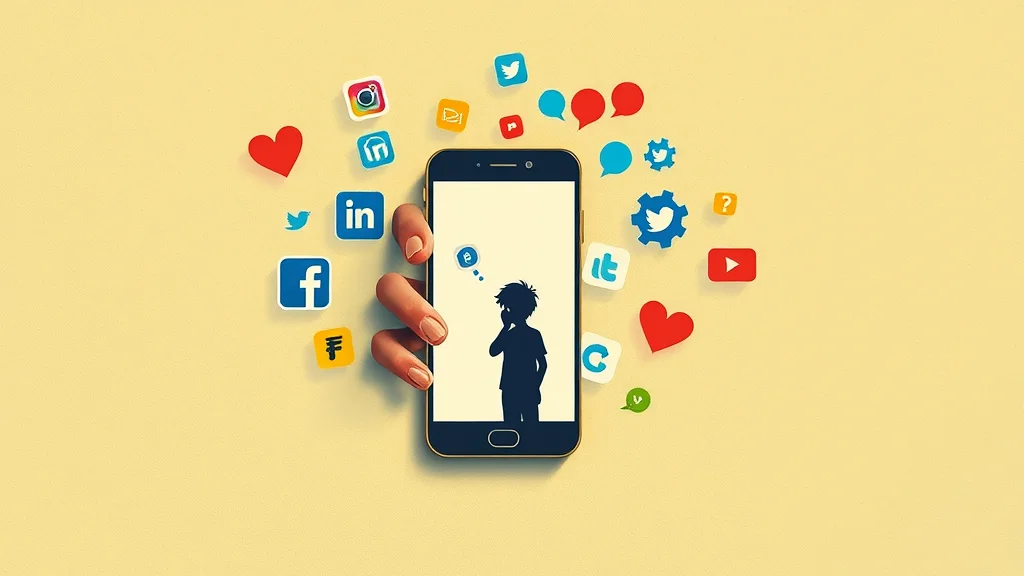
Cyberbullying refers to online bully behaviors—such as spreading rumors, sharing harmful images, threats, or exclusion—using digital platforms like social media sites, text messages, and gaming chats. It affects individuals by causing emotional pain, social withdrawal, ongoing anxiety, and even negative physical health effects. The impact is particularly harsh on young people, as repeated bullying experiences can lead to long-term issues with self-esteem and mental health.
Which age group is most affected by cyberbullying?
Studies consistently show that high school students are the most frequent targets of cyberbullying. Teens aged 13–17, who make up a significant portion of social media users, experience higher rates of both being harassed online and witnessing online bullying among peers. Early adolescence is a vulnerable time, making prevention and open communication especially crucial during these years.
What to do if your child is cyberbullying?
If your child is engaging in cyberbullying, it’s vital to intervene quickly and calmly. Have an open, honest discussion about the seriousness of their actions and the consequences on the victim’s mental health and self-esteem. Set clear expectations for future online behavior, encourage apologies or restorative actions, and use this as an educational moment about empathy and responsibility while monitoring for repeat behavior.
What are 5 facts about cyberbullying?
- Nearly 60% of U.S. teens have been bullied online.
- Certain social media sites report higher rates of bullying experiences.
- The effects of cyberbullying include both emotional and physical health issues.
- Anonymity online increases the frequency and severity of aggressive behavior.
- Prompt parental support often prevents long-term mental health problems.
Key Takeaways for Parents: Protecting Teens from Cyberbullying
- Stay involved in your teen’s online life
- Promote healthy, honest discussions about bullying experiences
- Monitor for changes in behavior linked to mental health
- Leverage tools on media sites to prevent cyberbullying

Frequently Asked Questions on How Cyberbullying Affects Teens
-
How does the anonymity of online platforms increase cyberbullying?
Anonymity emboldens bullies to engage in aggressive behavior without fear of direct consequences, making it easier to target victims and harder for adults to trace and stop the bullying. -
What resources are available for teens affected by social media bullying?
Teens can seek help from school counselors, mental health professionals, crisis hotlines, and reporting tools provided by major social media platforms. -
How can schools and parents work together on bullying prevention?
Open communication between parents and schools, participation in anti-bullying programs, regular review of media site safety features, and fostering a unified approach to digital citizenship are key prevention strategies.
Empower Your Family: Download Our Parent's Guide to Preventing Cyberbullying Today
Equip your family with the latest research, checklists, and real-world advice—download our comprehensive Parent’s Guide to Preventing Cyberbullying and take action now.
References and Resources
Protecting teens from cyberbullying starts with awareness, open dialogue, and active parental support—be proactive and help your child navigate the online world safely and confidently.




Write A Comment