



Are you struggling to find real solutions—not just temporary fixes—for your troubled teen? Could there be therapy options that genuinely meet your family's unique needs, even if previous efforts have fallen short?
Are There Effective Troubled Teen Therapy Options for Every Family?
Opening Hook: Challenging Conventional Wisdom on Troubled Teen Therapy Options
When faced with a troubled teen, many parents fear that hope is out of reach or that the right answers simply don’t exist. The truth? The landscape of troubled teen therapy options is more diverse and adaptable than ever. Families of all backgrounds and situations can access effective, evidence-based programs designed for a wide range of mental health issues, behavioral problems, and even severe challenges like substance abuse or eating disorders. Whether you’re considering a residential treatment center, evaluating a therapeutic boarding school, or curious about outpatient and community-based solutions, understanding your choices is the first step. This guide unpacks each treatment option with practical insights, helping you navigate an emotionally-charged journey with confidence.

What You'll Learn About Troubled Teen Therapy Options
- Understand the landscape of troubled teen therapy options
- Explore residential treatment and treatment center models
- Compare boarding schools, outpatient, and alternative treatment programs
- Recognize signs your troubled teen might need help
- Get answers to common questions related to troubled teen therapy options
Defining Troubled Teen Therapy Options and Key Concepts
Who Are Considered Troubled Teens?
The term troubled teen describes young adults or adolescents struggling with persistent behavioral issues, mental health concerns, or risky behaviors that disrupt daily life at home, school, or within relationships. These teens may face a wide range of difficulties—chronic mood swings, health issues such as anxiety or depression, defiance, substance abuse, or eating disorders. Left unaddressed, these problems can quickly escalate into a major health crisis for your family. It’s important to remember that many troubled teens are grappling with emotional distress, trauma, or environmental stressors and are not simply “difficult kids. ” By identifying their struggles and searching for the right treatment option, parents can help their troubled teen get back on a positive, healthy path.

The Importance of Mental Health Support for Troubled Teens
Support for mental health is a cornerstone for both troubled teens and their families. Challenges like anxiety, depression, self-harm, or substance abuse often require more than parental support—they need clinically backed treatment programs tailored to teens’ developmental stages. Evidence shows that early and ongoing mental health treatment can significantly reduce the risk of chronic emotional and behavioral issues later in life. Strong support systems and personalized therapeutic approaches help teenagers develop coping skills, rebuild self-esteem, and restore hope. Encouragingly, today’s treatment options offer diverse paths for families in crisis—from private practice counselors and group therapy to residential program environments and digital therapy platforms designed with teens in mind.
As you explore these therapy options, it’s equally important to consider your own well-being throughout the process. Parents navigating these challenges can benefit from practical stress management strategies tailored for those raising teenagers, which can help you remain resilient and supportive during your teen’s journey.
Recognizing the Signs Your Teen Needs Professional Help
It can be difficult to tell when a struggling teen has shifted from typical adolescent turbulence into the realm of needing professional intervention. Look for ongoing changes in behavior—withdrawal from family, significant drops in school performance, uncontrollable anger, frequent run-ins with authority, or risky choices that didn’t exist before. Patterns of dangerous behavior, loss of interest in previously enjoyed activities, or signs of mental health issues like persistent sadness or anxiety should prompt parental action. If your young adult’s actions pose safety concerns for themselves or others, seeking help from a licensed therapist or a treatment center should be immediate. Always listen to your gut: you know your child best, and trusting your instincts while seeking professional input is vital for early, effective intervention.
Overview: Residential Treatment for Troubled Teens
What Is a Residential Treatment Center?
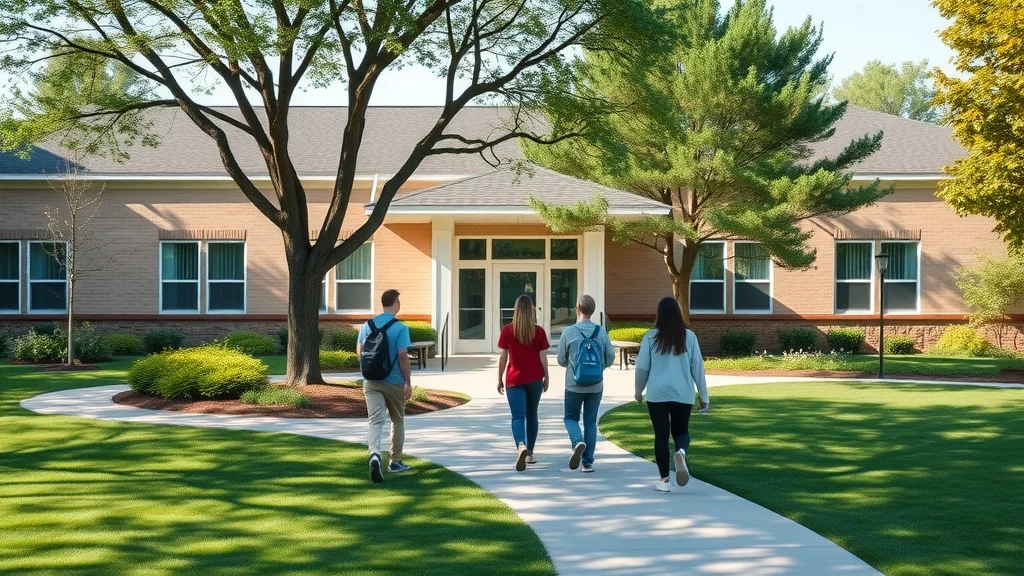
A residential treatment center (RTC) is a specialized facility offering round-the-clock care and therapeutic support for troubled teens with severe behavioral, emotional, or mental health concerns. These structured environments integrate licensed therapists, medical staff, group support, and individualized care plans to address complex issues like trauma, persistent defiance, or severe anxiety. Unlike standard hospitals, RTCs combine therapy with academic instruction, life skills, and recreational activities to foster holistic development. Many residential treatment centers provide targeted services for specific problems—such as substance abuse or mood disorders—and deliver a consistent daily routine, clear rules, and positive peer engagements. These programs aim not only to stabilize your young adult in crisis but to equip them with lasting strategies for success after their stay.
Residential Treatment Program Structures and Approaches
Residential treatment programs vary in size, therapeutic philosophy, and length. Some follow a clinical model led by psychiatrists and behavioral therapists, while others blend holistic approaches such as outdoor therapy or expressive arts. Most programs are highly structured, featuring regular individual and group therapy sessions. Many RTCs include academic classes accredited to state or national standards, so teens don’t fall behind in school. Family involvement is also critical—effective residential treatment programs invite parents and guardians to participate in therapy sessions, workshops, and progress reviews. These centers differentiate themselves by their ability to provide 24/7 care and to respond to crises instantaneously, offering therapeutic approaches for even the most challenging mental health or behavioral issues.
Pros and Cons of Residential Treatment Centers
Residential treatment centers offer unique advantages for troubled teens with severe or life-threatening challenges. Their main strengths include a controlled environment, immediate professional intervention, daily therapy, and the opportunity to break harmful cycles at home or in the community. Teens benefit from peer support and therapeutic immersion. However, there are potential downsides: RTCs can be costly, often require teens to be away from home for months, and may disrupt family life. Not every adolescent needs such intensive intervention, and improper placement can result in resistance or minimal progress. Weighing the pros and cons with professional guidance will help determine if a residential treatment center is right for your young adult.
Boarding School vs. Troubled Teen Therapy Options
Therapeutic Boarding Schools for Troubled Teens
A therapeutic boarding school combines academic instruction with structured behavioral and psychological support. Unlike traditional boarding schools, these institutions focus on youth who present emotional, behavioral, or mental health issues that impede their success in mainstream education. Students live on campus under daily staff supervision, participate in counseling, and engage in programs targeting struggles such as substance abuse, eating disorders, or trauma recovery. The academic setting builds routine while smaller class sizes and individualized attention create space for both healing and learning. For many troubled teens, these schools offer a crucial lifeline, blending structure with therapeutic guidance and opportunities for social and emotional growth.

The Role of Boarding Schools in Mental Health and Behavioral Change
Therapeutic boarding schools play a pivotal role in addressing the root causes behind a young person’s struggles. Their unique blend of academic continuity and daily therapy can be transformative for troubled teens who have not thrived in traditional schools or even outpatient settings. Teachers and counselors work together to develop long-term coping skills, self-discipline, and emotional awareness. These environments foster peer support and minimize risky influences, while individualized plans ensure that education doesn’t halt during treatment. While not as intensive as full-time residential treatment, therapeutic boarding schools are effective for many teens facing mild to moderate mental health issues or behavioral disruptions.
Comparing Boarding Schools and Residential Treatment Centers
While both boarding schools and residential treatment centers offer structured, supervised care, they differ in therapeutic intensity and primary focus. Boarding schools provide ongoing education within a supportive atmosphere, focusing on those with less acute needs. RTCs, by contrast, specialize in cases where round-the-clock care and psychiatric support are necessary—often involving acute crises or risk of harm. Parents should weigh the severity of their teen’s needs, available family resources, and professional recommendations when choosing between these two vital treatment options.
| Feature | Therapeutic Boarding School | Residential Treatment Center |
|---|---|---|
| Focus | Academic support with therapy | Intensive clinical therapy & stabilization |
| Living Arrangements | On-campus dormitory | Clinical residential facility |
| Length of Stay | 6–18 months typically | 3–12 months typically |
| Types of Students | Mild–moderate behavioral/mental health issues | Severe mental health/behavioral crises |
| Academic Programs | Highly structured accredited education | Basic to moderate education, focus on stabilization |
| Cost | High, tuition-based, may have scholarships | High, some insurance coverage possible |
Treatment Centers and Outpatient Treatment Options for Troubled Teens
When to Consider a Treatment Center for Troubled Teens
Deciding when to seek a treatment center for your troubled teen is never simple. Immediate consideration is warranted if your teen’s behaviors include self-harm, suicide attempts, uncontrollable anger, or situations threatening their safety. Chronic substance use, refusal to attend school, or repeated encounters with law enforcement are also pressing signs. A treatment center bridges the gap between home-based solutions and emergency hospitalization, providing sustained support for long-term recovery. Mental health professionals can evaluate if this level of care is appropriate, conducting thorough assessments to recommend the right step—whether it is outpatient treatment, a residential program, or something in between.
Types of Treatment Programs: Outpatient vs. Residential
Treatment centers offer a spectrum of programs tailored to individual needs. Outpatient treatment allows teens to live at home while attending regular therapy sessions and educational meetings. These programs are effective for teens with stable home environments and moderate symptoms. Residential treatment programs, in contrast, relocate teens to a structured facility for intensive round-the-clock therapy—a strong choice for severe emotional, behavioral, or addiction issues. Some treatment centers offer partial hospitalization or day programs as intermediary solutions. Flexibility and customization define modern troubled teen therapy options, making it crucial for families to match their teen’s situation to the right level of support.

Success Rates and Challenges in Treatment Centers
Success rates of treatment centers vary widely based on therapeutic match, program quality, and the mental health concerns addressed. Programs most successful in helping troubled teens often emphasize family involvement, customized care plans, and aftercare strategies to prevent relapse. Challenges include treatment resistance, underlying or undiagnosed health issues, and the need for transition support back into home and school life. It’s essential to evaluate programs for track records, accreditations, and staff qualifications. Ask tough questions: What are their outcomes for young adults like your teen? How do they handle setbacks or crises? Choosing a center that combines high success rates with flexibility and genuine partnership is key to lasting positive change.
Alternative Troubled Teen Therapy Options
Wilderness Therapy Programs for Troubled Teens
Wilderness therapy programs immerse troubled teens in outdoor environments, using nature-based activities to foster growth and healing. These treatment options combine licensed therapy, team dynamics, and challenges like hiking or camping to build resilience, problem-solving skills, and self-confidence. Wilderness programs are uniquely effective for young adults disengaged from traditional therapy or resistant to talk-based approaches. The combination of adventure and therapeutic guidance can help teens confront obstacles, develop healthy communication, and gain a renewed sense of achievement. While not suitable for every case—especially those with urgent medical needs—these experiential approaches are a valuable addition to the landscape of troubled teen therapy options.

Community-Based and Family Therapy Solutions
For many families, treatment rooted in their own community and home can offer profound, lasting results. Community-based therapy programs may include group counseling, peer support, youth mentoring, and parent education initiatives—all led by local mental health professionals. Family therapy, where parents and siblings participate alongside the teen, addresses not just symptoms but also relationship dynamics and communication patterns at the heart of many crises. These approaches are especially beneficial for teens facing stressors like divorce, loss, or social isolation and those whose problems have not escalated to the level demanding residential care. By fostering trust, respect, and skills at home, community-based options can break disruptive cycles before more intensive measures are necessary.

Emerging Digital and Telehealth Support Platforms
Digital transformation has sparked innovative treatment options—from telehealth therapy sessions and support forums to mental health apps tailored to teens. Platforms offering online chat with therapists, virtual group counseling, and real-time mindfulness activities make help more accessible and discrete. Particularly during health crises and in rural areas, digital platforms break down barriers for troubled teens hesitant to seek in-person care. While virtual therapy can’t replace the need for in-person intervention in severe cases, it offers vital support for young adults dealing with moderate anxiety, depression, or social challenges. Savvy families blend digital and traditional therapies, giving their teens a comprehensive, flexible path to healing.
- List: Innovative Approaches in Troubled Teen Therapy Options
- Wilderness adventure and experiential learning programs
- Telehealth and mobile therapy platforms
- Community youth outreach and peer mentorship organizations
- Expressive arts, equine, and recreational therapy options
- Short-term crisis intervention and stabilization programs
Finding the Right Therapy Option for Your Troubled Teen
Assessing Your Teen's Unique Needs
No two troubled teens are the same, and finding the right treatment option requires careful assessment of your child’s history, current struggles, and personal strengths. Work closely with mental health professionals to identify root causes—academic pressure, bullying, trauma, substance exposure, or family stressors. Be open about your family’s dynamics and resources, as this information helps match your teen to a program that best suits their situation. Consider the severity and duration of symptoms: Is outpatient therapy sufficient, or does your teen need the environment of a residential treatment center? An individualized, research-backed selection process can make all the difference in your young adult’s success.
Working with Mental Health Professionals
Navigating troubled teen therapy options is far less overwhelming when you have a trusted, experienced ally. Licensed therapists, psychologists, and psychiatrists can guide your family through assessment, program selection, and ongoing advocacy for your teen’s needs. They can recommend specialized programs for unique concerns—like dual diagnoses of mental health and substance abuse issues—and support families in times of crisis. Establish a collaborative partnership and keep communication open: frequent updates, progress tracking, and honest feedback are essential for modifying care plans and ensuring your child receives optimum support throughout their healing journey.
Financial Considerations: Insurance and Funding for Therapy
The costs of therapy options—especially residential treatment centers or boarding schools—can be significant, often reaching into tens of thousands of dollars per year. Many insurance plans now provide at least partial coverage for medically necessary behavioral health care, including both outpatient therapy and intensive inpatient treatment. Scholarships, state funding, and nonprofit grants may also be available to support families in need. Always inquire about financial aid, sliding scale payment options, and direct insurance billing with the programs you’re considering. Proactively understanding your funding landscape ensures that quality care remains within reach during a difficult time.
Firsthand Accounts: Experiences with Troubled Teen Therapy Options
"Our experience with a residential treatment center transformed our son's life." — Parent, Colorado
"Combining outpatient treatment with community support provided the breakthrough our daughter needed." — Clinical Therapist
An inside look at daily life, therapy sessions, recreational and educational activities within a residential treatment center, highlighting routines and supportive interactions between staff and teens. (B-roll style, natural environments, real interactions, no personal identifiers visible)
Explore how flexible, effective outpatient and online mental health programs are used by teens and families to address behavioral and emotional challenges, with virtual therapy sessions and group support tailored to the needs of young adults.
People Also Ask: Insights on Troubled Teen Therapy Options
What is the best type of therapy for teens?
Evidence suggests that a combination of cognitive-behavioral therapy, family therapy, and group support is most effective for many troubled teens. The optimal therapy depends on the teen’s specific mental health and behavioral needs.
Where can I send my son who is out of control?
Options include residential treatment centers, therapeutic boarding schools, wilderness therapy programs, and outpatient treatment centers. Selection should be based on the severity of his needs and assessment by a mental health professional.
What to do with an uncontrollable teenager?
Start with a mental health evaluation and seek professional guidance. Consider family therapy, community support organizations, or a residential treatment program for cases where safety or behaviors are concerning.
Where can I send a troubled teen who is out of control?
Look for reputable residential treatment programs, therapeutic boarding schools, or specialized treatment centers. Always verify licensing, credentials, and track record before making a choice.
Key Takeaways: Troubled Teen Therapy Options
- Early intervention and correct therapy options can dramatically improve outcomes
- Residential treatment centers and therapeutic boarding schools offer structured environments
- Community-based and outpatient programs are increasingly effective
- Seek professional guidance to tailor solutions to your teen’s individual needs
Frequently Asked Questions about Troubled Teen Therapy Options
How do I know if my troubled teen needs a residential treatment center?
If your teen exhibits ongoing dangerous behaviors, fails to respond to outpatient care, or struggles with severe mental health crises, a residential treatment center may be necessary. An expert assessment is the best way to make an informed decision.
Are boarding schools effective for long-term behavioral change?
Many therapeutic boarding schools report success helping teens develop coping and life skills, social awareness, and emotional resilience. The key is finding an accredited, well-staffed program that matches your teen’s needs.
Is outpatient treatment enough for most troubled teens?
For mild to moderate behavioral or mental health issues, outpatient therapy with family support often achieves positive results. For severe or escalating cases, residential or intensive programs are usually required.
What role do parents play in teen therapy success?
Parents are essential partners in therapy, providing ongoing encouragement, setting boundaries, and participating in family sessions. Your involvement aids recovery and ensures strategies practiced in therapy translate to lasting changes at home.
Final Thoughts on Choosing Troubled Teen Therapy Options
Encouragement for Parents and Guardians Facing Difficult Decisions
Remember, seeking help is a profound act of love and courage. While the process may feel uncertain, families who explore the right troubled teen therapy options empower their young adults to rediscover hope and chart a brighter future.

If you’re ready to take the next step in supporting your family, remember that your own resilience and self-care are just as vital as the therapy options you choose for your teen. Exploring additional resources, such as expert advice on managing stress as a parent of a teenager, can provide you with practical tools and renewed confidence. By investing in your well-being, you’ll be better equipped to guide your teen through challenges and celebrate their progress. Continue your journey with knowledge and compassion—there are always new strategies and insights to help your family thrive.




Write A Comment