



Nearly 90% of teens use social media daily—and rates of reported low self-esteem have doubled in the past decade. This striking reality has pushed countless parents, educators, and health professionals to re-examine the role social media plays in teens’ lives. Is it fueling a crisis in confidence, triggering mental health struggles, or can it also empower and connect young people in meaningful ways? This article takes a comprehensive, opinion-driven look at the impact of social media on teen self-esteem, breaking down the evidence, exploring lived experiences, and offering actionable solutions for families.
A Startling Look at the Impact of Social Media on Teen Self-Esteem
"Did you know that nearly 90% of teens use social media daily—and rates of reported low self-esteem have doubled in the past decade?"
The impact of social media on teen self-esteem has emerged as a defining issue of our digital era. With teenagers spending unprecedented amounts of time on platforms like Instagram, TikTok, and Snapchat, their self-perceptions are being shaped in real-time—sometimes for the better, but often in worrying ways. Research highlights that the explosion of daily social media use aligns with a surge in low self-esteem, anxiety, and struggles with body image among young people. The comparisons generated by curated feeds, constant validation-seeking, and exposure to online bullying have introduced new challenges to adolescent mental health.
Yet, it’s not all negative. Social media can foster supportive communities where teens share their experiences, find role models, and gain opportunities for self-expression. This duality underscores the importance of understanding the full spectrum of effects of social media on today’s youth. Through expert insight, first-hand accounts, and practical advice, this article aims to empower readers—parents, teens, and educators alike—to navigate the digital landscape thoughtfully and confidently.

What You'll Learn About the Impact of Social Media on Teen Self-Esteem
How social media shapes teen self-perception
The influence of body image and mental health
Key negative and positive effects
Real-world perspectives from experts
Actionable strategies for parents and teens
Understanding the Prevalence of Social Media in Teen Lives
Current Screen Time Trends Among Teens
Today’s teens are more connected than ever, with daily screen time exceeding six to eight hours for most high school students. According to recent studies, over 90% of teenagers own a smartphone, and nearly all of them report using at least one social media platform every day. The average time on social media platforms has significantly increased over the past decade, reinforcing the centrality of digital life in adolescent development.
While this level of connectivity provides opportunities for learning and social interaction, it also raises red flags about potential risks to teens’ well-being. Excessive social media use has been linked with sleep problems, distraction from academic or extracurricular commitments, and, crucially, with decreased self-esteem. As more of their lives move online, teens are increasingly vulnerable to the pressures and pitfalls that can come with the digital age, including exposure to unrealistic beauty standards and online negativity.
In addition to monitoring social media use, encouraging teens to participate in enriching activities outside the digital world can help build confidence and resilience. For practical guidance on supporting your child’s growth through positive outlets, explore these strategies for helping your child choose the right extracurricular activity to complement their online experiences.

Social Media Platforms Popular With Teens
The landscape of teen social media usage is shaped most notably by platforms like TikTok, Snapchat, Instagram, and increasingly, YouTube. Each platform caters to different aspects of expression, from short-form videos and memes to group messaging and live streaming. These digital spaces are not merely forums for entertainment—they are integral to identity formation, social status, and daily communication. Teens report feeling pressure to participate actively on these platforms to maintain friendships or appear “in the loop.”
However, not all platforms exert the same influence. For example, Instagram is particularly associated with body image concerns, while TikTok may amplify trends and viral content that reinforce certain beauty or lifestyle ideals. Understanding which platforms dominate a teen’s social sphere can help families and educators better anticipate the types of social media on teen self-esteem challenges they might face and tailor interventions accordingly.
Comparison of Screen Time Among Age Groups |
||
Age Group |
Average Daily Screen Time |
Most Used Platforms |
|---|---|---|
10-13 years |
5 hours |
YouTube, TikTok |
14-17 years |
7.5 hours |
Instagram, Snapchat, TikTok |
18-22 years |
8.3 hours |
Instagram, YouTube, Twitter |
How the Impact of Social Media on Teen Self-Esteem Unfolds
The Role of Likes, Comments, and Followers
On nearly every major social media platform, likes, comments, and follower counts serve as public measures of popularity and social value. For teenagers, these metrics can have outsized effects on self-esteem—both positive and negative. Teens often interpret high numbers as validation, while a lack of positive feedback can lead to feelings of inadequacy and self-doubt. Studies have shown that these social approval indicators activate the brain’s reward system, making them especially addictive and emotionally significant for developing minds.
The obsession with accumulating likes and followers can quickly spiral into anxiety, compulsive status-checking, and unhealthy comparison. “Did my post get enough attention?” becomes a constant internal refrain. This digital scorekeeping can distort genuine self-worth, tying it instead to fluctuating numbers and external approval. Over time, this can elevate the negative effects of social media, eroding confidence and amplifying insecurity, particularly among vulnerable teens.
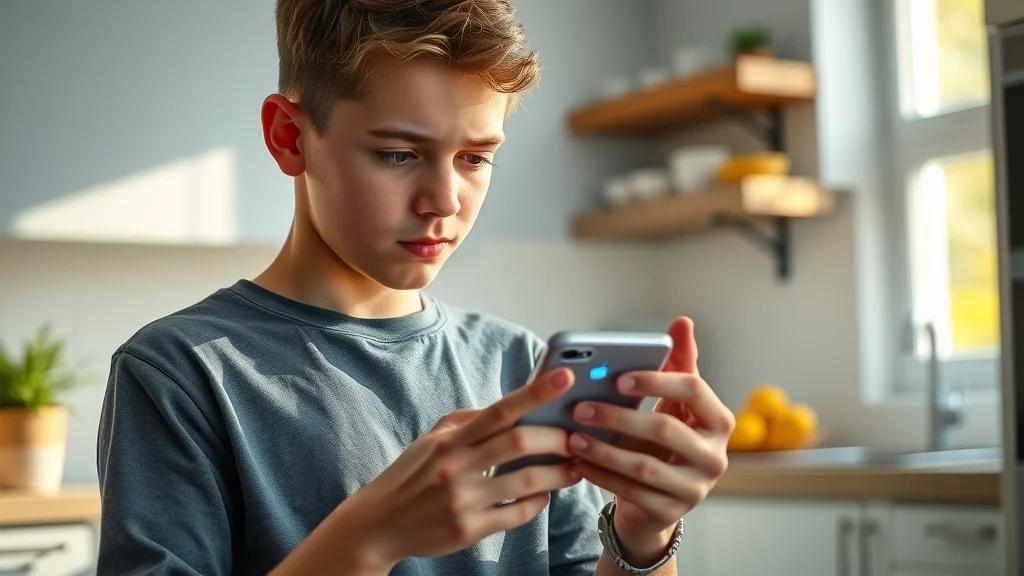
Effects of Social Media: Constant Comparison and Validation
The nature of social media encourages teens to continually compare themselves to peers, influencers, and celebrities. This constant comparison, paired with an often glossed-over, curated online world, can intensify feelings of inadequacy. Teens see only the highlight reels of others’ lives, leading to the false belief that everyone else is happier, more attractive, or more popular. These comparisons, according to psychologists, can chip away at even the sturdiest sense of self-worth.
Seeking validation from likes and follower counts creates a feedback loop where social acceptance depends upon public affirmation. This dynamic can lead to social media addiction, as teens crave the dopamine rush from each notification. The cycle both drives and deepens the negative effects of social media on teen self-esteem, blurring lines between real and artificial measures of social value, and sometimes resulting in persistent feelings of low self-confidence and anxiety.
Body Image and the Impact of Social Media on Teen Self-Esteem
Curated Content and Unrealistic Standards
Social media feeds are often filled with carefully edited and filtered images, perpetuating unattainable standards of beauty and success. Teens, particularly girls, are exposed to endless photoshopped pictures, fitness influencers, and designer wardrobes, which can make ordinary youth feel less than adequate. These unrealistic portrayals are especially potent during periods of identity-searching and vulnerability, fueling insecurities and distorting perceptions of “normal” appearance.
The proliferation of ‘perfect’ images contributes to harmful patterns of self-scrutiny. Instead of celebrating individual uniqueness, teen users may chase after trending aesthetics or dangerous diet fads seen online. Over time, the negative impact of such body image pressures may manifest as eating disorders, anxiety, or withdrawal from important offline relationships. This facet of the impact of social media on teen self-esteem can be particularly insidious, because the effects are both immediate and deeply internalized.
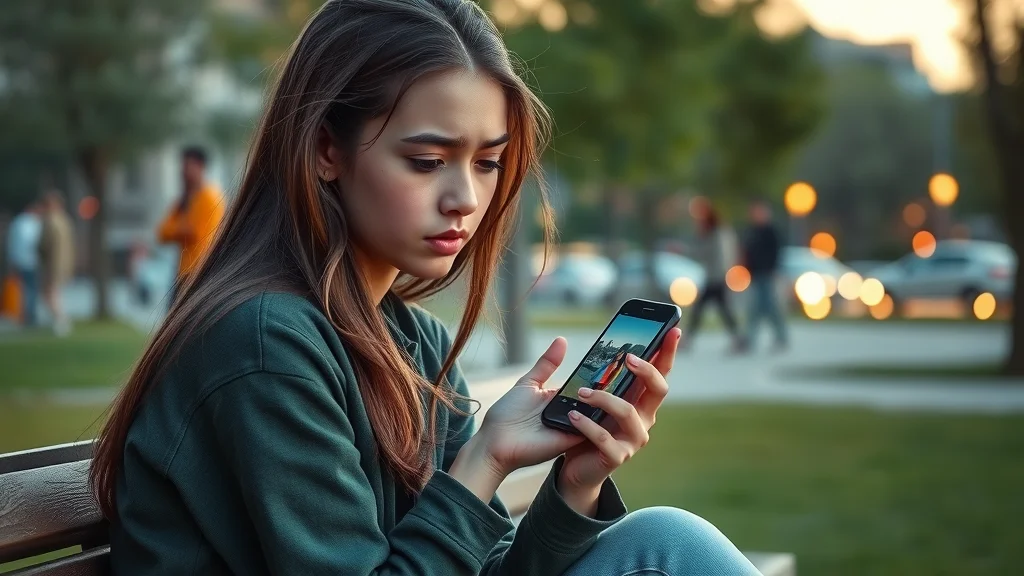
Body Image Pressures Amplified by Social Media
"Social media can create an echo chamber where only 'perfect' bodies are celebrated, distorting healthy self-image."
The amplification of body image pressure is one of the most damaging effects of social media on adolescent girls and even boys. Unlike traditional media, social platforms allow teens to receive direct, sometimes harsh, commentary about their appearance. Body-shaming, cyberbullying, and comparison-driven self-doubt can spiral into ongoing mental health struggles, including depression and social withdrawal. The immediate and persistent exposure to idealized lifestyles can exacerbate negative self-perceptions, making it harder for teens to escape the influence even when offline.
Yet, it’s vital to remember that social media can also be reclaimed as a positive space for body positivity—where diversity and authenticity are celebrated. Still, without conscious intervention, the default mode remains one where achieving artificial standards is the norm, not the exception. This heightened pressure is a core aspect of the impact of social media on teen self-esteem, meriting close attention from parents, mentors, and the teens themselves.
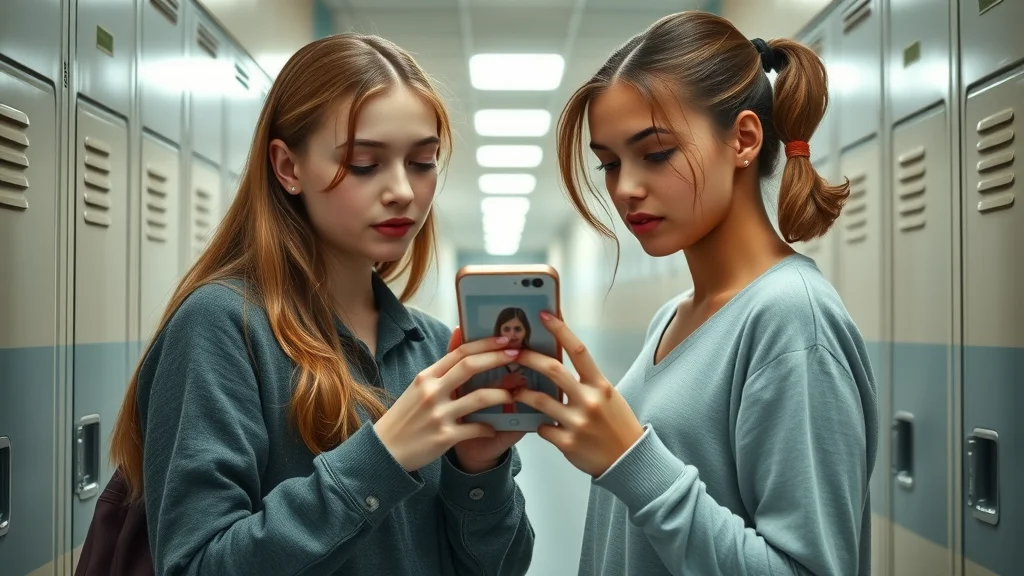
Mental Health Challenges: The Negative Effects of Social Media on Teen Self-Esteem
Anxiety, Depression, and Online Social Dynamics
Mental health experts increasingly warn that the negative effects of unchecked social media use can extend far beyond fleeting moments of doubt. Online interactions are laced with psychological risks—in particular, the rise of anxiety and depression amongst teens. The constant barrage of notifications, the pressure to respond instantly, and the ambient fear of missing out (FOMO) place adolescents under near-constant stress. Studies have shown direct correlations between high screen time, heavy social media exposure, and increased rates of these mental health disorders.
Changes in the nature of teens’ social lives are also significant. Younger generations today spend less time in face-to-face social interaction, replacing it with digital communication. While some teens thrive in online communities, others can feel isolated and unsupported in the real world, which exacerbates the negative impact on their self-esteem and emotional stability. Recognizing the relationship between social media on teen mental health is crucial to guiding healthier patterns and preventing long-term issues.

Bullying and the Dark Side of Connectivity
While social media opens doors to new social connections, it also provides a platform for bullying, exclusion, and rumor-spreading on a scale never before possible. Cyberbullying is alarmingly common, with as many as one in three teens reporting negative experiences online. These experiences often deliver severe blows to self-esteem, sometimes leading to lasting trauma or a withdrawal from social and educational activities. Victims of online aggression may find it hard to escape, as digital content can be shared instantly and remain accessible for years.
The anonymity and reach of social media often embolden bullies and intensify the harm inflicted. In the face of persistent harassment or exclusion, even confident teens can develop self-doubt and deep emotional scars. Thus, while social platforms can foster social interaction, they can just as easily facilitate the spread of negativity and deepen the divide, intensifying the negative impact on teen self-esteem and mental well-being.
Positive Effects: Can Social Media Benefit Teen Self-Esteem?
Building Community and Finding Belonging
Despite the risks, it’s important to recognize how social media can also offer positive effects for teen self-esteem. Many teens use online platforms to connect with peers who share their interests or experiences, especially if they feel marginalized or isolated offline. These digital communities can provide critical emotional support, a sense of belonging, and validation for individual identities that may not be celebrated in traditional environments like high school.
Support groups, advocacy collectives, and spaces for creative expression allow teens to find their voice and pursue genuine friendships. For some, these relationships are more meaningful and affirming than those available locally. When social media on teen is used purposefully, it has the power to enhance confidence, spark inspiration, and broaden one’s worldview—transforming digital platforms into sources of empowerment and growth.

Promoting Body Positivity and Advocacy
"For some teens, social media offers a vital sense of connection and a space for self-expression not found elsewhere."
In recent years, a growing movement around body positivity, mental health advocacy, and social justice has emerged on social platforms. Teens increasingly use their voices to challenge unrealistic standards and promote inclusive narratives. Campaigns that celebrate diverse bodies, challenge toxic beauty ideals, and encourage self-acceptance are gaining momentum. These trends are vital antidotes to the harmful effects of social media—showing that when harnessed mindfully, platforms can inspire confidence and resilience.
By curating their feeds to include uplifting, authentic content, teens can actively counter the negative influences present on many media platforms. This practice, together with involvement in advocacy, helps shift the digital narrative from exclusion to empowerment, offering lasting benefits to self-esteem and overall mental well-being.
The Spiral of Social Media Addiction and Its Impact on Teen Self-Esteem
Warning Signs of Social Media Addiction
Social media addiction is an escalating concern among teens, as excessive social media use can erode daily routines and undermine mental health. Warning signs include persistent checking and refreshing of feeds, withdrawal from offline activities, irritability when separated from devices, and difficulty concentrating on schoolwork or conversations. These behaviors can signal a dependency similar to other forms of addiction, with real consequences for emotional stability and self-worth.
This form of media addiction can trap teens in a cycle where their mood and self-perception are overwhelmingly influenced by digital feedback. The consequences are profound, ranging from disrupted sleep to increased anxiety and even depression. Parents, educators, and medical professionals should monitor not only the time on social media but also changes in mood, motivation, and academic performance that may reflect social media addiction’s deepening impact on teen self-esteem.

Screen Time and Its Correlation with Self-Image Issues
Studies have shown a direct correlation between the amount of screen time and the severity of self-image issues among teens. The longer young people spend interacting with curated, filtered representations of others’ lives, the greater their risk for negative self-evaluation and lower self-esteem. Excessive engagement on multiple media platforms multiplies exposure to both subtle and overt forms of comparison, accentuating feelings of inadequacy and stress.
It isn’t just about pure usage; the quality and context of time on social media matter as well. Mindless scrolling, constant comparison, and impulsive reactions all contribute more strongly to low self-esteem than thoughtful, purposeful engagement with positive communities. Helping teens build healthier habits—including boundaries around screen time and conscious content choices—is a crucial part of minimizing the adverse impact of social media on youth mental health and self-worth.
Media on Teen Self-Esteem: Expert Opinions
Insights from Psychologists and Educators
"Limiting exposure and fostering digital literacy are key to shielding self-esteem."
Experts in child psychology and education overwhelmingly advocate for open dialogue and proactive digital literacy training. Psychologists note that simply restricting access to social media is rarely effective on its own. Instead, the goal is to help teens understand how social media can shape their perceptions of self and others, empowering them to be critical consumers rather than passive recipients. Digital literacy equips young people with the skills to navigate negative influences and amplify positive effect stories and communities.
Educators highlight the need for curricula addressing social media’s emotional risks, healthy self-expression, and the importance of offline experiences. By working together, parents and schools can guide teens toward a clearer understanding of the relationship between social media and mental health. Informed intervention and mutual trust can drastically reduce the likelihood of teen self-esteem being eroded by the noise and negativity so often found online.

Lists: Practical Tips for Parents and Teens
Set healthy screen time limits
Foster open conversations about self-worth
Curate positive social feeds
Practice digital detox
Seek professional help if needed
People Also Ask: The Impact of Social Media on Teen Self-Esteem
How does social media affect teenage body image?
Social media can cause teens to compare themselves to carefully curated images of peers or influencers, often leading to unrealistic expectations and lower self-esteem. Research shows that exposure to idealized body images increases body dissatisfaction and can trigger unhealthy habits, especially among teen girls. By following body-positive accounts and limiting negative exposure, teens can counteract some of these influences.
What are the signs of social media addiction in teens?
Common signs of social media addiction include compulsively checking devices, neglecting face-to-face relationships or schoolwork, irritability when offline, and sleep disturbances. Teens may also display low self-esteem linked to online interactions or become easily upset by negative feedback on social platforms. Early intervention and healthy digital habits are key to preventing long-term consequences.
Can social media improve teen self-esteem?
Yes, social media can improve self-esteem when used in positive, community-focused ways. Many teens build friendships, find support groups, and express themselves creatively online, boosting confidence and a sense of identity. The key is mindful use—following positive influencers, engaging in genuine dialogue, and avoiding toxic comparison traps.
How can parents help teens have a healthier relationship with social media?
Parents can support teens by setting clear guidelines for screen time, encouraging open discussions about online experiences, modeling balanced tech habits, and helping curate positive content. Involvement in their teen’s digital life—without judgment—fosters trust and allows parents to recognize warning signs of negative impact or media addiction early on.
What is the link between social media and mental health in teenagers?
There is a strong link between heavy social media use and higher rates of anxiety, depression, and low self-esteem among teens. Constant comparison, cyberbullying, and the pressure to maintain a perfect online image can all exacerbate mental health challenges. Balancing online and offline life, and seeking help when needed, is vital to teen well-being.
Watch: Impactful short documentary featuring real teens and psychologists discussing the influence of social media on self-esteem. Includes B-roll of teens on devices, interviews, and animated statistics. Duration: 2-3 minutes, empathetic and modern tone.
Listen to real stories: Teens share personal experiences with social media’s ups and downs, revealing how they manage the pressures and find positive connections in the digital world.
FAQs About the Impact of Social Media on Teen Self-Esteem
What is the relationship between screen time and self-esteem?
Are there age-appropriate social media platforms for teens?
How can schools address the effects of social media?
Key Takeaways from Examining the Impact of Social Media on Teen Self-Esteem
Social media is a double-edged sword for teen self-esteem
Negative effects are driven by comparison and addiction
Positive effects emerge from support and advocacy
Parental and educational guidance is essential
Final Thoughts: Shaping a Healthier Future for Teens and Social Media
By equipping teens with digital literacy, encouraging real-world connections, and fostering supportive online spaces, we can turn the tide—so social media empowers rather than diminishes our youth.
As you continue to support your teen’s journey toward healthy self-esteem, remember that a balanced approach to both online and offline activities is key. Exploring extracurricular opportunities can provide teens with a sense of purpose, belonging, and achievement that complements their digital lives. If you’re looking for actionable ways to guide your child toward positive growth, consider reading about how to help your child select the right extracurricular activity. This resource offers valuable insights for nurturing confidence and resilience, empowering your family to thrive in today’s connected world.




Write A Comment