



Hook: According to the CDC, nearly half of all U.S. high school students report having engaged in sexual behaviors that put their health and future at significant risk—are you prepared to guide your teen through these challenges?

A Startling Look at Teen Sexual Risky Behavior Today
When we talk about teen sexual risky behavior, it's more than just statistics—it's a reality unfolding in high schools across the United States. Risky sexual activities, including unprotected sex and having multiple sexual partners, continue to jeopardize adolescent reproductive health. The consequences can be far-reaching, from sexually transmitted infections to unintended pregnancies, impacting not only the teens involved but also their families and communities. Despite growing awareness, conversations about sexual behavior remain difficult for many parents, often leaving teens to navigate sexual risk alone. This article aims to break that silence, providing clear, evidence-based guidance to help parents become proactive allies in preventing risky sex.
Did you know that nearly half of teens in high school have engaged in sexual behaviors that expose them to significant risk, according to the CDC?
Why does this matter? Sexual risk behaviors are often linked to other high-risk behaviors among adolescent groups, such as substance use and little access to reproductive health information. The urgency lies in understanding both the prevalence and depth of various risky sexual behaviors, ensuring parents can recognize early warning signs and respond with effective support strategies. If you want to be equipped to protect your teen from preventable harm and promote healthy decision-making, this guide offers the knowledge and confidence you'll need.
What You'll Learn: Understanding Teen Sexual Risky Behavior
- What constitutes teen sexual risky behavior and why it matters
- How common risky sexual behaviors develop in high school students
- Risk factors driving risky sexual behavior and their impact on reproductive health
- Effective parent strategies for prevention and support
Defining Teen Sexual Risky Behavior: Key Concepts
Core Aspects of Sexual Behavior and Risky Sexual Activity
- Examining the definitions of risky sexual behavior and sexual risk
- High school contexts and the prevalence of risk behaviors
- Distinguishing between healthy versus risky sexual behaviors
Understanding teen sexual risky behavior starts with recognizing terms like "risky sex," "sexual risk," and "al sexual behaviors." Risky sexual behavior refers to any activity that increases the likelihood of negative health outcomes, such as STIs, HIV, and unintended pregnancies. High school environments often amplify these risks due to peer pressure, experimentation, and varying degrees of sexual education. Not every sexual behavior is labeled “risky,” however; healthy sexual behavior involves consent, protection, and open communication. It’s crucial for parents to discern the difference—and to recognize when normal adolescent curiosity shifts into risk territory.
Risk behaviors are not always obvious. For some high school students, engaging in sex with multiple partners or forgoing contraception happens as a result of misinformation or impulsivity. Meanwhile, the prevalence of these behaviors can also depend on social and school environments. The distinction between healthy and risky sexual behaviors becomes the first line of defense in prevention, helping both students and parents set better boundaries and foster trust.

Prevalence and Trends: Teen Sexual Risky Behavior in the United States
In the United States, risky sexual behaviors among high school students are a persistent public health concern. The CDC and NIH regularly track trends such as unprotected sex, early sexual debut, and the number of sexual partners. Data reveals that a substantial percentage of adolescents become sexually active before completing high school, with many engaging in sex without adequate protection or knowledge. These behaviors elevate their risk factor for sexually transmitted infections and unintended pregnancies, with long-term effects on reproductive health and overall well-being.
The prevalence of sexual risk among adolescents also shifts with time as awareness and education efforts change. However, disparities persist between different regions and schools, reflecting the need for comprehensive sexual health education and open parent-teen communication. By reviewing recent statistics, we can better understand where interventions are most needed and which practices have the strongest protective effect for our youth.
| Risk Behavior | Prevalence (%) | Year (Surveyed) |
|---|---|---|
| Had sexual intercourse before age 15 | 15% | 2021 |
| Did not use a condom at last sex | 46% | 2021 |
| Had multiple sexual partners | 18% | 2021 |
| Used substances before last sexual encounter | 22% | 2021 |
| Had four or more sexual partners during high school | 10% | 2021 |
Sexual Risk and Reproductive Health Outcomes Among Adolescents
"The pattern of risky sexual behaviors among U.S. high schoolers reveals significant implications for public health." – Expert in Adolescent Reproductive Health
The consequences of sexual risk behaviors are not abstract—they are evident in reproductive health outcomes such as increased rates of sexually transmitted infections (STIs) and unintended pregnancy. The Youth Risk Behavior Surveillance System (YRBSS) and similar data collection efforts track these trends to reveal staggering patterns: as teen risky sex rises, so do the associated health challenges. Logistic regression analyses show that those teens engaging in one risky sexual behavior often engage in others, compounding the risk.
Research also emphasizes school context—students attending schools with limited reproductive health education are often more likely to experience sexual and reproductive health issues. In addition, access to resources and parental involvement emerge as dependent variables impacting outcomes. Understanding how these factors interact enables parents and educators alike to prioritize early intervention and support systems for at-risk youth.

Risk Factors Influencing Teen Sexual Risky Behavior
Social and Environmental Contributors to Risky Sexual Behavior
- Peer pressure, media influence, and school environment
- Family communication patterns
External forces play a significant role in shaping teen sexual risky behavior. Peer pressure often drives students to mimic the risky sex behaviors seen in their social circles. Media—through television, movies, and social platforms—frequently normalizes high-risk sexual behavior, making risky choices seem appealing or commonplace. Add to that varying high school cultures, and the stage is set for teens to absorb misinformation and take unnecessary risks.
Equally crucial is the influence of family communication patterns. Teens who feel supported and heard at home exhibit lower rates of sexual risk behaviors. When parents openly discuss sexual behavior and clarify the myths propagated by peers or media, they help their teens establish clear boundaries. Creating a safe, nonjudgmental space for dialogue about relationships and sexual health can reduce the prevalence of risk behaviors and empower young people to make informed decisions.
Psychological Drivers: Why Teens Engage in Risky Sex
- Mental health, impulsivity, and sensation-seeking
- The impact of substance use on sexual risk behaviors
Behind many risky sexual behaviors in teenagers are complex psychological drivers. Traits such as impulsivity, sensation-seeking, and struggles with mental health increase the likelihood of teens engaging in high-risk sex. Adolescents experiencing depression or anxiety may turn to sexual risk as a coping mechanism or a way to seek validation. This is compounded by substance use, which impairs judgment and increases the odds of engaging in unprotected sex or lacking consent. The current study in adolescent health consistently links alcohol and drug use with increases in sexual risk and multiple sexual partners.
Early identification of these psychological risk factors empowers parents, educators, and healthcare providers to intervene before negative patterns become entrenched. Mental health support and counseling, when integrated with education about reproductive health, can break cycles of behavior that might otherwise persist into adulthood.
Data Collection and Logistic Regression Insights
- Examining studies using data collection and logistic regression in risky sexual behavior research
Modern research on teen sexual risky behavior relies heavily on robust data collection and analytical tools like logistic regression. These tools allow researchers to identify dependent variables such as age, gender, access to sexual education, and previous sexual behaviors, teasing out the factors most strongly linked to high-risk sex among school students. By analyzing survey and behavioral data, scientists can predict which groups are most vulnerable and what risk factors are most predictive of negative reproductive health outcomes.
This analytical approach doesn't just identify problem areas—it also evaluates the effectiveness of school-based interventions and parental strategies over time. The insights gained are instrumental in shaping public health policy, guiding schools, and informing families about where their attention will make the biggest impact in preventing risky sexual behavior among adolescent populations.

The Impact of Risky Sexual Behavior on Adolescent Reproductive Health
Consequences: Sexually Transmitted Infections and Teen Pregnancy
- Link between risky sexual behaviors and reproductive health
- The role of sexual and reproductive education
The direct consequences of risky sexual behaviors among teens can be severe. Unprotected sex greatly increases the likelihood of contracting sexually transmitted infections (STIs), including HIV, chlamydia, and gonorrhea. Teen pregnancy rates, along with unintended pregnancy, remain higher among those who lack access to reliable contraceptive information or who make sexual decisions under the influence of substances. These health outcomes have ripple effects—impacting academic achievement, emotional stability, and future opportunities.
However, evidence shows that robust sexual and reproductive education directly mitigates these risks. High school students who receive comprehensive instruction on contraception, consent, and healthy relationships demonstrate lower rates of risky sexual activity and better reproductive health outcomes into adulthood. Parental involvement in these conversations further reinforces positive behavior changes and decision-making.
Long-Term Implications: Mental and Emotional Health
- The aftermath of risky sexual behavior in school students
The impact of teen sexual risky behavior extends beyond physical health. Adolescents may experience guilt, anxiety, depression, or social isolation following risky sex, especially if outcomes include STIs or unintended pregnancy. School students struggling with the aftermath of risk behaviors are also at higher risk for academic decline and strained peer or family relationships.
Early intervention and ongoing support by trusted adults—including school counselors, parents, and healthcare providers—help teens navigate these challenges. By addressing emotional wellbeing as part of comprehensive sexual health education, the long-term consequences of risky sexual behaviors can be significantly reduced, building greater resilience for future relationships.

Identifying Risky Sexual Behaviors in Teens
Common Risk Behaviors Observed in High School Students
- Five risky sexual behaviors to watch for
- High-risk patterns in youth sexual behavior
Parents and educators must stay aware of the common signs of risky sexual behavior among adolescents. The most notable include unprotected sex, having multiple sexual partners, sexual activity at an early age (often before age 15), engaging in sexual acts under the influence of drugs or alcohol, and a lack of consistent contraception use. Recognizing high-risk patterns—such as secrecy about relationships, sudden shifts in peer groups, or unexplained health issues—can signal a need for further conversation and support.
Some teens might also display changes in daily routines or attitudes, which are often overlooked but can be closely linked with developing or ongoing risky sex practices. The earlier these risk behaviors are identified and addressed, the more effective prevention efforts will be.
Recognizing Warning Signs: When to Step In
- Behavioral changes and red flags for risky sexual behavior
While every teen is unique, there are warning signs that may point to increased involvement in risky sexual behaviors. Watch for sudden changes in mood, unexplained absences from school, withdrawal from friends or family, or the discovery of sexually explicit content or discussions. Physical symptoms such as frequent doctor visits, new anxiety about reproductive health, or requests for contraception can also be cues. It's important that parents and guardians respond to these red flags with curiosity and compassion—not blame—creating an environment where teens feel safe disclosing their challenges.
Proactive engagement, regular check-ins, and open dialogue are the best strategies for parents hoping to intervene before risky sexual behavior leads to more serious consequences.

Barriers to Preventing Teen Sexual Risky Behavior
Cultural and Societal Challenges in Risky Sex Education
- Stigma, myths, and misinformation about adolescent sexual behavior
Despite increased advocacy for sexual education, significant cultural and societal barriers remain. Stigma around adolescent sexual behavior prevents open discussion in both homes and schools, enabling myths and misinformation to persist. Many families worry that talking about risky sex will encourage experimentation, but research demonstrates the opposite: factual, compassionate conversations decrease the likelihood of dangerous sexual risk behaviors.
Overcoming these barriers requires persistent effort by parents, teachers, and community leaders to normalize accurate discussion and dispel harmful myths surrounding sexual behavior and reproductive health.
Access to Resources in High School Communities
- Disparities in reproductive health education and services
Not all students have equal access to comprehensive sexual health resources. Disparities in school funding, local policies, and geographic region can lead to gaps in reproductive health education and support services. Teens in under-resourced communities are more likely to engage in risky sex due to a lack of accurate information or available contraception, underscoring the need for parental advocacy and community support.
Ensuring that all high school students have access to reliable reproductive health care information and services is essential for reducing the overall prevalence of teen sexual risky behavior.

Opinion: Why Parents Must Take the Lead in Teen Sexual Risky Behavior Prevention
"Open communication about sexual risk can foster trust and prevention, yet too many parents shy away from the conversation."
Parental Strategies That Work Against Risk Behaviors
- Effective communication about sexual behavior and risk factors
- Modeling healthy relationships and decision-making
Parents play a pivotal role in shaping teen attitudes and choices about sexual behavior. By talking openly about sexual risk, risk factors, and personal values, parents can demystify the topic and prevent their teens from relying on misinformation. Modeling respectful relationships and responsible decision-making further reinforces these lessons, setting a practical example for adolescents.
Parents need not be sexual health experts; they simply need to listen, ask questions, and share reliable information. Building this trust ensures teens will seek guidance long before risky behaviors become serious issues.
Encouraging Reproductive Health Literacy in Teens
- Supporting access to accurate information about risky sexual behaviors
Empowering teens to be literate in sexual and reproductive health is one of the strongest protectors against risky sex. This includes teaching them about contraception, consent, the dangers of unprotected sex, and the realities of STIs and unintended pregnancy. Supporting your teen in seeking reliable sources of information—through school, healthcare providers, or trusted online platforms—amplifies the message that curiosity about sexual behavior is normal, but risky sexual behavior can and should be avoided.

Support Systems: Building a Network for Preventing Teen Sexual Risky Behavior
Collaborating with Schools and Community Programs
- How school students benefit from comprehensive risk behavior education
Effective prevention of teen sexual risky behavior requires a network approach. Collaboration with schools, after-school programs, and community organizations provides teens with a continuum of education and support. Comprehensive risk behavior education—grounded in real-world scenarios and inclusive discussion—gives students the tools to make informed choices and resist peer pressure. Parents who engage with these resources enable their children to thrive in an environment of transparency and safety.
Encouraging your teen to participate in community health initiatives and wellness workshops extends the circle of support and ensures they have multiple trusted adults to turn to for guidance about sexual behavior.
Leveraging Health Services for Early Intervention
- Role of healthcare providers in preventing risky sexual behavior
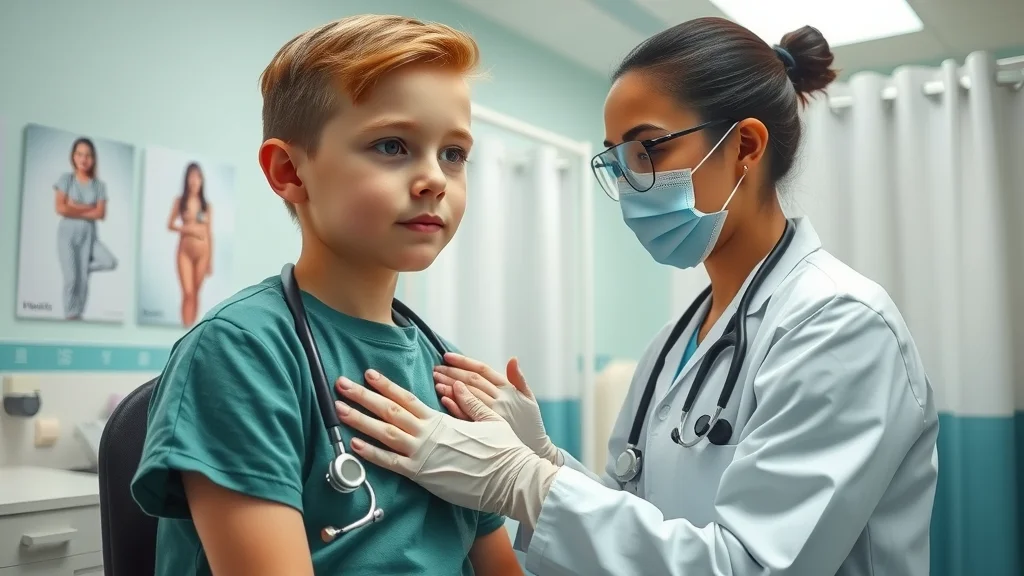
Healthcare professionals, including school nurses and adolescent health specialists, are invaluable allies in preventing risky sexual behavior. Regular medical checkups provide opportunities to screen for STIs, offer contraception counseling, and educate about reproductive health. Parents should make these visits routine and encourage their teens to ask questions confidentially, building comfort around discussing sexual risk with trusted providers.
Early intervention through medical and educational services helps identify and address risk factors before negative outcomes arise, supporting both immediate health and long-term wellbeing.

Frequently Asked Questions on Teen Sexual Risky Behavior
What are the risky sexual behaviors in teens?
- Unprotected sex, multiple partners, early sexual initiation, substance-influenced sex, lack of contraception use
Risky sexual behaviors in teens generally include having sex without using condoms or contraception, engaging with multiple sexual partners, starting sexual activity at a young age, or participating in sex under the influence of drugs or alcohol. Each of these actions increases the chance of unintended pregnancy, sexually transmitted infections, and other negative health and social consequences for both the teen and the larger peer group.
What are five risky sexual behaviors?
- Sex without condoms
- Sex under the influence
- Having multiple sexual partners
- Early sexual debut
- Engaging in sexual activity without direct consent
The five commonly recognized risky sexual behaviors among teens are: engaging in sexual intercourse without using condoms, having sex while intoxicated or under the influence of substances, having multiple sexual partners without clear communication or protection, becoming sexually active at an early age, and participating in sexual activities without seeking or giving clear consent. Each of these behaviors carries distinct risks for teens’ reproductive health and emotional wellbeing.
What are 5 common high-risk behaviors?
- Unprotected sex
- Drug use
- Alcohol abuse
- Reckless driving
- Physical fighting/violence
Beyond risky sexual behaviors, teens are also known to engage in other high-risk activities such as drug use, frequent alcohol abuse, reckless driving, and physical fighting or violence. These often co-occur with sexual risk, compounding the chances of accidents, injuries, legal issues, and poor health outcomes. Addressing them together is essential to ensuring the holistic safety of adolescents.
What is the riskiest sexual behavior?
- Unprotected anal sex due to high rates of HIV and STI transmission
Among various behaviors, unprotected anal sex is considered the riskiest form of sexual activity for teens, due to its significantly higher likelihood of transmitting HIV and other sexually transmitted infections compared to other types of sexual intercourse. It is crucial for teens and parents to understand this risk and to discuss prevention strategies that include reliable protection and open, honest communication with all partners.
Lists: Essential Tips for Parents on Addressing Teen Sexual Risky Behavior
- Start conversations early and often
- Be factual but compassionate about sexual behavior
- Encourage healthy friendships and peer groups
- Stay involved with your teen's high school activities
- Educate yourself and your teen about reproductive health risks
Key Takeaways: Teen Sexual Risky Behavior and Parental Guidance
- Teen sexual risky behavior is a significant concern impacting adolescent reproductive health
- Empowered, informed parents are crucial for prevention
- Comprehensive education and support systems can mitigate risk behaviors in high school students
Further FAQs: Teen Sexual Risky Behavior
- How can schools help prevent risky sexual behaviors?
- What are reliable resources on reproductive health and sexual behavior?
- How to talk to your teen about sexual risk responsibly?
Schools can prevent risky sexual behaviors by providing comprehensive health education, creating safe environments for open discussion, and ensuring confidential access to health services. Reliable resources include local health departments, national organizations like the CDC and Planned Parenthood, and certified sexual health educators. When talking to your teen, be honest, nonjudgmental, and empathetic—let them know it’s okay to ask questions and that you’re always available to help and support them through their decisions.
Final Thoughts: Influencing Positive Outcomes in Teen Sexual Risky Behavior
"When parents, educators, and health professionals work together, the risk behaviors that endanger teens’ futures can be drastically reduced."
- If you found this guidance on teen sexual risky behavior valuable, share it with other parents and join our newsletter for more expert-backed advice.




Write A Comment