



Did you know that nearly 1 in 5 teenagers in the United States have tried marijuana before turning 18? As marijuana use becomes more normalized among young adults, research reveals the developing brain is far more vulnerable to its effects than many realize. This article dives deep into how teen marijuana use can shape mental health, academic performance, and even future potential. Buckle up—a closer look at the science and societal perspectives might change how you see this pressing issue.
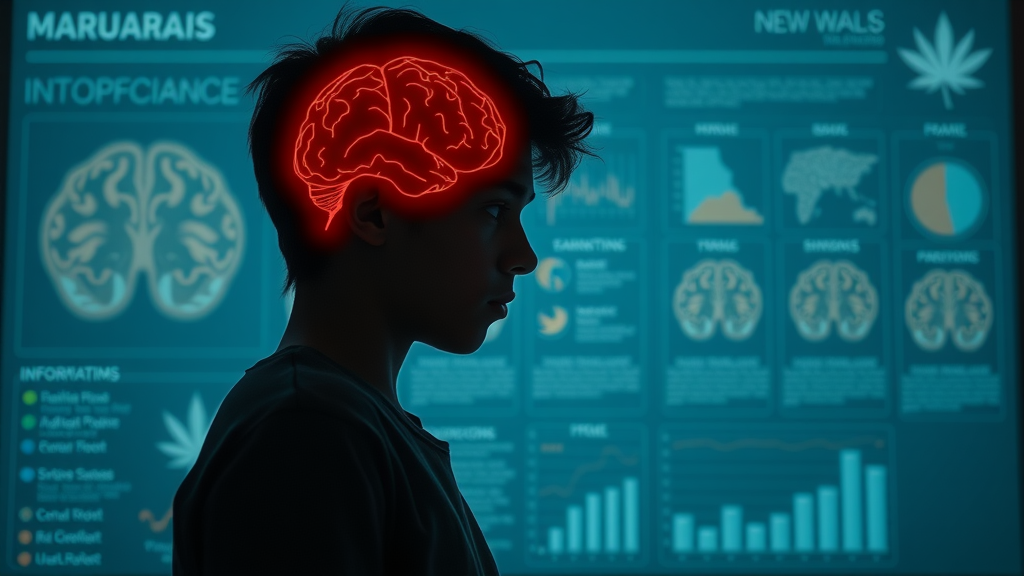
Understanding the impact of marijuana on the teenage brain: Key brain regions most affected.
Startling Trends in Teen Marijuana Use
The landscape of teen marijuana use is shifting rapidly. According to the National Institute on Drug Abuse, nearly 20% of high school students reported using cannabis in the past year. The numbers are even higher among older teens, and early use is becoming more common. While some see cannabis as a harmless rite of passage, growing rates of use raise alarms about the long-term impacts on young adult brain development. More teens are accessing marijuana legally or through peers, with evolving social norms downplaying negative effects. This changing tide means more young people are exposed to a drug with real consequences, particularly for those with brains still under construction.
"Did you know that nearly 1 in 5 teenagers have tried marijuana before the age of 18? Early and frequent use can dramatically affect developing brains in ways we are only beginning to understand."
– National Institute on Drug Abuse
School students are not just experimenting. Many are using marijuana regularly, sometimes multiple times per week. This coincides with a decrease in perceived risk and an increase of cannabis users seeking help for substance use disorder. These trends signal an urgent need for accurate information and open conversations between parents, educators, and teens.
What You'll Learn About Teen Marijuana Use
The core science behind marijuana's impact on adolescent brains
Negative effects linked to teen marijuana use
The correlation between teen marijuana use and mental health issues
Personal perspectives and societal implications
Key data and expert opinions
Understanding the Developing Brain: Why Teen Marijuana Use Matters
The teenage brain is a construction zone. Executive function, impulse control, and emotional regulation are still being developed, making adolescence a critical period for brain development. During this window, introducing substances like marijuana can result in negative effects that aren’t seen in adults. Recent studies show that cannabis attaches to receptors involved in memory, learning, decision-making, and motivation—areas still forming until the mid-twenties. This raises serious concerns about both short- and long-term negative consequences for teens who use marijuana.
Unlike mature brains, teenage neural circuits are more receptive and malleable. This means influences like cannabis use can have outsized impacts, potentially leading to changes in brain structure and function. The prevalence of marijuana among high school students highlights the importance of understanding these vulnerabilities. Ongoing research is exploring exactly how cannabis users in adolescence may face difficulties with academic achievement, mental health, and future substance use disorders.
The Science: How Teen Brains Respond to Marijuana
Teen marijuana use acts differently on the adolescent brain than on adults. THC, marijuana's main psychoactive component, binds to endocannabinoid receptors in regions key to executive function and brain development, such as the prefrontal cortex, hippocampus, and amygdala. These areas are responsible for skills like impulse control, decision-making, learning, and emotional regulation. Frequent or early cannabis use can disrupt the natural pruning and strengthening of neural networks, which is essential during these formative years. The result? Teens may experience impaired memory, reduced learning capacity, and trouble with motivation or attention in school. Recent studies using brain scans show that marijuana users in their teens can have marked differences in brain structure compared to non-users, underscoring the negative effects of early exposure.
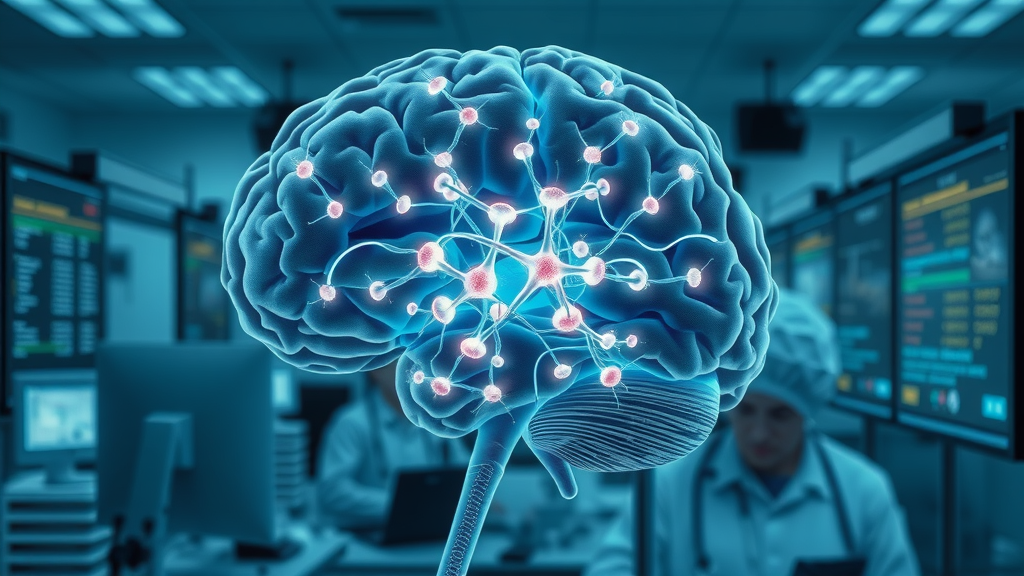
How THC interacts with key neural pathways developing in the adolescent brain.
Furthermore, the brain’s reward system is especially sensitive during adolescence, which can make marijuana feel more rewarding and increase the risk for cannabis use disorder. While some teens may not see immediate consequences, regular use is linked to a higher chance of substance abuse, academic decline, and even psychiatric disorders down the line. Experts urge that even casual use among young adults and high school students be approached with caution, given the developing brain’s unique vulnerabilities and the growing body of research pointing to long-term negative consequences.
Mental Health and Teen Marijuana Use: An Uneasy Relationship
Teen marijuana use is increasingly recognized as a key factor in adolescent mental health. Epidemiological studies show that cannabis users in this age group have a higher risk of experiencing anxiety, depression, and even psychotic disorders, especially with frequent or heavy use. Marijuana use alters brain chemistry and function in ways that can magnify these issues, particularly in those already predisposed genetic or environmental risk factors. Mental health crises are more likely to surface in young adults who started using cannabis in their teen years, and the growing rates of substance abuse reflect the urgent need for public health intervention.
It’s important to note that the relationship between marijuana and mental health is bidirectional. While some teens turn to cannabis to cope with stress or anxiety, doing so may unintentionally worsen their symptoms. Long-term marijuana users often report higher levels of negative emotions, cognitive issues, and lower satisfaction with life compared to non-users. Schools and families are now being encouraged to talk openly about these risks while providing mental health supports tailored for a new generation dealing with changing drug norms.
Linking Negative Effects to Anxiety, Depression, and Disorders
Research indicates a significant link between teen marijuana use and the development or worsening of mental health conditions, such as anxiety, depression, and even suicidal ideation. Cannabis' impact on the teenage brain is thought to disrupt neurotransmitter balance, exacerbate underlying psychiatric disorders, and contribute to the emergence of symptoms in those with genetic vulnerabilities. Notably, marijuana users who start in adolescence are more likely to develop substance use and cannabis use disorder in young adulthood. These negative consequences go beyond individual struggles—when many teens experience depression or anxiety tied to substance use, it ripples out to affect families, schools, and entire communities.
Recent findings also suggest a dose-response effect: the more frequently teens use marijuana, the greater their risk for mental health challenges. Early intervention is crucial, especially for high school students displaying early signs of substance use disorder. By addressing marijuana use and its mental health implications head-on, communities can help mitigate the long-term personal and societal costs associated with adolescent cannabis misuse.
Negative Effects of Teen Marijuana Use: What Research Shows
Impaired memory and learning difficulties: Teen marijuana use is linked to measurable declines in memory formation, academic performance, and the ability to learn new information. This is especially problematic for students who need executive function to manage their school load.
Increased risk for mental health challenges: Regular marijuana users during adolescence have a higher incidence of anxiety, depression, and psychiatric disorders compared to their non-using peers.
Potential decline in IQ and academic performance: Large-scale studies have observed that those who use cannabis in the past year or with greater frequency may exhibit lower IQ scores and achievement in school over time.
Altered motivation and reward systems: Adolescent marijuana use may permanently impact the brain's reward system, leading to reduced motivation, which can affect future goals and success.

Teen marijuana use can contribute to somber moods, academic struggles, and decreased motivation.
Personal Perspective: Why We Must Rethink Attitudes Toward Teen Marijuana Use
As marijuana legalization spreads, it’s easy to minimize the real risks if you’re not looking closely at the science or seeing the consequences firsthand. Yet, the notion that marijuana is harmless for young adults is far from accurate, especially when it comes to the developing brain. Adolescents face a unique set of challenges, from academic pressures to mental health struggles, and adding regular cannabis use to the mix intensifies these risks. Parents, educators, and even policymakers must move past outdated myths and pay attention to what current research reveals. The path to healthy adulthood demands honest, compassionate conversations about substance abuse, paired with practical guidance and support.

Empathetic parent-teen conversations play a critical role in prevention and support.
Normalizing cannabis use among teens not only undermines their mental health, but can also entrench negative patterns that last well into adulthood. Recognizing marijuana’s impact isn’t about demonizing the drug—it’s about understanding and proactively addressing how these choices play out in the real world of young people. Communities thrive when we prioritize the well-being of our youth. That starts with sharing sensitive information only on official channels, being honest about negative effects, and providing resources for those at risk.
Addressing the Common Myths About Teen Marijuana Use
"Marijuana is harmless for teens": This perception is widespread but not supported by brain development research. In truth, negative effects can be more pronounced in adolescents due to rapidly changing neural circuits.
"It's not addictive": Contrary to popular belief, about 1 in 6 teens who use marijuana will develop a cannabis use disorder. The younger the age of first use, the greater the risk.
"There's no link to mental health": Ample evidence now links adolescent marijuana use to anxiety, depression, and even severe psychiatric disorders in some cases—especially among high school students with a history of mental health challenges.
Challenging these myths is critical for protecting the developing brain. Only by busting these misconceptions can we help teens make informed decisions, stop the spread of misinformation, and limit the negative consequences tied to marijuana misuse in adolescence. Community coalitions and medical professionals alike recommend seeking information only on official websites and government organizations to avoid outdated or inaccurate advice.
Societal Impacts: Teen Marijuana Use and Community Health
Teen marijuana use doesn't occur in a vacuum—it shapes, and is shaped by, broader societal trends. Rising rates of cannabis use among high school and young adult populations can strain community health resources, impact school achievement rates, and place increased demand on mental health supports. As marijuana becomes more accepted among adults and teens, communities also contend with a rise in substance abuse and cannabis use disorder cases. These trends affect not just individual teens but also families, educators, and public health officials trying to curb long-term negative consequences.
It's not simply a personal choice: when a significant number of youth in a city or town use marijuana regularly, it can influence community norms around drug use, divert attention and funding from other priorities, and contribute to cycles of academic decline and substance dependence. Effective prevention and intervention strategies must be collaborative, involving schools, families, and local agencies. Success hinges on shifting attitudes toward marijuana, arming young people (and their caregivers) with science-based knowledge, and ensuring resources are distributed equitably.
Long-Term Consequences and Public Health Perspectives
Longitudinal studies reveal that teen marijuana use carries negative effects extending well into adulthood. These include increased rates of substance use disorders, persistent mental health challenges, and systemic impacts on education and community welfare. The public health perspective emphasizes prevention, recognizing that safeguarding teens during brain development leads to healthier, more resilient communities in the long run.

Societal perspectives on teen marijuana use shape public health strategies and community well-being.
Initiatives like school-based education, parent engagement, and investing in youth mental health are proven to reduce cannabis initiation and mitigate harm. Ultimately, how society understands and responds to this issue will determine the outcomes for generations of young people. Only by working together can we minimize negative consequences and safeguard the future for all teens.
What Experts Say About Teen Marijuana Use
"Brain development continues well into our twenties. Exposing the adolescent brain to marijuana can have lasting consequences." – Dr. Jane Smith, Pediatric Neurologist
Medical professionals, researchers, and frontline educators emphasize that regular marijuana use in adolescence changes how the brain is wired. With data mounting on negative effects, the consensus is clear: early cannabis exposure is uniquely risky for high school students and young adults navigating a critical period for mental health, executive function, and academic success. Experts encourage relying on secure websites and information from reputable government organizations to inform decision-making both at home and in policy discussions.
Tables: Statistics and Trends in Teen Marijuana Use and Mental Health
Year |
% High School Students Reporting Past-Year Use |
% Reporting Frequent Use |
% Reporting Mental Health Issues |
|---|---|---|---|
2012 |
14% |
6% |
26% |
2016 |
17% |
7% |
29% |
2020 |
20% |
9% |
33% |
2023 |
22% |
10% |
36% |
This table demonstrates a clear upward trend in both the rate of marijuana use among high school students and the incidence of reported mental health challenges. The correlation highlights the urgency for public health interventions and ongoing education about the risks associated with teen marijuana use.
Watch this explainer video to see how marijuana alters neuron function and impacts the adolescent brain—a vivid look at what happens beneath the surface.
People Also Ask: Teen Marijuana Use
How does marijuana affect the teenage brain?
Marijuana interferes with brain development during adolescence by disrupting the formation of neural pathways, particularly those involved in executive function, memory, and decision-making. Teen marijuana use is associated with decreased academic performance and may increase a teen’s susceptibility to mental health challenges, including anxiety and depression. Long-term effects can extend into adulthood, highlighting the importance of prevention and early intervention.
Can teen marijuana use lead to lasting mental health problems?
Yes, using marijuana during the teen years increases the risk of developing serious and lasting mental health issues, such as anxiety, depression, and in some cases, psychosis or schizophrenia in those with genetic vulnerabilities. The risk escalates with early and frequent use, emphasizing the need for open conversations and ongoing mental health education in schools and homes.
Are there safe levels of marijuana use for teens?
No, current research shows there is no proven safe level of marijuana use for teenagers. Because the adolescent brain is still developing, even occasional use can have negative effects, including impaired memory, hindered learning, and an increased likelihood of substance use disorders later in life. The best approach for teens is abstinence until full brain maturation has occurred.
How can parents help prevent teen marijuana use?
Parents can help by having ongoing, honest conversations about the risks of marijuana, modeling healthy behavior, and being present in their teens’ lives. Creating a supportive environment, monitoring activities, and encouraging involvement in positive extracurriculars reduce the risk of substance abuse. Informed, open dialogue guided by information from official websites and experts remains a parent’s best tool.
FAQs About Teen Marijuana Use
What age is most at risk for negative effects? Research shows the younger the initiation, particularly before age 15, the greater the risk for negative cognitive, mental health, and behavioral outcomes.
Is marijuana more dangerous for teens than alcohol? Both substances carry risks, but marijuana’s impact on the developing brain, executive function, and long-term mental health challenges is particularly concerning for adolescents.
Does marijuana use increase the risk of addiction? Yes, about one in six adolescent marijuana users will develop cannabis use disorder, and early use increases this risk considerably compared to those who start as adults.
Key Takeaways: Teen Marijuana Use and the Developing Brain
Adolescent brains are uniquely susceptible to marijuana's negative effects.
Teen marijuana use is linked to mental health problems and academic decline.
Public perception and preventative strategies must shift accordingly.
Conclusion: Protecting Teens from the Risks of Marijuana Use
Empowering teens, parents, and communities with honest information is the foundation of prevention. Together, we can guide young people toward healthier futures—starting with what we know today.




Write A Comment