



Did you know that teens who master time management skills are 25% more likely to see academic improvements in just one semester? Discover why learning to manage time can unlock your teen’s potential—both for school and for life
Unlocking Academic Potential: Why Teen Time Management Skills Matter
For today’s high school students, the demands of academics, extracurricular activities, and social lives often compete for precious hours each day. Without effective time management skills, it's easy for teens to become overwhelmed, miss deadlines, or feel undue stress—challenges that can impact grades and even mental wellbeing. Learning how to prioritize tasks, set goals, and balance responsibilities helps teens not only in school but prepares them for adulthood.
Teen time management skills matter because they are the foundation for academic achievement, mental health, and lifelong success. By implementing time-tested techniques—like using planners, digital apps, and the Eisenhower Matrix—students can stay on track, use their free time productively, and avoid the pitfalls of procrastination. Developing these management skills doesn’t just lead to better grades; it also builds confidence and independence, empowering teens to take control of their learning and their lives.

A Startling Statistic: The Link Between Time Management Skills and Student Achievement
Data consistently shows that students with strong management skills are much more likely to succeed in school. In fact, a recent study found a direct correlation between effective time management and measurable improvements in grades and academic engagement among high school students. Those who intentionally set goals, track their schedules, and review their progress see real results—often within a single grading period. These findings reinforce how management skills play a crucial role in driving student achievement and personal growth.
"Students who develop strong time management skills are 25% more likely to see improvements in academic performance within just one semester." – Dr. Michael Evans, Educational Psychologist
What You’ll Learn About Teen Time Management Skills
- How to identify time management challenges in teens
- Proven strategies for building teen time management skills
- Tools like the Eisenhower Matrix and how to implement them with high school students
- Expert management tips for parents and teachers
Understanding Teen Time Management Skills: Foundations and Challenges
Why Developing Time Management Skills Is Essential for High School Students
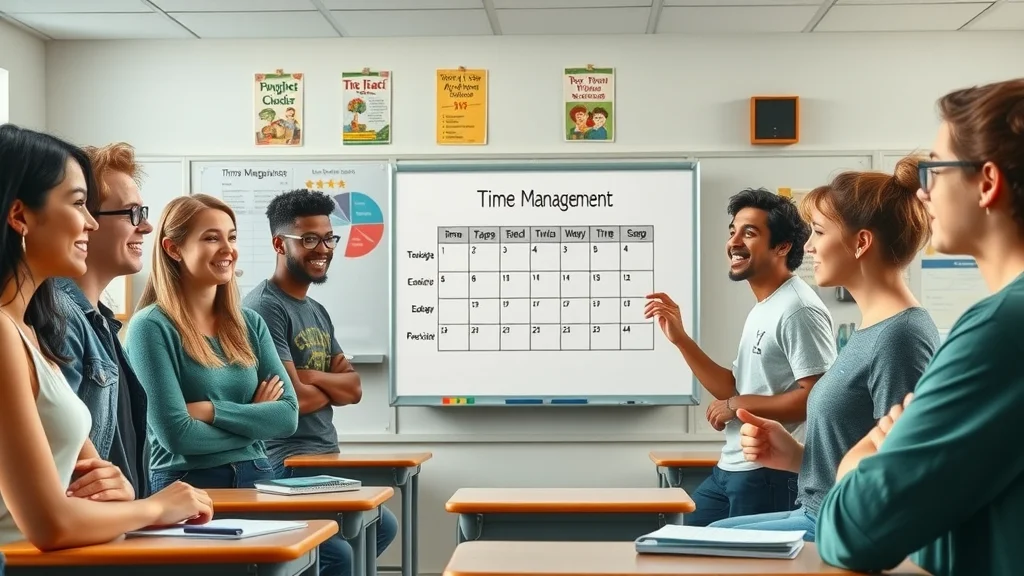
Navigating the transition from middle to high school brings a new level of independence and responsibility for teens. Good time management helps students set realistic goals, organize daily schedules, and avoid last-minute rushes. For high schoolers juggling multiple classes, assignments, and extracurricular activities, managing their time efficiently is not just a school requirement—it’s a life skill. These management skills enable teens to focus on one task at a time, block distractions, and maximize every study session. Ultimately, students who master time management are more likely to perform well academically and enjoy greater confidence and less anxiety.
Effective time management also cultivates self-discipline, accountability, and resilience—key management skills that students will need both in higher education and throughout their professional journeys. By supporting high school students in building these skills early on, parents and teachers lay the groundwork for both immediate success in academics and long-term personal growth.
As teens work to develop these essential skills, it's important for parents to recognize that supporting time management often goes hand-in-hand with managing stress at home. For additional guidance on fostering a positive environment, you may find these stress management tips for parents of teenagers especially helpful in complementing your teen’s academic journey.
Common Obstacles Teens Face in Managing Time Effectively
Many teens struggle to master teen time management skills due to the increasing number of distractions in the digital age—think social media, video games, and constant notifications. Without guidance, it’s easy for high school students to underestimate how long tasks will take or overcommit themselves to multiple activities, leading to stress and rushed work. Other common obstacles include undervaluing goal setting or lacking strategies to stay on track. Some may resist creating a daily schedule, preferring spontaneous or unplanned approaches that can hinder productivity.
Additional challenges arise from poor sleep habits, procrastination, difficulty focusing on one task at a time, and lack of motivation. Teens might also compare themselves to peers or feel pressure to excel in all areas, stretching themselves thin without strong management skills. Fortunately, all these hurdles can be addressed with the right management tips, tools, and support, paving the way for improved time management skills and academic confidence.
Core Teen Time Management Skills Every Student Needs
Prioritize Tasks: Teaching Teens to Focus on What Matters
At the heart of good time management is the ability to identify and prioritize which tasks need attention first. Teaching teens to use strategies like task lists or the Eisenhower Matrix makes it easier to decide what’s urgent versus what can wait. By ranking school projects, homework, and extracurricular commitments based on importance and deadlines, students can break big jobs into smaller steps—ensuring nothing important falls through the cracks. Focusing on priority tasks helps teens gain control, experience small successes, and reduce the feeling of being overwhelmed.
Encourage your teen to categorize their weekly assignments or break their homework into high- and low-priority buckets. When they learn to prioritize tasks, young people quickly see how effective time management translates into more productivity and less stress. Over time, these skills become part of their toolbox, helping them stay organized and resilient in the face of academic challenges.
The Role of Setting Goals in Effective Teen Time Management
All successful time management starts with clear goal setting. When teens know exactly what they want to accomplish—whether it’s acing a big test, finishing a project, or making time for free activities—they’re better able to work backwards and plan effectively. Setting goals gives high school students motivation and direction, which makes it easier to organize their daily schedules and check off to-dos. Short-term and long-term goals alike can help teens maintain momentum, track their progress, and celebrate achievements, building their confidence along the way.
Encourage your teen to write down both academic and personal goals in a visible place, such as on a wall calendar or in a digital planner app. By reviewing and updating these objectives regularly, students can break each goal into tasks based on priority, making complex projects more manageable and helping them stay on track. Effective management tips also include rewarding milestones, which helps reinforce positive habits and drive future success.

Staying Focused: Overcoming Distractions and Procrastination
Staying focused is one of the biggest hurdles for teens trying to manage their time, especially with digital distractions and social media notifications always close by. Building the skill to work on one task at a time—and resist multitasking—is essential for effective time management. Encourage your teen to create a dedicated workspace, silence unnecessary notifications during study sessions, and use timers to break work into blocks with scheduled breaks. This strategy, called time blocking, helps keep concentration sharp and reduces the temptation to procrastinate.
Remember, even students with the strongest management skills face distractions from time to time. The key is learning techniques to refocus, such as short mindfulness exercises or five-minute movement breaks. Overcoming procrastination often starts with small wins—completing a single assignment or organizing one part of a project. Teach your teen that good time management doesn’t mean rigid or relentless productivity; it’s about being smart with their time and prioritizing what matters most to balance schoolwork and well-deserved free time.
"Effective time management is not about doing more, but doing what matters most." – Emma Hudson, Youth Coach
Step-by-Step Guide: Teaching Teen Time Management Skills
Step 1: Assess Current Time Management Habits and Identify Gaps
Begin by inviting your teen to reflect on how they currently use their time throughout the week. Use a daily schedule or time tracking tool to document everything from study sessions to free time and extracurricular activities. This honest assessment highlights areas where time slips away—like scrolling through social media or procrastinating on assignments. Discuss which parts of their routine work well and which habits need a rethink, such as spending too little time on homework or having an overloaded calendar.
With a clearer picture of their strengths and gaps, you can help your teen develop more effective time management strategies. Identifying obstacles together also opens the door for more meaningful parent-teen conversations, builds trust, and sets the stage for lasting improvements in management skills.
Step 2: Introduce the Eisenhower Matrix for Prioritizing Tasks
The Eisenhower Matrix is a powerful visual tool that helps teens separate tasks based on urgency and importance. By sorting tasks into four clear categories—urgent and important, important but not urgent, urgent but not important, and neither urgent nor important—students quickly see where their focus should be. Teach your teen how to use the matrix on paper or in a digital app, then practice together with real-life examples such as homework due dates, study sessions, and extracurricular projects. This process teaches them how to dedicate energy to what truly matters and lets them release less meaningful obligations.
With regular use, the Eisenhower Matrix can make prioritizing tasks second nature for high school students. This not only streamlines their workload, but also enhances their decision-making and goal setting abilities, building a lifelong foundation for good time management.
Step 3: Encourage Teens to Set Academic and Personal Goals
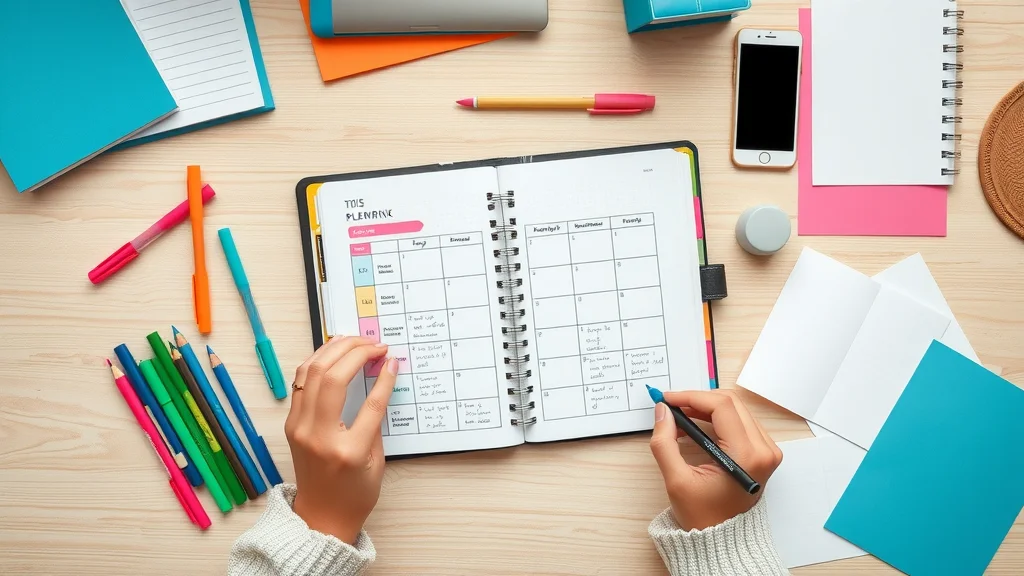
Help your teen define both academic and personal goals, then break them into actionable steps. Encourage using planners, wall calendars, or digital goal-setting apps to keep these targets visible and top-of-mind. Setting clear, meaningful goals provides a sense of purpose, drives motivation, and helps teens measure progress.
When students link each goal to a daily or weekly action, they build essential management skills, learn the value of persistence, and avoid distractions like social media or overloaded extracurricular calendars. Frequent check-ins and discussions about progress can boost accountability, reinforce positive behaviors, and adjust strategies when necessary.
Step 4: Build Routines for Good Time Management
Consistent routines make it easier for teens to manage study sessions, complete assignments, and enjoy free time without stress. Encourage your teen to plan ahead by blocking time for homework, hobbies, and breaks within their daily schedule. This approach—often called time blocking—creates structure while still allowing flexibility for unexpected changes or fun activities.
Routines help high school students develop a natural rhythm, avoid last-minute cramming, and foster effective time management without the need for a rigid schedule. Over time, these habits become ingrained, making it easier for students to stay on track both now and in the future.
Step 5: Regularly Review and Adjust Teen Time Management Strategies
Effective time management is an ongoing process—what works today may need tweaking next week. Encourage regular self-assessment by asking your teen to review their progress and celebrate successes, as well as to adjust their tools or routines when challenges arise. Discuss how certain management tips and digital tools have worked, and experiment with new approaches as needed.
Reviewing and refining time management practices helps teens develop resilience, adaptability, and lifelong self-improvement habits. With consistent support from parents and educators, students can turn setbacks into learning opportunities and keep moving forward confidently.
| Method | Pros | Cons | Best For |
|---|---|---|---|
| Eisenhower Matrix | Prioritizes by urgency/importance; teaches decision-making. | Can feel complex at first; may need guidance to maintain. | Visual learners; task prioritization. |
| To-Do Lists | Simple; easy to update; effective for tracking daily tasks. | Can become overwhelming if too long; lacks prioritization structure. | Short-term assignments; daily tasks. |
| Digital Planners | Convenient; syncs with devices; sends reminders. | Requires device access; possible digital distractions. | Tech-savvy students; busy or varied schedules. |
| Bullet Journals | Highly customizable; creative outlet; combines notes/goals/tasks. | Time-consuming to set up; can distract from core tasks. | Creative teens; long-term projects. |
Management Tips: Practical Strategies for Parents and Educators
Management Skills for Motivating Teens
Motivation starts by empowering teens to choose and own their goals. As a parent or educator, involve your teen in setting realistic targets, listen to their challenges, and celebrate progress over perfection. Avoid micromanaging—guidance should be positive, encouraging your teen to find solutions and strategies that fit their personality. Teaching the value of small, consistent effort helps build self-confidence and reinforces effective time management habits over time.
Remember, motivation isn’t just about rewards—it’s about helping your teen discover the satisfaction that comes from mastering new management skills, achieving goals, and gaining independence.
Good Time Management in High School: A Parent’s Role
Parents play a crucial role in modeling good time management and providing a consistent, structured environment at home. Encourage your teen to use planners or apps, and establish a family calendar to keep everyone on track. Avoid overwhelming your teen with back-to-back activities or a rigid schedule—instead, help them balance extracurricular activities, downtime, and study sessions in their daily schedule.
Open conversations about successes and struggles make it easier for teens to ask for help and try new time management tips. The goal is not to control every minute, but to guide, support, and encourage your teen to develop their own management skills and routines.

Effective Time Management Tips from Teachers
Teachers can empower students by integrating explicit time management tips into classroom routines. Share curated tools like planners or the Eisenhower Matrix for prioritizing assignments, and model how to break big projects into smaller tasks. Encourage regular check-ins or peer group discussions to review progress and share ideas, helping students see time management as a collaborative and essential skill.
Additional strategies include embedding time for quiet study, teaching students to self-monitor distractions, and offering positive feedback on improvements in management skills. By working together, home and school can reinforce the importance of effective time management—in the classroom and beyond.
Top Teen Time Management Tips for School Students
- Break tasks into manageable steps
- Use timers to encourage focus
- Reward progress over perfection
- Balance extracurricular activities and downtime
Tools and Apps to Enhance Teen Time Management Skills
Best Digital Tools for Time Management Skills in High School
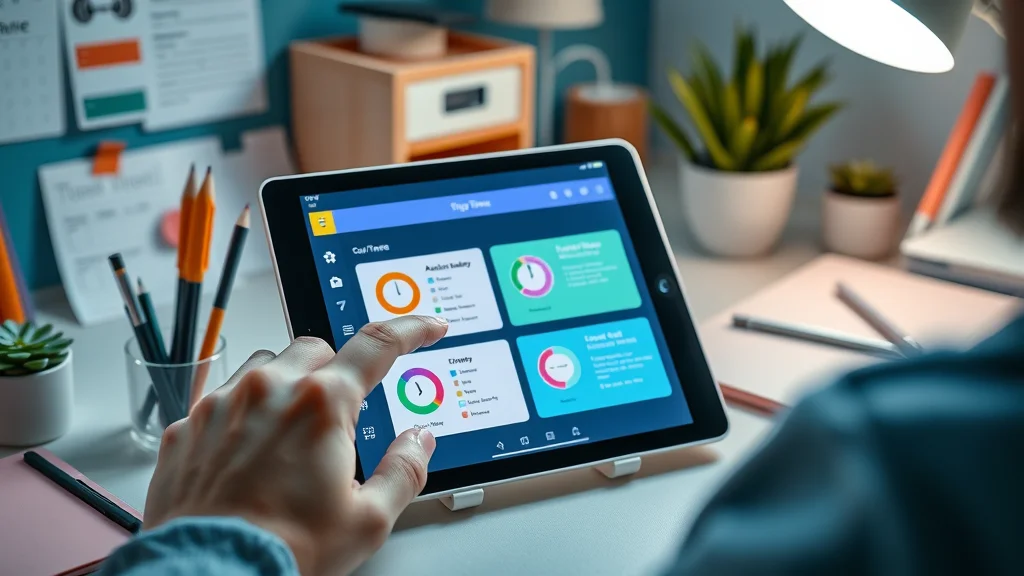
In the digital age, a wide range of tools are available to help teens manage their time more effectively. Top picks include Google Calendar for scheduling, Trello for project tracking, Forest for staying focused during study sessions, Todoist for task management, and the Eisenhower Matrix app for prioritizing. These tools send helpful reminders, allow for customizable to-do lists, and sync across devices so students can track assignments and deadlines on-the-go.
Encourage your teen to explore different digital planner apps and select one that matches their workflow. These solutions can make it easier to visualize priorities, schedule helps for study blocks, and keep motivation high as school students accomplish their goals.
Integrating Technology with Traditional Time Management Methods
A balanced approach often works best. Teach your teen to combine old-school techniques—like bullet journals or wall calendars—with digital planners and time tracking apps. For instance, they might use a paper planner for daily schedules and a timer app for study sessions. Technology should support, not replace, the fundamentals of good time management and self-discipline.
Check in regularly to see which tools your teen prefers and how each method helps them stay on track. Over time, this blended strategy can lay the foundation for lifelong effective time management—adaptable for school, college, and career.
Teen Time Management Skills in Action: Real-Life Success Stories
Consider the experience of Sara, an 11th grade student who struggled with balancing school, clubs, and downtime. After learning to prioritize tasks, break large projects into small pieces, and use the Eisenhower Matrix, Sara saw a major improvement in her grades and had more time for her passions. Her story is a testament to the power of simple, sustainable management tips and the impact of focusing on what matters.
"After learning to prioritize tasks, my grades went up, and I had more free time for hobbies." – Sara, 11th Grade Student
These real-world examples show that strong time management skills aren't just about working harder, but about working smarter—and making room for both academic and personal growth.
People Also Ask: Answers to Key Questions on Teen Time Management Skills
How to help a teenager with time management?
Answer: Offer consistent structure at home, model good time management, and guide them in using planners or time tracking apps. Encourage open communication about any challenges. Making management skills part of daily conversations builds trust and accountability for school students.
What are the 5 P's of time management?
Answer: The 5 P’s—Plan, Prioritize, Prepare, Perform, and Pause—help form a strong foundation for effective time management skills. Teaching each step reinforces positive routines and helps teens tackle tasks with confidence.
What is the 7 8 9 rule of time management?
Answer: The 7-8-9 rule advises spending 7 hours sleeping, 8 hours on productive work/study, and 9 hours on remaining daily activities, supporting balanced time usage. This guideline helps teens visualize a healthy, balanced approach to managing their day.
How to teach time management to high schoolers?
Answer: Teach them goal setting, provide tools like planners or digital timers, demonstrate methods like the Eisenhower Matrix, and review their progress regularly. Reinforce self-reflection and regular check-ins to embed these skills for life.
Frequently Asked Questions about Teen Time Management Skills
- What age should teens start learning time management skills?
- How do time management skills impact mental health?
- Are group projects helpful for developing time management skills in teens?
- What role do schools play in fostering time management in students?
Key Takeaways on Teaching Teen Time Management Skills for Academic Success
- Strong teen time management skills are essential for academic and life success
- Parents and educators have a key role in building management skills
- Practical and digital tools help reinforce good time management habits
Explore More Resources and Start Building Teen Time Management Skills Today
Ready to empower your teen with top time management tips? Explore our recommended tools and educational guides, and start putting these practical strategies into action!
As you continue to support your teen’s academic growth, remember that time management is just one piece of the puzzle for overall well-being. Building a foundation of healthy habits at home—including stress reduction and open communication—can make a significant difference in your teen’s ability to thrive. For a deeper dive into creating a supportive environment that addresses both academic and emotional needs, consider exploring our comprehensive guide on stress management strategies for parents of teenagers. By combining effective time management with proactive stress management, you’ll be equipping your teen with the tools they need for lasting success—both in school and beyond.




Write A Comment