



Did you know that 7 out of 10 teens say social media has a major impact on their self-confidence? That’s right—behind every like, photo, and story, today’s teens are shaping how they view themselves
"Did you know that 7 out of 10 teens say social media has a major impact on their self-confidence?"
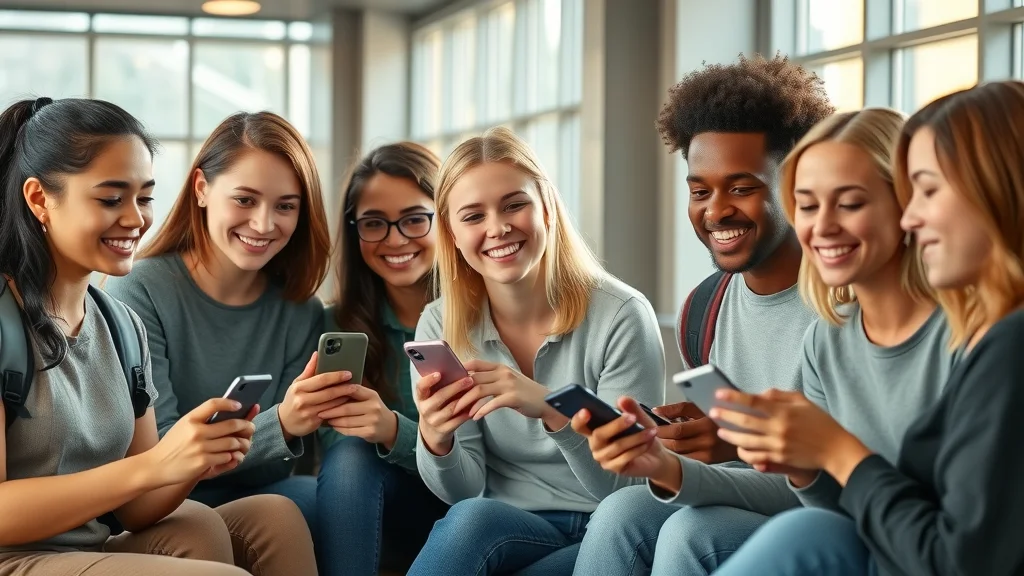
A Surprising Truth: Social Media's Impact on Teen Self Esteem
The days when teens worried only about in-person peer pressure and passing notes are long gone. Now, social media platforms like Instagram, TikTok, and Snapchat are where teens shape and share their identities. Studies reveal that most teens report their self-esteem is directly influenced by what happens online. Fluctuating likes, constantly seeing influencers, and viral trends mean young people are frequently comparing their own lives to carefully curated digital snapshots. This constant measuring-up can push even the most confident kids to question their self-worth and body image.
Yet, the impact isn’t all negative. Social media can make teens feel connected, inspired, and free to share their experiences. Some teens use these platforms to champion body positivity and build supportive online communities. Still, the negative effects—from media addiction to the anxiety of “missing out”—are real concerns that can’t be ignored. Tackling these challenges head-on is vital for building a generation that stays confident amidst endless swipes and scrolls.
The Link Between Teen Self Esteem Social Media and Mental Health
The relationship between social media, teen self esteem, and mental health is intricate and layered. On one hand, platforms enable rapid social interaction, making it easy for teens to maintain connections, seek support, and share achievements. However, the flip side is exposure to cyberbullying, body image concerns, and the sense of constant surveillance. Repeated exposure to negative comments or the pressure to present an idealized lifestyle can contribute to a negative impact, fueling stress and even symptoms of depression and anxiety.
Research consistently highlights that teens who spend more time on social media platforms are more likely to report lower levels of self-confidence and satisfaction with their appearance. This effect is particularly pronounced among teen girls, who may compare themselves with unrealistic influencer images, but it affects all teens regardless of gender. Ultimately, while social media can offer support and connection, it’s essential to acknowledge its potential to negatively affect teen mental health—and address it with awareness and guidance.
For parents seeking actionable ways to support their teens through these challenges, learning effective stress management strategies can make a significant difference. Discover practical approaches in these stress management tips for parents of teenagers, which complement efforts to nurture healthy self-esteem in the digital age.
Unconventional Trends in Teen Self Esteem Social Media Studies
Interestingly, not all trends and findings are negative. Some modern studies suggest that, under specific circumstances, social media can promote resilience and self-acceptance in teens. When teens interact with supportive, body-positive communities or follow influencers who celebrate diverse body images and authentic experiences, their confidence can actually grow.
However, these positive effects largely depend on the quality of content consumed and the social environment. For example, teens with strong family and school support are more likely to curate positive online experiences and to “cut back” on accounts or groups that lower their self-esteem. This highlights the importance of teaching critical thinking, online literacy, and emotional intelligence as integral tools for digital life.
What You'll Learn in This Article on Teen Self Esteem Social Media
- The real effects of social media on mental health and body image
- How screen time and media addiction can affect teen self esteem
- Strategies to foster positive self-image and cut back on negative screen time

Understanding Teen Self Esteem Social Media Dynamics
To truly help teens, we must explore the dynamics of teen self esteem social media interactions. While some might wish to simply ban social media usage, the truth is more nuanced. Many teens report feeling empowered when they find relatable content, learn new skills, or get genuine feedback on personal achievements. But alongside positive effects, viral challenges and peer pressure can trigger a spiral of self-doubt. Additionally, the desire to fit in and the temptation to compare oneself to influencers amplifies these internal struggles.
It’s clear that social media is neither all bad nor all good. Instead, it acts as a mirror—reflecting both the strengths and insecurities of its users. The challenge for parents, schools, and communities is to help teens recognize when they’re benefiting from healthy digital connections, and when it’s time to cut back and focus on real-world self-worth.
Why Social Media Can Boost and Undermine Teen Self Esteem
Peer pressure, influencer culture, and viral trends are three powerful forces on social media. Peer pressure can push teens to present a perfect life online, making them feel left out if their posts don’t attract attention. Comparisons to influencers create unrealistic expectations and fuel feelings of inadequacy. Meanwhile, viral trends and challenges encourage conformity—and sometimes even reckless behavior—all in pursuit of validation.
- Peer pressure
- Comparisons to influencers
- Viral trends and challenges
Yet, social media can also serve as a source of positive inspiration. When used thoughtfully, it nurtures confidence, authenticity, and creativity. The real difference comes from how teens engage with their feeds, the quality of their connections, and the boundaries they (and their caretakers) set.
"Social media is neither all bad nor all good – it’s how teens interact with it that counts."
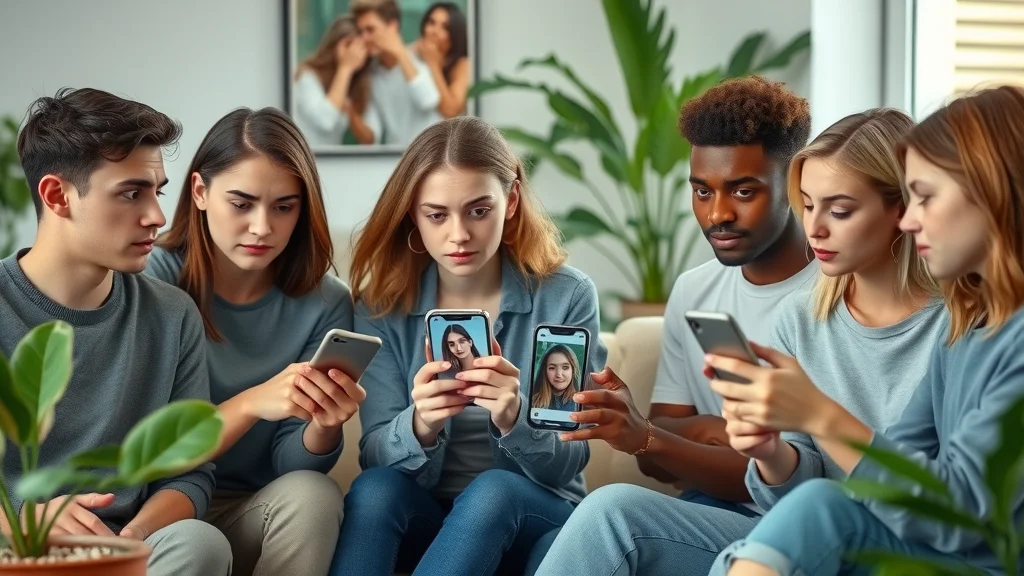
The Effects of Social Media: Navigating Body Image and Confidence
As social media became entwined with daily life, body image has emerged as a top concern among young people. Teens are inundated with images of “perfect” bodies and curated lifestyles, making it difficult to appreciate their own unique qualities. The impact is especially strong for teen girls but also affects boys and non-binary youth, who often face different but equally harmful standards.
The effects of social media on body image can be double-edged. Positive online communities and body positivity advocates encourage teens to embrace diversity and self-love. In contrast, exposure to unfiltered standards and filtered, edited beauty can create an unrealistic yardstick, leading to dissatisfaction, eating disorders, or anxiety. Navigating this digital maze requires resilience, media literacy, and active support from adults.
Body Image and the Effects of Social Media on Teen Self Esteem
Research shows a clear link between body image concerns and increased time spent on social media platforms. Teens who frequently browse image-heavy feeds or follow appearance-centered influencers often experience a negative effect on their self-esteem. This is because they are continuously exposed to highlight reels—carefully selected images that rarely represent real life or natural beauty. As a result, they may begin to doubt their own worth if they cannot live up to these digital ideals.
However, efforts by movements like #RealMe and authentic influencers who challenge mainstream beauty standards are making a difference. More and more teens now seek out content that celebrates all body types, cultural backgrounds, and personal achievements. By consciously choosing positive media, teens can protect and enhance their confidence. Parents and teachers should encourage young people to question what they see online and remind them that social media does not define their worth.

Positive Effects – When Social Media Becomes a Force for Good
Social media is not all doom and gloom. In fact, for many teens, it can be a lifeline to connection, support, and inspiration. Positive effects include finding communities that celebrate quirks and diversity, learning from role models who share their struggles and successes, and using creative outlets to build self-assurance. Teens use platforms to organize mental health campaigns, art contests, and body image discussions, which all help foster belonging and confidence.
There’s also a special joy in sharing one’s passions, talents, and voice with the world. Teens who receive genuine encouragement from friends, mentors, or even strangers often report better self-esteem and a stronger sense of purpose. As long as screen time is balanced and content is positive, social media can offer unique opportunities for growth.
The Negative Effect: How Media Addiction and Constant Comparison Harm Teens
Despite its benefits, there is a dark side to heavy social media usage. Media addiction—the urge to constantly check notifications or compare oneself to others—leads to diminished focus, disrupted sleep, and lower self-esteem. Teens may obsess over likes, followers, or how they measure up to others, feeling that their own achievements never stack up.
This relentless comparison cycle can contribute to anxiety, depression, and even the development of eating disorders. Cyberbullying is another negative effect, as teens are more exposed to hurtful comments or exclusionary behavior online than in face-to-face interactions. The pressure to maintain an idealized image and the fear of missing out (FOMO) only amplifies these challenges. It’s essential for parents and educators to help teens recognize warning signs and build resilience against these digital pitfalls.

| Social Media Activity | Positive Effects | Negative Effects |
|---|---|---|
| Posting Photos | Encourages creativity | Leads to comparison |
| Following Influencers | Inspiration | Unrealistic expectations |
| Messaging Friends | Builds connection | Cyberbullying risk |
Teen Self Esteem Social Media and Mental Health: The Science
The science around teen self esteem social media shows clear links to mental health. Research from various mental health organizations and universities highlights the role of screen time, peer dynamics, and cyber behavior in shaping self-image. While moderate social media usage can encourage connection and support, overuse can increase risks like social media addiction, anxiety, and feelings of inadequacy.
Screen time management and media education are at the heart of keeping teens mentally healthy and self-assured. Teens who are supported by engaged adults and environments that prioritize real-life connections are the least likely to suffer from the negative effects of social media.
How Screen Time Impacts Mental Health and Teen Self Esteem
Scientists agree that excessive screen time can negatively affect teen mental health—and this includes impacts on mood, concentration, sleep, and body image. When teens spend hours scrolling through highlight reels and filtered images, it distorts their perception of what’s “normal,” often increasing feelings of loneliness or inferiority. These negative consequences are more pronounced when screen time replaces physical activities, social interaction, or sleep.
However, purposeful screen time—such as learning a hobby, connecting with supportive friends, or engaging in activism—can have positive effects. The key is awareness, boundaries, and using tech mindfully. Families can work together to set limits and encourage breaks, helping teens build routines that support emotional well-being.

Peer Pressure, FOMO, and the Effects of Social Media Addiction
Peer pressure and the fear of missing out (FOMO) are amplified on digital platforms. Teens often feel pressured to join trends, attend events, or measure up to influencers just to keep pace with their peers. This cycle fuels social media addiction, making it difficult for them to cut back—even when they recognize the negative impact on their confidence.
FOMO is particularly damaging because it’s rooted in the constant stream of updates and highlights online. Teens may worry they’re not living “big enough” lives or worry about being left out. This digital anxiety can interrupt sleep, exacerbate feelings of isolation, and trigger unhealthy coping behaviors.
Reducing Screen Time: Why Experts Recommend Cutting Back
Mental health professionals, teachers, and healthy technology experts all agree: learning to cut back on social media is crucial for sustaining teen self esteem. Scheduled breaks from devices, digital detoxes, and screen-free family time are proven to help teens recharge and rebuild self-assurance. By making more time for real-world friendships, creative pursuits, and physical activity, teens are more likely to develop well-rounded self-confidence.
Regular check-ins and open conversations about online experiences not only make it easier to spot problems but also foster a habit of self-reflection and resilience in young people. Families who prioritize supportive, open discussions about technology create a stronger foundation for healthy digital habits.

The Role of Parents, Schools, and Community in Supporting Teen Self Esteem Social Media Health
Helping teens thrive in a social media-centric world takes teamwork. Parents, teachers, schools, and communities all play a part in supporting healthy relationships with technology. When adults model healthy online behavior, provide safe spaces for conversation, and encourage breaks from screen time, teens gain the tools they need to set boundaries and make positive choices.
Educational programs that foster digital literacy, critical thinking, and inclusive community values ensure that media literacy becomes as central as reading and writing. Support doesn’t stop there: communities that celebrate diversity, encourage creativity, and uplift teens’ voices—both online and offline—help prevent the negative effects of media addiction and peer pressure.
How to Help Teens Cut Back on Harmful Social Media Use
Practical strategies for reducing harmful social media usage include creating device-free zones at home, establishing screen time boundaries, and encouraging teens to pursue hobbies, sports, or volunteer work. Schools can offer workshops on digital wellness and provide safe venues for discussing the pressure to be constantly connected.
Regular check-ins, active listening, and collaborative family rules empower teens to talk about their experiences and make healthier choices. Even small changes, like setting phones aside at meals or agreeing on screen-free bedtimes, can have a big impact on overall teen self esteem.
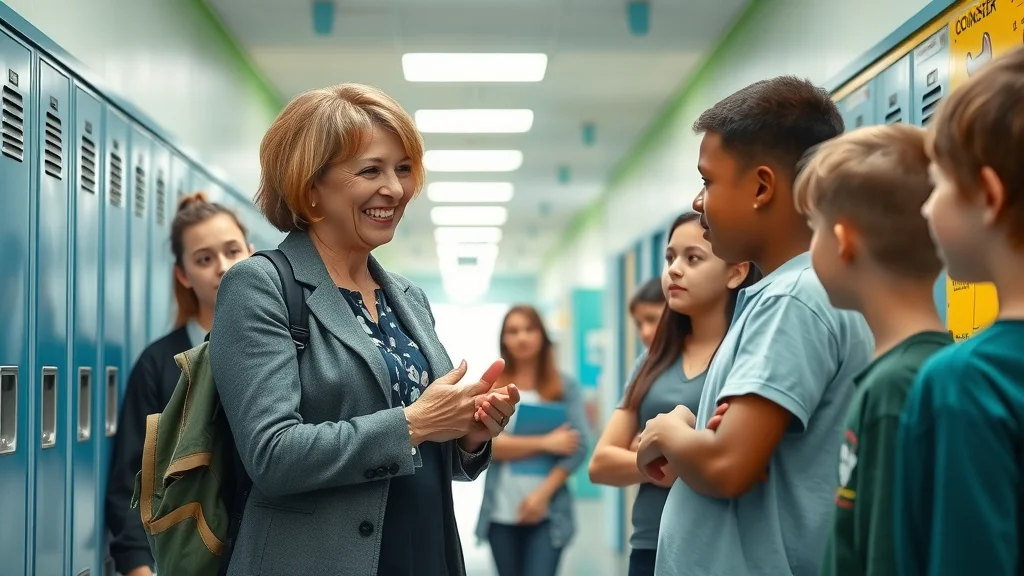
Teaching Positive Effects of Social Media for Teen Confidence
Parents and educators can guide teens in finding uplifting content and communities. Encouraging them to follow positive role models, engage in online groups that promote creativity or service, and unfollow accounts that trigger negative comparisons helps cultivate a healthier digital space. Teaching teens how to assess the authenticity and accuracy of online content is also vital.
Sharing stories of people who use platforms for good, highlighting acts of kindness, personal achievement, and advocacy, can inspire confidence. When teens are shown how to use social media to celebrate themselves and support others, the platforms become tools for growth rather than sources of stress.
Fostering Open Communication About Mental Health and Social Media
Honest, judgment-free conversations about mental health, body image, and online experiences create trust and resilience in young people. When teens know they can talk to adults about cyberbullying, comparison, or pressure, they’re less likely to internalize hurtful messages.
Schools and community programs that normalize conversations about self-esteem and social media nurture stronger, more confident kids. Peer groups and clubs that focus on digital wellness and self-advocacy are excellent supports for teens navigating a tricky online world.
Lists of Practical Steps to Support Teen Self Esteem Social Media Wellness
- Encourage breaks from screen time
- Promote following positive role models
- Model healthy online behavior
- Support open discussions on mental health
- Help teens critically assess online content
People Also Ask: Teen Self Esteem Social Media
How does social media affect teen self esteem?
Social media can both boost and undermine teen self esteem. On the positive side, it offers opportunities for connection, self-expression, and learning. However, constant comparison to influencers or peers, exposure to cyberbullying, and the pressure to maintain a “perfect” image can negatively affect confidence. Teens who struggle to put down their phones or who focus too much on likes and followers are often at a greater risk of low self-esteem.
What are the signs of low self-esteem in teens due to social media?
Signs include spending excessive time on media platforms, withdrawing from real-life social interaction, avoiding activities once enjoyed, expressing dissatisfaction with appearance, or showing signs of anxiety, sadness, or irritability after browsing online. Some teens may also seek validation primarily from their online presence or react strongly to online criticism.
Can social media have positive effects on teen confidence?
Absolutely! Social media enables teens to find supportive communities, express their creativity, and engage in activism or causes they care about. Following positive role models, participating in body positivity movements, and sharing achievements with friends can all reinforce self-worth—provided screen time remains balanced.
What can parents do to help with teen self esteem social media issues?
Parents can help by modeling healthy tech habits, setting clear guidelines for media usage, and fostering open communication. Encouraging offline activities, building up teens’ real-life skills and friendships, and helping them critically evaluate digital content are powerful ways to counteract the negative effects of social media.
FAQs about Teen Self Esteem Social Media
- Is teen self esteem social media impact the same for boys and girls? No, the impact can differ. While girls may be more affected by body image concerns, boys are not immune to stress, anxiety, or self-worth challenges, often influenced by different social pressures.
- What age is most vulnerable to negative social media effects? Early to mid-adolescence (ages 12–16) is typically when teens are most sensitive to comparison, peer pressure, and body image issues on social media.
- Are there apps or tools to help teens manage screen time? Yes, apps like “Screen Time,” “Moment,” or “Forest” help families and teens set limits and reflect on their digital habits.
Key Takeaways on Teen Self Esteem Social Media
- Balance is key; some social media exposure can be inspiring, but moderation and critical thinking are vital.
- Teens need guidance from parents, teachers, and peers to navigate body image and peer pressure.
- Promoting positive mental health conversations reduces the negative effect of media addiction.

Final Thoughts: Empowering Youth for Healthy Teen Self Esteem Social Media Relationships
"Confident kids aren't just born—they're made by supportive communities and smart media choices."
The future of teen self esteem social media lies in collaboration between teens, families, schools, and communities. By modeling healthy tech use, fostering empathy, and teaching critical thinking, we can ensure the next generation grows up confident both online and offline.
As you continue to support your teen’s journey toward digital confidence, remember that your own well-being matters too. Navigating the emotional ups and downs of parenting in the social media era can be challenging, but you don’t have to do it alone. For a deeper dive into maintaining your own resilience and creating a positive home environment, explore our guide on stress management tips for parents of teenagers. By strengthening your own coping skills, you’ll be better equipped to guide your teen through the complexities of online life and foster a family culture of confidence and support.

Download Our Free Parent Guide on Teen Self Esteem Social Media
Want to take action? Download our comprehensive Parent Guide for expert advice, conversation starters, and digital wellness tools designed to help your teen build confidence in a connected world!




Write A Comment