



A sobering truth shapes the lives of our youth: nearly two-thirds of children and adolescents experience at least one traumatic event before age 16. Trauma and teen behavior are deeply intertwined, with ripples that extend into how young people learn, feel, and make decisions. By exploring these lasting impacts, we can better support children and adolescents as they navigate one of the most critical periods of brain development and emotional growth. What is often seen as “acting out” is sometimes the visible tip of a much deeper iceberg—one shaped by past traumatic events and childhood trauma.
A Startling Reality: The Prevalence of Trauma and Its Effects on Teen Behavior
"Nearly two-thirds of children and adolescents have experienced at least one traumatic event by the age of 16." – National Child Traumatic Stress Network

The harsh reality in the United States is that child trauma remains alarmingly common among young people. Every year, a vast number of children and adolescents confront traumatic events—including violence, loss, abuse, and serious accidents. These experiences do not simply disappear. Instead, child trauma and ongoing traumatic stress can change the way a young person interacts with their family, school, and peers. Emotional response to these events is complex, often affecting how children learn, behave, and engage in social situations.
Research consistently shows that children who have experienced a traumatic event are at greater risk of developing mental health challenges, such as anxiety, depression, or post-traumatic stress disorder (PTSD). These conditions may appear as trouble concentrating in class, withdrawal from friends, impulsive decision-making, or frequent emotional outbursts. For many, these behavioral patterns are misunderstood or dismissed as typical “teen mood swings. ” However, understanding the depth and breadth of trauma’s impact is vital for parents, educators, and anyone supporting children and adolescents.
What You'll Learn About Trauma and Teen Behavior
- The relationship between childhood trauma and teen behavior
- How traumatic events influence decision-making in young people
- The role of brain development in trauma response
- Strategies to support children and adolescents affected by traumatic events
Defining Trauma and Teen Behavior: Key Terms and Concepts
- What constitutes a traumatic event for children and adolescents
- Overview of behavioral responses in teens
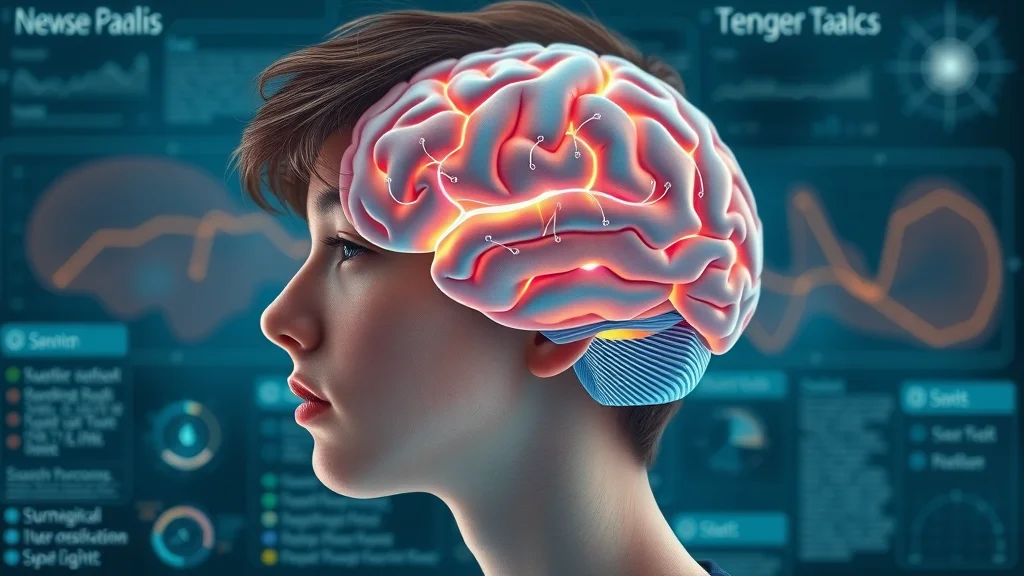
To fully appreciate the link between trauma and teen behavior, it’s essential to define what a traumatic event is for children and adolescents. Trauma includes experiences that overwhelm a young person’s ability to cope—such as abuse, neglect, witnessing violence, sudden loss of a loved one, or even community disasters. Such life-altering events disrupt normal development, leaving a mark on both the mind and the brain.
In the wake of traumatic events, teens may show a range of behavioral responses. These can range from anger and aggression to isolation, sadness, or frequent risky behavior. Understanding these changes as possible reactions to childhood trauma can reframe how parents, family members, and teachers interpret and respond to challenging teen behavior. For some, these behavioral shifts are brief; for others, the effects shape their choices and well-being well into adulthood.
Recognizing the signs of trauma is only the first step—parents and caregivers often need practical strategies to manage their own stress while supporting teens through recovery. For actionable advice on maintaining your well-being and fostering a supportive environment, explore these stress management tips for parents of teenagers that can make a meaningful difference during challenging times.
The Impact of Childhood Trauma on Teen Behavior and Emotional Response
How Traumatic Events Influence Young People
Traumatic events do not affect every young person in the same way, but they often trigger a disruption in trust, safety, and predictability. Young people facing trauma might change the way they relate to others, struggle with authority, or display anger toward caregivers and teachers.
This shift in behavior is a coping mechanism—an attempt to regain control or avoid feeling vulnerable again. For example, a teen who experienced a traumatic event like domestic violence might become hyper-vigilant or defensive when feeling threatened. Others may push people away or act indifferent, struggling to articulate their needs. Early recognition of these patterns supports more effective intervention and healthier outcomes for children and adolescents.
Short-Term and Long-Term Behavioral Changes
There are both immediate and enduring effects of trauma on young people. In the short term, teens may experience changes in sleep or appetite, increased irritability, or sudden academic decline. These changes often persist for a period of time, particularly if the root trauma remains unaddressed.
Over time, if children who have experienced trauma do not receive adequate support, risky behaviors such as substance abuse or truancy may emerge. For some, problems escalate into chronic mental health issues, from anxiety disorders to depression or even PTSD. Developing effective coping mechanisms—and having them reinforced by supportive family members and mentors—can be a turning point in restoring healthy behavior patterns.
Emotional Responses in Adolescents After Childhood Trauma
One of the most pronounced impacts of trauma and teen behavior is seen in emotional responses. Adolescents may become easily overwhelmed by stress, exhibiting sudden mood swings or persistent fear. Hyperarousal (being “on edge”), avoidance of reminders of the trauma, and numbing (feeling emotionally “shut down”) are just a few examples.
Additionally, unresolved childhood trauma can make it difficult for young people to trust, communicate, or establish healthy relationships. Guilt, shame, and loneliness are commonly reported, especially if the traumatic event involved betrayal or loss. Without intervention, these emotional responses may lead to behaviors that further isolate the teen from supportive networks—reinforcing the cycle of trauma and its effects.

The Science Explained: How Trauma Affects Brain Development in Young People
Brain Development During Adolescence
Adolescence is a time of immense growth and transformation for the developing brain. The prefrontal cortex—responsible for decision-making, impulse control, and emotional regulation—continues to mature throughout the teen years. Exposure to trauma during this critical stage can disrupt normal brain develop patterns, altering the way young people think and respond to stress.
Studies cited by mental health experts and gov websites emphasize that the adolescent brain remains sensitive to the environment for a long period of time. Positive experiences encourage healthy neural connections, while repeated or intense traumatic experiences may delay or alter brain development. This, in turn, affects learning, memory, and the ability to cope with new challenges.
Neurological Changes Due to Traumatic Events
When a teen experiences a traumatic event, their brain’s stress response system becomes highly activated. Trauma can cause changes to areas like the hippocampus and amygdala—regions involved in memory, emotion, and threat detection. Over time, chronic stress may result in the brain being “wired” for constant vigilance, making it difficult for a young person to feel safe, focused, or calm.
This neurological adaptation can also contribute to anxiety, impulsivity, and problems with emotion regulation. The brain’s attempts to protect the individual create behavioral responses—sometimes labeled as disruptive or anti-social—that are in fact survival strategies. Recognizing these patterns can change how caregivers and educators support children and adolescents exposed to trauma.
Impact of Trauma on Cognitive Functions and Academic Performance
Research demonstrates that childhood trauma often affects a young person’s ability to concentrate, process information, and retain new skills—what educators call “executive functions. ” As a result, children and adolescents who have experienced traumatic events may struggle in school, miss assignments, or seem indifferent to learning.
The challenge is not a lack of intelligence, but rather the brain being preoccupied by survival modes and emotional distress. Supporting cognitive recovery takes patience and understanding from family members and teachers. Intervention can help rebuild a sense of safety, re-engage students, and encourage healing so that children learn more effectively and confidently.

Behavioral Signs of Trauma in Children and Adolescents
- Risk-taking and impulsive behaviors
- Withdrawal and social isolation
- Heightened emotional responses
Not every child or adolescent responds to trauma in the same way. Some may become defiant or seek out risky peer groups, experimenting with dangerous behaviors as an attempt to numb emotional pain. Others might withdraw entirely, becoming isolated even from close friends or family. Still others show pronounced emotional responses: outbursts of anger, sadness, or overwhelming anxiety. Recognizing these common behavioral signs allows parents, caregivers, and educators to spot children who may need additional support.
These behaviors are often coping mechanisms—ways for a young person to manage the disruptive feelings that traumatic experiences create. By understanding the varied ways trauma and teen behavior connect, families and professionals can better advocate for the mental health needs of those who have been affected.
Trauma and Decision-Making: Why Teens May Make Risky Choices
Link Between Traumatic Events and Risky Behaviors in Adolescence
Adolescence is already a period marked by risk-taking and identity formation. When layered with the effects of trauma, this can lead to heightened impulsivity or engagement in unsafe activities, including substance abuse or unsafe relationships. The brain’s natural quest for pleasure, belonging, or relief from pain can make peers and risky decisions especially attractive.
The impact of trauma on teen behavior is clear: those exposed to traumatic events are statistically more likely to make decisions without fully considering long-term consequences. By understanding the neurobiological factors at play, family member and mentors can provide targeted guidance and interventions to support safer choices.
Influence of Peers and Social Context Following Traumatic Experiences
Peers play a significant role in shaping the behavior of young adults, especially after a traumatic event. For some children and adolescents, belonging to a certain peer group provides comfort or validation. For others, it might mean exposure to negative influences or coping mechanisms like substance abuse or delinquency.
Trauma can disrupt a teen’s judgment about which friendships are healthy versus harmful. The desire for acceptance, combined with changes in the adolescent brain, can make it harder to resist peer pressure. Schools and community groups that recognize this dynamic can develop positive peer supports as a buffer for at-risk youth.
Long-Term Impact of Trauma on Decision-Making Skills
Exposure to trauma doesn’t just affect momentary decisions—it can change the course of a young person’s life. Chronic stress, especially in childhood and adolescence, may condition the brain to anticipate threat and take action quickly, sometimes at the expense of careful planning or forethought.
This means trauma and teen behavior are inextricably linked, not only in the short term but in the skills that guide young adulthood. Helping children and adolescents develop stronger coping strategies and decision-making frameworks can interrupt cycles of risk and increase opportunities for resilience and growth.

Real Stories: Voices of Young People Affected by Traumatic Events
"After the incident, it felt like no one understood why I acted out. Looking back, I realize my behavior was a cry for help." – Anonymous teen

Personal narratives reveal the invisible struggles many teens endure with trauma and teen behavior. From anonymous stories shared online to testimonies gathered by social workers, a common thread emerges: a deep desire to be seen, understood, and supported. Many young people describe acting out, withdrawing, or choosing risky behaviors not out of defiance, but because they lack safe outlets to process emotions or trust adults with their pain.
Listening to these voices emphasizes the critical need for trauma-informed support in schools, communities, and families. By making space for these stories, we can break the stigma around trauma, encourage vulnerability, and offer hope to other children and adolescents who may feel alone in their struggle.
Supporting Children and Adolescents After Traumatic Events
Role of Family, Educators, and Community
A thoughtful, informed response from parents, educators, and the wider community is essential after a traumatic event. Research from official websites and mental health organizations shows that children and adolescents recover best when surrounded by adults who listen, validate feelings, and maintain routines. Family members who remain supportive—even in the face of challenging behavior—can promote healing and resilience.
Schools also play a vital role by training teachers in trauma-informed approaches. Educators can foster safe environments where struggling students receive encouragement, understanding, and structure. Community organizations and peer mentors further expand the safety net, connecting young people with resources and positive role models.
Evidence-Based Interventions and Therapy Options
Effective interventions for children and adolescents coping with trauma often blend therapy, family support, and, in some cases, medical treatment for co-occurring mental health or substance abuse issues. Cognitive-behavioral therapy (CBT), trauma-focused cognitive-behavioral therapy (TF-CBT), and play therapy are among the most evidence-based approaches shown to help a young person process past experiences and regain confidence.
Involving families in treatment is key—ensuring that children learn healthy coping mechanisms from trusted adults. Strong relationships with therapists, counselors, or trusted mentors provide a safe space to explore emotions, reframe negative beliefs, and practice skills that reduce impulsive or risky behaviors.
Building Resilience to Overcome Childhood Trauma
Resilience is not simply an innate trait, but a set of skills that children and adolescents can learn and strengthen, even after severe childhood trauma. Encouraging self-expression, building a sense of mastery through academics or sports, and nurturing positive peer relationships all support resilience. Practicing mindfulness, goal-setting, and problem-solving techniques increases a young person’s ability to cope with adversity and bounce back after setbacks.
Family members, educators, and community leaders collaborate to provide both stability and opportunities for growth, proving that recovery is possible, and that a child who has faced trauma can still thrive.

| Protective Factors | Risk Factors |
|---|---|
| Supportive family members | Family instability or dysfunction |
| Positive school environment | Academic struggles or bullying |
| Access to mental health resources | Untreated mental health issues |
| Strong coping mechanisms | Substance abuse or self-harm |
| Trusted relationships with adults | Social isolation or negative peer influence |
This animated video features a neuroscientist explaining how trauma influences the adolescent brain, with engaging visuals and real-life scenarios that illuminate the science behind teen decision-making following trauma.
People Also Ask About Trauma and Teen Behavior
How does trauma typically present in teen behavior?
Teens affected by trauma may show sudden changes in mood, become withdrawn, act defiantly, engage in risky behaviors, or struggle to focus at school. Outbursts of anger, fear, or sadness are common emotional responses, and ongoing difficulties may appear in relationships, academics, and even physical health.
What are the most common emotional responses to traumatic events in adolescents?
Common emotional responses include heightened anxiety, depression, persistent fear, mood swings, and difficulty trusting others. Many adolescents also experience emotional numbness or social isolation, which are coping mechanisms to manage overwhelming feelings brought on by trauma.
How can teachers and parents help children and adolescents after a traumatic event?
Teachers and parents play an essential role by maintaining routines, offering a safe and stable environment, listening without judgment, and validating emotions. Being patient, fostering open communication, and connecting children and adolescents to professional help are effective ways to support recovery after trauma.
How does early childhood trauma affect brain development and decision-making in teens?
Early childhood trauma disrupts normal brain develop processes, particularly those governing emotion regulation, impulse control, and learning. This can result in difficulties making thoughtful decisions, increased impulsivity, and vulnerability to risky behaviors throughout the teen years and into young adulthood.

Frequently Asked Questions on Trauma and Teen Behavior
-
What are warning signs of traumatic events in teenagers?
Warning signs include sudden behavioral changes, withdrawal from family and friends, grades dropping, trouble sleeping, substance abuse, or persistent sadness. If these signs persist for an extended period of time, professional support is recommended. -
Can trauma in childhood cause lasting changes in adolescent behavior?
Yes. Childhood trauma can cause changes in how teens process feelings, respond to stress, and interact in relationships—sometimes leading to ongoing difficulties in adulthood if not addressed early. -
Which professionals can help children and adolescents recover from trauma?
Licensed therapists, school counselors, social workers, and child psychologists are trained to help children and adolescents build coping skills and recover from traumatic experiences.
Key Takeaways: Trauma and Teen Behavior
- Trauma has a profound, lasting effect on the behavior and choices of young people
- Early intervention and support foster resilience in children and adolescents
- Awareness and understanding aid in recovery after traumatic events

Empower Change: Seek Resources and Support for Trauma and Teen Behavior
"No child should navigate trauma alone. Accessing support is the key to brighter tomorrows."
Understanding the impact of trauma on teen behavior is just one piece of the puzzle. If you’re looking to deepen your approach and foster a more resilient family environment, consider exploring broader strategies for parental self-care and stress reduction. By equipping yourself with effective tools and insights, you can better support your teen’s healing journey and model healthy coping skills. Discover more about nurturing your own well-being and creating a positive atmosphere at home by visiting our comprehensive guide on stress management for parents of teenagers—an essential next step for families navigating the challenges of trauma and adolescence.




Write A Comment