



Did you know that one in five teens experience a mental health issue each year? This powerful statistic highlights why healthy coping skills for parents are not just useful, but absolutely essential. Whether you're facing everyday stressors or major parenting challenges, learning evidence-based coping strategies can help you stay calm, resilient, and better equipped to support your teen through the ups and downs of adolescence.
Why Healthy Coping Skills for Parents Matter: Startling Facts About Teen Mental Health
Modern parenting, especially of teenagers, is filled with unique challenges that often stretch your emotional resources. Studies show that parents under chronic stress or dealing with their own mental health struggles can inadvertently impact their teen’s overall wellbeing and risk of developing mental health concerns themselves. The cycle of stress is contagious within families—when a parent is overwhelmed, teens pick up on those cues and can react with anxiety, isolation, or even risky behaviors. That’s why strong coping skills for parents aren’t just a tool for survival, but an investment in breaking the chain of stress and mental illness for your whole family.
Factors like increasing academic competition, constant digital connectivity, and social pressures are raising the stakes for both teens and their parents. Healthy coping skills are proven to lower parental stress levels and create a stable “emotional climate” at home, where teens feel safe to express themselves and learn resilience themselves. When you use effective ways to manage your own stress, you model to your child or teen that healthy ways of navigating challenging situations are possible for everyone, regardless of their age.

"One in five teens experience a mental health issue each year, making parental coping skills more important than ever." – National Institute of Mental Health
What You'll Learn: Mastering Healthy Coping Skills for Parents
The impact of parental mental health on teens
Top healthy coping skills for parents
Evidence-based coping strategies and exercises
Expert advice for supporting your mental health and your teen's
Understanding Healthy Coping Skills for Parents: Foundations & Myths
Coping Skills, Coping Strategies, and Mental Health: What Parents Need to Know
Coping skills are the everyday tools you use to handle stress, manage emotions, and overcome obstacles in life. For parents, understanding the difference between simple coping skills and intentional coping strategies is the first step toward fostering true mental health for the whole family. Unlike unhealthy or avoidant behaviors—like ignoring a problem, lashing out, or giving in to frustration—healthy coping skills help you remain grounded even in the most stressful situations.
There’s a common myth that good parenting means never feeling stressed, anxious, or angry. In reality, all parents face difficult times, and it's normal to make mistakes. What matters most is your ability to respond constructively—using deep breathing, positive self-talk, and mindful habits—so you can model resilience for your teen. According to the latest health news, teaching effective coping skills to parents helps prevent family stress from escalating into mental illness or chronic family dysfunction.

The Role of Healthy Coping in Preventing Mental Illness in Families
Family mental health experts stress that healthy coping strategies are preventative—not just remedial. By developing a toolkit of positive habits, such as daily physical activity, regular quality sleep, boundary setting, and mindful communication, you greatly reduce your and your teen's risk of developing a mental illness or experiencing higher levels of stress. Unmanaged parental anxiety can spill over into teen behavior, creating a feedback loop of stress that can exacerbate mental health struggles for years to come.
Interventions teaching parents coping skills have been shown to improve family relationships and buffer children against emotional or behavioral issues. A parent who consistently uses breathing exercises or takes a moment for self-care shows their teen that taking care of your mind and body are priorities, not luxuries, during stressful situations. This is one of the most effective ways to build resilience within your family and prevent the onset of mental illness as your teen grows.
Key Pillars of Healthy Coping Skills for Parents
Emotional Regulation: Coping Strategies for Managing Stress
Emotional regulation is at the heart of healthy coping skills for parents. It’s about recognizing your emotional responses—such as anger, frustration, or worry—and choosing how to act, rather than reacting impulsively. Parents who practice deliberate coping strategies, like pausing for a deep breath or stepping away for a moment, are better able to de-escalate conflicts with their teens. Managing your emotions allows you to respond thoughtfully during tense parenting moments, which not only helps your own stress level but teaches your child the value of staying calm in a stressful situation.
Some emotional regulation techniques include guided imagery, progressive muscle relaxation, and simply giving yourself permission to make mistakes. By openly discussing your own coping skills, you normalize these techniques for older children and model self-compassion for younger children, empowering them to develop their own coping strategies.
Taking Care of Yourself Physically and Mentally: Daily Habits for Mental Health
Your physical and mental well-being are directly tied to your ability to parent effectively. Taking care of your own nutrition, hydration, physical activity, and nightly quality sleep isn’t selfish—it’s a foundational coping strategy that allows you to handle the daily life challenges of parenting teens. Research shows that parents who maintain good self-care routines have lower stress levels and experience fewer symptoms of anxiety or depression.
Incorporating physical activity and mindful downtime—whether that’s a walk in the neighborhood, yoga, journaling, or creative hobbies—provides a regular outlet for processing emotions and recharging. When teens see you prioritizing your own health, they’re more likely to develop lasting habits that protect their own mental health too.

Breathing Exercises and Deep Breathing: Simple Coping Skills for Every Parent
One of the most effective—and most overlooked—parenting tools is the simple act of a deep breath. Breathing exercises activate the body’s relaxation response and can quickly interrupt cycles of anxiety or frustration. Practicing deep breathing before responding to a teen during an argument or after a difficult day calms the nervous system and offers you a brief, healthy pause.
Parents report that even one or two minutes of intentional, slow breathing can help them regain composure and respond to stress with more clarity. By modeling these coping skills at home, you also offer your child practical tools to manage their own overwhelming emotions—turning a tense moment into a teachable experience.
"Just a few deep breaths can stop the stress cycle and help parents reset in a tense moment." – Dr. Janelle Carter, child psychologist
Physical Activity as a Coping Skill: Moving Through Parenting Challenges
Physical movement is not only beneficial for physical health but also plays a crucial role in emotional regulation and overall mental health. Activities such as walking, light stretching, dancing, or doing yoga release endorphins, boost mood, and provide a valuable outlet for residual stress. Engaging in daily physical activity, even for short periods, can be transformative for your mindset—turning irritability into energy and lifting feelings of overwhelm.
Regular movement can also be a positive family activity: walking together, a weekend bike ride, or simply dancing in the living room provides opportunities for connection and lets your teen see first-hand healthy ways to handle life’s pressures. Making physical activity a regular part of your coping strategy sets a healthy example that your child can learn from and carry into adulthood.
Practical Healthy Coping Skills for Parents of Teens
Setting Boundaries: A Crucial Coping Strategy for Parents
One often overlooked yet powerful coping skill for parents is the ability to set strong, respectful boundaries. Boundaries are vital for protecting your energy, maintaining your mental health, and teaching your teen respect and responsibility. Setting boundaries may mean saying “no” to additional commitments, carving out non-negotiable downtime, or establishing clear household expectations.
In practice, boundary setting can help reduce feelings of overwhelm and resentment, and it provides a structured environment where teens know what to expect. When done with empathy and clarity, it demonstrates to your teen that everyone’s needs matter, including yours. If boundary setting feels challenging, remember it’s a skill that develops over time and with practice—and is essential for maintaining healthy family dynamics and your own well-being.
Mindfulness and Meditation: Coping Skills for Emotional Stability
Mindfulness is a simple yet powerful way to anchor yourself in the present moment. Whether practiced formally through meditation or informally by taking a mindful pause before reacting, it helps diffuse stress and stops the spiral of anxious thoughts. Mindfulness techniques for parents might include guided meditations, breath awareness, or simply becoming aware of your surroundings in the midst of a hectic day.
Regular mindfulness practice is linked with improved emotional regulation, reduced worry, and better decision-making. Teaching your teen to take a “mindful minute” alongside you can foster a calming family ritual, reduce household tension, and strengthen parent-teen trust over time.
Time Management & Self-Care Routines
Effective time management is a key coping skill that enables parents to juggle responsibilities without burning out. Scheduling regular self-care—such as moments to read, spend time in nature, or enjoy a hobby—protects your emotional reserves and models balance for your child. Break tasks into small, manageable steps to prevent overwhelm and celebrate small victories along the way.
Using planners, checklists, and reminders helps you stay organized and allocate time for self-care just as you would for other important family commitments. When parents prioritize their own needs appropriately, they bring more patience and energy to their interactions with teens, managing daily life more smoothly and avoiding burnout.
Communication and Connection as Coping Skills
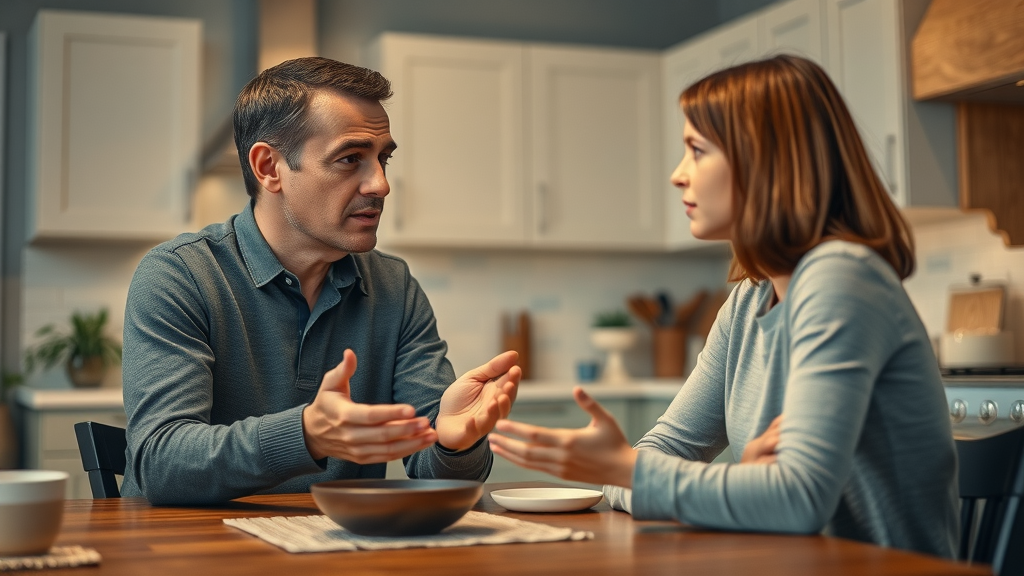
Consistent, open, and honest communication is a fundamental aspect of healthy coping for parents. When parents feel safe expressing feelings and listening to their teens, it forges deeper connection and mutual trust. Techniques like active listening, validating your teen’s emotions (even when you don’t agree), and sharing your own coping experiences make your relationship stronger and less reactive.
Connection isn’t about eliminating conflict, but about navigating it with empathy. By prioritizing regular check-ins and making space for positive, non-judgmental conversations, you create a supportive environment where mental health challenges are normalized, and your teen feels safe reaching out for help.
Expert-Recommended Healthy Coping Skills for Parents
"Healthy coping skills for parents don’t just benefit adults—they model resilience and emotional intelligence for their teens." – Dr. Angela Reed, licensed therapist
When to Seek Professional Help for Parental or Teen Mental Health
Sometimes, even the best self-help tools aren’t enough. If you notice persistent feelings of sadness, anxiety, exhaustion, or major changes in your or your teen’s thoughts and behaviors, it’s vital to consult with a mental health professional. Other signs to seek support include sudden withdrawal from activities, talk of hopelessness, drastic shifts in sleep/eating patterns, or increasing conflict at home.
Reaching out for help is a sign of strength, not weakness, and it can make all the difference in preventing a developing mental illness from worsening. Early intervention is associated with better long-term outcomes for both parents and teens—reminding us that mental health care is a family affair.
Healthy Coping Skills for Parents: A Table of Common Techniques and Benefits
Coping Skill |
Description |
Benefit |
|---|---|---|
Deep Breathing |
Intentional breathing exercises to manage anxiety |
Reduces stress instantly |
Physical Activity |
Walking, yoga, or exercise routines |
Boosts mood and energy |
Mindfulness |
Present-moment awareness practices |
Improves focus, reduces worry |
Setting Boundaries |
Saying 'no' and protecting time |
Prevents overwhelm |
Journaling |
Writing down thoughts and feelings |
Clarifies emotions |
Healthy Coping Skills for Parents: Step-By-Step Guides

How to Practice Deep Breathing for Stress Relief
1. Find a quiet space where you can sit comfortably with your spine straight. 2. Close your eyes if comfortable and take a slow, deep breath in through your nose, feeling your belly expand. 3. Pause briefly, then exhale gently through your mouth or nose, allowing tension to melt away with your breath. 4. Repeat this deep breathing cycle for about 2–3 minutes, focusing only on your breath. 5. Return your attention to your body and the present moment, noticing any shift in your mood or stress level.
This simple but powerful breathing exercise is always available and can be practiced throughout your daily life—before hard conversations, after a stressful situation, or anytime you need to reset emotionally. Encourage your teen to join you and practice together as a family coping strategy.
Developing a Mindful Self-Care Plan
1. List your main stressors and identify your current response patterns. 2. Choose 2–3 healthy coping skills (such as physical activity, mindfulness, or journaling) that resonate with you. 3. Create a short, daily ritual (e.g., five minutes of deep breathing before bed, a daily gratitude list, or a 10-minute walk). 4. Track your progress, noting your mood, energy, and the impact on your interactions with your teen. 5. Adjust as needed. If a coping strategy isn’t helpful, be flexible and try another approach or seek additional support.
Personalizing your self-care plan allows you to build consistent coping skills into your daily routine, protecting your mental health while showing your teen how self-care safeguards resilience in difficult times.
Top 10 Healthy Coping Skills for Parents: A Quick List
Deep breathing exercises
Daily physical activity
Mindfulness meditation
Journaling emotions
Setting firm boundaries
Practicing gratitude
Engaging in hobbies
Reaching out for social support
Scheduling alone time
Seeking professional help when needed
Healthy Coping Skills for Parent-Teen Relationships
Coping Strategies for Difficult Conversations
Navigating tough conversations with your teen is an inevitable part of parenting. Healthy coping skills such as active listening, validating emotions (“I understand you feel this way”), and using “I” statements instead of blame are powerful tools. These techniques reduce defensiveness and foster mutual respect, even when discussing sensitive topics like mental health, boundaries, or risky behaviors.
Take a deep breath before responding, maintain a calm tone, and focus on the issue—not the person. Your openness and willingness to work through difficult emotions set a lifelong example for your child, helping them develop their own healthy coping skills in future stressful situations.

Building Trust and Connection: The Role of Healthy Coping
Lasting trust with your teen grows out of reliability, respect, and shared vulnerability. Consistently using healthy coping strategies—such as regular check-ins, honest conversations, and mutual support—fosters a sense of security within your parent-teen relationship. Encourage open dialogue and admit when you’re struggling, showing your teen that it’s okay to ask for and accept help.
Trust isn’t built overnight, but every positive coping interaction—no matter how small—reinforces your commitment to supporting each other through difficult times. In the long run, this stable foundation is the best protection against mental health challenges and family conflict.
Troubleshooting: When Healthy Coping Skills for Parents Feel Hard
Sticking With Healthy Coping in Stressful Times
It’s normal for coping strategies to feel awkward or even unhelpful at first—especially when stress is high or old habits feel automatic. Remember, building new coping skills is a gradual process, and consistency trumps perfection. Start small, celebrate progress, and don’t be discouraged by setbacks.
If you find yourself slipping into unhealthy coping patterns (such as avoidance or irritability), gently remind yourself why you started, and recommit to one small, healthy change. It’s also helpful to communicate with your teen about your efforts—inviting them to support and participate with you, which boosts motivation for both of you.
Supporting Your Own Mental Health While Parenting
The demands of caring for teens can be overwhelming, making self-care and social support more important than ever. Reach out to friends, family, or support groups—sharing your experiences helps break isolation and provides fresh perspectives. Don’t hesitate to ask for a break when needed or delegate household responsibilities among your family members.
Prioritizing your mental health is essential to avoid burnout, manage stress, and stay emotionally available for your child. Remember, modeling help-seeking is one of the strongest lessons you can pass to your teen about resilience and courage.
People Also Ask: Healthy Coping Skills for Parents
What are coping skills for parents?
Coping skills for parents are proven tools and strategies such as breathing exercises, boundary setting, and mindfulness practices that help manage stress, navigate emotional challenges, and maintain healthy relationships with teens.
What are the 7 rules for parents?
The 7 rules include practicing positive communication, setting boundaries, managing your own stress, modeling healthy coping skills, encouraging independence, maintaining household routines, and seeking help when needed.
What are the 5 main types of coping skills?
The 5 main types of coping skills are problem-focused coping, emotion-focused coping, social coping, avoidance coping, and meaning-focused coping.
What are the 99 coping skills?
This is a comprehensive list of coping strategies used in mental health—ranging from physical activity, meditation, art, and singing, to talking with friends, and practicing gratitude. (Link to NIH resource/citation.)
FAQs: Healthy Coping Skills for Parents
How often should I practice healthy coping skills as a parent?
Aim to include healthy coping skills in your daily routine, even for a few minutes at a time. Consistency leads to better results and helps them become habits you can rely on during stressful situations.Can healthy coping skills improve my relationship with my teen?
Absolutely—modeling and practicing positive coping strategies fosters trust, communication, and emotional safety, all of which strengthen your relationship.Are there healthy coping skills suited for single parents?
Yes, many coping skills can be adapted to your unique situation. Prioritize strategies like time management, reaching out for social support, and setting firm boundaries to protect your wellbeing.What if my coping strategies aren't working?
If you feel stuck or overwhelmed, consider adjusting your routine or seeking professional support. Sometimes, an outside perspective can help tailor strategies to your unique family needs.
Key Takeaways: Healthy Coping Skills for Parents
Healthy coping skills for parents benefit teens’ mental health and the wider family.
Simple strategies—like deep breathing and boundary setting—are key to resilience.
Expert support is available when self-help isn’t enough.
Watch a high-quality demonstration video illustrating guided breathing techniques for parents, including narration and visual cues to model deep breathing for stress relief.
Conclusion: Embracing Healthy Coping Skills for Stronger Parenting
Investing in healthy coping skills isn’t just self-care—it’s a vital act of love for both you and your teen. Start small, be patient with yourself, and know that each step you take builds a stronger, healthier family.




Write A Comment