



Did you know? According to recent CDC data, over 40% of teens report struggling with persistent sadness and hopelessness—yet small behavioral changes can markedly shift these outcomes. Today’s teens face unprecedented challenges, from constant digital connectivity to academic and social pressures. Amid these stressors, establishing structure and boundaries through simple behavioral interventions emerges as a powerful, practical solution for improving teen mental health and overall well-being. In this comprehensive guide, you’ll learn actionable, evidence-based strategies to create a safe space and equip young adults with the tools they need to thrive—at home, at school, and beyond.
Unveiling the Need: Why Simple Behavioral Interventions for Today’s Teens Matter
According to recent CDC data, over 40% of teens report struggling with persistent sadness and hopelessness—yet small behavioral changes can markedly shift these outcomes.
Opening Hook: The Surprising State of Teen Mental Health
It’s no secret that the mental health of teens and young adults is at a critical point. The past decade has brought significant increases in anxiety, depression, and feelings of isolation among adolescents. The prevalence of persistent sadness and hopelessness means that trusted adults must act swiftly but compassionately. Simple behavioral interventions for today’s teens, such as clear routines and structured activities, provide a much-needed sense of direction and safety. From school-based therapy activities to everyday coping skills, these methods aren’t just for teens in crisis; they support all young people in building resilience for life’s challenges.
Research confirms that activities for teens designed to set boundaries and create structure reduce negative thought patterns and risky behavior. Consistency, achievable goals, and supportive feedback help teens feel seen, safe, and understood. By combining flexible boundaries with therapy acts tailored to individual needs, parents, teachers, and therapists can break cycles of negative thought and inspire positive, lasting change.

What You’ll Learn About Simple Behavioral Interventions for Today’s Teens
- How to establish effective structure and boundaries for teens
- Evidence-based therapy activities, techniques and coping skills teens respond to
- Ways to foster a supportive environment with practical tips for parents, teachers and therapists
- Real-life examples of therapy act and activities for teens that encourage positive behaviors
Understanding Structure and Boundaries for Simple Behavioral Interventions for Today’s Teens
Defining 'Structure' and 'Boundaries' in Simple Behavioral Interventions for Today’s Teens
In the world of simple behavioral interventions for today’s teens, the terms “structure” and “boundaries” are foundational. Structure refers to the use of clear, consistent routines and rules that guide daily behavior. It means having predictable schedules, well-communicated expectations, and a supportive environment where teens know what is expected of them. On the other hand, boundaries are limits that define personal space, appropriate behaviors, and individual responsibilities. These boundaries help teens and young adults feel secure while also allowing for age-appropriate autonomy.
Effective structure and boundaries reduce chaos and increase a teen’s sense of control. Simple examples include agreed-upon screen time rules, chore charts, or a designated daily homework period. When adults set realistic yet firm guidelines, they teach self-regulation—a critical coping skill for navigating the teen years. Importantly, these interventions are flexible: as teens mature, boundaries should gradually expand, giving young adults increasing responsibility and input. The goal isn’t strict authoritarianism but a respectful partnership where teens build confidence and independence within a safe space.

The Role of Structure and Boundaries in Teen Mental Health
Strong structure and healthy boundaries have been linked directly to better mental health outcomes for teens. Inconsistent routines can amplify anxiety and negative thought patterns, leaving teens feeling lost or overwhelmed. By contrast, daily rituals—like family dinners or weekly activity check-ins—act as stabilizing anchors, especially for teens who struggle with mood swings or impulsive behavior.
A well-organized environment does more than enforce rules; it cultivates trust, communication, and a supportive environment—factors proven to lower stress and reduce the risk of negative thoughts. Boundaries, meanwhile, teach respect—both for oneself and for others. Teens learn that their emotions and views matter, a crucial aspect of self-worth and effective communication skills. When combined with simple behavioral interventions, structure and boundaries can help teens build resilience and develop healthy coping skills that last into young adulthood.
Evidence and Expert Opinions on Behavioral Interventions
Experts agree: therapy activities and behavioral interventions are most successful when grounded in structure and clear expectations. Dr. Sarah Goodman, a leading adolescent therapist, shares, “Small, consistent practices can transform a young adult’s day-to-day experience.” Research from the CDC and American Psychological Association indicates that simple, repeatable therapy acts—like setting bedtime habits, using visual cues, or role-playing healthy communication—improve emotional regulation and decrease behavioral incidents in both individual and group therapy settings.
Real-world evidence from schools and community programs demonstrates that simple behavioral interventions for today’s teens outperform punitive, one-size-fits-all tactics. Teens themselves report feeling safer, more motivated, and more supported when adults use collaborative, age-appropriate routines and reward structures rather than rigid discipline or unpredictability. This evidence underscores the power of thoughtful, consistent actions in helping teens and young adults thrive—even when facing daily mental health obstacles.
The Foundations: Core Principles of Simple Behavioral Interventions for Today’s Teens
- Consistency in routines and expectations
- Age-appropriate autonomy
- Clear consequences and positive reinforcement
- Fostering resilience and coping skills

The effectiveness of simple behavioral interventions for today’s teens is grounded in a handful of core principles. First is consistency—teens need to know what to expect. This means maintaining regular schedules for meals, sleep, and study, as well as enforcing rules fairly and predictably. Consistency reinforces safe boundaries and builds trust. Second, offering age-appropriate autonomy helps teens feel respected and empowers them to participate in decision-making. Allowing choices within boundaries—like selecting their extracurricular activities or managing daily routines—sends the message that their ideas matter.
Third, clear consequences and positive reinforcement are vital. Instead of only punishing mistakes, reward desired behaviors with verbal praise, special privileges, or a meaningful “reward jar.” This approach motivates teens to stick with positive habits and helps teens build resilience. Finally, focus on fostering coping skills—the emotional and behavioral tools teens use to handle stress, setbacks, or disappointment. Skill-building in these areas ensures young adults are equipped not just to follow rules, but to navigate real-life challenges with calm and determination.
Therapy Activities and Therapy Acts: Essential Tools for Simple Behavioral Interventions for Today’s Teens
Exploring Therapy Activities for Teens That Reinforce Structure
Therapy activities aren’t just for clinical settings. Activities for teens—like guided journaling, problem-solving workshops, and art therapy—can be fun, expressive, and deeply therapeutic. When built into a routine, these activities reinforce structure while supporting the unique needs of the teen years. For example, art therapy gives teens a creative outlet to process emotions that might otherwise emerge as negative thoughts or behavioral incidents.
Other effective therapy acts include group games that teach communication skills and mindfulness activities that boost self-awareness. Integrating these tools into daily or weekly schedules not only makes them feel less intrusive but also helps teens and young adults build coping skills naturally. Each activity helps teens gain confidence and trust in themselves, whether it’s managing emotions through painting, learning negotiation in a group setting, or practicing relaxation techniques after school.

Integrating Therapy Acts into Everyday Teen Life
To maximize the benefits of simple behavioral interventions for today’s teens, everyday routines should intentionally weave in brief, accessible therapy acts. This integration doesn’t require a certified therapist—parents, educators, and coaches can guide short mindfulness exercises, art explorations, or peer discussion circles. The key is repetition, empathy, and celebrating participation just as much as progress.
Below is a quick-reference table of therapy activities commonly used to encourage structure, support positive mental health, and aid teens and young adults in self-discovery and resilience:
| Activity | Purpose | How to Implement | Key Outcomes |
|---|---|---|---|
| Mindfulness exercises | Enhance emotional regulation | Daily guided session | Reduced negative thoughts |
| Art therapy | Encourage self-expression | Weekly art projects | Boosted self-esteem |
| Communication skills games | Improve peer relations | Group therapy sessions | Enhanced supportive environment |
| Cognitive behavioral activities | Manage negative thoughts | Structured journal prompts | Fewer behavioral incidents |
Activities for Teens: Structure and Fun with Simple Behavioral Interventions for Today’s Teens
- List: Top 10 Structure-Building Activities for Teens
- List: Group Therapy and Peer Support Activities
Balancing Engagement and Boundaries with Activities for Teen Mental Health
‘Small, consistent practices can transform a young adult’s day-to-day experience’ — Dr. Sarah Goodman, Adolescent Therapist
The best activities for teen well-being are engaging, collaborative, and adaptable. Teens are far more likely to embrace positive change when therapy activities are fun and make them feel competent. To balance engagement and boundaries, activities must be structured but flexible, allowing self-expression within clear limits.
Here are the Top 10 Structure-Building Activities for Teens:
- Guided journaling for goal-setting
- Team-building games with rotating leadership
- Art therapy sessions (painting, sculpture, collage)
- Mindfulness exercises (group breathing, meditation circles)
- Communication skill role-play scenarios
- DIY organizational projects (personal planners, vision boards)
- Outdoor obstacle or challenge courses
- Weekly family meetings to set expectations
- Peer support circles with check-in questions
- Creative group projects (skits, community art, music collaborations)
Group therapy and peer support activities—like structured discussions, problem-solving sessions, or guided reflection—help create a safe space where teens feel heard and valued. This sense of belonging is crucial for mental health and helps teens counteract negative thought patterns, making these activities vital tools in any simple behavioral intervention plan.

Coping Skills and Coping Skills Activities in Simple Behavioral Interventions for Today’s Teens
Building Coping Skills: Everyday Strategies
Strengthening coping skills is a core component of simple behavioral interventions for today’s teens. Coping skills are strategies individuals use to manage stress, anxiety, or emotional setbacks without resorting to negative behaviors or thought patterns. When woven into the fabric of daily life—such as pausing for deep breathing before a test, practicing progressive muscle relaxation after homework, or using positive self-talk when facing disappointment—these coping skills help teens build emotional resilience.
Parents, educators, and therapists play an essential role in modeling and reinforcing these strategies. Acknowledging efforts (“I saw you pause and breathe before that big presentation—amazing self-control!”) and providing consistent feedback helps teens integrate these habits into their personal toolkits. Over time, even small, consistent coping acts can disrupt negative thoughts, reduce impulsivity, and encourage positive self-image—laying the foundation for a healthier transition to young adulthood.

Coping Skills List: Quick Reference for Parents and Professionals
A targeted coping skills list can be an invaluable quick reference for anyone supporting teens and young adults:
| Coping Skill | Description | Example | Ideal Scenario |
|---|---|---|---|
| Deep breathing | Stress reduction | Box breathing exercise | Anxiety coping |
| Progressive muscle relaxation | Calm nervous energy | Guided audio | Test-day jitters |
| Thought reframing | Reduce negative thought patterns | CBT worksheet | Negative event processing |
Cognitive Behavioral Approaches and Mindfulness Exercises for Simple Behavioral Interventions for Today’s Teens
Cognitive Behavioral Therapy Activities Adapted for Teens
Cognitive behavioral therapy (CBT) is one of the most effective behavioral therapy models for young people. CBT activities help teens recognize and disrupt negative thought patterns by teaching them to monitor self-talk, challenge unrealistic assumptions, and replace them with healthier thinking. Examples include mood-tracking diaries, response cards for “worst-case scenario” thoughts, and journal prompts addressing self-image or anxiety.
Making these cognitive behavioral activities relatable is key—using pop culture, current events, or peer group dynamics to explore how thoughts influence feelings and behavior. Teens are encouraged to use CBT tools not just in therapy sessions but also in daily routines, which empowers them to interrupt negative spirals before they escalate. Over time, these interventions help teens and young adults become more confident in their problem-solving and emotional regulation abilities.

Behavioral Therapy and Group Therapy Applications
Behavioral therapy activities—like practicing healthy decision-making or setting incremental goals—work best when combined with group therapy opportunities. Group settings provide unique peer support, social modeling, and real-time feedback that individual therapy can’t always match. Whether it’s a classroom discussion about managing social anxiety or a weekend peer support group working on resilience skills, collaborative therapy acts create a community of encouragement.
These approaches foster a safe space where young adults can explore difficult feelings together, increasing their comfort with vulnerability and reducing the stigma around mental health. Practical group-based interventions, such as communication skills games or mindfulness circles, help teens and young adults form positive connections and reinforce their coping skills through supportive feedback.
Integrating Mindfulness Exercises into the Daily Routine
Mindfulness is a powerful tool within simple behavioral interventions for today’s teens. Incorporating daily mindfulness exercises—from guided breathing to sensory awareness walks—has been shown to reduce anxiety, improve concentration, and disrupt habitual negative thoughts. Encourage teens to start or end their day with a short meditation or create “mindful moments” at school during stressful periods.
Whether practiced solo or as a group, mindfulness routines foster emotional regulation and promote a habit of checking in with oneself. Over time, the ability to pause, observe, and redirect one’s attention becomes a cornerstone of resilient mental health. Educators, parents, and mental health professionals can model these activities in classrooms, at home, or in clubs, making mindfulness a normalized part of daily life for teens and young adults.

Building a Supportive Environment for Simple Behavioral Interventions for Today’s Teens
Creating Trust and Open Communication with Teens
The foundation of successful simple behavioral interventions for today’s teens is a supportive environment where trust, empathy, and communication thrive. When adults take time to listen—without judgment or premature advice—they make it easier for teens to share what’s truly going on. Creating rituals such as family meetings, open-door “talk times,” or one-on-one check-ins can foster this trust.
Teens are more likely to accept structure and boundaries when they feel understood and respected. It’s important to set aside dedicated time for open dialogue and to validate a young adult’s feelings, even when boundaries must still be enforced. This respectful approach teaches teens and young adults communication skills they’ll use for life—and reassures them that structure is not about control, but about care.

Harnessing Group Therapy and Peer Support
Group therapy is a dynamic way to help teens feel less alone. Through structured activities, shared storytelling, and feedback exchanges, group sessions offer a safe, low-pressure space to develop self-esteem and coping skills. Peer support activities, such as collaborative problem-solving or rotating leadership tasks, promote connection and reinforce healthy boundaries.
When teens see that they aren’t alone in their struggles—or in wanting to be their best selves—they’re more likely to take simple behavioral interventions to heart. Peer-led circles, school clubs, and group therapy settings can all nurture these important connections, with the added benefit of building collective responsibility for positive, community-wide change.
Empowering Young Adults in Their Own Growth
The ultimate goal of behavioral interventions isn’t simply compliance; it’s growth. Empowering teens and young adults means involving them in goal-setting, inviting feedback on structure and rules, and celebrating their achievements. Every small victory—like using a coping skill to handle a tough day—should be recognized for the growth it represents.
When young people understand the “why” behind boundaries, and have a voice in shaping their routines, interventions feel less like restrictions and more like tools for self-realization. This empowerment transforms negative thought patterns into proactive, confident action—giving teens ownership over their personal development.
Parent and Professional Guidance: Helping Teens Benefit from Simple Behavioral Interventions
Role Modeling and Consistent Reinforcement
Parents, teachers, and therapists are most effective when they model the behaviors they want to see. Consistent reinforcement—such as calmly enforcing limits, following through with agreed-upon consequences, and visibly using coping skills—sets a powerful example. Verbal encouragement, predictable routines, and constructive feedback show teens that structure is safe and that growth is possible.
Family involvement and regular collaboration between parents and professionals build a network of accountability and care. Studies show that when adults “walk the walk” by integrating these simple behavioral interventions into their own lives, teens are more likely to develop lasting positive habits and resilient mental health.
When to Seek Professional Teen Therapy or Behavioral Therapy
- Persistent sadness or anxiety that does not improve with basic intervention
- Withdrawal from friends and activities
- Sudden changes in eating or sleeping patterns
- Increased risk-taking or impulsive behavior
- Verbalizing thoughts of self-harm or hopelessness
It’s crucial to recognize the red flags that indicate when professional teen therapy or behavioral therapy is warranted. If a teen’s challenges seem overwhelming, escalate quickly, or persist despite well-applied structure and coping skills, consult with a school psychologist or licensed mental health professional promptly. Early intervention protects both immediate safety and lifelong mental health.

Case Studies and Real-World Examples of Simple Behavioral Interventions for Today’s Teens
Success Stories from Individual and Group Therapy
A 15-year-old struggling with social anxiety found transformation through a combination of structured morning routines and weekly group therapy sessions. By using guided journaling and communication skill activities, she moved from isolation to leading a peer-support group—proving the power of consistent, supportive interventions.
In another case, a father and son improved their relationship and the son’s academic performance by adopting daily “check-in” rituals and a shared activity planner, which provided clear boundaries and boosted trust. These stories show that tailored therapy activities and structure can deliver tangible, lasting change for teens and young adults.
Challenges and Solutions in Setting Boundaries for Young Adults
Some teens initially push back on new boundaries, viewing rules as a challenge to autonomy. To overcome resistance, families and schools can focus on collaborative rule-setting, clarify the “why” behind new routines, and use positive reinforcement to motivate buy-in. The solution often lies in blending empathy with firmness, and making sure young people have a real voice in how structure evolves as they mature.
Persistent negative thought patterns, such as believing “I’m never good enough,” can be tough to shift. Here, cognitive behavioral therapy, group support, and coping skills activities—such as thought reframing and creative expression—are essential for rewiring unhelpful beliefs and promoting true self-confidence.
Addressing Negative Thoughts: Practical Strategies for Simple Behavioral Interventions for Today’s Teens
Negative Thought Patterns and How to Disrupt Them
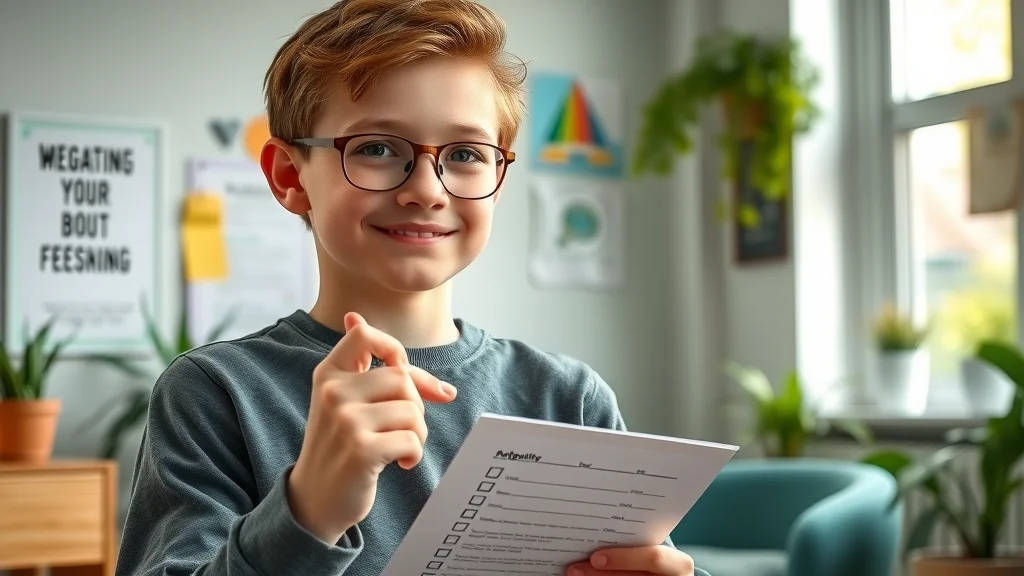
Negative thought patterns, like “I always fail” or “No one likes me,” are common yet distressing for teens. Such patterns sap motivation and fuel anxiety and depression. Simple behavioral interventions for today’s teens are designed to intercept these spirals early. A foundational technique is helping teens identify common negative thoughts and consciously challenge them through evidence-based tools such as a thought record or CBT worksheet.
Encouraging teens to cross off or rewrite negative automatic thoughts on a worksheet, or to practice sharing them in a safe peer group, shifts focus away from criticism and toward problem-solving. Pairing these strategies with positive structured activities and mindfulness routines builds new, healthier thought habits—enabling teens and young adults to manage setbacks with resilience and optimism.
Positive Activities for Teens to Overcome Setbacks
Overcoming obstacles is a skill that grows with positive action. Therapy activities such as peer-led discussions, vision board creation, and gratitude journaling help teens see setbacks as opportunities for growth rather than overwhelming failures. Group therapy projects and cooperative games teach that support is always available and that setbacks are a normal, surmountable part of the teen years.
When setbacks occur, remind teens and young adults of earlier successes and encourage them to use learned coping skills. Celebrating persistence and effort—even when results aren’t perfect—fuels motivation and instills hope for the future.
Watch: Therapists lead a group of teens through a structured mindfulness circle in a community center, highlighting the importance of clear instructions, collaboration, and encouragement.
People Also Ask About Simple Behavioral Interventions for Today’s Teens
What are some simple behavioral interventions for today’s teens?
Simple behavioral interventions include establishing daily routines, setting clear and flexible boundaries, implementing positive reinforcement for healthy behaviors, and involving teens in structured activities like art therapy, mindfulness exercises, and group therapy. These approaches help teens build resilient coping skills and foster positive mental health.
How do therapy activities benefit teens?
Therapy activities support teens by providing structured, meaningful outlets for self-expression and problem-solving. They help teens practice emotional regulation, improve communication skills, and process negative thoughts in a safe, supportive environment. Regular involvement in these activities has been shown to boost self-esteem and overall well-being.
What role does cognitive behavioral therapy play in teen development?
Cognitive behavioral therapy teaches teens how thoughts, feelings, and behaviors are interconnected. By identifying and reframing negative thought patterns, CBT empowers young adults to cope with stress, anxiety, and setbacks more effectively. It’s a cornerstone of modern behavioral therapy for teens and has proven results in reducing symptoms of depression and improving resilience.
How can parents reinforce coping skills at home?
Parents reinforce coping skills by modeling mindful coping strategies, providing specific praise when teens use these techniques, and maintaining a supportive environment where open communication is encouraged. Integrating coping acts into daily routines—such as deep breathing before bedtime or positive journaling after school—helps these skills become lifelong habits.
When should group therapy be considered for teens?
Group therapy is especially helpful when teens struggle with social anxiety, peer relationships, or a sense of isolation. It offers peer feedback, shared problem-solving, and a safe space to practice communication skills. If a teen benefits from group support and would thrive in a collaborative setting, group therapy acts as a valuable complement to individual interventions.
Practical Answers to Frequently Asked Questions About Simple Behavioral Interventions for Today’s Teens
You may still have questions about how to select and implement the right simple behavioral interventions for today’s teens. Below you’ll find answers to some of the most common concerns raised by parents, professionals, and teens themselves.
Frequently Asked Questions: Simple Behavioral Interventions for Today’s Teens
-
FAQ: Are therapy activities different from therapy acts?
While these terms are often used interchangeably, therapy activities usually refer to structured therapeutic exercises (like art or communication games), while therapy acts can include any helpful action or routine that supports emotional well-being, even outside formal sessions. -
FAQ: What if simple behavioral interventions don’t work for my teen?
If a teen does not respond to basic structure and coping skills, consult with a mental health professional. More personalized interventions, teen therapy, or behavioral therapy may be necessary, especially if negative thought patterns or severe mental health symptoms persist. -
FAQ: How can schools implement activities for teens to promote positive behavior?
Schools can integrate regular group therapy sessions, initiate peer-support programs, and offer structured mindfulness exercises during the school day. Educators should collaborate with counselors and parents to ensure activities for teens reinforce clear boundaries and support positive mental health outcomes.
Key Takeaways and Recap: Simple Behavioral Interventions for Today’s Teens
- Boundaries and structure are foundational—a supportive environment enhances their impact.
- Practical coping skills and therapy activities benefit both individual and group settings.
Explore More Ways to Help Teens Thrive: Download Our Free Behavioral Intervention Guide
Ready to take the next step? Download our free guide packed with sample schedules, activity prompts, and expert insights to further support simple behavioral interventions for today’s teens. Give every young adult the tools they deserve to succeed—in mental health, relationships, and life.




Write A Comment