



Did you know that over 20% of teens experience significant behavioral, emotional, or mental health challenges before adulthood? This alarming statistic highlights why understanding and implementing effective behavioral interventions for teens is critical. Both parents and educators play a vital role in shaping adolescent mental health, and practical strategies at home and in school can make all the difference. In this comprehensive guide, you'll discover proven behavioral therapies, cognitive strategies, and creative modalities that empower teens to thrive both emotionally and academically.
Understanding Behavioral Interventions for Teens: Why It Matters for Adolescent Mental Health
- Startling statistic: Over 20% of teens experience significant behavioral, emotional, or mental health challenges before adulthood.
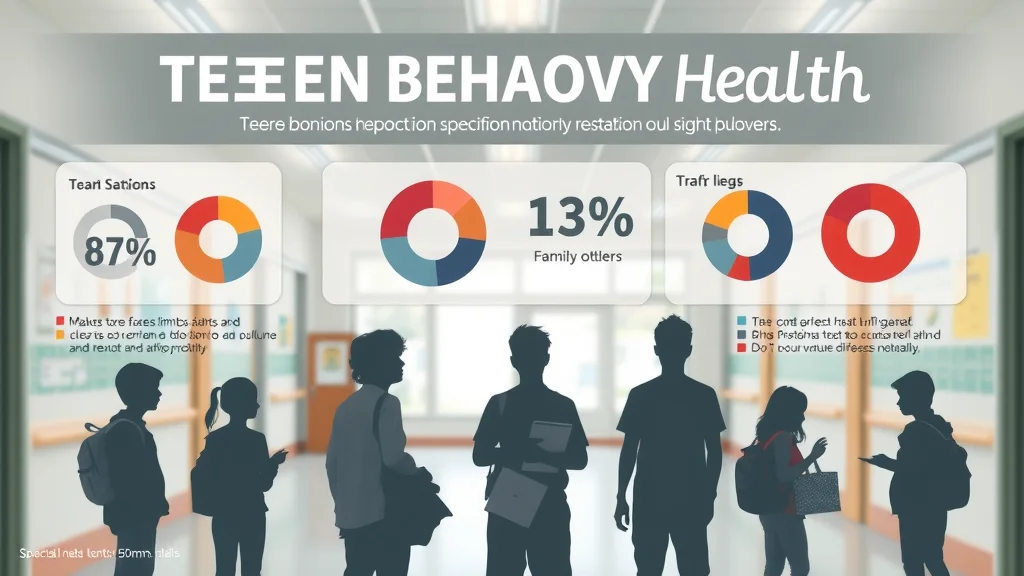
- Defining behavioral interventions for teens: Behavioral interventions are structured techniques and therapies designed to address unhealthy behaviors, encourage positive thought patterns, and improve adolescent mental health. These interventions range from cognitive behavioral therapy (CBT) to family and art therapy, aiming to equip young people with skills for emotional regulation and academic success.
- How adolescent mental health and behavioral therapy intersect: Mental health and behavioral therapy are closely linked. Teens facing negative thought patterns or behavioral issues are at greater risk for mental health disorders like anxiety and depression. Targeted behavioral therapies help teens recognize emotional triggers, manage stress, and build better relationships with peers and adults.
- Importance of early intervention for behavioral issues: Addressing these behaviors early leads to better outcomes. Early behavioral interventions for teens reduce the risk of chronic mental health challenges, improve emotional wellbeing, and boost self-confidence—paving the way for successful young adulthood.
What You'll Learn: Key Takeaways About Behavioral Interventions for Teens
- The benefits of behavioral therapy for adolescent mental health, including improved emotional regulation and reduced risk for long-term mental health disorders.
- Actionable cognitive behavioral strategies that foster positive, lasting change and help teens learn practical coping skills.
- Practical tools you can use to implement behavioral interventions for teens both at home and in classroom settings for healthy development.
Common Behavioral Issues Among Teens Affecting Mental Health

- Exploring negative thought patterns and their impact: Many teens grapple with negative thinking, such as self-doubt or hopelessness. These thought patterns often lead to unhealthy behaviors including withdrawal, academic decline, or resistance to authority. An unaddressed negative mindset may also trigger depressive symptoms or anxiety disorders, severely affecting day-to-day functioning.
- Link between behavioral issues and adolescent mental health: Behavioral issues are not only discipline-related; they often signal underlying mental health disorders. Disruptive behaviors, chronic irritability, and avoidance can be red flags for anxiety, depression, or other mental health challenges. Recognizing this link enables parents and educators to respond with empathy and structured support rather than punishment.
- How behavioral interventions for teens target specific behaviors: Evidence-based therapy sessions like CBT directly address negative thought patterns and unhealthy behaviors. Structured behavioral interventions for teens help identify triggers, teach coping mechanisms, and boost self-awareness—ultimately supporting improved adolescent mental health and academic success.
"Addressing behavioral interventions for teens early improves both academic success and emotional well-being." — Child Psychologist Dr. Lena Torres
Core Approaches to Behavioral Interventions for Teens
Behavioral Therapy: A Proven Solution in Adolescent Mental Health
- Principles of behavioral therapy for teens: Behavioral therapy focuses on replacing unhealthy behaviors with positive alternatives. Through therapy sessions, young people learn how their actions, thoughts, and emotions are intertwined. This form of intervention encourages accountability, self-reflection, and skill-building, laying the groundwork for lasting positive change.
- How treatment programs and treatment centers support behavioral change: Many treatment centers offer structured behavioral therapy programs for teens. These programs create safe, supportive environments where teens learn coping strategies, develop social skills, and participate in individual and group therapy sessions. Such treatment programs often combine evidence-based methods with family involvement, maximizing the impact and ensuring teens transition these skills back to daily life.

Cognitive Behavioral Therapy (CBT) and Cognitive Behavioral Interventions
- Overview of cognitive behavioral therapy for teens: CBT is one of the most researched and widely used behavioral interventions for teens. It teaches adolescents to understand the connections between thoughts, feelings, and behaviors, empowering them to interrupt cycles of negative thinking and unhealthy behaviors. With professional or parental guidance, teens build skills to overcome emotional challenges and boost resilience.
- Techniques to counteract negative thought patterns: Techniques often include identifying triggers, challenging irrational or negative thoughts, and practicing self-compassion. Worksheets, role-playing, and journaling help teens recognize stressors and respond positively. Regular cognitive exercises help reduce self-criticism, minimize depressive symptoms, and promote self-confidence.
- Teaching positive thought patterns at home and school: Both environments reinforce CBT techniques. Parents and teachers encourage positive self-talk and celebrate progress. Consistent modeling and support help teens internalize healthy thought patterns—supporting them through academic, emotional, and social challenges.

Incorporating Art Therapy and Creative Modalities
- How art therapy complements cognitive behavioral and behavioral interventions for teens: Art therapy helps teens express feelings that may be too difficult to verbalize. Through painting, drawing, or sculpture, young people explore emotions, build self-esteem, and discover new ways to manage stress. Art therapy enriches traditional behavioral therapy by tapping into creative strengths, fostering self-discovery, and providing a healthy outlet for negative emotions. This holistic approach supports better adolescent mental health and complements cognitive strategies in both clinical and school settings.

How Schools Can Implement Behavioral Interventions for Teens
- Building supportive structures in classrooms: Schools are uniquely positioned to offer early support for behavioral issues. Teachers can foster nurturing classroom environments using clear expectations, consistent routines, and inclusive activities. Integrating social-emotional learning (SEL) curricula helps teens learn coping skills, empathy, and responsible decision-making, reinforcing positive behavior across the student body.

- Identifying behavioral issues early in school environments: Early identification is key. Educators and school counselors use observation, behavioral rating scales, and peer feedback to spot warning signs before they escalate. Proactive communication with parents ensures early intervention and collaborative problem-solving.
- Collaboration with mental health resources and school counselors: Partnering with school counselors and local mental health resources increases the support network for at-risk teens. Schools can refer students to specialized treatment programs and therapy sessions, ensuring each young person receives tailored help when needed.
Effective Behavioral Interventions for Teens at Home
- Setting consistent boundaries and expectations: Develop clear and achievable rules. Make expectations (around chores, homework, or device use) visible and discuss consequences in advance. Consistency builds trust and reduces confusion, promoting responsible teen behavior.
- Using positive reinforcement versus negative consequences: Focus on rewarding positive behaviors (like completing tasks or showing kindness) rather than solely punishing mistakes. Celebrate improvements and use praise or small incentives to boost motivation. This approach fosters a growth mindset and strong self-worth.

- Modeling healthy thought patterns and emotional regulation: Parents’ behaviors set the tone at home. Show calmness under pressure, share positive self-talk, and practice healthy routines. Teens naturally model the emotional regulation skills they observe.
- Family-based cognitive behavioral techniques to support adolescent mental health: Practice CBT-inspired activities together, such as identifying negative thoughts and reframing them. Schedule regular family check-ins or “problem-solving hours” to address challenges and encourage open communication. These methods strengthen resilience and cement the benefits of behavioral interventions for teens at home.
Table: Comparing Behavioral Interventions for Teens in Home vs. School Environments
| Aspect | Home | School |
|---|---|---|
| Structure | Flexible routines; family-led modeling | Consistent rules; teacher-led support |
| Support Network | Parents/siblings; mental health professionals | Teachers, counselors, peers |
| Intervention Tools | CBT worksheets, positive reinforcement, family meetings | Social-emotional learning, behavioral contracts, group interventions |
| Recognition of Issues | Ongoing observation by caregivers | Early detection via assessments, staff, and peer observation |
| Resource Access | Local mental health resources, online programs | School-based mental health programs, external referrals |
Watch: Expert Explains: Behavioral Therapy for Teens and Its Role in Adolescent Mental Health
Case Examples: Successful Behavioral Interventions for Teens
- Case study: School-based cognitive behavioral intervention: When a 15-year-old student began withdrawing from peers and failing classes, school counselors initiated a cognitive behavioral therapy program. Together, they worked on identifying negative thoughts and developing healthy coping mechanisms. Over the semester, the teen’s academic performance improved, and depressive symptoms decreased.

- Case study: Home-based behavioral therapy plan: A family noticed their teenage son experiencing increased irritability and avoidance. By collaborating with a behavioral therapist, they implemented family meetings, positive reinforcement, and CBT worksheets at home. The teen began expressing his emotions more openly and developed healthier routines, illustrating how at-home interventions can support adolescent mental health.
- Lessons learned for adolescent mental health improvement: Early intervention in both home and school environments is crucial. Collaborative strategies involving parents, teachers, and mental health professionals lead to the most sustained progress in behavioral interventions for teens.
The Role of Treatment Centers and Mental Health Resources
- When to seek help from a treatment center: If home and school interventions are not enough to address severe behavioral issues, or if a teen shows signs of self-harm, persistent depression, or addiction, it’s time to consult a treatment center. Treatment centers offer specialized care, structured treatment programs, and access to trained professionals who support recovery and growth.
- Navigating available treatment programs for teens: Options include outpatient therapy, residential care, and day treatment. Each program tailors interventions to individual needs, combining behavioral therapy, family therapy, and creative modalities for comprehensive support.
- How to access mental health resources locally and online: Families can start by speaking to school counselors, contacting community mental health centers, or searching for certified professionals online. Many organizations now offer virtual therapy sessions, making mental health resources more accessible for adolescents everywhere.

Addressing Negative Thought Patterns and Building Resilience
- Identifying negative thought patterns in teens: Watch for repeated self-blame, catastrophizing, or avoidance behaviors. Journaling, family discussions, and digital mood-tracking apps help teens recognize and articulate their negative thought patterns—which is the first step toward lasting change.

- Guided cognitive behavioral exercises for building resilience: Introduce daily affirmations, gratitude journals, and exposure therapy in low-stakes environments to help teens manage stress. These cognitive behavioral therapy exercises, practiced consistently, strengthen coping mechanisms and prepare young adults to handle life’s obstacles with resilience.
- Resources for fostering positive thought patterns in adolescence: Utilize mental health resources like teen workshops, online CBT modules, and peer support groups. These resources help teens learn that setbacks are temporary and that healthy thought patterns can be developed through practice and support.
Lists: Actionable Behavioral Interventions for Teens Parents and Educators Can Use
-
Top 5 behavioral interventions for teens at home:
- Daily positive feedback and praise
- Clearly defined routines and boundaries
- Collaborative problem-solving sessions
- Family-based cognitive behavioral activities
- Open, judgment-free communication
-
Top 5 strategies for teen behavioral support in schools:
- Integrate social-emotional learning (SEL)
- Implement peer mentoring programs
- School counseling and regular check-ins
- Behavioral contracts and consistent expectations
- Positive discipline approaches
-
Warning signs of behavioral issues needing professional support:
- Frequent outbursts or aggressive behaviors
- Prolonged withdrawal from friends or activities
- Dramatic changes in sleep, appetite, or academics
- Talk of self-harm, hopelessness, or worthlessness
- Failure to respond to initial interventions or family support
People Also Ask: Behavioral Interventions for Teens
What are some effective behavioral interventions for teens?
- Answer: Effective behavioral interventions for teens include cognitive behavioral therapy, positive reinforcement strategies, art therapy, and consistent boundary setting both at home and in school. These approaches help teens build emotional regulation skills, reduce unhealthy behaviors, and support long-term adolescent mental health.
How can parents and teachers support behavioral interventions for teens?
- Answer: Parents and teachers can support behavioral interventions for teens by collaborating on strategies, modeling positive behaviors, providing mental health resources, and implementing tailored treatment programs as needed. Regular communication and shared tools create a strong support system around each teen.
When should professional help be sought for teen behavioral issues?
- Answer: Seek professional help when behavioral issues substantially disrupt daily life, academic achievement, or indicate deeper mental health concerns that do not improve with initial interventions. Consulting a mental health professional or treatment center ensures that teens receive expert guidance when most needed.
FAQs About Behavioral Interventions for Teens
-
How do behavioral interventions for teens improve overall adolescent mental health?
Behavioral interventions help teens recognize negative thought patterns, build resilience, and learn healthy coping strategies. When applied early and consistently, these strategies help reduce symptoms of mental health disorders and empower young people to thrive emotionally and socially.
-
Are treatment centers necessary for every case of behavioral issues in teens?
No. Most teens benefit from home- or school-based interventions. Treatment centers are typically recommended for severe or persistent behavioral issues, or when safety is a concern and intensive support is required.
-
What is the role of art therapy in behavioral interventions for teens?
Art therapy offers a creative outlet for teens to process emotions, reduce stress, and build self-esteem. Combined with traditional behavioral or cognitive therapy, art therapy supports overall adolescent mental health and encourages self-expression.
-
Can cognitive behavioral therapy be administered at home or only by professionals?
While professional guidance yields the best results, many CBT-based exercises can be practiced at home with resources such as worksheets, digital tools, and family discussions. Consistency and open communication are key to successfully using cognitive behavioral strategies in daily life.
Key Takeaways: Implementing Behavioral Interventions for Teens

- Early and consistent use of behavioral interventions for teens promotes positive adolescent mental health.
- Both home and school environments play critical roles.
- Accessible mental health resources and treatment programs support success.
Summary and Next Steps
- Evidence-based behavioral interventions for teens are essential for improving adolescent mental health and shaping the foundation for future success. By working together, families, educators, and mental health professionals can create safe and empowering environments that help young people thrive. Ready for more?




Write A Comment